20 DIY Desk Organizer Ideas and Projects to Try

As we start to work from home more and more, we are starting to value the idea of an organized desk more and more. This is where the best DIY desk organizer ideas come in pretty handy. The best and smartest desk organizers are ones that ensure that you have absolutely nothing to worry about once you start working each day morning. Smart, space-savvy and easy-to-craft, this is a list of the 20 most innovative and handy desk organizers around.
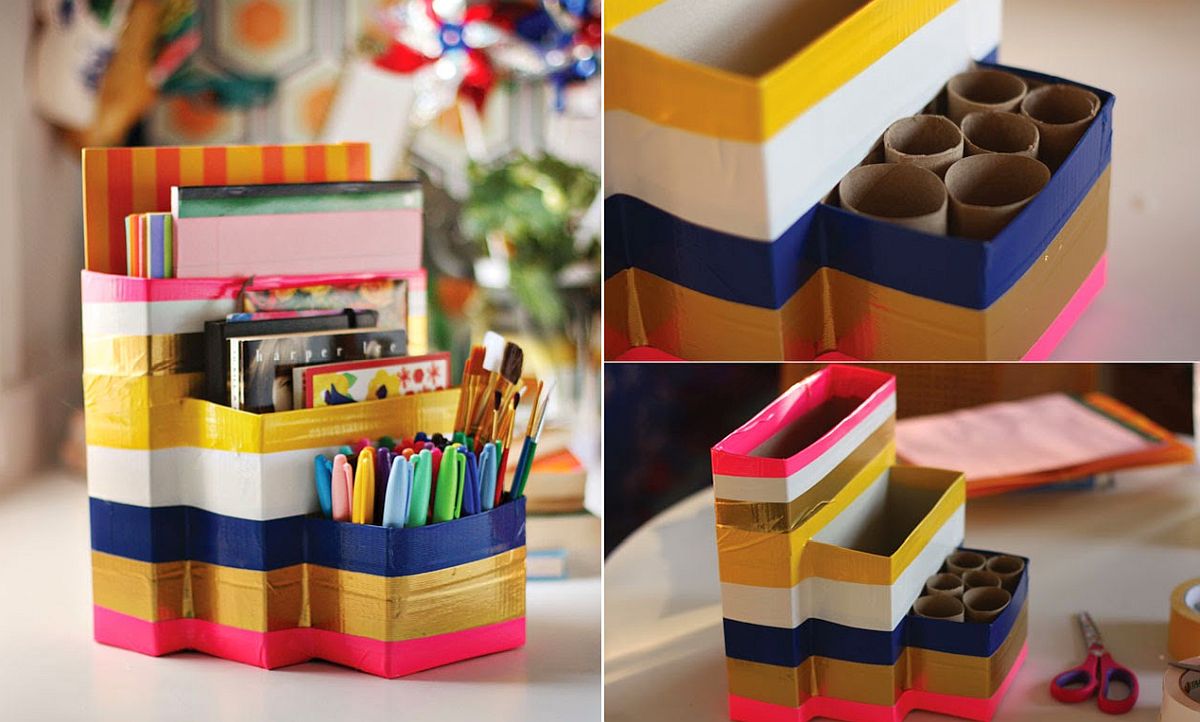

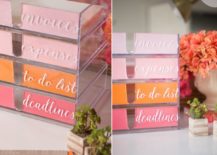
Duct tape and empty cartons turned into a cool desk organizer [From: aunt peaches]

You can always start off with something small when it comes to making innovative desk organizers and as you get a hang of things, you will realize that there are a plethora of other options to explore. The best ideas can also be improvised upon to give them a more personalized look. From simple holders to pegboard additions that free up desk space, this is an organizational treasure trove that you would not want to miss –

Holding them all!

One of the most useful accessories when it comes to an organized desk are smart holders that hide everything from pens and pencils to your charging cables, accessories and a whole lot more. The options here are well and truly endless and the ones that work for you depend on both your desk storage needs and crafting skills. A simple conversion of Mason jars into holders, or even those forgotten kitchens jars with lost lids is an idea that takes very little time.On the other hand a chic, acrylic stand and holder takes both greater effort and time.

RELATED: 29 Kids’ Desk Design Ideas For A Contemporary And Colorful Study Space
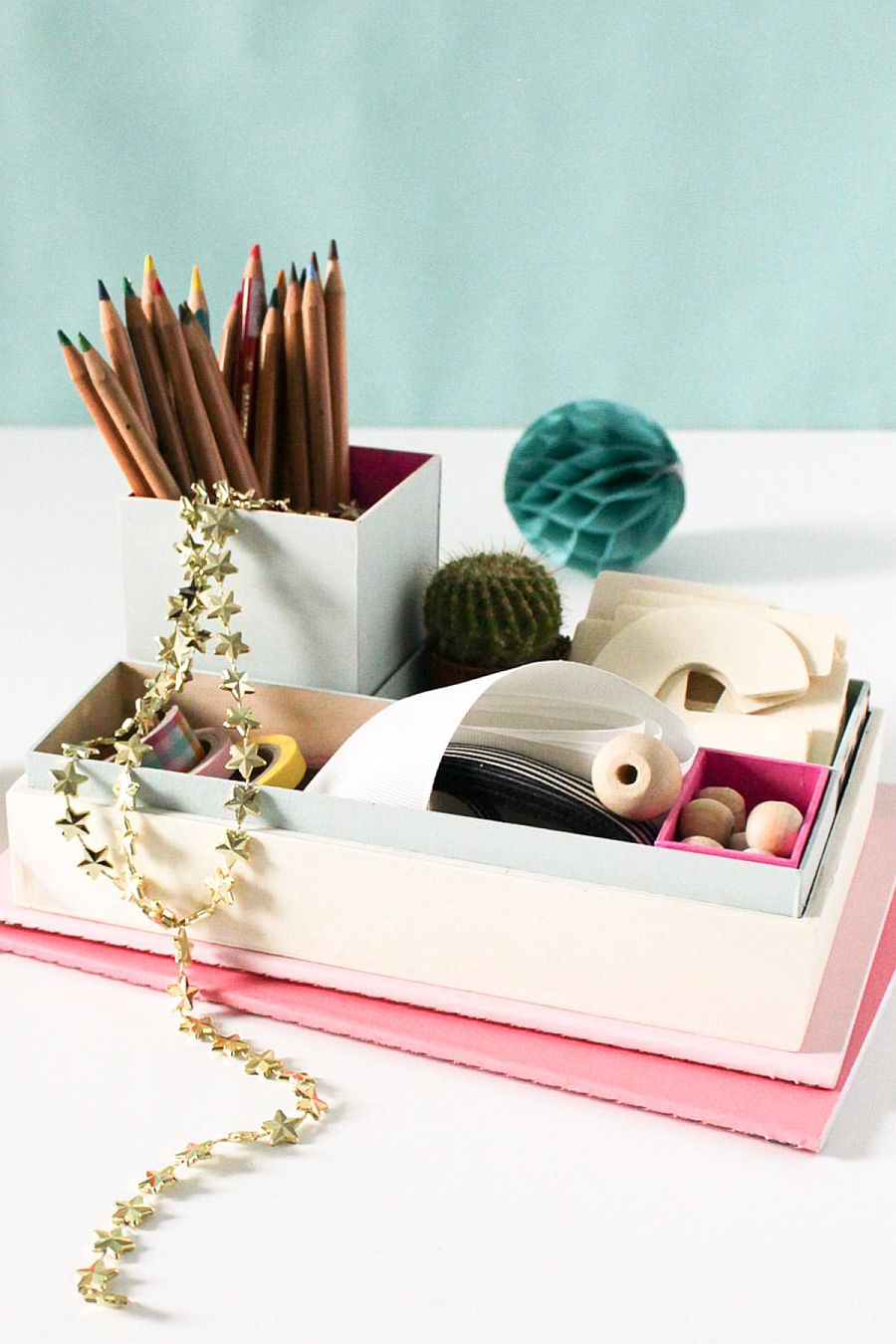
Easy-to-craft nesting DIY organizer idea
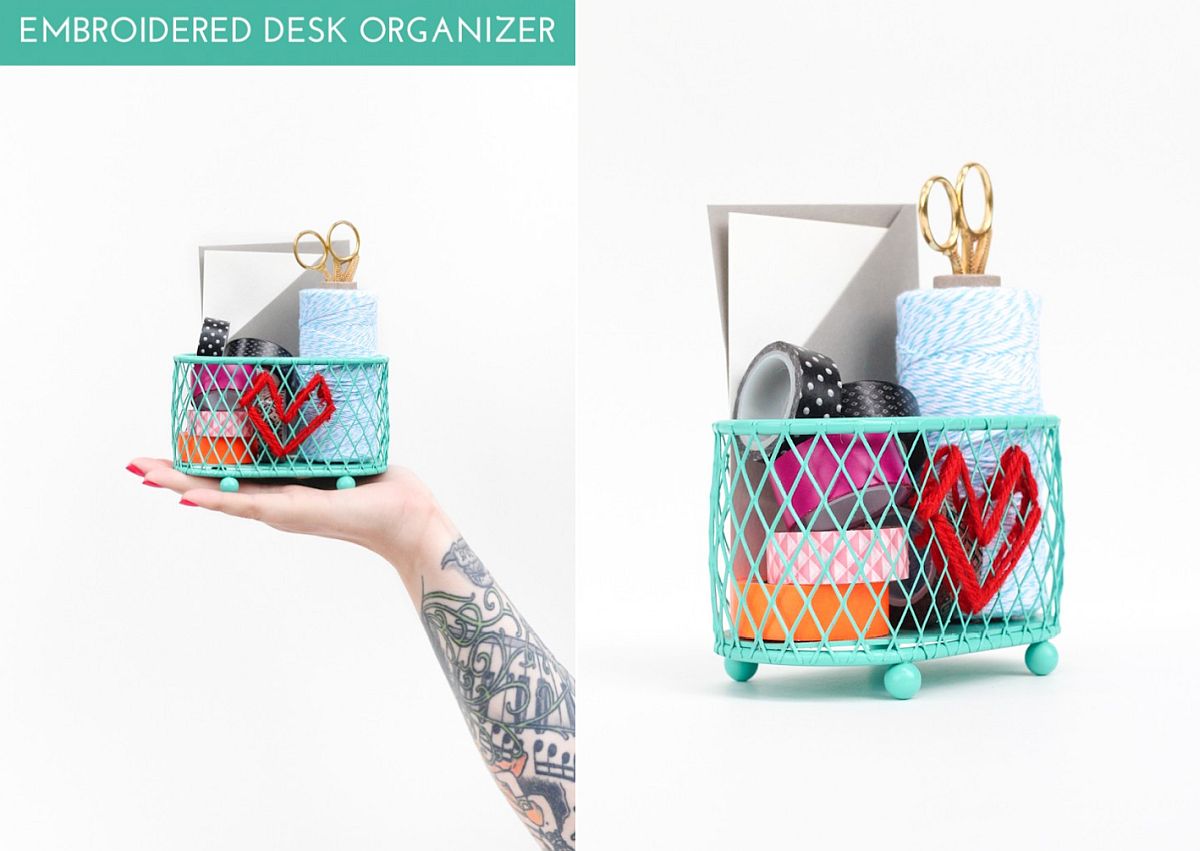
Embroidered DIY Desk Organizer Idea
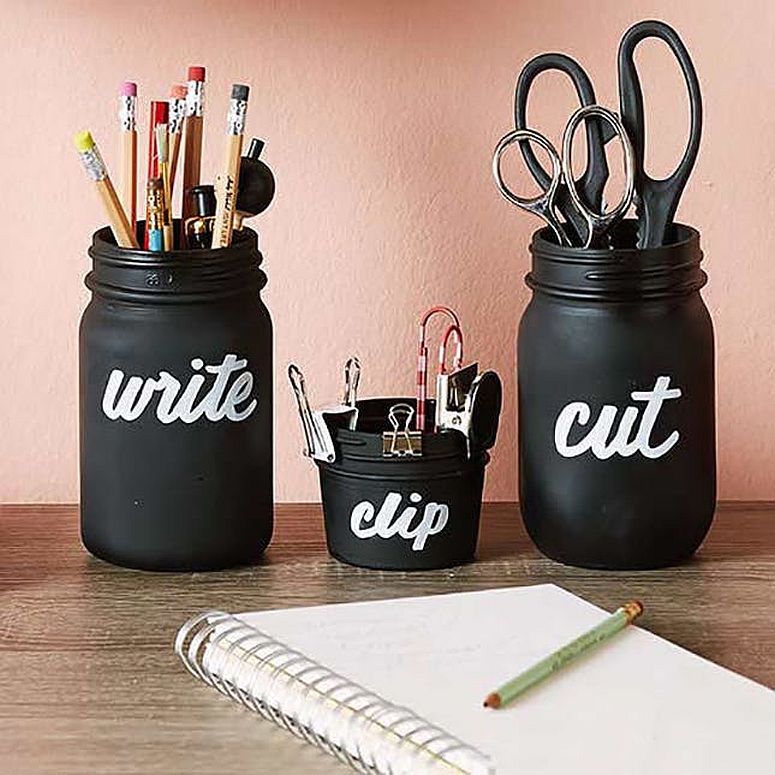
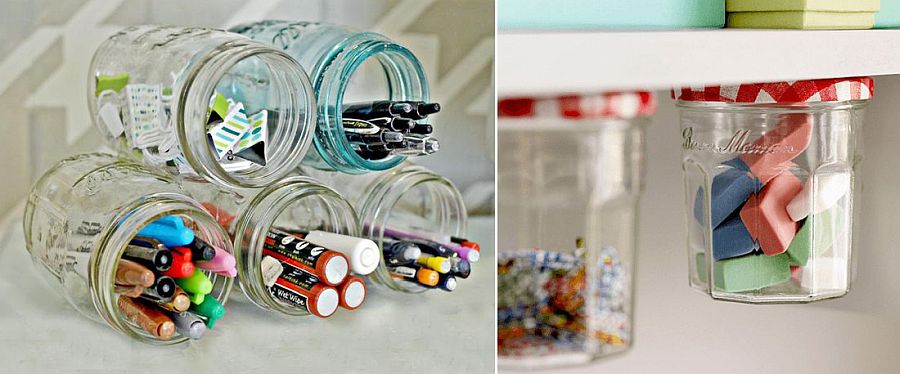
Mason Jar DIY desk organizers clad in chalkboard paint
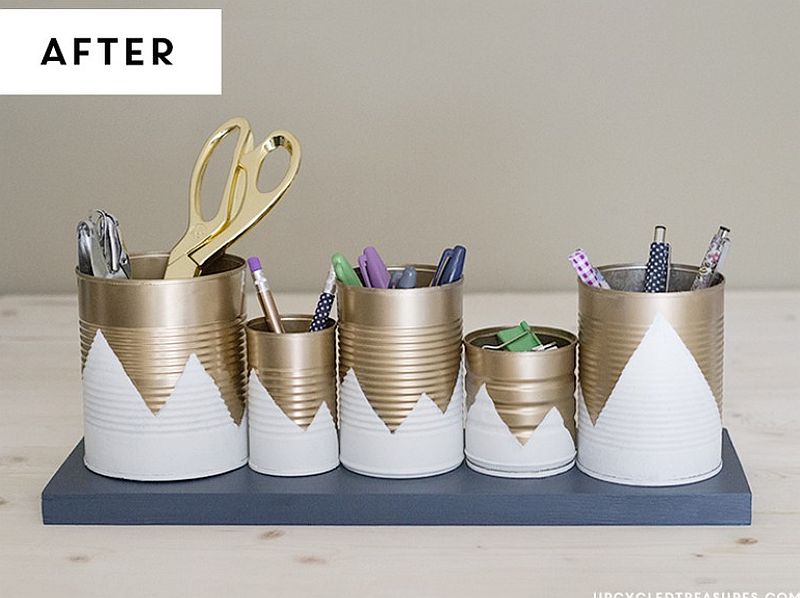
Upcycled tin can organizer for the smart desk
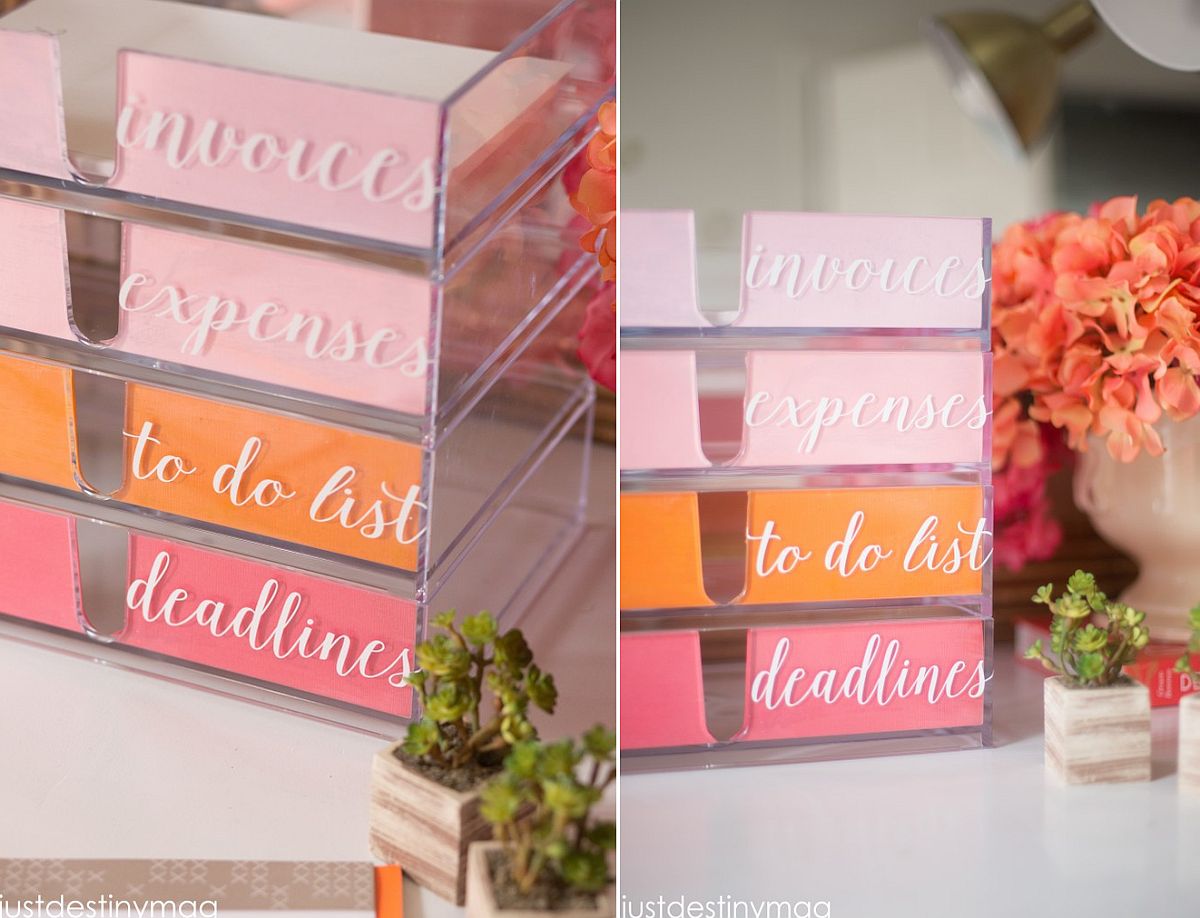
Acrylic desk accessory DIY is both fun and super-stylish [From: Just Destiny Mag]
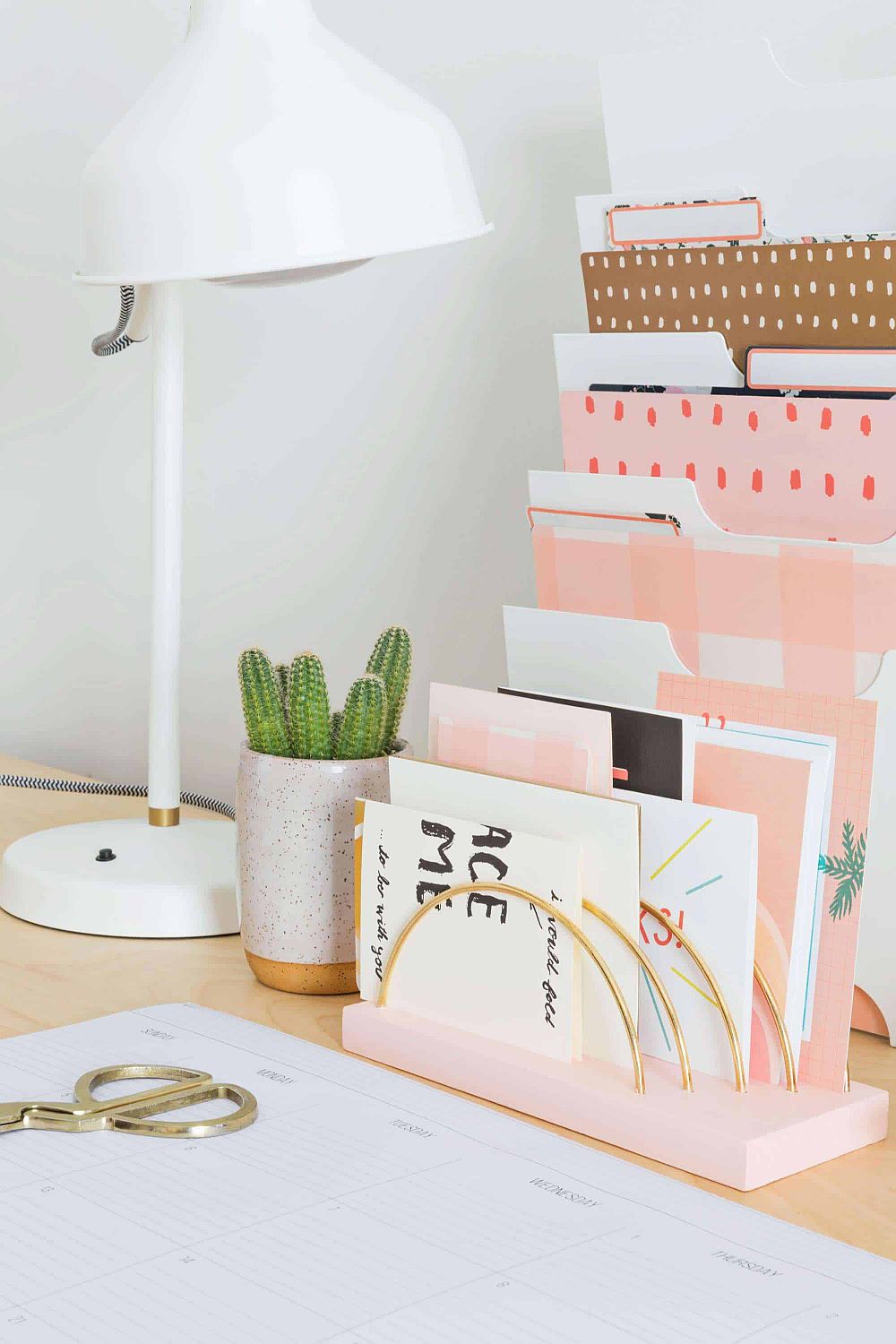
Chic wood and brass metal holder idea
Combine a few cool jars for smart desk storage options
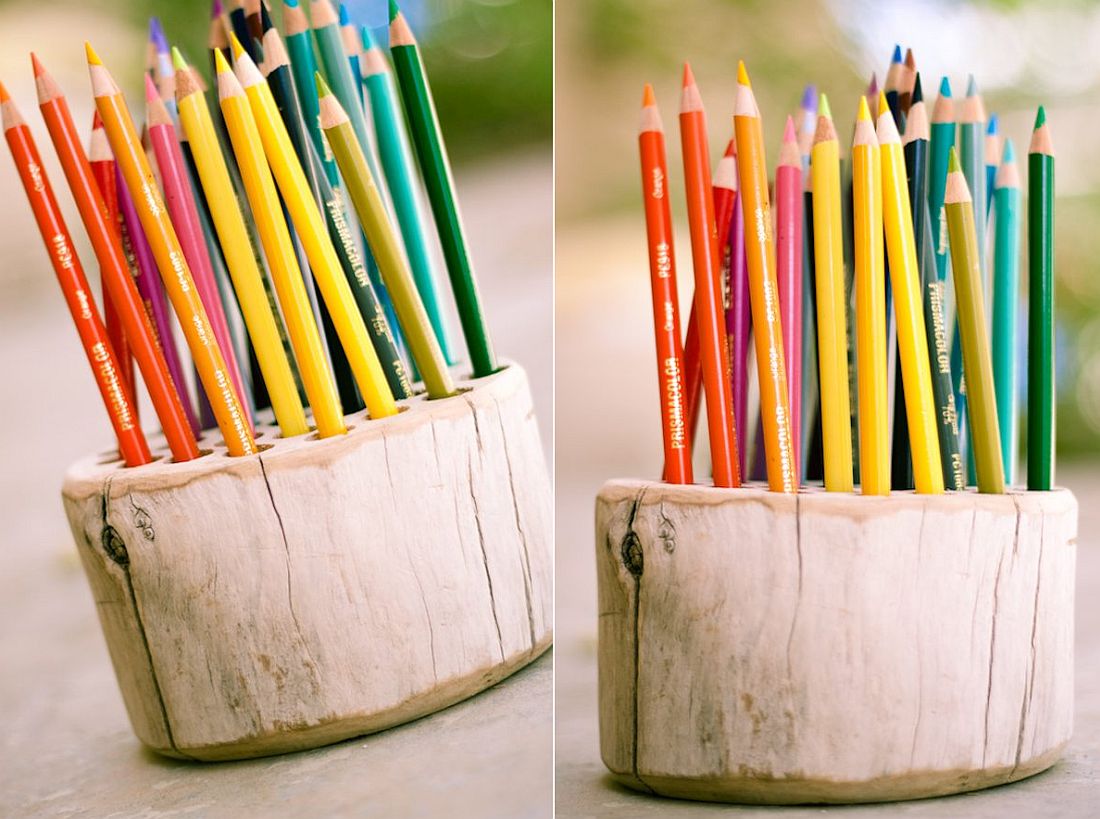
DIY pencil holder crafted from raw wood block

Moving Things Away from the Desk

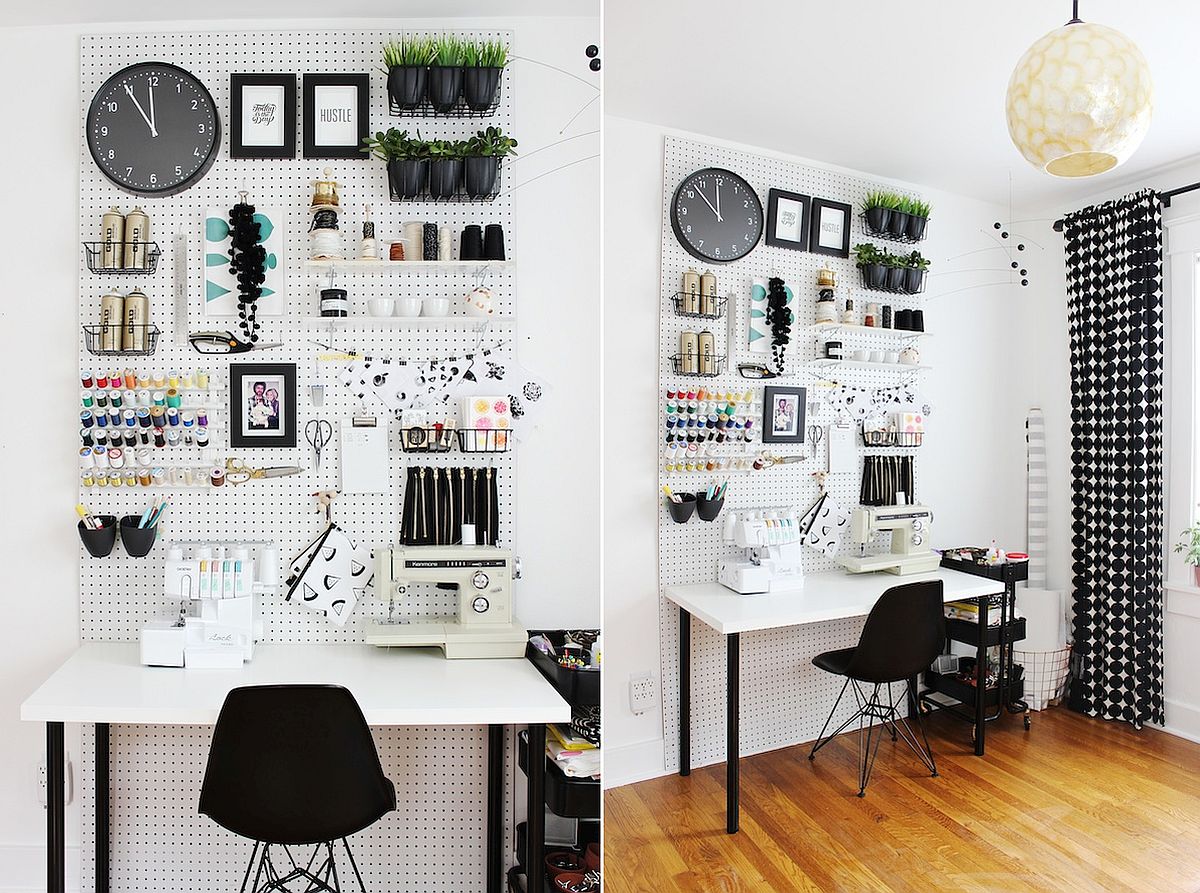
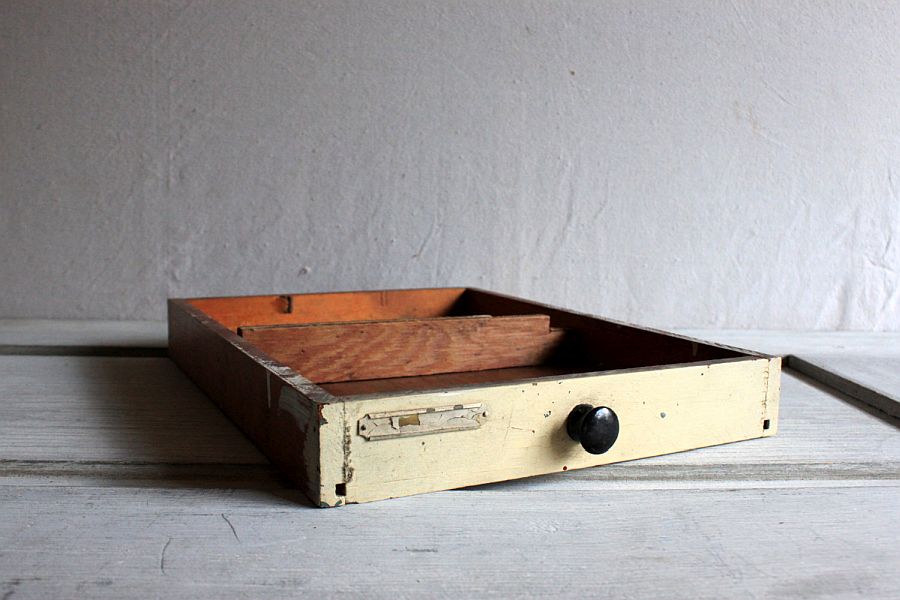
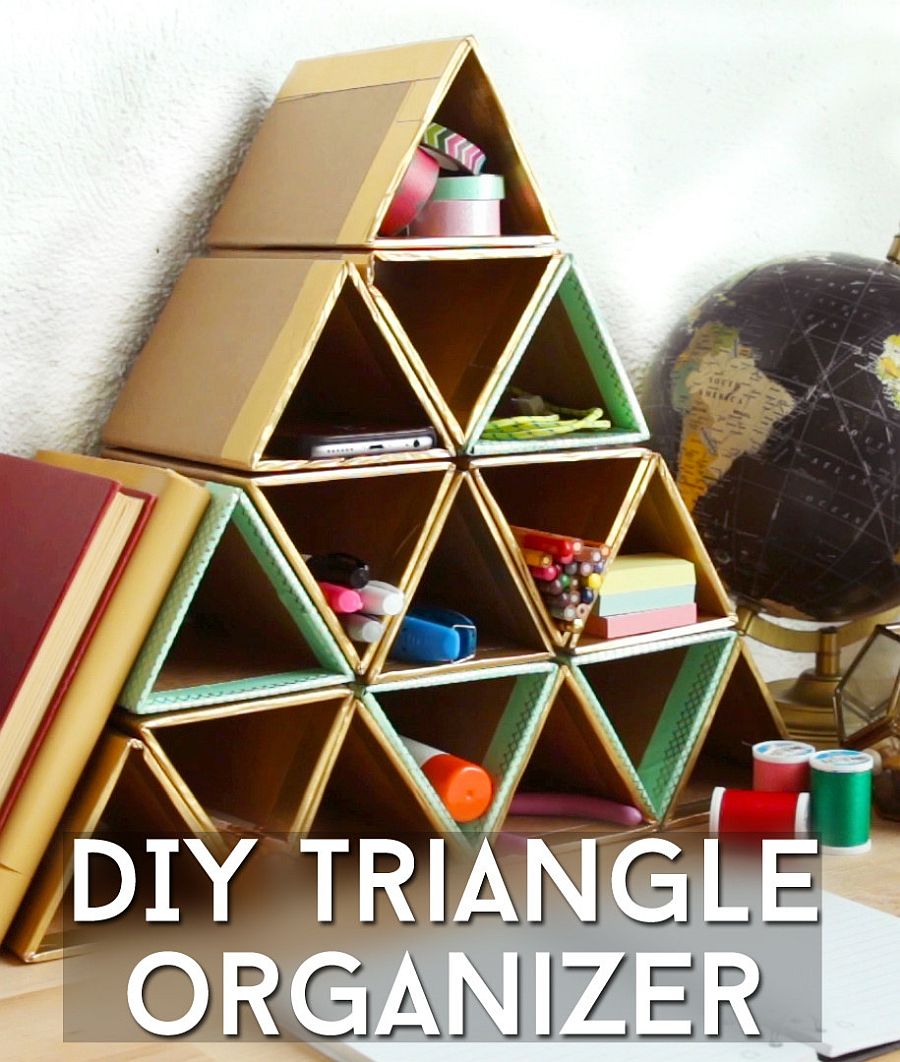
Keep the desk organized often means freeing up as much surface space as possible and this can be done in more ways than one. Use the wall next to the desk or one behind it to clear the clutter. The idea we love here the most is the expansive pegboard wall with multiple storage options that looks super-cool and serves you in many different ways. The vintage desk organizer is a more understated way of doing things while the triangular DIY desk organizer adds geo charm to the setting.

RELATED: 15 DIY Home Office Organization and Storage Ideas that Maximize Space
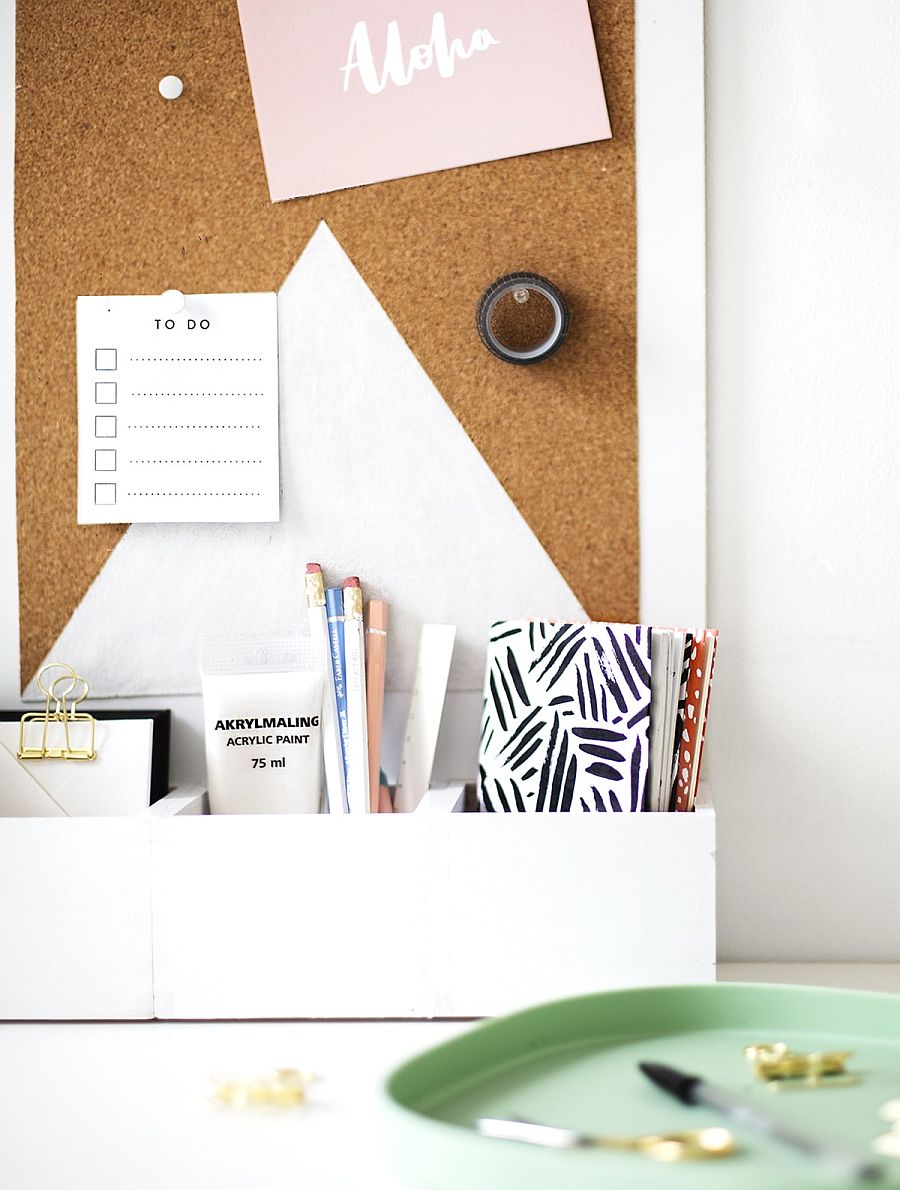
Modern and simple DIY Desk Organizer crafted using wooden boxes and office supplies [From: Sugar and Cloth]
Pegboard wall organizer that frees up desk space in the office [From: Fabric Paper Glue]
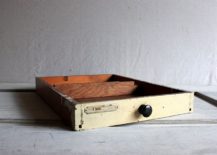
Vintage wooden drawer is perfect for a more organized work desk
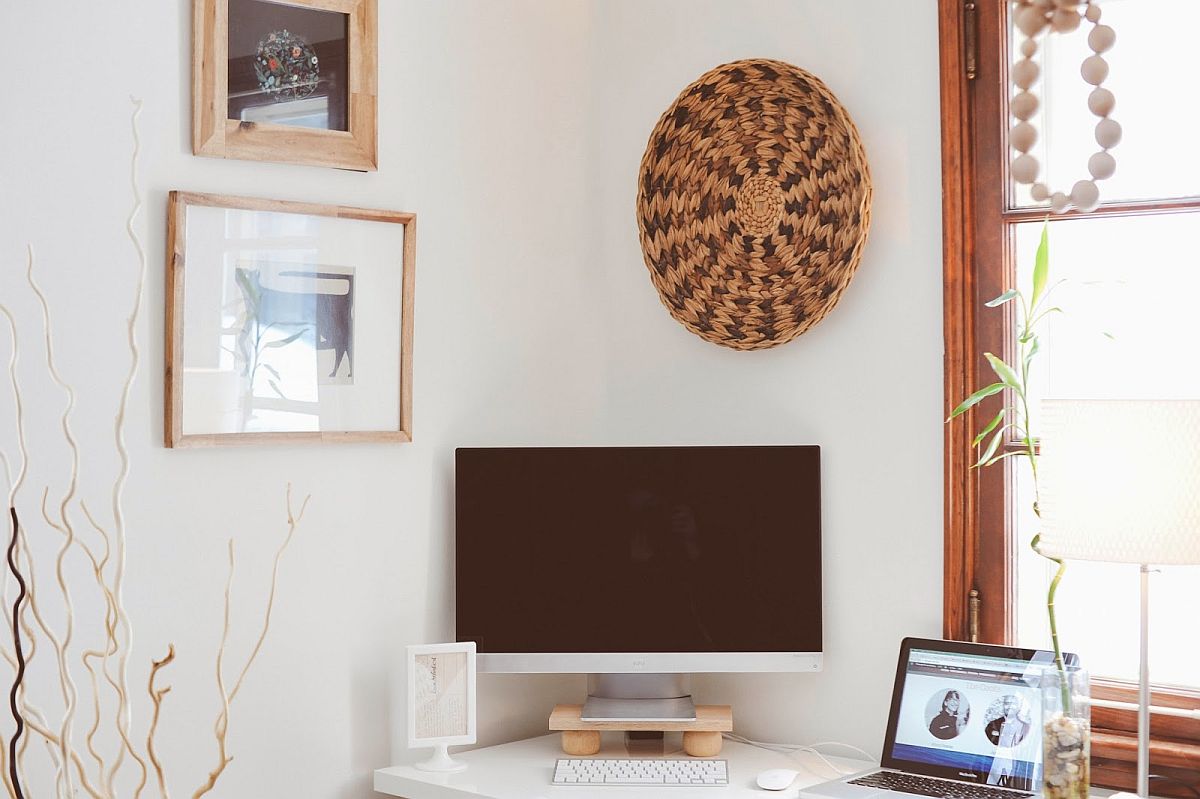
DIY Modern Monitor Stand in wood is super-easy to craft [From: new blooming]
Easy desk organizer with triangular shelves that offer ample space

Creating Space and Style

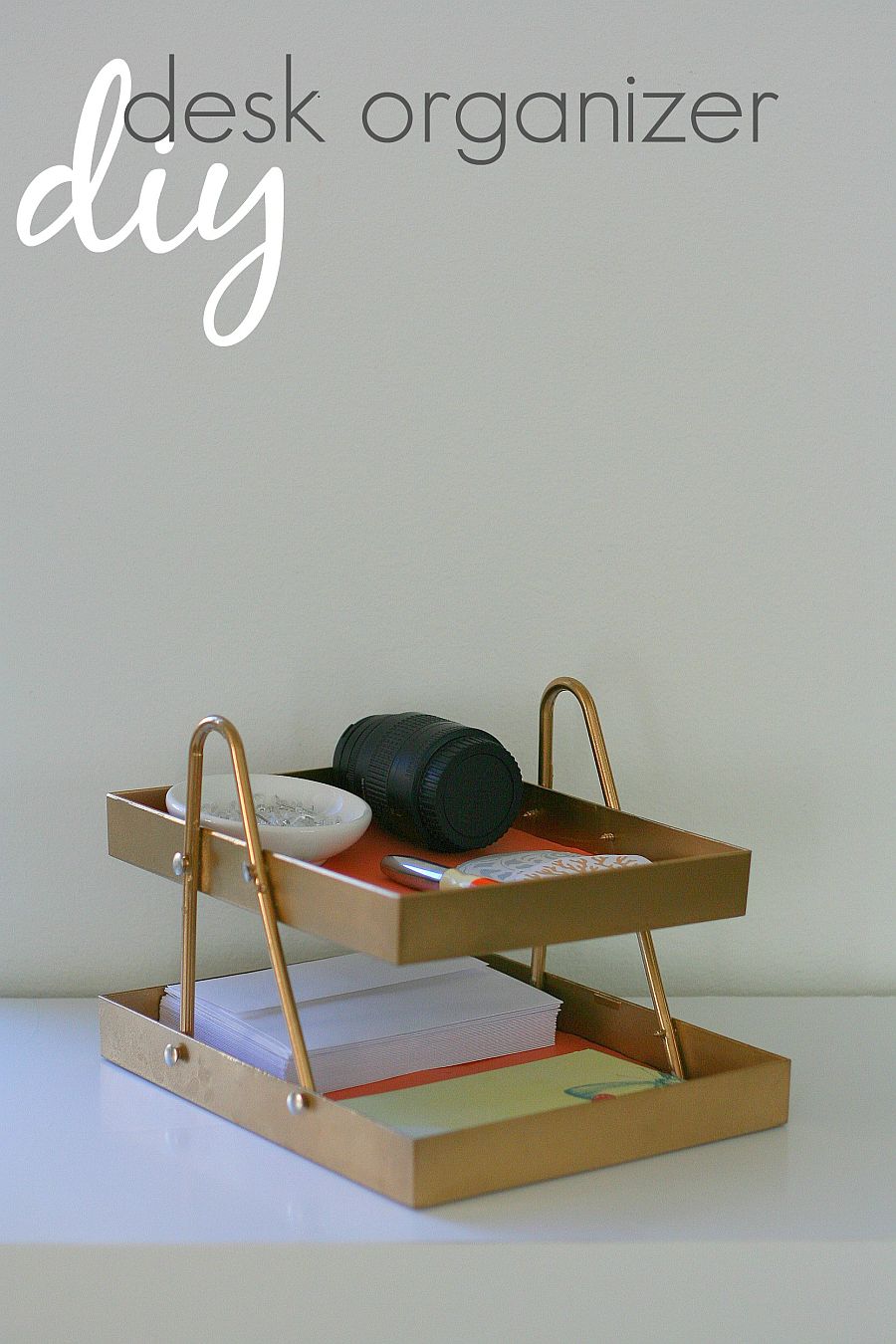
If you love an idea that is simple and understated, then the magnetic DIY holders are a cool choice indeed. The two-tier organizer adds more shelf space using limited square footage. DIY concrete spheres act as perfect bookends and give your books a more stylish zone to occupy while the painted wooden storage boxes add geo flair with ease. The best ideas are ones that combine form and functionality in a seamless manner!

RELATED: Space-Savvy Workspaces: Finding the Right Desk for Your Small Home Office
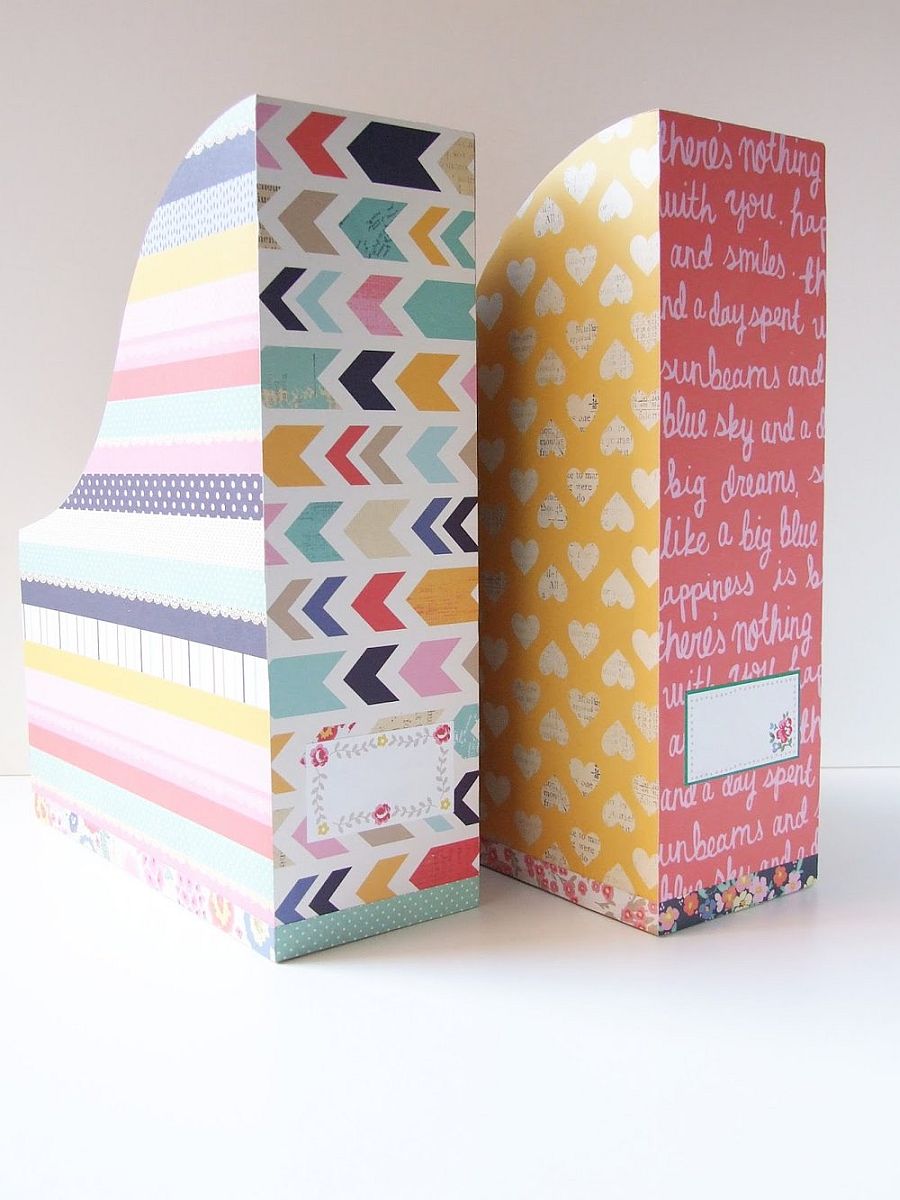
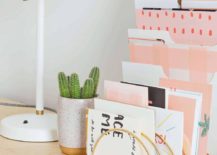
Fabulous DIY decorated magazine holders [From: gathering beauty]
Make a simple and easy two tier DIY desk organizer
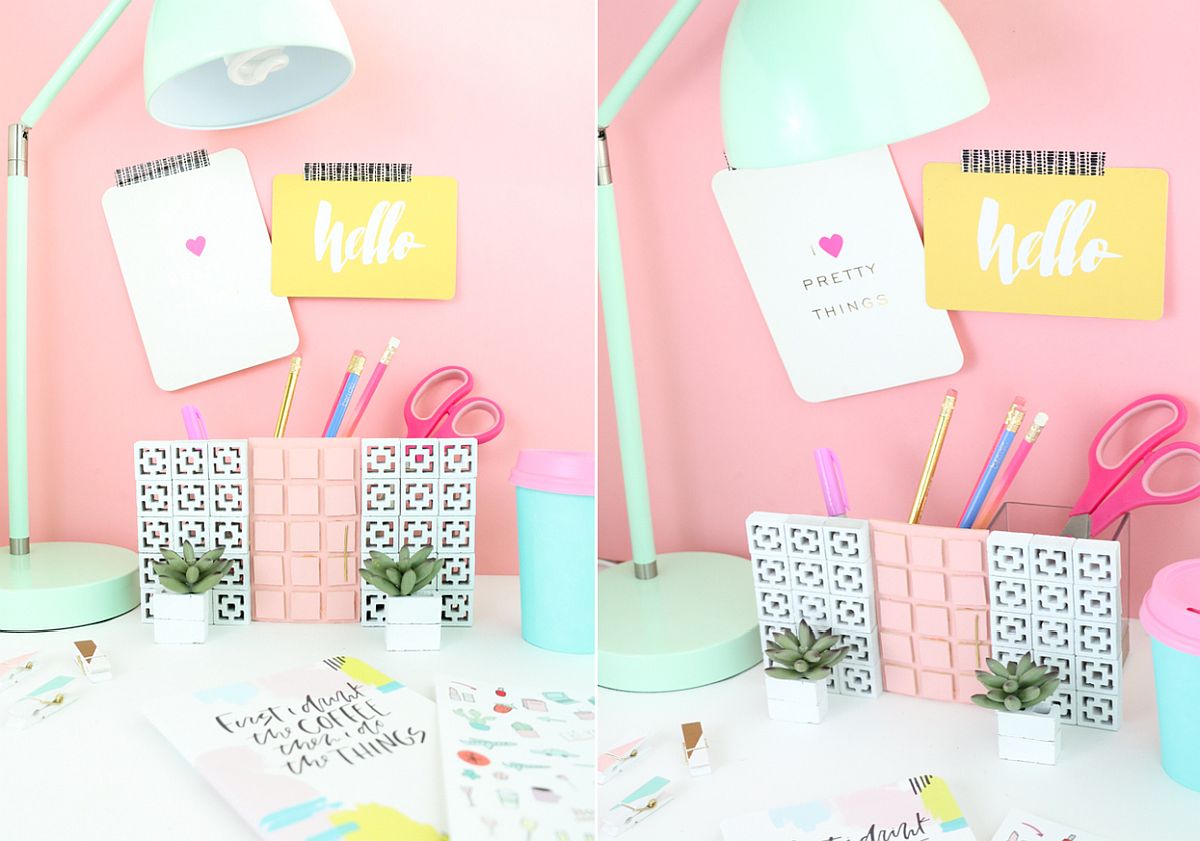
Palm Springs-inspired DIY work organizer idea [From: a kailo chic life]
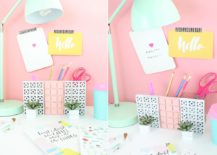
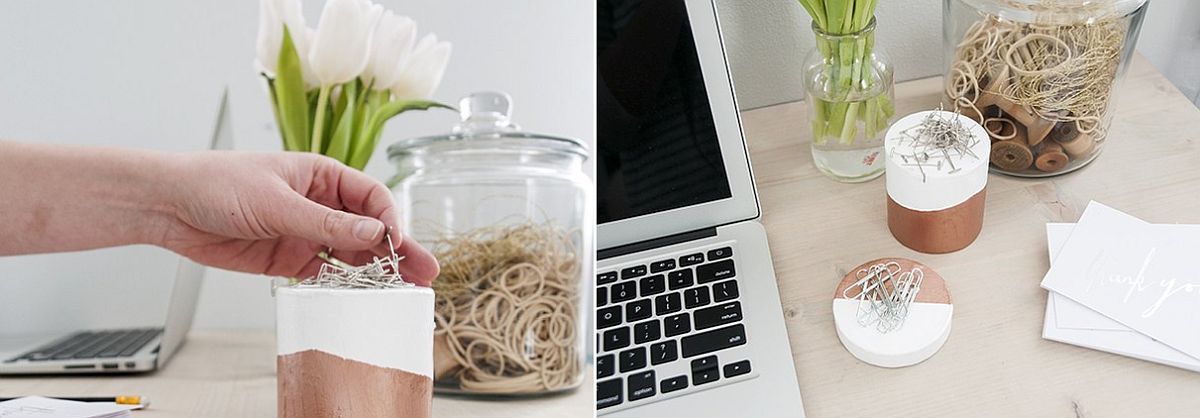
Smart magnetic desktop set with geo style and pattern [From: earnest home co]
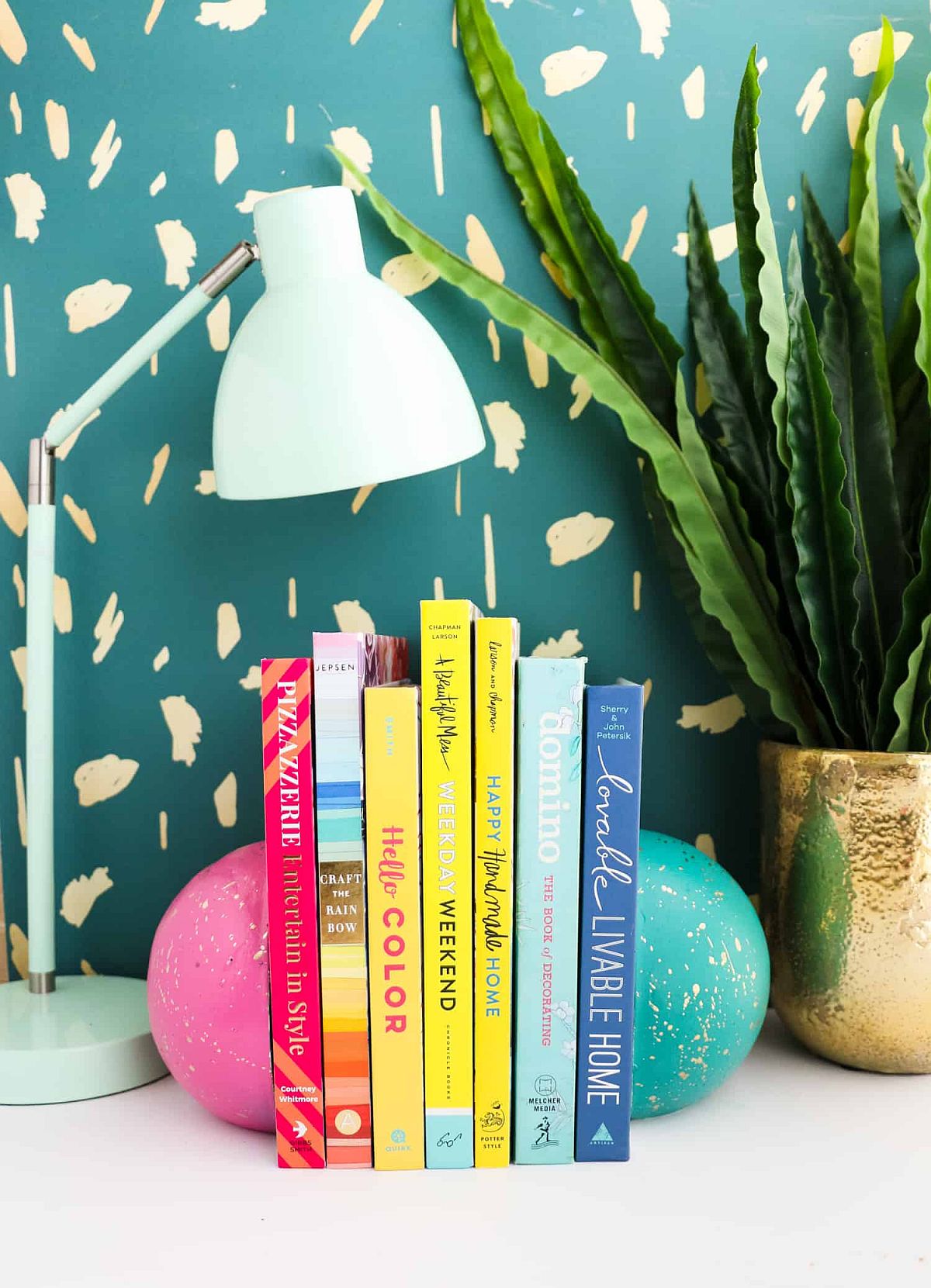
DIY concrete sphere bookends for a more organized and neat desk
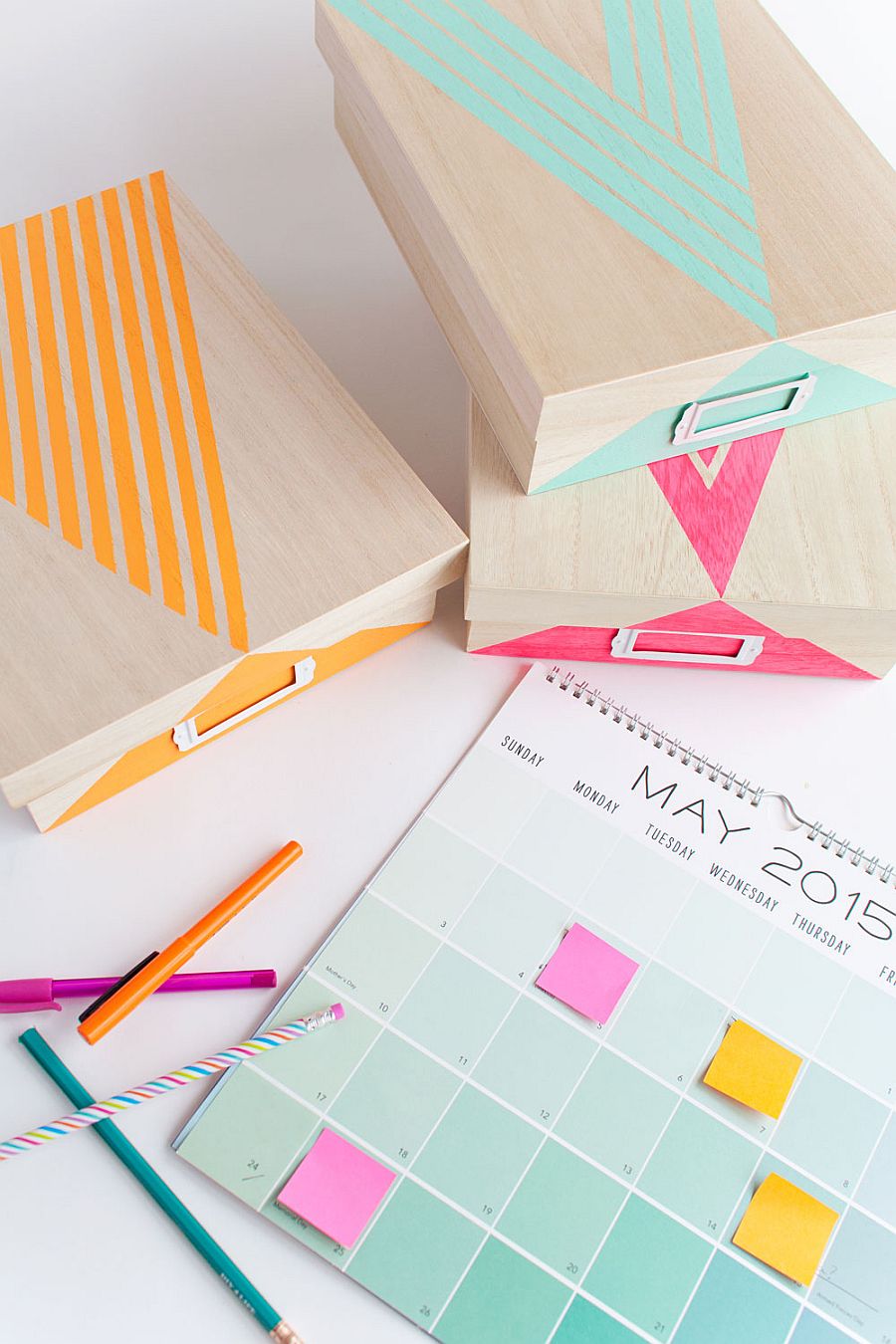
DIY painted wooden storage box idea with geo pattern from Tell Love and Party

You’re reading 20 DIY Desk Organizer Ideas and Projects to Try, originally posted on Decoist. If you enjoyed this post, be sure to follow Decoist on Twitter, Facebook and Pinterest.

Similar Posts

  • Good Haus

    The Good Haus celebrates the intersection between design and performance – and seeks to be an example of a “good house”. The house is the family home of principals Mela Breen and David Good (designer and builder) – and playfully gets it’s moniker from Dave’s last name. So what is our idea of a good house? In this case it is one that is pushing the possibilities of a site specific design while holding itself accountable to reaching the highest level of energy efficiency. Our good house is one that embodies our beliefs about resiliency, efficiency, health and comfort, beauty and playfulness. The DNA for the Good Haus is established by the site, a steep and rocky hillside that spills down onto a small neighboring foothill meadow. A limited buildable footprint, season drainage concerns, and an inviting flat outcrop of granite drove the initial design. Two intersecting geometric volumes were conceived, each reaching out to connect the building to the landscape, each intersecting the other and providing counter balance. The main first floor volume is a long south facing rectangle that stretches and anchors in the granite. A deep west facing porch protects the house from overheating, bridges a rocky drainage and links the open floor plan to the landscape with a large outdoor living space. The second floor volume runs perpendicular to the main living space and cantilevers to create a covered north entry, while a balcony on the south side cantilevers towards the oak canopy – creating a sense that the master bedroom is in a tree house. The exterior material pallet is in keeping with our love for the handmade modern. Cedar siding from trees grown on Mela’s childhood property and milled by her father is mixed with standing seam metal roofing that turns downing to clad the walls as a way to articulate the building form. Because the topography falls roughly 12’ over the relatively narrow width of the house, and the granite spine to the west hinted at what might lay below the soils (giant boulders and bedrock), we opted to build the first floor primarily on a steel pier and beam structure with a metal pan deck. This allows the building to float above the rocky drainage. The complexity of the design, with its cantilevers and steel deck foundation, require a heightened attention to the air sealing and insulation details. The super insulated, air-tight building envelope is wrapped in exterior Rockwool insulation, all the connections between interior and exterior structural members are meticulously detailed to avoid thermal bridges, and triple pane European windows and doors are used to maximize light, comfort, and performance. A CO2 heat pump water heater provides the most efficient domestic hot water delivery. Balanced heat recovery ventilation offers high indoor air quality and uniform temperature distribution. Indoor climate control is provided by super efficient ductless mini splits. A 6.5 kw roof mounted photovoltaic system is installed to offset the home’s energy usage (including the charging of an electric car) – creating a zero net energy building.

  • House LV1 (house nanchi 1 y 2)

    CASA LV1 (casa nanchi 1 y 2)
    BRIEF DESCRIPTION OF THE CONSTRUCTION
    The Casa LV1 (casa nanchi 1 and 2), is a multi-familiar conformed by two houses constructed in the same land, the main material used for its construction was white striated concrete.
    DESCRIPTIVE MEMORY
    The Casa LV1 (casa nanchi 1 and 2) is a complex of two houses designed for a family an elderly couple, their young daughter and their granddaughter. Each house has the necessary privacy for each development, with the interrelationship and coexistence of the family; they are located in an irregular diamond-shaped land of approximately 250m2, a gradient over 10% with a view to the southeast.
    The Casa nanchi 1, on its main floor has: living room, dinning room, kitchen, bathroom, main bedroom with closet and its own bathroom, this floor is directly connected with the service area; the lower floor has a hall, two bedrooms with closet and its own bathroom; the upper floor has a roofed recreation room and a garden terrace. All the floors are connected by a stair, and has a parking lot. The total constructed surface is of 160 m2.
    The Casa nanchi 2 has on its main floor: living room, dining room, kitchen, bathroom and service area; on the upper floor it has: main bedroom with closet and its own bathroom, an additional bedroom with closet, a little play room and a bathroom; on the lower floor, where the entrance is, has: two parking lots and an exterior stair which is connected to the other floors. The total constructed surface of the house is 145 m2 excluding parking lots.
    Both houses share main entrance, service yard, green spaces and services.
    The houses are named after the nanchi tree (byrosonimacrassifolia) that is located in that land; it was respected and the project was adapted around it, to make it a natural decoration for the dinning room of the Casa nanchi 1. This house was designed for an elderly couple and it has a terrace in the upper floor, which is a recreational and relaxing space with a view of the surroundings to enjoy with the company of family, friends and guests. It has a double-height space which allows the development of the tree.
    The design of the Casa nanchi 2, which was designed for the daughter and granddaughter of the family, is inspired in the Brno chair, designed by the architect Ludwig Mies van ser Rohe, which not only allows a large volume, but also an efficient and free structural principle because with this solution is obtained an overhang of 4.85 m with a support of 2.85 m, generating a space without any support under the construction.
    The concept of the houses is derogates no only from the connection (interior-familiar, exterior-landscape), but also from the visual freedom that people perceive before entering in the house and also in the interior of them. This is fulfilled by the volumetric integration that defined the spaces of each house, both prisms have specific substractions that allow a formal integration of the two elements; in the Casa nanchi 1 the terrace is subtracted and in the Casa nanchi 2 the parking area is subtracted, transforming both elements without losing its integrity.
    The connection of both houses is so important that is not only achieved materially with the union of the two architectonic objects from the common entrance, connotating the link of the family, but also with the landscape, through the transparency in the facade of the two houses, which creates a visual freedom for the inhabitants. This gives a greater illumination of the spaces, producing a feeling of spaciousness and allows the air circulation due to the large windows that are handled by the users.
    The material, white striated exposed concrete and stone dust of the region, recalls the honesty of the materials, this simplicity benefits the environment, because it doesn’t use coatings in walls, fooors or roofs, contributing the less possible to the pollution. The exposed finishes means less production, transportation and utilization of pollutant materials. As said before, the free circulation of air allows a constant cleaning of the interior air which allows a natural regulation of the temperature, achieving termic comfort for the users and reducing the use of electronic devices that cools artificially the place. Besides, the same large windows avoid the unnecessary use of artificial illumination during the day allowing the entrance of sunlight in the morning.