|

Biophilic Hotel With Façade Inspired by Aspen Trees Opens in Denver

Populus by Studio GangPopulus by Studio Gang

Photo: Jason O’Rear

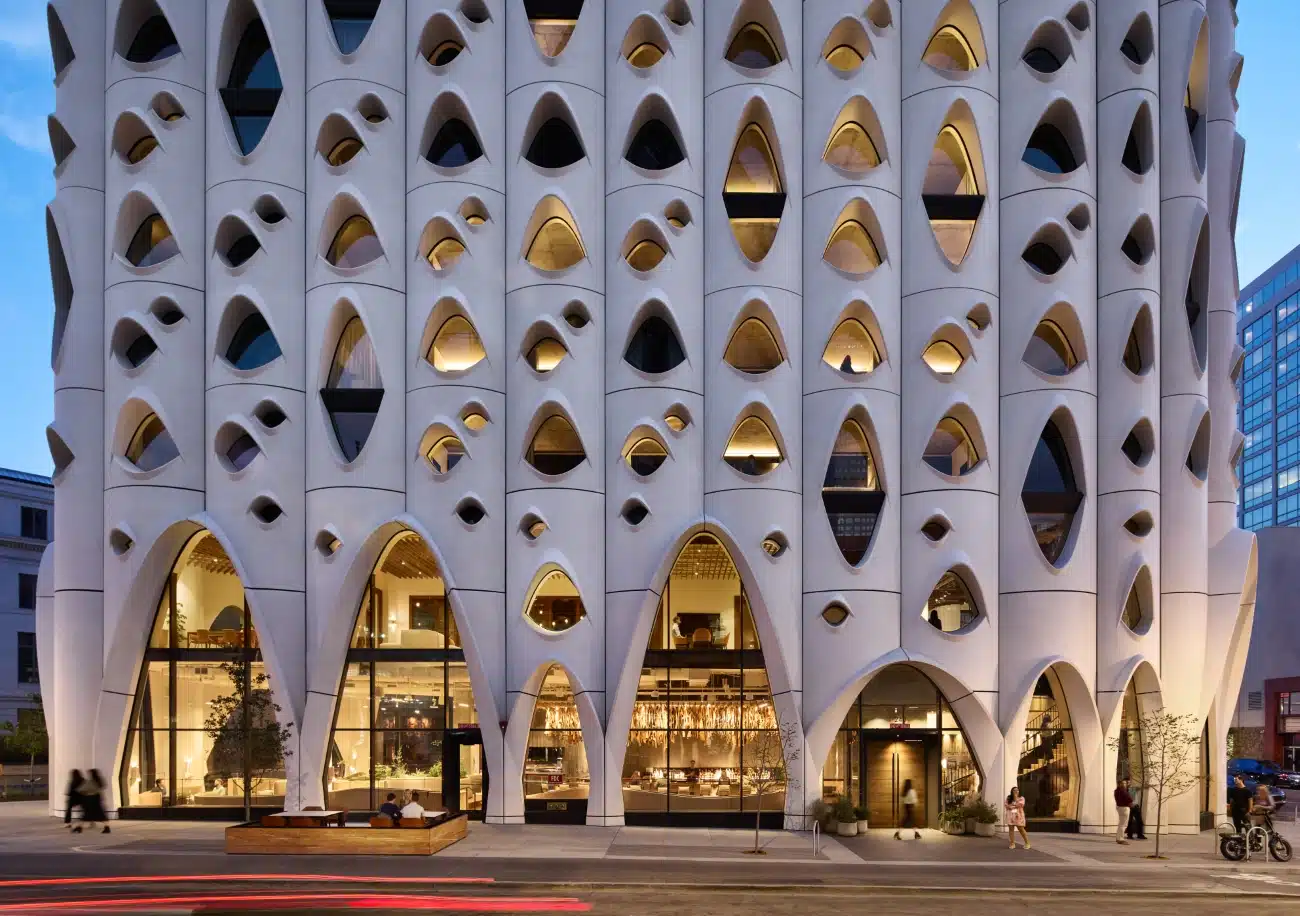
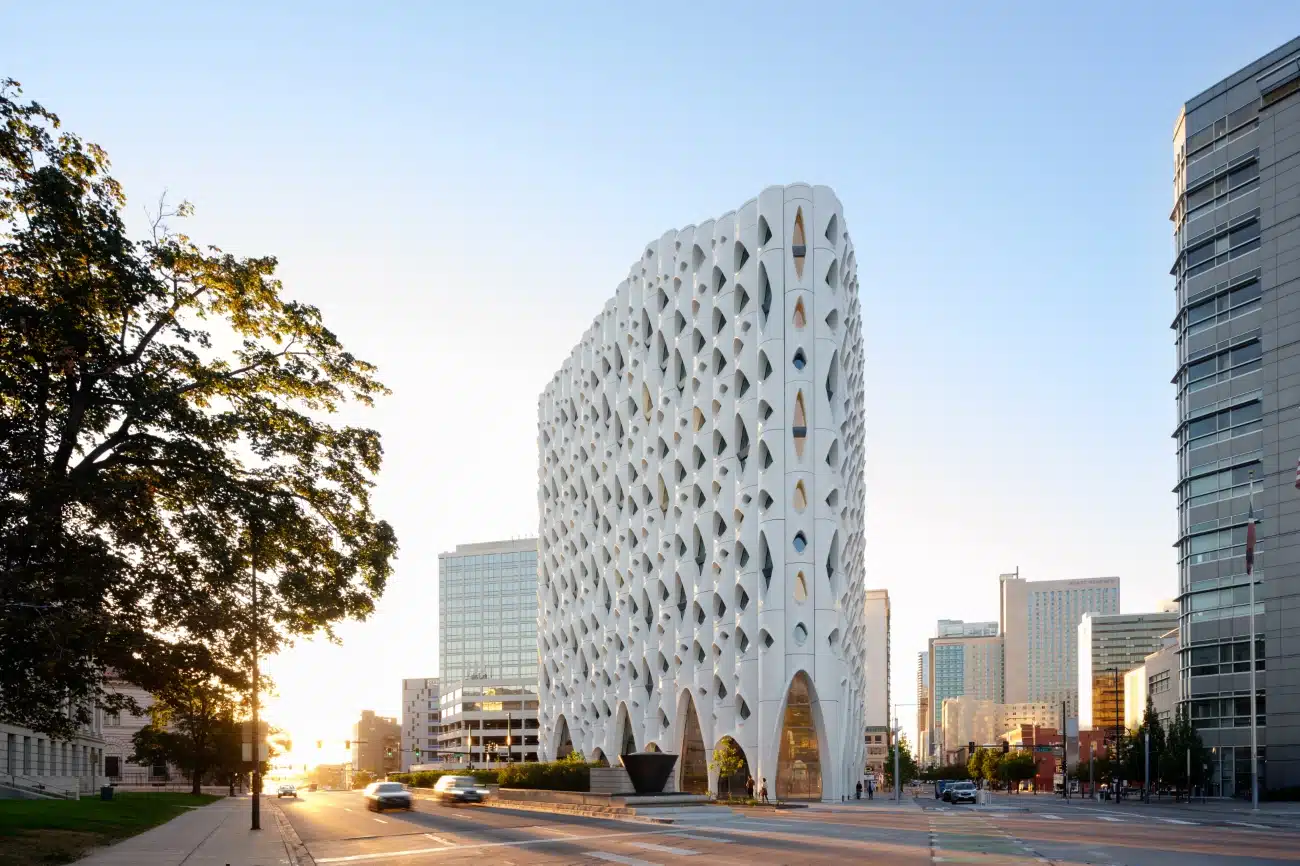
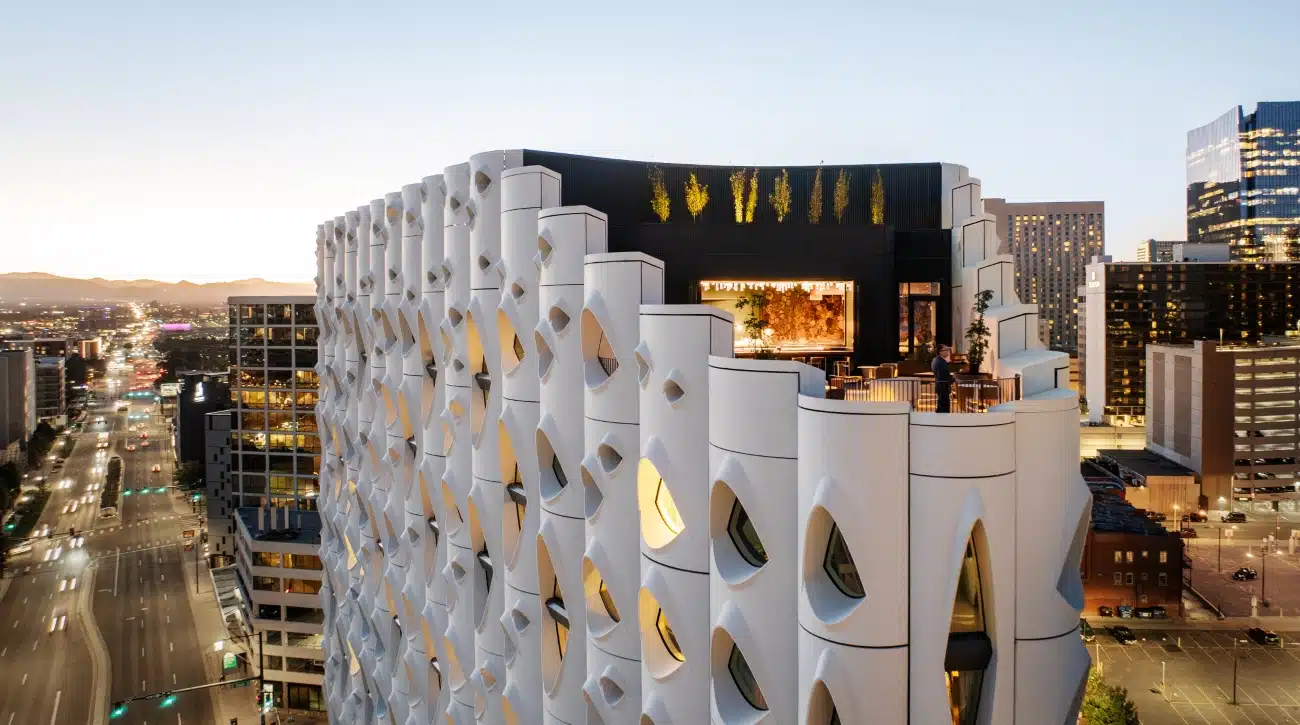
Inspired by Colorado’s native Aspen trees, a new hotel has taken root in downtown Denver. With its sculptural façade, Populus is a striking addition to the city skyline. Designed by international architecture firm Studio Gang, the 265-room hotel opened in October.

“Denver strikes a unique balance between being a vibrant city and a gateway to some of the country’s most awe-inspiring natural landscapes. Our goal was to draw from this distinct urban character and rich ecology to create a building that would help define the skyline of this thriving city,” says Jeanne Gang, founding partner of Studio Gang.

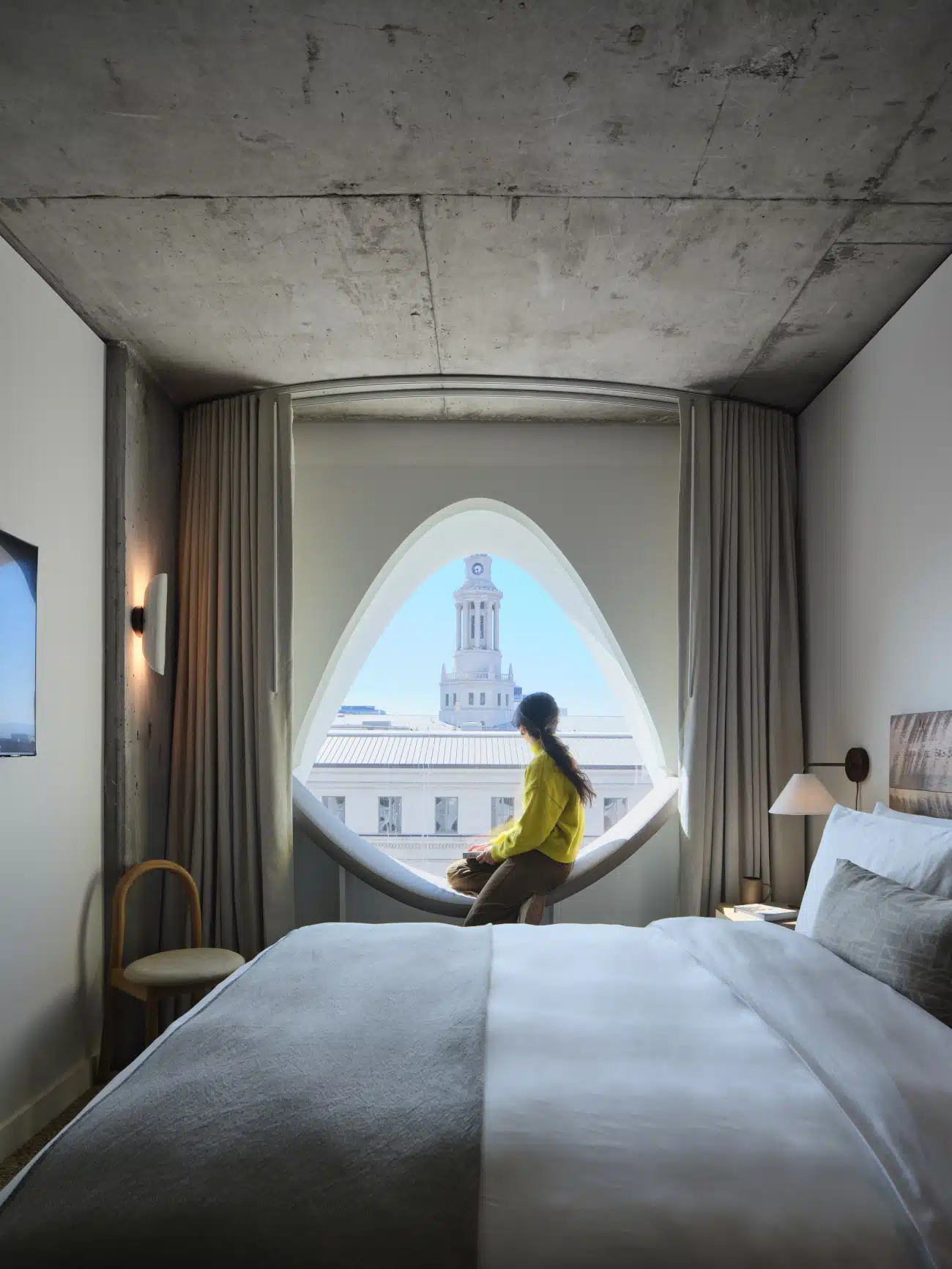
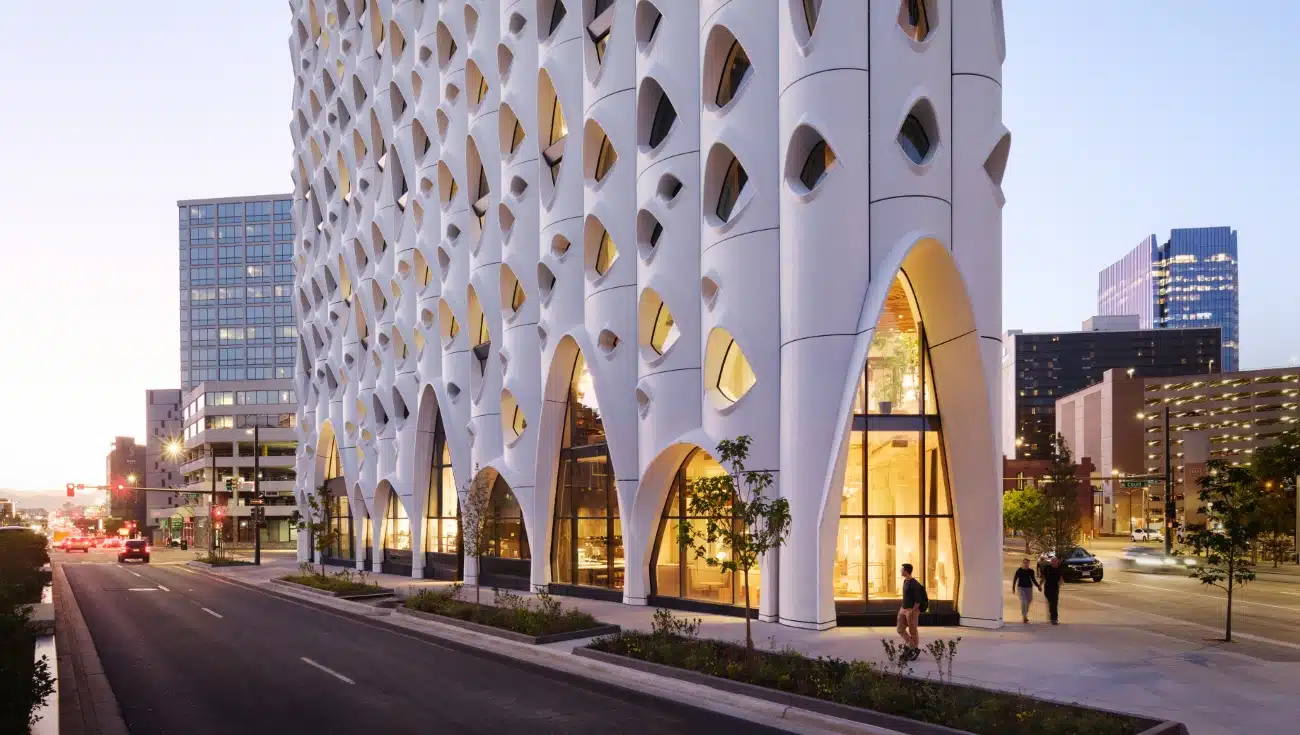
The most striking part of the design is clearly the façade, with windows that are intended to mimic the dark eye-shaped spots found on Aspen trees. Each window is unique in size and shape, which changes according to what’s happening in the interior. At ground level, they rise 30 feet to frame the entrance. Stretching across the width of guest rooms, the windows provide spectacular views of the nearby State Capitol, Civic Center Park, and the Rocky Mountains. Select rooms even have windows with built-in seating to allow guests to feel closer to nature.

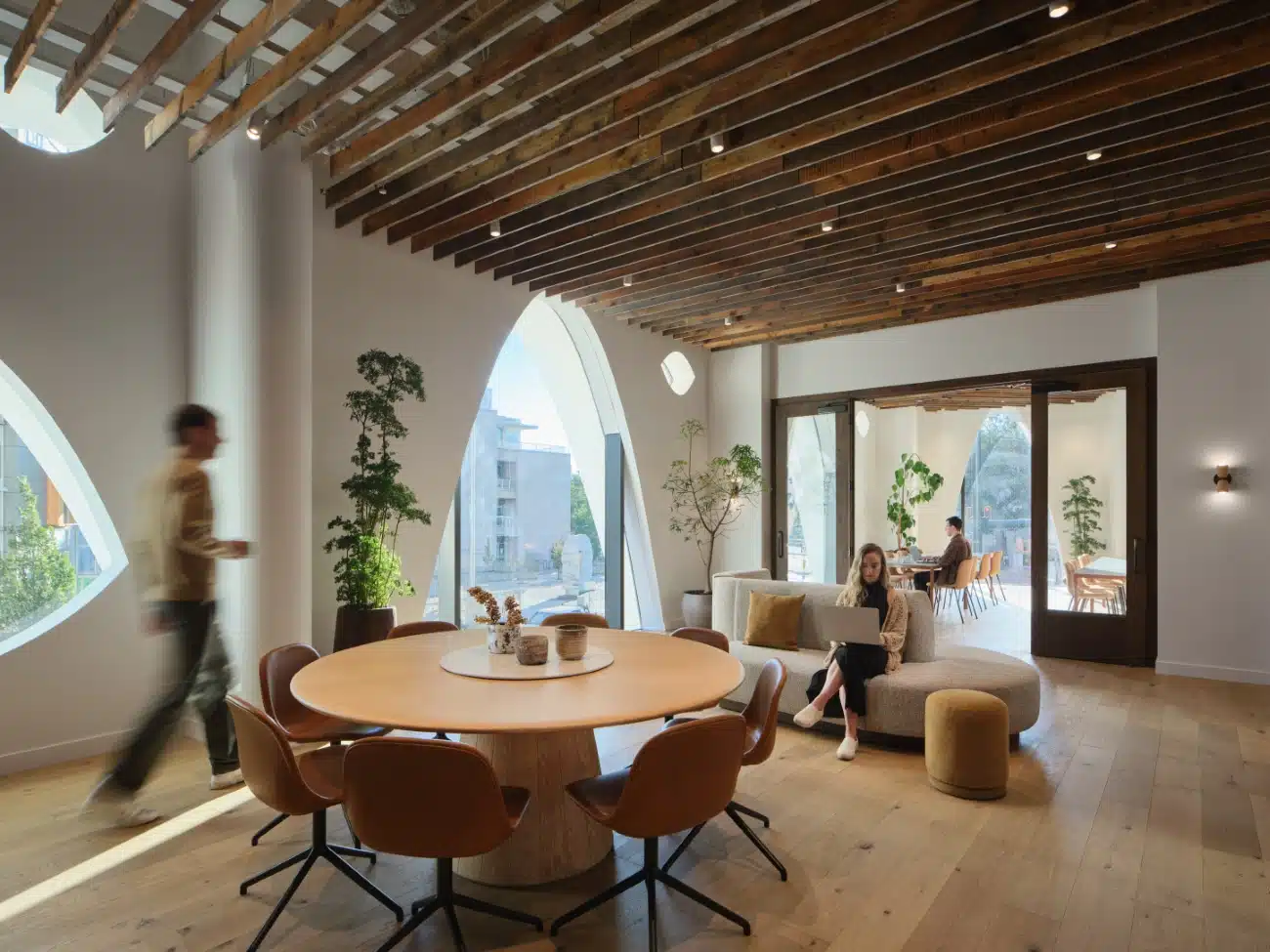
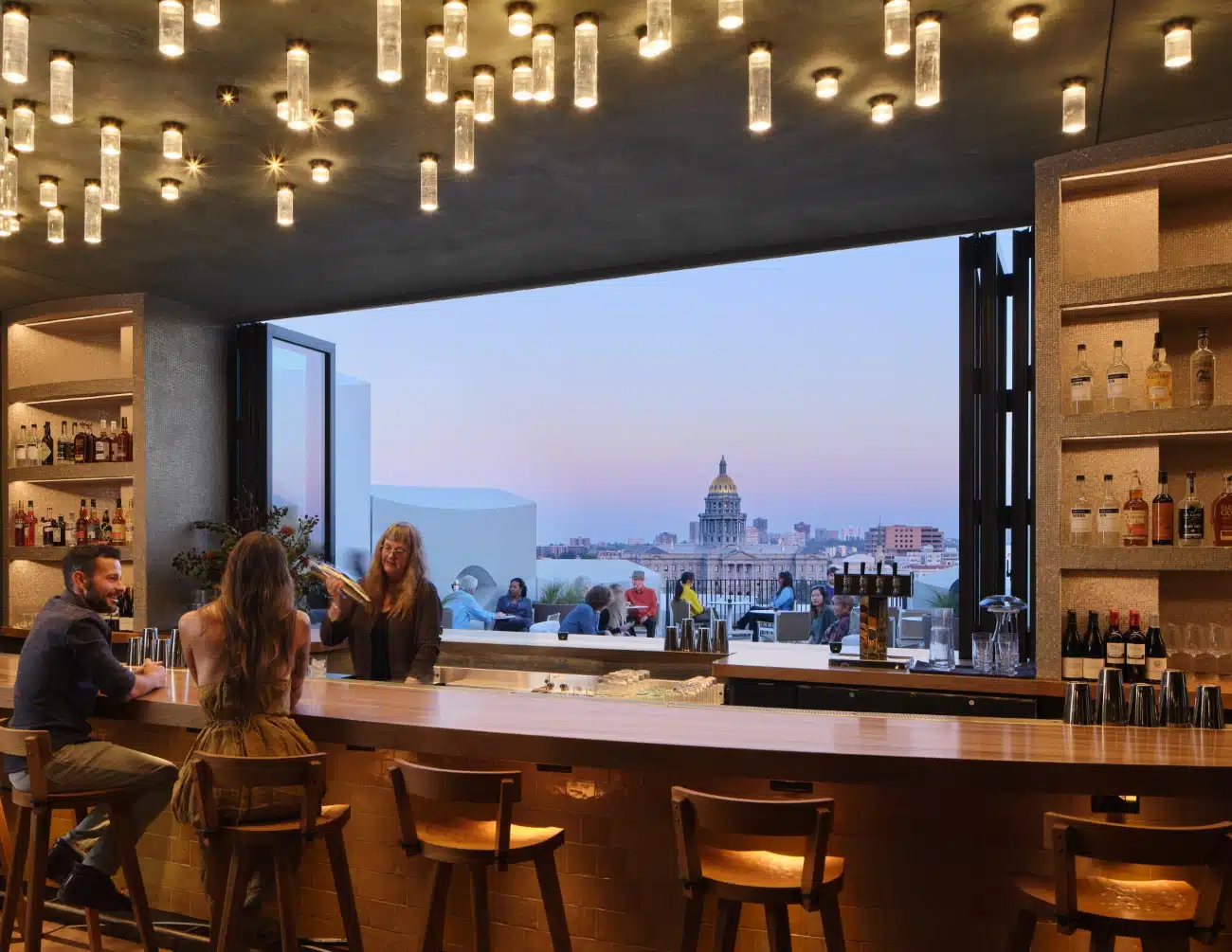
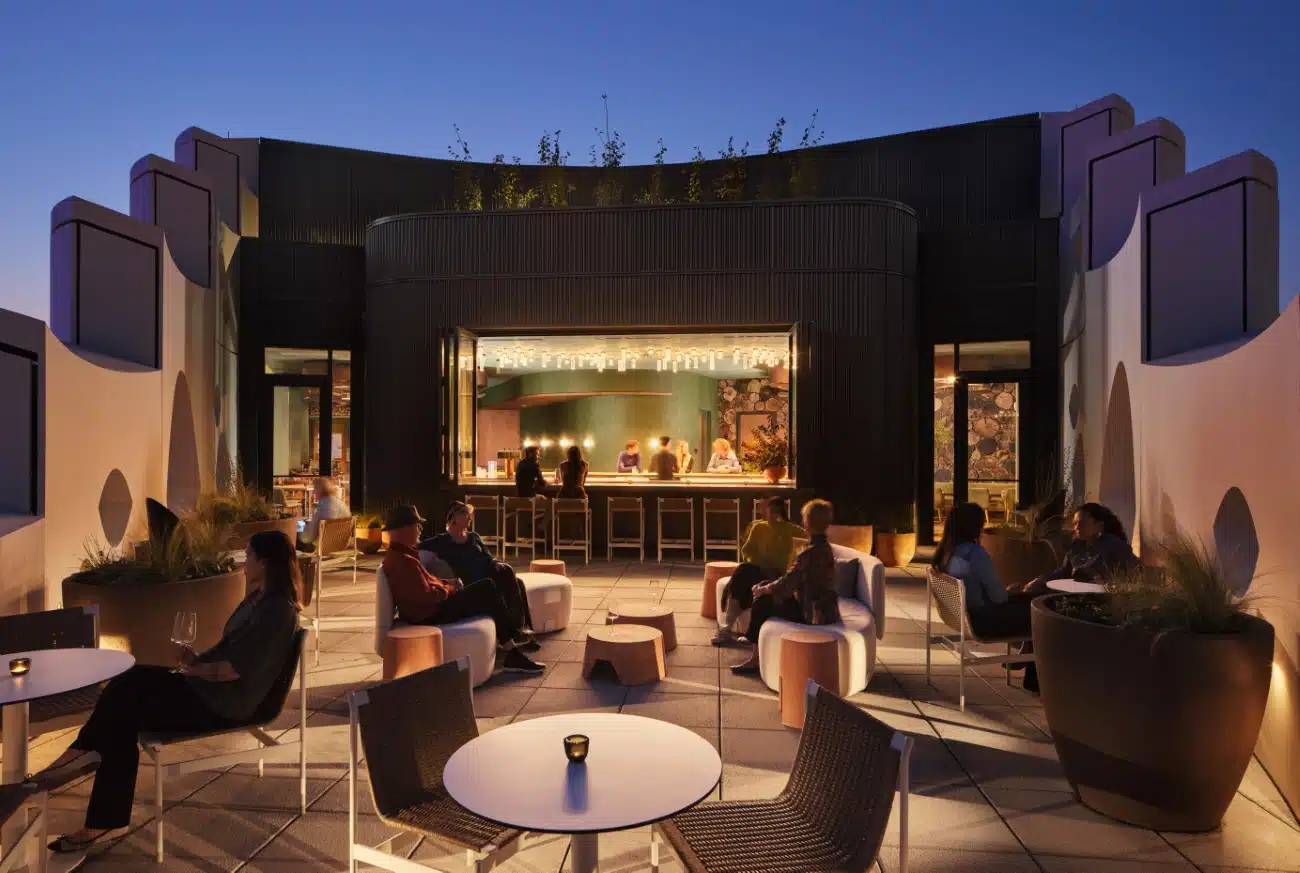
In terms of amenities, the spacious double-height lobby adjoins a restaurant and coffee shop, while a fitness center, flexible lounge, and event space are located on the floor above. Rooftop dining featuring a bar and terrace with incredible views of the mountains tops the building.

Staying true to its commitment to create a sustainable, carbon-positive hotel, Studio Gang eliminated on-site parking and used materials that would minimize the carbon emitted during the construction process. In fact, its concrete structure incorporates fly ash to minimize the need for cement, and when possible, Studio Gang forwent finishes in the interior. They have also followed through on their pledge to plant enough trees to offset the building’s carbon footprint by planting over 70,000 Engelmann Spruce trees—and counting—in a nearby county.

Currently targeting LEED Gold certification, Populus is a luxury hotel that perfectly combines contemporary design and sustainable practices.

The 265-room hotel Populus opened in downtown Denver last month.
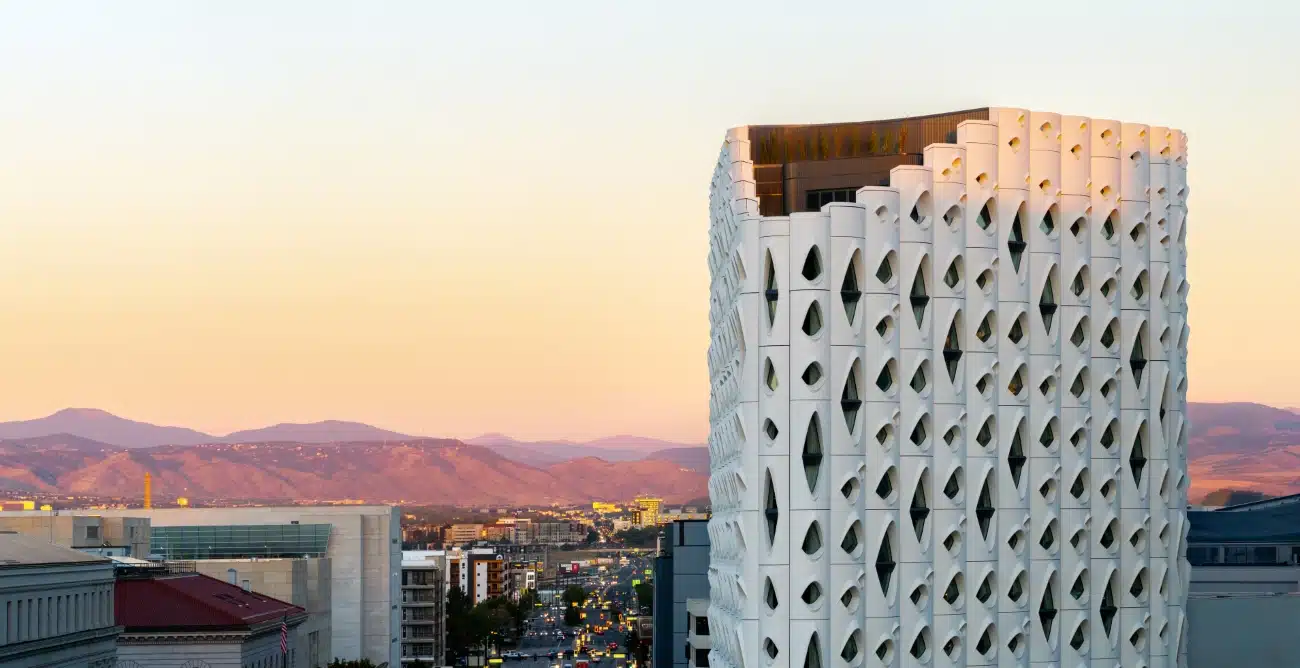
Populus Hotel in ColoradoPopulus Hotel in Colorado

Photo: Jason O’Rear

Designed by Studio Gang, it features a sculptural facade with windows inspired by the “eyes” of Colorado’s native Aspen trees.
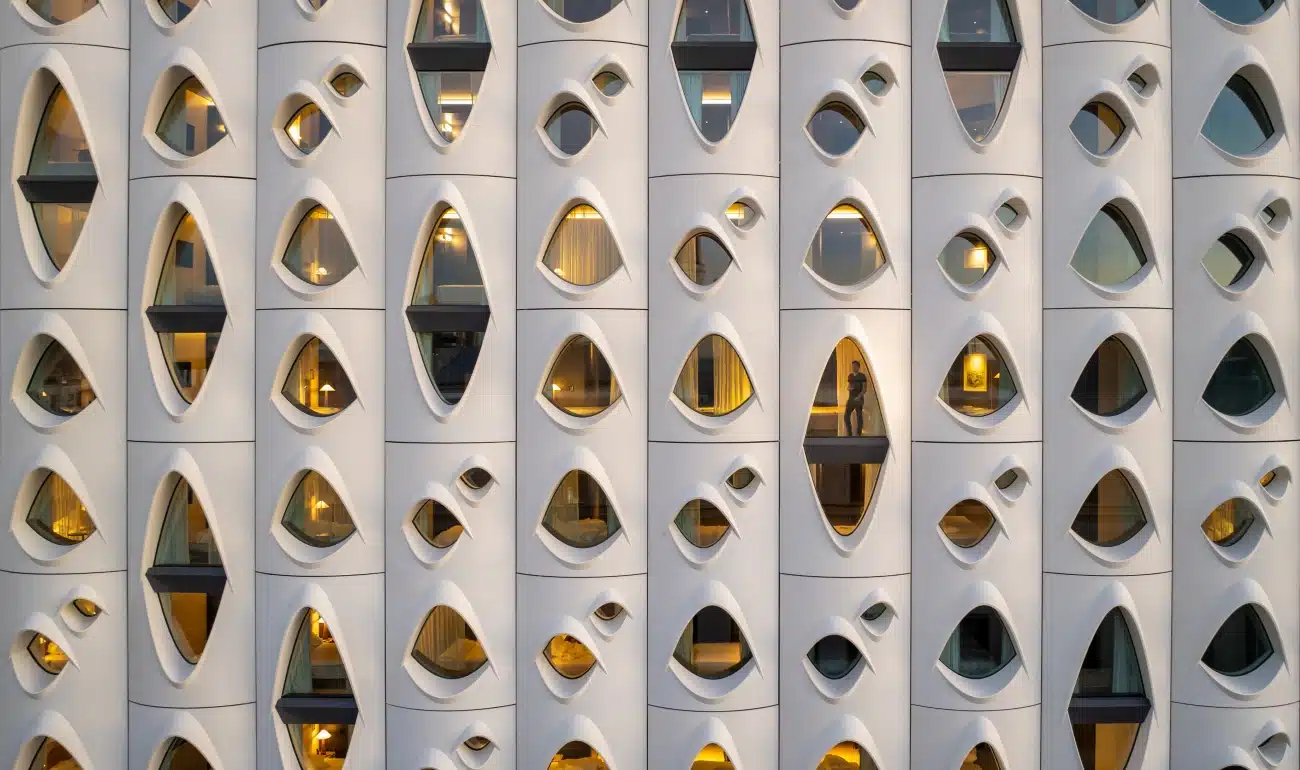
Populus by Studio GangPopulus by Studio Gang

Photo: Jason O’Rear

Populus by Studio GangPopulus by Studio Gang

Photo: Steve Hall

The interior features a double-height lobby and rooftop dining with a bar and terrace overlooking the city skyline and mountains.
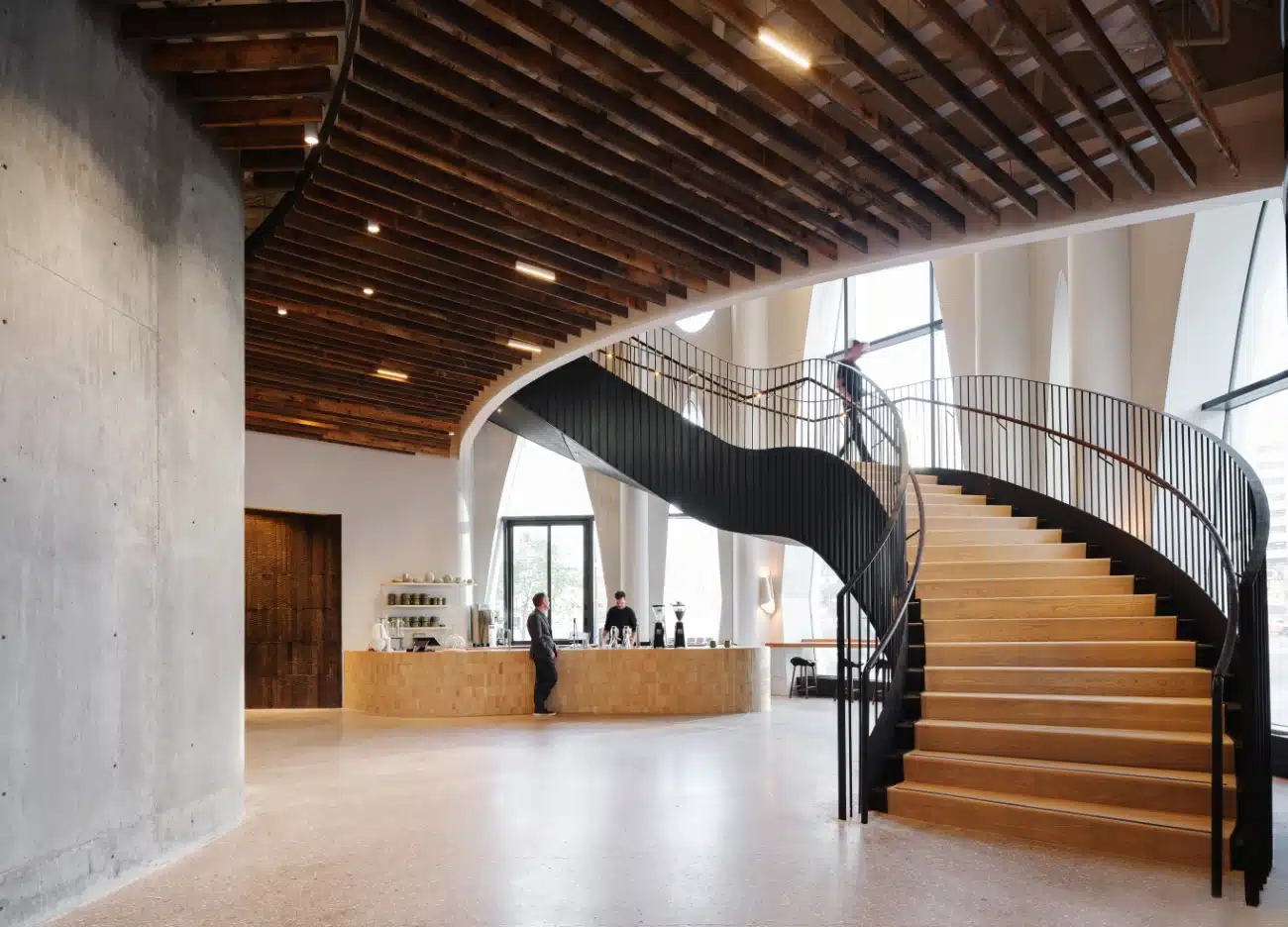
Interior of Populus Hotel in ColoradoInterior of Populus Hotel in Colorado

Photo: Jason O’Rear

Interior of Populus Hotel in ColoradoInterior of Populus Hotel in Colorado

Photo: Steve Hall

Populus Bar in ColoradoPopulus Bar in Colorado

Photo: Steve Hall

Populus hotel roof terracePopulus hotel roof terrace

Photo: Steve Hall

Staying true to its commitment to create a sustainable, carbon-positive hotel, Studio Gang eliminated on-site parking and used materials that would minimize the carbon emitted during the construction process.
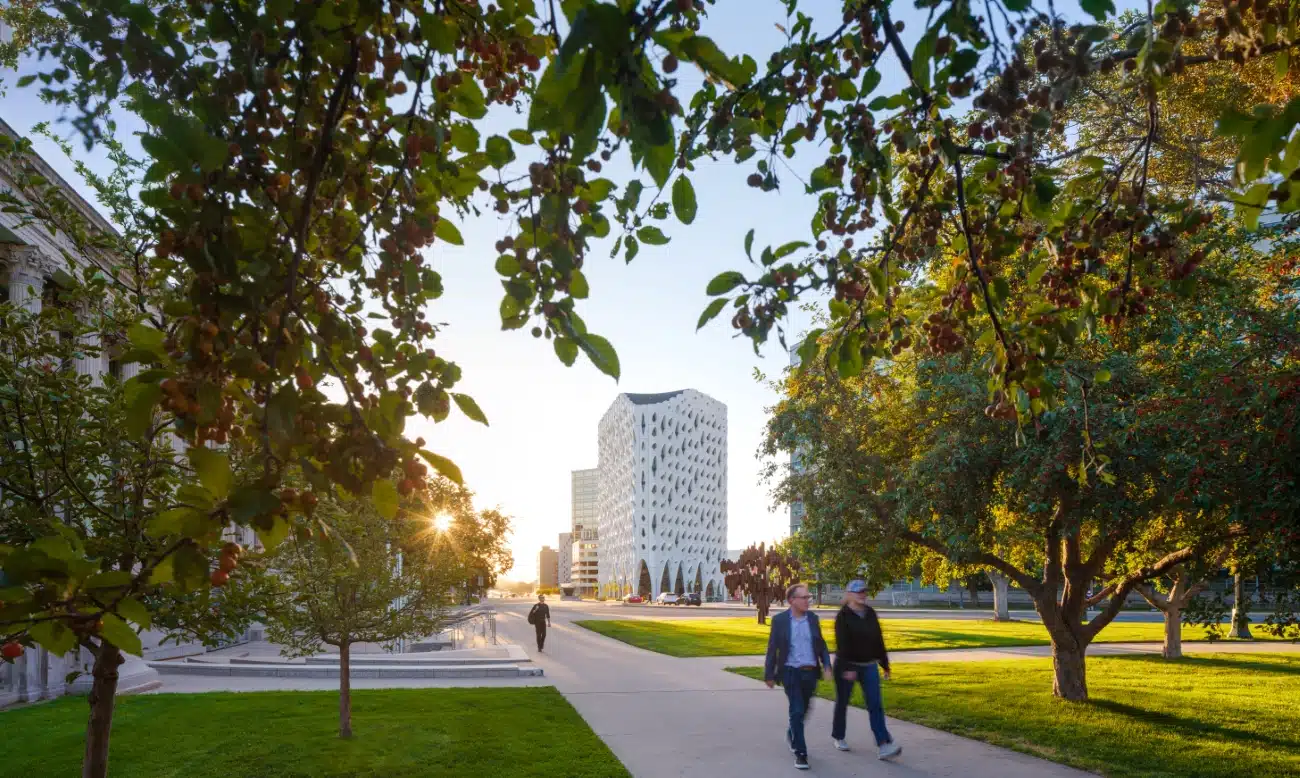
Populus Hotel in ColoradoPopulus Hotel in Colorado

Photo: Jason O’Rear

Populus Hotel in ColoradoPopulus Hotel in Colorado

Photo: Jason O’Rear

Currently targeting LEED Gold certification, Populus is a luxury hotel that perfectly combines contemporary design and sustainable practices.
Populus Hotel in ColoradoPopulus Hotel in Colorado

Photo: Jason O’Rear

Populus: Website | Facebook | Instagram
Studio Gang: Website | Facebook | Instagram

My Modern Met granted permission to feature photos by Studio Gang.

Related Articles:

Singapore’s “Hotel in Nature” Named World’s Best Tall Building

Architects Propose World’s Tallest Tower in NYC That Eats Up Carbon

Stunning High-Rise Has Façade That Mimic the Surrounding Canyons of Colorado

Dubai’s Will Boast the “World’s Greenest Highway” With 100% Solar-Powered Trams and a Million Trees

Similar Posts

  • Westwood House

    Located in the Blue Ridge Mountains of Asheville NC with distant north views of Mt Spivey and a narrow sloping lot, this wedge-shaped home is a response to site. We took into careful consideration a variety of site-specific inputs including views, sun orientation, prevailing winds, privacy, and natural cooling/heating techniques among others. The result is a functional, energy efficient home with a distinctive exterior shape and warm light filled interior spaces. The home’s dominant shed roof maximizes solar orientation for photovoltaic panels while also allowing for a double-height central atrium to flood the core of the house with natural light and exhaust hot air on hot summer days. The introduction of natural light into the core of the house reduces the need for artificial lighting on cloudy days, while the chimney effect created by opening large operable skylights at the top of the atrium reduces HVAC loads by bringing cool air up from the basement. This central atrium is an example of how a design feature can multitask –it brings natural light deep into the core of the house, it cools the house using the chimney effect, and it provides a place to grow plants which filter interior air. It also allowed us to minimize the street facing windows for privacy while still maintaining a light filled interior. Anchoring the bottom of the atrium are four large arched openings and a Spanish terracotta tile floor. The tile floor is a durable surface good for watering plants and for heavy foot traffic. A keyhole opening marks the boundary between private and public sides of the house while two of the arched openings frame an intimate eating nook and entry foyer with walls covered in locally milled southern yellow pine. The last arch has steps spilling out into a sunken living room and kitchen area with access to a back deck. Locally milled cypress, a naturally rot resistant wood, covers the exterior and anchors the strong geometry of the house to the site. In the end, our desire for functionality created something more than just an energy efficient home. The interior took on an unexpected bohemian feel; one that originated from a desire for light and functionality, but resulted in warm soft interior spaces that were comfortable and welcoming.