|

future of life pavilion at expo 2025 osaka reimagines human existence through robotics & AI

future of life imagines technological co-evolution

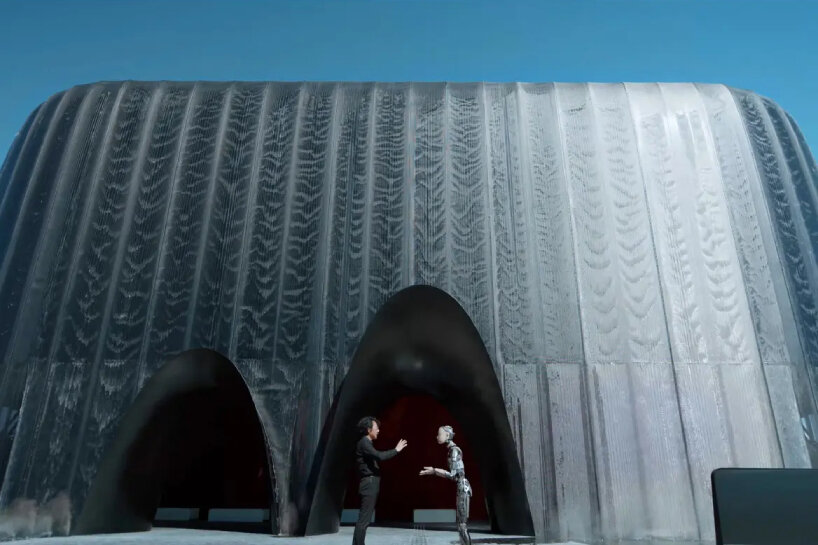
At Expo 2025 Osaka, the Future of Life pavilion offers a speculative journey into a world shaped by technological co-evolution. One of Japan’s leading roboticists, Hiroshi Ishiguro, leads the design of this Signature Pavilion — one of eight anchoring the Expo’s thematic core — which through its architecture, interactive environments, and narrative zones, presents a layered, unbound vision of human potential.

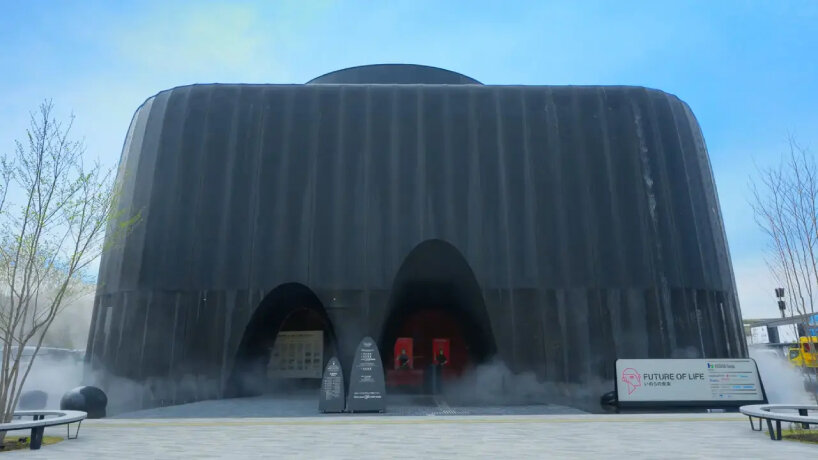
The design is rooted in the symbolism of water and shoreline, as threshold spaces where solid, liquid, and vapor meet. These motifs carry through spatially. As the pavilion’s architecture rises from the ground like a sculpted mass, its exterior is animated by a water surface that shimmers and flows across its skin. This continuous presence of water becomes both material and metaphor: a connector between organic life and future synthetic forms. Visitors enter through this membrane-like facade into a sequence of three thematic areas, each imagining a different horizon for life on Earth and beyond shaped by robotic and AI technologies.
future of life pavilion at expo 2025 osaka reimagines human existence through robotics and AI
all images courtesy of Expo 2025 Osaka

Hiroshi Ishiguro completes the signature pavilion

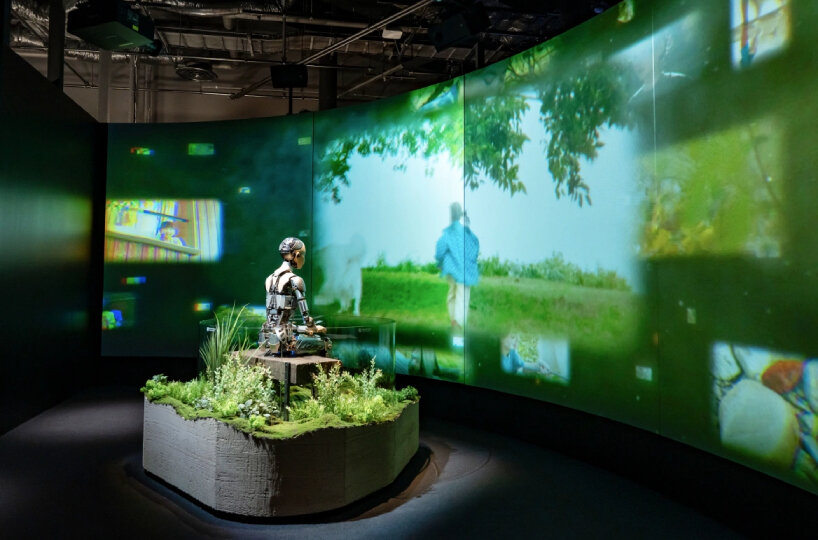
Hiroshi Ishiguro has worked together with a multidisciplinary team, including architects, technologists, and cultural researchers, to imagine the shape of life 50 years or even a millennium in the future. Stepping into the first zone of the Future of Life pavilion, titled Journey of Life, the exhibition traces Japan’s historical tendency to imbue objects with spirit and agency, from ancient haniwa clay figures to contemporary robotics. This continuity offers a cultural frame for understanding how lifelike technologies have long held meaning in Japanese life, and positions the emergence of androids as an evolution rather than rupture.

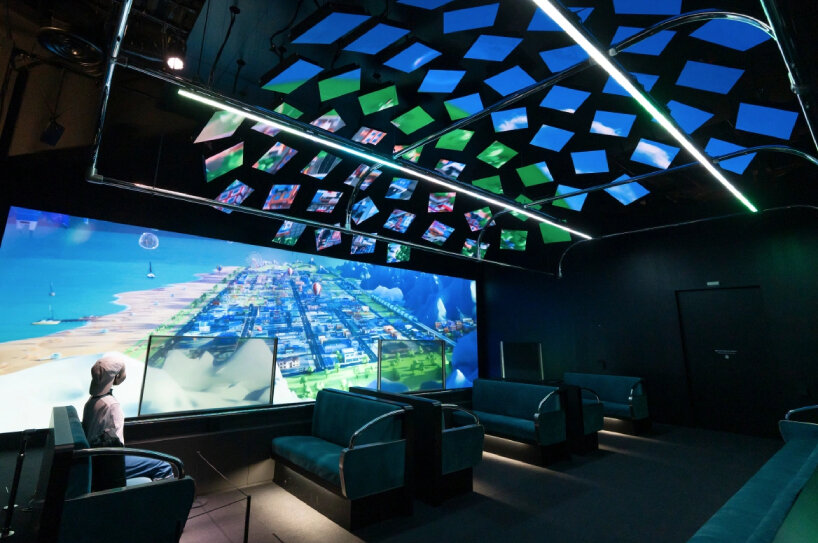
Zone 2, The Future of 2075, envisions a near-future scenario where human and machine cohabitation is commonplace. Here, through immersive storytelling and projected environments, speculative products and everyday rituals envision a world 50 years ahead. Rather than presenting a utopia or dystopia, the pavilion stages these projections as lived realities open to interpretation, reflection, and critique.
future of life pavilion at expo 2025 osaka reimagines human existence through robotics and AI
the design is rooted in the symbolism of water and shoreline

In the final gallery, Mahoroba, architecture and installation converge to evoke a more distant and ambiguous future. Set in a sound-and-light-filled space that suggests a post-physical world, this section imagines what life might look like 1,000 years from now, when humanity has evolved beyond its biological form. Instead of focusing on technological hardware, the installation gestures toward an abstracted sensory environment to suggest that consciousness, rather than corporeality, may be the foundation of life to come.

Threaded throughout the pavilion is The Changing Waters AR experience. Developed in tandem with a responsive lighting installation, it allows visitors to interact with a basin of water through digital overlays. Real-time sensors capture subtle changes in water quality — triggered by the addition of small elements like seashells or salt — and translate them into shifting light patterns across the pavilion’s surface. This feedback loop between body, environment, and architecture reinforces the pavilion’s central theme: that life is fluid, adaptable, and interdependent with its surroundings.
future of life pavilion at expo 2025 osaka reimagines human existence through robotics and AI
Future of Life pavilion offers a speculative journey into a world shaped by technological co-evolution
future of life pavilion at expo 2025 osaka reimagines human existence through robotics and AI
led by Hiroshi Ishiguro, one of Japan’s leading roboticists
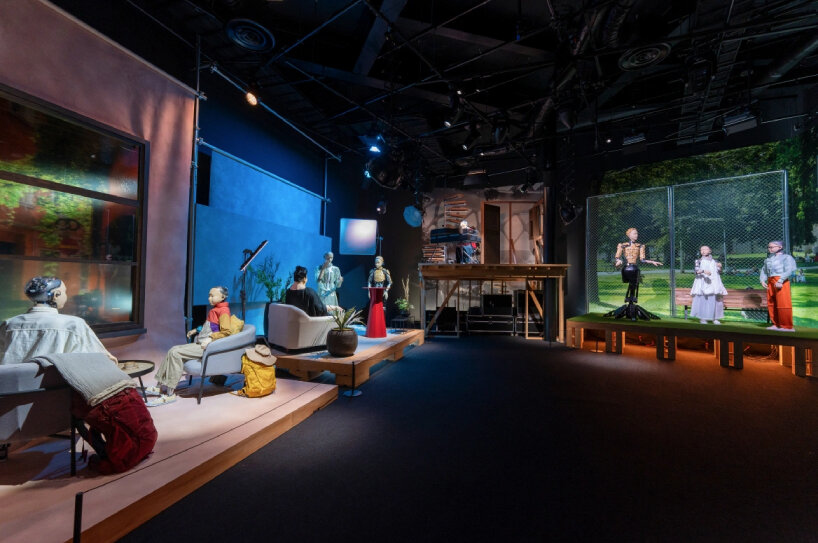
future of life pavilion at expo 2025 osaka reimagines human existence through robotics and AI
a sequence of three thematic areas, each imagining a different horizon for life on Earth and beyond
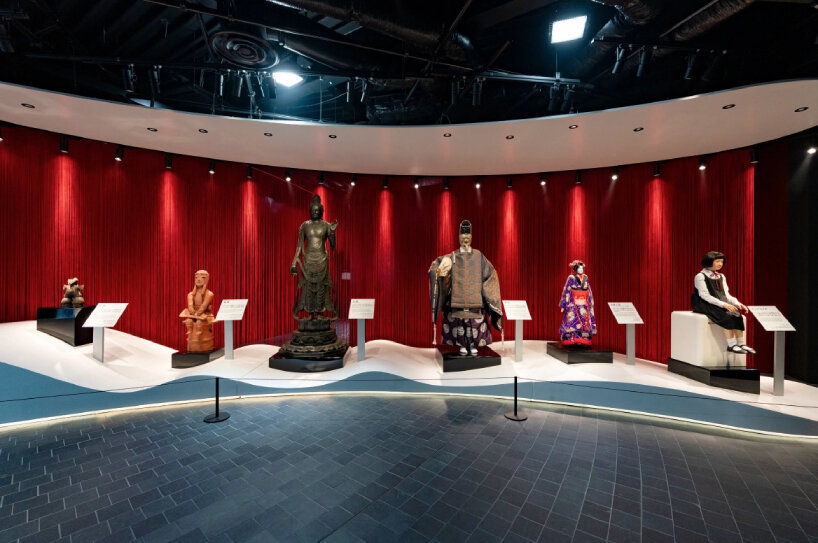
future of life pavilion at expo 2025 osaka reimagines human existence through robotics and AI
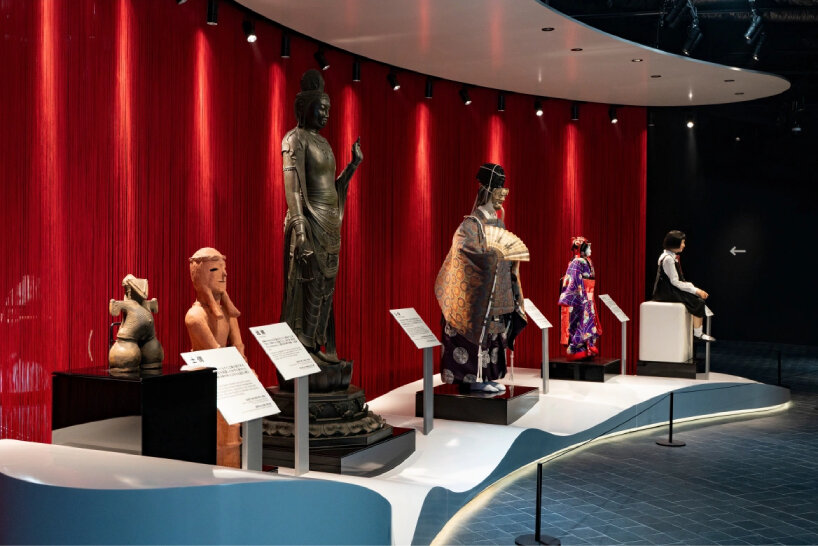
reimagining human existence through robotics and AI

future of life pavilion at expo 2025 osaka reimagines human existence through robotics & AI
the first zone traces Japan’s historical tendency to imbue objects with spirit and agency

future of life pavilion at expo 2025 osaka reimagines human existence through robotics and AI
Pangie the robot is akin to an angel that encourages new communication
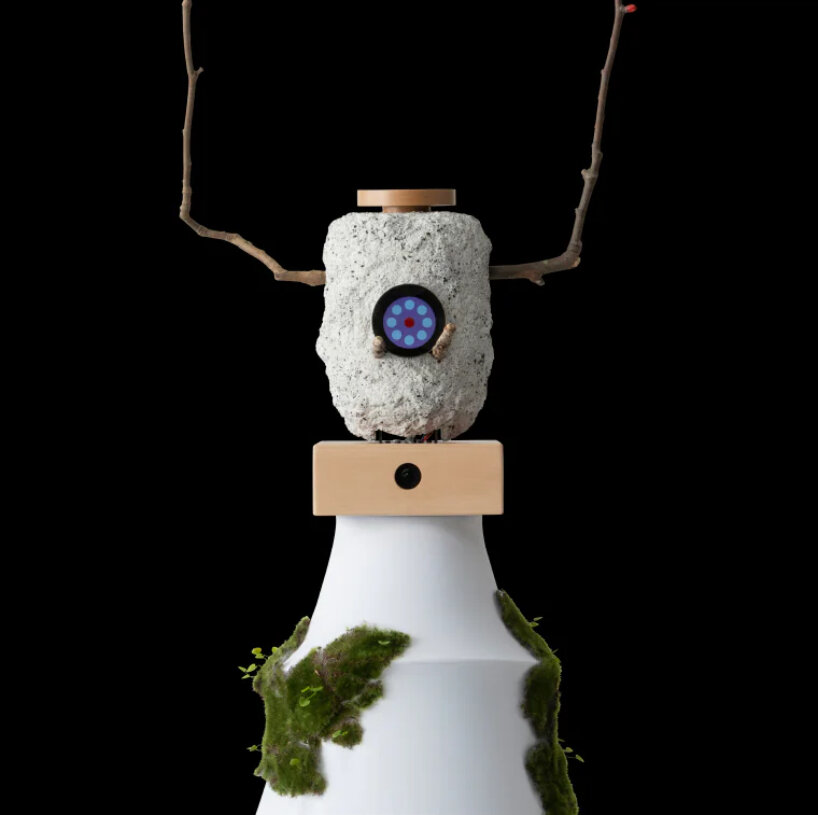
future of life pavilion at expo 2025 osaka reimagines human existence through robotics & AI
Petra is a robot that will be a tool that coexists with future humanity
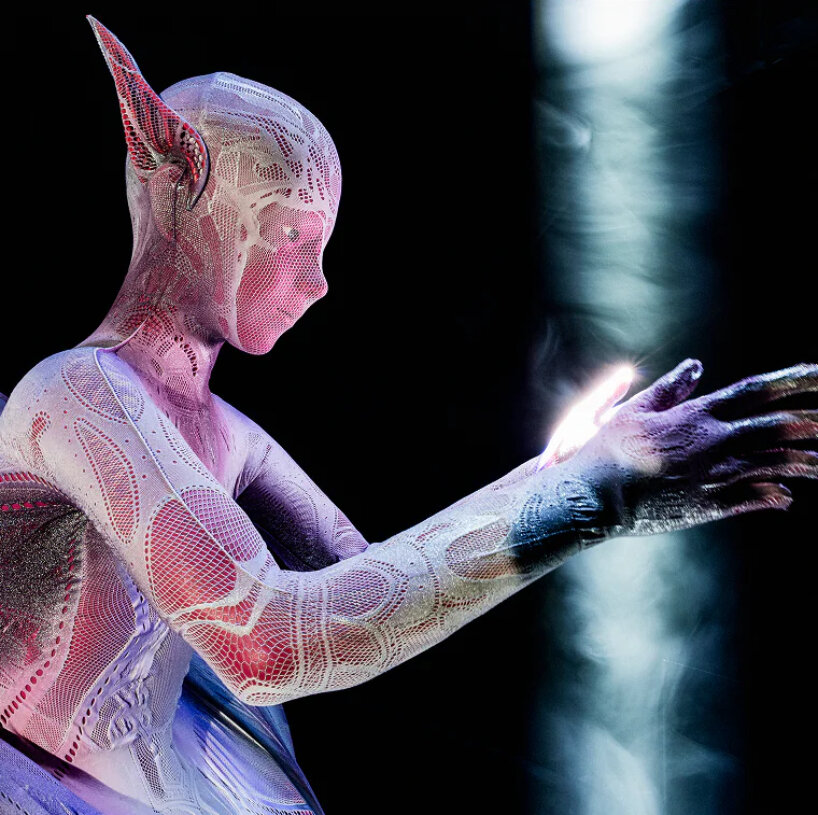
future of life pavilion at expo 2025 osaka reimagines human existence through robotics & AI
MOMO,  an evolved millennium human, is a a symbol of eternal youth, longevity and many descendants

project info:

name: Future of Life pavilion

architect: Hiroshi Ishiguro

location: Osaka, Japan

event: Expo 2025 Osaka | @expo2025japan

dates: April 13th — October 13th, 2025

Similar Posts

  • Big Barn

    North of San Francisco, in Glen Ellen, a less populated part of the Napa wine country, the culture has been based on agriculture and was named for an original winery.  Jack London made this his permanent home here in the early 1900s. Drawn by the land, London believed in the redemptive qualities of rural life. Less than an hour from the City, rolling hills covered with groves of oak trees surround the downtown. The strong agricultural history has affected the built environment here with many examples of barn like houses that are confusingly morphed between the two vocabularies. On the existing footprint of a 1950’s ranch house, this family getaway evolved in response to a request for a retreat from their urban lifestyle. The atmosphere of a tack barn renovated into a bunk house on site inspired thoughts of a larger barn like typology for this main house of 3,900 square feet. The request from the client was to build in a consistent way within the rolling hills dappled with agricultural buildings. A simple, rectangular, two-story form emerged with an asymmetrical gabled roof. The shorter side of the roof faces the southwest sun and reduces heat gain to the structure. Fenestration is limited to this exposure as well and is organized like thin full height ventilation shutters that reference traditional barn building. The entry, a larger version of the vertical slit elements is recessed for shading. The fireplace and chimney, foreign to the barn typology, is displaced from the structure with glazed joints. The east side is more open to the view and morning sun. A continuous, building-sized assembly of steel sash glazing includes large sliding doors that pocket into the adjacent wall and open the kitchen to the rear terrace.  The upper zone of the main space is void of windows and reminds one of the empty shell-like spaces of barns. A large vertical wood shutter located on the southeast gable end is aligned axially with an internal access through the plan on both levels. When open at both ends, prevailing breezes flow through the mass cooling it naturally. In order to leave the hillside intact and avoid grading, the form is excavated into the site uphill and cantilevered over it downhill. A steel grated bridge connects the upper sleeping level with the hillside and tack barn above. A minimal material pallet of reclaimed redwood, corrugated Corten steel and black steel sash windows combined with integral gutters, and lack of overhangs further the minimal feeling of the construction. Inside the singular materiality is continued via California Oak for floors wall and ceilings. Radiantly heated floors and minimal cooling provided only at sleeping areas, coupled with enhanced glazing, insulation and mechanical system efficiencies mitigate energy use. PROJECT TEAM Architecture : Faulkner Architects Contractor: Redhorse Constructors Civil Engineer: Adobe Associates Structural Engineer: CFBR Structural Group Mechanical Engineer: Sugarpine Engineering Electrical Engineer: Sugarpine Engineering Geotechnical Engineer: NV5 Landscape: Michael Boucher Landscape Architecture Lighting: Ken Fulk Interior designer: Ken Fulk Theatrical/AV: SoundVision Pool Engineer: Terracon Pool Consultant: Blue Revolution Construction Project Manager: Walker Construction Management Special Inspections: PJC & Associates CALGreen: Gilleran Energy Management Irrigation Design: Dickson & Associates Arborist: Bartlett Trees PHOTOGRAPHY Joe Fletcher Photography