Historic Mid-Century Modern Home in Austin Gets a Sensible, Stylish New Extension

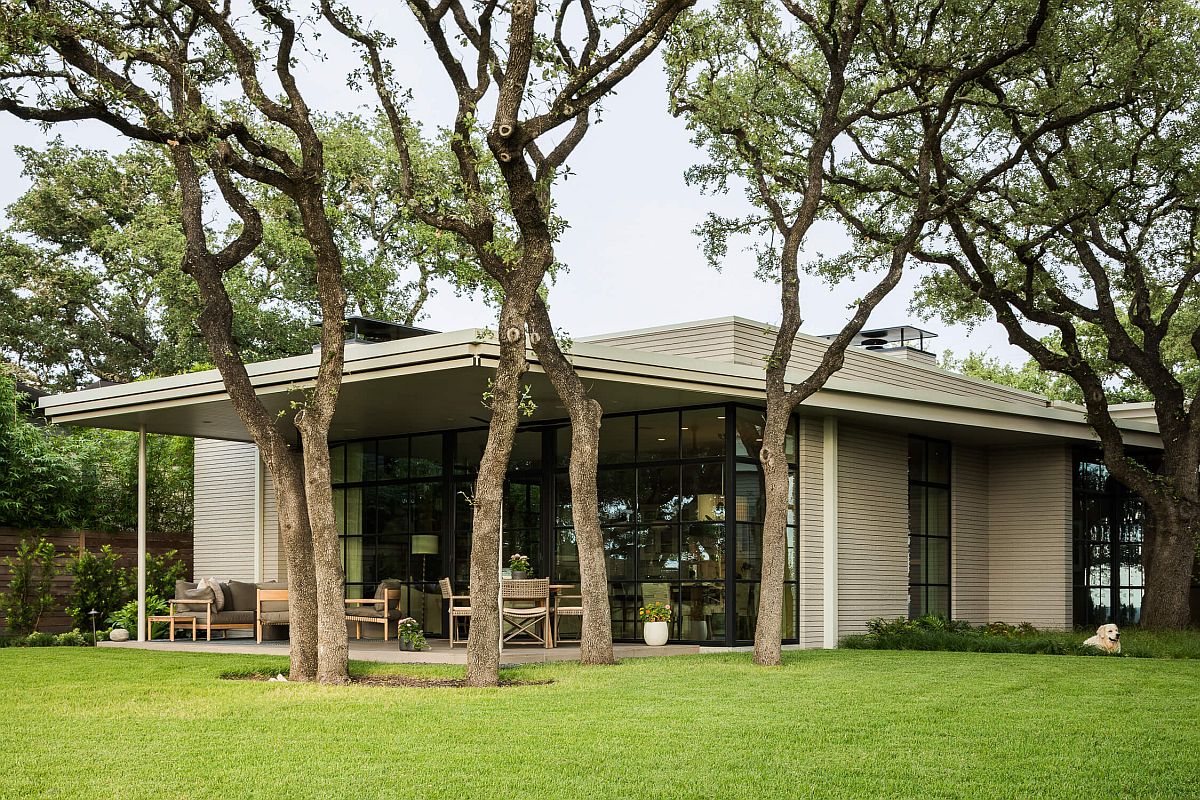
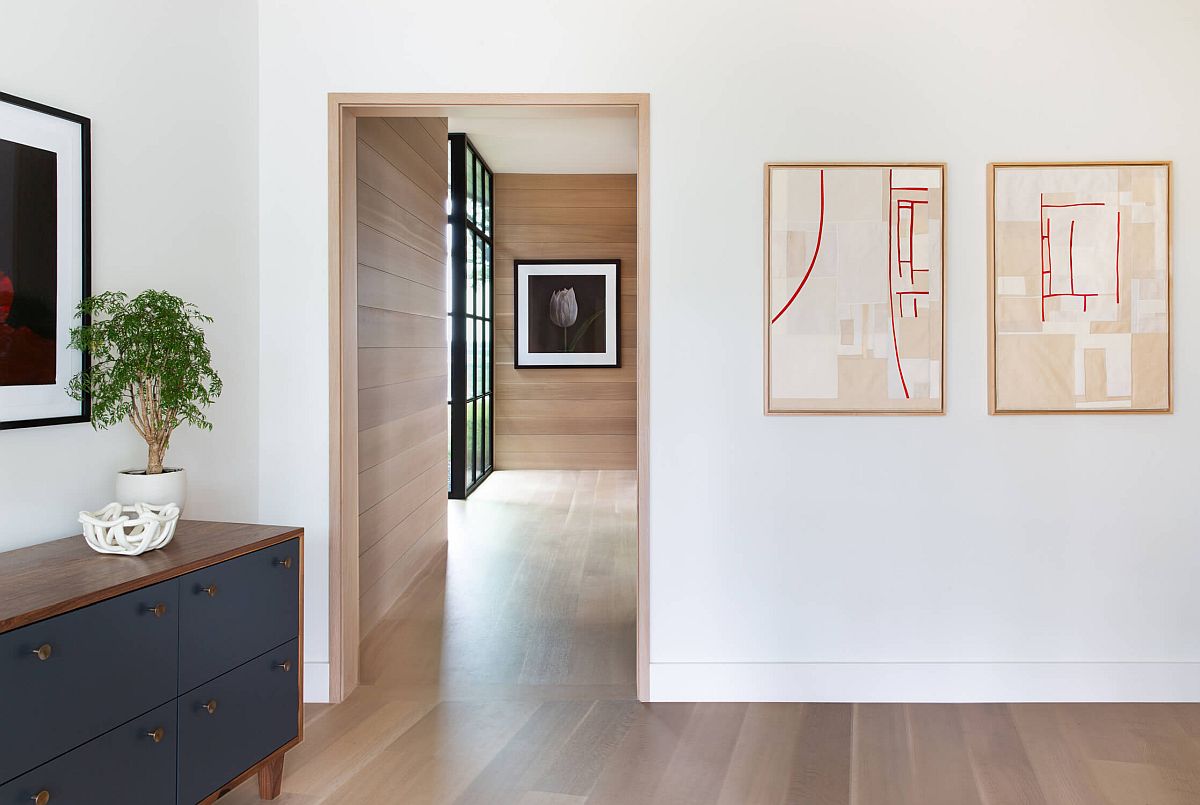
A historic mid-century home built by Howard R. Barr in the 1950’s, the Ridge Oak Residence in Austin, Texas was given a modern and more spacious makeover by Clayton & Little. It is the street façade of the house that has been largely untouched with the rear extension and the interior adding freshness to the aging residence. Maintaining original design aesthetics of the house, its new interior feels contemporary and classic at the same time with oak shiplap wrapping ushering in warmth to the living space, kitchen and dining area. The total living area of the home was extended from 2,176 square feet to 3,696 square feet with a new generous living area, kitchen, dining area and guest spaces completely revamping the floor plan.
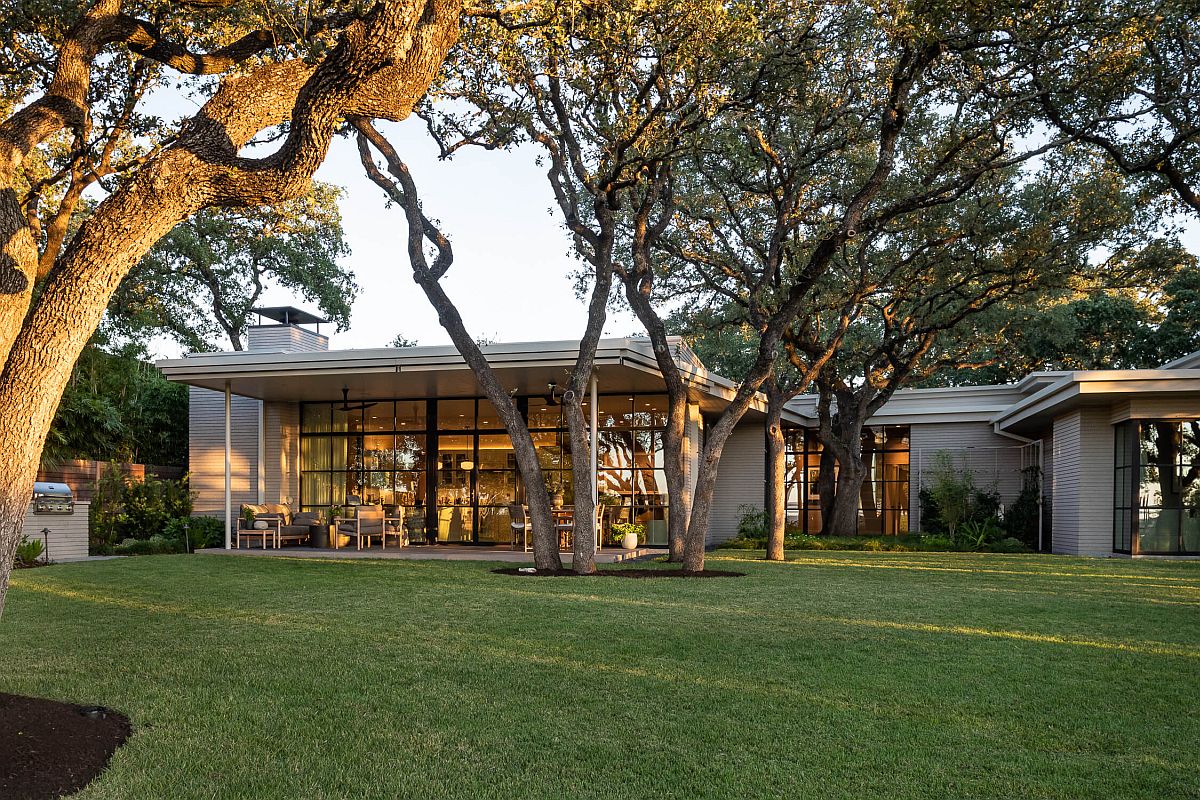
Root system of existing flora on the site was preserved while extending the house


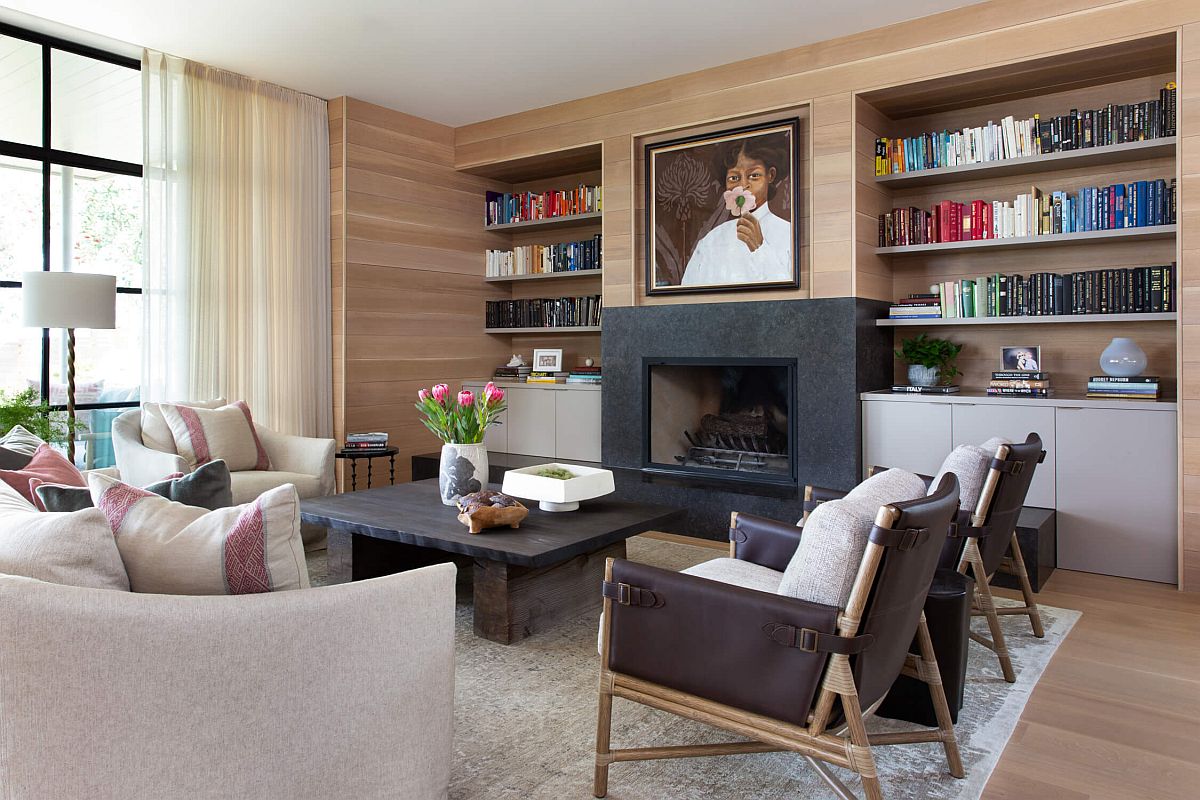
Inside the living area, beige, neutral color and contemporary décor create a relaxing and contemporary mood even a large, framed glass windows connect the interior with the outdoors. Design of the house and the extension also take into account root system of existing oak trees on the lot and also ensure that nature and modernity find space next to one another. In the bedrooms, it is a neutral color scheme that sets the mood with the scenery outside providing a dynamic backdrop. A perfect makeover that combines different eras! [Photography: Molly Culver / Jake Holt]
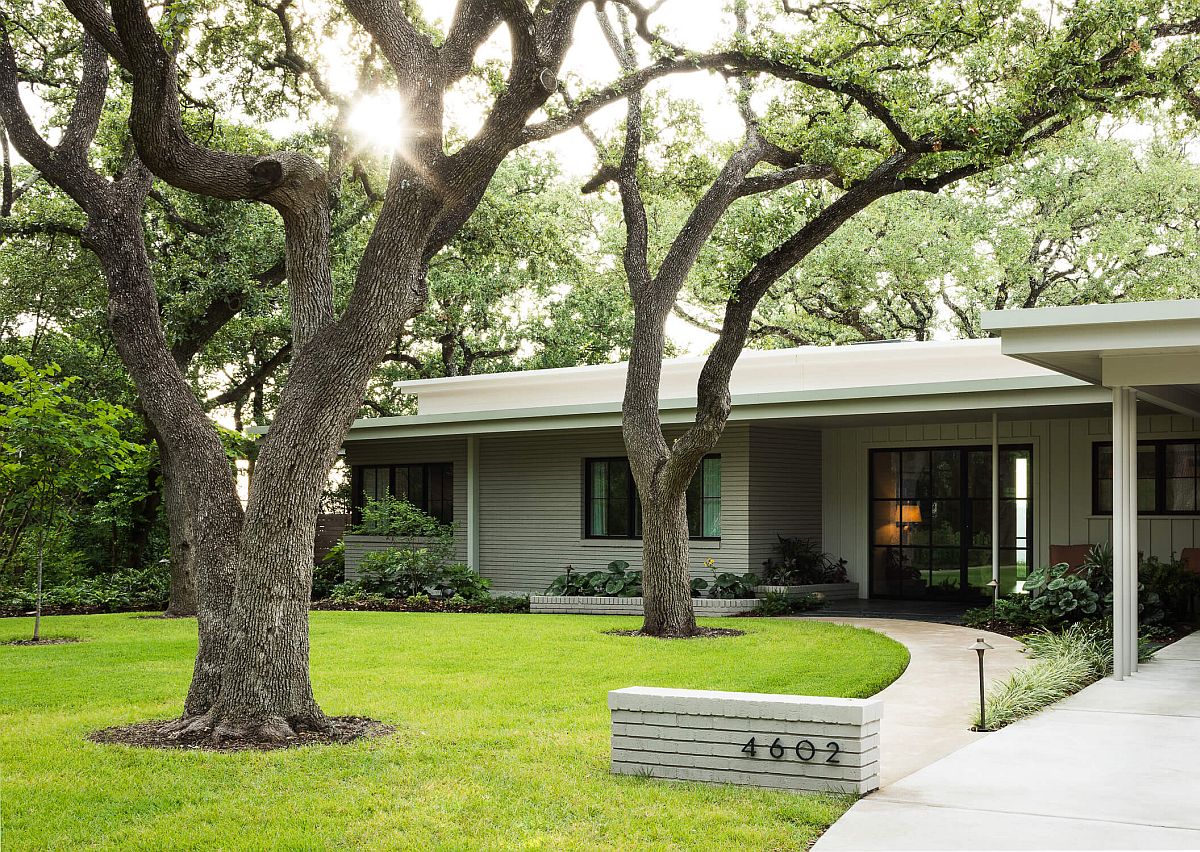
Ridge Oak Residence in Austin with a historic street facade
Spacious and open new interiors of the Austin home with oak and white backdrop
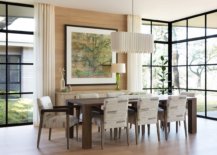
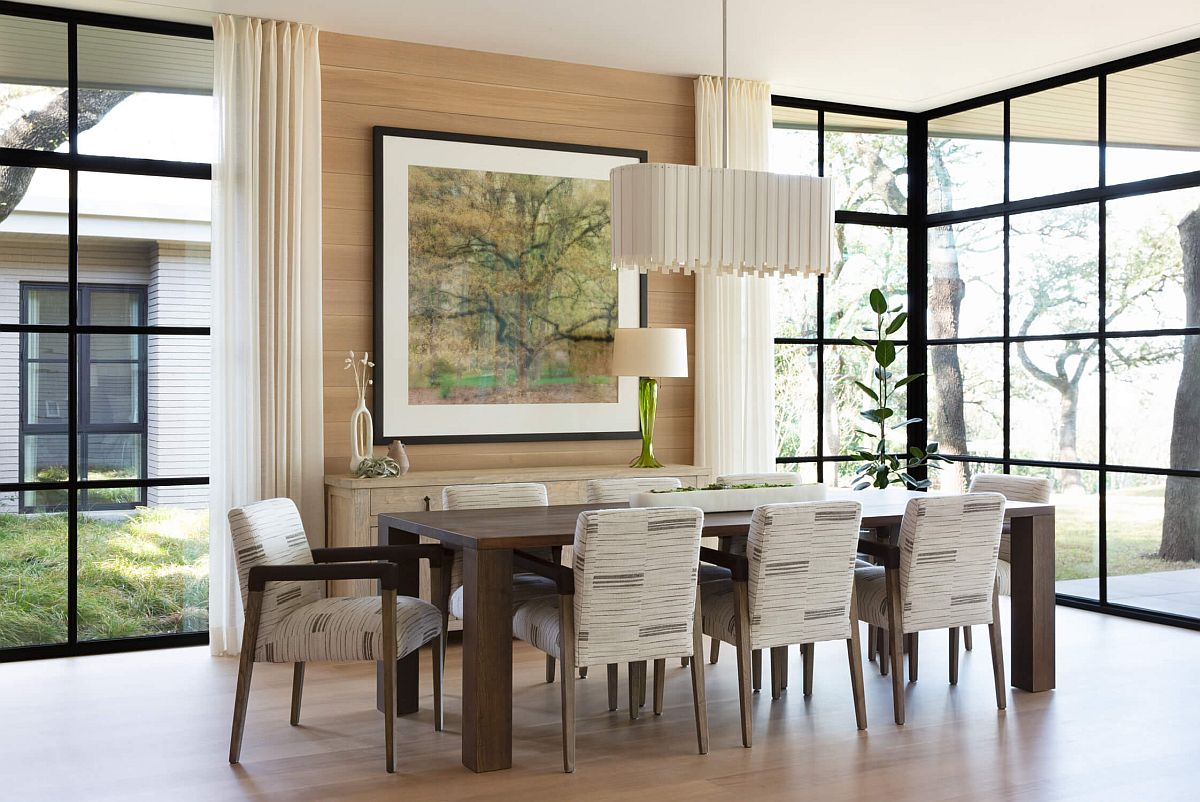
Black-framed glass windows connect the large dining room with the landscape outside
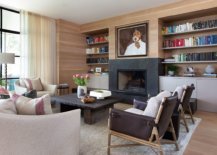
Charming woodsy walls, lovely sue of beige and a large bookshelf create this wonderful living area
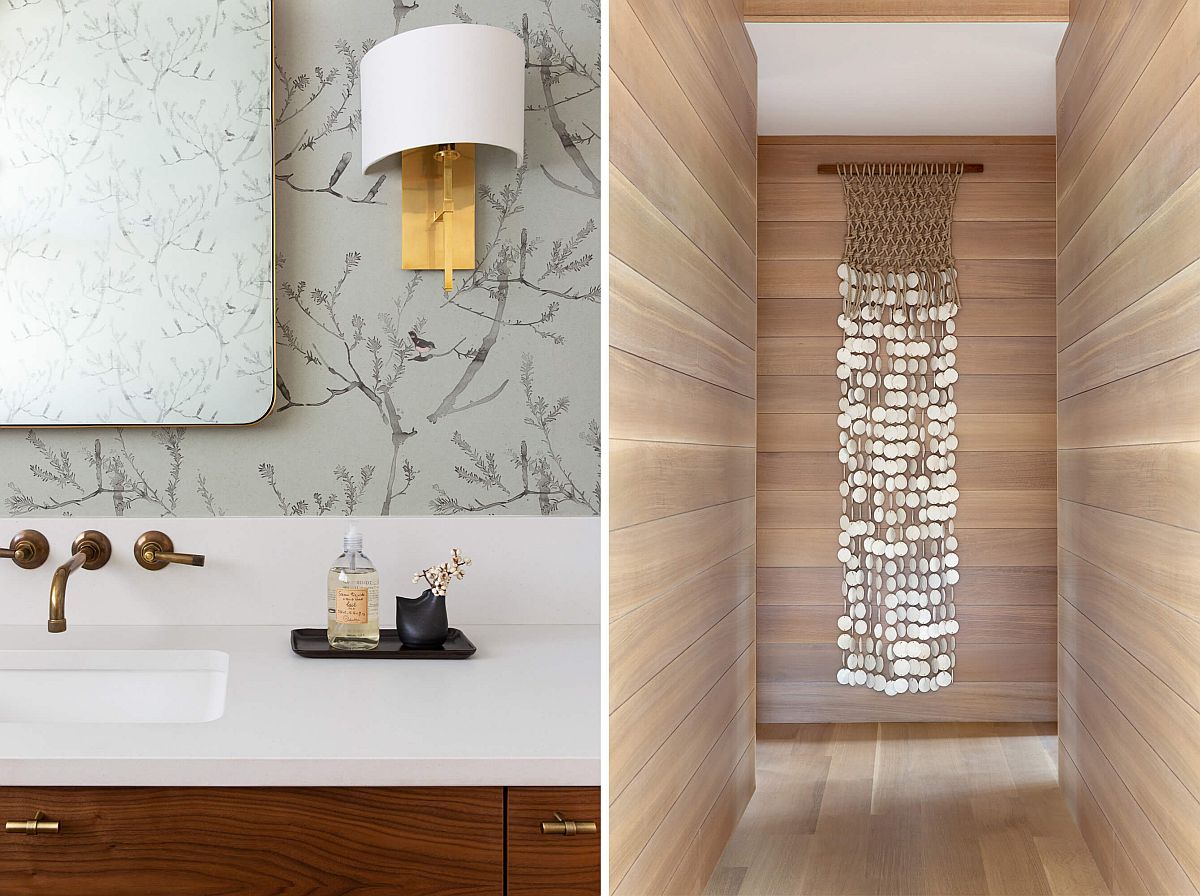
Closer look at the ingenious lighting fixtures used inside the Texas home
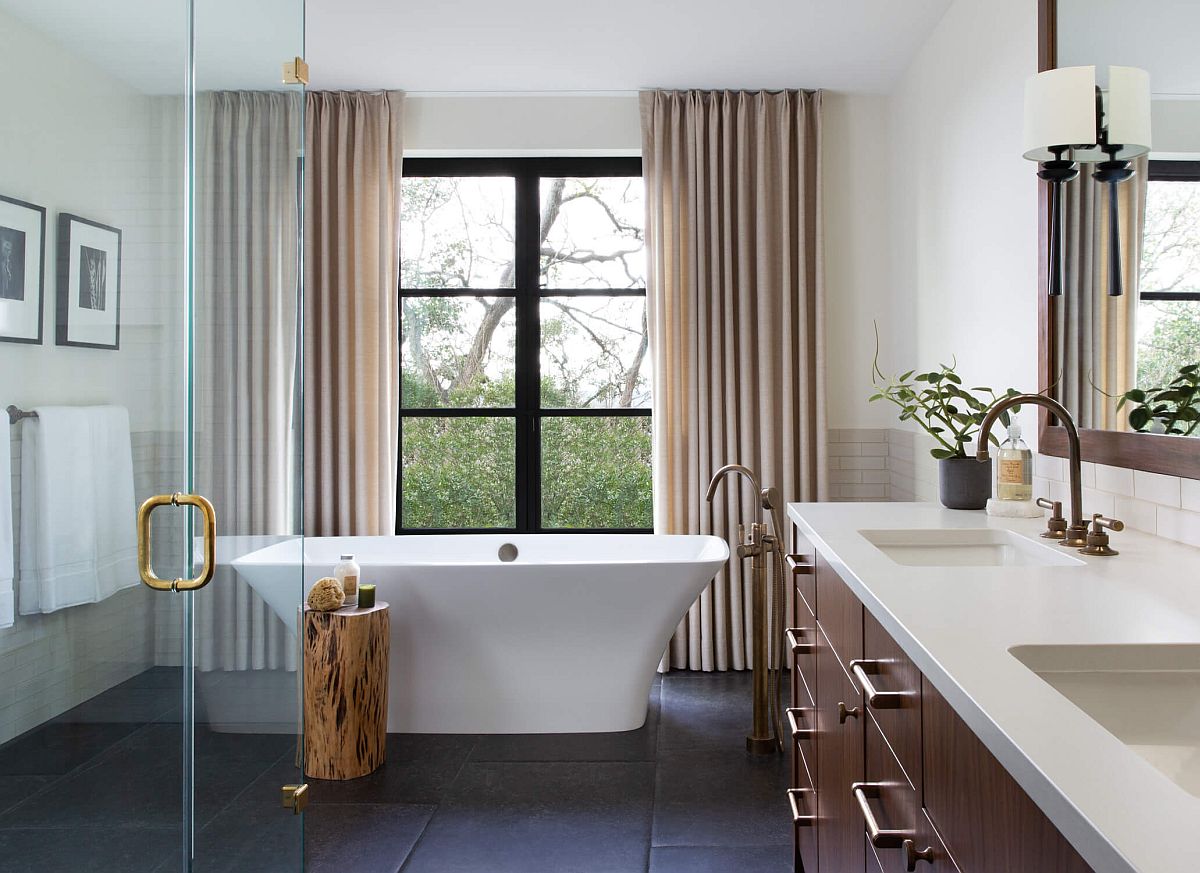
Dark framed glass windows turn the tree outside into a work of art that changes with changing seasons!

Clayton & Little took care to respect Barr’s original design by maintaining the brick, wood siding, and punched opening proportions at the front façade. The addition maintains 10 foot ceilings, unusual and innovative in 1950, along with the thin roof profile…
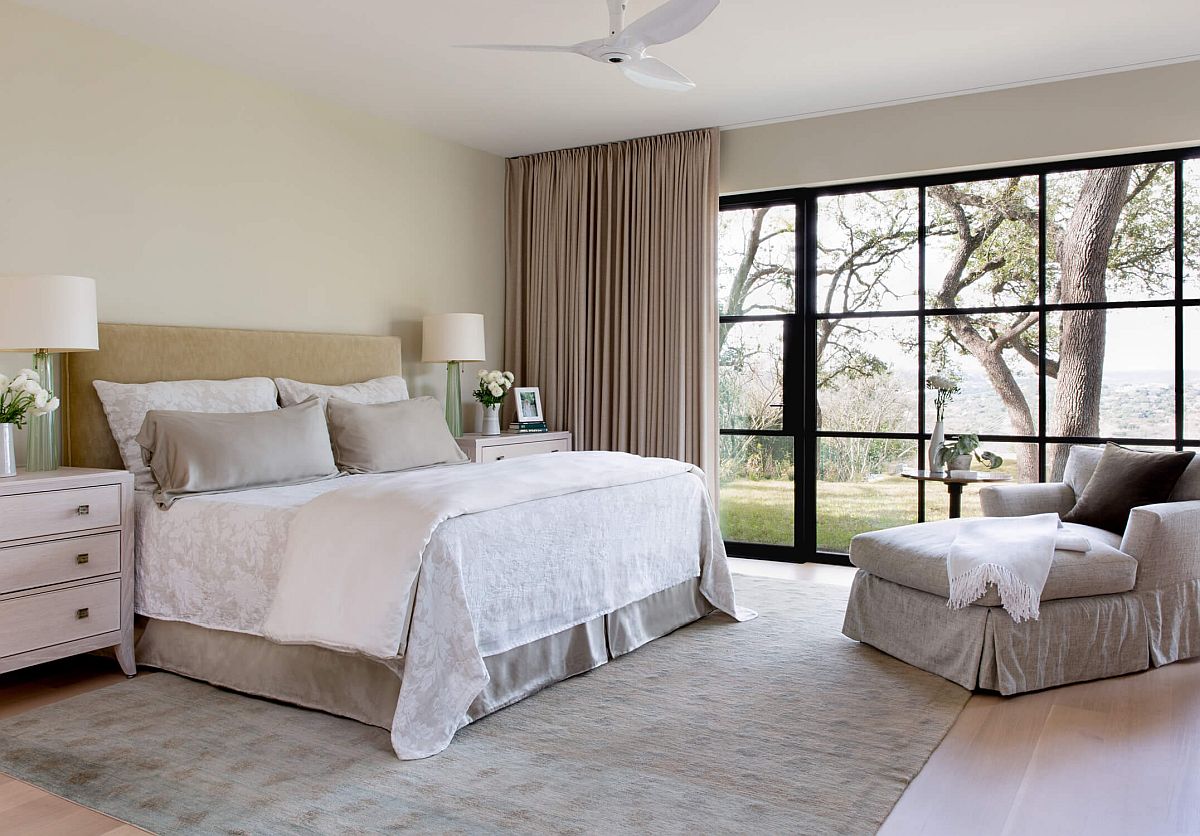
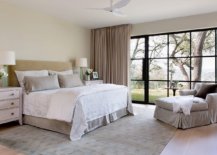
Decorating the bedroom with neutrals even as the oak tree outside adds contrast and color
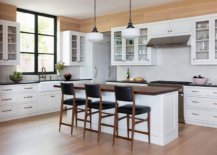
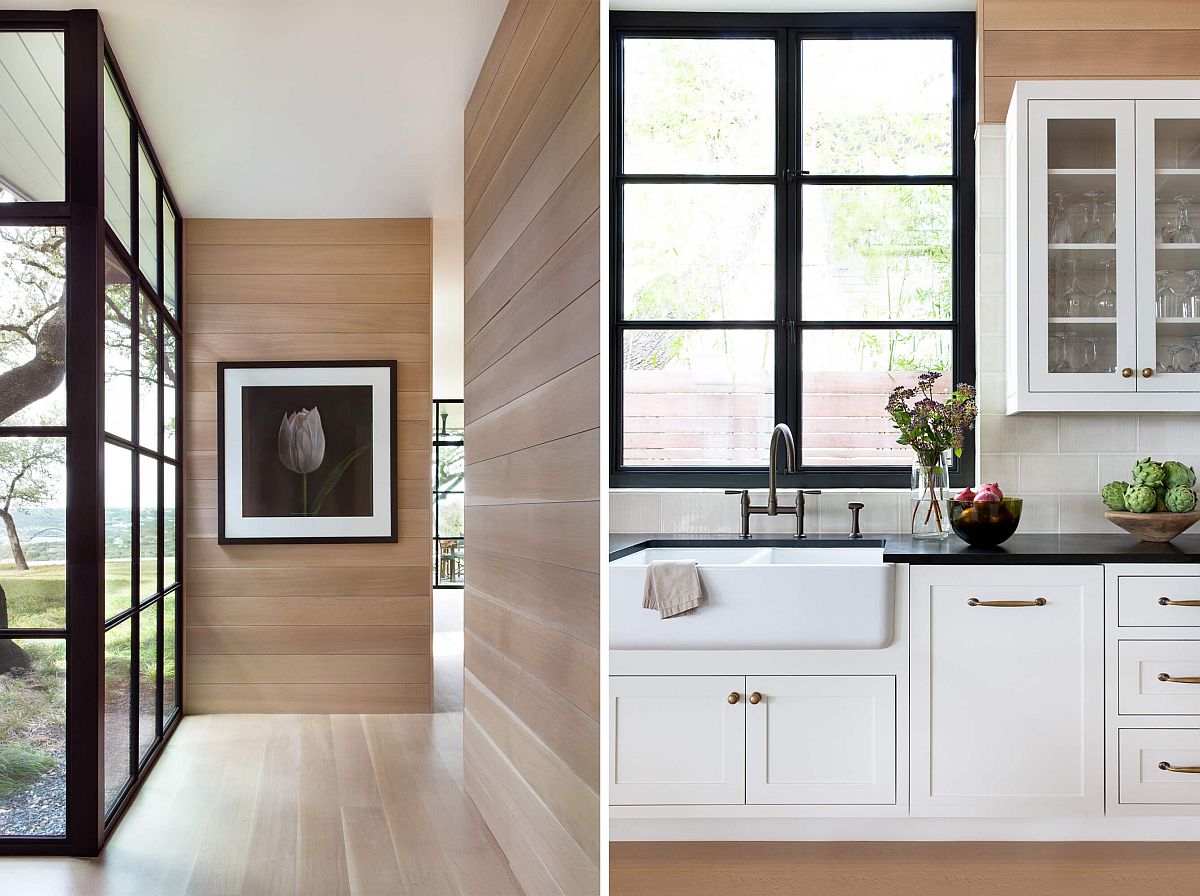
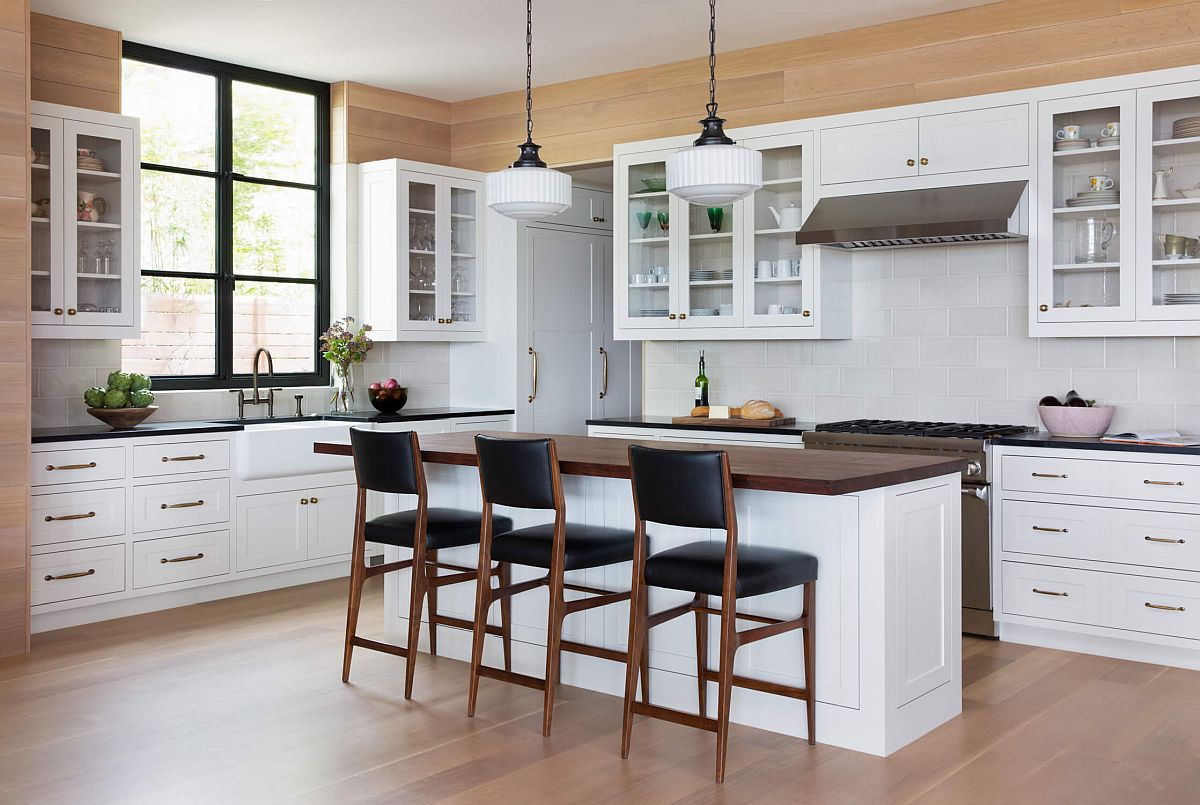
Large modern kitchen in white and wood feels just inviting!
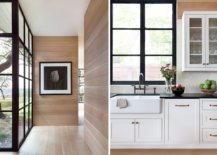
Oak shiplap wrapping in the main interior gives it warm and elegant modern style
Floor-to-ceiling steel windows connect the new interior with the large rear garden and the oak tree outside
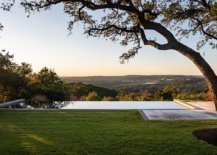
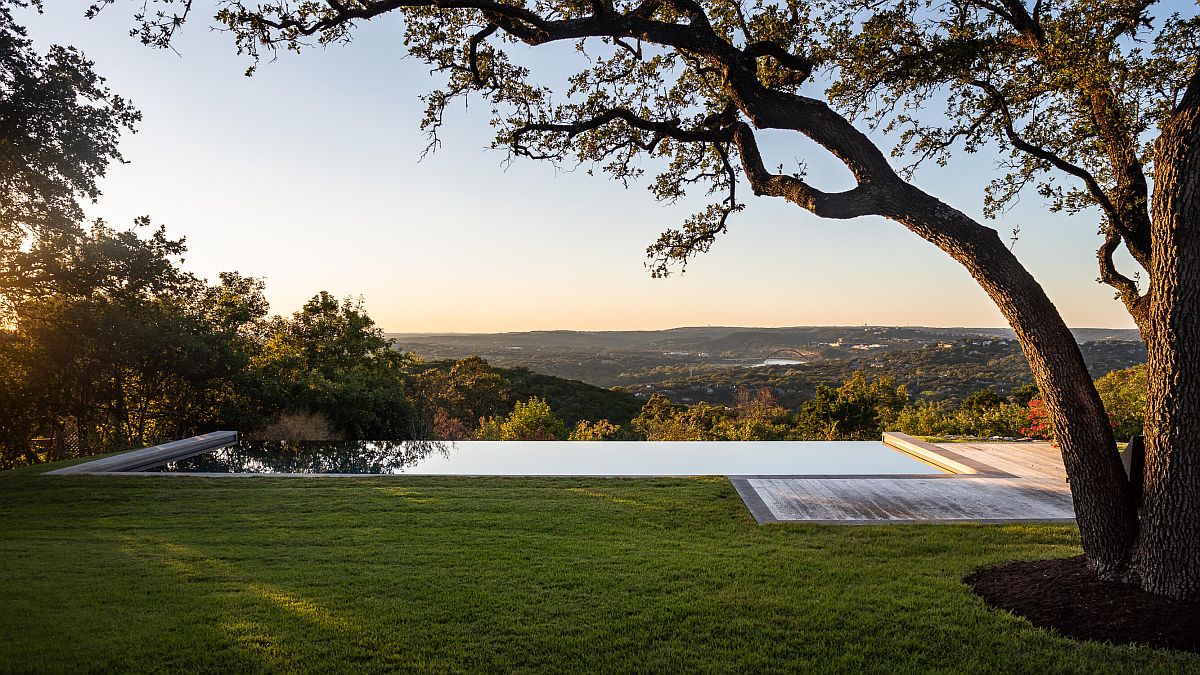
Infinity edge pool and view of Austin’s iconic Pennybacker Bridge at the Ridge Oak Residence

You’re reading Historic Mid-Century Modern Home in Austin Gets a Sensible, Stylish New Extension, originally posted on Decoist. If you enjoyed this post, be sure to follow Decoist on Twitter, Facebook and Pinterest.


Similar Posts

  • Cascading House

    The site has the typical challenges of many urban lots in Ho Chi Minh city: abutted by tall neighboring houses, small developable area relative to the clients’ program, and compromised access to daylighting and natural ventilation. Due to the height restriction, the house was pushed 1 level below the ground to accommodate the large program. In an effort to solve as many issues as possible, we proposed a concrete column system hidden inside the north and south concrete wall that face the neighbors, acting as the primary structure for the house and freeing up the space in-between. These concrete walls provide privacy to the clients and their family, and open up the east and west facade for views and outdoor-indoor connection. Because the column system extends continuously from the basement to the roof, the concrete beams spanning in-between can be moved vertically without any structural concerns. This flexibility also meant total discretion to determine the elevations of the upper floors–which we intended to take advantage of. By convention, the program is stacked floor-by-floor to maximize the usable area of a small lot which could result in monotonous and isolated spaces. We wanted to do just the opposite: visually and spatially connecting the different parts of the house together by splitting the floor plates, and then cascading them to create a multi-story atrium. In this space, life unfolds naturally; once a family member steps out of the bedroom, he/she will be in an all-connected “room”, and in the company of another member, whether that person is on the other side of the atrium or 2 levels above. In addition to spatial articulation, this atrium brings daylighting down to the basement, and–working with the 2 sunken gardens which are naturally filled with cool air–aids the stack effect by letting the hot air rises to the top. The temperature of the lower floors, as a result, becomes more comfortable. From the outside, Cascading House looks solid as a rock that provides sturdy shelter. The interior, however, feels as porous as a sponge soaking up natural light and air, and brings family members closer together–the qualities that make this house a home.