Mindone by iKKo runs on switchable operating systems
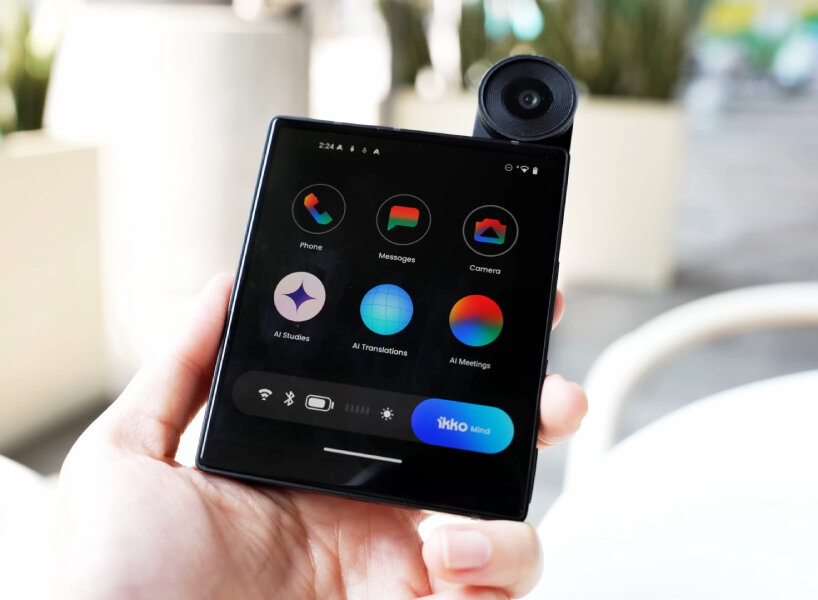
iKKo introduces MindOne, a card-sized AI smartphone that comes with a detachable keyboard and rotatable camera. With a 4.02-inch AMOLED display made from sapphire glass, the device has curved edges to reduce the chance of breaking. It also works with two operating systems. First, it runs Android 15 with Google certification, and second, it also includes iKKO AI OS, the in-house operating system focusing on the users’ productivity. In this way, people can switch between the two systems, with the AI OS offering tools for translation, voice-to-text, summaries, and podcast assistance. There are selected Android apps that can be added to the AI workspace, which can also be protected by a separate password. The card-sized AI smartphone doesn’t need any physical SIM cards.
It’s because the device comes with a built-in virtual SIM called NovaLink, which gives free internet for AI tools in more than 60 countries and paid full data access in more than 140 countries. In case the user still wants to use their SIM cards, they can do so, but it has to be the nano-sized one. Then, the optional Snap-In Expansion Case turns the touchscreen device into a QWERTY-keyboard-equipped smartphone using Google Keyboard (Gboard). The case has a Cirrus Logic CS43198 DAC and even a 3.5mm headphone jack, which is rare these days, for wired audio. The detachable keyboard also contains a 500 mAh battery that can give extra power to the card-sized AI smartphone. The keyboard itself does not need charging to work but acts as a mini power bank instead.
all images courtesy of iKKo
card-sized AI smartphone mindone with flippable camera
The MindOne includes a flippable 50MP Sony camera with optical image stabilization. When not in use, it is folded and serves as the main camera on the back of the card-sized AI smartphone. When users want to take a selfie, they fold it up, as it can rotate up to 180 degrees and lock at any angle. The camera is also made of sapphire glass, just like the display, which is resistant to scratches. The device supports 4G+ connectivity for power efficiency and stable roaming. iKKO says this choice prioritizes better battery efficiency, more consistent global roaming, and stable coverage since the reduced power requirements of 4G+ allow the phone to maintain longer use on its compact battery while operating in multiple regions compared to when the team uses the recent 5G capabilities.
iKKO is also set to release the open-source kernel under GPL v2.0 and share 3D models of the card-sized AI smartphone to let the users create their own cases and accessories using a 3D printer. This move intends to allow the users to modify the hardware and software of the device, so that they can maintain it themselves and don’t need to buy additional, expensive accessories. MindOne is also built with small parts and has two types of systems: the high-end one can handle the power-hungry tasks, while the low-power one saves battery for when the device carries out simple activities like texting. At the present time, iKKo has an ongoing campaign for MindOne, and the team plans to ship the first batch of the card-sized AI smartphone starting in November or December 2025.
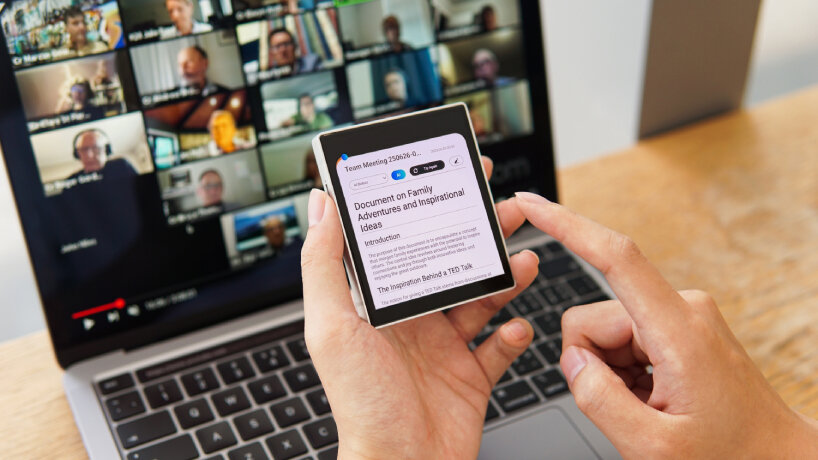
iKKo introduces MindOne, a card-sized AI smartphone
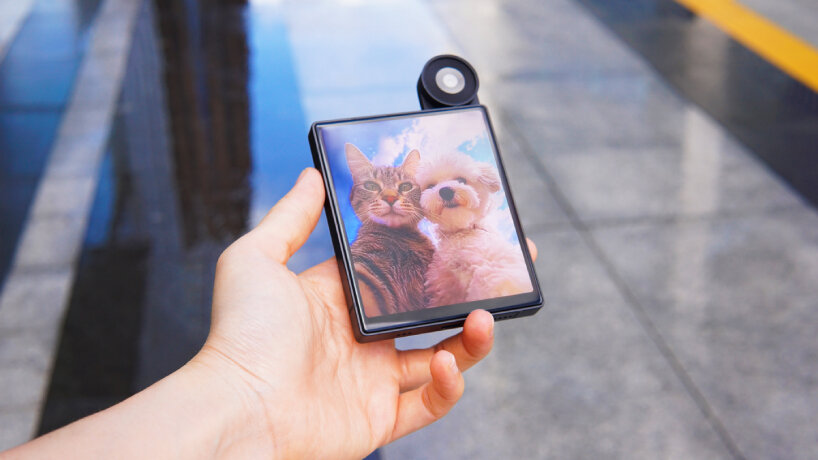
the device comes with a detachable keyboard and rotatable camera
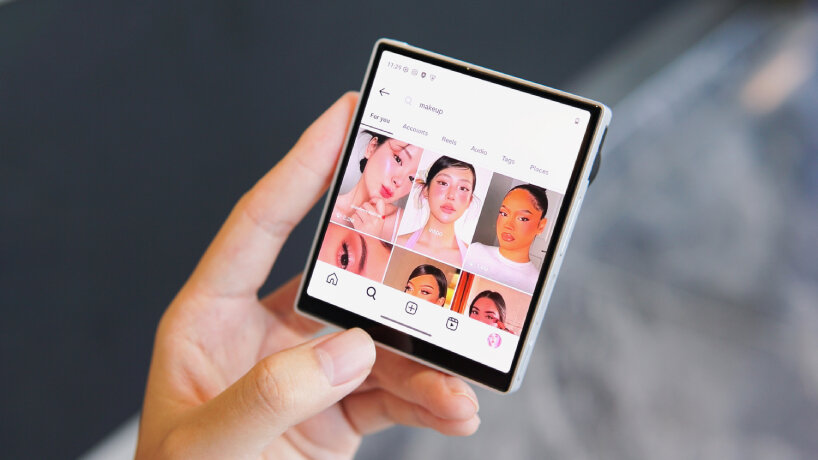
the gadget has a 4.02-inch AMOLED display made from sapphire glass
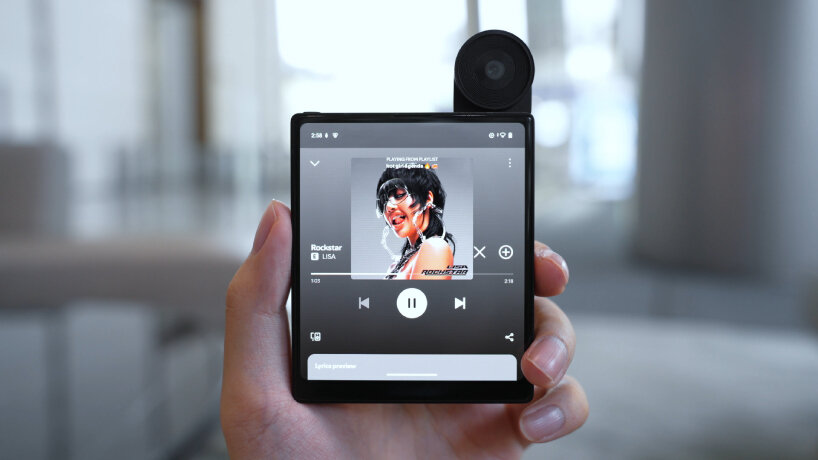
the smartphone has curved edges to reduce the chance of breaking
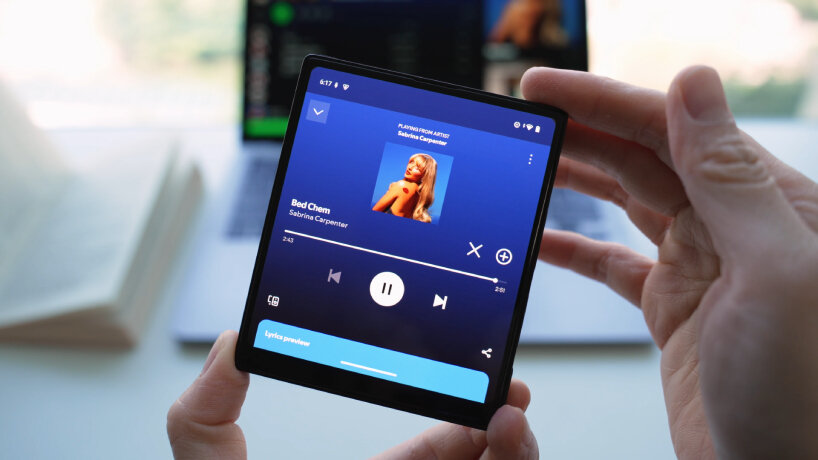
the MindOne card-sized smartphone doesn’t need any physical SIM cards to work