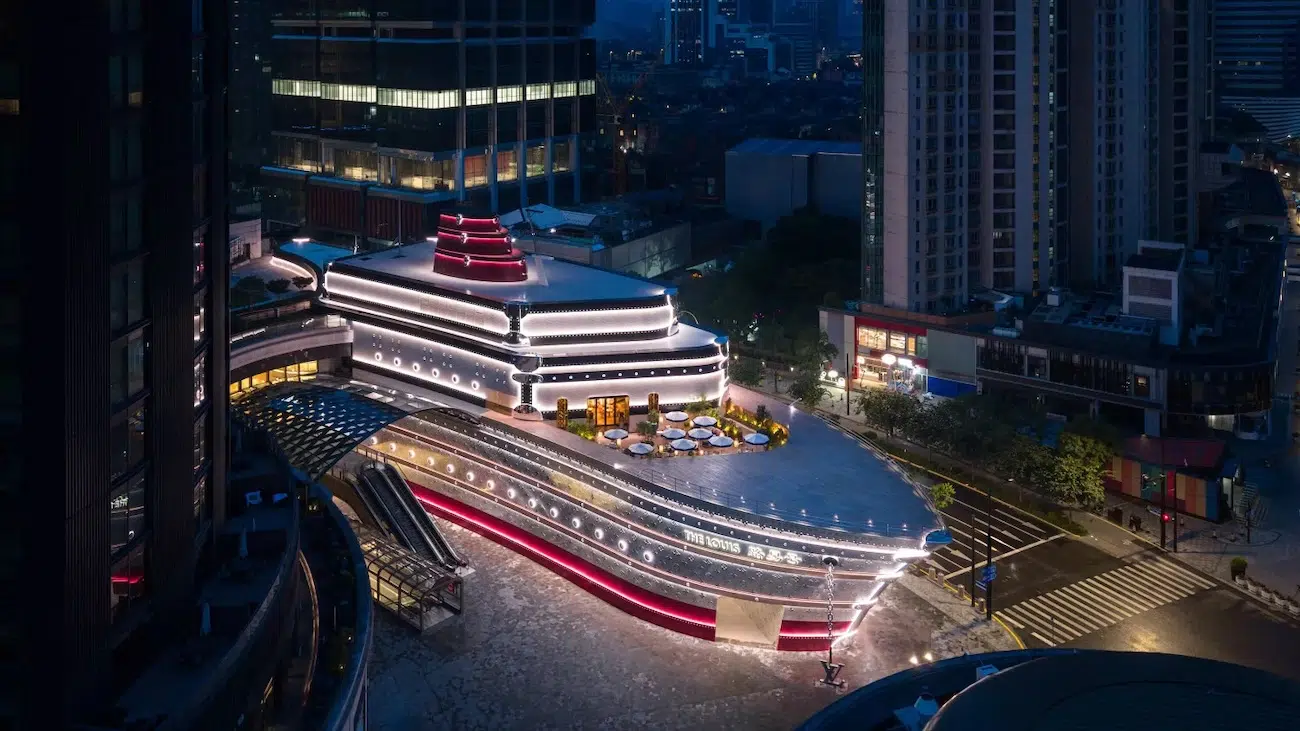
There is a giant boat at the front plaza of HKRI Taikoo Hui, a shopping mall in central Shanghai. And no, it’s not a shipwreck. It’s The Louis Shanghai, a boat-shaped concept shop created by Louis Vuitton (LV). The company’s in-house team designed a docked ship that’s an incredible addition to the plaza. Complete with a bow and hull embellished with the company’s iconic monogram, the deck and stacked upper level are meant to look like travel trunks—a nod to LV’s 19th-century history of creating trunks for transoceanic voyages. Going beyond the company, the boat shape also serves as homage to Shanghai’s port culture as a “Gateway to the East.”
“In this way,” LV writes, “the unveiling of ‘The Louis’ in Shanghai creates a spiritual echo across centuries, linking the historical port with a contemporary cultural space.”
The Louis features three floors, with the first two levels being an exhibition of the brand’s culture and history. It was designed by renowned architect Shohei Shigematsu, partner at architecture firm OMA. Visitors enter through the awe-inspiring Trunkscape, an installation featuring LV monogrammed trunks arranged over the archway with ever-changing nature scenes as a backdrop.
Trunkscape leads to the Louis Vuitton Visionary Journeys exhibition. Shigematsu collaborated with the LV team to create thematic rooms that explore the brand’s history over nearly 13,000 square feet. It presents the company’s foundational themes, including travel, craftsmanship, fashion, and innovation. Shigematsu designed the experience for visitors to travel across time and creativity, where the past and present merge through storytelling. The thematic rooms include: a map tracing the path of Louis Vuitton and the brand; a workshop showing the craftsmanship that goes into each piece; and an archival sports room spanning trophy trunks made for Formula 1, FIFA, and the Olympics, among others.
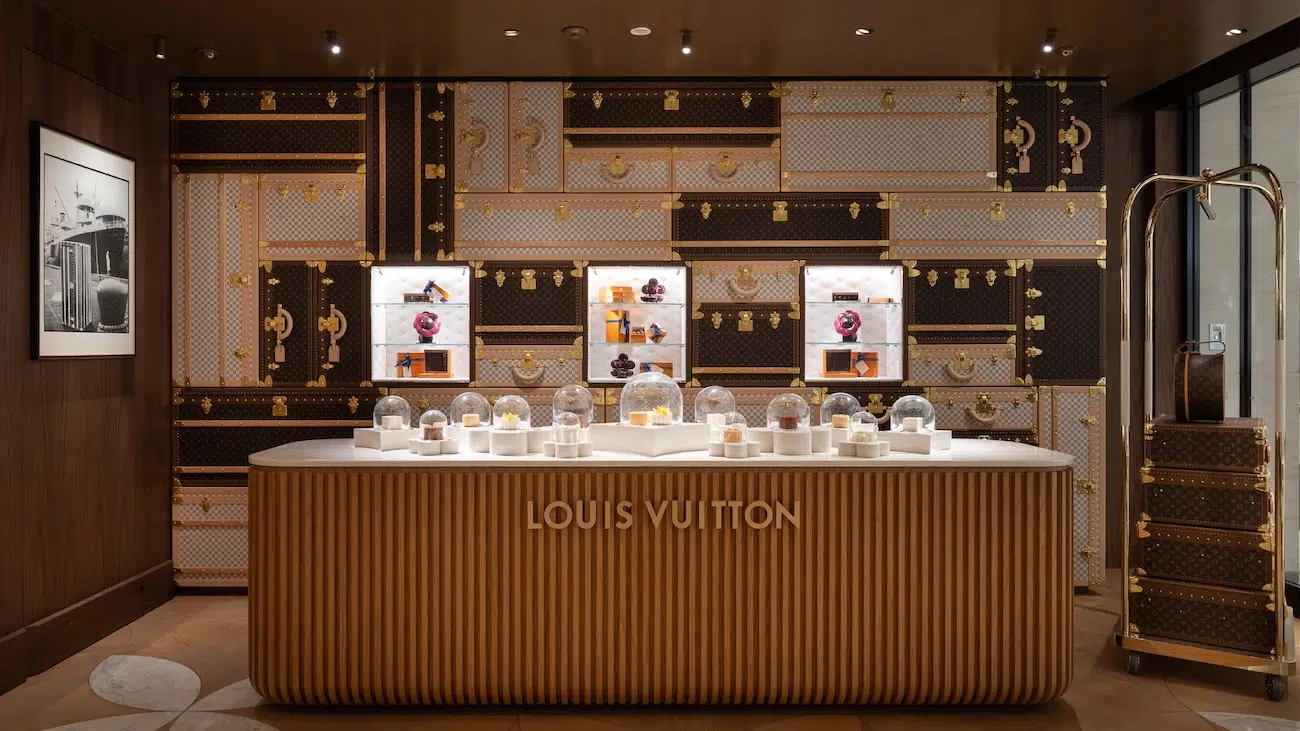
The exhibition ends with a gift shop featuring a selection of women’s and men’s leather goods, accessories, shoes, and travel items. An available hot stamp service allows people to personalize their LV items with Shanghai city, boat, and lifestyle city stamps.
A cafe is on the third floor of The Louis. Like the rest of the concept store, trunks are used as a design motif. With warm wood and soft lighting, the space is meant to look like a vintage cruise ship.
Visiting The Louis is free and open to the public.
The Louis Shanghai is a boat-shaped concept shop created by Louis Vuitton (LV). Over two floors, it contains the Louis Vuitton Visionary Journeys exhibition.
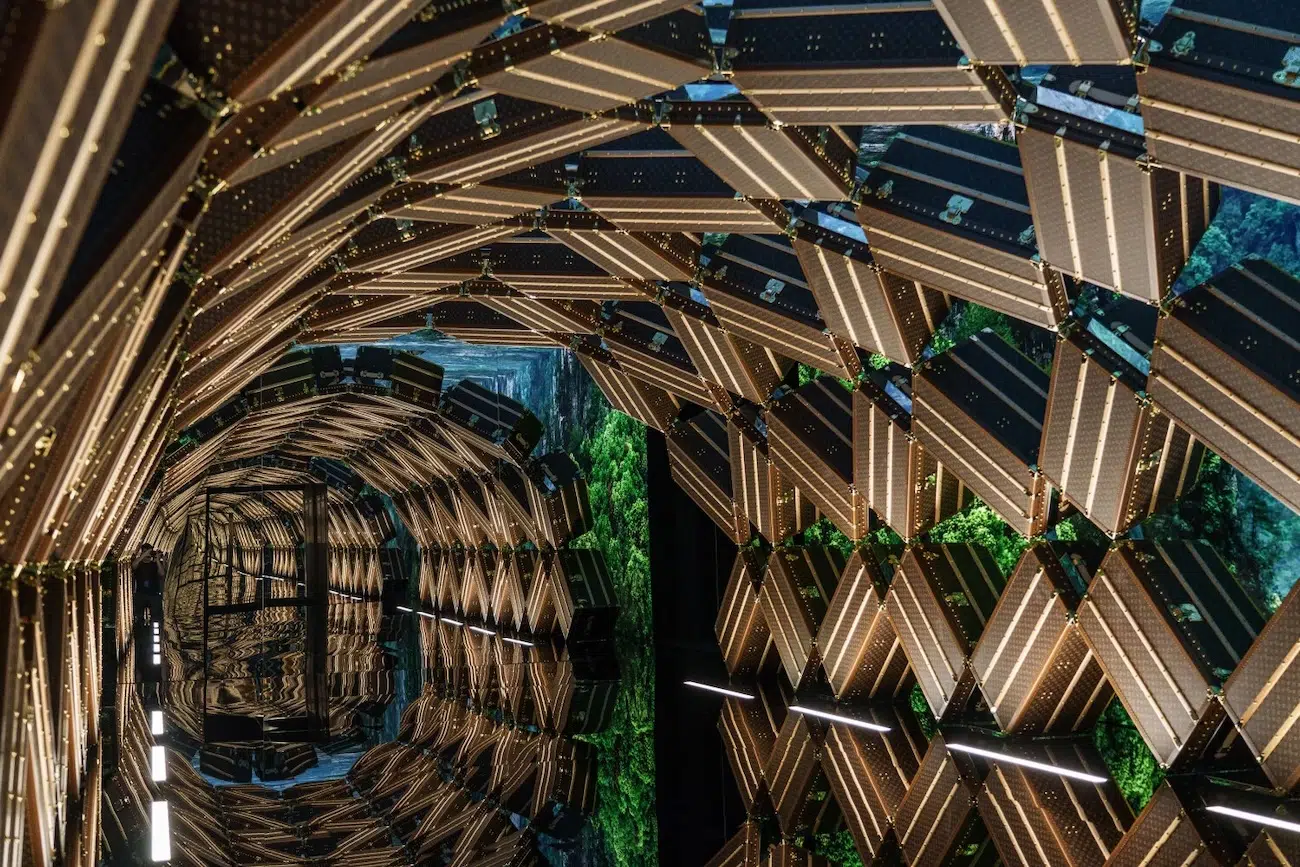
“Trunkscape”
It was designed by renowned architect Shohei Shigematsu, partner at architecture firm OMA, in collaboration with the LV team.
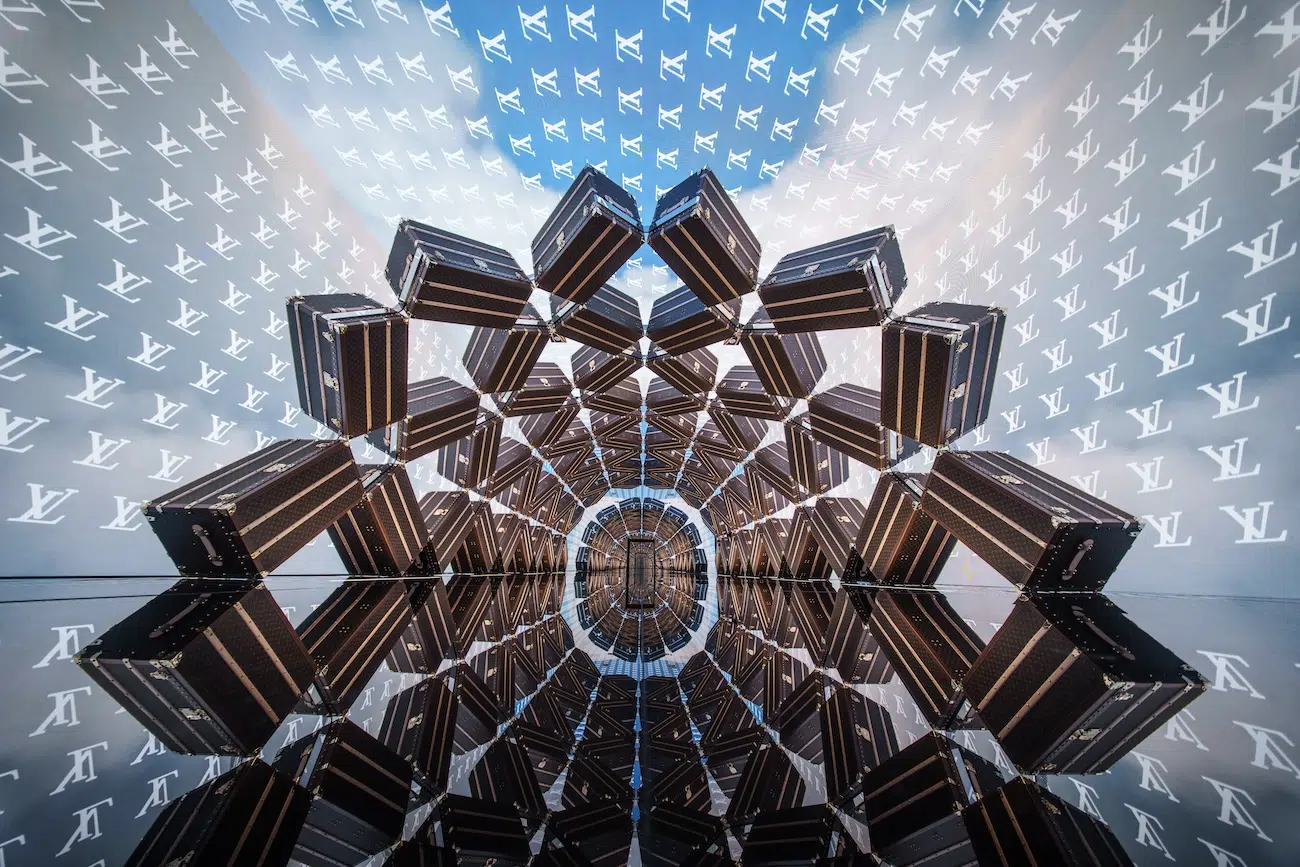
“Trunkscape”
Visitors enter through the awe-inspiring Trunkscape, an installation featuring LV monogrammed trunks arranged over the archway with ever-changing nature scenes as a backdrop.
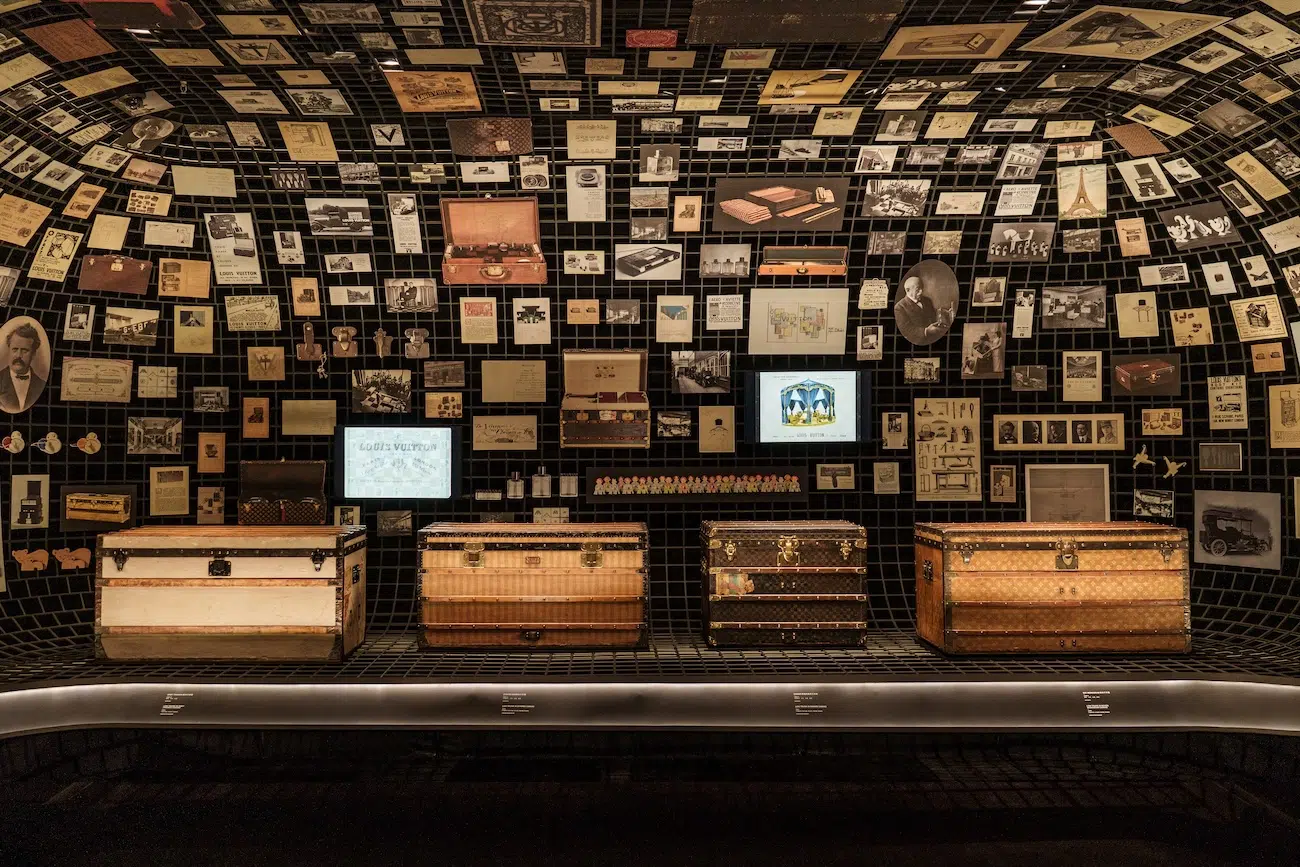
“Origins”
Trunkscape leads to the Louis Vuitton Visionary Journeys exhibition.
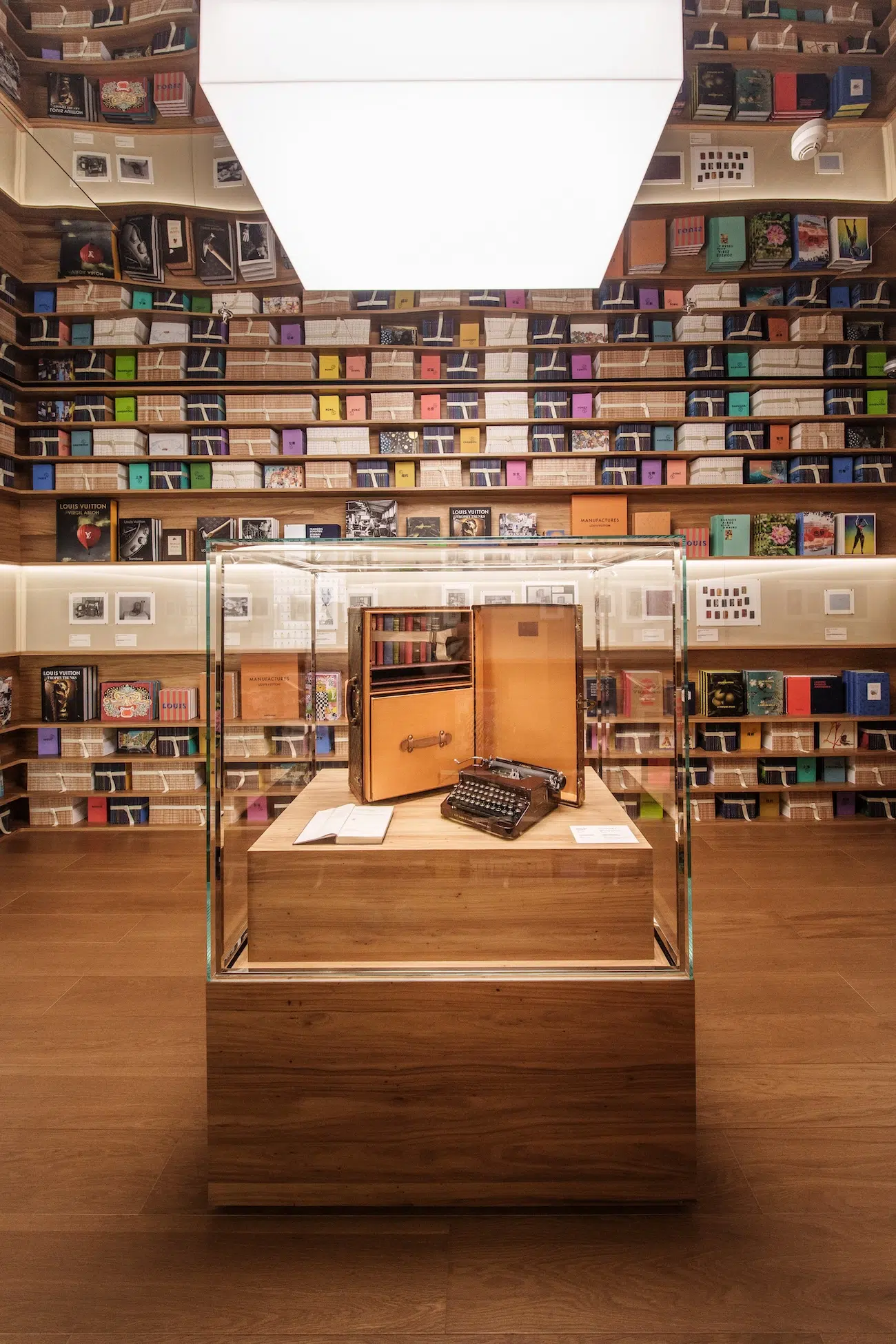
“Books”
Shigematsu collaborated with the LV team to create thematic rooms that explore the brand’s history over nearly 13,000 square feet.
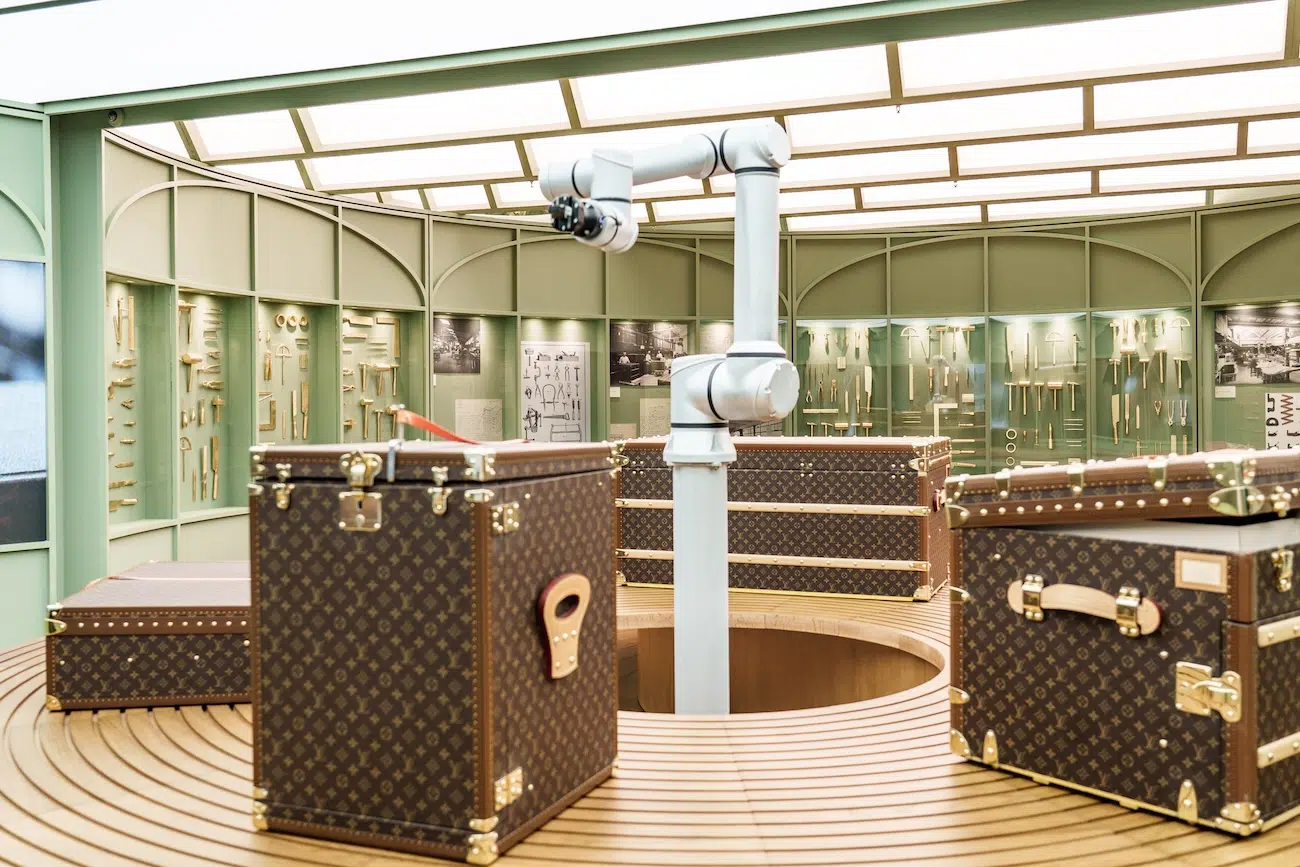
“Test”
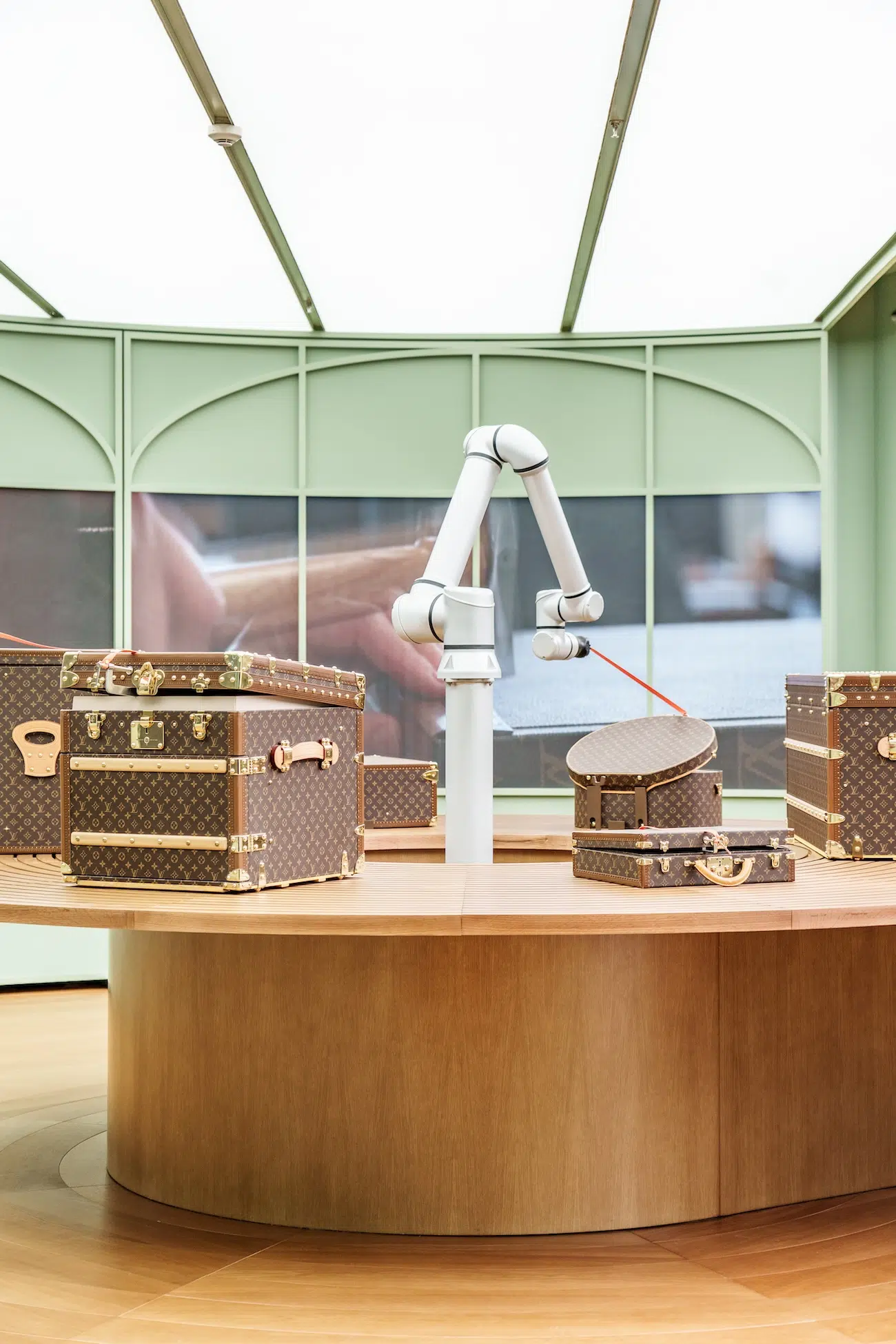
“Test”
It presents the company’s foundational themes, including travel, craftsmanship, fashion, and innovation.
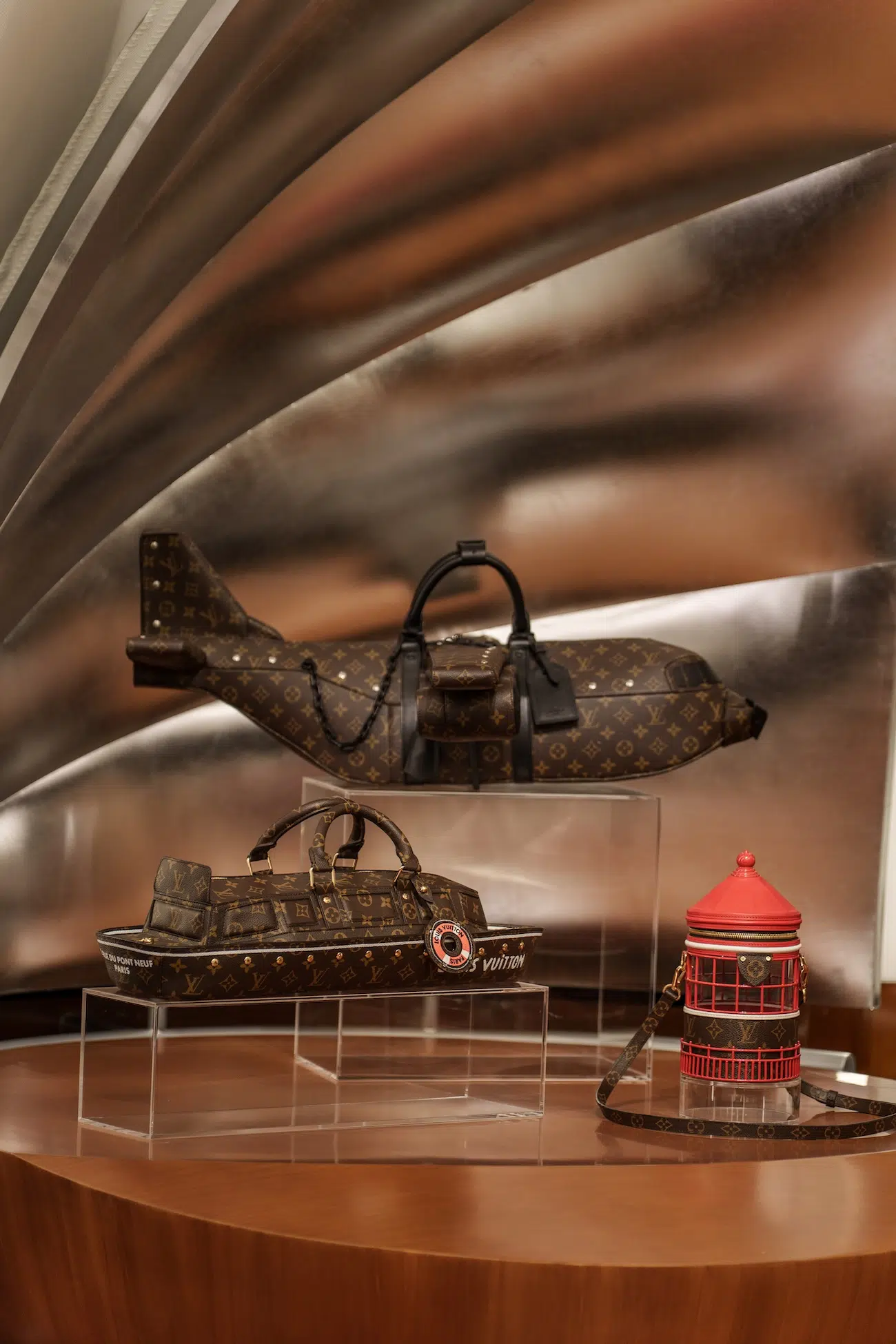
“Voyage”
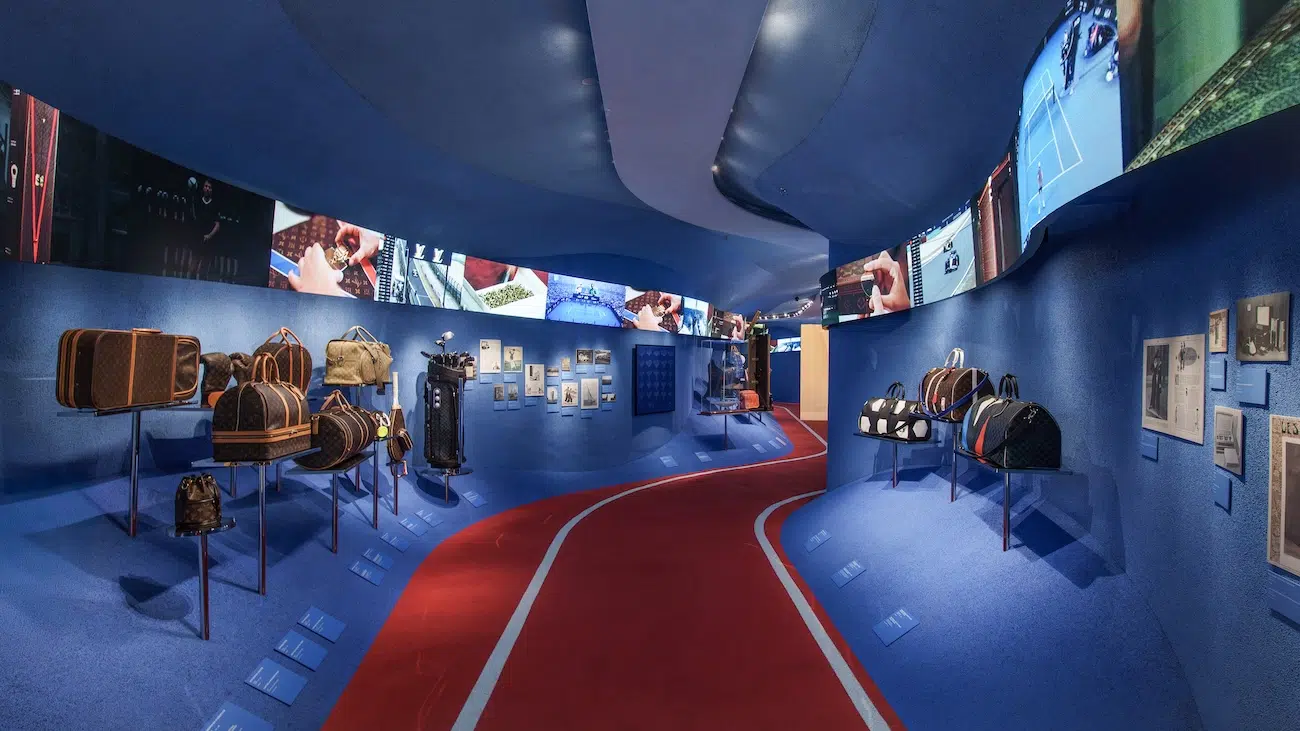
“Sport”
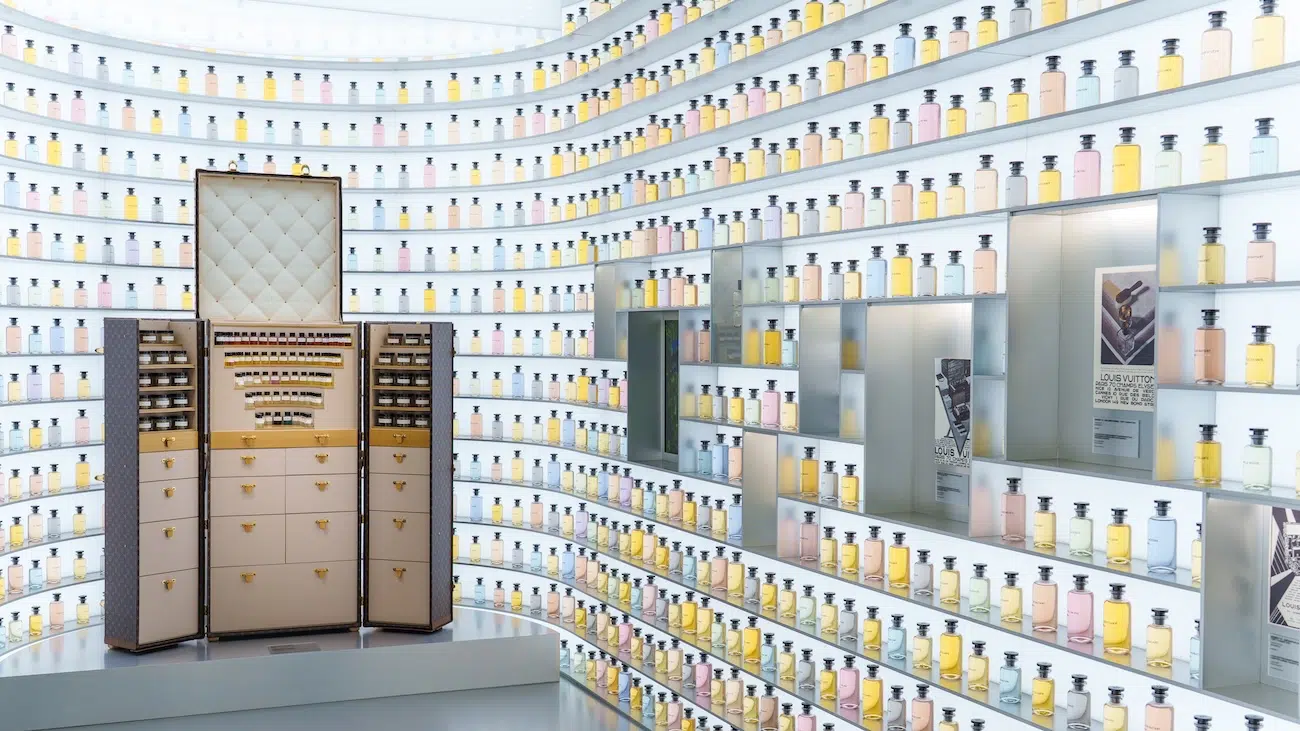
“Perfumes”
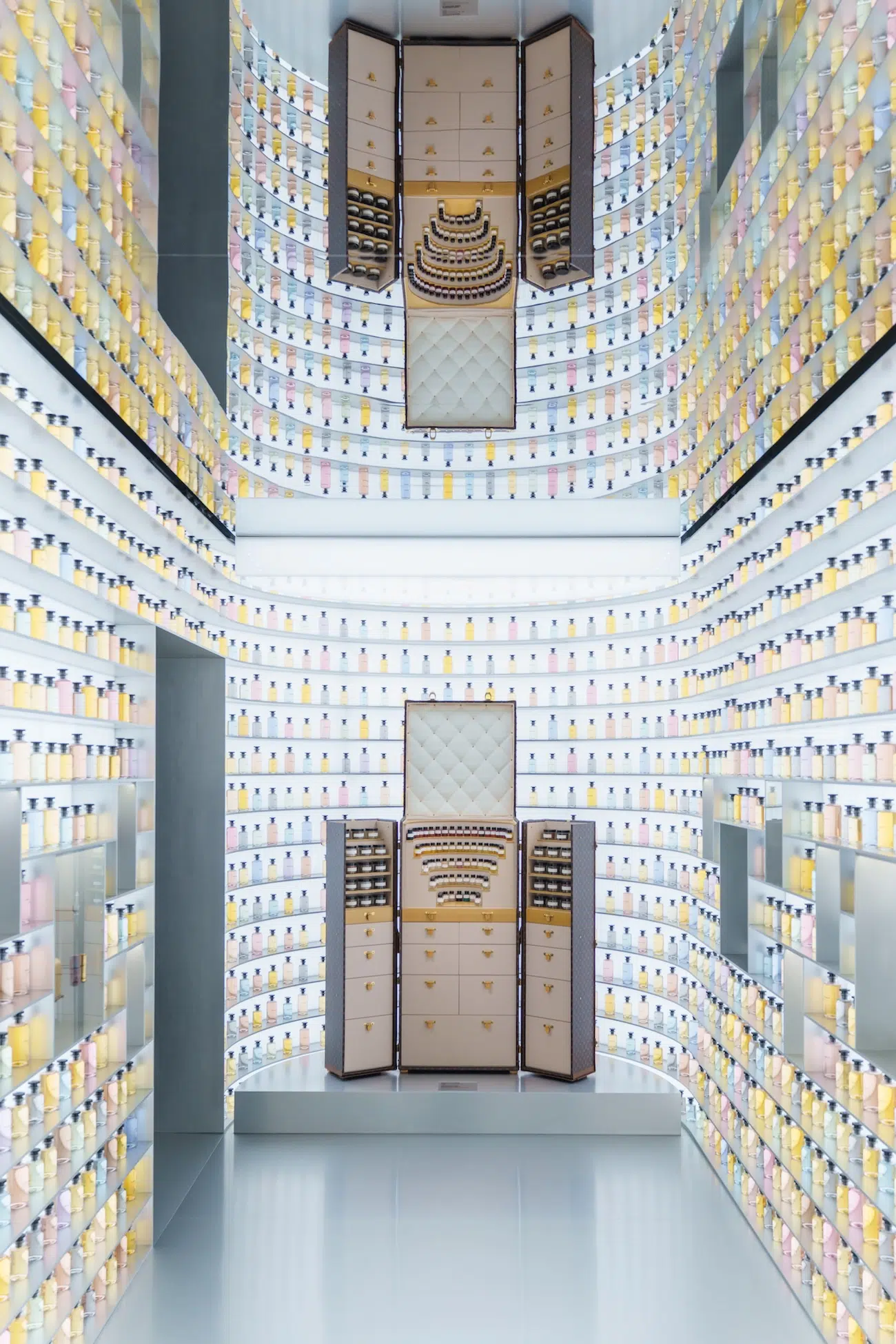
“Perfumes”
A cafe is on the third floor of The Louis. Like the rest of the concept store, trunks are used as a design motif.