|

studio KO reimagines 1912 tram depot as the centre for contemporary arts tashkent

Uzbekistan launches first Contemporary Arts Centre

The Centre for Contemporary Arts Tashkent (CCA) in Uzbekistan is housed in a former tram depot and diesel station dating back to 1912, reimagined by Paris-based Studio KO. The project is the first permanent institution for contemporary art and research in Central Asia, launching its first-year program and the announcement of its inaugural exhibition, Hikmah, set to open in March 2026.

The inaugural exhibition Hikmah, meaning wisdom in Uzbek, will gather a wide roster of voices, from Ali Cherri and Kimsooja to Nadia Kaabi-Linke, Muhannad Shono, Nari Ward, and Tarik Kiswanson, alongside Uzbek and Karakalpak artists including Shokhrukh Rakhimov, Vladimir Pan, Daribay Saipov, and Bakhtiyar Saipov. Works on view will include Kaabi-Linke’s Flying Carpets, on loan from the Solomon R. Guggenheim Museum; Kimsooja’s participatory Archive of Mind; and new commissions developed through the CCA residency program (find designboom’s previous coverage here). A parallel music program will range from Sufi chants to electronic soundscapes, extending the theme of wisdom into sonic traditions.
studio KO reimagines 1912 tram depot as the centre for contemporary arts tashkent
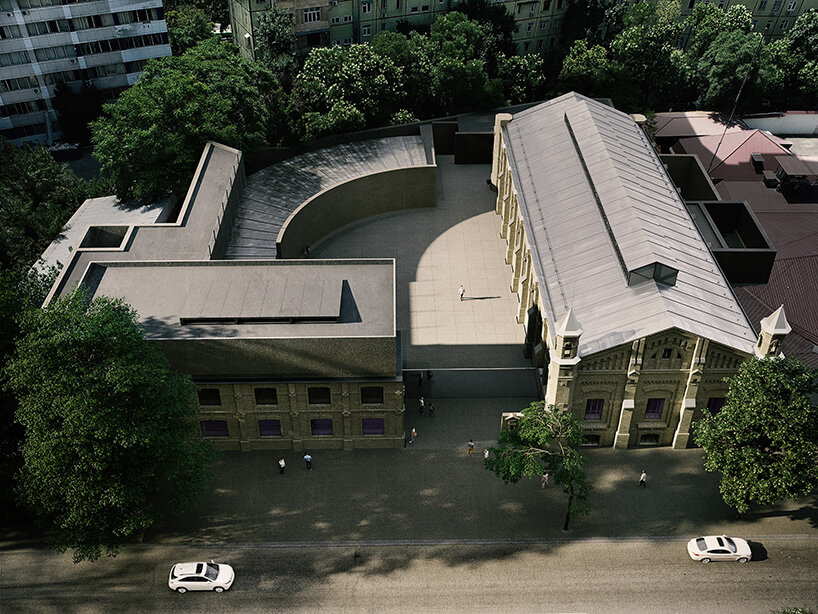
aerial view of Centre for Contemporary Arts in Tashkent (CCA) | all renders © Studio KO, courtesy of the Uzbekistan Art and Culture Development Foundation (ACDF), unless stated otherwise

Studio KO Reimagines Tashkent’s Tram Depot

Led by the Uzbekistan Art and Culture Development Foundation (ACDF) under Chairperson Gayane Umerova, the CCA aims to connect local heritage with international cultural production. The institution is steered by Artistic Director and Chief Curator Dr. Sara Raza, who brings two decades of curatorial experience across Central Asia, the Middle East, North Africa, and their diasporas. Her vision grounds the center in Tashkent’s history as a crossroads of Global Majority thinkers and artists, while opening it to contemporary debates.

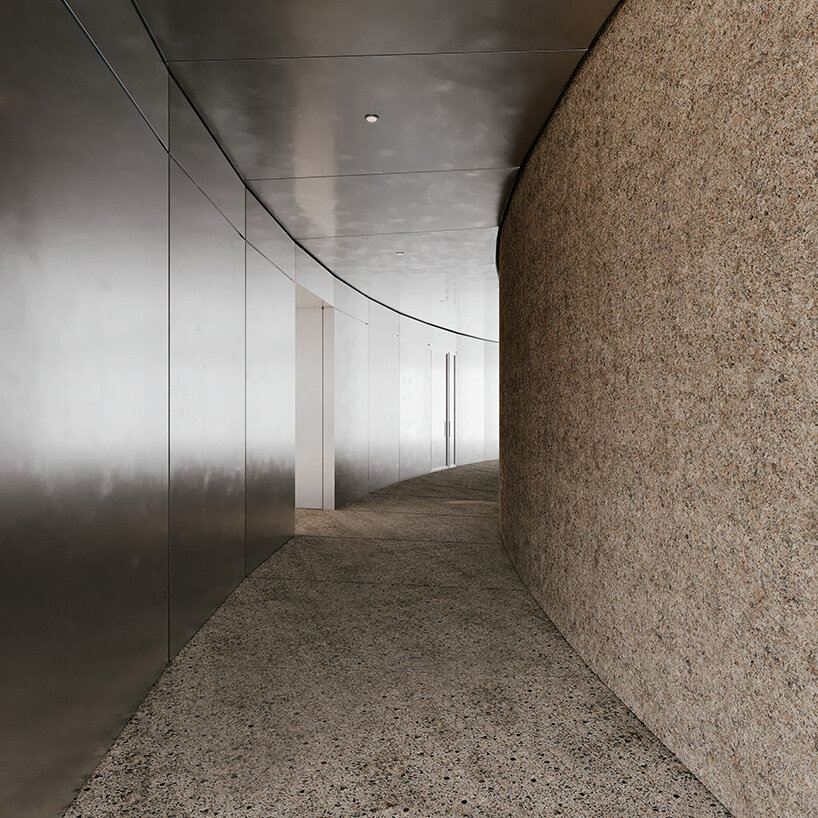
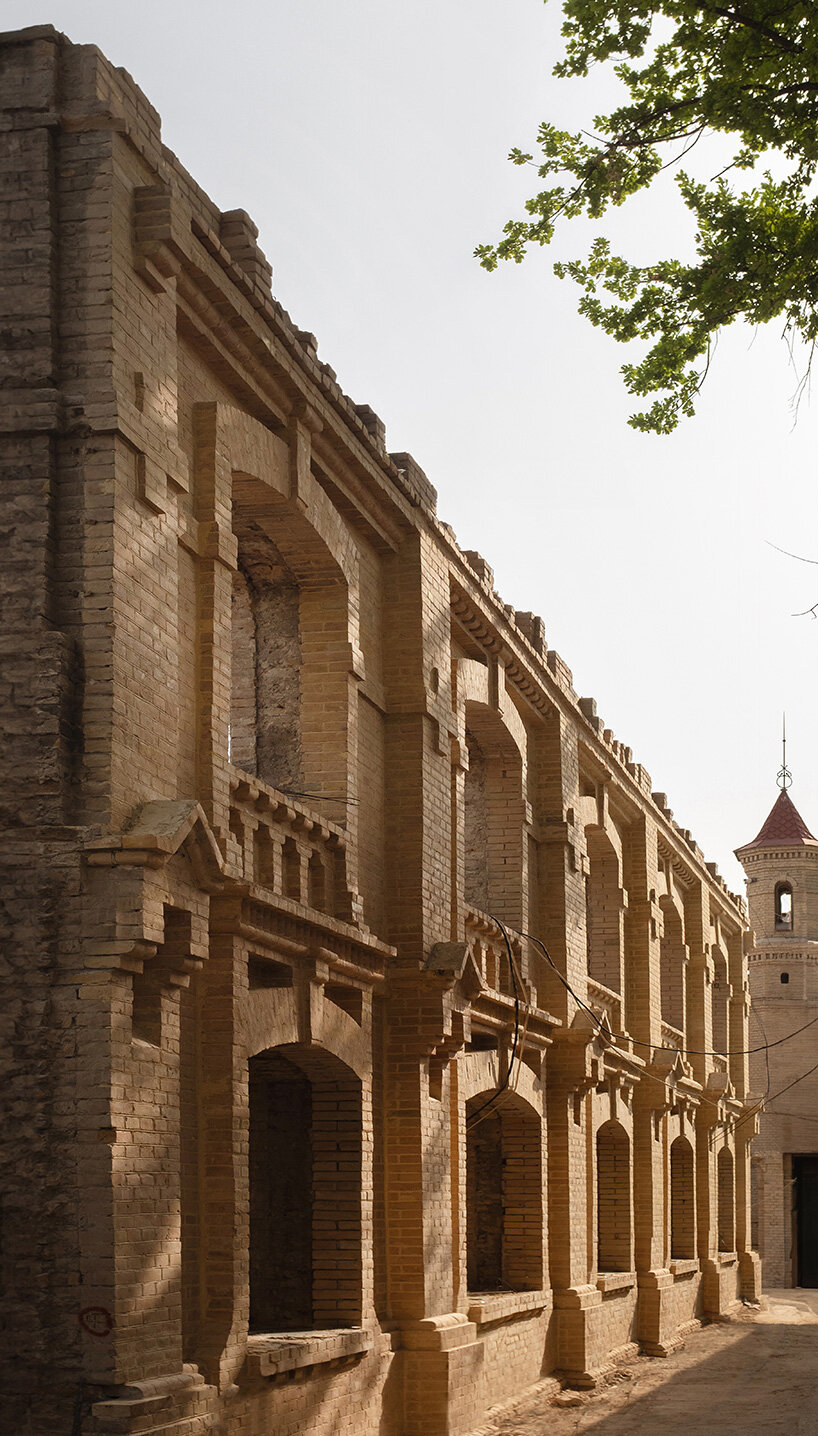
The adaptive reuse of the CCA building plays a central role in the project’s identity. Designed by Wilhelm Heinzelmann, the early 20th-century structure once powered Tashkent’s first tram line and electricity network. Studio KO’s architects Karl Fournier and Olivier Marty describe their intervention as giving the industrial shell a ‘new poetic life,’ working with local materials and motifs to create spaces for evolving artistic encounters.
studio KO reimagines 1912 tram depot as the centre for contemporary arts tashkent
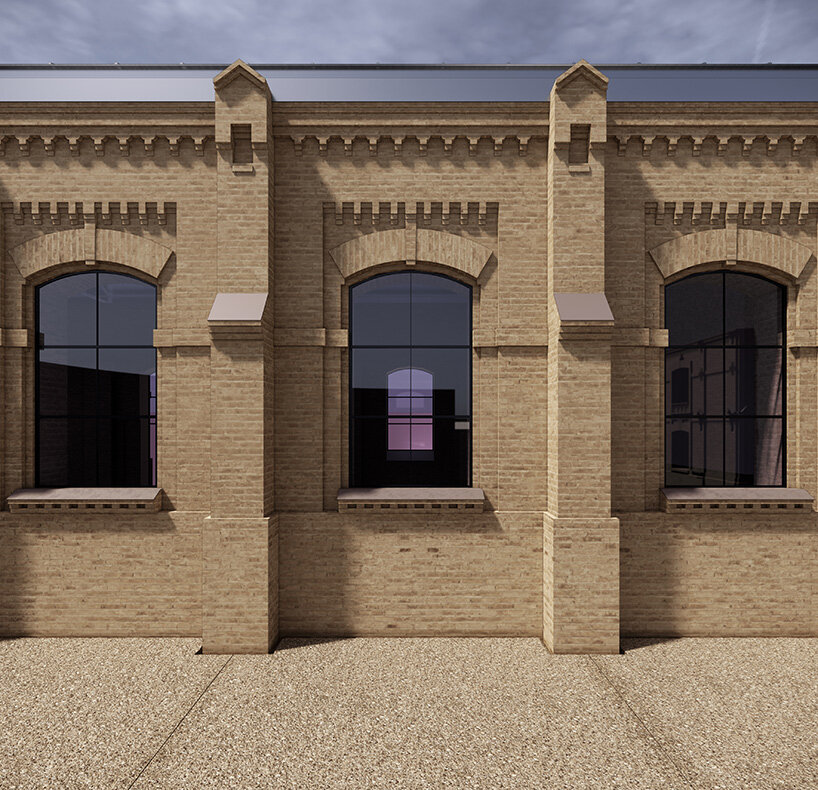
view on the diesel station facade

Public Art Festival to Define CCA’s Annual Programming

Programming begins in September 2025, with the CCA Artist Residencies, which since 2024 have welcomed international and regional creatives. The 2025 cohort includes sound artist Sarni El-Enany, fashion designer Paria Farzaneh, art historian Vivek Gupta, Afghan miniature painter Jamila Sadat, and Bangkok-based Uzbek artist Dishon Yuldash.

Looking ahead, the CCA will anchor its calendar with two annual initiatives: the multidisciplinary Navruz Gala and the citywide Tashkent Public Art Festival.
studio KO reimagines 1912 tram depot as the centre for contemporary arts tashkent
closeup on the renovated brick facade | image © BCDF Studio, courtesy of the Uzbekistan Art and Culture Development Foundation (ACDF)
studio KO reimagines 1912 tram depot as the centre for contemporary arts tashkent
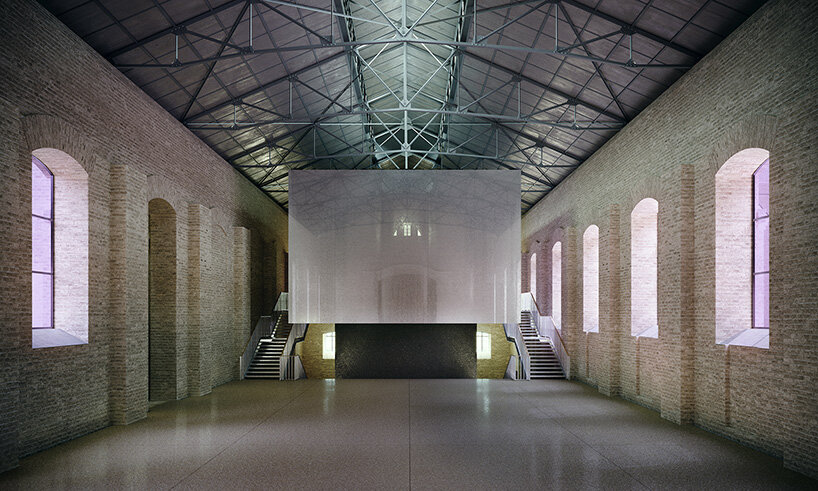
diesel station exhibition space

studio KO reimagines 1912 tram depot as the centre for contemporary arts tashkent
workshop

studio KO reimagines 1912 tram depot as the centre for contemporary arts tashkent
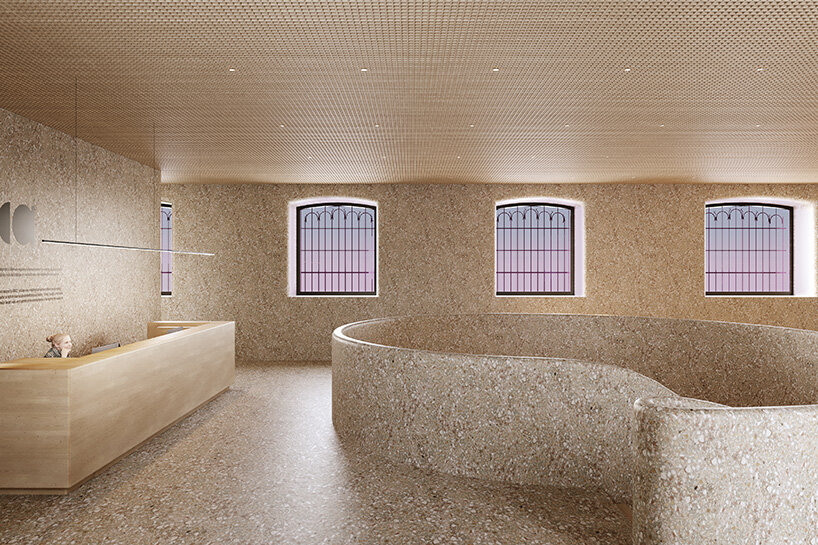
lobby reception

Similar Posts

  • House LV1 (house nanchi 1 y 2)

    CASA LV1 (casa nanchi 1 y 2)
    BRIEF DESCRIPTION OF THE CONSTRUCTION
    The Casa LV1 (casa nanchi 1 and 2), is a multi-familiar conformed by two houses constructed in the same land, the main material used for its construction was white striated concrete.
    DESCRIPTIVE MEMORY
    The Casa LV1 (casa nanchi 1 and 2) is a complex of two houses designed for a family an elderly couple, their young daughter and their granddaughter. Each house has the necessary privacy for each development, with the interrelationship and coexistence of the family; they are located in an irregular diamond-shaped land of approximately 250m2, a gradient over 10% with a view to the southeast.
    The Casa nanchi 1, on its main floor has: living room, dinning room, kitchen, bathroom, main bedroom with closet and its own bathroom, this floor is directly connected with the service area; the lower floor has a hall, two bedrooms with closet and its own bathroom; the upper floor has a roofed recreation room and a garden terrace. All the floors are connected by a stair, and has a parking lot. The total constructed surface is of 160 m2.
    The Casa nanchi 2 has on its main floor: living room, dining room, kitchen, bathroom and service area; on the upper floor it has: main bedroom with closet and its own bathroom, an additional bedroom with closet, a little play room and a bathroom; on the lower floor, where the entrance is, has: two parking lots and an exterior stair which is connected to the other floors. The total constructed surface of the house is 145 m2 excluding parking lots.
    Both houses share main entrance, service yard, green spaces and services.
    The houses are named after the nanchi tree (byrosonimacrassifolia) that is located in that land; it was respected and the project was adapted around it, to make it a natural decoration for the dinning room of the Casa nanchi 1. This house was designed for an elderly couple and it has a terrace in the upper floor, which is a recreational and relaxing space with a view of the surroundings to enjoy with the company of family, friends and guests. It has a double-height space which allows the development of the tree.
    The design of the Casa nanchi 2, which was designed for the daughter and granddaughter of the family, is inspired in the Brno chair, designed by the architect Ludwig Mies van ser Rohe, which not only allows a large volume, but also an efficient and free structural principle because with this solution is obtained an overhang of 4.85 m with a support of 2.85 m, generating a space without any support under the construction.
    The concept of the houses is derogates no only from the connection (interior-familiar, exterior-landscape), but also from the visual freedom that people perceive before entering in the house and also in the interior of them. This is fulfilled by the volumetric integration that defined the spaces of each house, both prisms have specific substractions that allow a formal integration of the two elements; in the Casa nanchi 1 the terrace is subtracted and in the Casa nanchi 2 the parking area is subtracted, transforming both elements without losing its integrity.
    The connection of both houses is so important that is not only achieved materially with the union of the two architectonic objects from the common entrance, connotating the link of the family, but also with the landscape, through the transparency in the facade of the two houses, which creates a visual freedom for the inhabitants. This gives a greater illumination of the spaces, producing a feeling of spaciousness and allows the air circulation due to the large windows that are handled by the users.
    The material, white striated exposed concrete and stone dust of the region, recalls the honesty of the materials, this simplicity benefits the environment, because it doesn’t use coatings in walls, fooors or roofs, contributing the less possible to the pollution. The exposed finishes means less production, transportation and utilization of pollutant materials. As said before, the free circulation of air allows a constant cleaning of the interior air which allows a natural regulation of the temperature, achieving termic comfort for the users and reducing the use of electronic devices that cools artificially the place. Besides, the same large windows avoid the unnecessary use of artificial illumination during the day allowing the entrance of sunlight in the morning.

  • La Vetta

    La Vetta is a minimalist residential development located in Andermatt, Switzerland, designed by Park in collaboration…