Tavonatti House Combines Inverted Floor Plan With Ocean Views

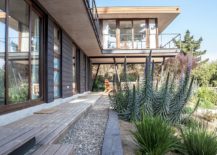
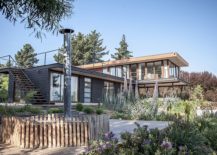
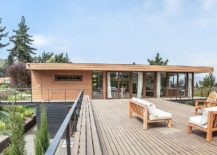
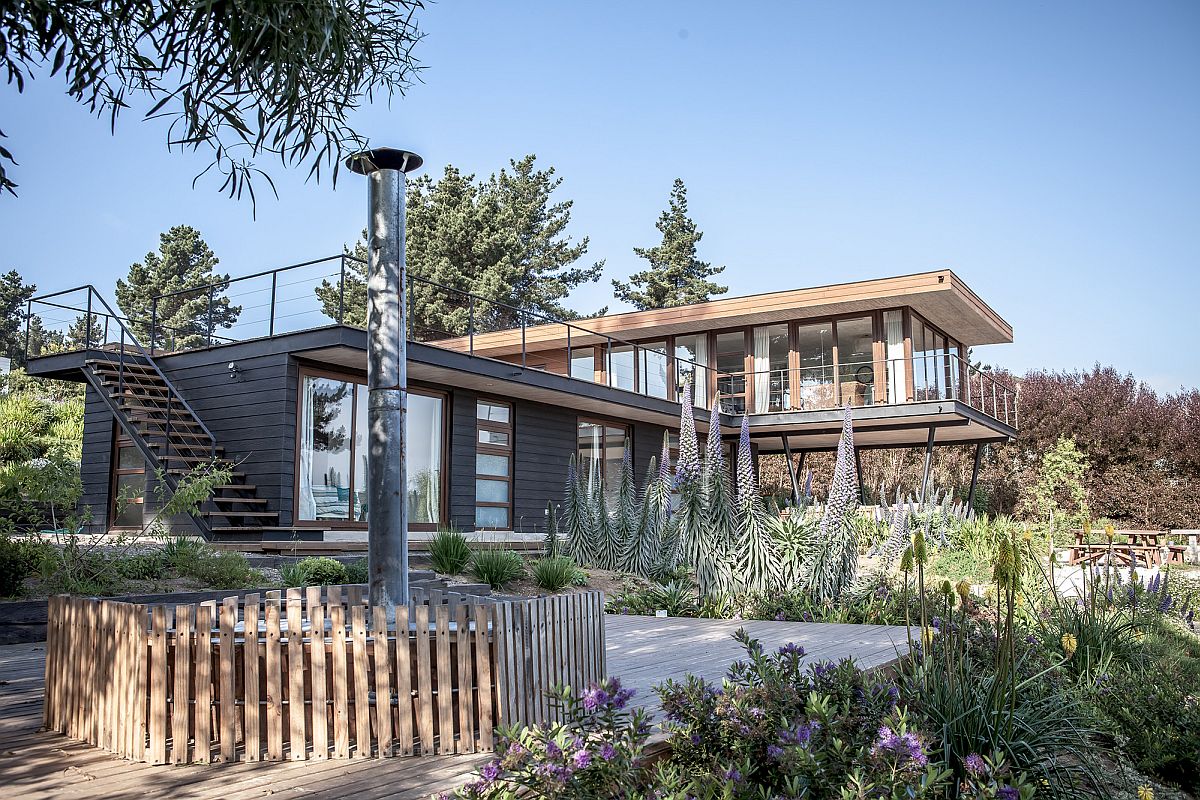
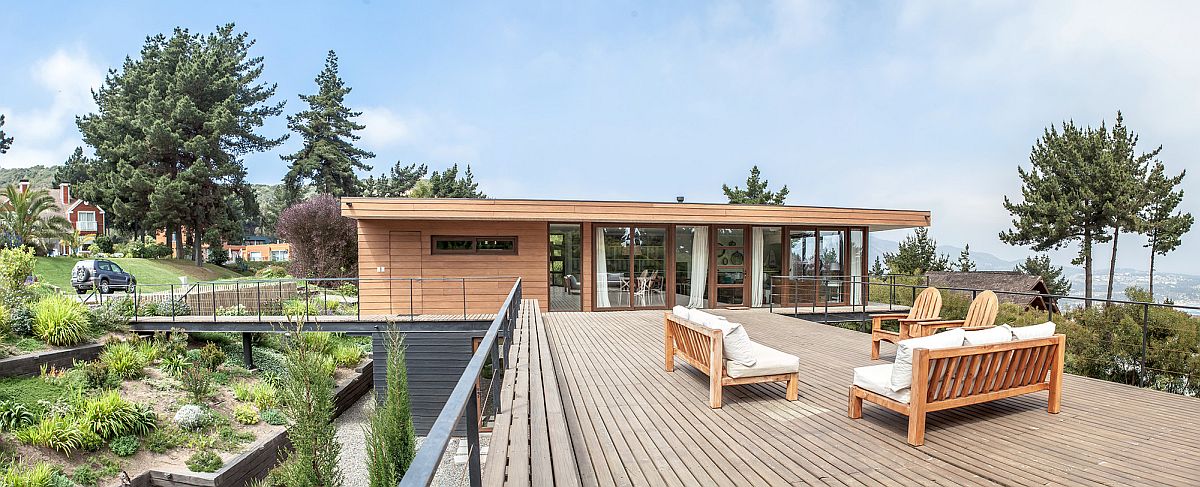
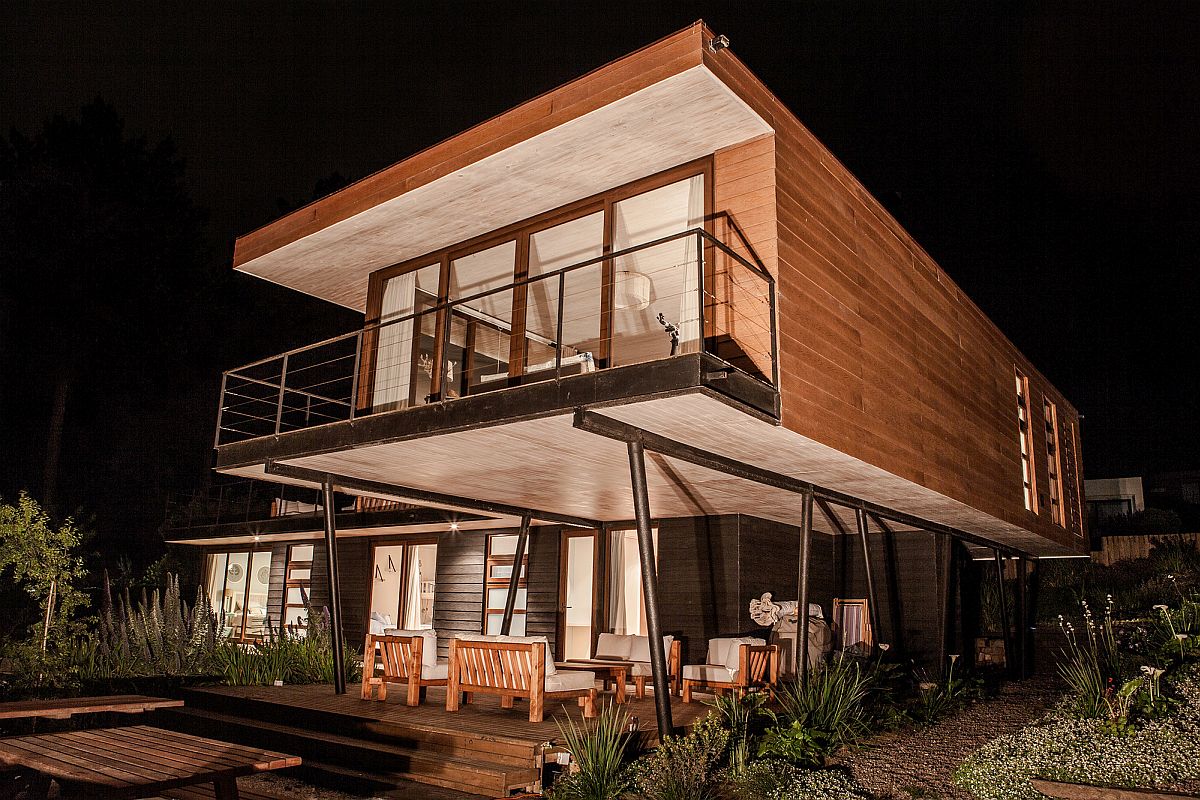
Cachagua is a quiet and idyllic little coastal town in Chile where sun, sand and surf provide a relaxing and rejuvenating escape. It is in this beautiful setting that the Tavonatti House was built by PAR Arquitectos; making most of the distant ocean views even while ensuring that the contemporary structure fit into the local building norms. The unique design of the house places the living area, kitchen and dining on the top level that extends outside and into the lavish wooden deck while the lower level houses the bedrooms and other private spaces. Inverting the traditional floor plan, the home offers its owners captivating ocean views from the public spaces while the bedrooms are cleverly concealed.
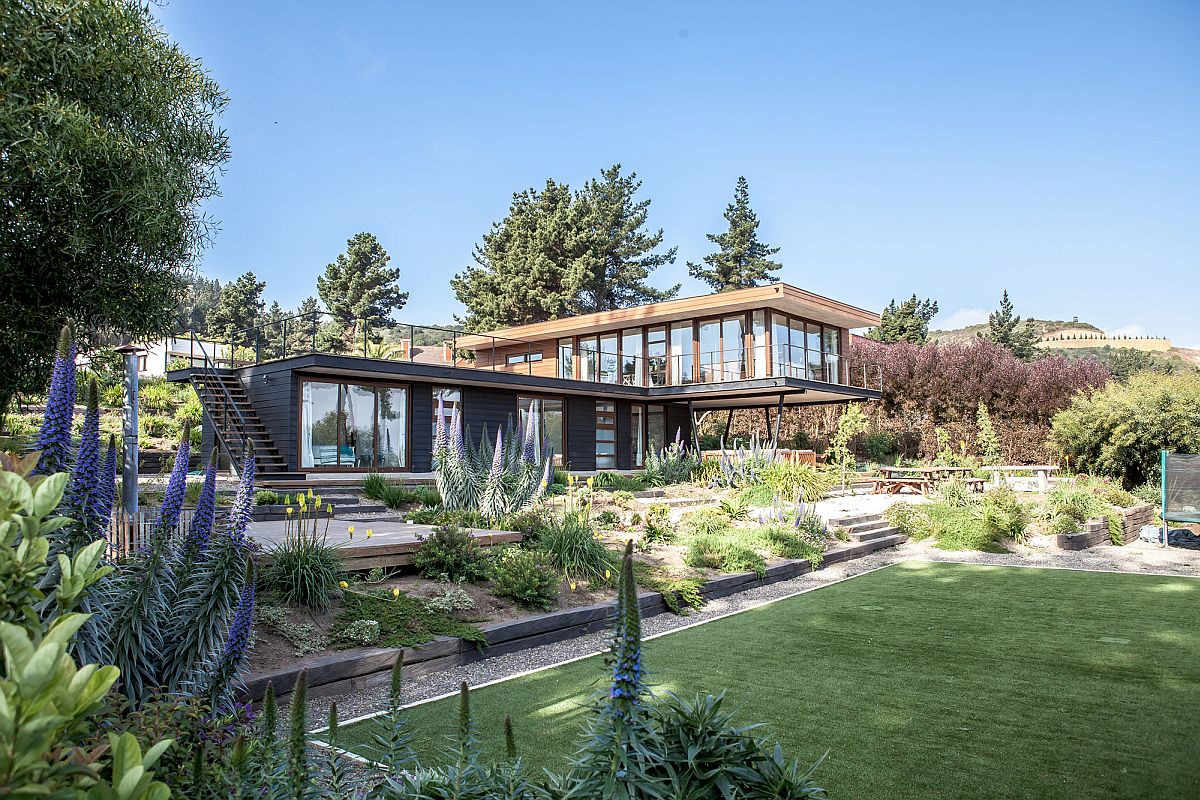
Exqusite Tavonatti House by PAR Arquitectos


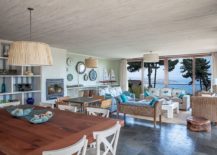
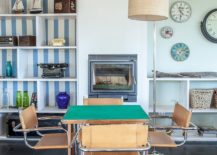
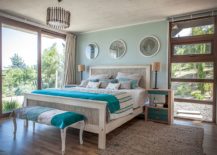
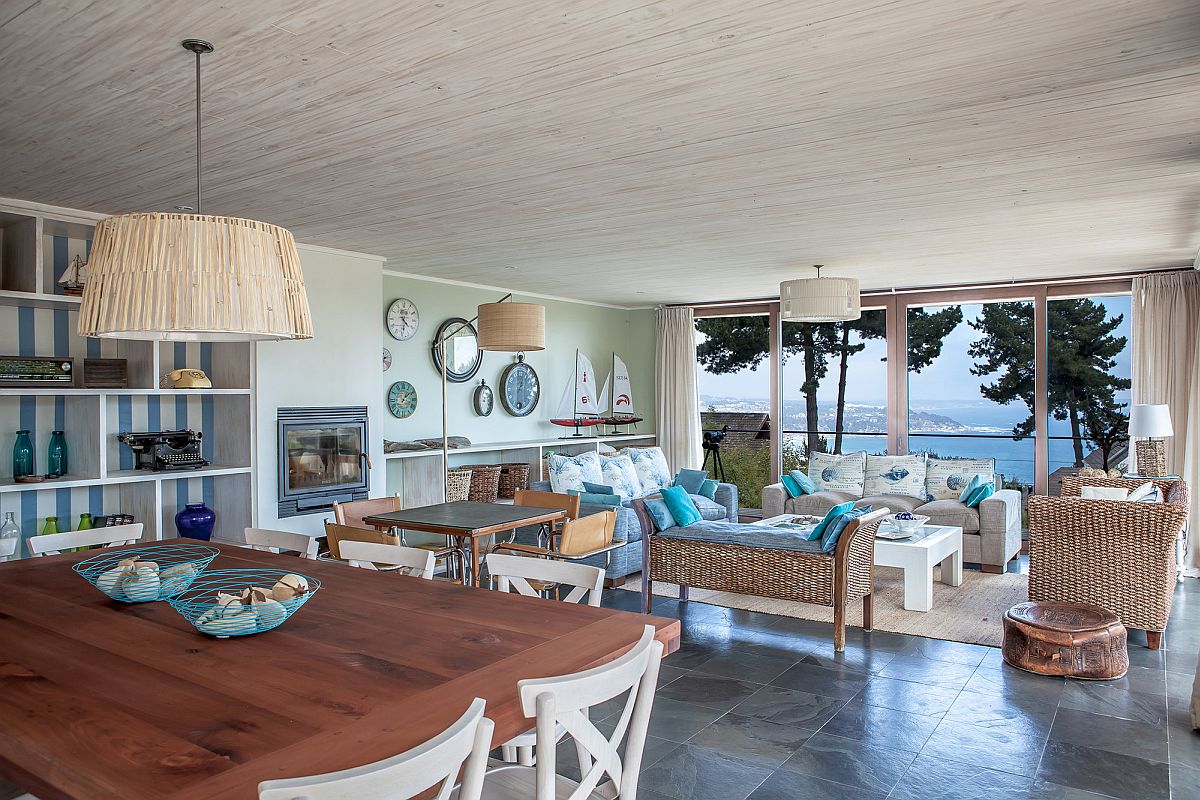
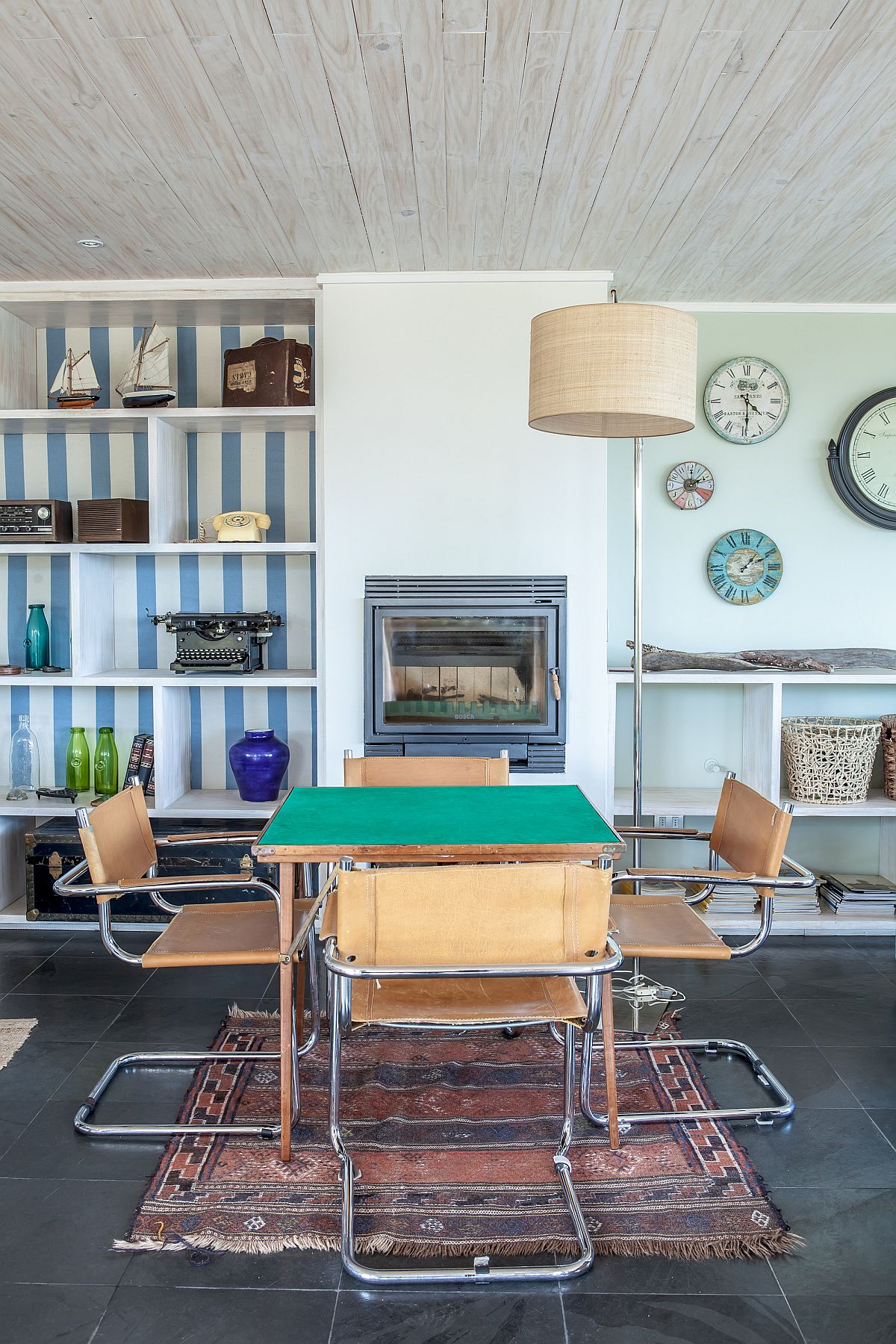
On the inside the house embraces a modern coastal style with white and shades of blue being coupled with different varieties of wood. Pine wood ceilings and paneling adds to the charm of the spacious home with smart ventilation and light filtering technology keeping out topical heat without hindering flow of light. Transition between both the levels of the house is seamless even as the understated décor ensures that the focus remains firmly outside. [Photography: Diego Elgueta]

RELATED: Scenic Ocean Views And A Luminous Modern Vibe Shape Stylish Perth Home
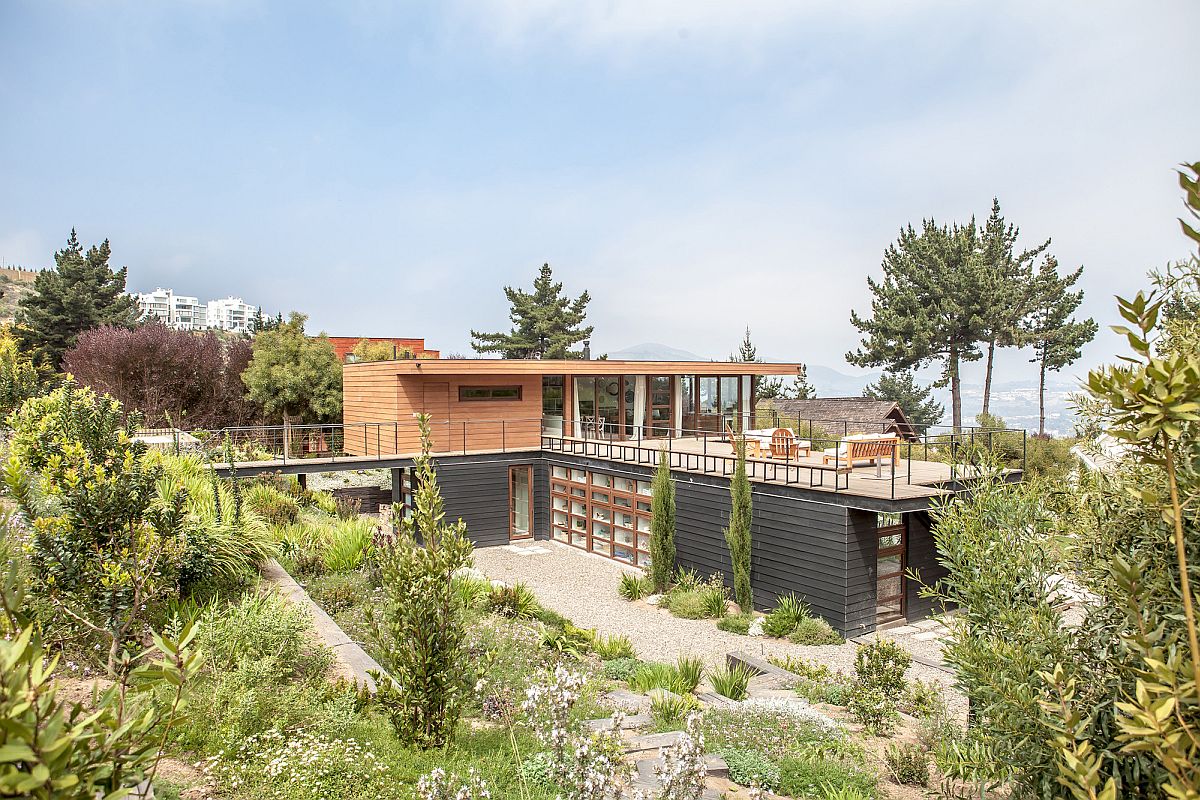
Contemporary Cachagua home with distant ocean views
Pine wood panelling gives the exteriorn inviting appeal
Simple straight lines create a unique and stylish contemporary home in Chile
Walkway leading to teh deck and the upper level
Coastal style living room with ocean views
Coastal style interior of the contemporary home with pops of blue
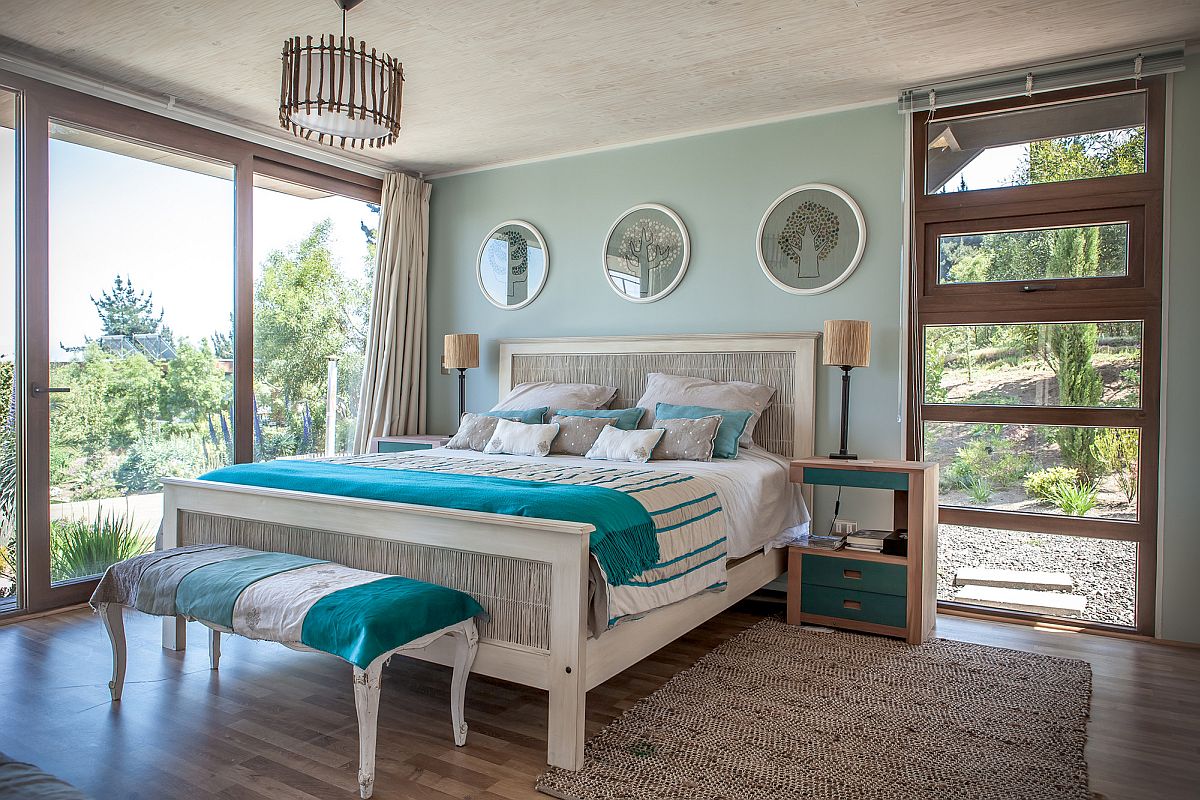
Relaxing bedroom draped in shades of blue
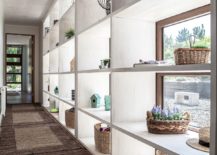
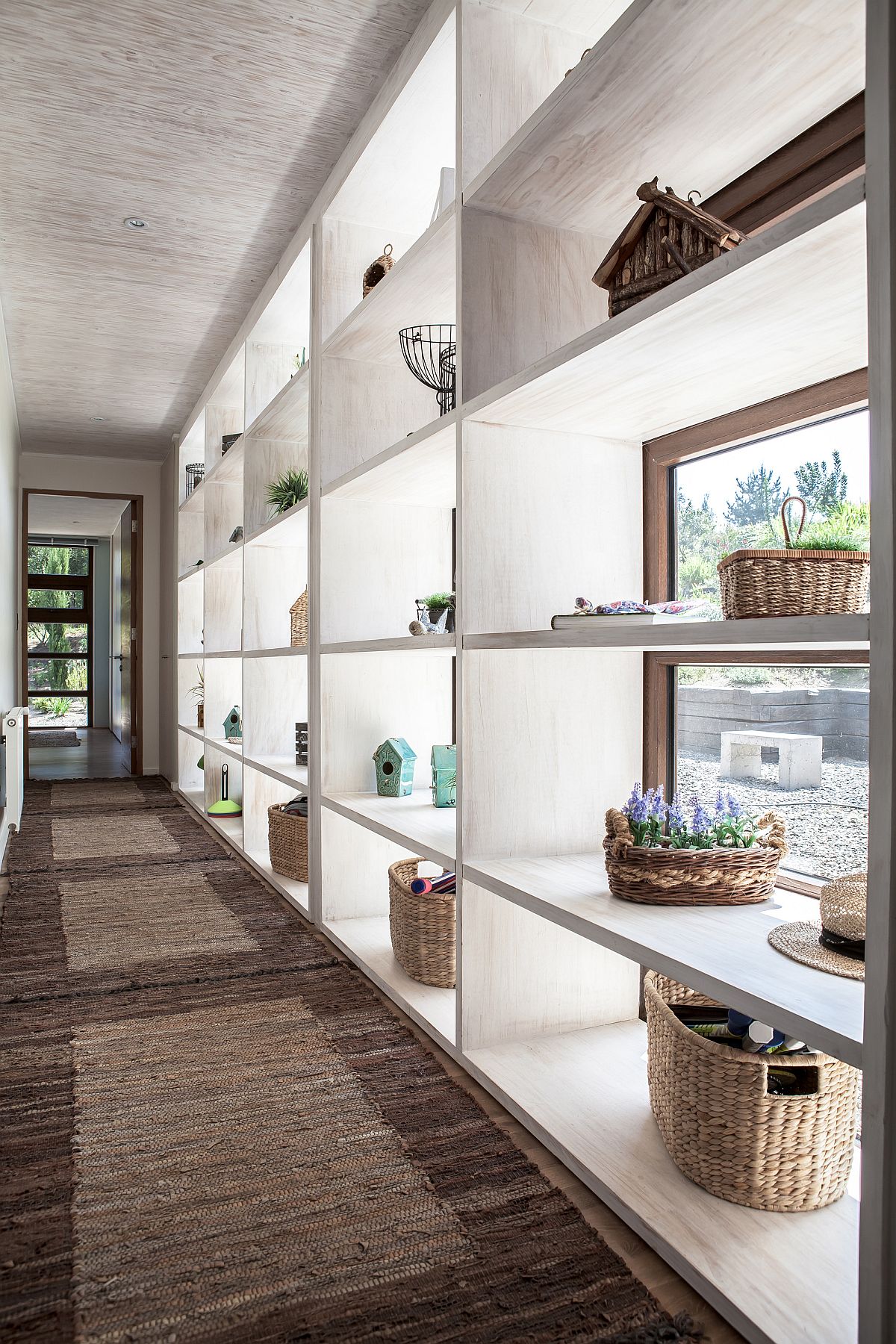
Open shelves offer ample display space in the hallway

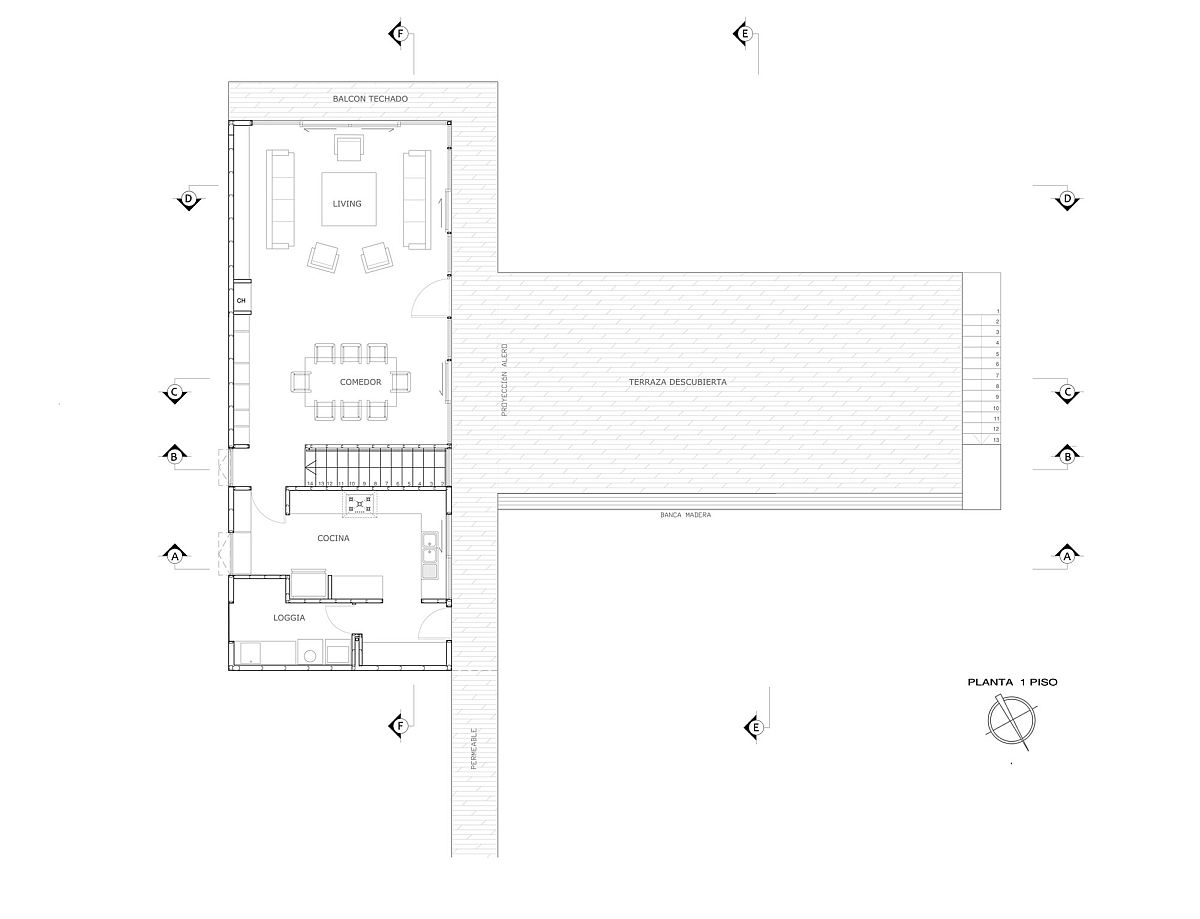
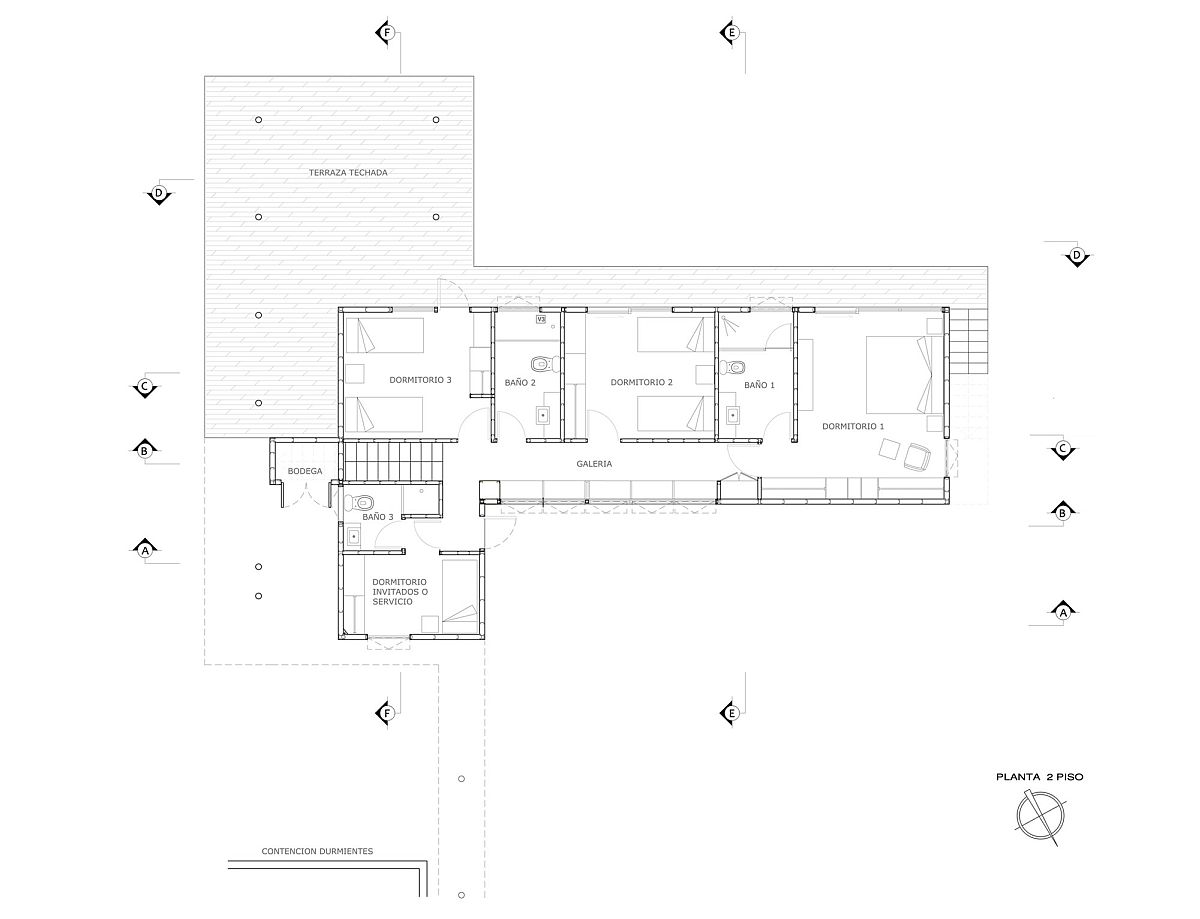
In response to a sunken site with a gentle slope, with glimpses of ocean views, the program aims to raise the programmatic piano Nobile of the house, from the perpendicular overlap of 2 volumes of simple lines that make up a new dimension. The first, in elevation, in the direction of the views of the bay, which makes up the access and contains the public spaces.

RELATED: Stunning Ocean Views And An Open Interior Define The Redcliffs House
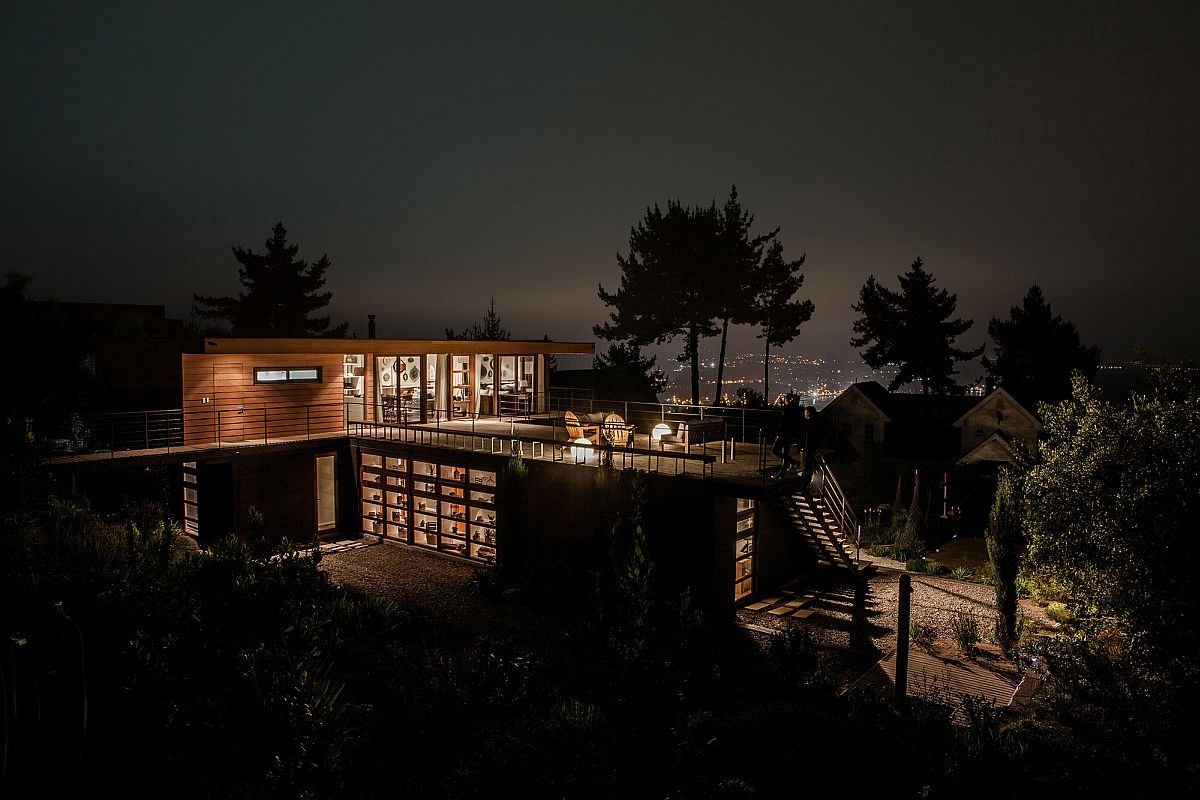
Open top level deck with distant city and ocean views
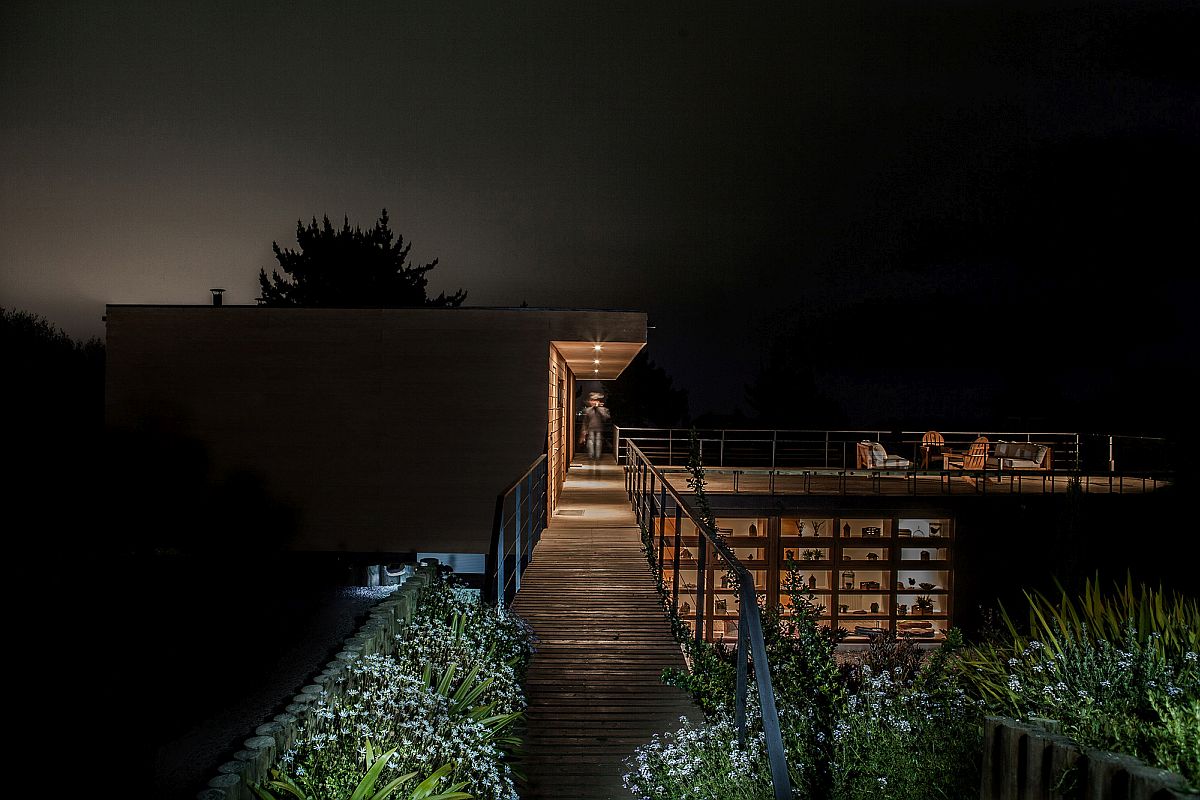
Walkway connects the various structures of the home
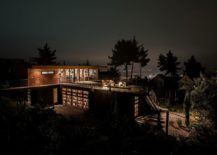
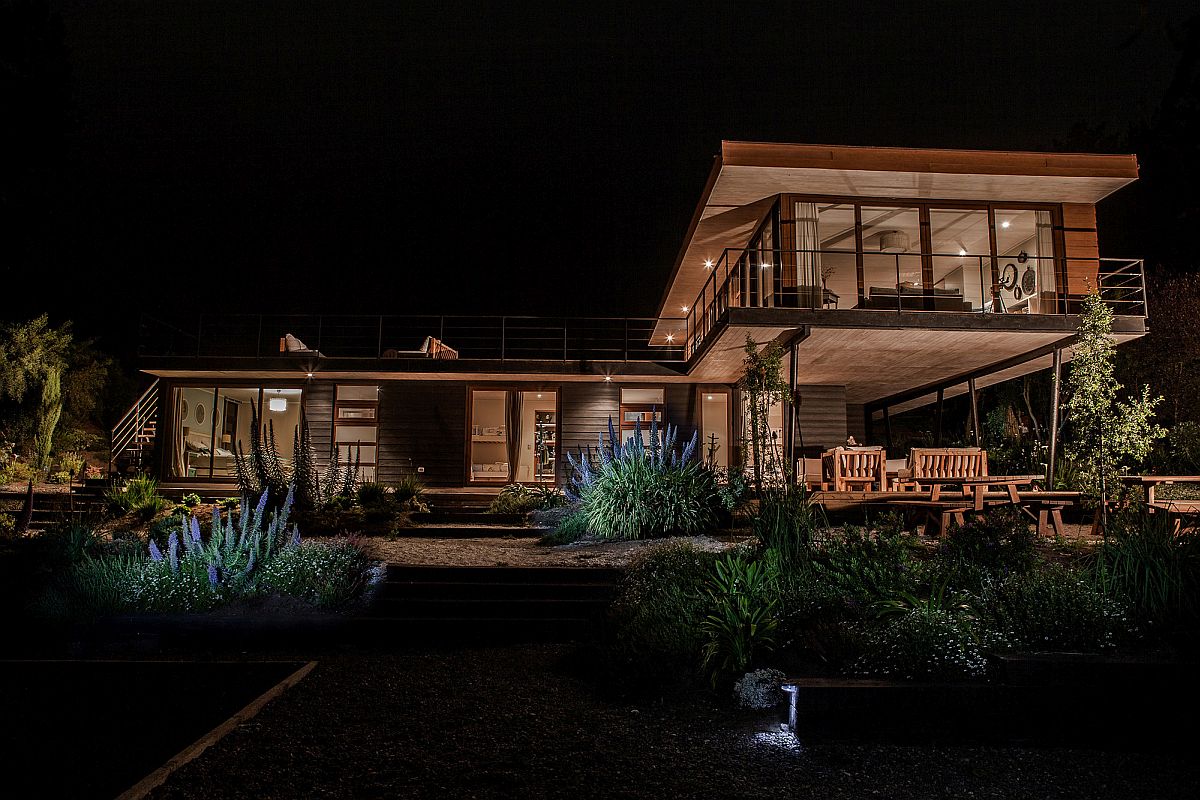
Lighting around the house and in-ground illumination enliven the home after sunset
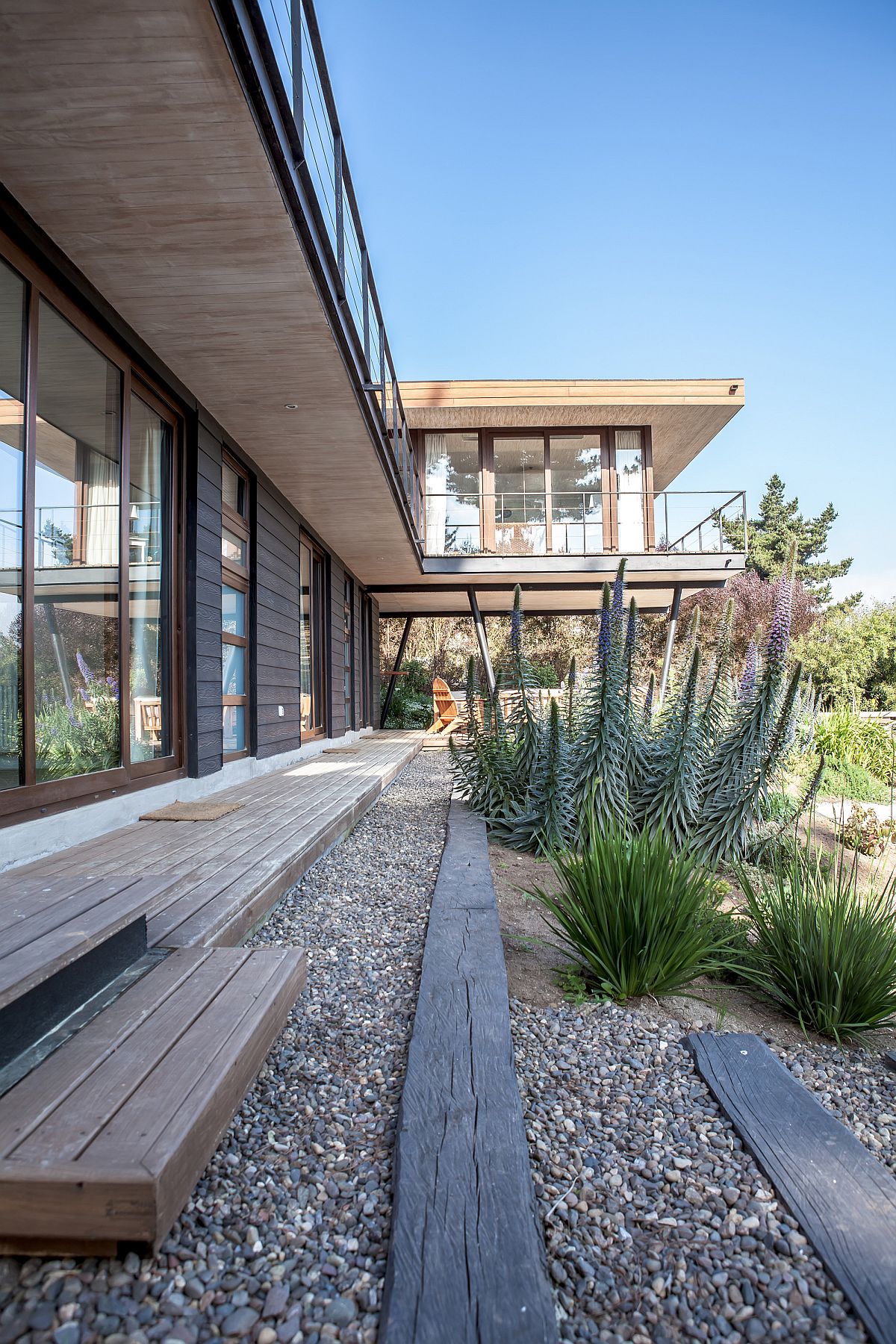
Cantilevered top level provides shade for the lower level sitting area
Floor plan of the lower level of the Cachagua home
Upper level floor plan with bedrooms and deck

You’re reading Tavonatti House Combines Inverted Floor Plan With Ocean Views, originally posted on Decoist. If you enjoyed this post, be sure to follow Decoist on Twitter, Facebook and Pinterest.

Similar Posts

  • The Fieldhouse

    Built for family and friends as a space for sport and gathering, the Fieldhouse is a simple, functional structure. Like the immersion of nature and recreation in the development of state and national parks of the early 20th century, this family wanted a structure where friends, family, and neighbors could gather, play sport, celebrate and relax in the country. The Fieldhouse feels distant and secluded, located on a mostly undeveloped seven-acre site, surrounded by a meadow of natural grasses, a fruit orchard, wetland ponds and a maintained field for sporting. As long time natives of the Pacific Northwest, the family was keen to convey a specific sense of place and longevity. The architecture responds to those ideas in its simplicity and versatility, and in its construction from durable, local materials. Inspiration was taken from vernacular stone and timber structures built across the country in the 1930s by the Civilian Conservation Corps. The architects and clients channeled their own recollections of summers spent in Seattle’s waterfront parks and their simple elegant structures, often by early 20th century Seattle architect Ellsworth Storey. The 1,664-square-foot structure consists of a covered outdoor patio flanked by two, offset and enclosed spaces housing a sun room and inglenook to the west, and a kitchen, grill and two bathrooms to the east. Designed to accommodate almost any situation, the Fieldhouse can shelter four as comfortably as it can 60, hosting sleepovers, family sports tournaments, reunions and outdoor dining with ease. The structure employs a gradient of enclosure and structural qualities from the immersive intimate inglenook to the ever thinning shed roof structure, gently lifting off above the central patio. The building can be shutdown to weather storms, or opened wide to allow light, air and activity to pass through freely. The structure provides a straight-forward and visibly-constructed language of materials. It progressively lightens from a solid stone base, to thick timber columns, to pairs of rafters and thinner yet pairs of purlins, supporting the single-plane shed roof. The timber is all Douglas fir and cedar harvested and salvaged from the Pacific Northwest. The stone is taken from a quarry on nearby Vancouver Island and the early, factory-style steel casement doors and windows are West Coast built. This timeless assembly of materials and method of construction suggest that this is a building about its surroundings and a stalwart of the region it resides in, functioning as well today as it will in 100 years. Hoedemaker Pfeiffer design team
    Steve Hoedemaker, co-founder and partner
    Justin Oldenhuis Project team
    Hoedemaker Pfeiffer (Architecture)
    Hoedemaker Pfeiffer (Interior Design)
    Joseph McKinstry Construction Company (Contractor)
    Swenson Say Faget (Structural Engineer)
    Kenneth Philp Landscape Architects (Landscape Architect) Photography
    Andrew Giammarco

  • 007 House

    Tucked away on an urban lot in a dense, quintessentially Austin neighborhood, this residence borrows the spirit of international style combined with a fusion of pattern language to update the modern lifestyle. Using mass and void strategically, the floor plan opens up to connect the indoors to positive outdoor spaces without losing privacy. There is a unique cascading of roofs on this project that steps the house back and upward from the street creating a hierarchy for the pedestrian entrance transition. Bridging horizontal rooflines help keep a personal scale to the main entrance as they span across the two-story-tall featured screen wall, which is both architectural and structural. Utilizing the corner lot allows a centralized entry that naturally arranges the levels of intimacy from the south-facing public areas to the north side private rooms. Landscaping is used intentionally to serve as both privacy creation and visual backdrop through the windows and doors. A very sophisticated, yet casual elegance is crafted in the architecture and interiors of this residence that flows seamlessly from exterior to interior.