Columbia University scientists study robot metabolism
Researchers at Columbia University develop robot metabolism, an idea and a system that allows machines to grow, heal, and even take parts from other robots by consuming them. This concept means that a robot can take materials from around it or from other machines and use them to build or fix itself, which is similar to how living things use food or other parts of nature to grow and survive. It is a new idea and a big step forward in robotics because it gives robots the ability to change, repair, and become better without any help from humans.
The main part used in Columbia University’s robot metabolism is called a Truss Link, a long stick-like part that has magnetic ends. These magnetic connectors are strong and can connect at different angles to other robotic parts. A single Truss Link, then, can grow longer or shorter, and it can also be added to other links to form bigger shapes or full robots. This system is inspired by a children’s toy called Geomag, which uses magnets to build different shapes, but unlike a toy, it is a powerful robot module that can move and change shape. It is 28 cm long when short, but it can stretch to 43 cm, and it weighs only 280 grams, which helps robots move and rebuild easily.
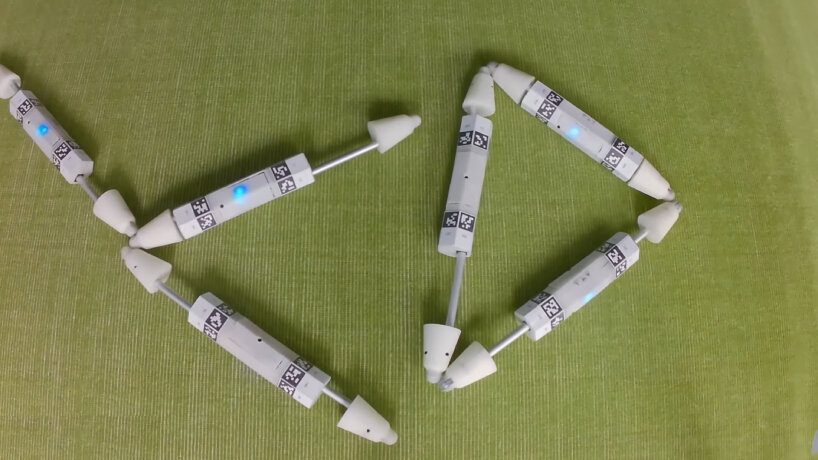
all images courtesy of Columbia Engineering, unless stated otherwise
Self-healing and -growing machines using truss links
Using Columbia University’s robot metabolism idea, machines can build themselves from small parts. For example, 2D shapes can come together and change into a full 3D shape like a tetrahedron, or a triangle-based pyramid, and after forming, the robot can even add more links to become stronger or faster. In one test by the researchers, a robot added one more Truss Link to itself, and the resulting new part worked like a walking stick and helped itself move downhill 66 percent faster. This study shows that the robot became better by growing with an extra part.
Another feature of Columbia University’s robot metabolism idea is the machines’ self-healing abilities. If one Truss Link is damaged, the robot can remove it and replace it with a new one it finds nearby. Sometimes, other robots can help by giving them a Truss Link or helping them connect it so they can survive and become ‘better.’ The robots can also fix their shape if they fall apart. If two parts of a robot are separated, the robot can put them back together, an approach called self-reconfiguration. It is important because most robots today cannot do that without a human.
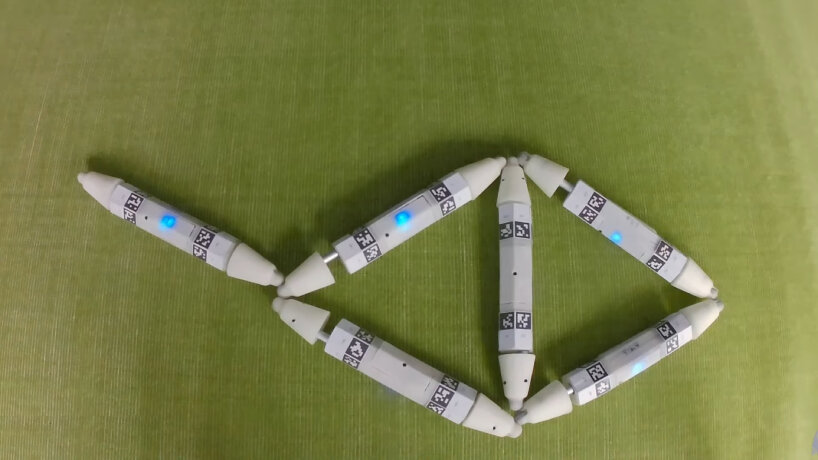
researchers at Columbia University develop robot metabolism, a system that allows machines to grow
Eventually, robots may be able to build other robots
This robot design is modular so that the machines can rebuild themselves if one part breaks. In this way, there’s no need to produce a whole new robot, and it is easier for the user to repair them given that small parts tend to be mass-produced compared to larger components. The researchers say that the Truss-style modular robots are not new, but their work is the first time that these machines demonstrate how they can grow and improve themselves. Many older designs use cube- or ball-shaped modules, but those can make building big robots hard.
Truss Links, with their stick shape and free-form connectors, are more flexible and allow for more open designs. The scientists at Columbia University believe the robot metabolism idea could be useful since these machines could be used in places where humans cannot go, such as space or disaster zones. They could build things, fix themselves, or help other robots, and over time, they could learn to survive and work on their own without human help. Eventually, robots may even be able to build other robots, but such a possibility must be approached wisely.
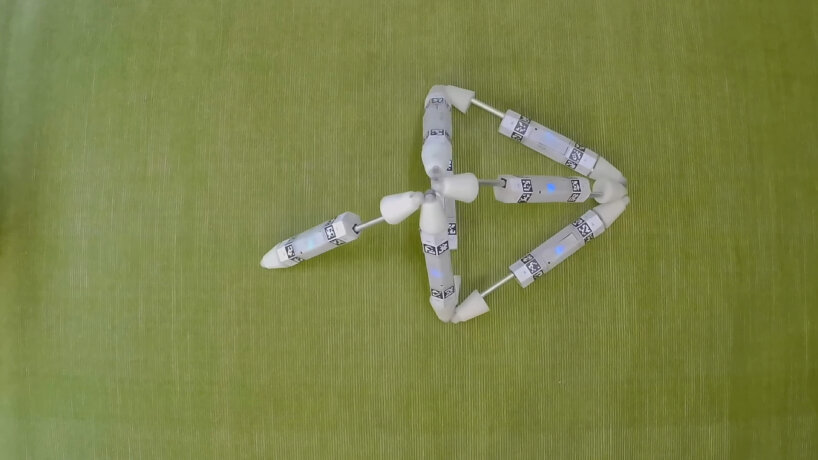
the main part used is called a Truss Link, a long stick-like part that has magnetic ends
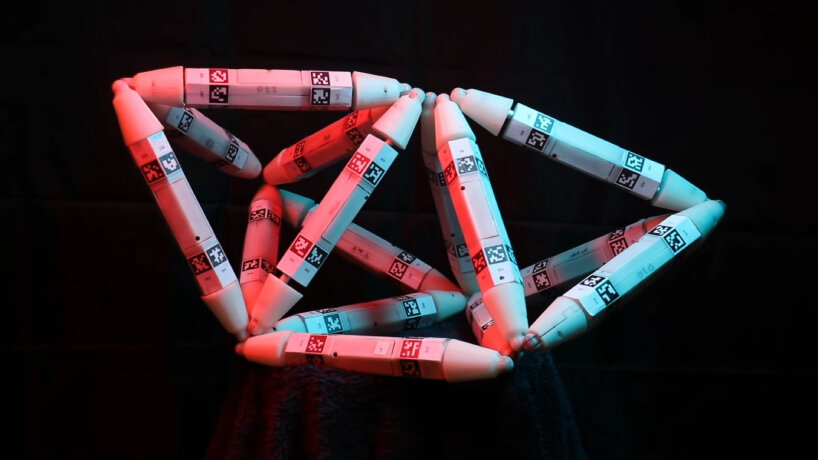
these magnetic connectors are strong and can connect at different angles to other robotic parts
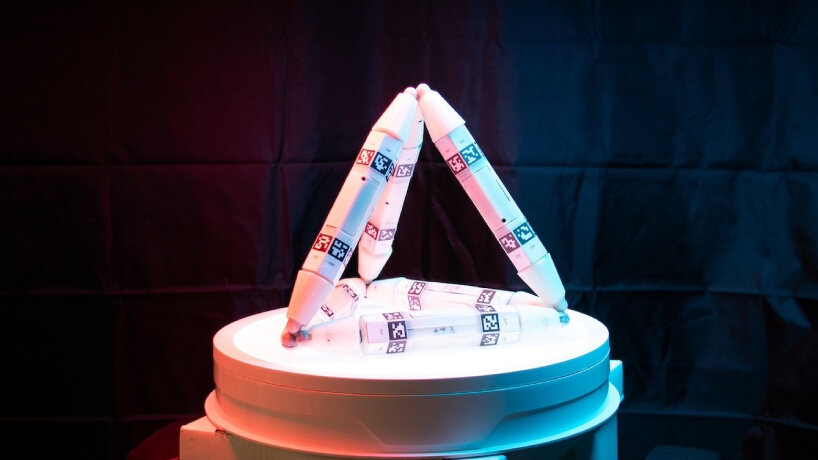
A single Truss Link, then, can grow longer or shorter | photo by Creative Machines Lab
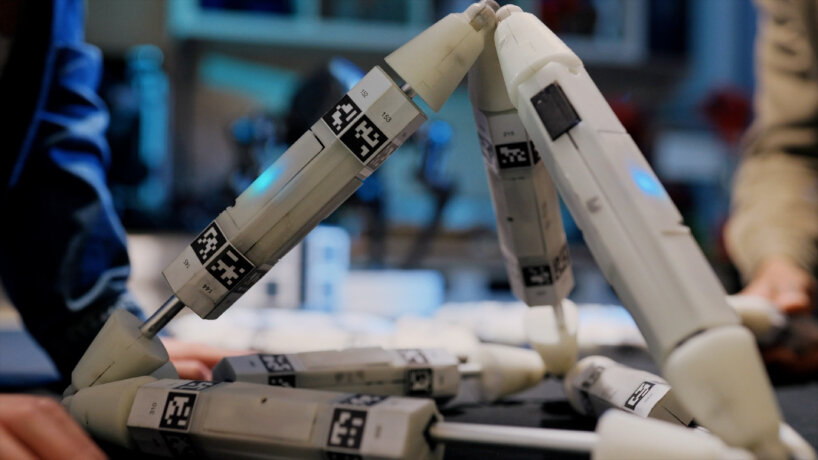
this system is inspired by a children’s toy called Geomag, which uses magnets to build different shapes


