Cozy House in Austria Combines Vernacular Design with Modern Comfort

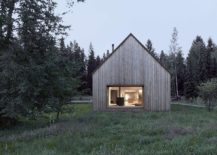
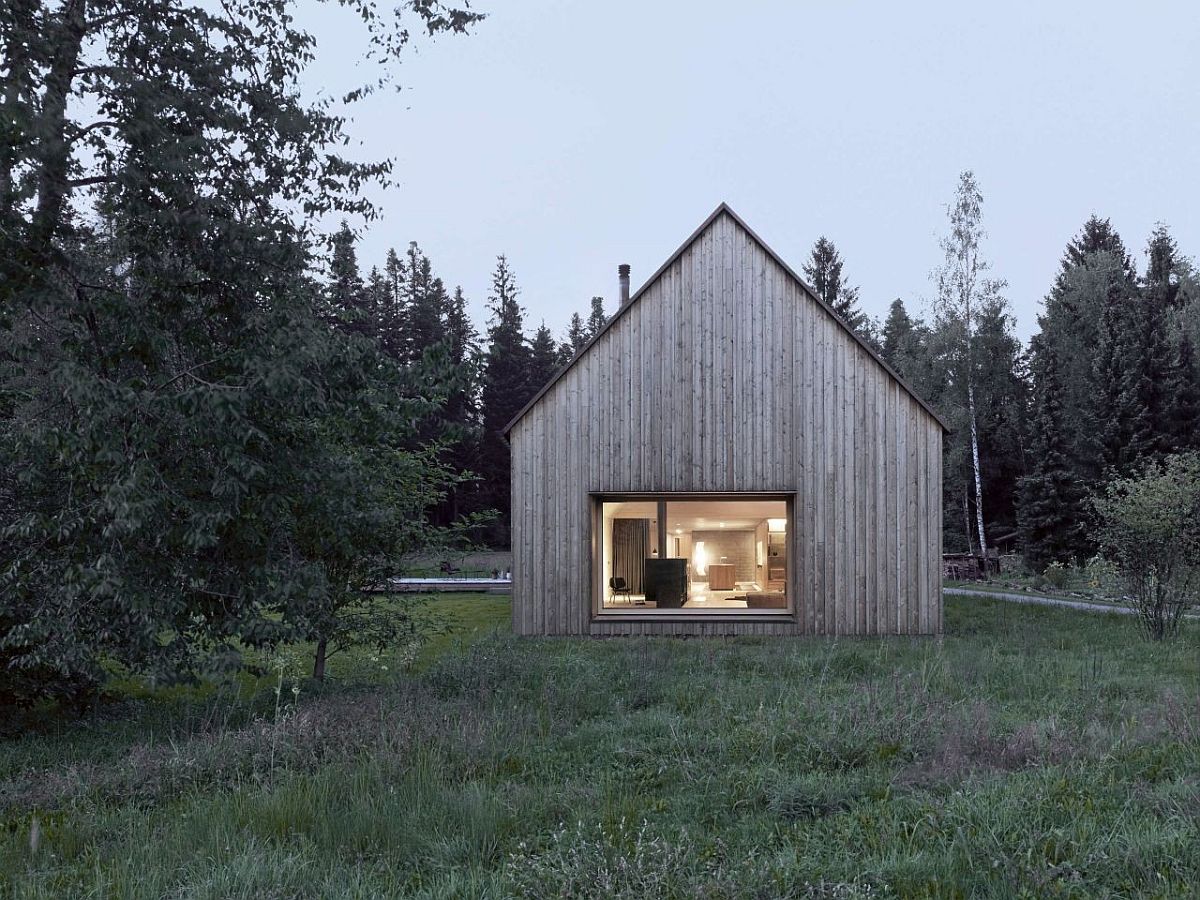
Bringing together vernacular design with contemporary aesthetics and comfort often leads to homes that are unique, smart and respond well to local conditions. Designed by Bernardo Bader Architekten, Haus am Moor is one such amazing residence where simplicity and rural Austrian charm are intertwined with smart modernity. The house on the outside has a silhouette that borrows from local farmhouses and its rectangular base along with gabled roofs ensures that it feels like any other large building in this part of Austria. But on the inside, one sees contemporary vibe taking over with it even feeling minimal at times.
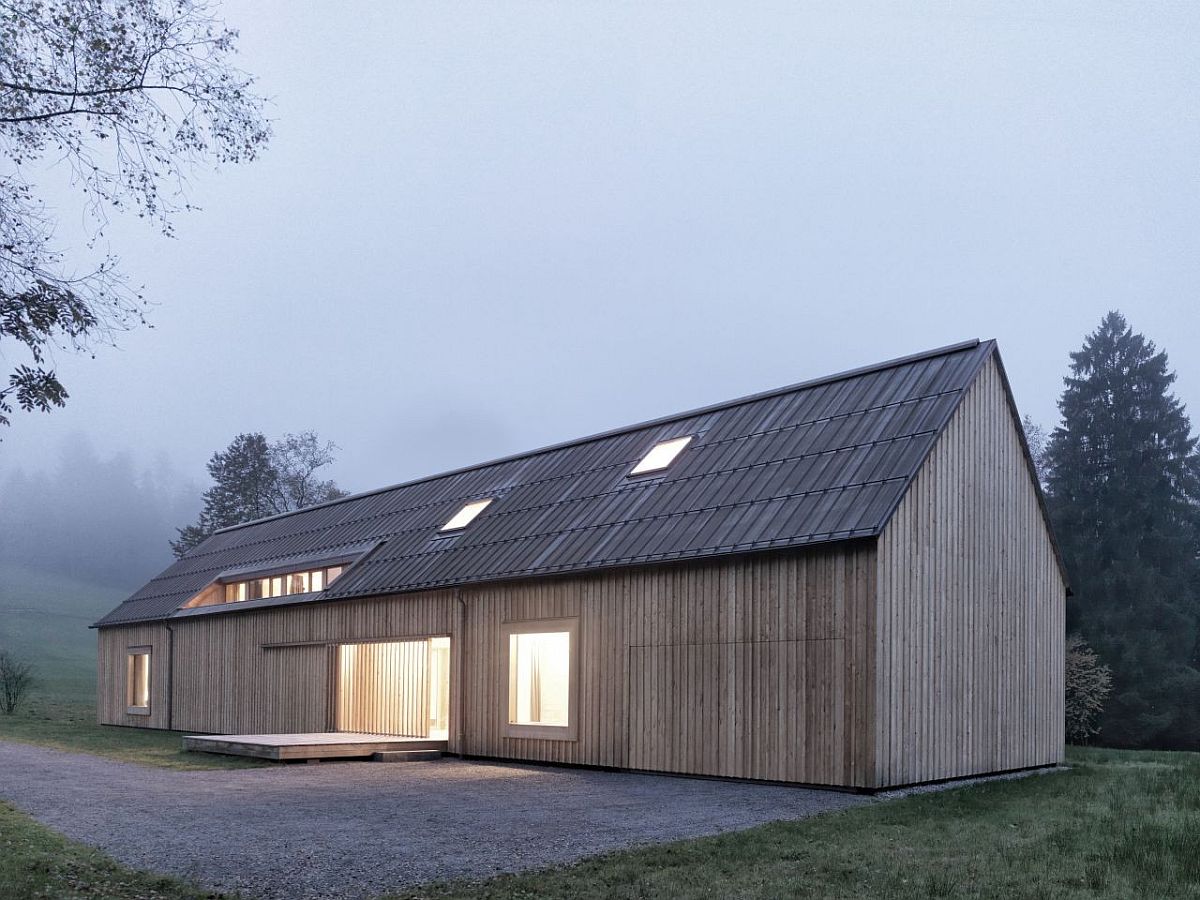
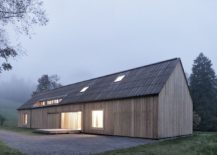
Rectangular base and gabled roof creates a picture-perfect home in Austria

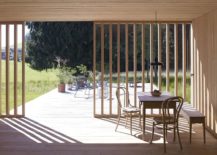
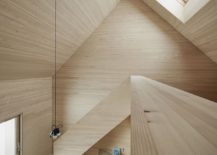
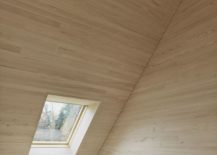
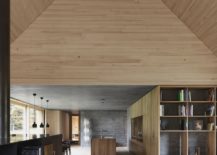
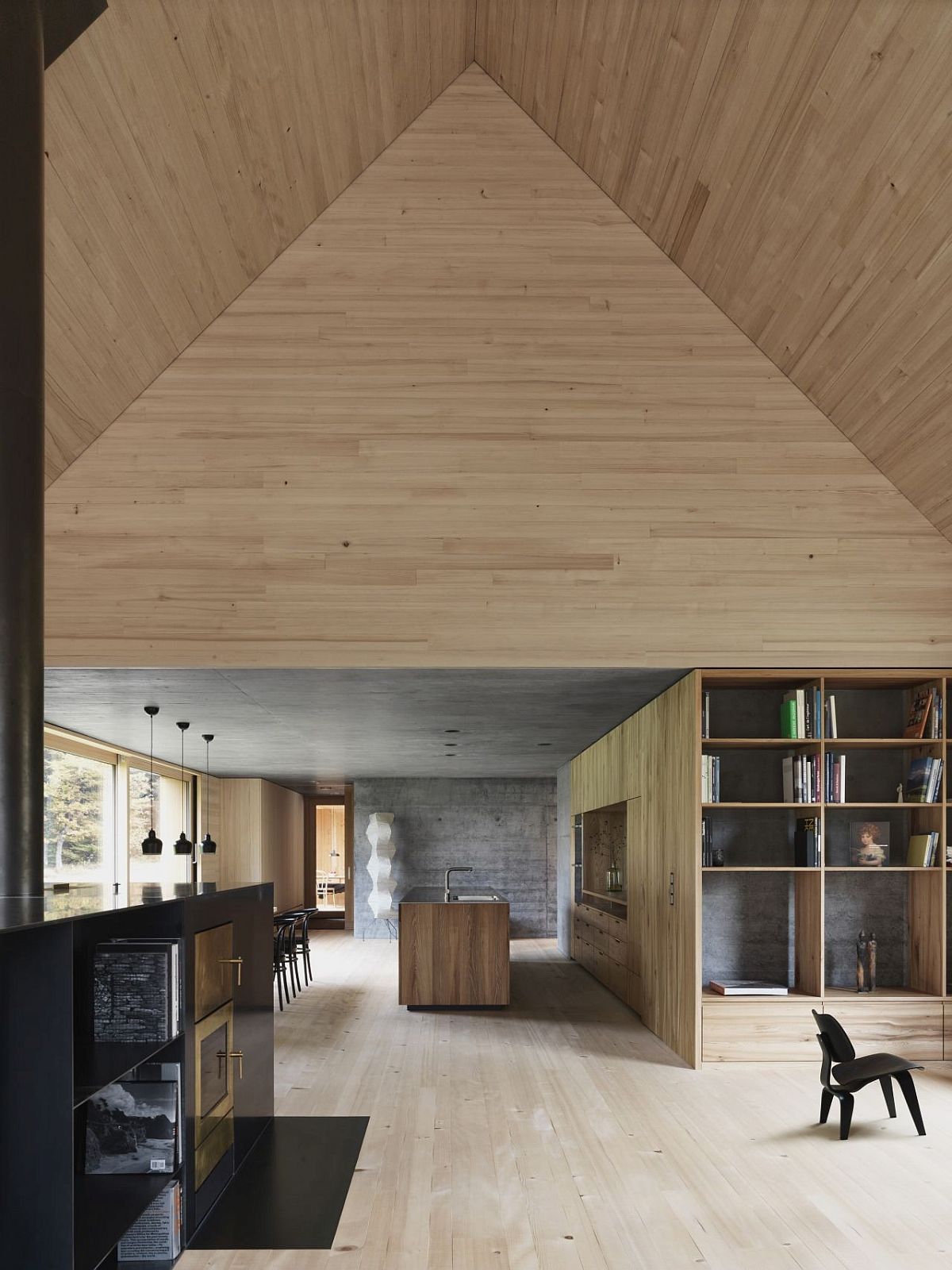
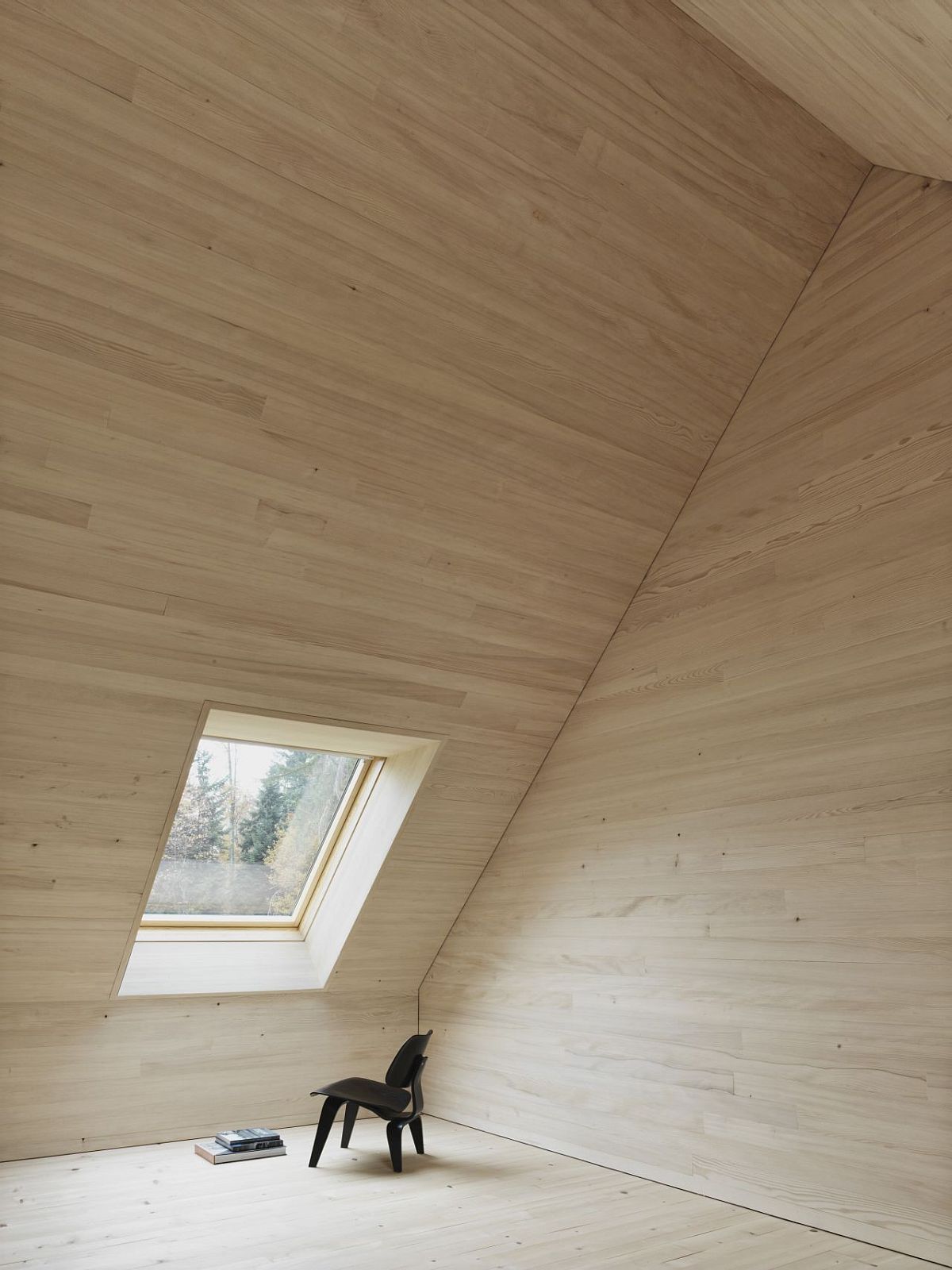
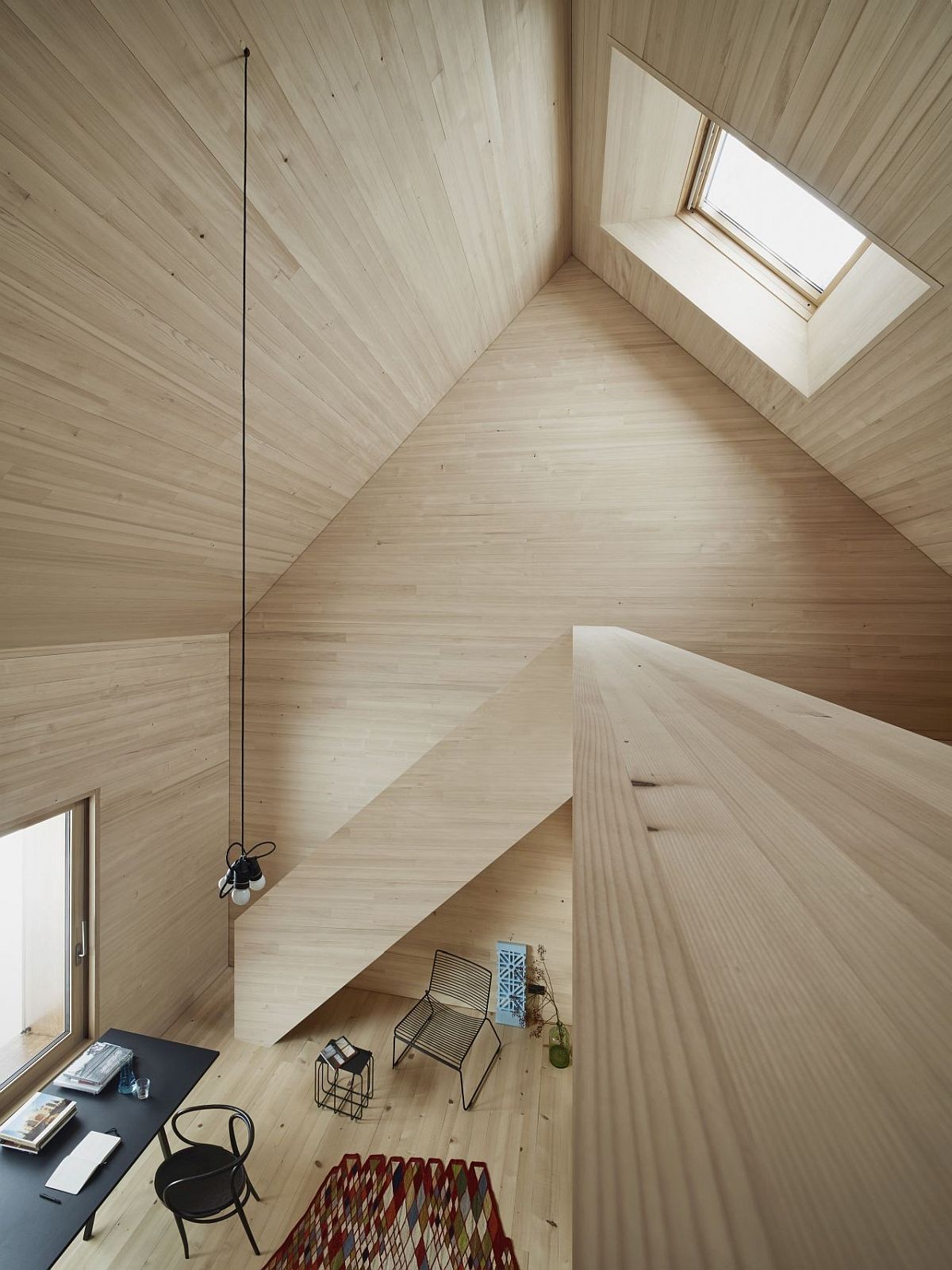
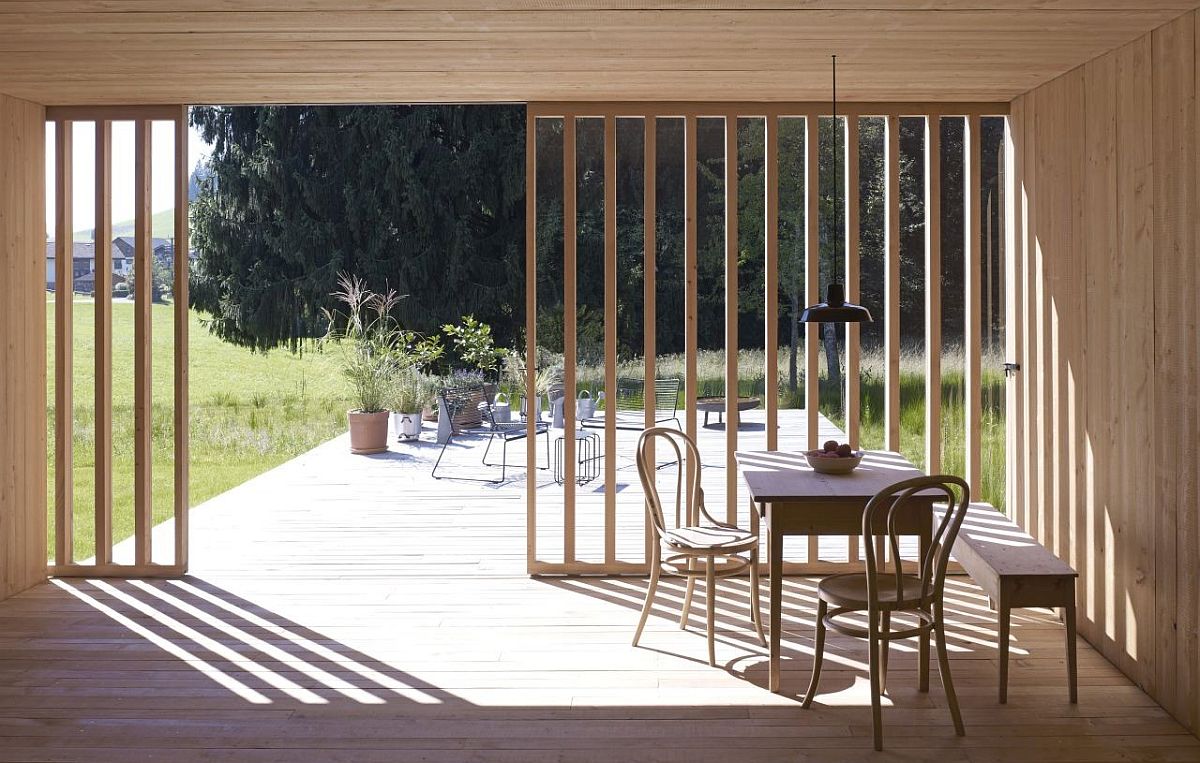
It is the gabled roof of the house that shapes the large and well-lit central living area on the lower level that also holds the kitchen and the dining. Locally sourced wood along with concrete has been used to create this eco-friendly house and it is the wooden elements that add warmth to an otherwise stoic building. Form and functionality go hand-in-hand in here with the upper levels of the house holding the bedrooms, home office and other private space. Cleverly placed windows and skylights usher in a flood of natural light while warm artificial lighting takes over after sunset.

RELATED: Creative Origami House In Japan Combines A Distinct Silhouette With Modern Minimalism
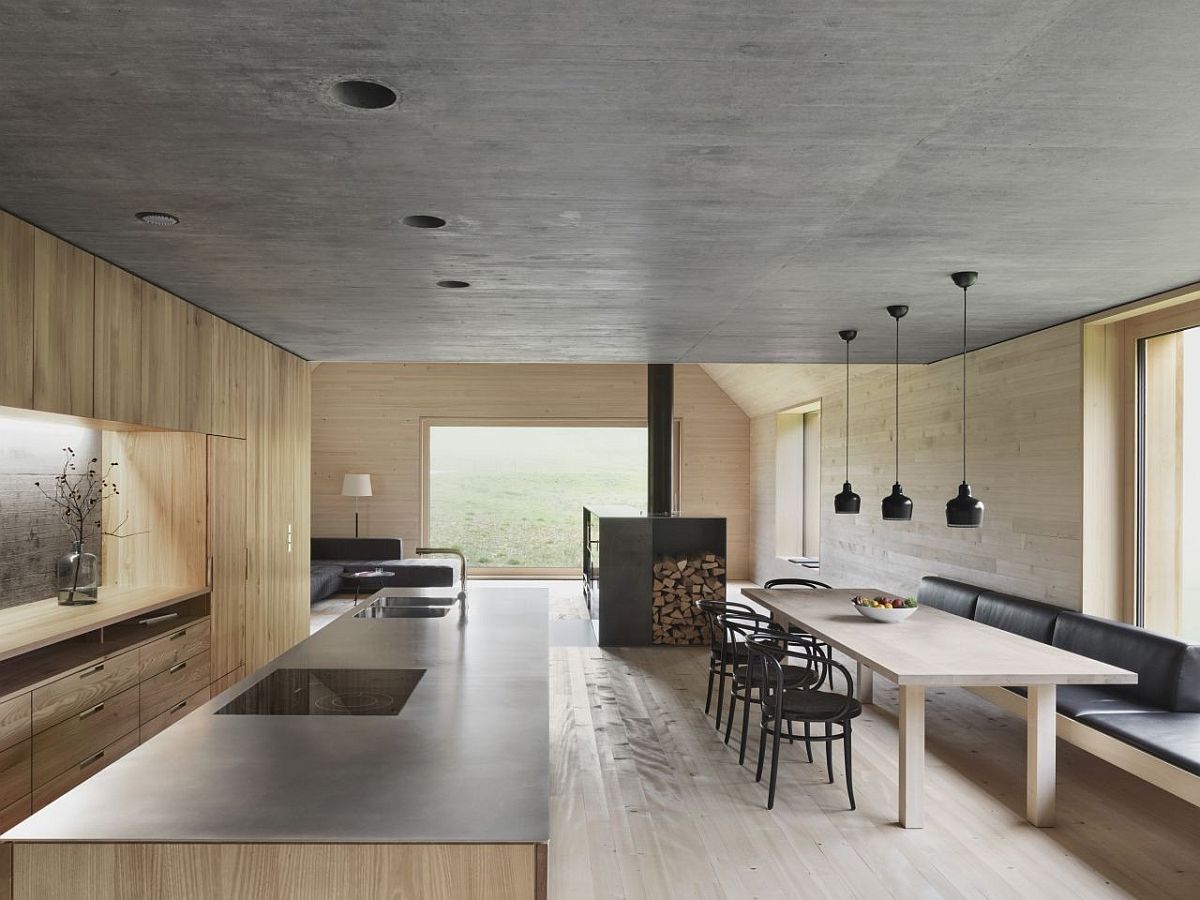
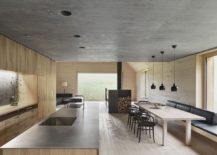
Kitchen and dining area of the Haus am Moor on the lower level
Lower level living area, kitchen and dining of the spacious Austrian house
Smartly placed windows and skylights bring light into the Austrian home
Spacious and open home office that is illuminated with a flood of natural light
Vernacular design meets modern comfort at this relaxing Austrian house

Timber from 60 trees was used to create the house and the architects ensured that absolutely none of it was wasted. The balance between concrete and wood is perfect and wood-burning stoves and fireplaces create eye-catching focal points in various rooms of the home. [Photography: Adolf Bereuter]

RELATED: Dogwoodtrot House: Sparkling and Woodsy Modern Twist to the Vernacular
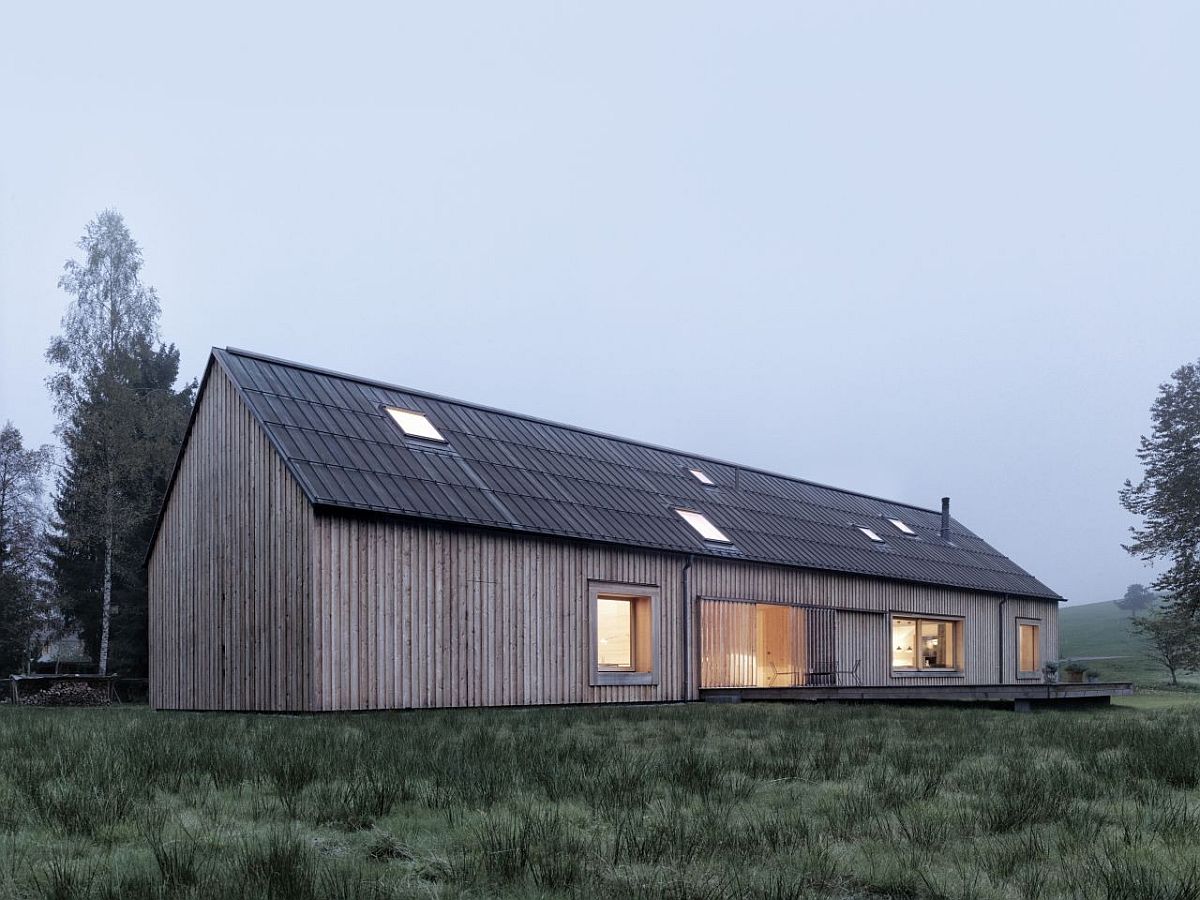
Warm lighting adds to the gorgeous visual appeal of the house
Wood and concrete create a lovely and relaxing Austrian home
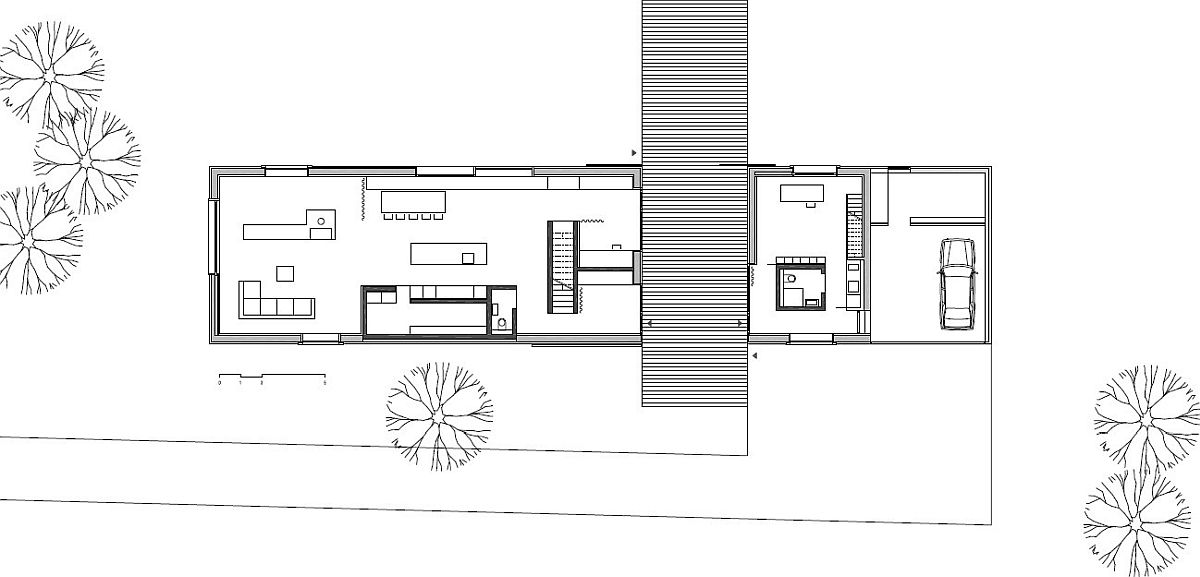
Floor plan of Haus am Moor designed by Bernardo Bader Architekten in Austria

You’re reading Cozy House in Austria Combines Vernacular Design with Modern Comfort, originally posted on Decoist. If you enjoyed this post, be sure to follow Decoist on Twitter, Facebook and Pinterest.
Similar Posts

  • A Fall 2019 Design Preview

    The fall collections are rolling in, and we’re liking what we see! New and ongoing trends are getting the spotlight, at times with a fresh and surprising twist. Today we unveil some of our favorite pieces in the 2019 edition of our Fall Design Preview, complete with new arrivals from brands such as CB2 and […]

    You’re reading A Fall 2019 Design Preview, originally posted on Decoist. If you enjoyed this post, be sure to follow Decoist on Twitter, Facebook and Pinterest.

  • Add/Subtract House

    The Add/Subtract House is derived from the stereotomic operation of subtracting from and adding to a solid volume to enable specific programmatic relationships and daylight conditions. Sited on a typical 50’x150’ single-family residential lot in Austin, Texas, the design questions the standard house massing and arrangement by stretching along the length of the lot. Rather than single the dichotomy of front yard and backyard, the design establishes smaller courtyards, hardscapes and softscapes at various scales to relate to individual rooms. The external material palette (standing seam metal, tongue & groove wood paneling, and stucco) is applied to reinforce the distribution of individual program elements. Each material is composed into folding planes which capture space and define zones throughout the house. Every room in the house benefits from natural light from at least two sides as daylight is modulated throughout, offsetting the need for electric light during daylight hours and allowing occupants to more directly track seasonal and daily patterns.