Rob Lowe’s Palatial Montecito Estate Lists For $42.5M

Sprawling across 10,000 square feet, the opulent home offers six bedrooms, 11 baths, and masterfully manicured grounds.
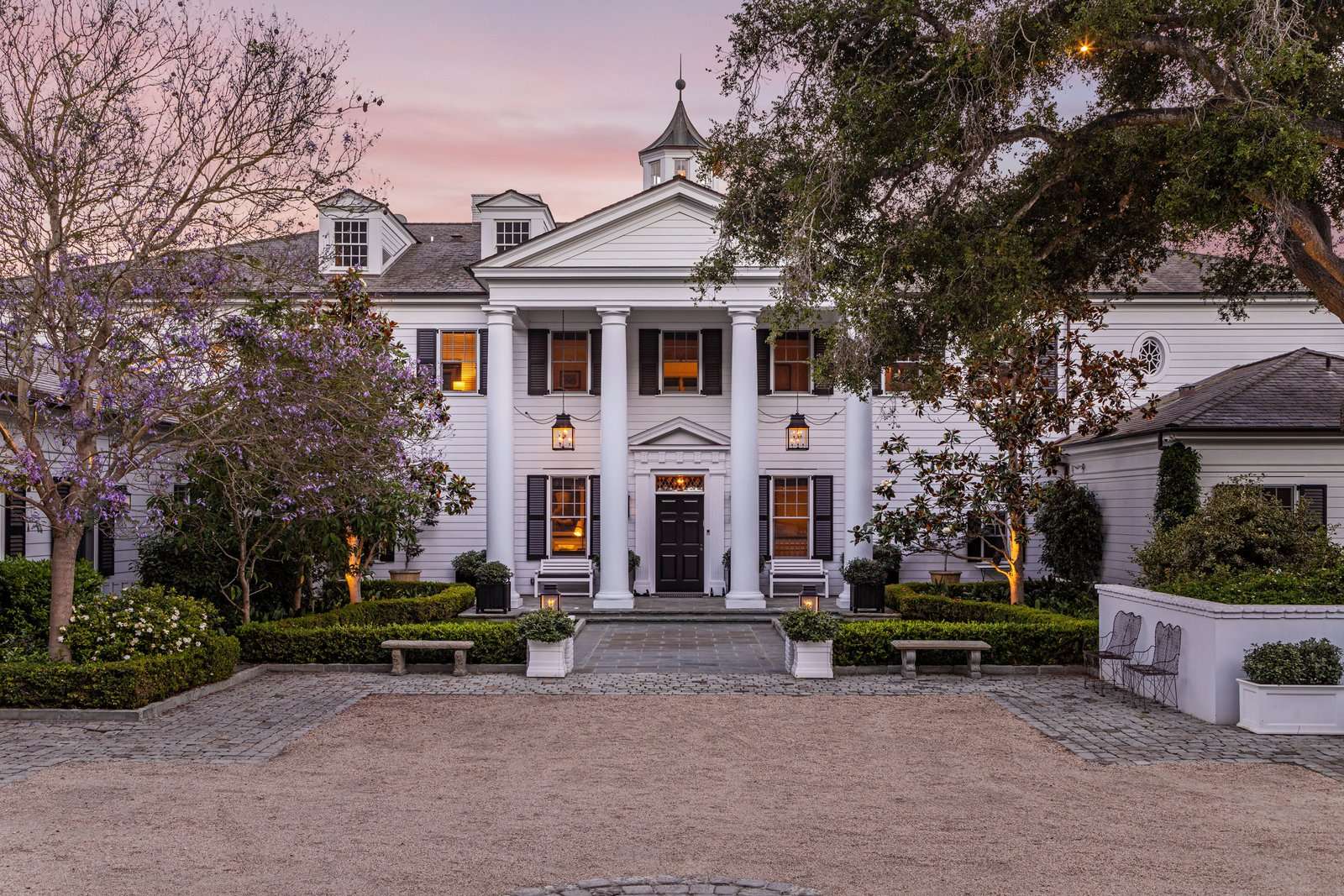
The home was built in 2010 by Santa Barbara–based architect Don Nulty and Feng shui master David Cho. A striking example of classic, East Coast–inspired American architecture, the residence boasts exquisite custom detailing and chic, modern comforts.

American actor, producer, and director Rob Lowe is officially parting ways with his family residence in Montecito, California. Known as the Oakview Estate, the palatial abode was meticulously designed in 2010 by award-winning architect Don Nulty with the help of Feng Shui master David Cho. Although boasting classic American manor details, the property is also infused with countless modern amenities.

The Oakview Estate sits east of Santa Barbara in Montecito, California, at the foothills of the striking Santa Ynez Mountains.

The Oakview Estate sits east of Santa Barbara in Montecito, California, at the foothills of the striking Santa Ynez Mountains.

Photo courtesy of The Agency

On a 3.4-acre lot in the picturesque foothills of the Santa Ynez Mountains, the two-story estate takes in breathtaking views of the nearby Pacific Ocean and Channel Islands.

The home was built in 2010 by Santa Barbara–based architect Don Nulty and Feng shui master David Cho. A striking example of classic, East Coast–inspired American architecture, the residence boasts exquisite custom detailing and chic, modern comforts.

The home was built in 2010 by Santa Barbara–based architect Don Nulty and Feng shui master David Cho. A striking example of classic, East Coast–inspired American architecture, the residence boasts exquisite custom detailing and chic, modern comforts.

Photo courtesy of The Agency

With some 10,000 square feet, the residence has been crafted for entertaining. It features six bedrooms, 11 baths, a chef-caliber kitchen (along with an additional catering kitchen), and a state-of-the-art theater.

A look at the formal living area with French doors out to the backyard patio. Hardwood lines multiple living areas throughout the house, while detailed crown moldings and custom architectural millwork decorate the crisp white walls.

A look at the formal living area with French doors out to the backyard patio. Hardwood lines multiple living areas throughout the house, while detailed crown moldings and custom architectural millwork decorate the crisp white walls.

Photo courtesy of The Agency

See the full story on Dwell.com: Rob Lowe's Palatial Montecito Estate Lists For $42.5M
Related stories:

  • A Tree Grows Through the Center Of This Echo Park Rental
  • Own Meghan Markle’s Former Los Angeles Home For $1.8M
  • San Francisco’s Transamerica Pyramid Is For Sale—For the First Time Ever
Similar Posts

  • Permanent Weekend House on Outskirts of Geneva: Old Chalet Finds New Expression!

    A weekend house is luxury that we all long for; much like a holiday house that takes away from the constant rush of city life. Built in the early 1900’s, the Permanent Weekend House designed by Comte-Meuwly was initially on the outskirts of Geneva before the spreading city engulfed it down the years. Today, the […]

    You’re reading Permanent Weekend House on Outskirts of Geneva: Old Chalet Finds New Expression!, originally posted on Decoist. If you enjoyed this post, be sure to follow Decoist on Twitter, Facebook and Pinterest.

  • SO House

    REVEALING THE EVIDENCE Confrontation with the reality of these ruins was always a confrontation seeped in memories. Memories
    of a place where the raw matter it is constituted of – the rock, the valley and the mountain – shows evident expression, provoking a game of fine balance between place, matter, light and shadow. We found light that dripped down the stone walls defining spaces separated only by rows of stacked rock. In each fissure, in each wrinkle, a soft balance between light and shadow. Standing before this scenery, the exercise consisted in finding the most natural way to connect ruins and spaces, simultaneously defining future possibilities for links between the interior and the exterior. Where decisions were concerned, we chose to rehabilitate pre-existing volumes and introduce a new connecting element. The answer is given by the almost immediate decision to join together the pre-existing elements. This
    gesture, deeply connected to the terrain along the pendente – connects the two sections facing west,
    forming an exterior courtyard adorned with a centenary olive tree. This project builds a space that runs through the ruins, uniting them and revealing the obvious functional relationship between the house’s programmatic areas, simultaneously differentiating the possibilities for inhabiting the exterior space. It expresses its temporality through the antagonism of matter in its relationship with pre-existing elements.