Cape Fear House: Revitalized 1920s Californian Bungalow in Sydney

Giving the old home a makeover I all about discovering an entire new world of possibilities within a limited framework and pre-existing constraints. Originally built in the 1920’s, this Californian-style bungalow in Kensington, Sydney was revamped and altered to give the lower level a new living area, dining and kitchen space and the upper level gets two new bedrooms. This was done with a rear extension where the social area on the inside extends towards the outdoors and the gorgeous wooden deck becomes a part of it. A custom pergola structure in Cypress Pine adds to the overall visual appeal and gives shade to those enjoying the outdoors.
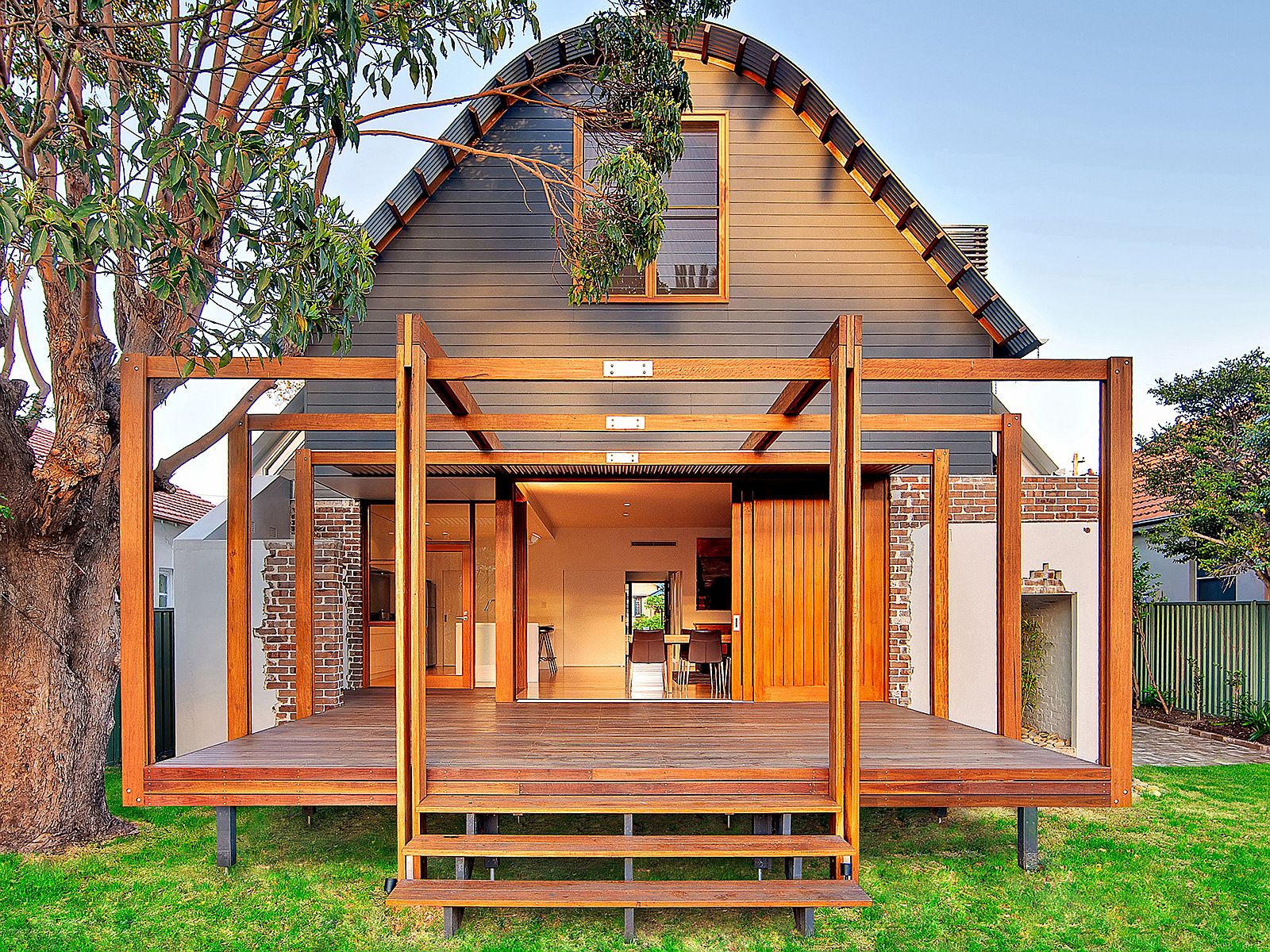
Extended rear deck of the house creates a social zone that is perfect for family time


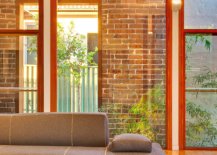
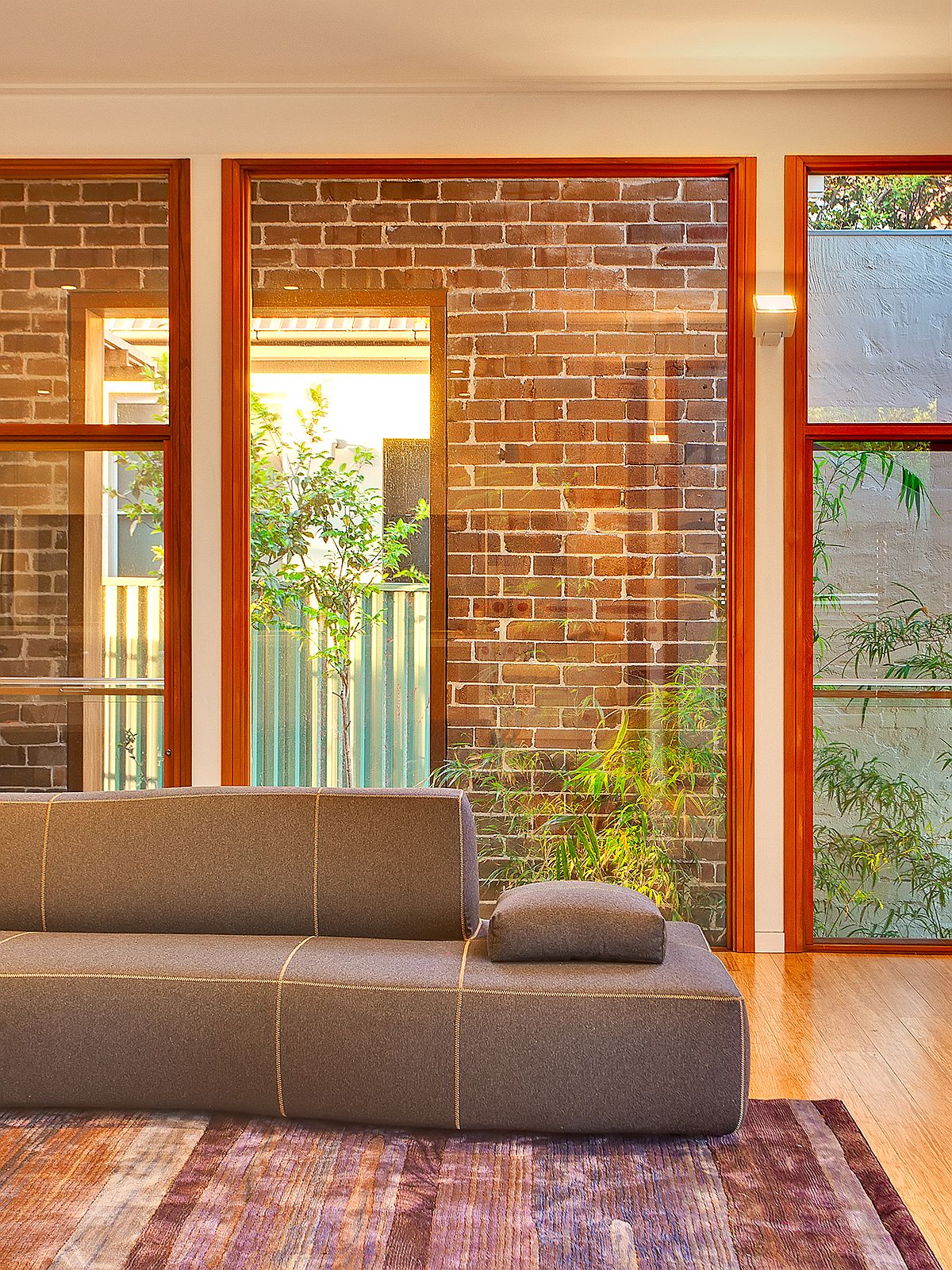
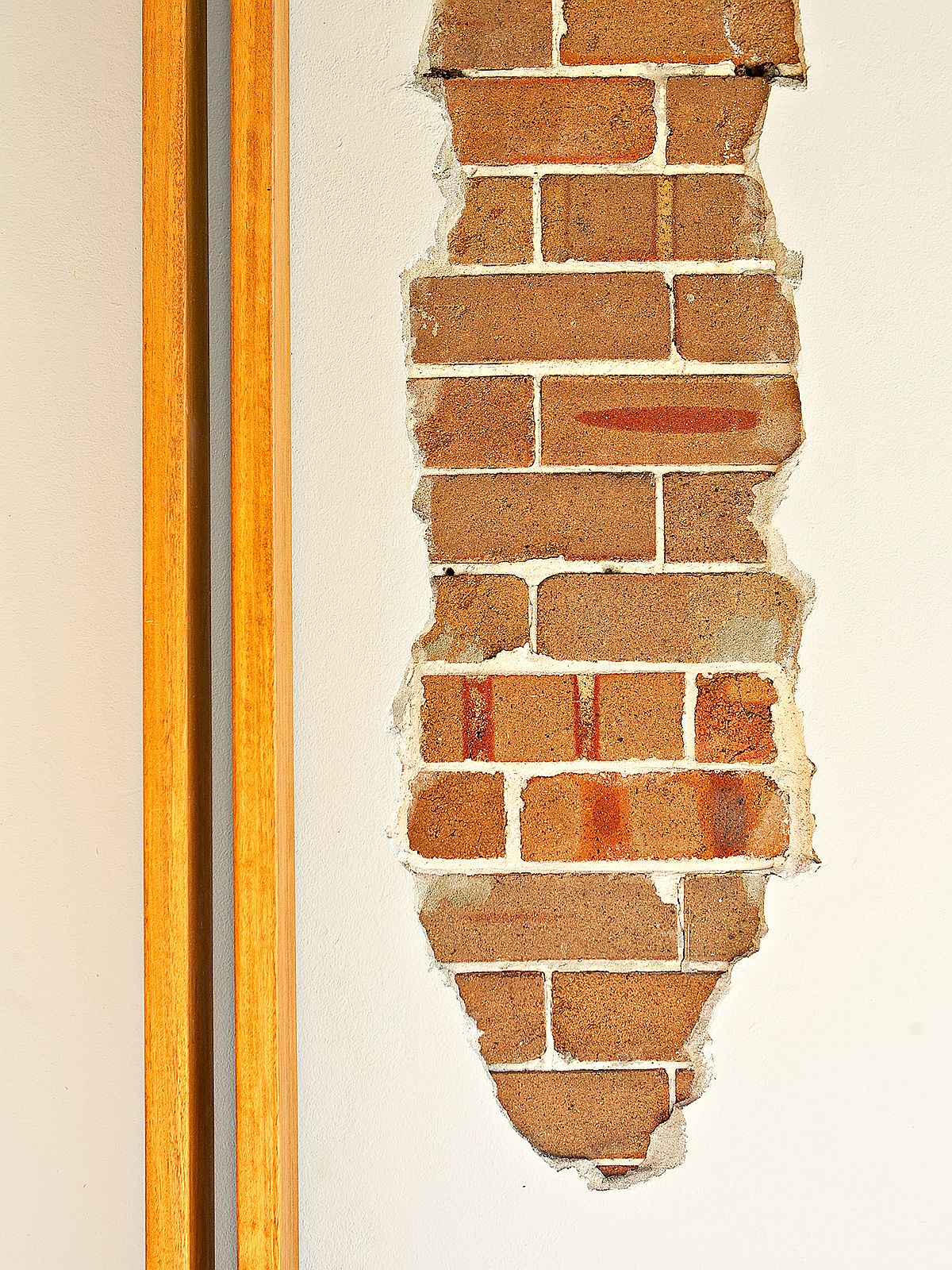
The makeover was carried out by CPlusC Architectural Workshop ensures that much of the original home is left largely unaltered and the old and the new coexist in a seamless manner. On the inside, the color scheme is kept largely neutral with white, gray and wood setting the mood I every room. Bright colors are used in a limited fashion thanks to seasonal accent while an atrium ushers in ample natural light and keeps away any sense of dreariness. You can see parts of the old brick wall exposed beautifully in the living area and these section only add to the uniqueness of this Aussie home.
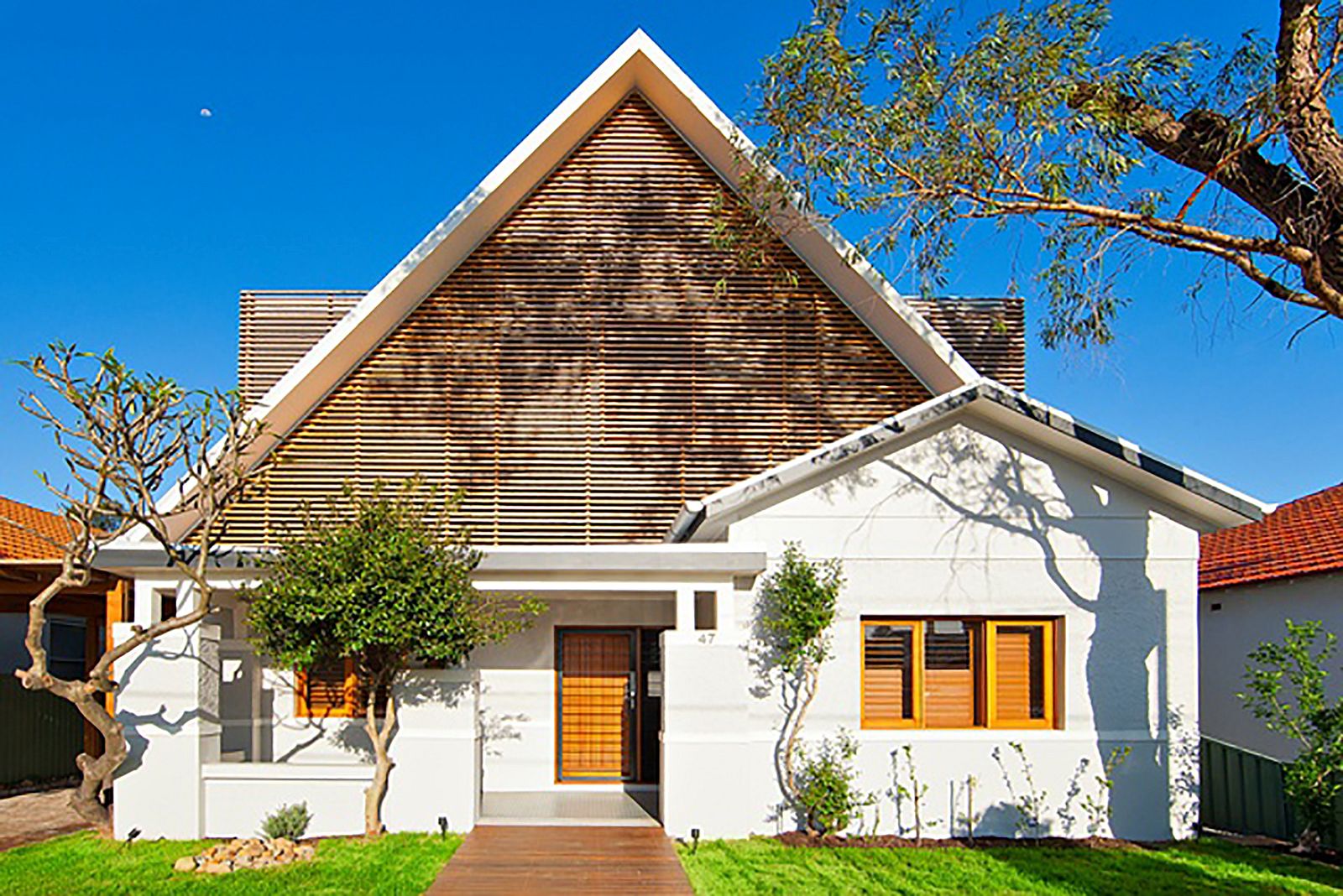
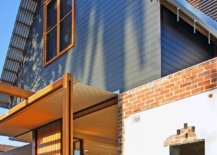
Facade of 1920s Californian bungalow in Sydney with a classic design
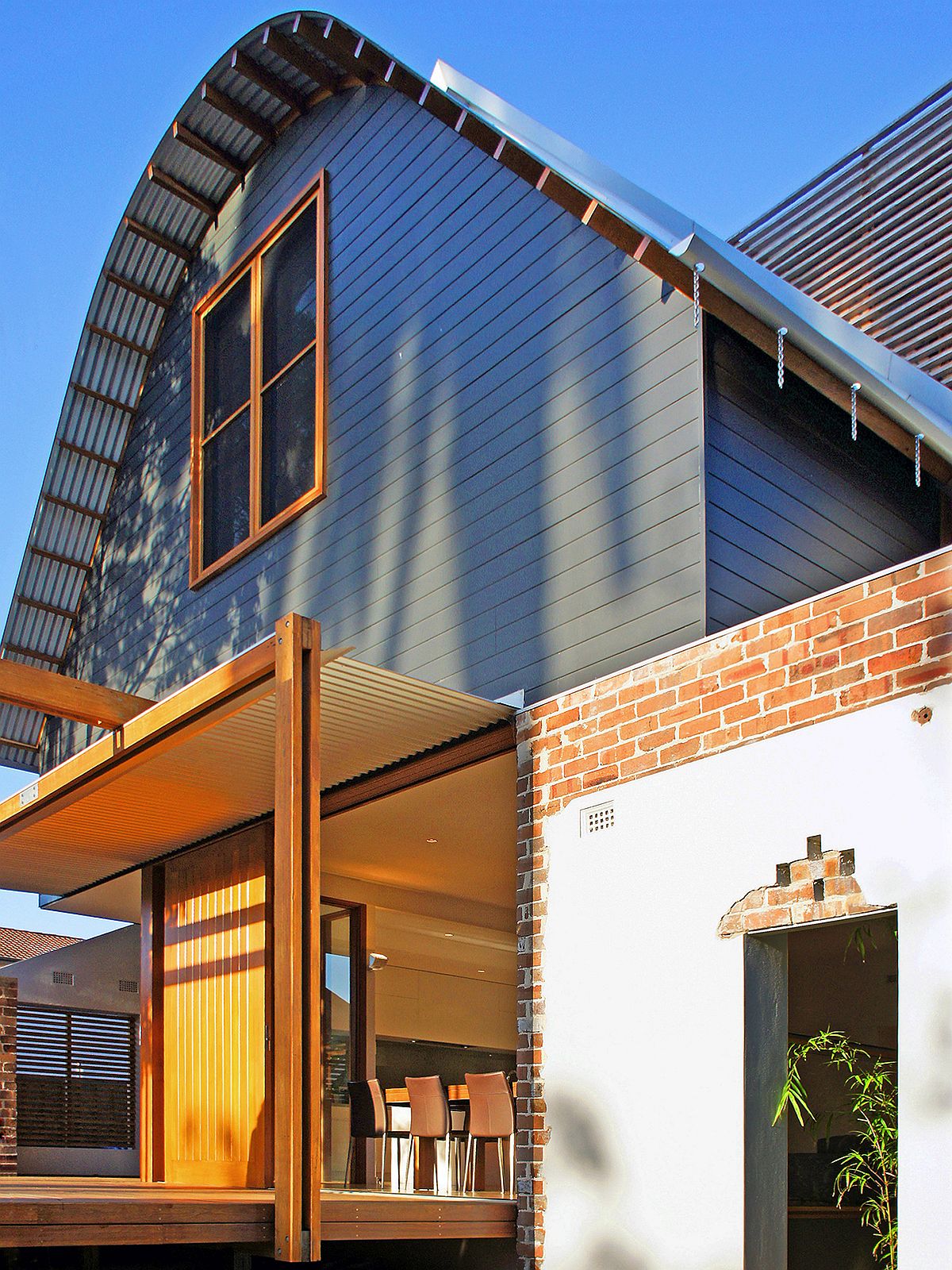
Gray and brick exterior of the revitalized 1920s Sydney house
Lounge of Cape Fear House in Sydney with brick and glass wall backdrop
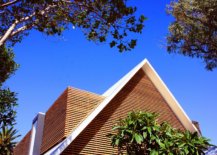
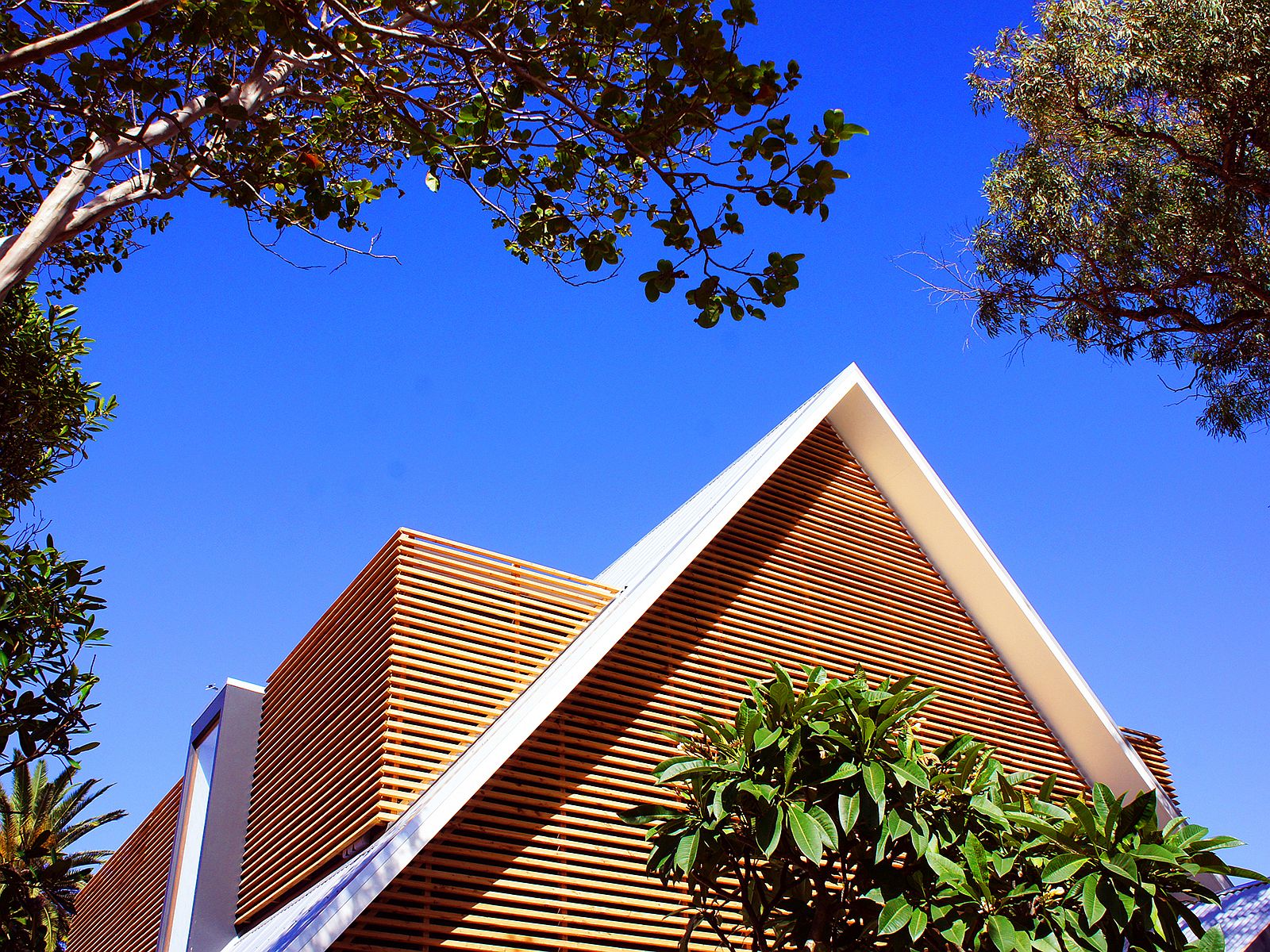
White and wood upper level of the house extended to house a new bedroom

Another eye-catching feature of the rear section is the gray wooden upper section of the home with its curved features and the exposed brick walls next to it. Warmth of wood, gray modernity and classic brick sections all come together to create a backyard that feels just exceptional! [Photography: Murray Fredericks, Jem Cresswell and Michael Lassman]
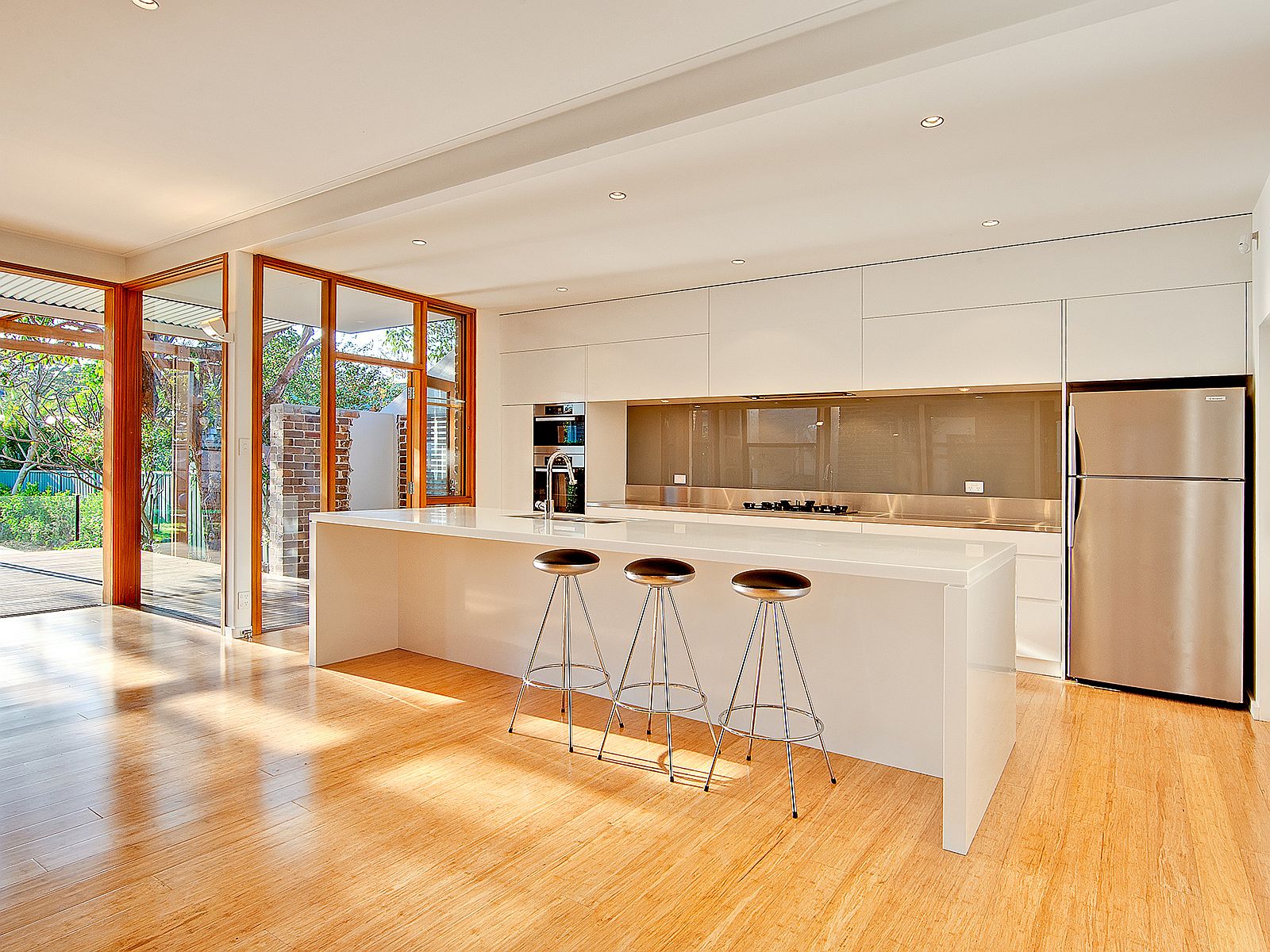
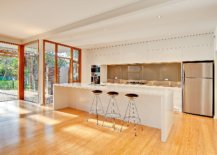
Wood and white kitchen of the Sydney house connected with the wooden deck outside
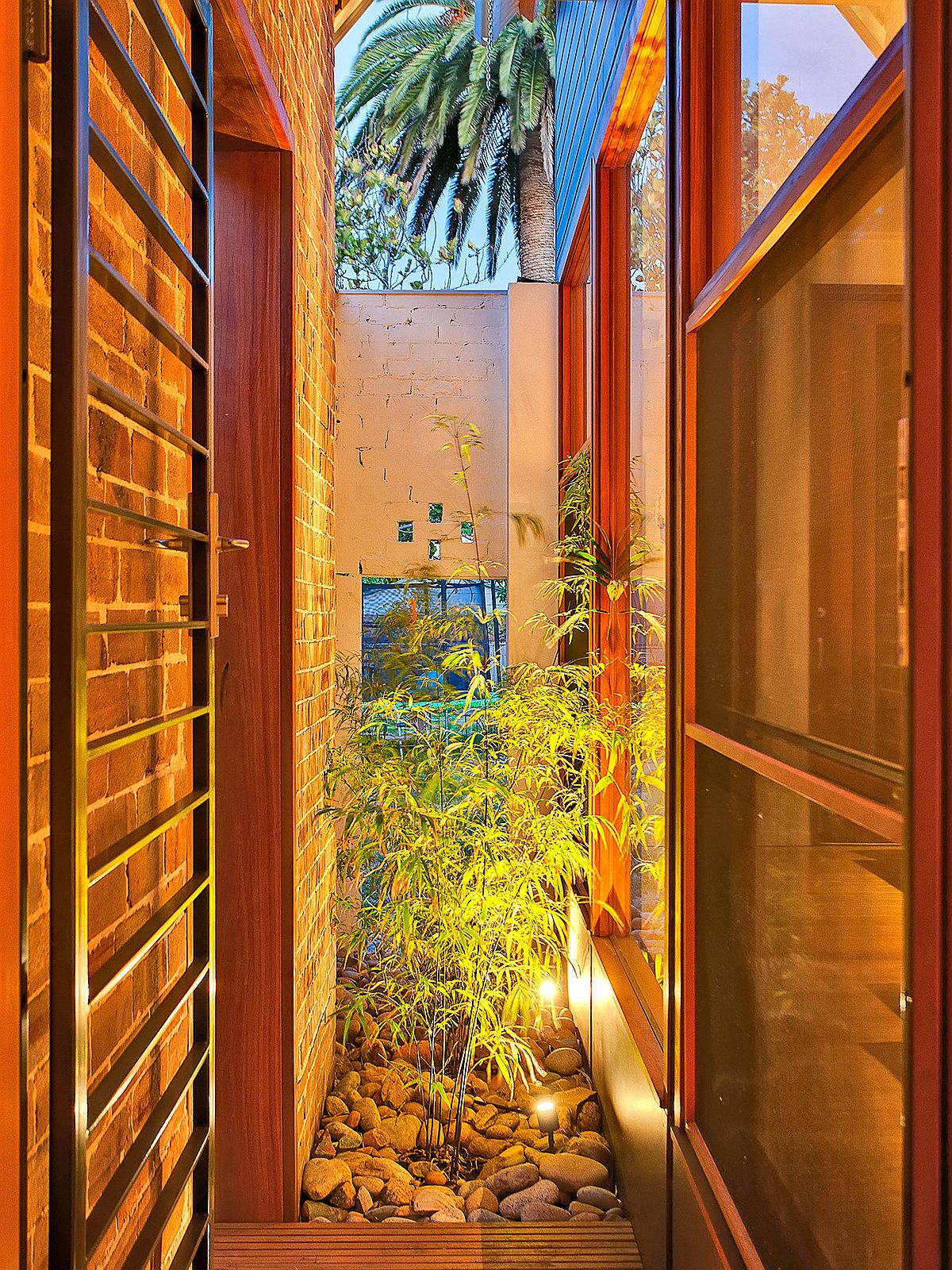
Atrium brings light and freshness to the revamped 1920s home in Sydney
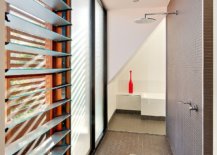
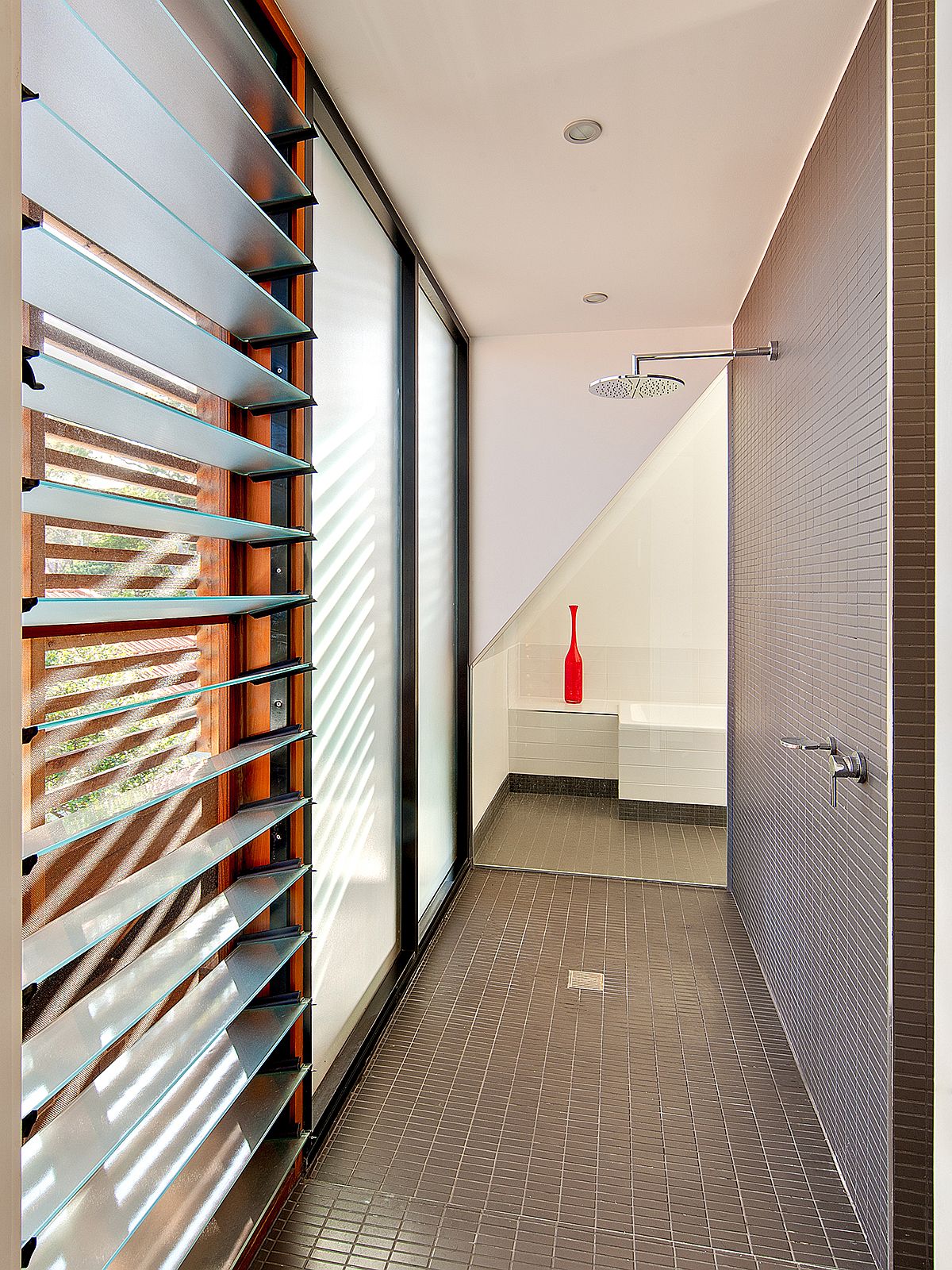
Bathroom in white and gray of the revamped home with a light-filled interior
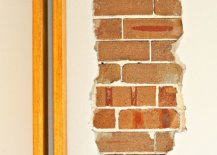
Combining brick with more modern finishes in the home

You’re reading Cape Fear House: Revitalized 1920s Californian Bungalow in Sydney, originally posted on Decoist. If you enjoyed this post, be sure to follow Decoist on Twitter, Facebook and Pinterest.


Similar Posts

  • VITR

    This renovation project originates from the intervention of a pre-existent building located in the western area of Mexico City; reshaping it into a studio-house project, with clear conditions and an eye set into the pre-existing circumstances. Our design solution takes on a residential structure from the 20th century and recycles it into a project that integrates itself with its immediate natural environment, shattering the hegemony of the high walls behind which the neighboring houses hide, in order to establish a dialogue that transcends the physical limitations of the project. The variations in the depths of different planes, offer the environment a living façade, where the interior activities are guessed from the visual filters that concede intimacy to the interior spaces. The interior-exterior duality brakes its context’s routine, offering a canvas of textures where the concrete and granite give away to the mildness of the metal and the lightness of plastic fabrics. To the exterior, the housing peeks out without invading; whilst opening in the interior, subtlety exposing itself, balancing the volumes that are inserted in the site. An interplay of planes occurs inside allowing the versatility of spaces by the movement of long-distance sliding screens and wainscots formed by timber that contrast in warmth and complexity with the sobriety of the stone coatings and apparent concrete of the enclosures. A new stairway, based on steel strips, reactivates the space where the old one stood, which gave an opportunity to re-signify the ambiance of the circulations as an experience of sculptural character. The front yard of the house marks the limits of the construction and together with the water mirrors and vegetation orient the route beneath a suspended long cover. The architectural program revolves around the home in the ground floor, leaving the studio in a privileged condition towards the garden. The living spaces in the first level have terraces and views to the exterior between and through a green façade woven of plastic cables (recovering the Acapulco chair technique) that sieve and melt together the thick vegetation of the existing trees. The terraces and windows allows an optimal ventilation, illumination and contextualization between the outside and inside. In the top level, the project offers a view above itself and the wooden horizon from a roof garden that elevates to a higher plane the user’s introspection, belonging and pertinence of itself.