Creating an Edible Garden That is Functional and Stylish

The shift towards a healthier and greener lifestyle is something pretty discernible in folk across the planet. Everyone has their own recipe in this regard. Some prefer to go vegan while others only wish to consumer ‘organic’ food. It can still get complicated at times and it becomes harder and harder to trust the label. This is exactly why the idea of an edible garden is something that we welcome gleefully. Edible gardens are easy to maintain, can become a part of your relaxing routine each day and you do not need a whole lot of space to get started with one.
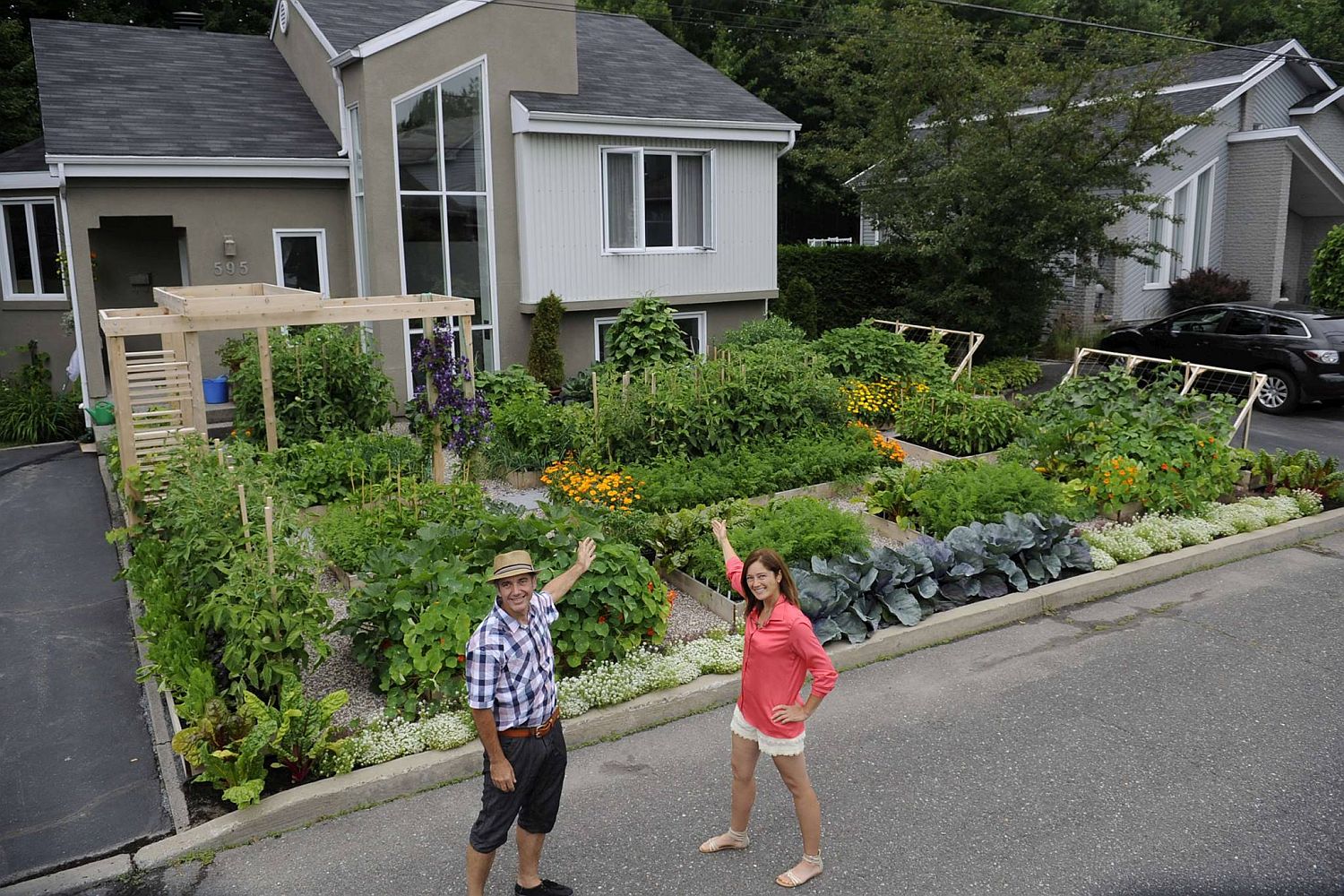
One of the world’s most famous front yard vegetable garden in Quebec


Edible gardens filled with fruit and vegetable plants give you a whole lot of satisfaction at the end of it all and the experience of walking into your little garden to collect everything you need to make your next meal is simply priceless! Today, we browse through some of the best edible garden ideas and also uncover the various ways in which you can add one to your own home. From the modest to the best on the planet, these gorgeous edible gardens will undoubtedly tempt you to start one as well –

For the Small Urban Garden

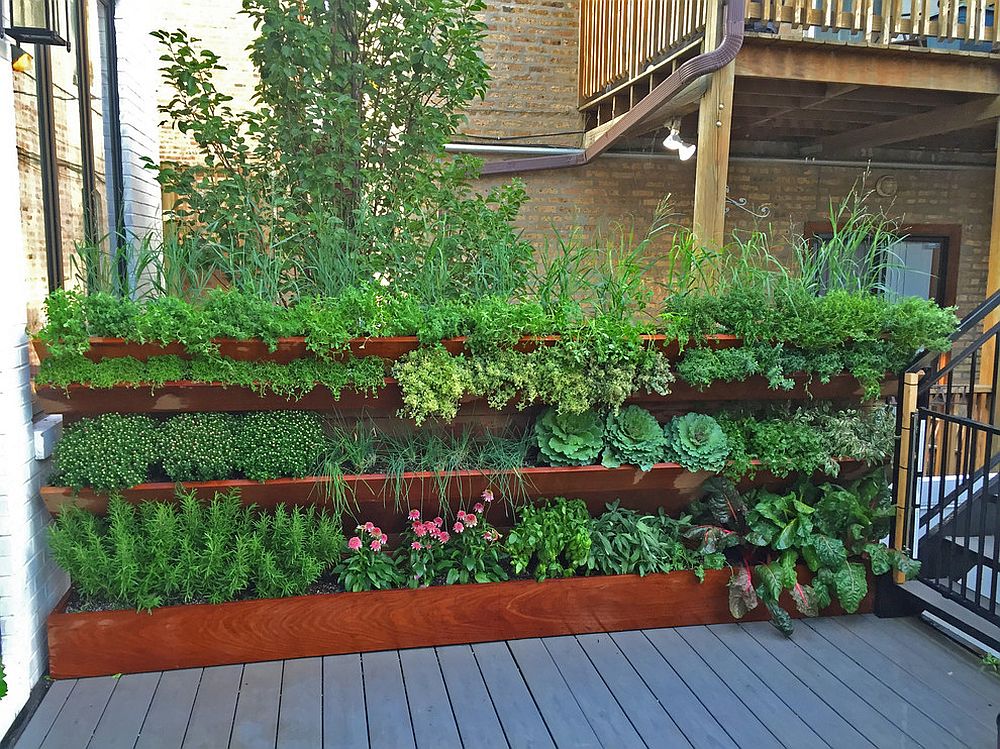
If there is one thing that we have learnt with space, it is that you can work around limitations to get exactly what you want. In the congested urban landscape, a lovely edible garden might sound like a luxury to many out there. But smart vertical garden structures and clever little containers filled with soil allow you to easily cultivate a lovely edible garden with all the basic ingredients. You might not get an extravagant green hub which serves all your culinary needs, but you will still have plenty of fresh supplies which make the delicacies you serve that extra bit special!
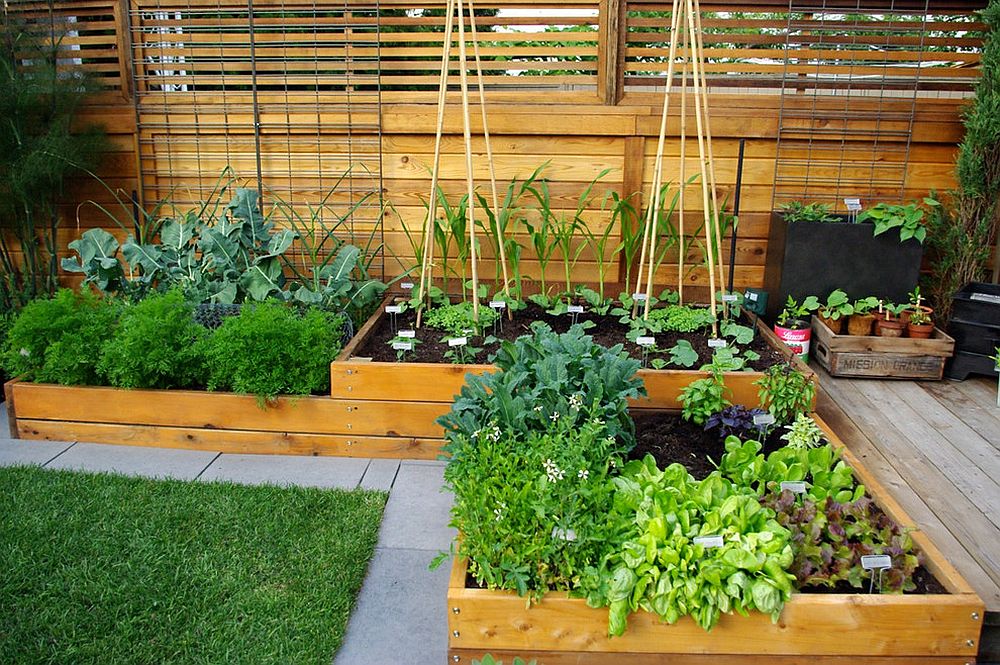
Even a small contemporary garden can accommodate a beautiful edible garden [From: Aloe Designs]
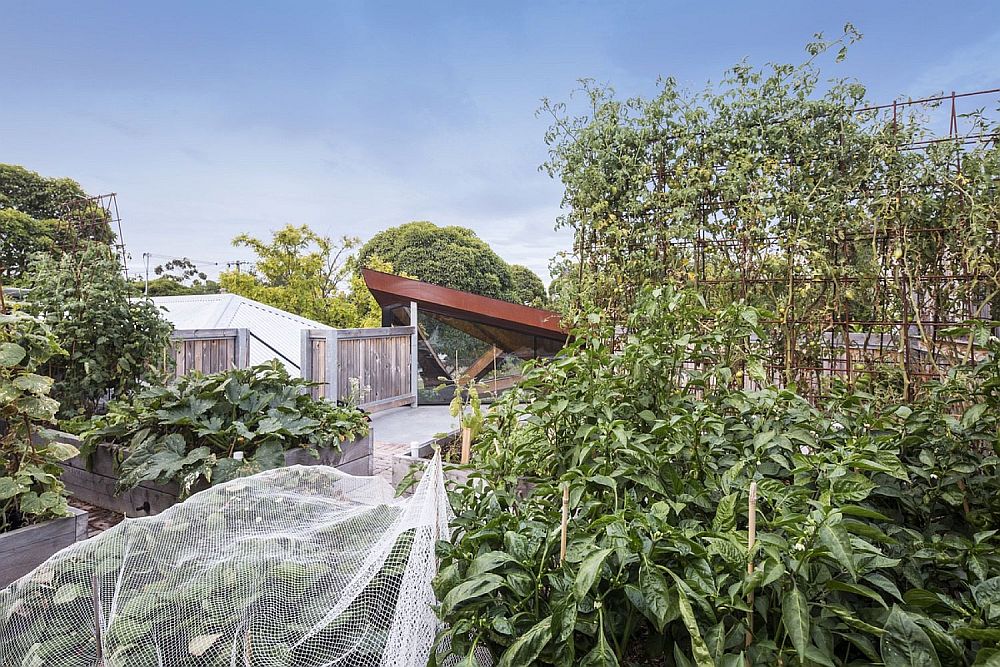
Rooftop edible garden of a contemporary Melbourne Residence
Rustic landscape with a beautiful edible garden at its heart! [From: Rob Kyne]
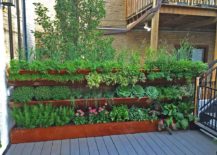
A vertical garden for the edible plants is the best way forward in the urban landscape [From: Brent Riechers Landscape]
Creating the small and smart edible garden

Completing a Lovely Landscape

A smart edible garden is the perfect way to complete your beautiful garden. With changing seasons you might have to make slight adjustments, but the effort is well worth it all. In the small front yard, rear garden or smart little deck next to the pool, a series of containers can easily hold the flower and edible garden. As the time goes by, you can try out different vegetables, fruits and other herbs that thrive in your climate region. Start out small and easy with plants that can be cultivated easily and demand very little in terms of care. This will give you greater encouragement and you soon will be enjoying the work you put into your charming little edible garden.
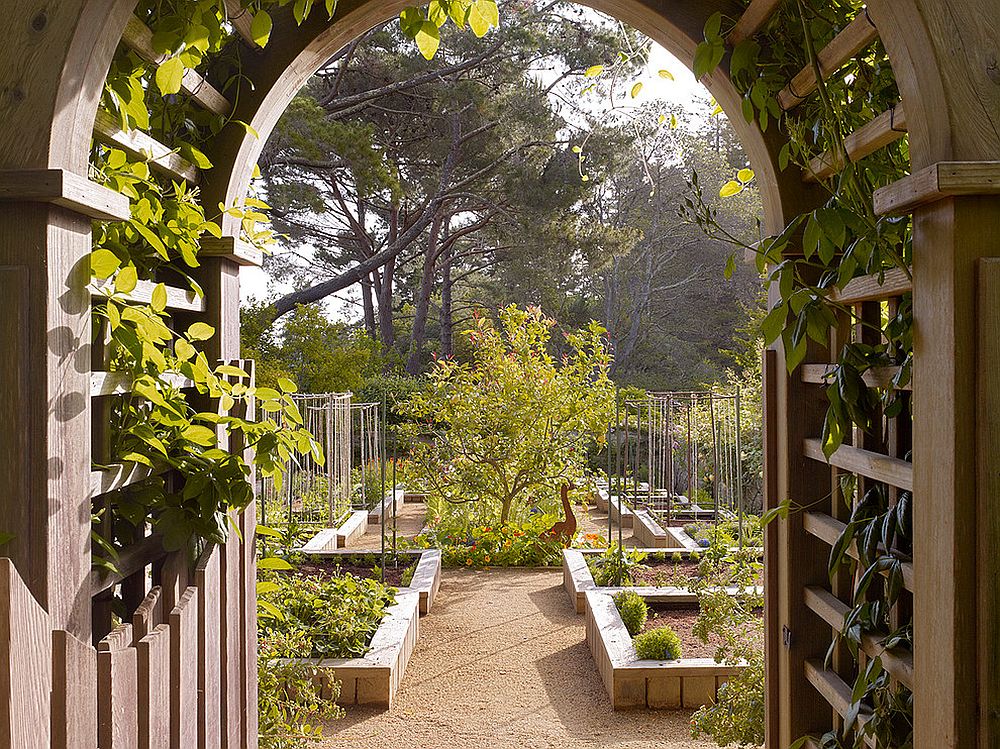
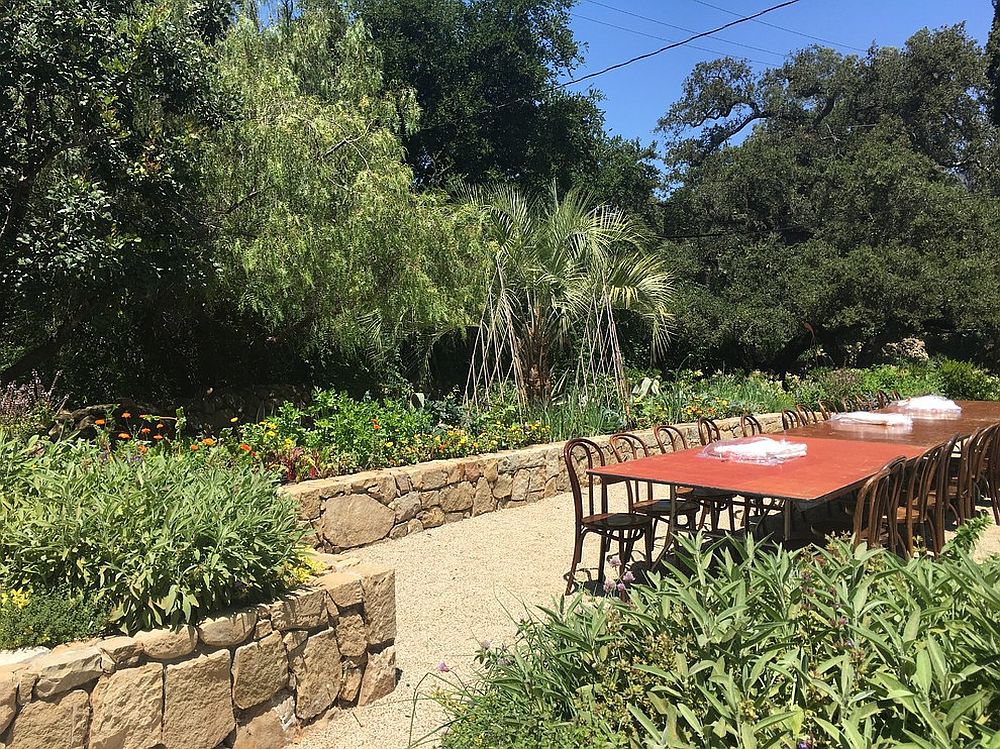
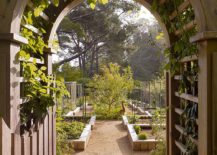
Make sure that the edible garden blends in beautifully with the larger landscape scenery [From: Zeterre Landscape Architecture / Matthew Millman Photography]
Organic edible garden with a dining area at its center [From: Urban Eco Design]
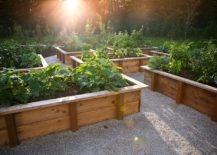
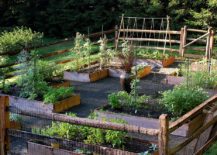
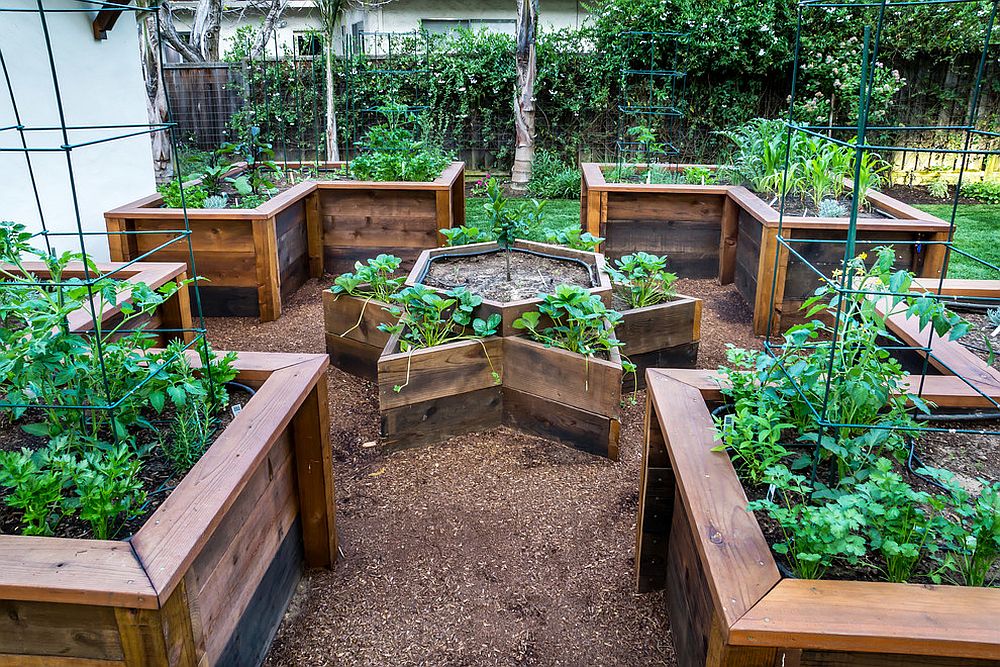
Organic soil and raised beds turn the forgotten landscape into a lovely vegetable garden [From: Earth Mama Landscape Design]
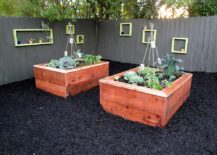
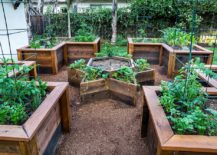
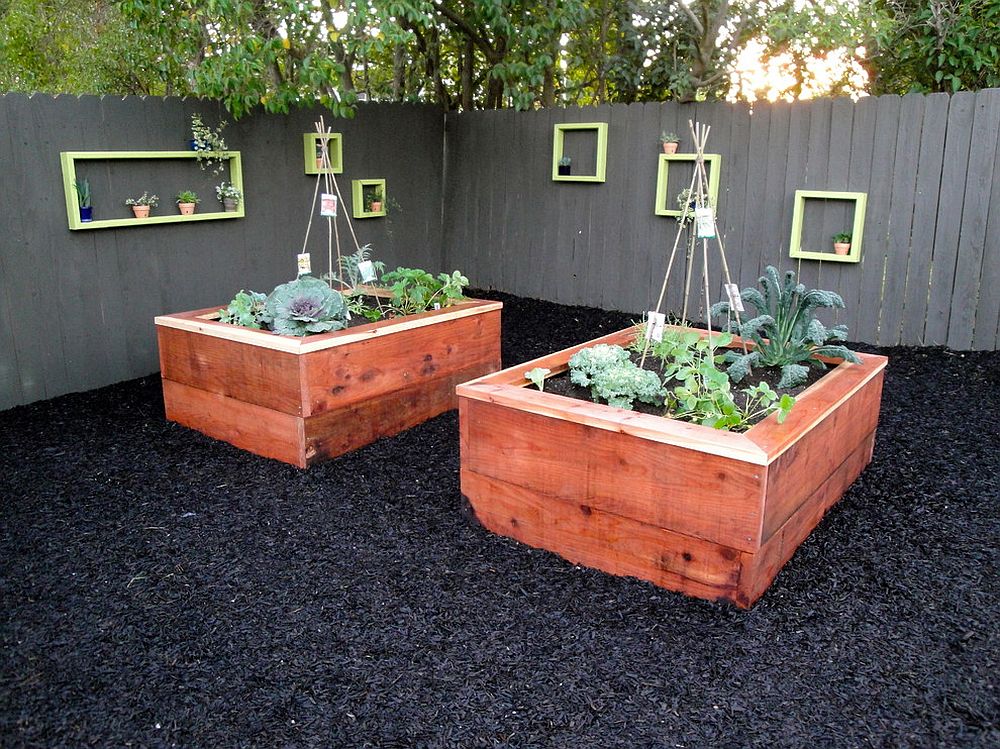
Creating the perfect space for the raised bed vegetable garden [From: Casa Smith Designs]

Innovative Containers and Ideas

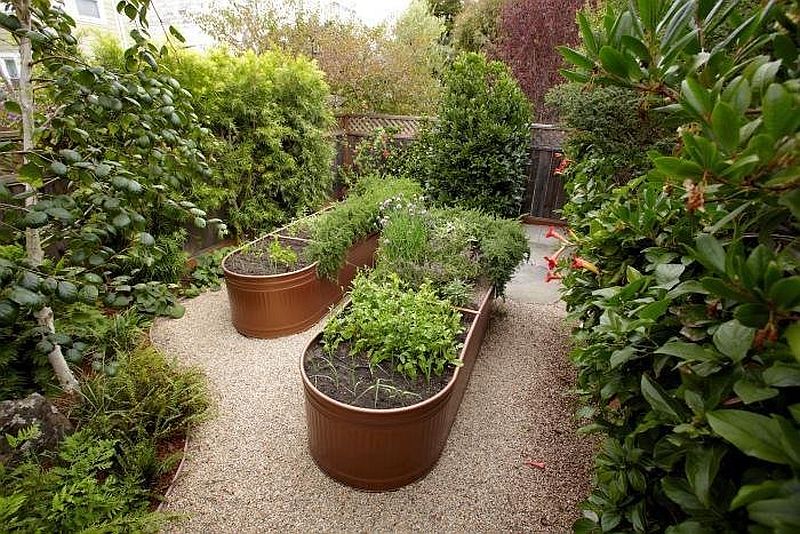
Get creative to create your special edible garden. Containers for the garden and raised beds can come in various forms. You can use pretty anything and everything ranging from old, galvanized aluminum tubs to wine barrels and mundane containers that feel anything but special. Those who want a garden that is more curated might try out stone and wood flanked raised beds and adding soil with organic fertilizers also helps the cause. A smart edible garden, big or small, not only helps you eat better but would also improve the general quality of air around, leading to a healthier, more natural lifestyle.
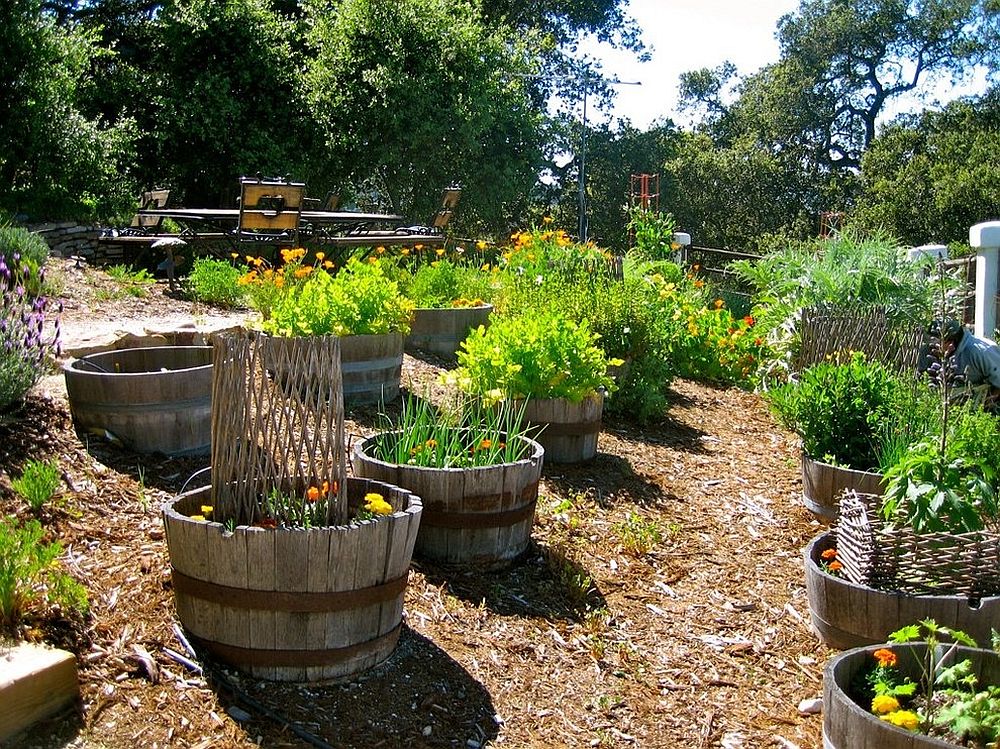
Elegant use of old wine barrels for planting in the small edible and flower garden [From: Landsystems & Associates]
Lovely bronze water trough beds used for a smart edible garden
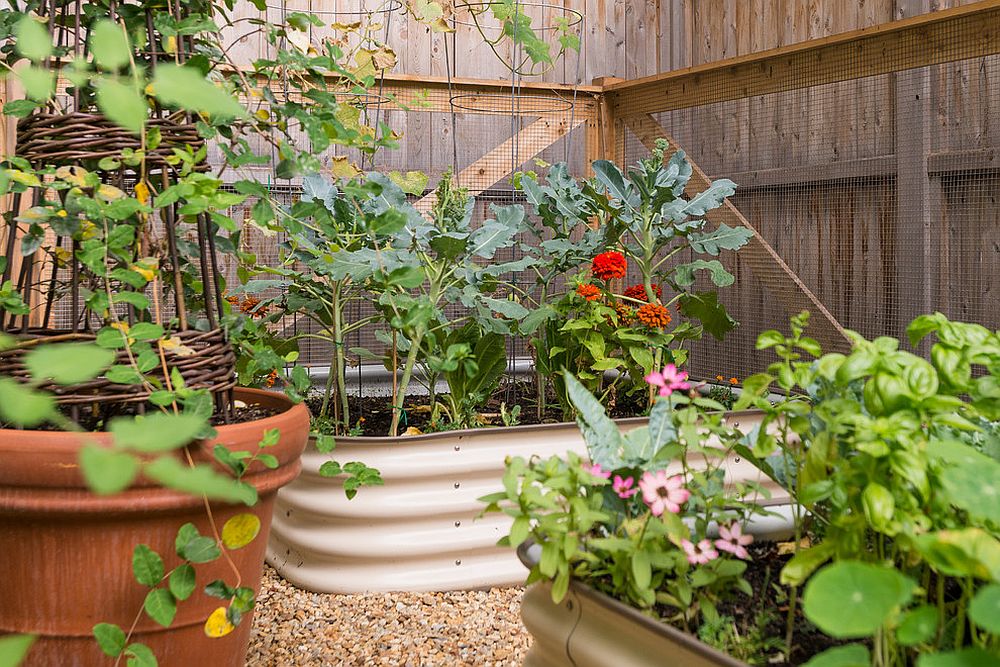
Metallic containers for the small edible garden with flowers and vegetable plants [From: Danielle Sykes Photography]
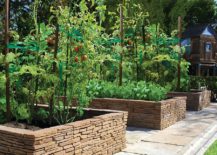
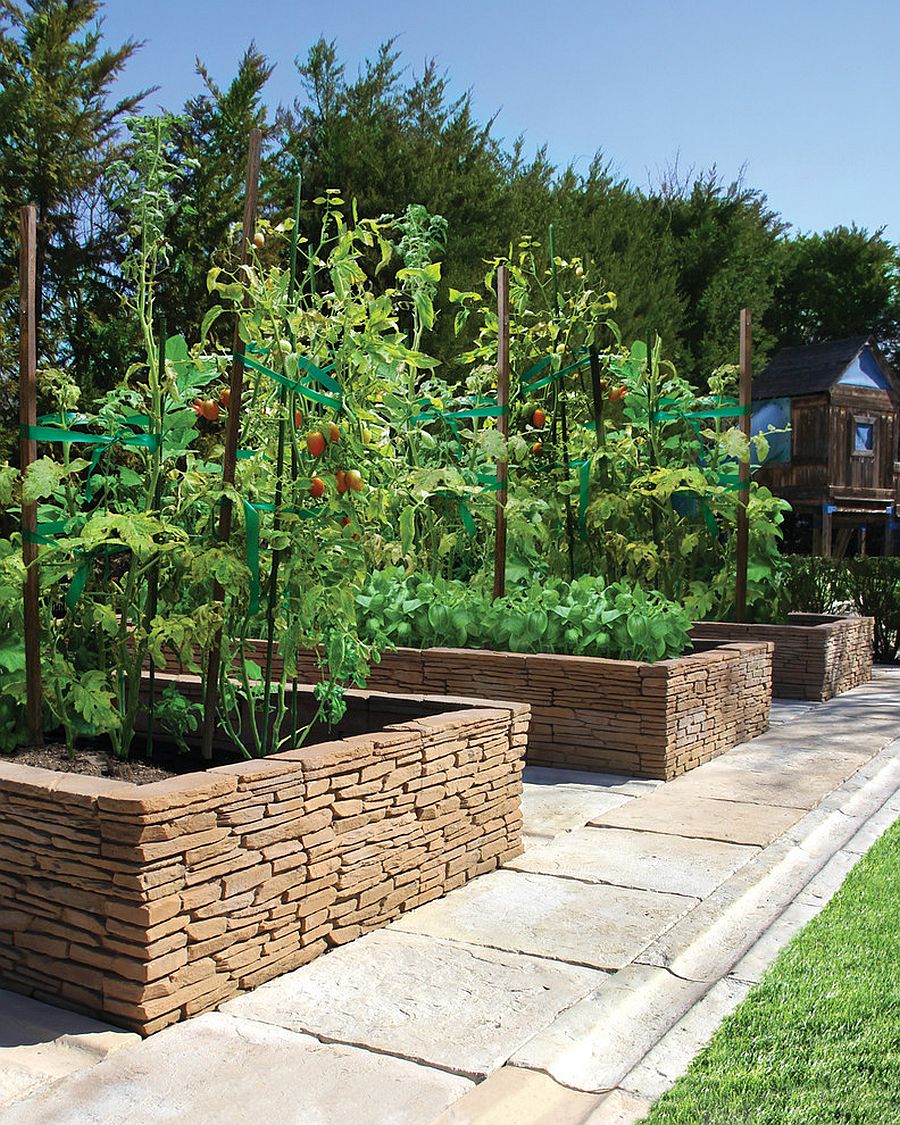
Stacked stone shapes the edible garden in this Mediterranean style setting [From: Nicolock Paving Stones and Retaining Walls]
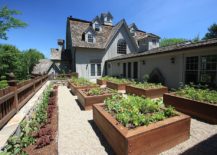
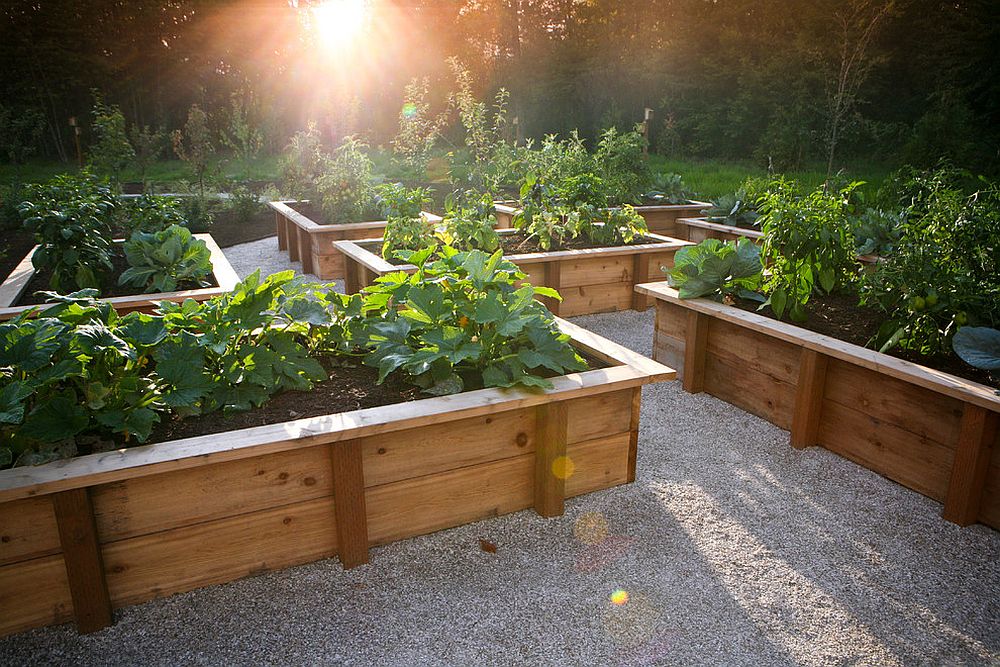
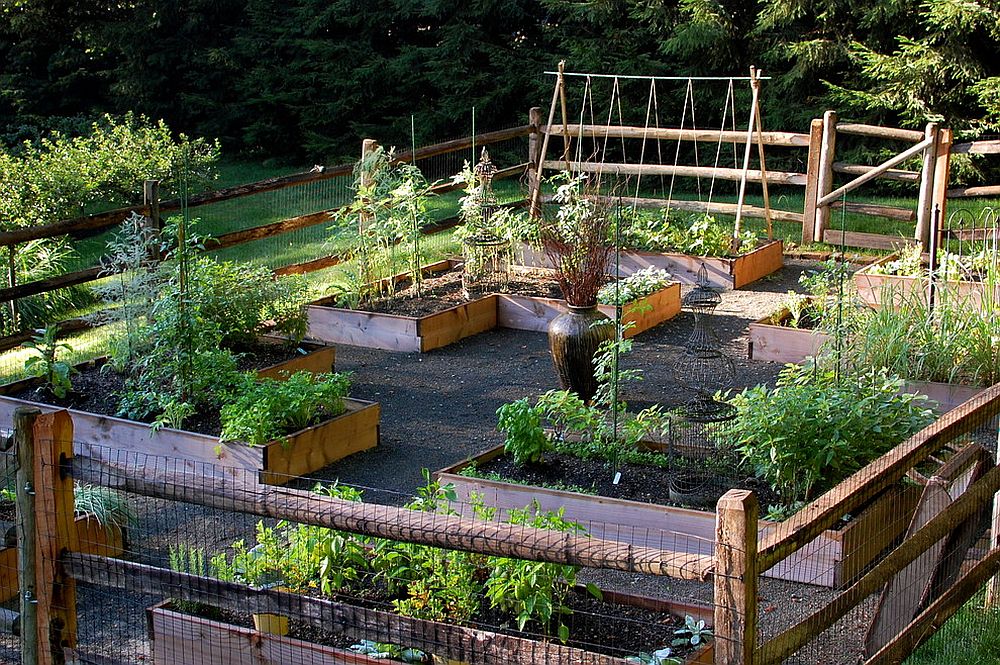
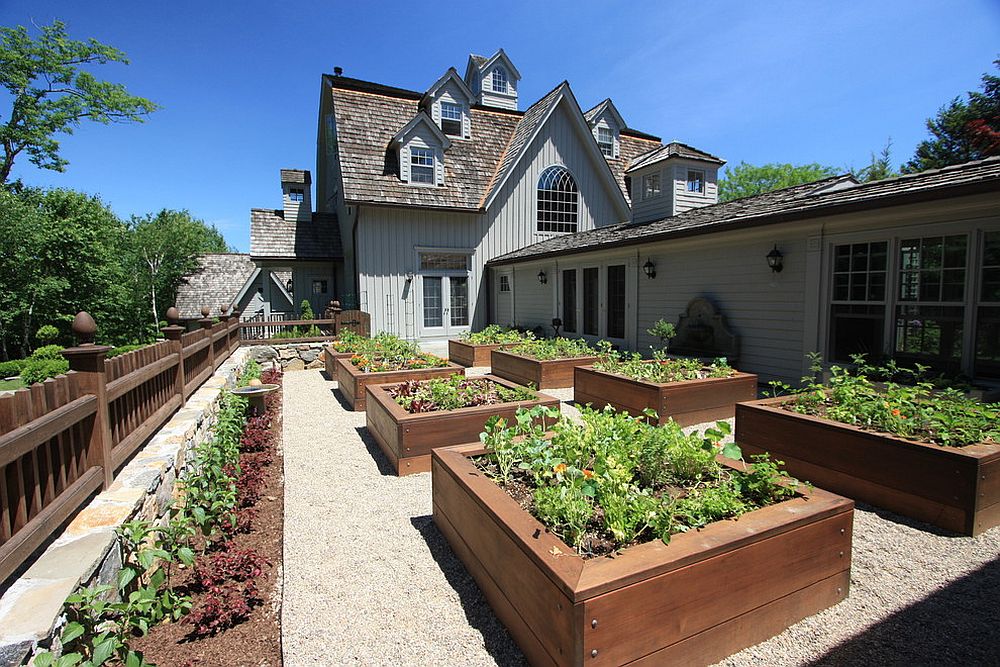
A series of raised beds can help you with the organization of the edible garden [From: Conte & Conte]

You’re reading Creating an Edible Garden That is Functional and Stylish, originally posted on Decoist. If you enjoyed this post, be sure to follow Decoist on Twitter, Facebook and Pinterest.

Similar Posts

  • House LV1 (house nanchi 1 y 2)

    CASA LV1 (casa nanchi 1 y 2)
    BRIEF DESCRIPTION OF THE CONSTRUCTION
    The Casa LV1 (casa nanchi 1 and 2), is a multi-familiar conformed by two houses constructed in the same land, the main material used for its construction was white striated concrete.
    DESCRIPTIVE MEMORY
    The Casa LV1 (casa nanchi 1 and 2) is a complex of two houses designed for a family an elderly couple, their young daughter and their granddaughter. Each house has the necessary privacy for each development, with the interrelationship and coexistence of the family; they are located in an irregular diamond-shaped land of approximately 250m2, a gradient over 10% with a view to the southeast.
    The Casa nanchi 1, on its main floor has: living room, dinning room, kitchen, bathroom, main bedroom with closet and its own bathroom, this floor is directly connected with the service area; the lower floor has a hall, two bedrooms with closet and its own bathroom; the upper floor has a roofed recreation room and a garden terrace. All the floors are connected by a stair, and has a parking lot. The total constructed surface is of 160 m2.
    The Casa nanchi 2 has on its main floor: living room, dining room, kitchen, bathroom and service area; on the upper floor it has: main bedroom with closet and its own bathroom, an additional bedroom with closet, a little play room and a bathroom; on the lower floor, where the entrance is, has: two parking lots and an exterior stair which is connected to the other floors. The total constructed surface of the house is 145 m2 excluding parking lots.
    Both houses share main entrance, service yard, green spaces and services.
    The houses are named after the nanchi tree (byrosonimacrassifolia) that is located in that land; it was respected and the project was adapted around it, to make it a natural decoration for the dinning room of the Casa nanchi 1. This house was designed for an elderly couple and it has a terrace in the upper floor, which is a recreational and relaxing space with a view of the surroundings to enjoy with the company of family, friends and guests. It has a double-height space which allows the development of the tree.
    The design of the Casa nanchi 2, which was designed for the daughter and granddaughter of the family, is inspired in the Brno chair, designed by the architect Ludwig Mies van ser Rohe, which not only allows a large volume, but also an efficient and free structural principle because with this solution is obtained an overhang of 4.85 m with a support of 2.85 m, generating a space without any support under the construction.
    The concept of the houses is derogates no only from the connection (interior-familiar, exterior-landscape), but also from the visual freedom that people perceive before entering in the house and also in the interior of them. This is fulfilled by the volumetric integration that defined the spaces of each house, both prisms have specific substractions that allow a formal integration of the two elements; in the Casa nanchi 1 the terrace is subtracted and in the Casa nanchi 2 the parking area is subtracted, transforming both elements without losing its integrity.
    The connection of both houses is so important that is not only achieved materially with the union of the two architectonic objects from the common entrance, connotating the link of the family, but also with the landscape, through the transparency in the facade of the two houses, which creates a visual freedom for the inhabitants. This gives a greater illumination of the spaces, producing a feeling of spaciousness and allows the air circulation due to the large windows that are handled by the users.
    The material, white striated exposed concrete and stone dust of the region, recalls the honesty of the materials, this simplicity benefits the environment, because it doesn’t use coatings in walls, fooors or roofs, contributing the less possible to the pollution. The exposed finishes means less production, transportation and utilization of pollutant materials. As said before, the free circulation of air allows a constant cleaning of the interior air which allows a natural regulation of the temperature, achieving termic comfort for the users and reducing the use of electronic devices that cools artificially the place. Besides, the same large windows avoid the unnecessary use of artificial illumination during the day allowing the entrance of sunlight in the morning.

  • Keep Your Home Corona-Free: How Long Does the Virus Survive on Surfaces

    The Coronavirus pandemic has become a global problem that is rapidly wrecking havoc with lives of more and more people with each passing day. Entire nations are now in lockdown and everyone’s life is effect in one way or another. If you thought that you would be immune to this airborne viral infection, then that […]

    You’re reading Keep Your Home Corona-Free: How Long Does the Virus Survive on Surfaces, originally posted on Decoist. If you enjoyed this post, be sure to follow Decoist on Twitter, Facebook and Pinterest.