|

Amazon Spheres House an Enormous Indoor Garden Reconnecting City Dwellers With Nature

Amazon Inside the SpheresAmazon Inside the Spheres

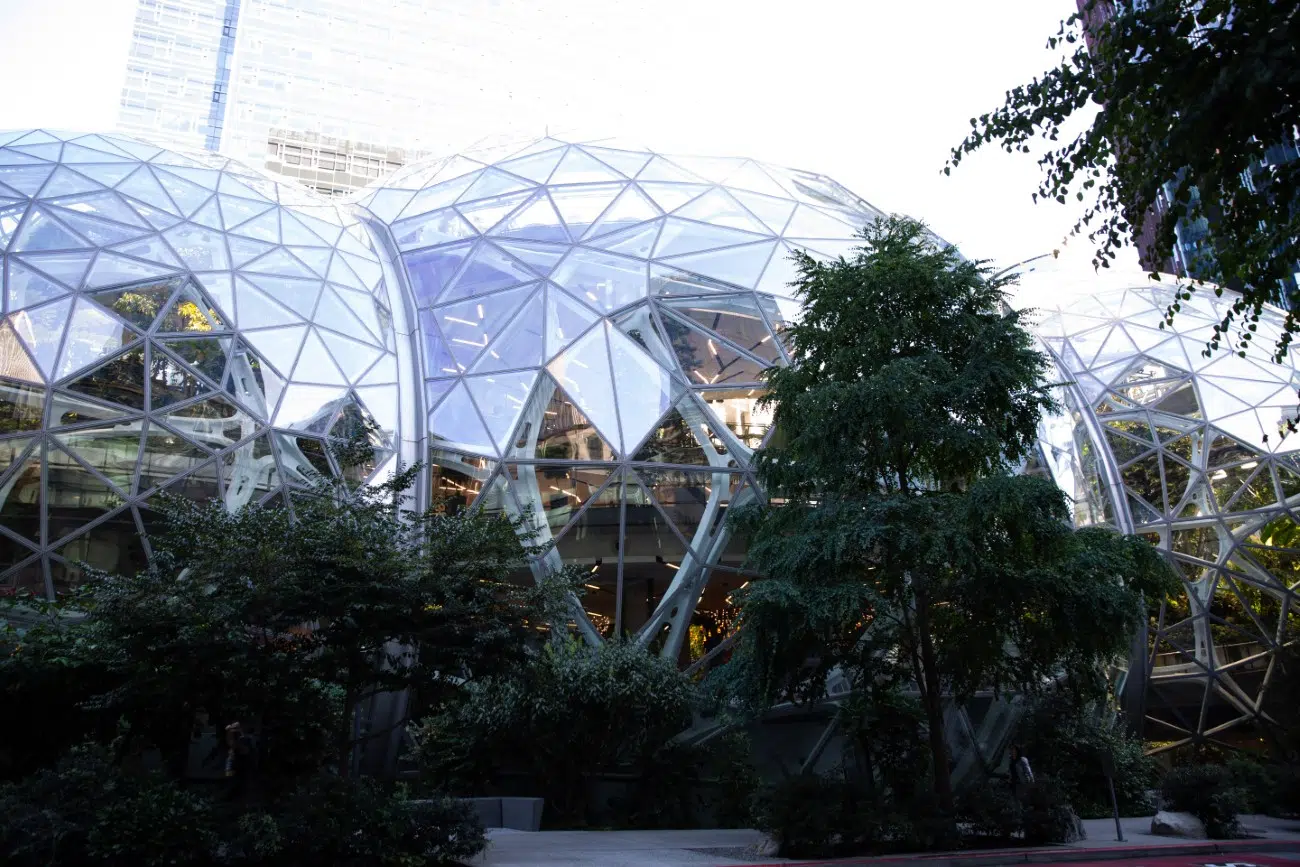
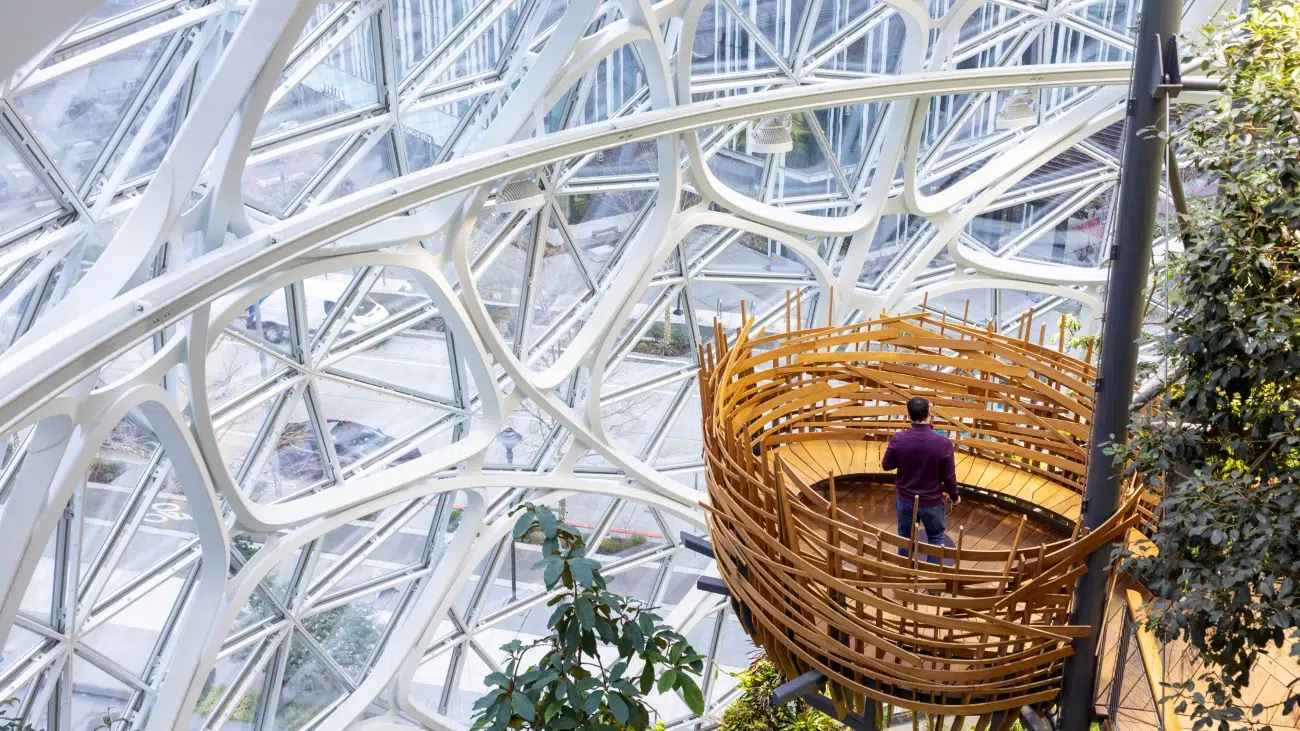
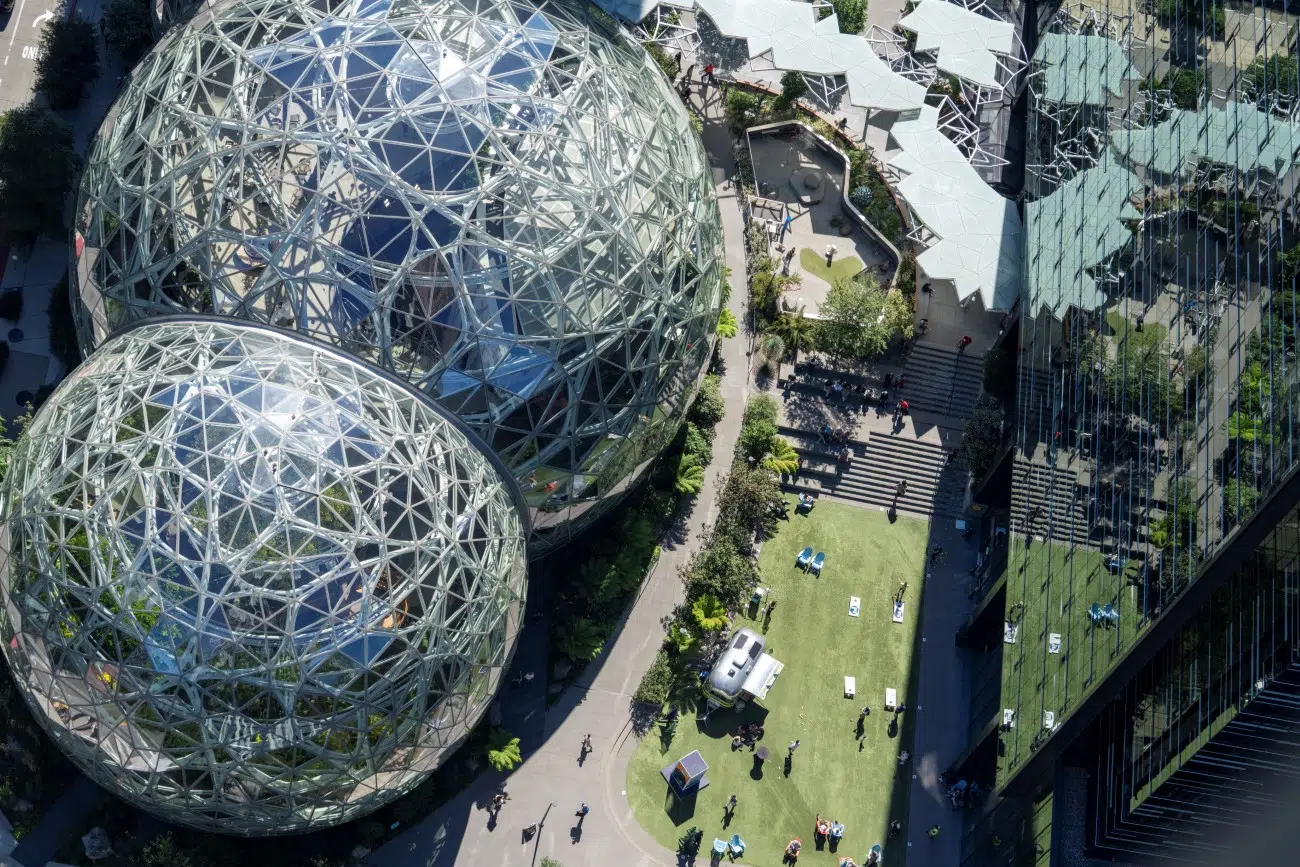
In what might be one of the most innovative workplace amenities we’ve witnessed, Amazon’s Seattle headquarters is home to an enormous indoor garden housed in three giant globes known as the Spheres. This impressive example of biophilic design reconnects us with nature by bringing staff and visitors into close contact with lush plant life.

The Spheres, which were conceived in 2013 and had their grand opening five years later, are home to a plethora of unique plants that are cared for by Amazon’s horticulturalists. This exceptional urban garden is open to the public two Saturdays a month with a reservation, allowing anyone to enter and marvel at its wonders.

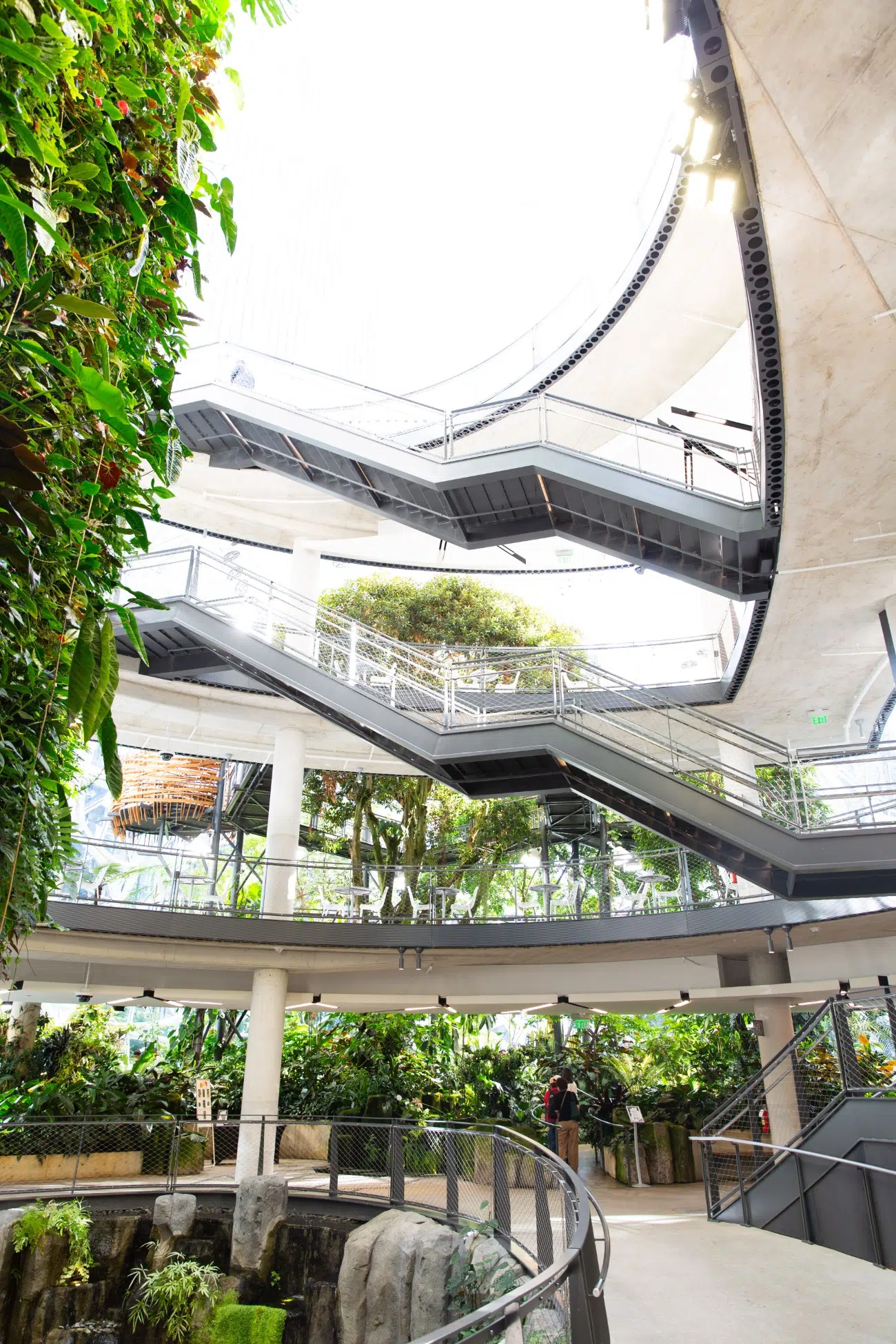
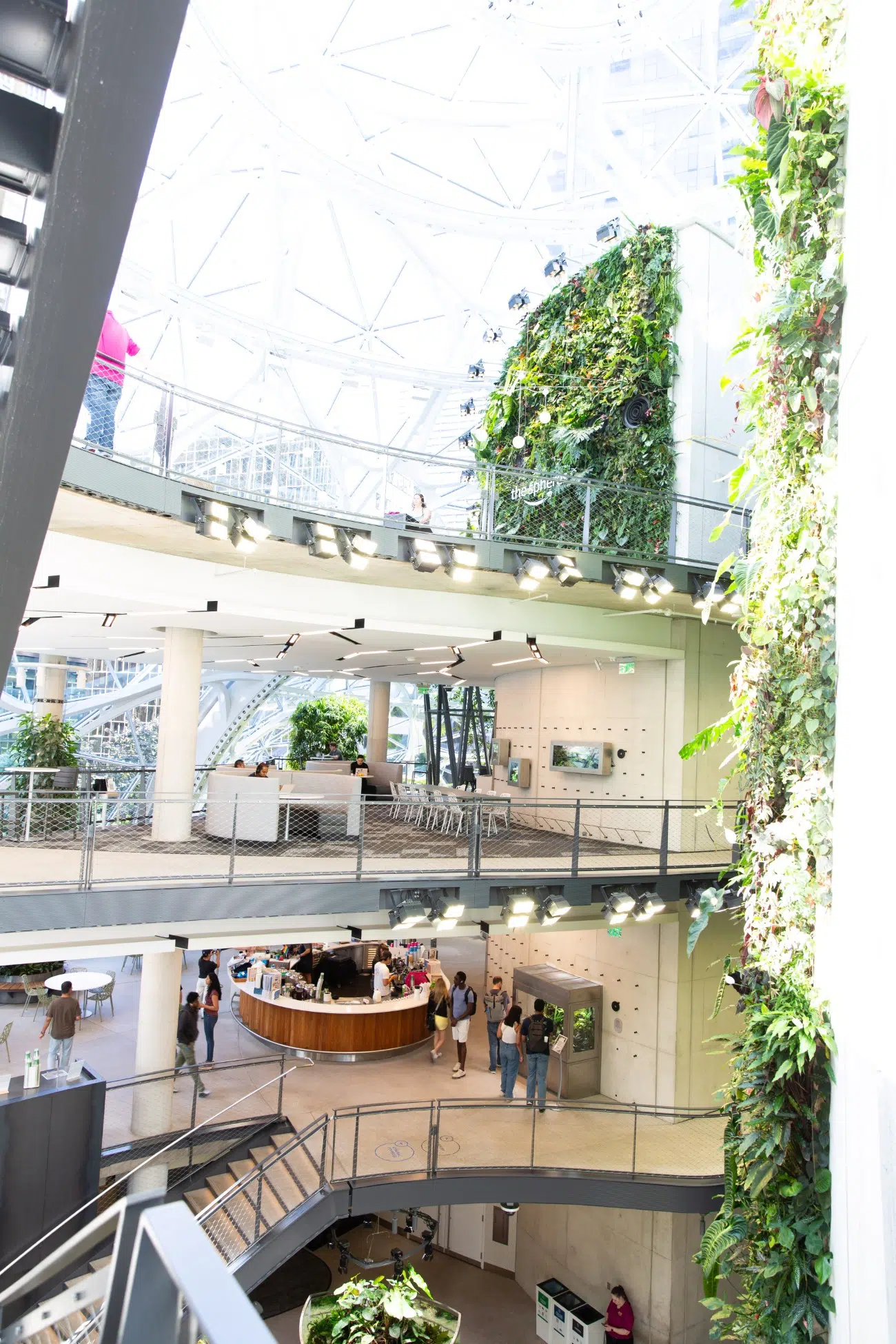
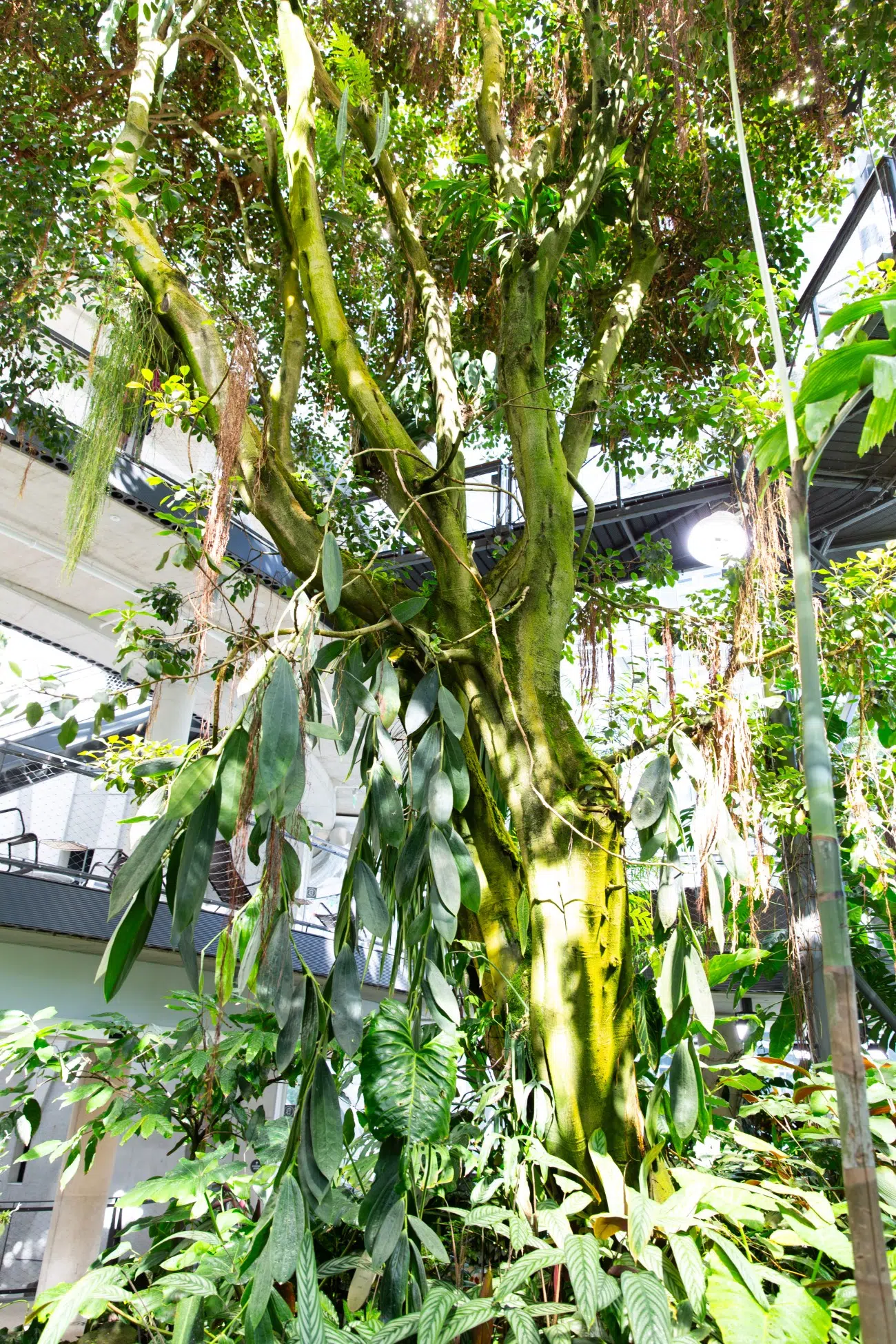
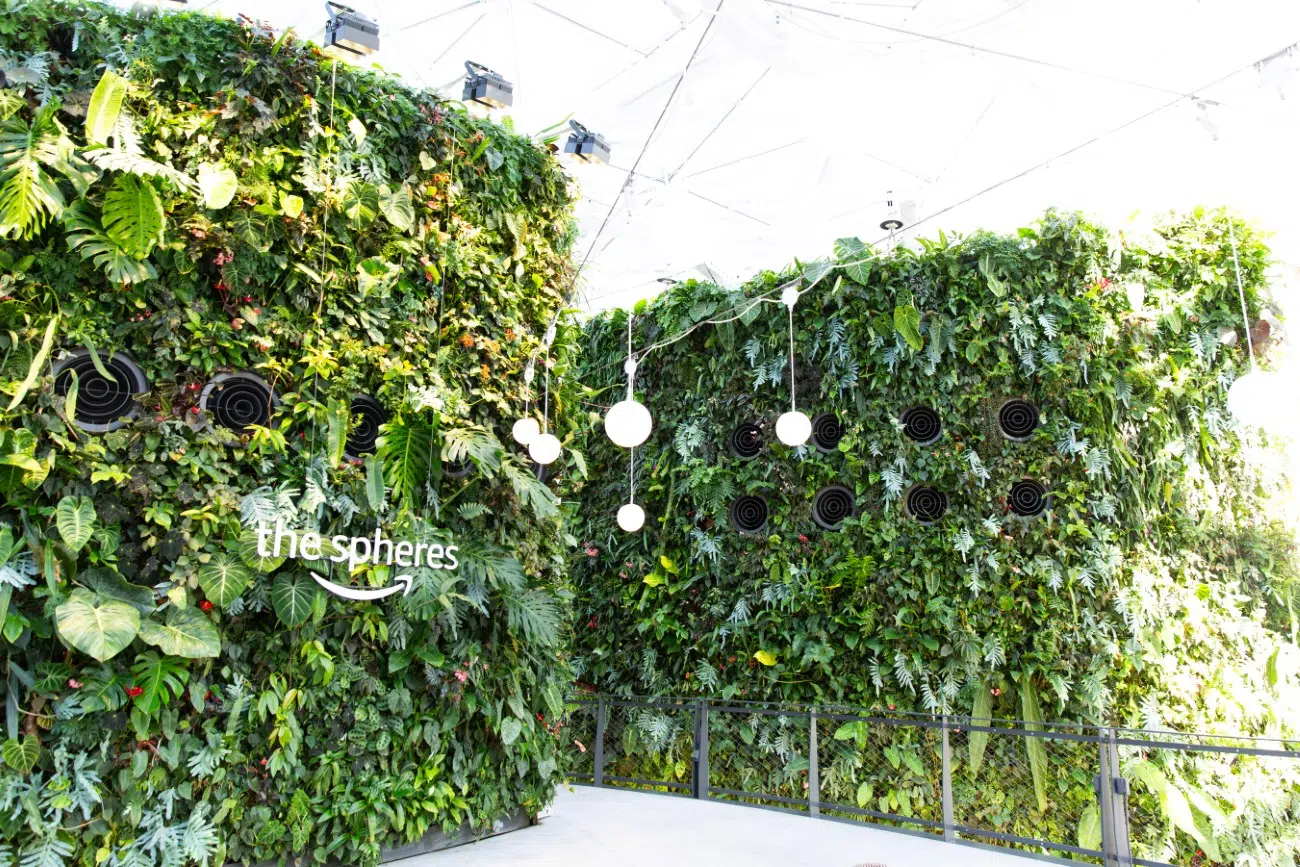
Special highlights of the collection include a spectacular living wall composed of 25,000 plants woven into 4,000 square feet of wall and an imposing rusty fig tree. Known as Rubi after its scientific name (Ficus rubiginosa), the tree was first planted in 1969 in California and made a 1,200-mile journey to the Spheres. Due to its size, the top of one sphere had to be removed while the 49-foot tree was gently lifted inside with a crane.

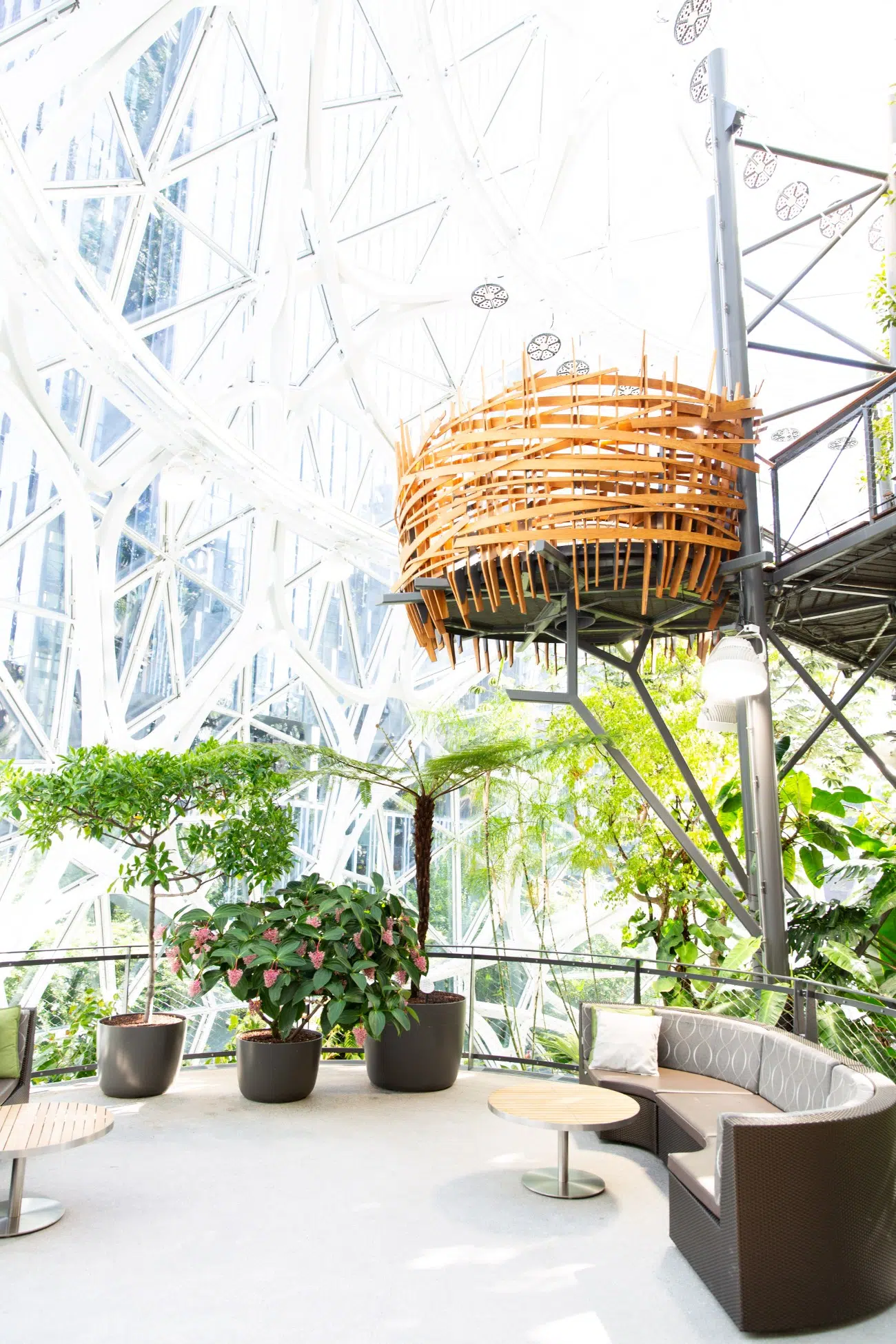
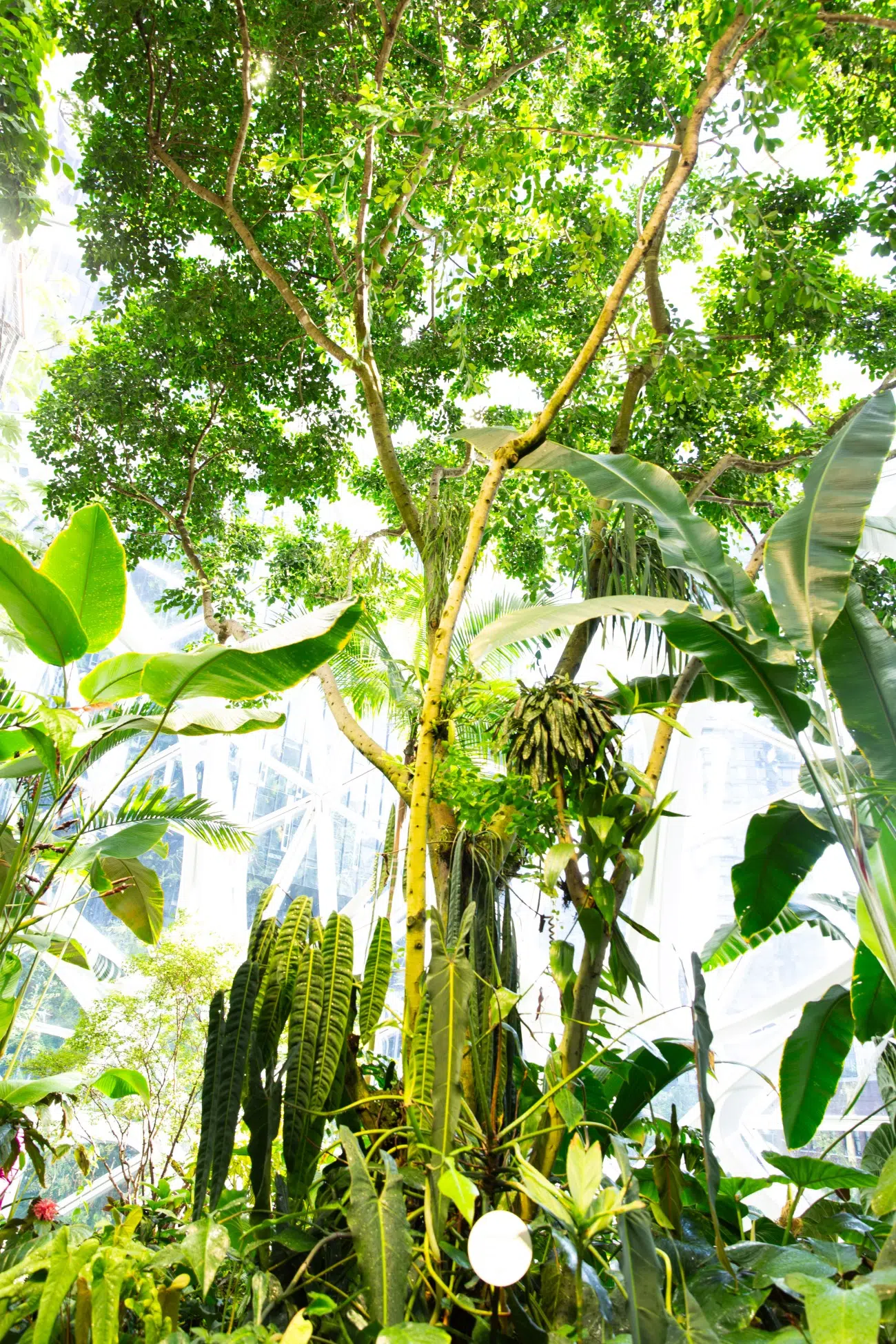
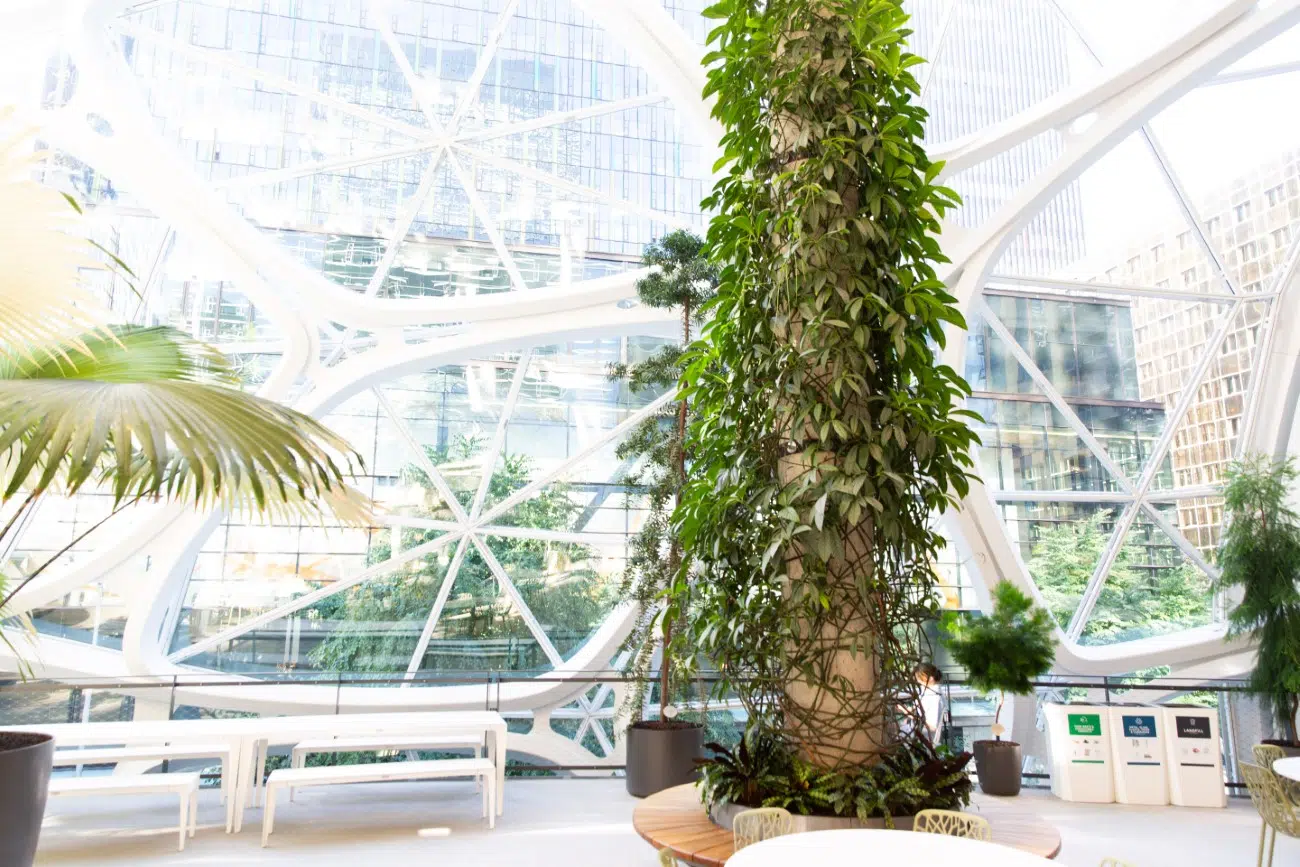
Home to over 1,000 species of cloud forest plants, horticulturalists work tirelessly to maintain bioversity within the Spheres and rotate plants year-round thanks to a collaboration with a nearby greenhouse.  Species from over 30 countries call the Spheres home, making it an incredible way to experience nature’s diversity in real life.

During his own visit, My Modern Met editor-in-chief and founder Eugene Kim was able to enjoy the space and appreciate its natural beauty. A truly unique feature in our urban fabric, the Spheres is a call to all organizations to incorporate more nature into the fabric of their operations.

Amazon’s Seattle headquarters is home to an enormous indoor garden housed in several giant globes known as the Spheres.
Amazon SpheresAmazon Spheres

Photo: Eugene Kim / My Modern Met 

This impressive example of biophilic design reconnects us with nature by bringing staff and visitors into close contact with lush plant life.
Amazon Spheres living wallAmazon Spheres living wall

Photo: Eugene Kim / My Modern Met 

Amazon Inside the SpheresAmazon Inside the Spheres

Photo: Eugene Kim / My Modern Met

Amazon Inside the SpheresAmazon Inside the Spheres

Photo: Eugene Kim / My Modern Met

The Spheres is home to over 1,000 species of cloud forest plants from 30 different countries.
Amazon Sphere PlantsAmazon Sphere Plants

Photo: Eugene Kim / My Modern Met

Amazon Sphere PlantsAmazon Sphere Plants

Photo: Eugene Kim / My Modern Met

Amazon Sphere PlantsAmazon Sphere Plants

Photo: Eugene Kim / My Modern Met

Amazon Sphere PlantsAmazon Sphere Plants

Photo: Eugene Kim / My Modern Met

Hear horticulturalist Ben Eiben speak about the Spheres.

[embedded content]

Amazon Spheres: Website 

Related Articles:

Singapore’s Apple Store Is a Sleek Glass Bubble Floating in Marina Bay

Amazon Reveals a 350-Foot-Tall Helix Covered in Trees as Its Newest Headquarters

Innovative San Jose Campus Will Feature Buildings Blurring the Line Between City and Nature

Billowing ‘Orb’ Held Together by Over 200,000 Rivets Casts Dramatic Shadow at Google Campus

Similar Posts

  • Patio House

    Patio House in Aiguablava is a minimalist residence located in Aiguablava, Spain, designed by Arquitectura-G. This…

  • Creek House

    Set amidst a volcanic boulder field in a pine and fir forest, Creek House is a family retreat that inhabits an existing outcrop clearing at the edge of the spring fed Martis Creek. Near the base of Lookout Mountain at Northstar California Resort, the house is conceived in plan as three directional bars that slide between and alongside the boulders and trees. The largest contains the main living areas and sleeping quarters. A margin sized bar houses the entry and support spaces and connects the third bar that contains a tandem, drive-through garage to the house. A south facing, 140-foot long, insulated concrete wall demarks the spaces longitudinally and situates the house in the mountainous terrain.   A shift of the major bar to the west over the natural downslope of the site earns two requested rock gardens. The garden to the east is open to the sky and built into the void left by the displacement, with building height concrete walls retained to provide privacy for the master bedroom.  The gravel surface, set with site native basalt stones and framed with water, can be viewed only through a low, three-dimensional glass box that allows the garden to penetrate the room. A rectangular basin captures snow melt to create a protective and ephemeral pool of water around this most private area of the house. The second garden to the west lives under the cantilevered house that shields the lower level from the west sun and contains the largest boulders of the site. A glazed hallway floor above reveals a dramatic drop in the topography and car sized boulders. At the top of the slope, the one-story horizontal form presents a closed and secure face to the northwestern street exposure. Fire resistive steel rain screens and tempered glazing inhabit the territories earned by the concrete wall. The mass heavy house is designed as a long thin rectangle that faces the sun to maximize solar exposure during winter and minimize heat gain from the west and east in summer. The house is cooled by prevailing breezes that flow up and through the house from the west. Radiantly heated bluestone floors, solar assisted domestic hot water and LED electric light further reduce energy demands.