Animal Barn Built in 1850 Turned into a Sustainable Holiday Home

Nestled in the ‘more Italian’ part of Switzerland and in the municipality of Corippo is the beautiful and one-of-a-kind Casa Lucciola Renovation designed by Rafael Schmid Architekten. The fabulous little holiday home with stone walls on the outside and a wood and white modern interior was once an animal barn that survived many poorly crafted makeovers over time. Originally built in 1850, the holiday home currently feels both modern and rustic at the same time with it interior featuring a variety of space-saving solutions that can be easily translated to small contemporary apartments. The entire makeover feels both chic and classy as it preserves the past while also welcoming modernity.
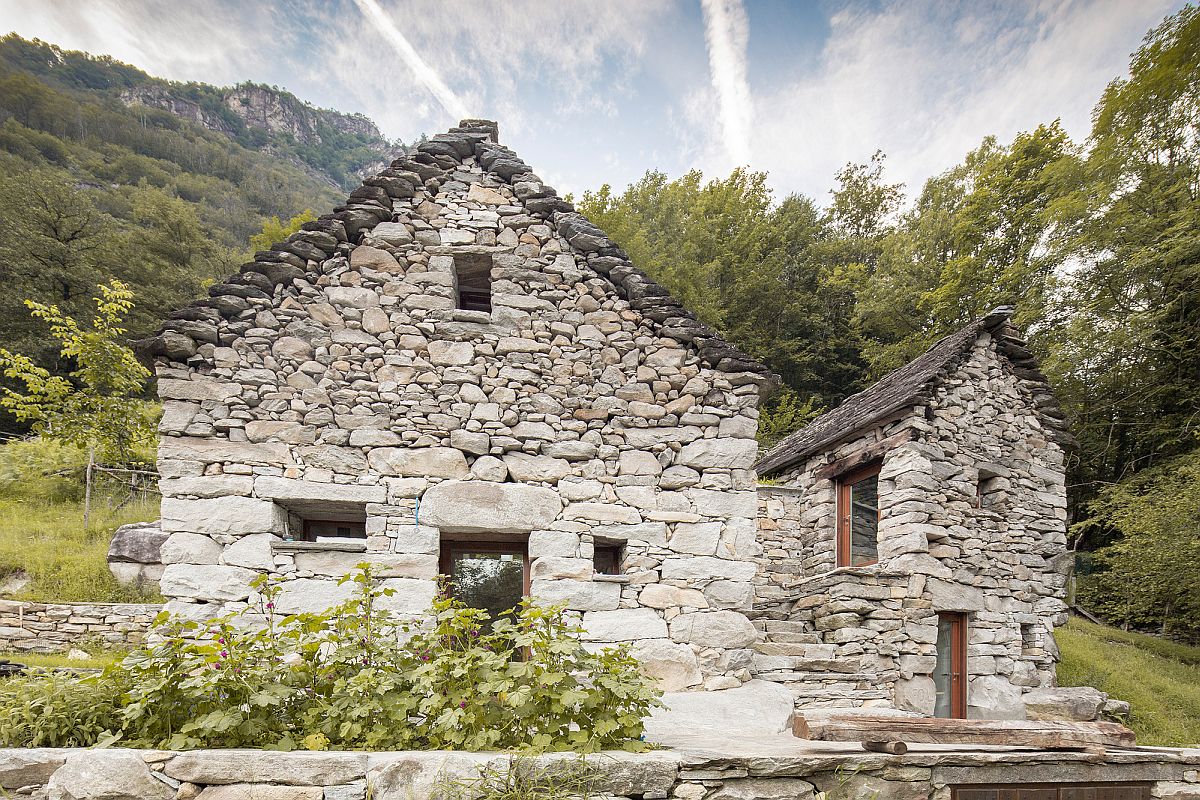
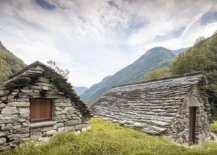
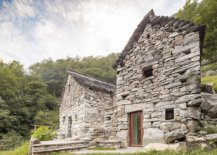
Stone exterior of the barns has been carefully preserved and improved


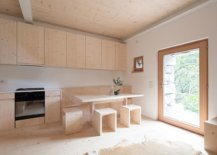
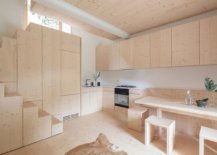
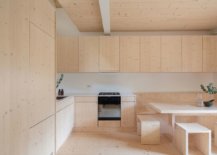
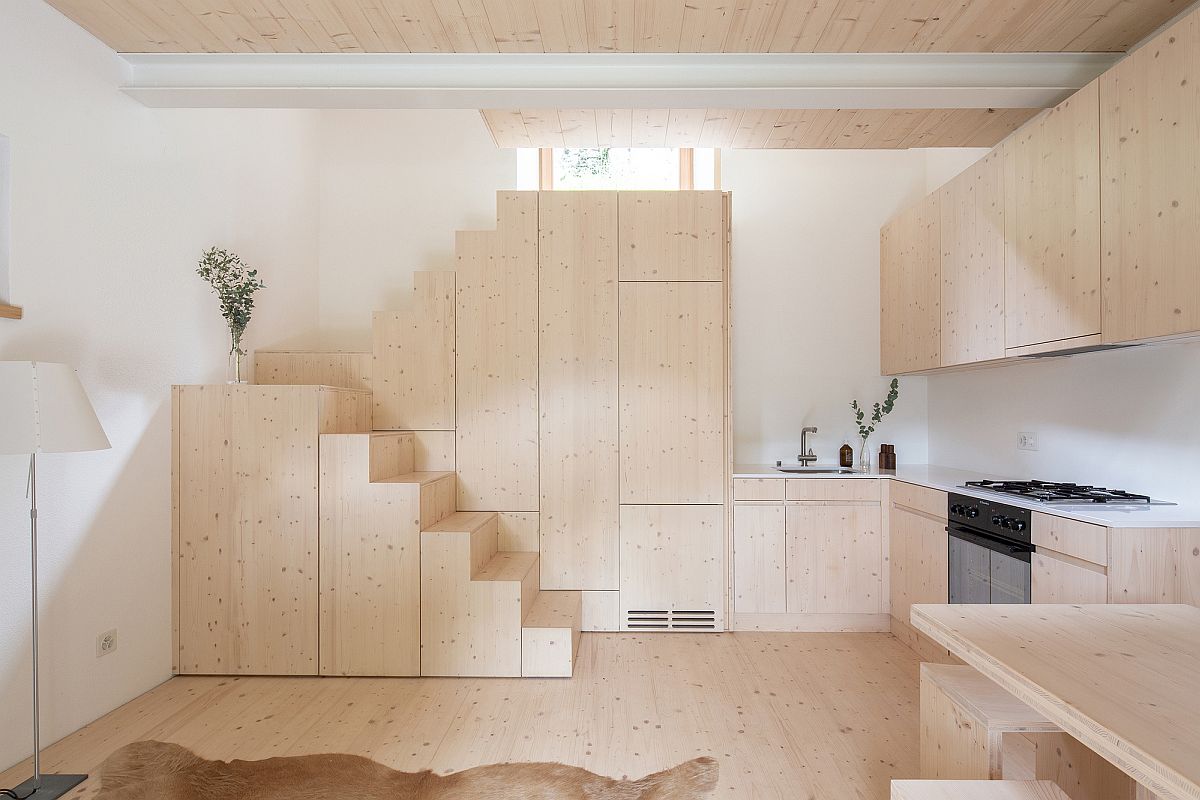
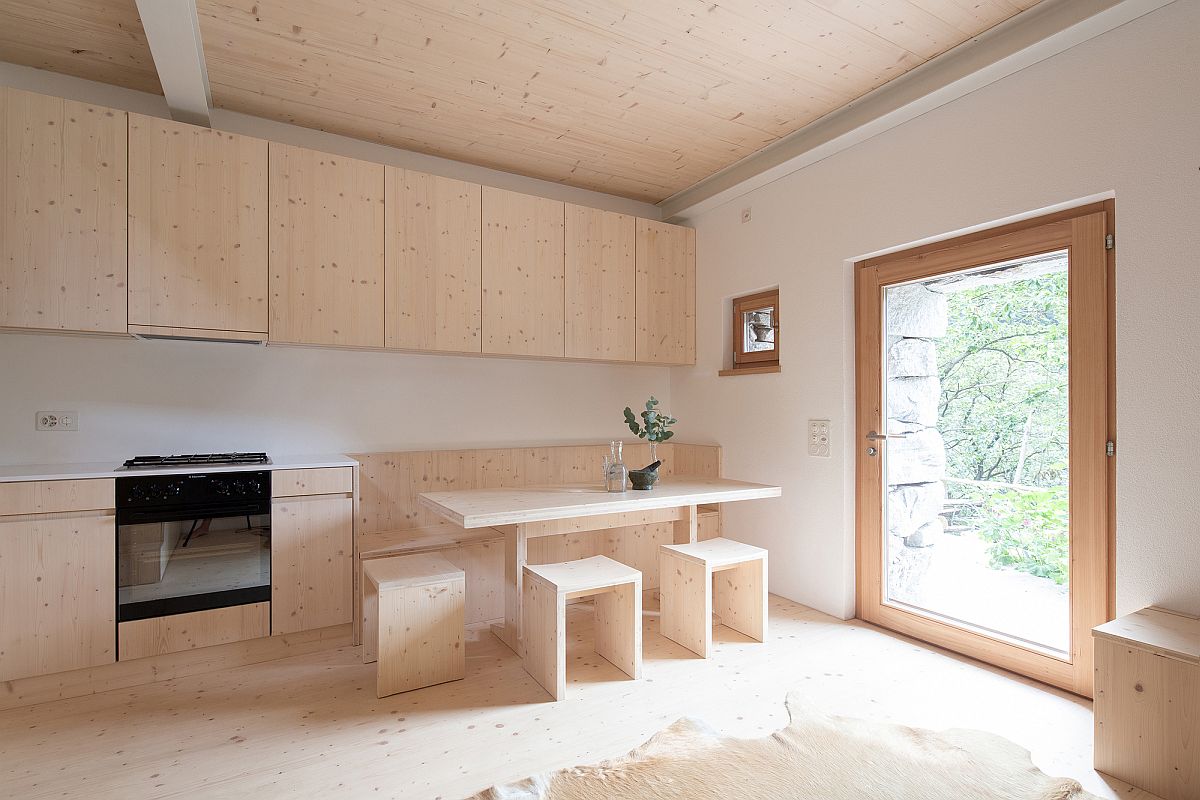
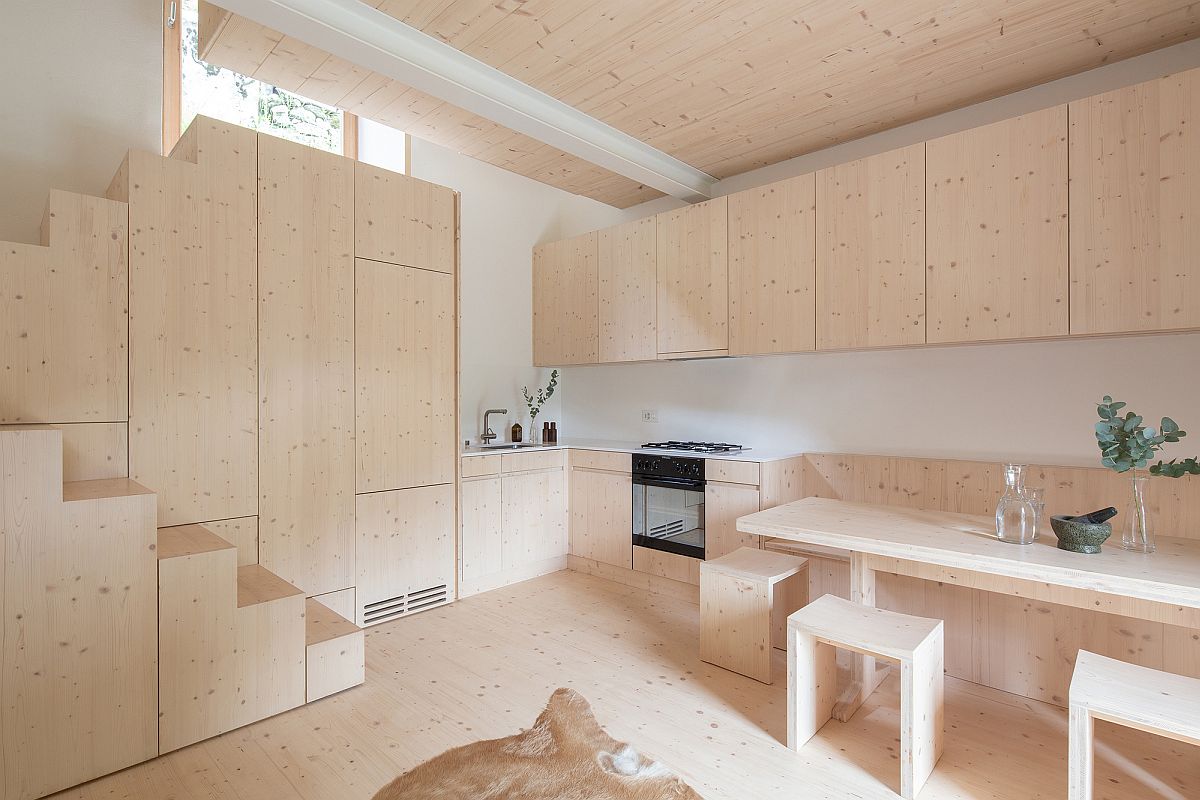
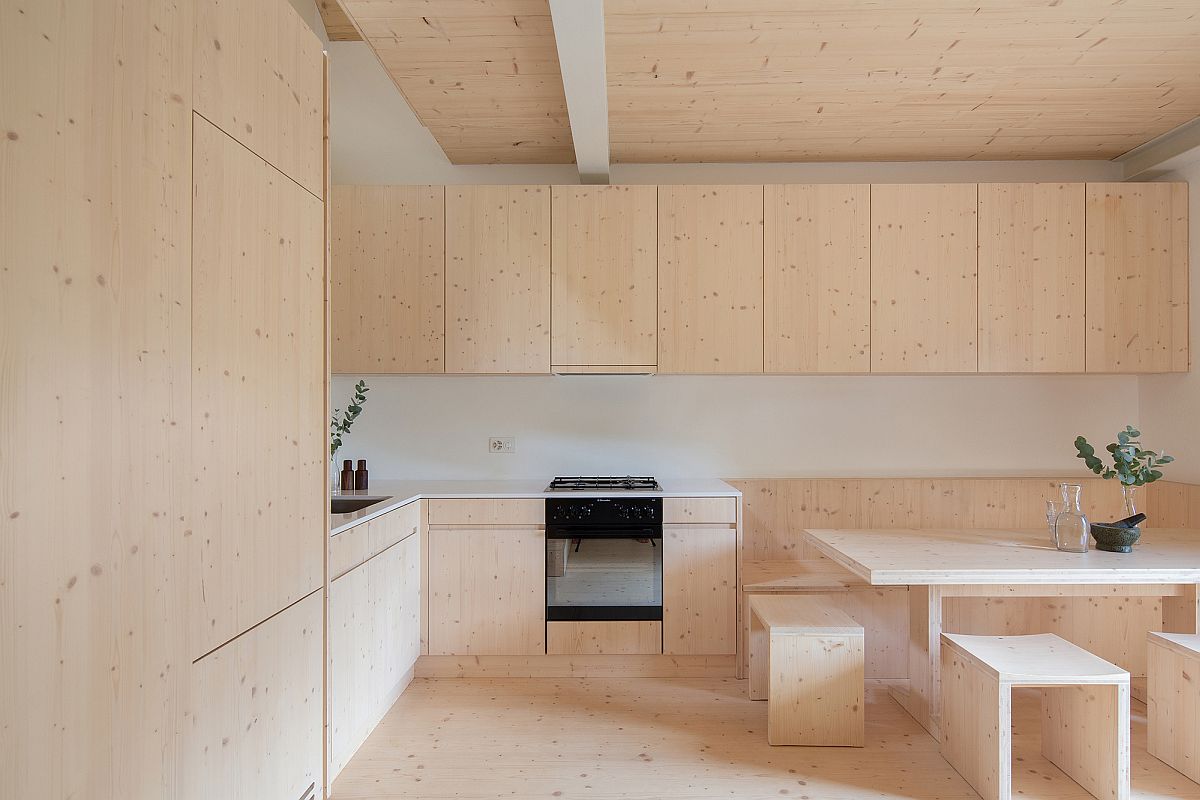
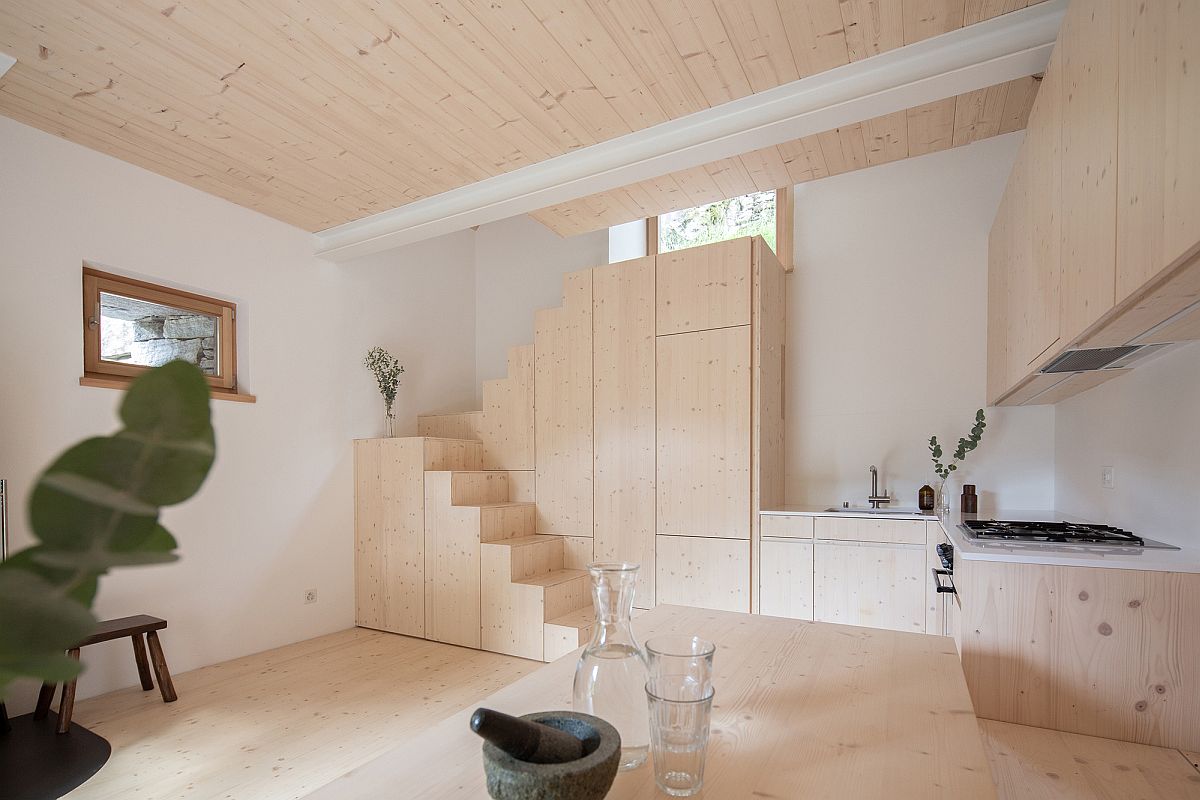
Space was the biggest issue inside this small vacation retreat that offers picturesque views of the landscape around it. The problem was solved using a series of custom décor additions in wood that morph in different rooms to serve various tasks. With box-styled wooden steps that provide additional storage, a dining table and chairs in wood, bespoke wooden cabinets and benches in the same wood, the backdrop feels monochromatic and comfy. Color is almost non-existent in here with white being used in every room. It is the lower level in both the barns that contain the living area, kitchen and dining while the upper levels hold the bedrooms and bathrooms. [Photography: Rafael Schmid]
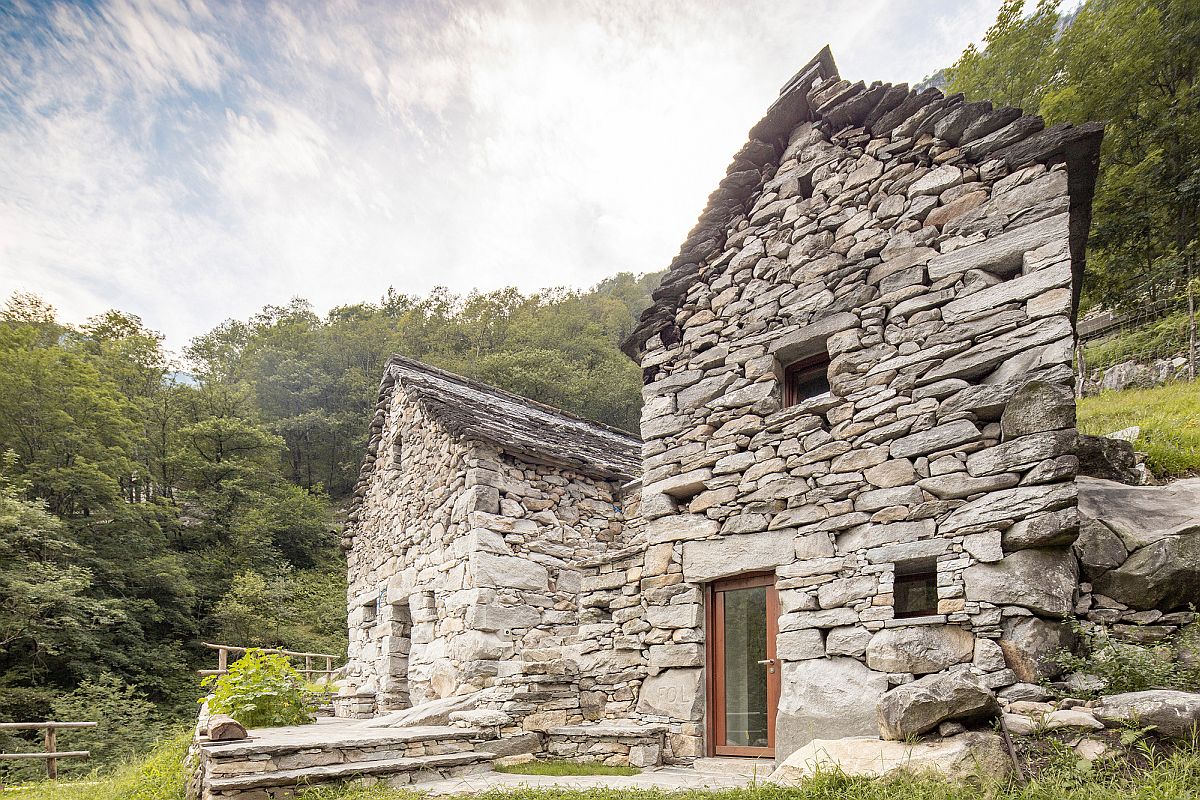
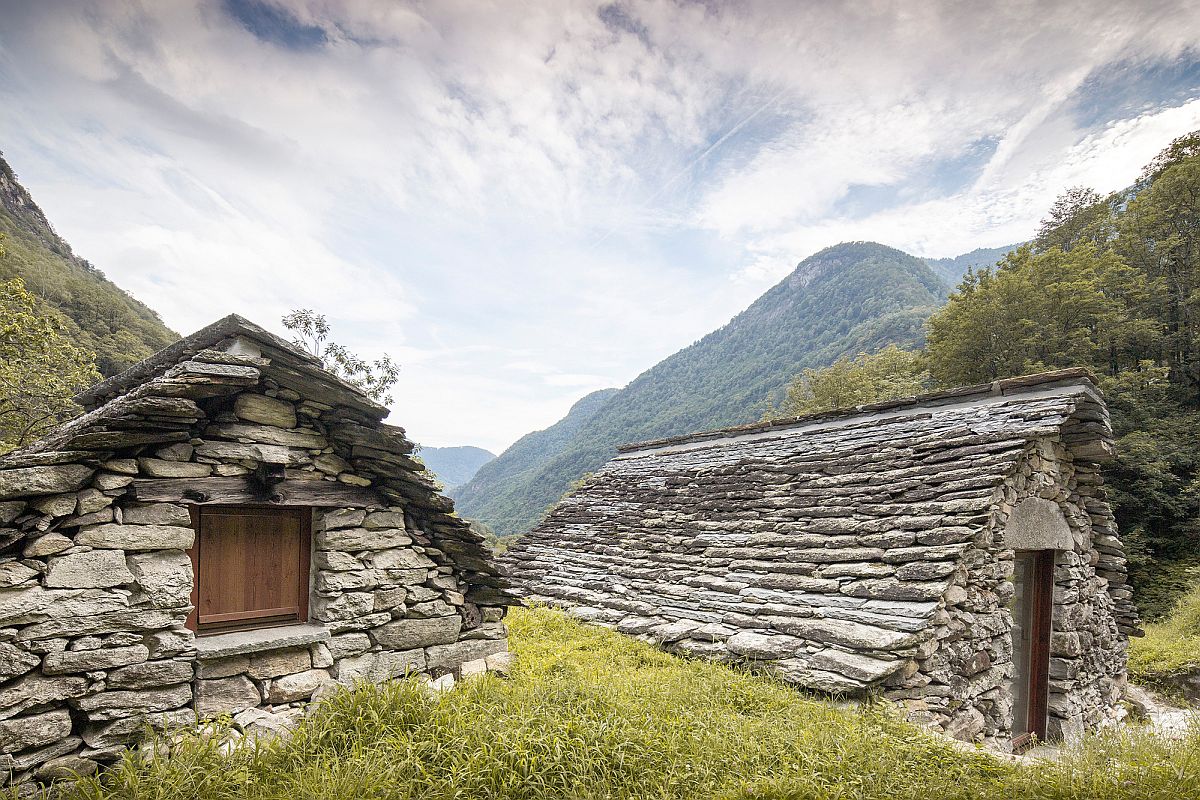
Gorgeous stone walls of the animal barns built in 1850 still stand proudly as the hold a new holiday home
Upper levels of the holiday home blend into the landscape seamlessly
Box-styled steps and series of wooden cabinets maximize space inside the small holiday home in Switzerland
Custom wooden decor inside the holiday home give it a monochromatic and space-savvy backdrop
Living area, kitchen and dining of sustainable holiday house in Switzerland
White and wood dining area and kitchen of Casa Lucciola Renovation in Switzerland

The home is fully self-sustaining. The electricity is generated through solar panels and water is directly taken out of a freshwater spring that flows next to the houses. The design supports the modern-day lifestyle in a secluded location while embracing engagement with the surrounding nature.
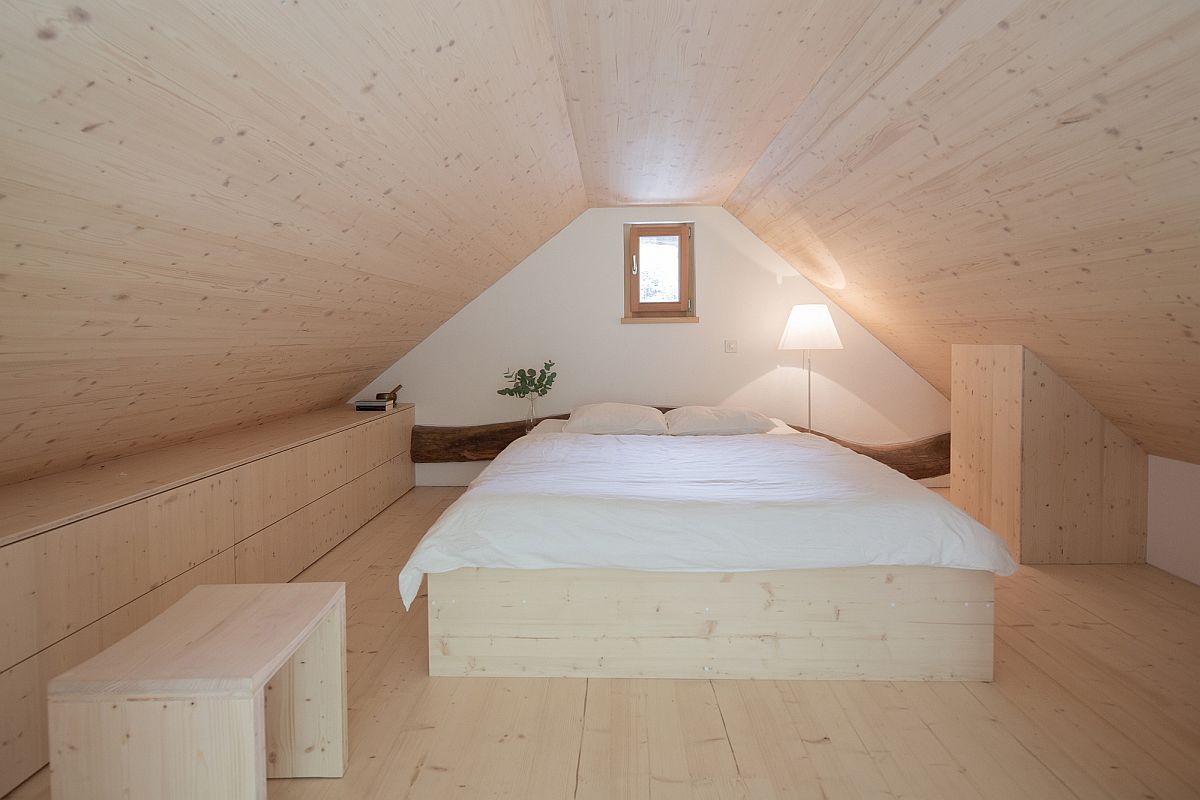
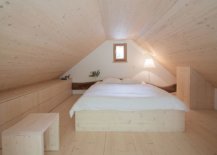
Small and cozy bedroom on the upper level makes most of limited space on offer
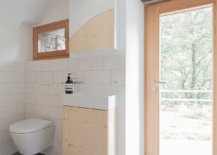
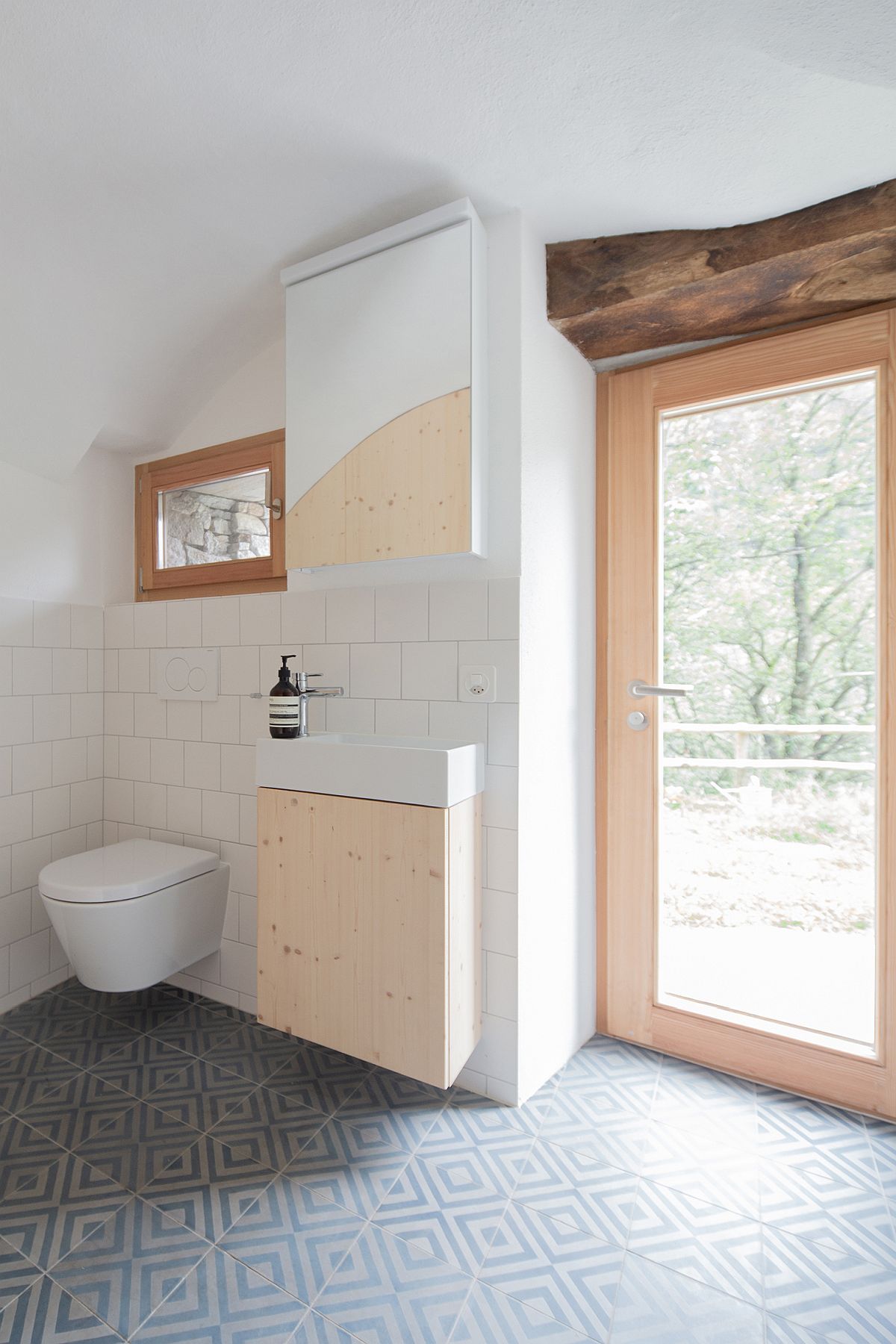
Bathroom inside the vacation home in Switzerland feels modern and has a splash of color thanks to floor tiles
Wood and white living area of the converted barn is filled with natural light
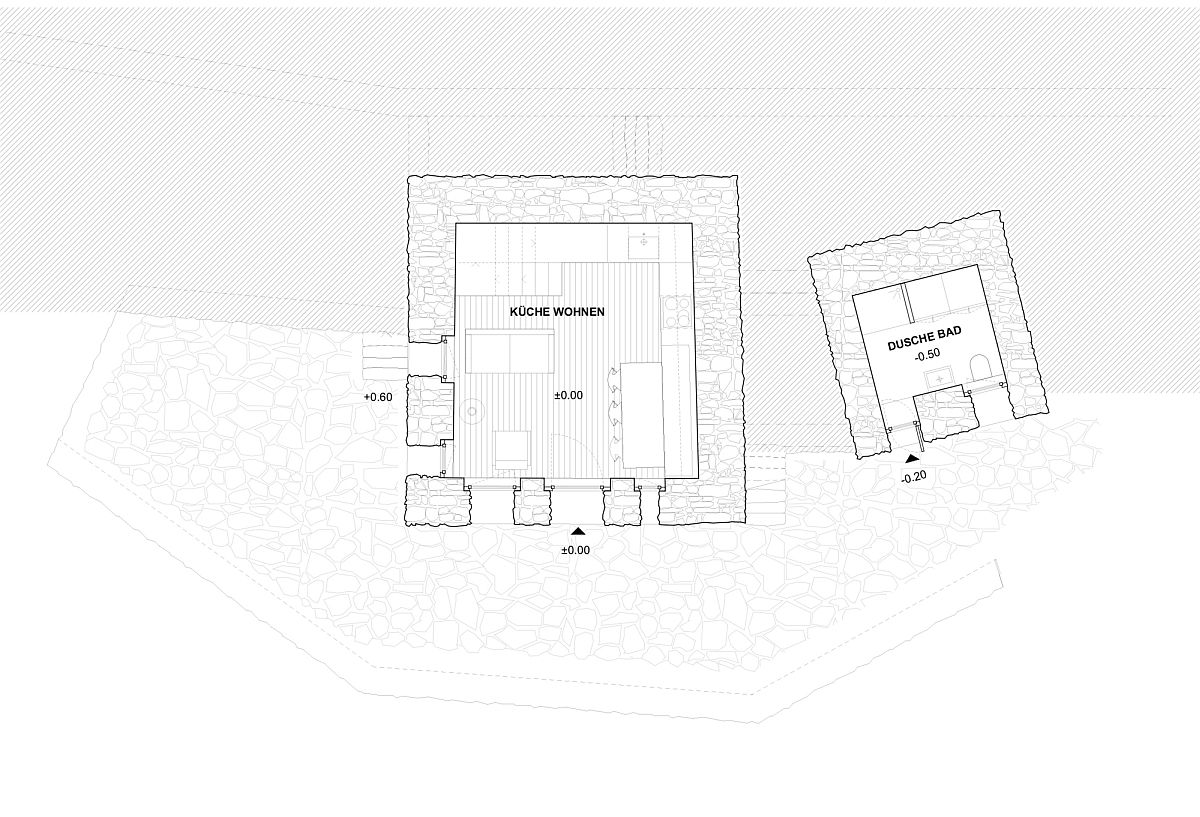
Ground level floor plan of Casa Lucciola Renovation in Switzerland
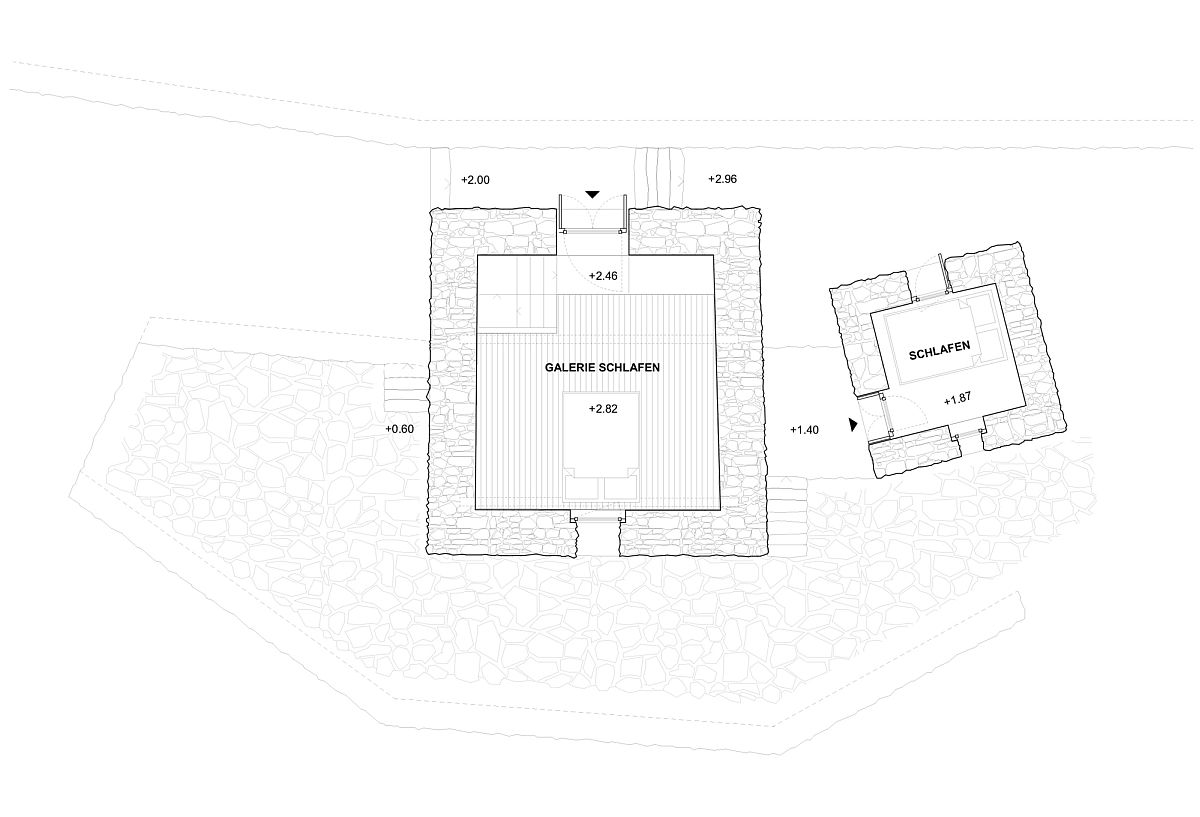
Upper level floor plan of animal barn turned into sustainable home

You’re reading Animal Barn Built in 1850 Turned into a Sustainable Holiday Home, originally posted on Decoist. If you enjoyed this post, be sure to follow Decoist on Twitter, Facebook and Pinterest.

Similar Posts

  • Good Haus

    The Good Haus celebrates the intersection between design and performance – and seeks to be an example of a “good house”. The house is the family home of principals Mela Breen and David Good (designer and builder) – and playfully gets it’s moniker from Dave’s last name. So what is our idea of a good house? In this case it is one that is pushing the possibilities of a site specific design while holding itself accountable to reaching the highest level of energy efficiency. Our good house is one that embodies our beliefs about resiliency, efficiency, health and comfort, beauty and playfulness. The DNA for the Good Haus is established by the site, a steep and rocky hillside that spills down onto a small neighboring foothill meadow. A limited buildable footprint, season drainage concerns, and an inviting flat outcrop of granite drove the initial design. Two intersecting geometric volumes were conceived, each reaching out to connect the building to the landscape, each intersecting the other and providing counter balance. The main first floor volume is a long south facing rectangle that stretches and anchors in the granite. A deep west facing porch protects the house from overheating, bridges a rocky drainage and links the open floor plan to the landscape with a large outdoor living space. The second floor volume runs perpendicular to the main living space and cantilevers to create a covered north entry, while a balcony on the south side cantilevers towards the oak canopy – creating a sense that the master bedroom is in a tree house. The exterior material pallet is in keeping with our love for the handmade modern. Cedar siding from trees grown on Mela’s childhood property and milled by her father is mixed with standing seam metal roofing that turns downing to clad the walls as a way to articulate the building form. Because the topography falls roughly 12’ over the relatively narrow width of the house, and the granite spine to the west hinted at what might lay below the soils (giant boulders and bedrock), we opted to build the first floor primarily on a steel pier and beam structure with a metal pan deck. This allows the building to float above the rocky drainage. The complexity of the design, with its cantilevers and steel deck foundation, require a heightened attention to the air sealing and insulation details. The super insulated, air-tight building envelope is wrapped in exterior Rockwool insulation, all the connections between interior and exterior structural members are meticulously detailed to avoid thermal bridges, and triple pane European windows and doors are used to maximize light, comfort, and performance. A CO2 heat pump water heater provides the most efficient domestic hot water delivery. Balanced heat recovery ventilation offers high indoor air quality and uniform temperature distribution. Indoor climate control is provided by super efficient ductless mini splits. A 6.5 kw roof mounted photovoltaic system is installed to offset the home’s energy usage (including the charging of an electric car) – creating a zero net energy building.