Techno culture in berlin Earns UNESCO nod
Berlin techno has been awarded UNESCO World Heritage status, solidifying its significant contribution to the city’s cultural identity. This decision comes after decades of the scene fostering a unique space for self-expression and community, especially for marginalized groups. Now, it’s joined the UNESCO List of Intangible Cultural Heritage which recognizes and safeguards important traditions, practices, and expressions that aren’t physical objects. Berlin Techno was one of six additions to this list, alongside other German traditions from viez cider to mountaineering in Saxony.
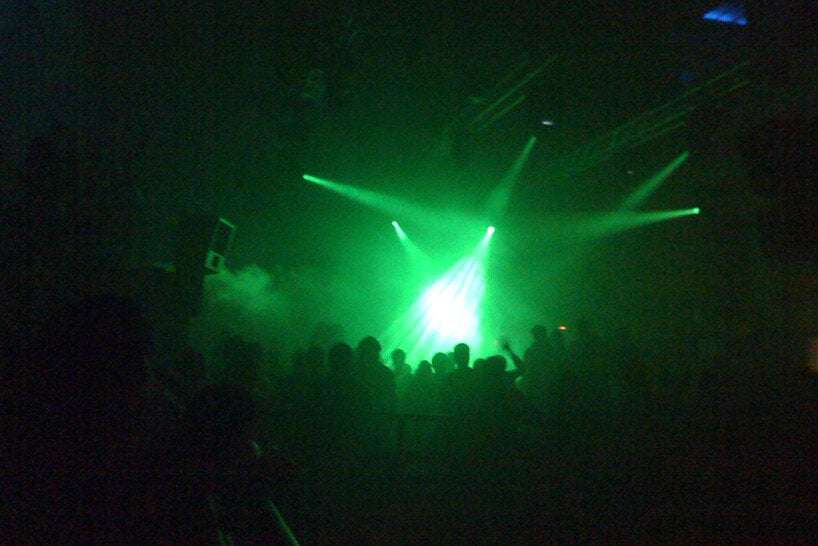 Berghain Berlin, image © Thomas Angermann
the genre’s legacy in germany
Techno has ‘shaped large parts of the city of Berlin since the mid-to-late 1980s,’ UNESCO said when it announced the news on March 14th, 2024. While the genre has roots stretching back since the mid 1980s in both Germany and the United States — especially Frankfurt, Berlin, and Detroit — the scene took off during the aftermath of the 1989 fall of the Berlin Wall. It was then, a time when much of East Berlin was empty, that abandoned industrial spaces in the German capital were transformed into nightclubs like the notorious and revered Berghain, founded in 1998. With its experimental electronic sounds, this new artistic movement had resonated with a generation growing up during the Cold War, and in the long shadow of the second World War, and yearned for freedom and expression. ‘From the DJ culture that emerged in previous years, techno became the soundtrack of the spirit of optimism after reunification,’ UNESCO continues.
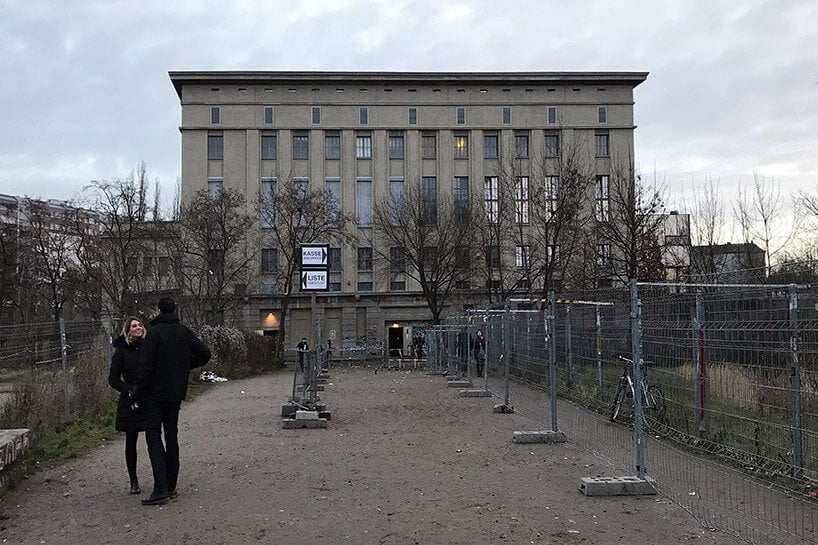
Berghain Berlin, image © Darkroomduck
Rave the Planet, a Berlin-based non-profit organization, took the lead in advocating for UNESCO recognition. It actively campaigned to raise awareness about the cultural significance of Berlin techno, documenting its history, social impact, and ongoing evolution. The status extends beyond just prestige. The designation could help safeguard Berlin techno from threats like gentrification or stricter regulations that could stifle the scene’s creativity. UNESCO recognition could help to preserve venues from displacement due to gentrification, and could help advocates limit strict noise regulations or limitations on club hours.
🥳 WE DID IT!#Techno Culture in #Berlin is now officially recognized as @unesco_de #IntangibleCulturalHeritage!
Thanks to all cultural creators who shaped this #culture. This is a major milestone & our joy is beyond words!
•#ravetheplanet #ImmateriellesKulturerbeDeutschland pic.twitter.com/SWhZMxkXfI
— RAVE THE PLANET (@ravetheplanet) March 14, 2024