Bridge House: Sea Views on All Sides Await at This Stunning Contemporary Escape

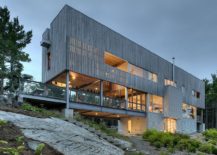
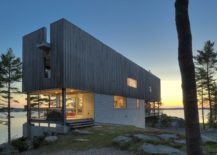
A natural retreat for the family is one we all long for and very few of us have the privilege to enjoy one that is as spectacular and relaxing as the Bridge House designed by Mackay-Lyons Sweetapple Architects in Canada. The house has been crafted largely in wood and sits on a rock with the sea on both its sides. This makes the home even more special and it is the gorgeous views outside that seal the spotlight here at every turn. Despite its more rustic appeal on the outside, on the inside you have a home that feels contemporary and relaxing at every turn. Neutral colors take precedence here with glass walls ushering in a flood of natural light.
Bridge House: Sea Views on All Sides Await at This Stunning Contemporary Escape


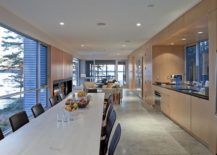
It is the lower level of the house that contains the living area along with dining space and kitchen while the upper floor holds the four bedrooms along with other guest rooms and bathrooms. A series of decks, outdoor hangouts bridges and walkways around the house extend the living area outdoors and ensure that there is no dull moment as the entire family comes together at this seaside retreat. Geothermal heating and passive solar heating techniques complete an escape that is both pleasing and functional. [Photography: Greg Richardson]
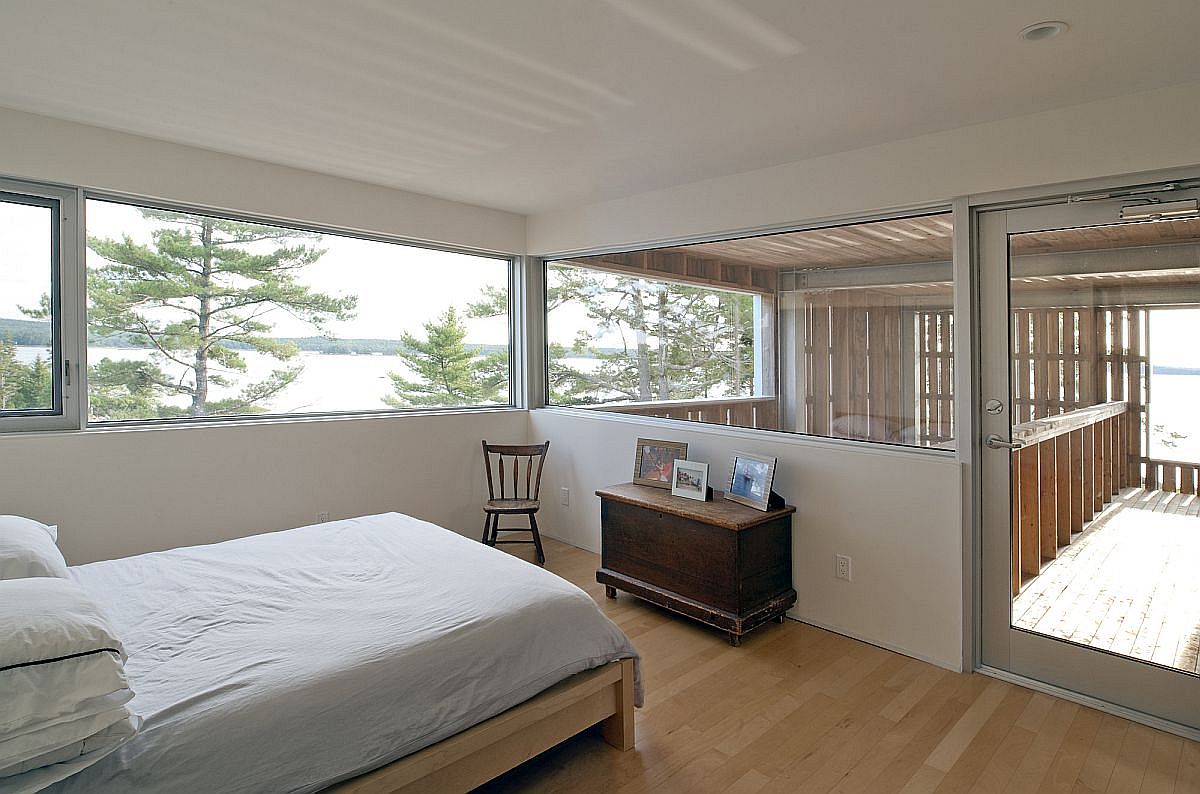
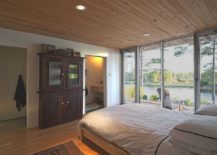
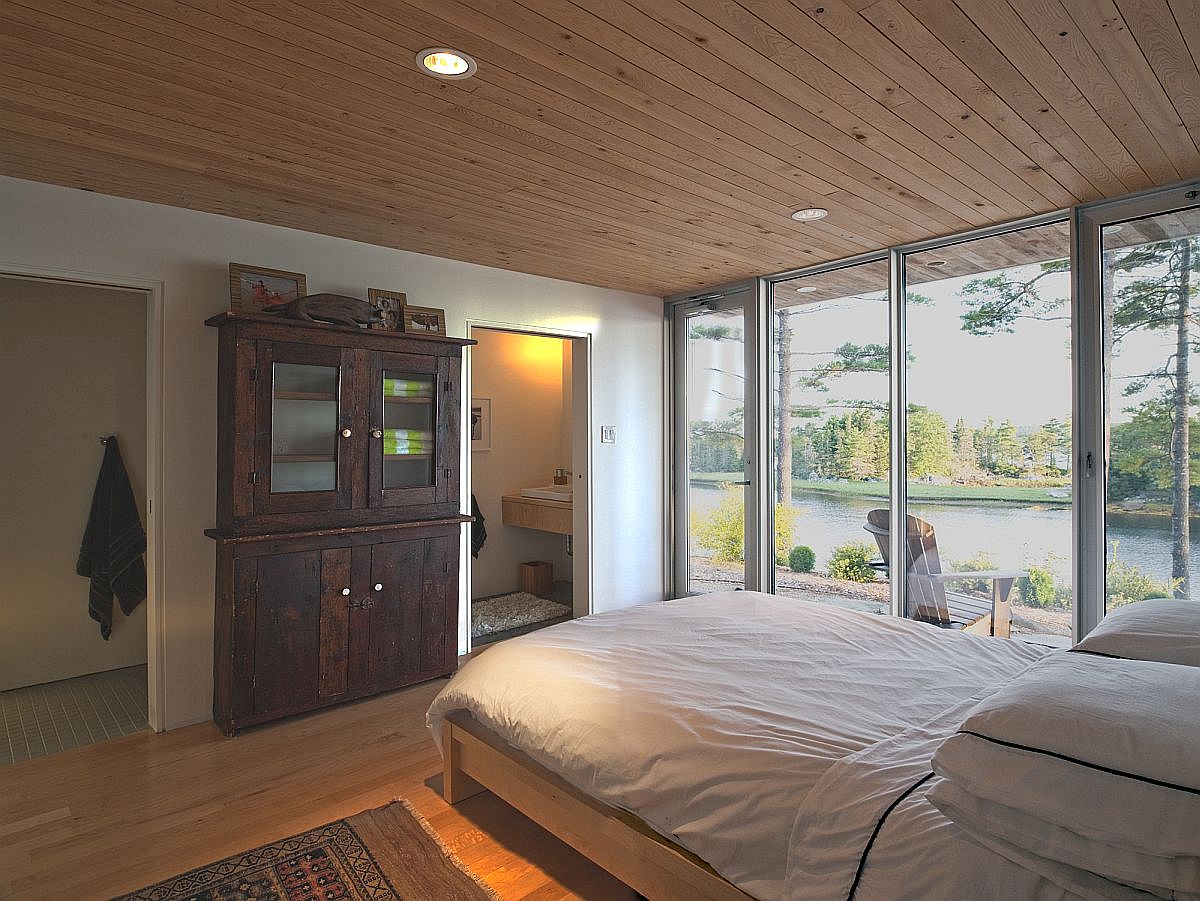
Fabulous views of the sea from all around the bedroom make a big visual impact
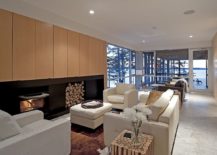
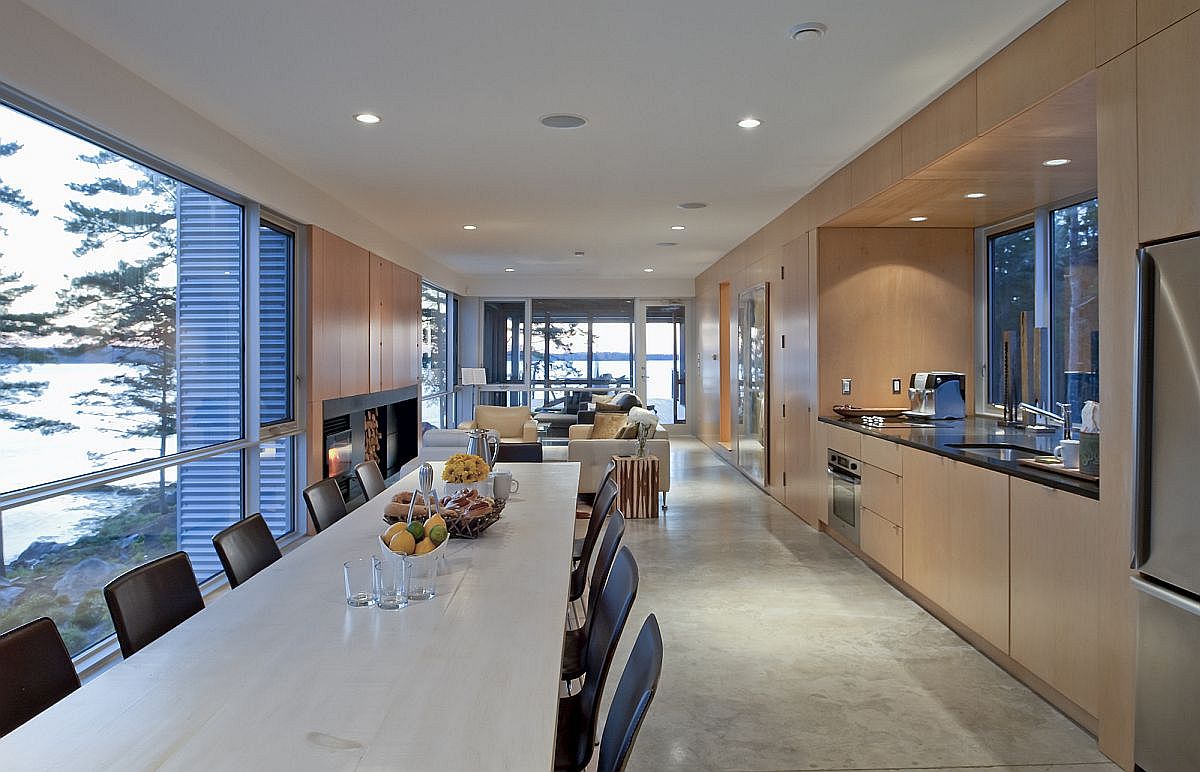
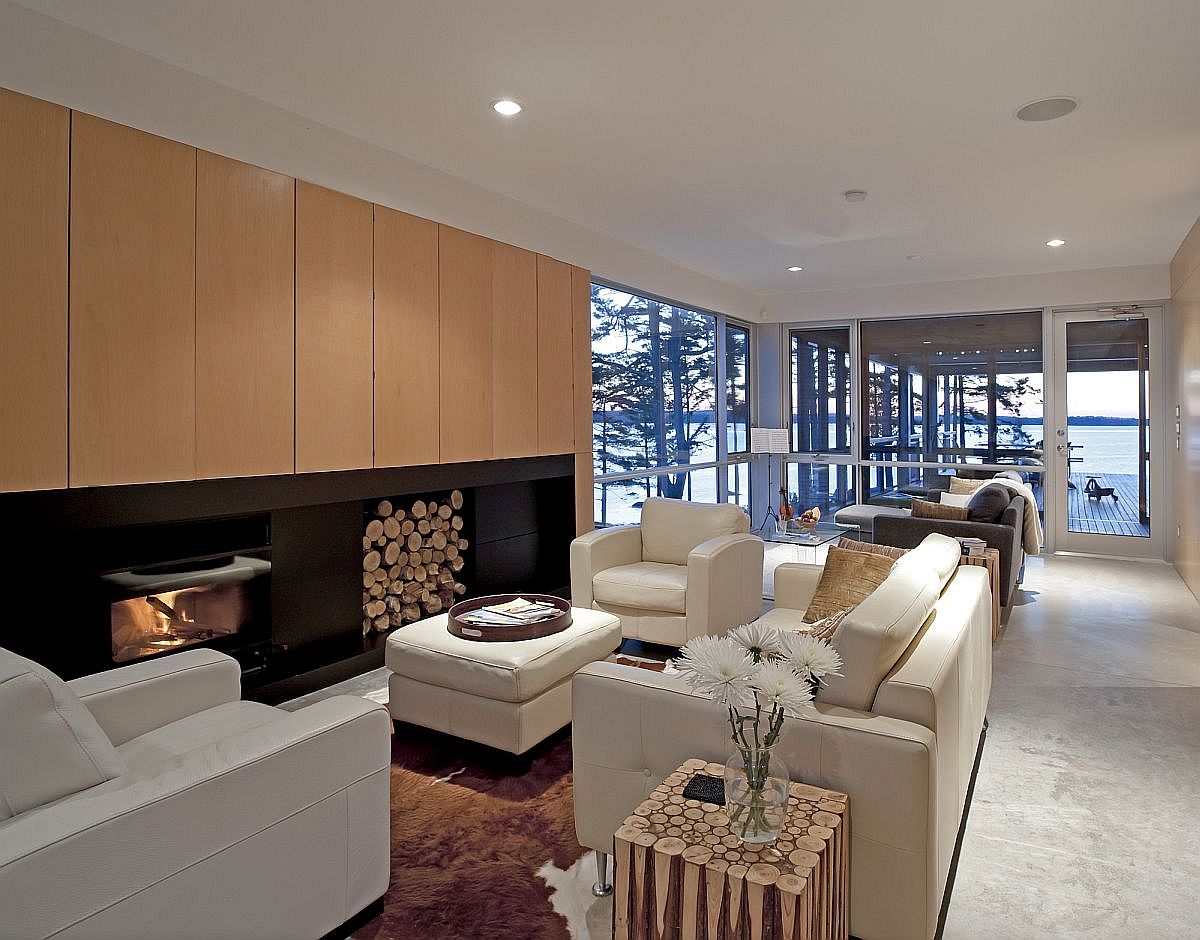
Open plan living area of the contemporary Bridge House in Canada
Woodsy ceiling and floor of the bedroom with view of the sea from he window
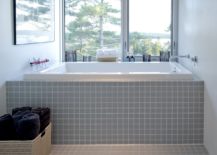
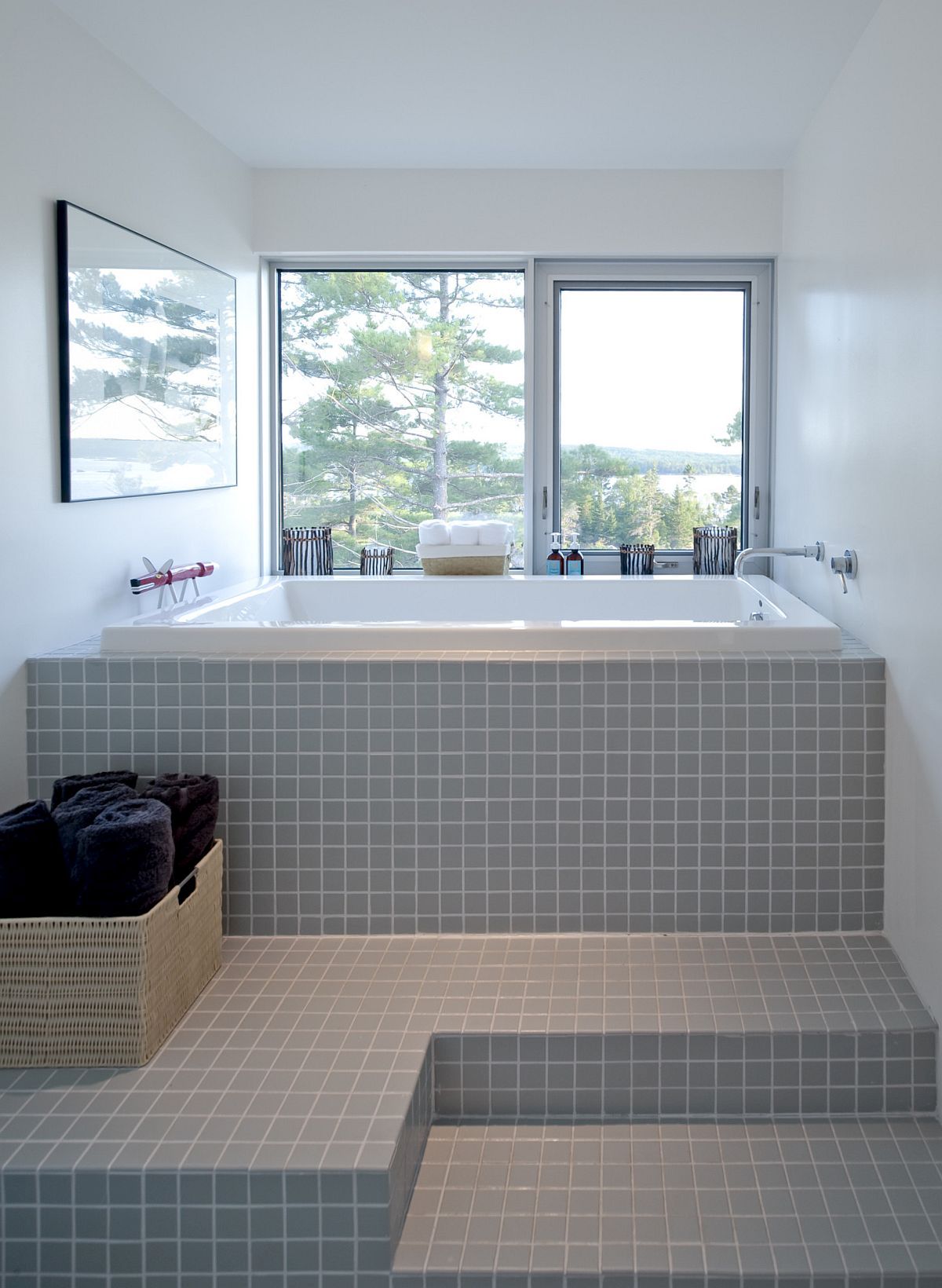
Bathroom in gray and white seems simple and elegant

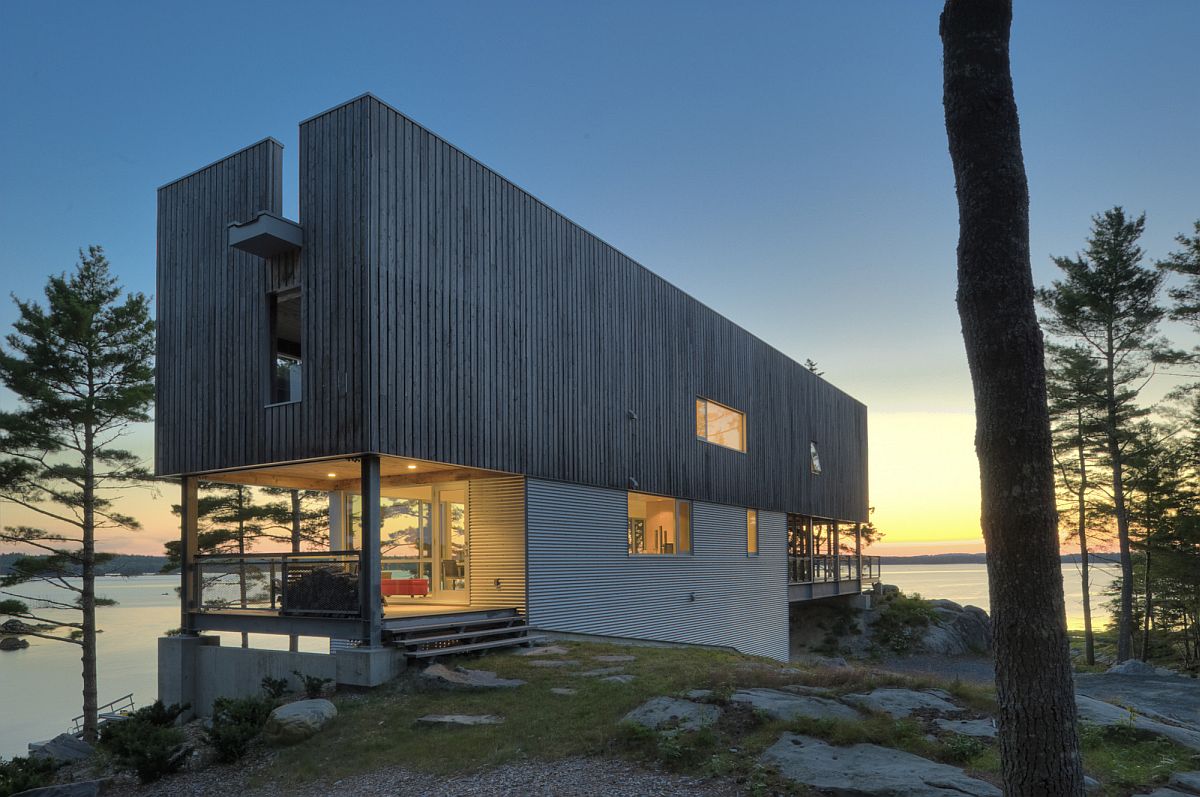
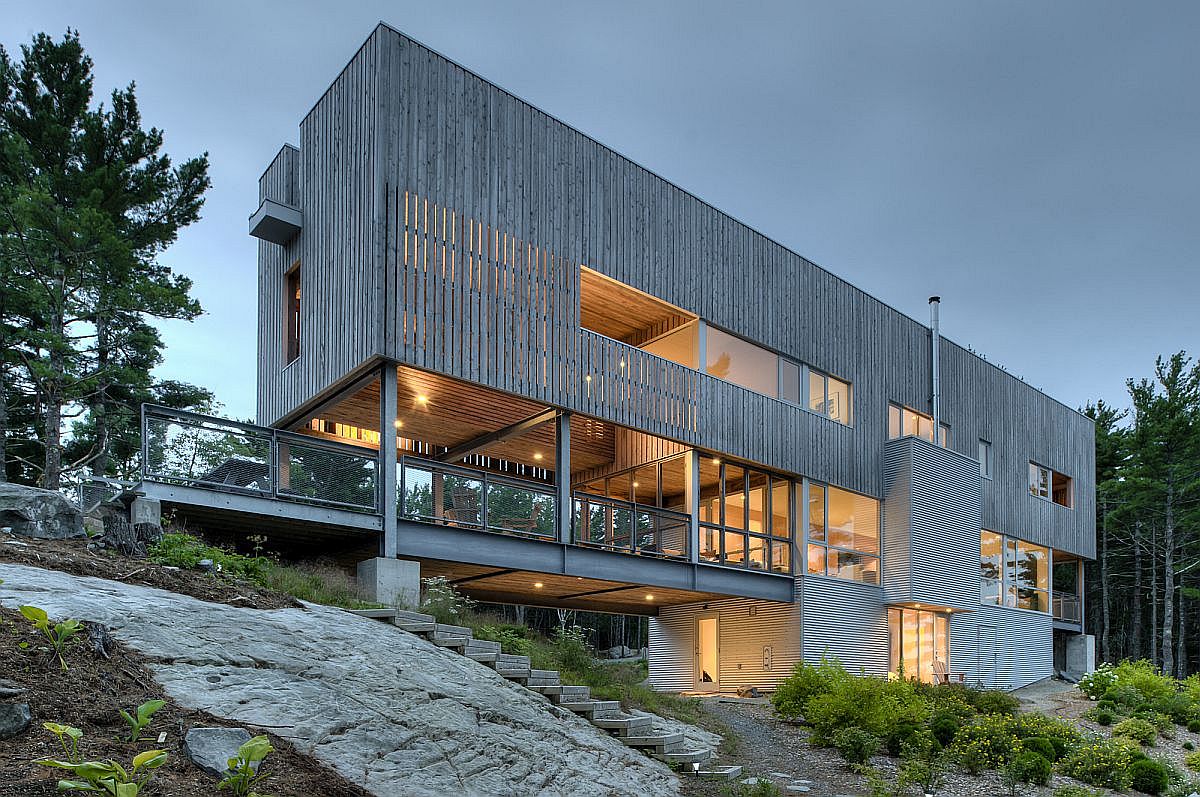
A steel primary skeleton is revealed as the board-and-batten, monolithic, wood envelope delaminates. Two giant scuppers celebrate getting the rain off the roof. A geothermal hydronic heating system is a component of a passive solar approach. This is a robust, muscular building in a powerful landscape, which will weather well over time. It is, however, domesticated by a series of incisions which infect it to the specifics of the site, climate, and views.
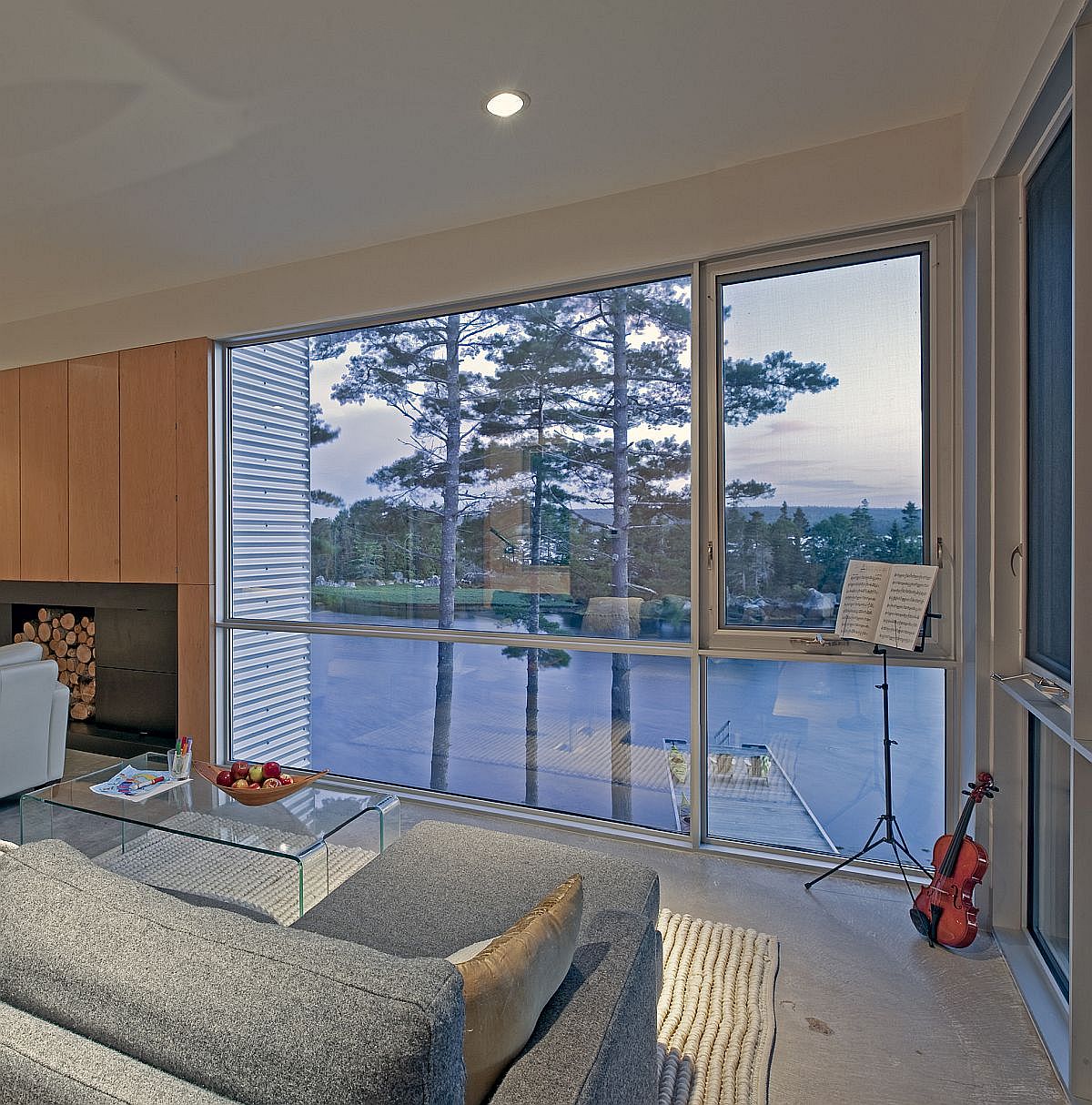
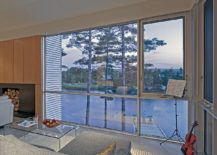
Beautiful views of the sea from the modern Bridge House steal the spotlight
Bridge House designed by Mackay-Lyons Sweetapple Architects in Canada
Dining space and kitchen of the smart contemporary home in Canada

You’re reading Bridge House: Sea Views on All Sides Await at This Stunning Contemporary Escape, originally posted on Decoist. If you enjoyed this post, be sure to follow Decoist on Twitter, Facebook and Pinterest.

Similar Posts

  • Abraham Shapiro, AIA, Architect

    Abraham Shapiro, AIA, Architect :: Mid-Century Modern. Tucked into a cul-de-sac at the very top of the Encino hills, a stone’s throw to Mulholland and a three-minute drive to the Skirball Cultural Center, this masterfully designed and recently renovated architectural home is close to everything the City has to offer. Next door to Bel Air, Brentwood and Beverly Hills, with easy access to the 405, and just up the street from Ventura Boulevard, the location couldn’t be more convenient. Designed as his own personal residence by influential architect Abe Shapiro, onetime partner of both Bill Krisel and Herb Nadel, this historic property has the clean lines and disciplined detailing consistent with the preeminent USC School of Architecture that dominated residential design in LA in the middle part of the last century. Rebuilt from top to bottom in 2016, the result is a brand new home respectful of the original design, yet upgraded to the standards of the new millennium. Floor-to-ceiling glass doors connect the interior to the landscape, flooding the interior with natural light, together with skylights and clerestory windows. An elegant cook’s kitchen with sleek custom cabinetry and high-end appliances opens directly to the living room and dining room, ideal for entertaining. Valley views, multiple fireplaces, sculptural wine display cabinet, wide plank white oak floors, Carrara marble, porcelain tile, European hardware, designer light fixtures, swimming pool with spa, fire pit, and outdoor kitchen complete the unparalleled package of amenities.

  • Cascading House

    The site has the typical challenges of many urban lots in Ho Chi Minh city: abutted by tall neighboring houses, small developable area relative to the clients’ program, and compromised access to daylighting and natural ventilation. Due to the height restriction, the house was pushed 1 level below the ground to accommodate the large program. In an effort to solve as many issues as possible, we proposed a concrete column system hidden inside the north and south concrete wall that face the neighbors, acting as the primary structure for the house and freeing up the space in-between. These concrete walls provide privacy to the clients and their family, and open up the east and west facade for views and outdoor-indoor connection. Because the column system extends continuously from the basement to the roof, the concrete beams spanning in-between can be moved vertically without any structural concerns. This flexibility also meant total discretion to determine the elevations of the upper floors–which we intended to take advantage of. By convention, the program is stacked floor-by-floor to maximize the usable area of a small lot which could result in monotonous and isolated spaces. We wanted to do just the opposite: visually and spatially connecting the different parts of the house together by splitting the floor plates, and then cascading them to create a multi-story atrium. In this space, life unfolds naturally; once a family member steps out of the bedroom, he/she will be in an all-connected “room”, and in the company of another member, whether that person is on the other side of the atrium or 2 levels above. In addition to spatial articulation, this atrium brings daylighting down to the basement, and–working with the 2 sunken gardens which are naturally filled with cool air–aids the stack effect by letting the hot air rises to the top. The temperature of the lower floors, as a result, becomes more comfortable. From the outside, Cascading House looks solid as a rock that provides sturdy shelter. The interior, however, feels as porous as a sponge soaking up natural light and air, and brings family members closer together–the qualities that make this house a home.