Cheech Marin Speaks About His Love for Chicano Art and the Collection That Led to a Thriving Museum [Interview]

Cheech marin portrait in Black and whiteCheech marin portrait in Black and white

Photo: David Fouts

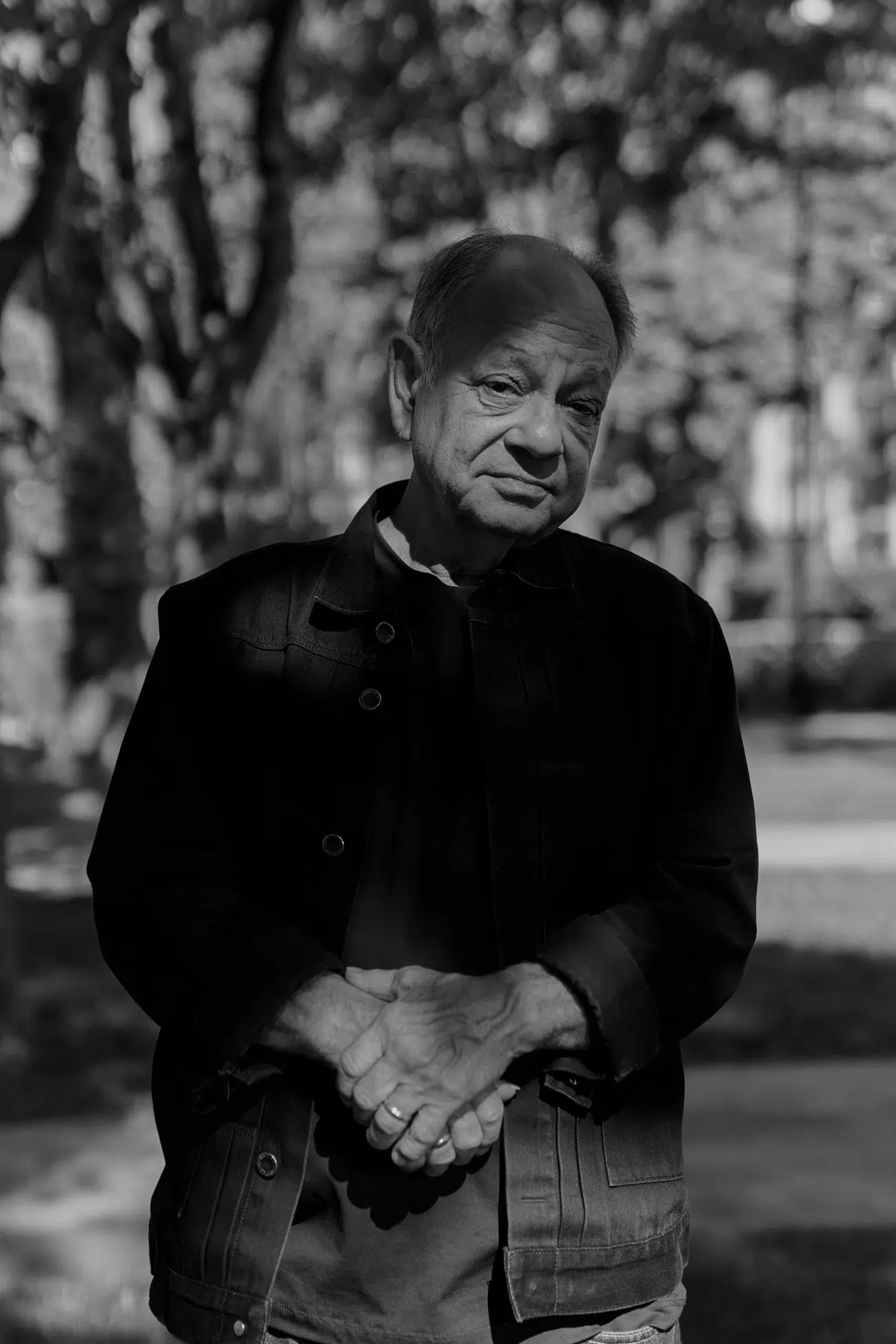
For most people, Cheech Marin is known as part of the comedic duo Cheech & Chong, who were at the peak of their fame in the 70s and 80s. But for the art world, Marin has long been one of the greatest patrons of Chicano art. This artistic movement has its roots in the plight of Mexican Americans in American society, taking a stand against racism, oppression, and class disparity. This inspired Marin, born in LA to Mexican parents, to support and boost his fellow Mexican American creatives. He has since then acquired the most renowned Chicano art collection in the world, all built from a thorough understanding of and admiration for its artists.

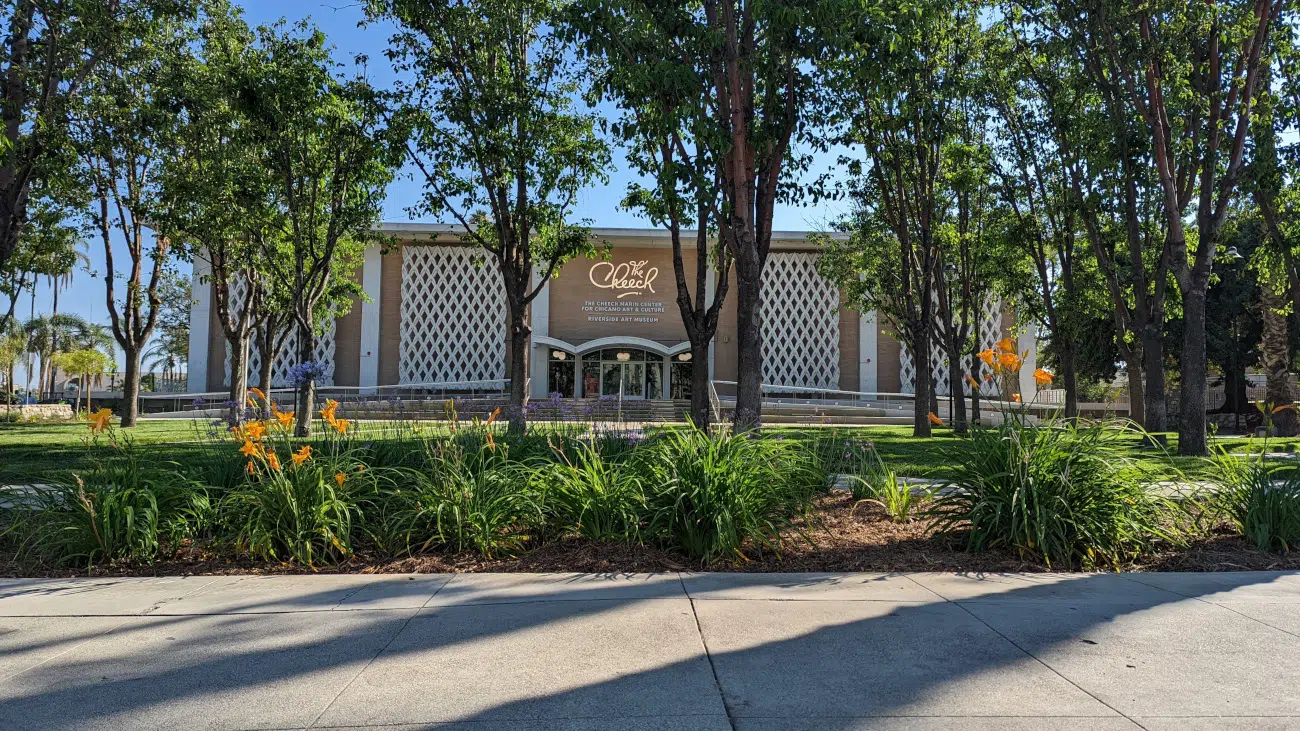
Having previously lent his collection to museums around the country, Marin donated 550 paintings, sculptures, and other artworks to the Riverside Art Museum. In 2022, this led to the creation of the The Cheech Marin Center for Chicano Art & Culture, located in the museum’s former library building from the 1960s.

The Cheech, as it is known, is now considered one of the largest permanent collection of Mexican-American Art in the United States. The institution also welcomes temporary exhibits, with the latest being the recently opened Soy de Tejas: A Statewide Survey of Latinx Art, featuring the work of 40 creators born or based in Texas.

“Being a Chicano has always meant being in the middle—being an American but also being proud of your roots,” Marin said back when the museum opened its doors. “Everybody is different, and we all have to learn to get along. Being a Chicano means forging your own path.” The comedian also elaborated on how Chicano art can be political or non-political, personal or universal, but it always reveals “the sabor (flavor) of the community.”

We had the honor of speaking with Marin about his start as a collector, his favorite creatives, and what he hopes people take away from this art movement. Read on for My Modern Met’s interview with Cheech Marin.
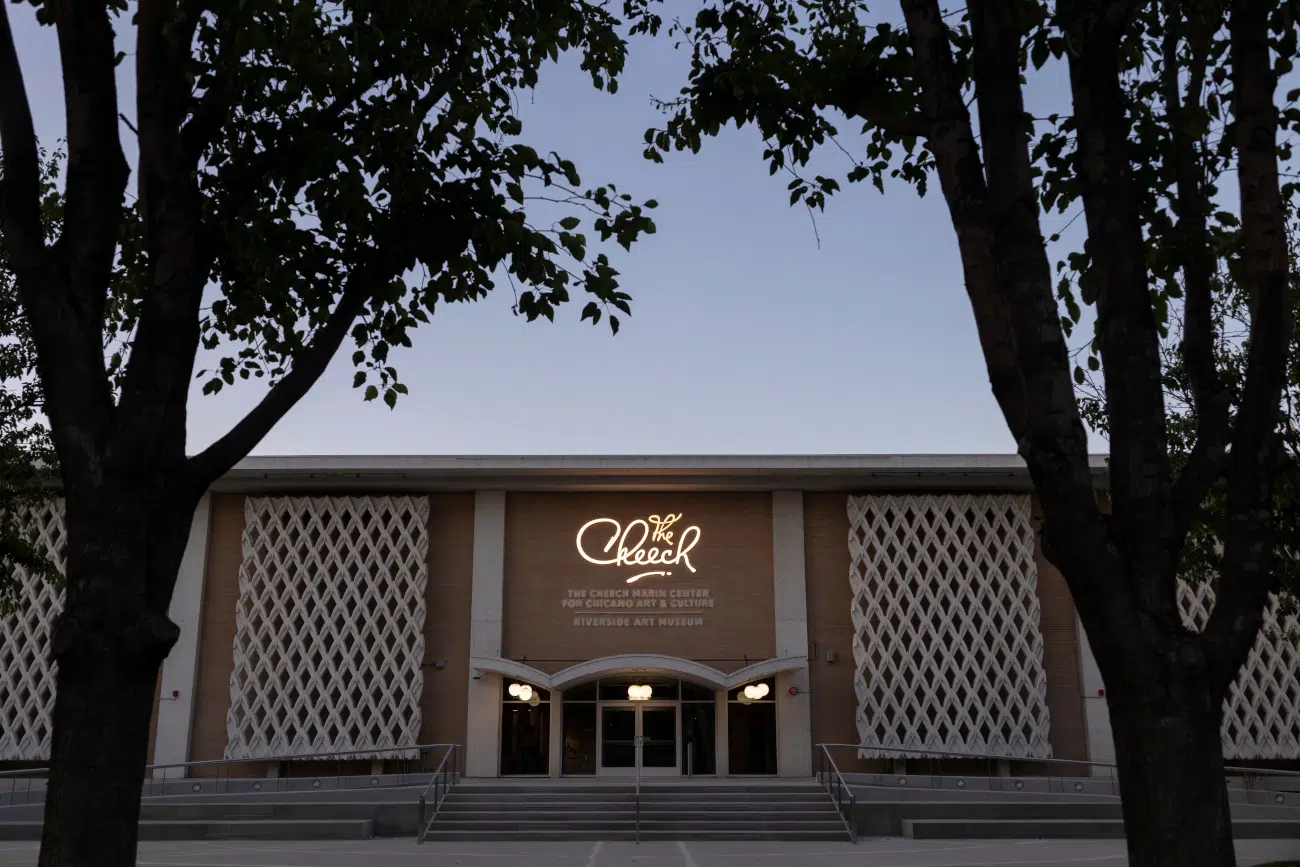
The Cheech Marin Center for Chicano Art & Culture exteriorThe Cheech Marin Center for Chicano Art & Culture exterior

What were your origins as a collector?

I’ve been a collector all my life. As a kid, I started with marbles, baseball cards, buttons, stamps—you name it. I had this mania for collecting. My cousins and I were curious kids, and we’d assign each other subjects to learn. My assignment was art, so I went to the library and soaked up everything I could. Later, when I started traveling, I collected art nouveau and Art Deco pieces until they got too pricey. That’s when I came across Chicano artists—amazing talents who weren’t expensive… yet. That’s when my focus really started to shift.
What drew you into collecting Chicano art?

When I discovered Chicano artists, I immediately recognized the quality and originality of their work. Here were artists who had been largely ignored by the mainstream art world, yet they were producing work that was every bit as accomplished—and often more daring—than what I was seeing in established galleries. For me, it was both personal and cultural. These artists were telling our stories, reflecting our communities, and expanding what American art could be.
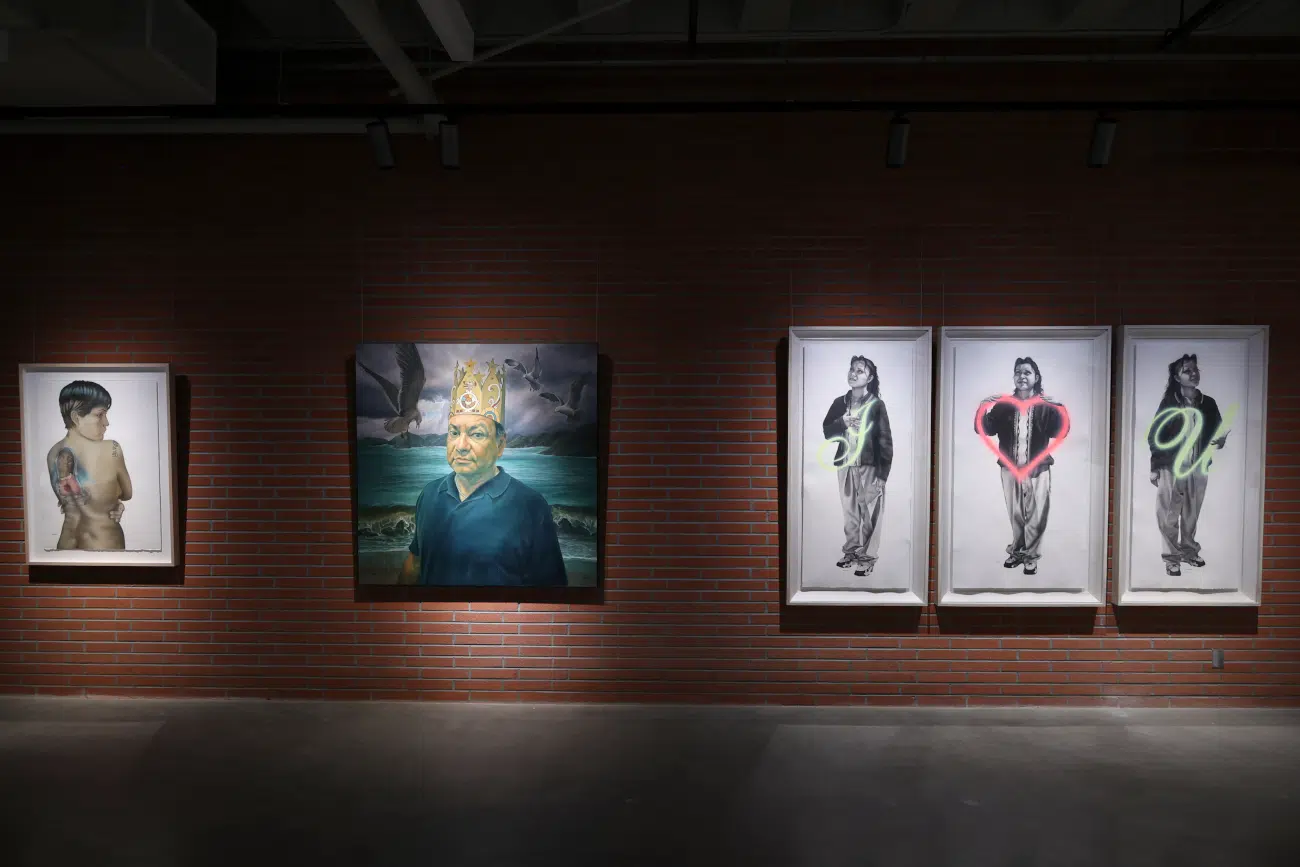
The Cheech Marin Center for Chicano Art & Culture interiorThe Cheech Marin Center for Chicano Art & Culture interior

Who are some of your favorite creators of Chicano art?

That’s always the toughest question. I have about a hundred favorites, depending on the day you ask me. Each artist brings something unique—a vision, a technique, a voice. What excites me is the depth of talent across the field: painters like John Valadez and Patssi Valdez, visionaries like Judithe Hernández and Carlos Almaraz, sculptors, photographers, muralists—the list goes on. What I love most is that every artist has their own way of reflecting and shaping the culture.
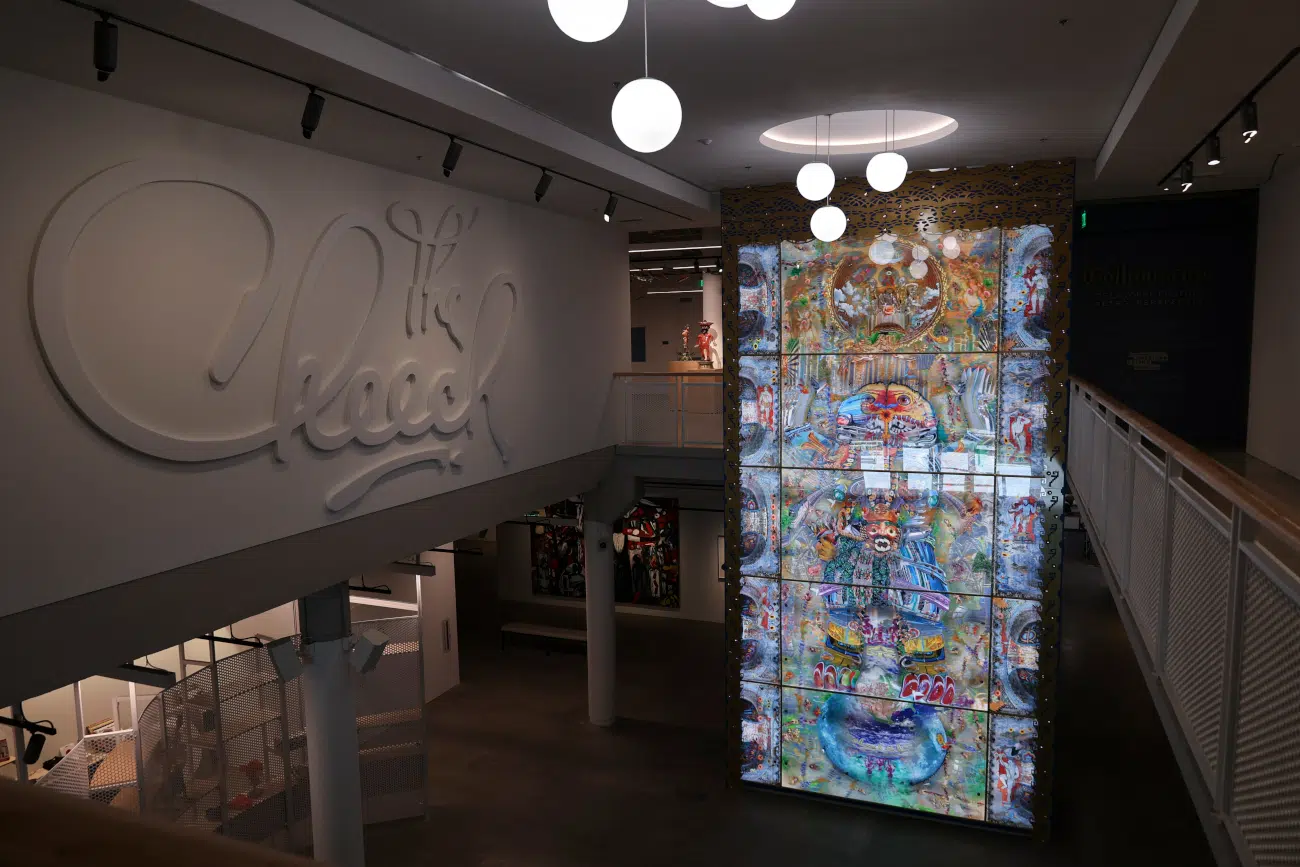
The Cheech Marin Center for Chicano Art & Culture interiorThe Cheech Marin Center for Chicano Art & Culture interior

What do you like the most about Chicano art?

Chicano art is a perspective that has been overlooked in the art world for far too long. It’s rooted in community, history, and activism, but at its core, it’s simply great art. The creativity is boundless: painting, film, writing, sculpture, photography. It’s not just political—it’s poetic, humorous, deeply human. And because it’s so connected to lived experience, it resonates with people in a very direct way.
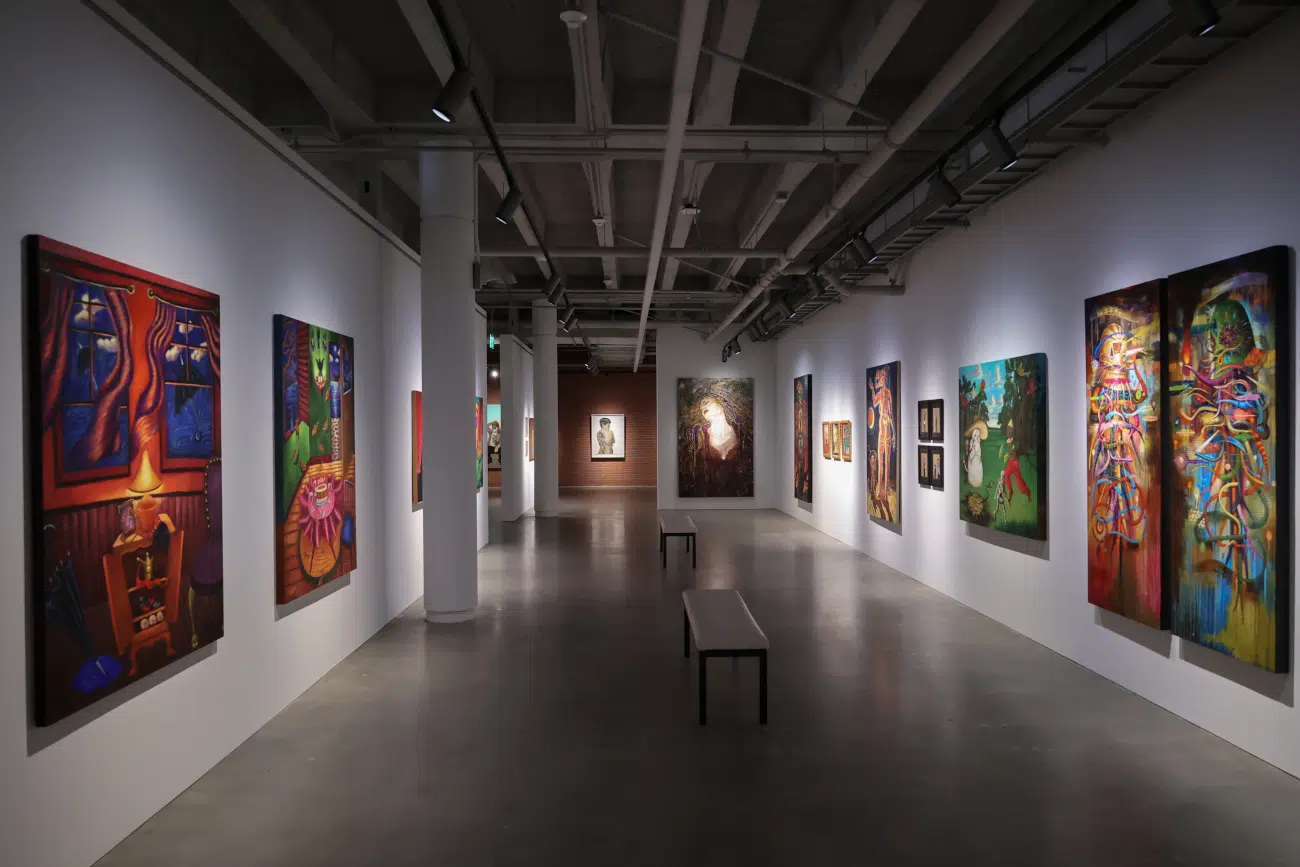
The Cheech Marin Center for Chicano Art & Culture interiorThe Cheech Marin Center for Chicano Art & Culture interior

Is there an artwork that you consider your favorite or to which you have a particular attachment?

That’s like asking me to pick my favorite child. Each piece has meaning for me, and each one tells part of the story. Some days, I might say Valadez’s Getting Them Out of the Car; other days, I could point to dozens of others. The truth is, every artwork I’ve collected is dear to me, and together, they show the richness of Chicano creativity.
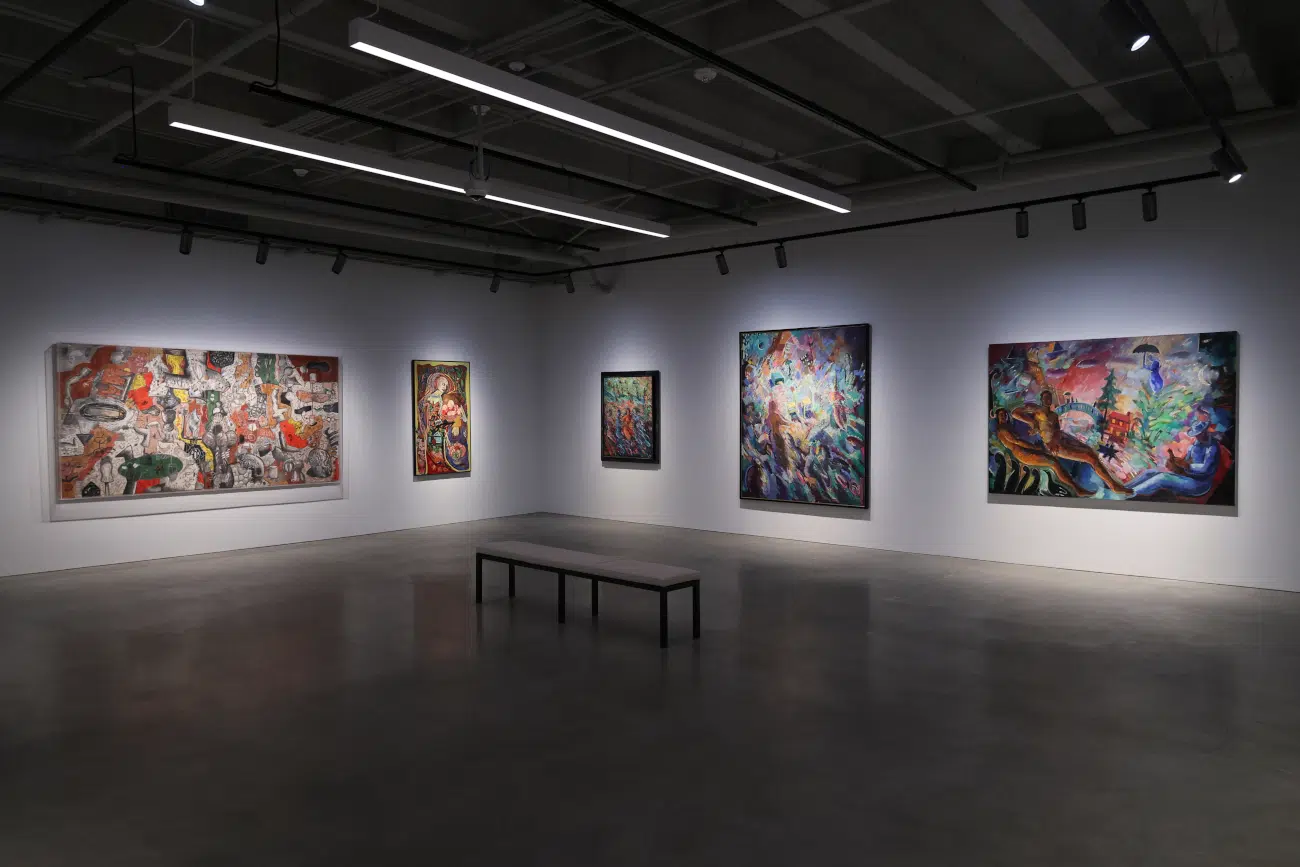
The Cheech Marin Center for Chicano Art & Culture interiorThe Cheech Marin Center for Chicano Art & Culture interior

What do you hope people take away from The Cheech and your collection?

I hope they come away understanding that Chicano art is American art. That it belongs in the canon alongside all the other great movements. At The Cheech, you can see the breadth and depth of this creativity in one place—no need to wait for a traveling show. My wish is that visitors feel enlightened, inspired, and proud. And if they keep coming back—bringing friends and family each time—they’ll see that this art is not only important, it’s joyful and transformative.
The Cheech Marin Center for Chicano Art & Culture exteriorThe Cheech Marin Center for Chicano Art & Culture exterior

Cheech Marin: Instagram
The Cheech Marin Center for Chicano Art & Culture: Website | Instagram

My Modern Met granted permission to feature photos by Cause Connect / Melissa Richardson Banks.

Related Articles:

Largest Permanent Collection of Mexican American Art Opens in Riverside, California

‘Made in L.A.’ Exhibition Returns To Hammer Museum After Two Years

Sprawling Seattle Art Museum Is the Crown Jewel of Emerald City Cultural Institutions

Tadao Ando’s National Museum of Uzbekistan Is an Exercise in Geometry

Similar Posts

  • Villa Kivi

    VILLA KIVI Villa Kivi is a new generation log home on a tiny island in Finnish archipelago designed for himself by Finnish designer Vertti Kivi. Polar Life Haus, a Finnish wooden house manufacturer, was quick to pick it up for their collection. ‘The whole development process of the house was guided by our goal to bring the interior of the house together with the spectacular surroundings. We wanted to be part of sunset, snowstorm and even autumn storm on his tiny island in Finnish archipelago’, tells designer Vertti Kivi, the head of dSign Vertti Kivi & Co. ‘The starting point was a clear glass cube but we ended up creating glass walls reaching from the floor level up to the ceiling only to three sides of the structure. The north side with its separate sleeping rooms and bathroom is constructed of massive black wood beams that are in clear contrast to the glass and create feeling of cosyness and safety. Large terraces in one level create a sense of continuity between inside and outside. The floor plan is defined by Scandinavian clearness. The heart of the villa is the kitchen, located next to the entrance, and from there you can see the entire open interior and the surrounding sea. We like to think the kitchen island is like a DJ’s desk – the atmosphere of the whole interior space is created right there with the remote controlled lighting system. To guarantee the privacy of the bedrooms, they are located in the outermost corners of the villa, separate from each other. They too have one wall completely made of glass. An extra attention is paid on the details of the villa. Not a single molding can be found in the entire building. The doors have a hidden frame and they too reach from the floor to the ceiling. Drama and strong feeling are created by massive wooden surfaces and their color choices – snow white lacquer on the floor creates a contrast to the dark walls. To make the battened external walls coal black, we developed a special technique based on hundreds of years old Japanese traditions. In the evening, the atmosphere changes with different lighting schemes that can be timed to be in sync with nature. The end result is a clean-lined building in Scandinavian style which can be adapted to different needs and locations. It has a strong Finnish presence.

  • Lirio 7

    Located in a quiet street in one of the most emblematic neighborhoods in Mexico City, this project is an intervention that has its roots on the understanding of the urban and social dynamics in Mexico City. Lirio 7 has an interesting history; as an Art Déco building, originally housed public baths during the 30s, then in the 50s became a sanatorium, and before its abandonment, it was the headquarters of a security company. Considering this conditions, we took advantage from an abandoned building without any recognized heritage value by local authorities, to restore it and offer a specific model of housing that recovers the historical value of Santa María La Ribera neighborhood. The design process is based on the concept of a central patio and its perimeter circulation, which was adapted into a new layout to create 12 new apartments where the main corridor becomes part of the home. In this type of buildings, this circulation is a public place and the challenge on making it private leads to define an enclosure that plays with the visuals. The dwellings are arranged around the patio, orienting their view to it, which is considered as a place of introspection, not so much as circulation. Concrete elements of different heights acts as planters, dampen the sound of the water from the recovered fountain and support the discourse of circulations, interposing themselves to the visuals, again to guide and give privacy to the user. Each of the houses therefore has ventilation and daylight entrance. The first and second floors have a greater free height, typical of the original construction moment, allowing a greater volume of use of spaces. The third level, from the 50s as well as the new structures implemented on deck, maintain a standard height more like that the required by current construction regulations. A perforated concrete prism, outstands from the patio’s façade, creating a visual contrast without stealing it protagonism. With a different materiality and density from the rest of the project, this volume patches the view from the outside, creating a light and shadows game towards the last apartment, and allows the user to enjoy the views.