everyday scenes of singapore become 1980s-inspired visuals through nicolas damiens’ lens

Nicolas Damiens imagines Singapore as retro-inspired playground

Visual designer Nicolas Damiens captures the vibrant soul of Singapore with his personal photography project City Pop, reimagining its urban landscape through a colorful, retro lens. The series, which began in 2023, combines the city-state’s tropical charm with the nostalgic energy of 1980s Japanese City Pop aesthetics.

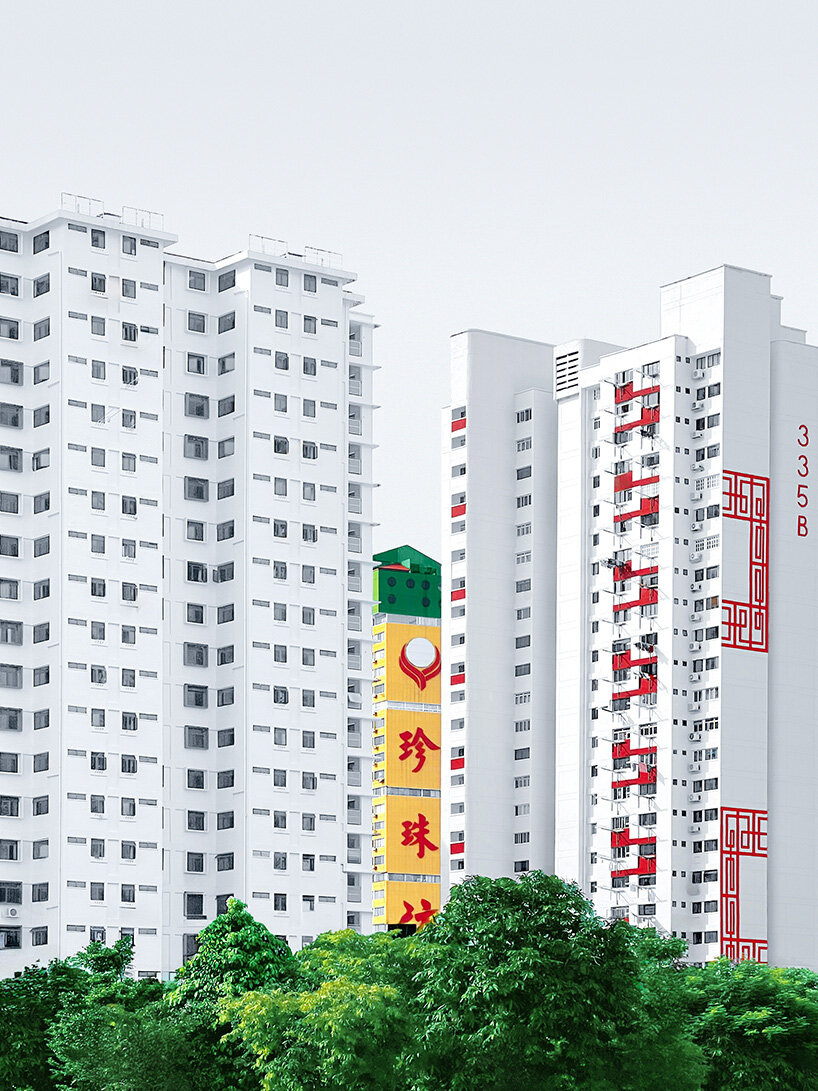
Drawing influence from Japanese graphic designer Hiroshi Nagai’s iconic album covers, Damiens captures the vibrant colors and joyful scenes that embody the nostalgia of urban life. The photography series reflects a playful mix of Singapore’s modern cityscape and retro charm, incorporating elements like shophouses, skyscrapers, and tropical vistas. Through editing, Damiens brings his compositions to life, enhancing colors and removing distractions to achieve the appeal of the 1980s aesthetic. The subjects of City Pop are unplanned and arise from Damiens’ spontaneous journeys around Singapore. ‘This city is brimming with surprises at every corner, making it the perfect canvas for inspiration,’ he explains. His creative process begins with framing a strong composition, followed by detailed editing to emphasize the retro tone of the final image.
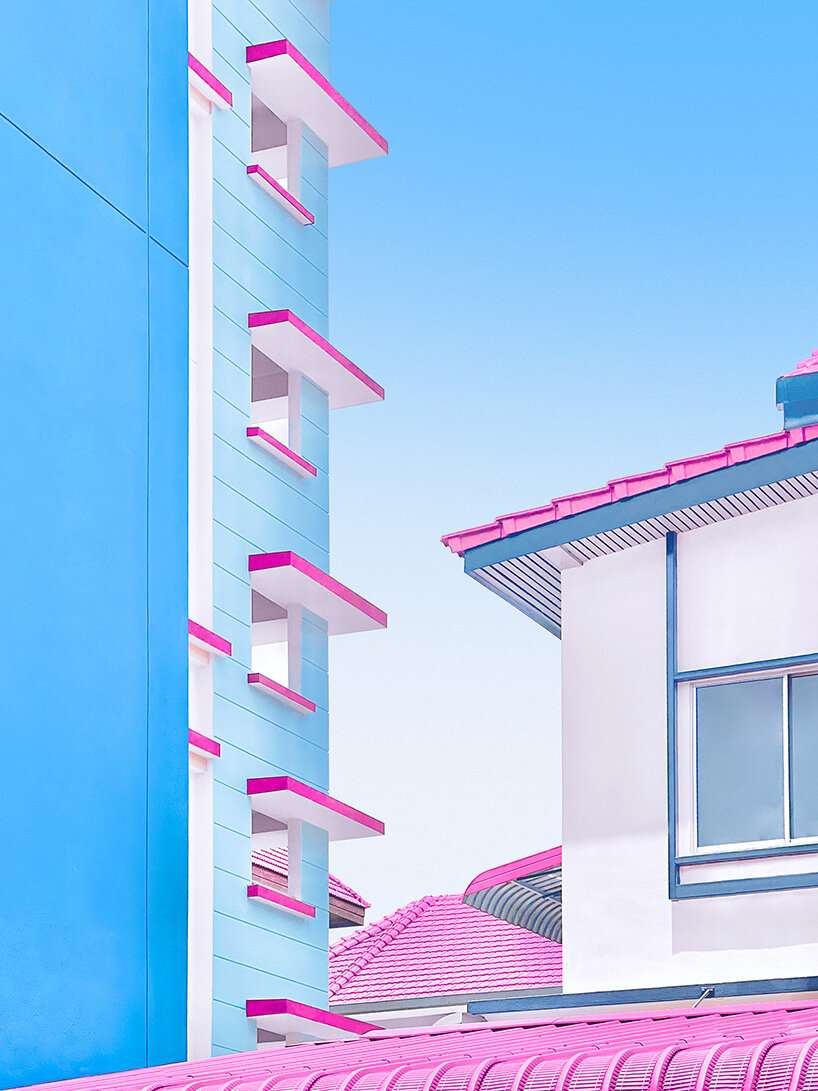
everyday scenes of singapore become 1980s-inspired visuals through nicolas damiens' lens
all images by Nicolas Damiens

A visual tribute to 1980s City Pop aesthetics

After living in Paris and New York, French designer Nicolas Damiens relocated to Singapore and embraced the unique character of the city through fresh eyes. Inspired by its endless summer, pastel tones, palm trees, and ocean views, the artist viewed Singapore as a living embodiment of the City Pop aesthetic. This perception became the foundation for City Pop, a side project that allows Damiens to explore his creative freedom outside the confines of his work as a visual designer in advertising. ‘Singapore felt exotic and new, giving me the opportunity to associate it with its own color palette and soundtrack,’ says Damiens. He describes City Pop as a personal playground where he can experiment with visual ideas, unconstrained by client-driven demands.
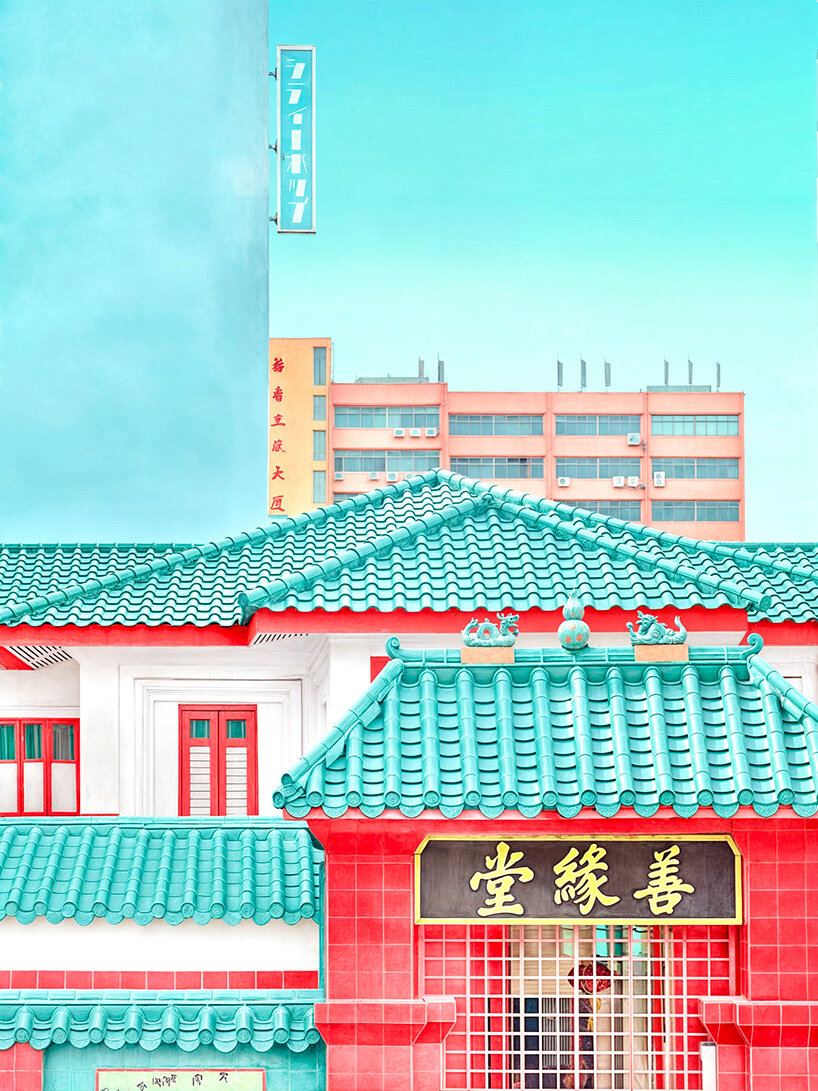
everyday scenes of singapore become 1980s-inspired visuals through nicolas damiens' lens
City Pop captures the vibrant soul of Singapore
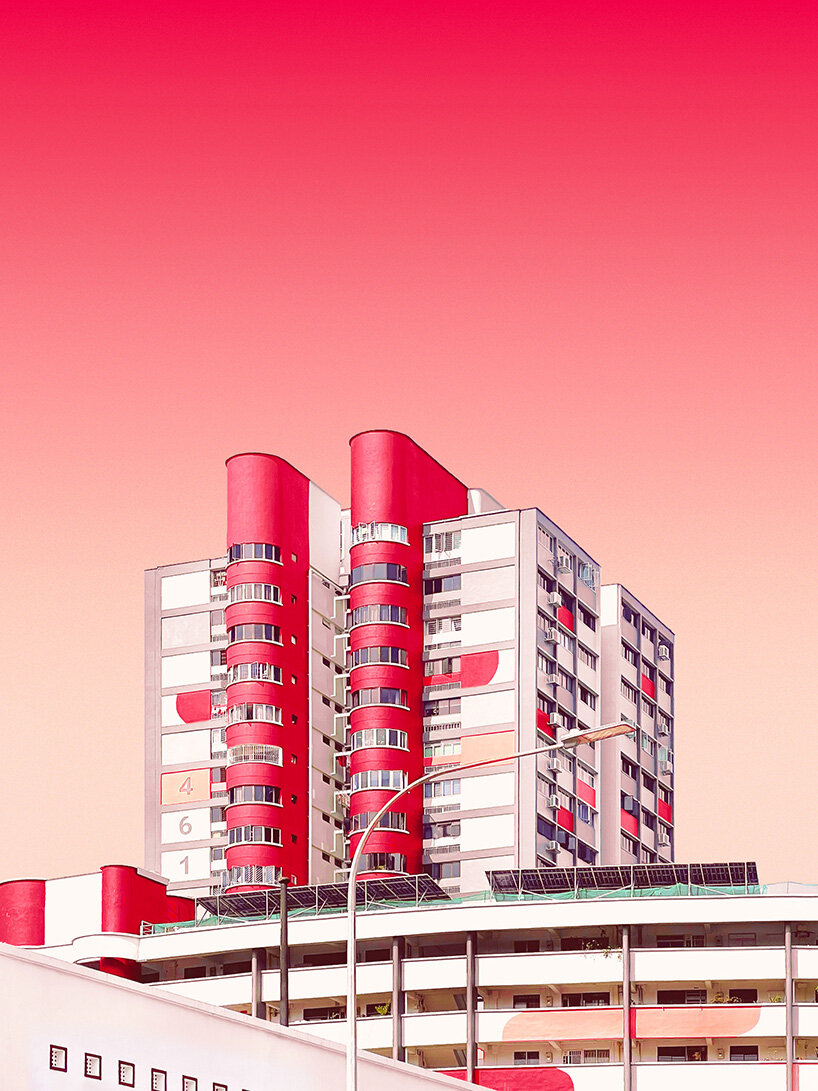
everyday scenes of singapore become 1980s-inspired visuals through nicolas damiens' lens
reimagining the urban landscape through a colorful, retro lens
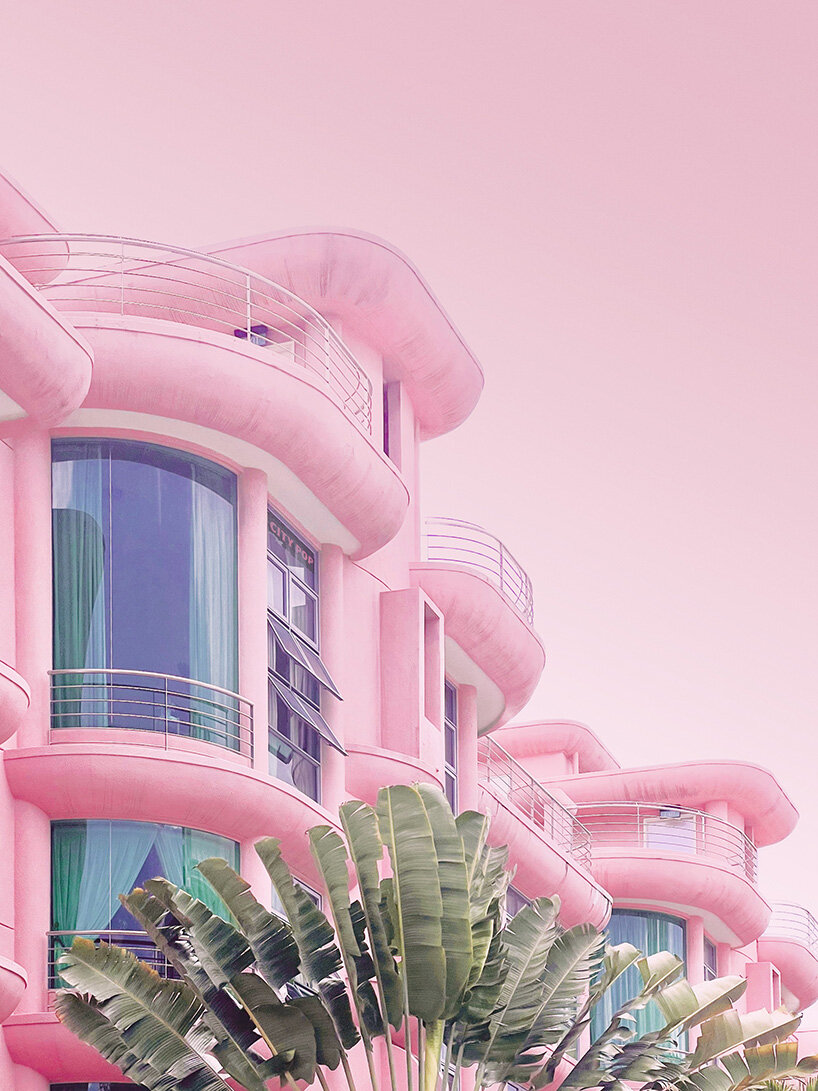
everyday scenes of singapore become 1980s-inspired visuals through nicolas damiens' lens
the series combines the city-state’s tropical charm with the nostalgic energy of 1980s Japanese aesthetics
everyday scenes of singapore become 1980s-inspired visuals through nicolas damiens' lens
drawing influence from Hiroshi Nagai’s iconic album covers

Similar Posts

  • L7 Home

    Architects: Augusto Fernández Mas (K+A Diseño),
    Mauricio Miranda (MM Desarrollos),
    Mariel Esquivel and Cesar Cardoso. Construction: K+A Diseño Main Purveyors: MicMac, Solesdi y Venster. Interior decoration: TAI Arquitectura de Interiores Photography: Onnis Luque The linear black cabin was designed by the collaboration between Augusto Fernández Mas and Mauricio Miranda as a country house for a client with three specific demands: simple layout, low maintenance, and living quarters and public areas in one floor. RA.L7 is located within Rancho Avandaro Country Club in the outskirts of Valle de Bravo, an hour and a halve drive from Mexico City. It is a project that portrays a strong character form the outside but at the same time invites passersby to enter. In the inside, it offers a warm cabin like feeling that through its simplicity and windows facing the golf course, guides the view to the outside. The lower concrete volume ads a sense of solidity and stability to the house, and its layout divided by a garage open on both sides provides an invitation to enter. [
    The project uses the topography of the terrain to its advantage, thus generating two volumes: the upper one which encloses the living and general public areas and the bottom one encompassing the garage, technical and service areas. The outside materials are Japanese style burnt wood (Shou-sugi-ban), Canadian darkened wood, concrete, and ceramic tiles (roof) that in turn evidence the simple lines of the design. The choice of materials demands close to null maintenance.
    The west façade, which faces the street, has dark wood symmetric divisions over the main interior hallway, creating privacy at an angle and almost unrestricted view when perpendicular to them. The purpose is to allow light into the house and permit the views to the equestrian club on the other side of the street while maintaining limited exposure to passersby’s. The east façade faces the golf course, thus there is an honest openness through all glass façade with sliding window doors and complemented with a glass-roofed terrace. In attention to the requested simplicity in the layout, the linear internal distribution has four rooms laid in a sequential manner culminating with living—room, dining-room and kitchen. One dramatic hallways communicates all areas in a straight line, adding to the simplicity of the design layout. With over 650 square meters of inside space, only one internal staircase was employed to communicate with the service areas and garage. There are two accesses to the house without stairs for the owner to comfortably access. In total, the terrain is 2,200 square meters of which ___ square meters were used for the house.
    There is a comforting feeling of warmth inside, but the same time opens up to go and enjoy the outside. It is to be lived inside wanting to be outside and, once outside, feeling invited to be protected inside. The linear and simple geometry of the house is soothed by the layout of the wood beams on the ceiling and the elegant and at the same time rough aspect of the wood floor and wood paneling on the walls. RA.L7 house is one of two recent projects done by the collaboration of Augusto Fernandez and Mauricio Miranda in Rancho Avandaro. Augusto Fernandez, through its K+A Diseño firm, is an active architect and constructor in Valle de Bravo with several country homes competed in the last years. Photography is by Onnis Luque.

  • Design that Takes You Back to Basics: Small Eco-Friendly Wooden Shelter

    There is an advantage in simplicity and a life that takes us back to our roots also helps in creating a more relaxing and healthy lifestyle. Designed by Michiel De Backer + Jakub Senkowski + Martin Mikovčák, the Ark Shelter in Belgium is one such beautiful retreat that ensures that those inside are always connected […]

    You’re reading Design that Takes You Back to Basics: Small Eco-Friendly Wooden Shelter, originally posted on Decoist. If you enjoyed this post, be sure to follow Decoist on Twitter, Facebook and Pinterest.