Installation view of the inaugural presentation in the David Geffen Galleries, April 2026, photo © Museum Associates/LACMA
The Los Angeles County Museum of Art (LACMA) has just celebrated the opening of its new David Geffen Galleries. On April 19, 2026, at the ribbon-cutting ceremony, visitors were welcomed into the space, marking the end of the 20-year story of development, construction, and fundraising to build the breathtaking wing. Now, it’s the beginning of the new home for the institution’s permanent collection.
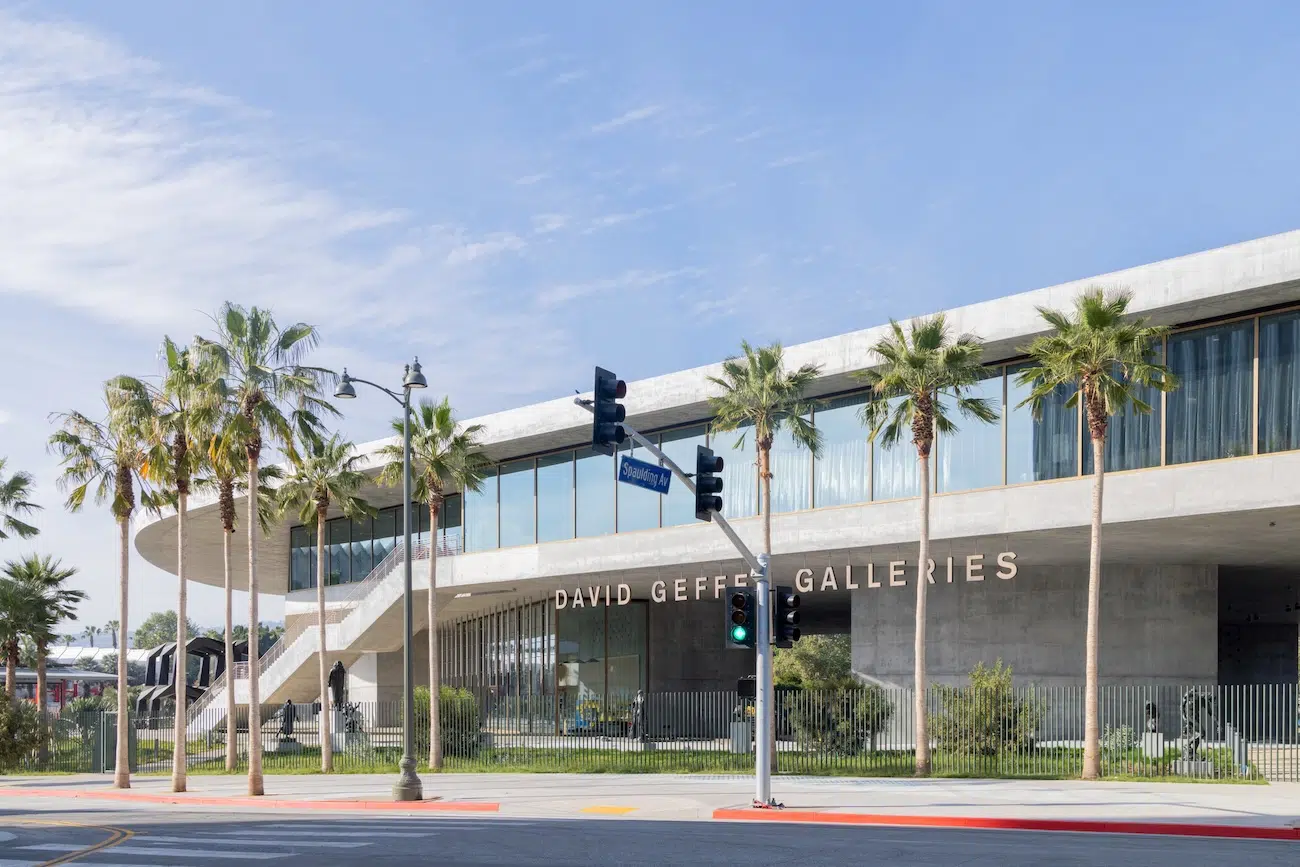
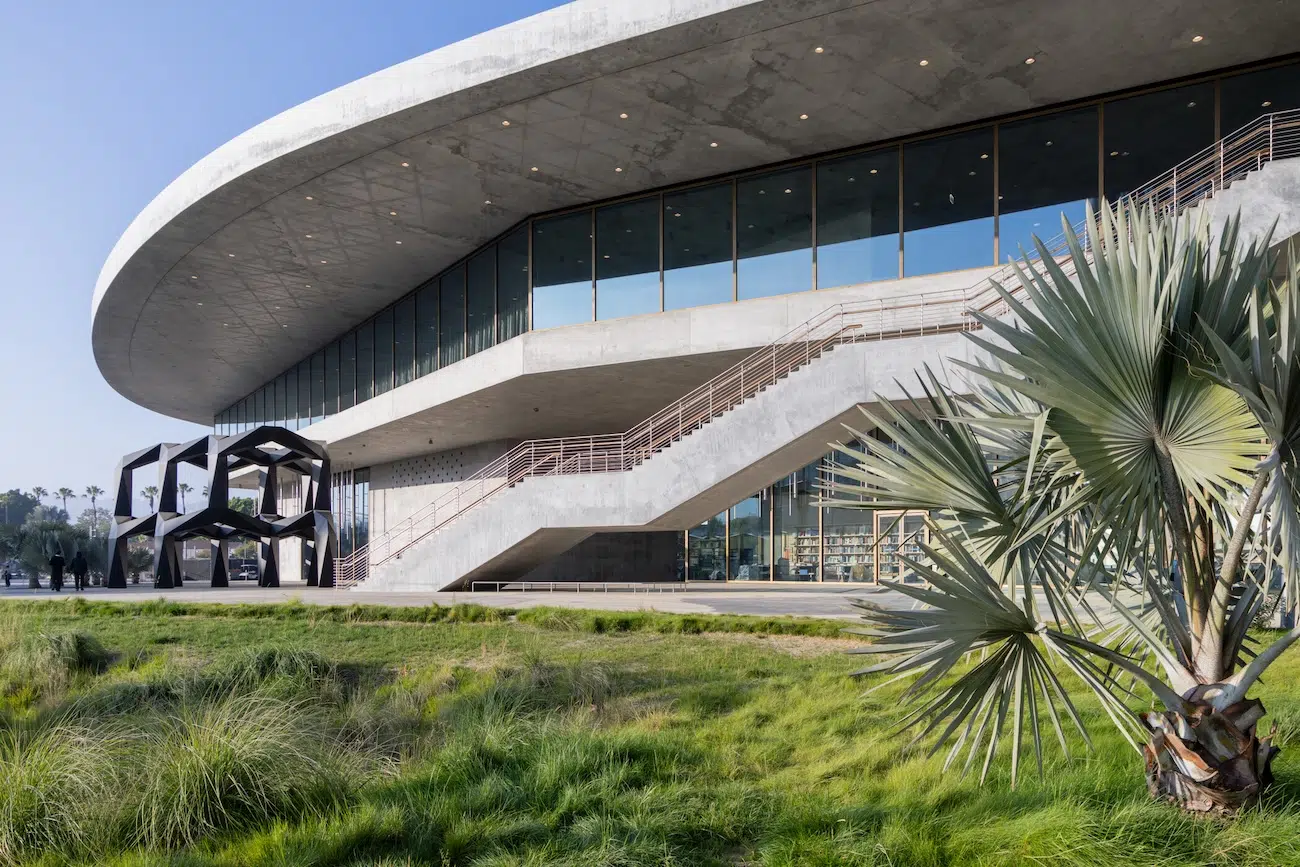
Renowned architect Peter Zumthor designed the building, opting for an organic, sculptural volume that includes a 900-foot-long horizontal, glass-and-concrete structure curving along Hancock Park and across from the city’s famed Wilshire Boulevard. The elevated main floor offers a reprieve from Los Angeles’ notorious traffic, lifting almost 30 feet above street level. Exhibition spaces range from terrace galleries dotting the perimeter to interiors with floor-to-ceiling glass panels, in addition to areas outfitted with custom curtains that shield light-sensitive artworks from the sun.
Within the space is a truly open concept, with no prescribed way to navigate it. This is by design, as is its curatorial presentation. All artworks in the new gallery are located on the same level, intended to place the objects on equal footing and demonstrate that no precedence is given to any culture, tradition, or era. Visitors are instead encouraged to find their own path, based on their whims and curiosity, and discover endless new ways to view LACMA’s collection of 155,000 objects spanning 6,000 years.
The David Geffen Galleries has an inaugural exhibition on view and reflects the collaborative work of 45 curators to fill the 110,000-square-foot space. They chose to organize the artwork by way of water, using the Pacific, Indian, Atlantic Oceans, and the Mediterranean Sea to connect cultures and tell the stories that span these great bodies. In turn, they marry objects across time and space. Beyond mining its permanent collection are four new commissioned artworks specific to the galleries, including Do Ho Suh’s Jagyeon Hall, Gyeongbok Palace, which features Suh’s signature ghost-like aesthetic recreating a to-scale section of the Joseon royal palace in Seoul.
The new galleries are in LACMA member previews until May 3. To learn more about visiting the museum and becoming a member, head to its LACMA’s website.
The Los Angeles County Museum of Art (LACMA) has just had a ribbon-cutting ceremony for its new David Geffen Galleries. Visitors were welcomed into the space on April 19, 2026.
Installation view of the inaugural presentation in the David Geffen Galleries, April 2026, photo © Museum Associates/LACMA
Renowned architect Peter Zumthor designed the building, opting for an organic, sculptural volume that includes a 900-foot-long horizontal, glass-and-concrete structure.
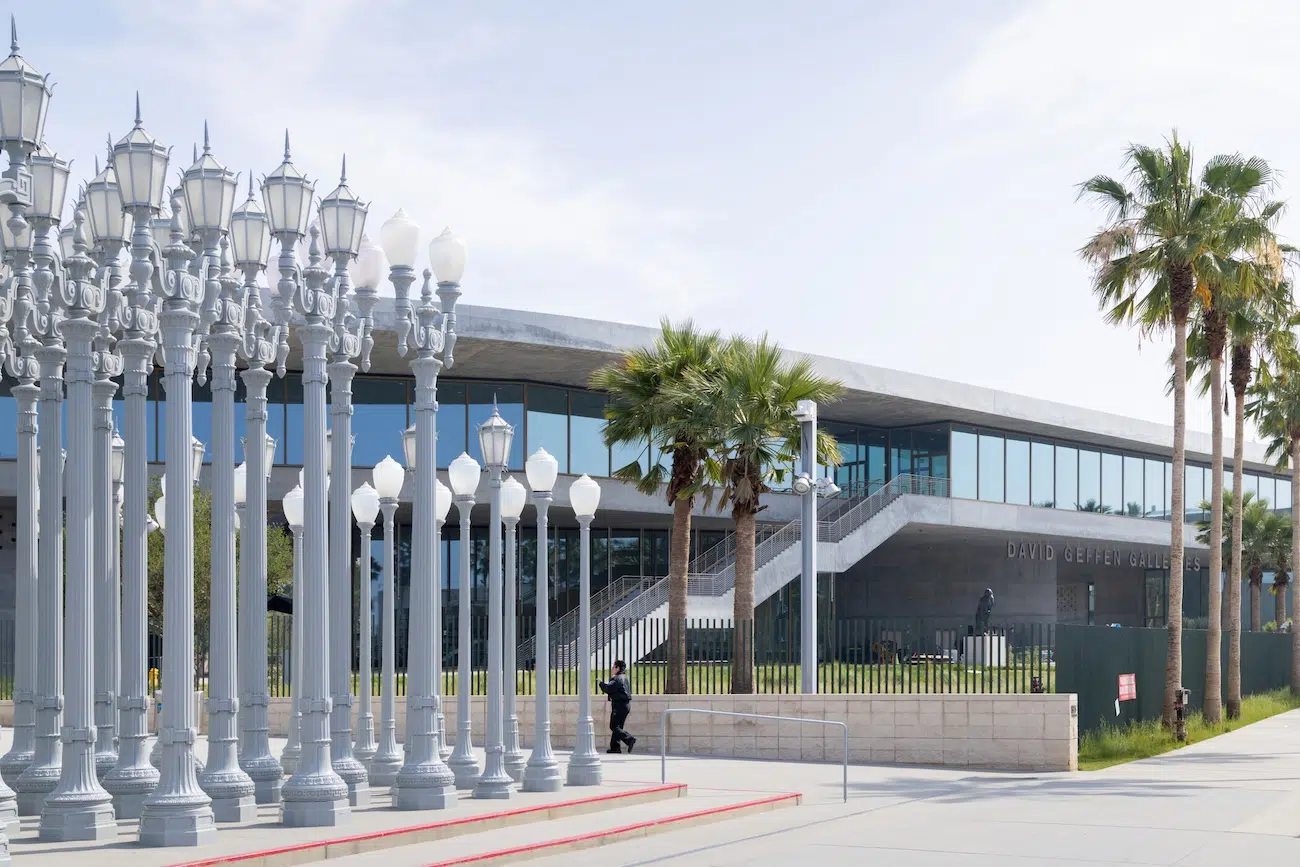
Exterior view northeast from Wilshire Boulevard with Chris Burden’s Urban Light (2008) in foreground, David Geffen Galleries at LACMA, art © Chris Burden/licensed by The Chris Burden Estate and Artists Rights Society (ARS), New York, photo © Iwan Baan
Exhibition spaces range from terrace galleries dotting the perimeter to interiors with floor-to-ceiling glass panels.
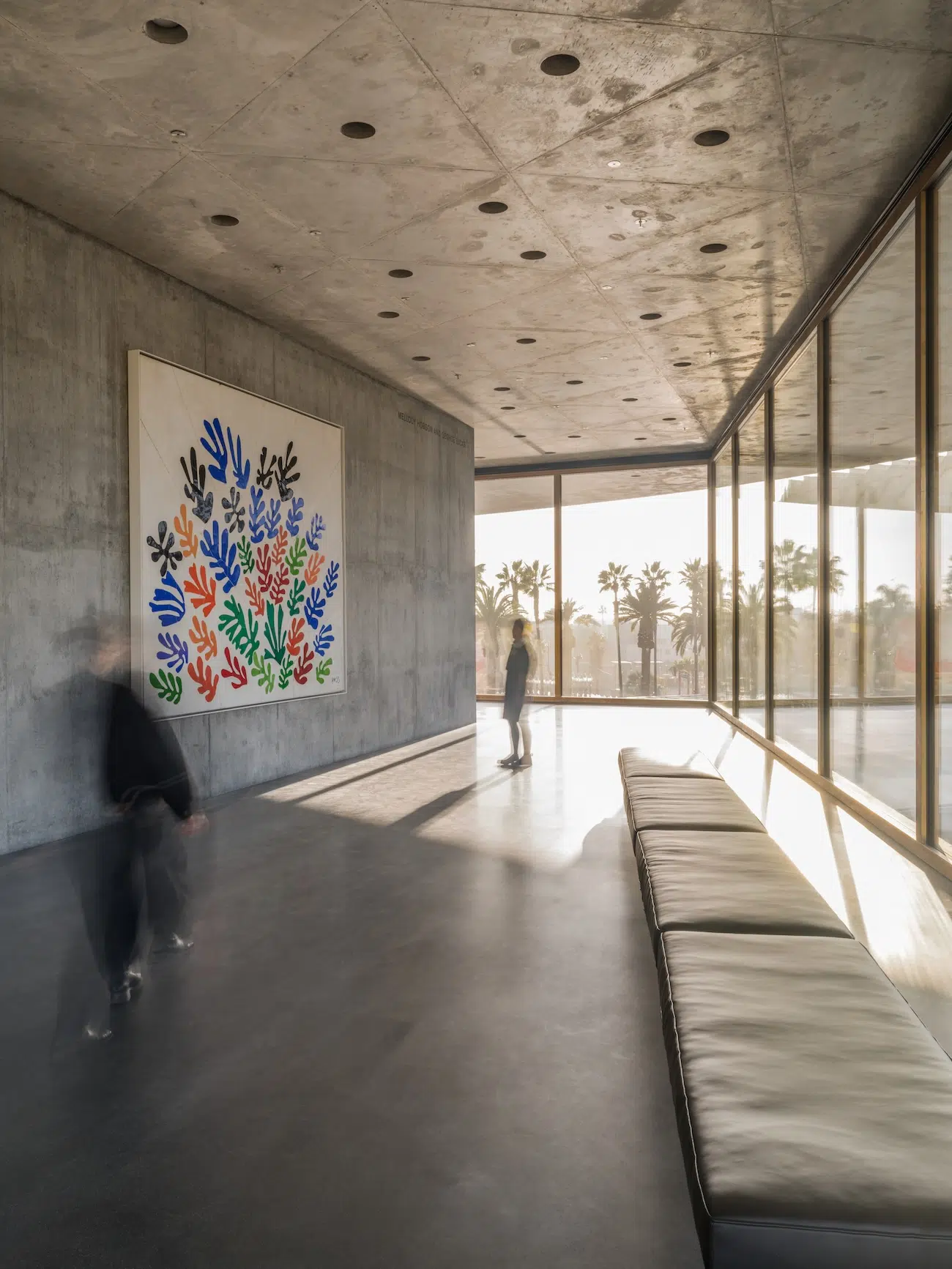
Installation view of the inaugural presentation in the David Geffen Galleries, April 2026, photo © Museum Associates/LACMA
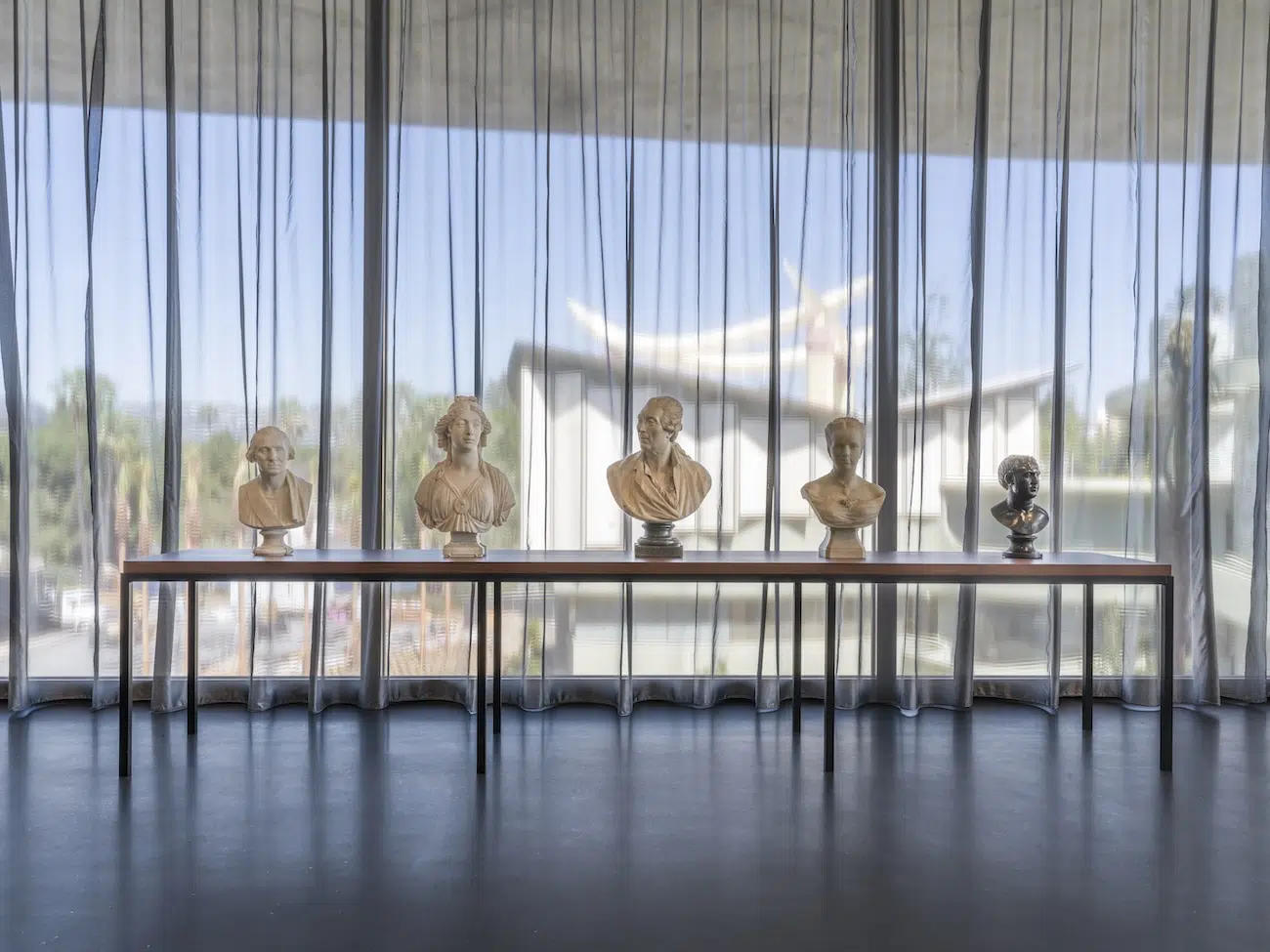
Installation view of the inaugural presentation in the David Geffen Galleries, April 2026, photo © Museum Associates/LACMA
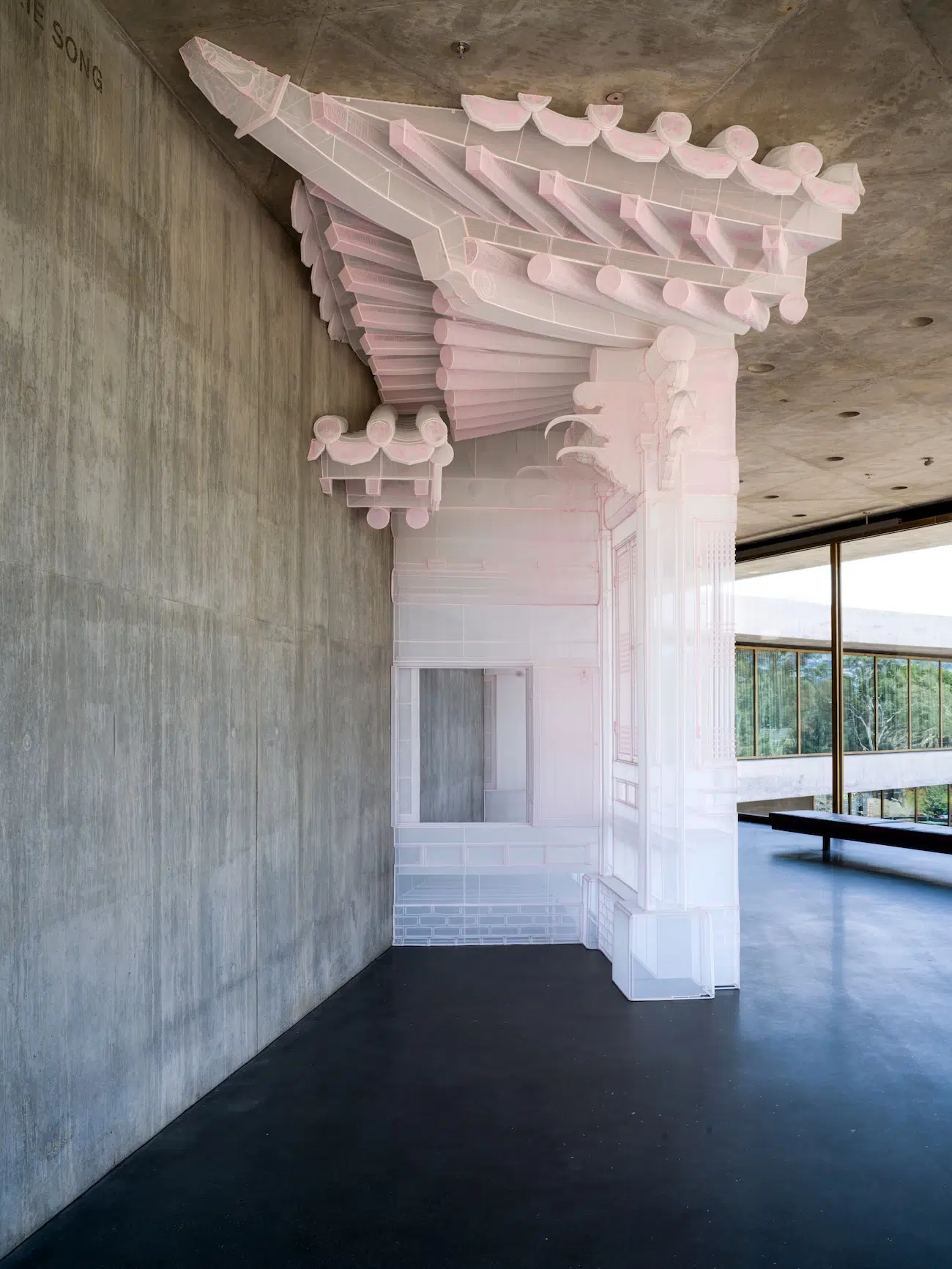
Installation view of the inaugural presentation in the David Geffen Galleries, April 2026, photo © Museum Associates/LACMA
Within the space is a truly open concept, with no prescribed way to navigate it. This is by design, as is its curatorial presentation.
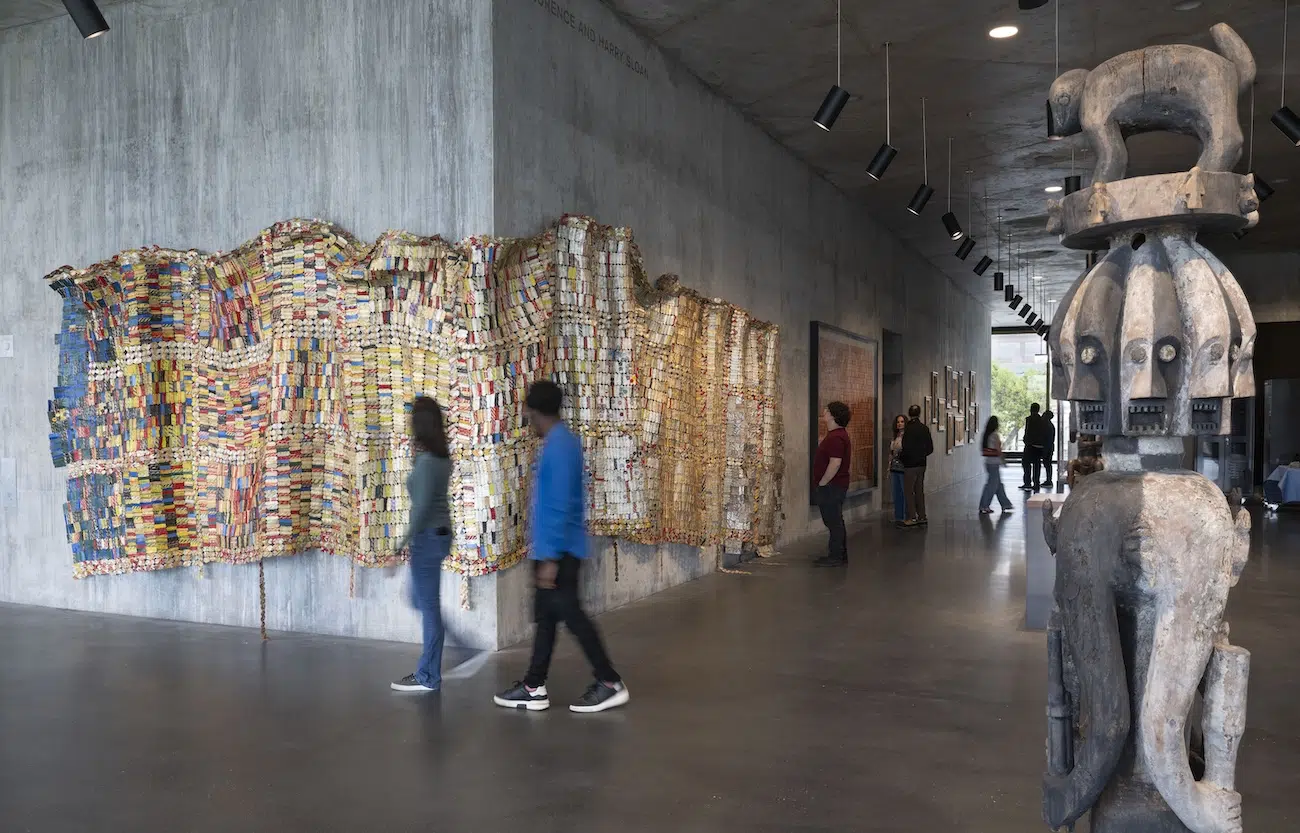
Installation view of the inaugural presentation in the David Geffen Galleries, April 2026, photo © Museum Associates/LACMA
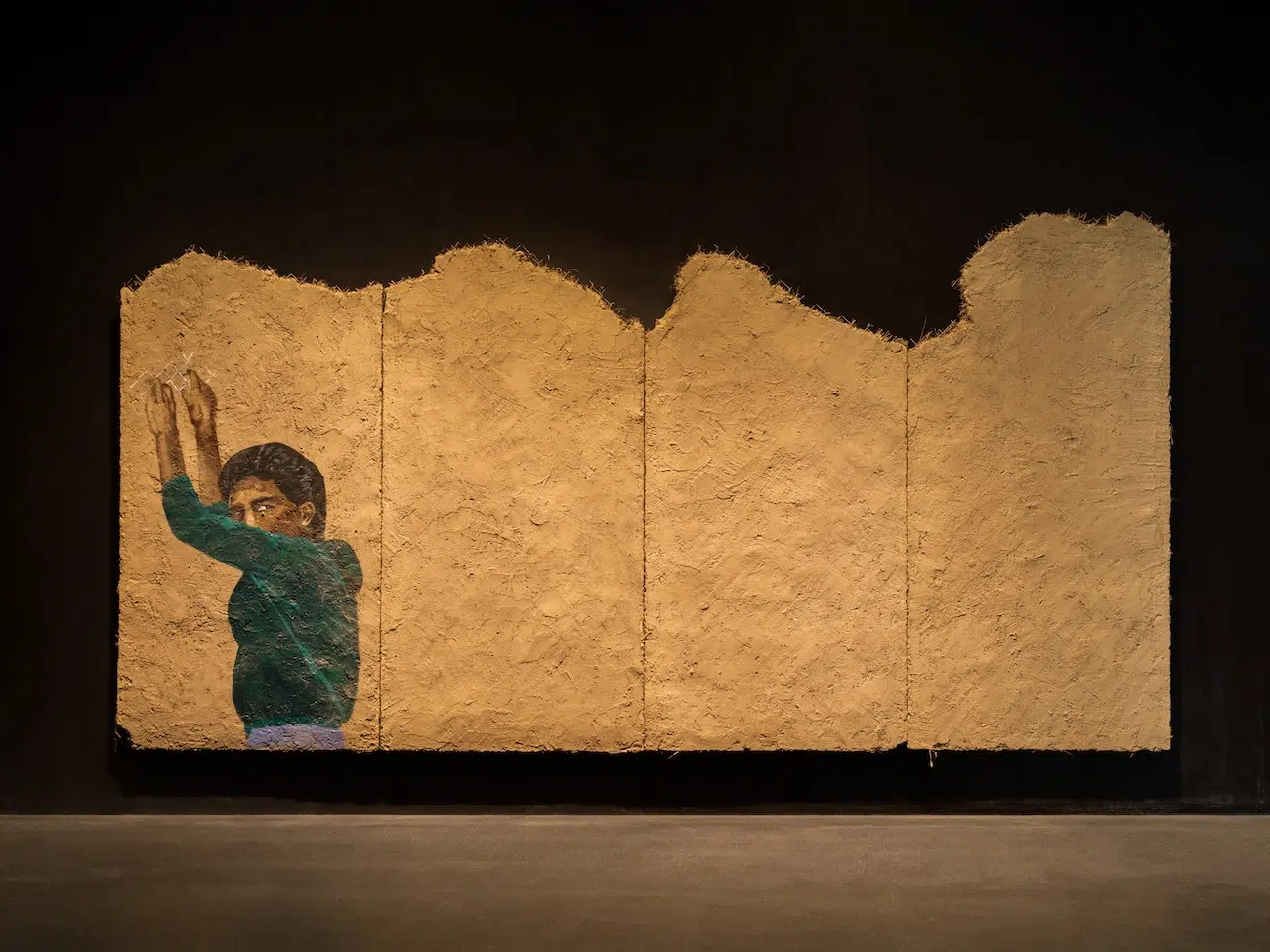
Installation view of the inaugural presentation in the David Geffen Galleries, April 2026, photo © Museum Associates/LACMA
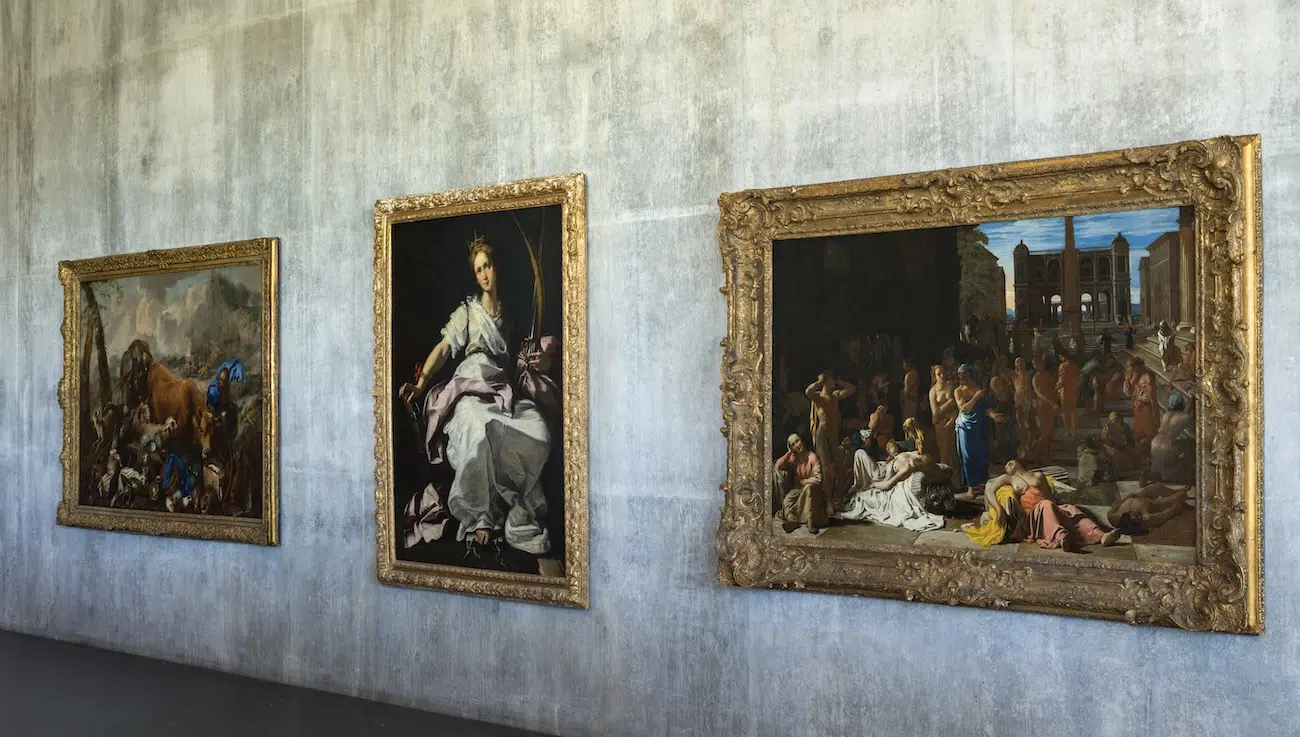
Installation view of the inaugural presentation in the David Geffen Galleries, April 2026, photo © Museum Associates/LACMA
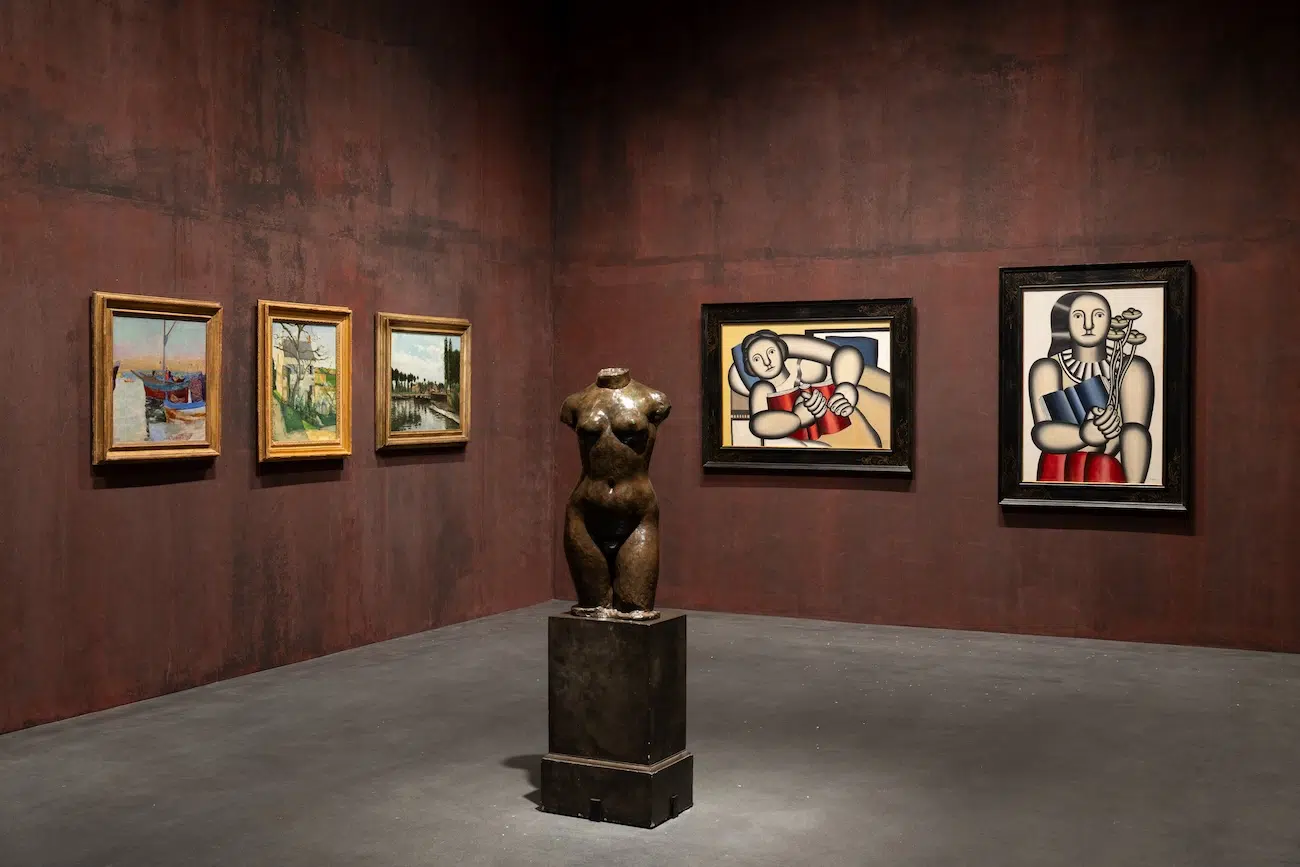
Installation view of the inaugural presentation in the David Geffen Galleries, April 2026, photo © Museum Associates/LACMA
All artworks in the new gallery are located on the same level, intended to place the objects on equal footing and demonstrate that no precedence is given to any culture, tradition, or era.
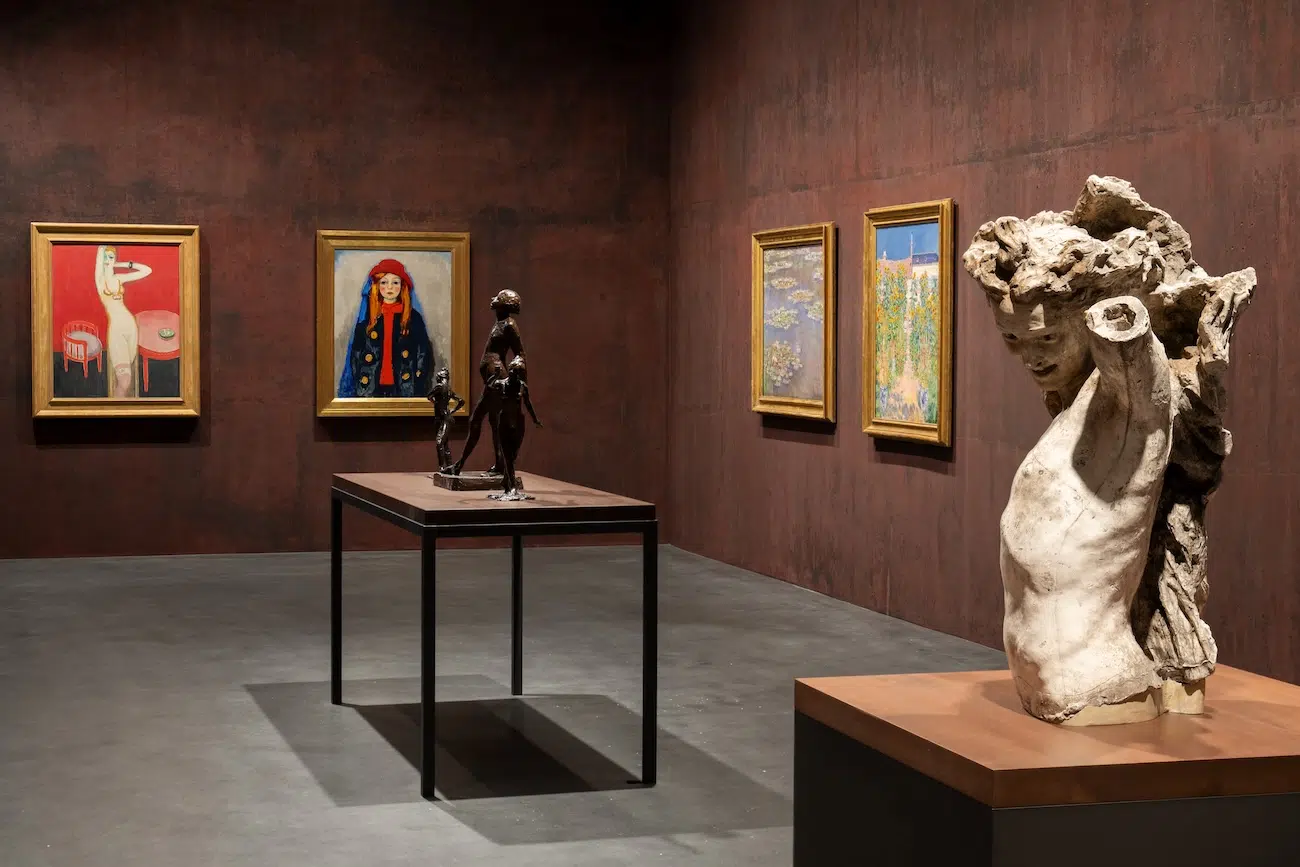
Installation view of the inaugural presentation in the David Geffen Galleries, April 2026, photo © Museum Associates/LACMA
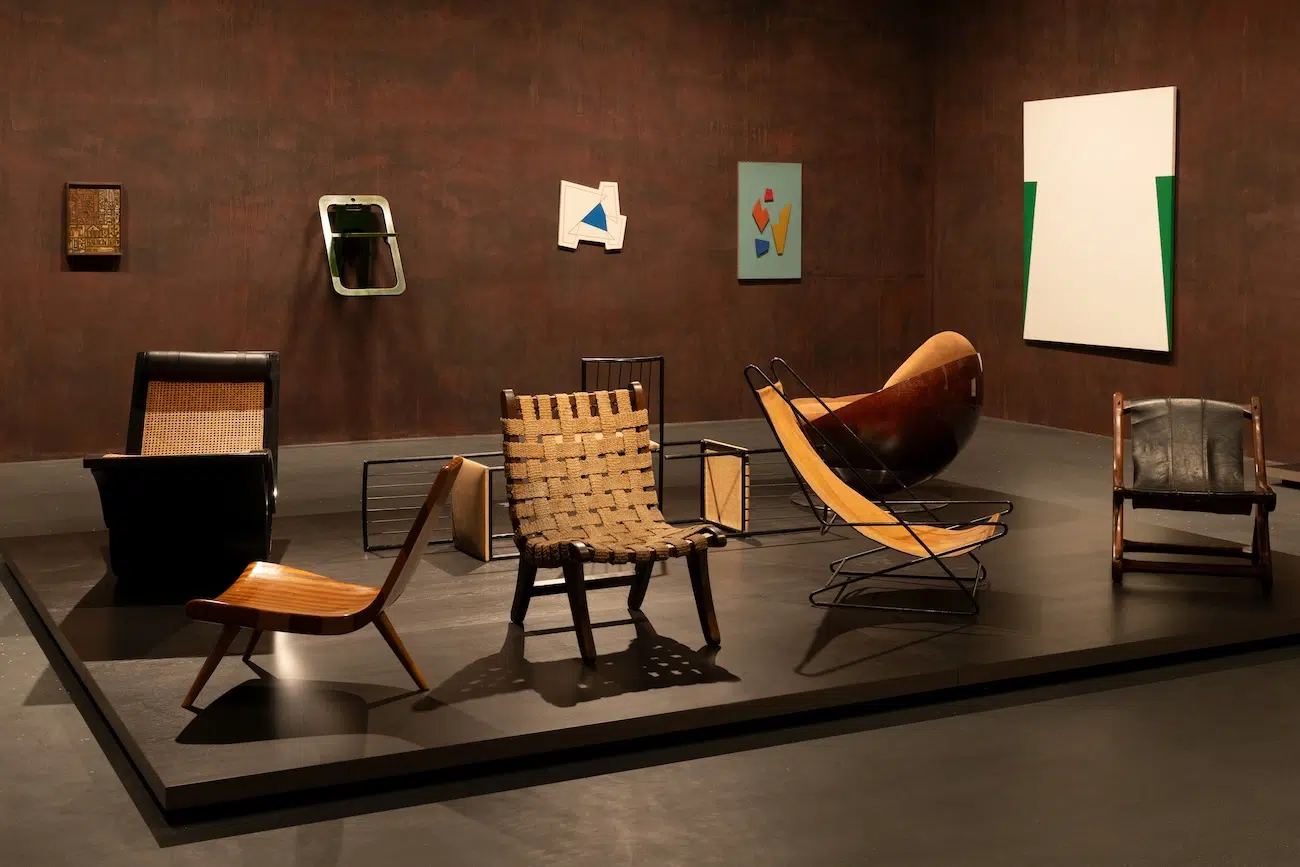
Installation view of the inaugural presentation in the David Geffen Galleries, April 2026, photo © Museum Associates/LACMA
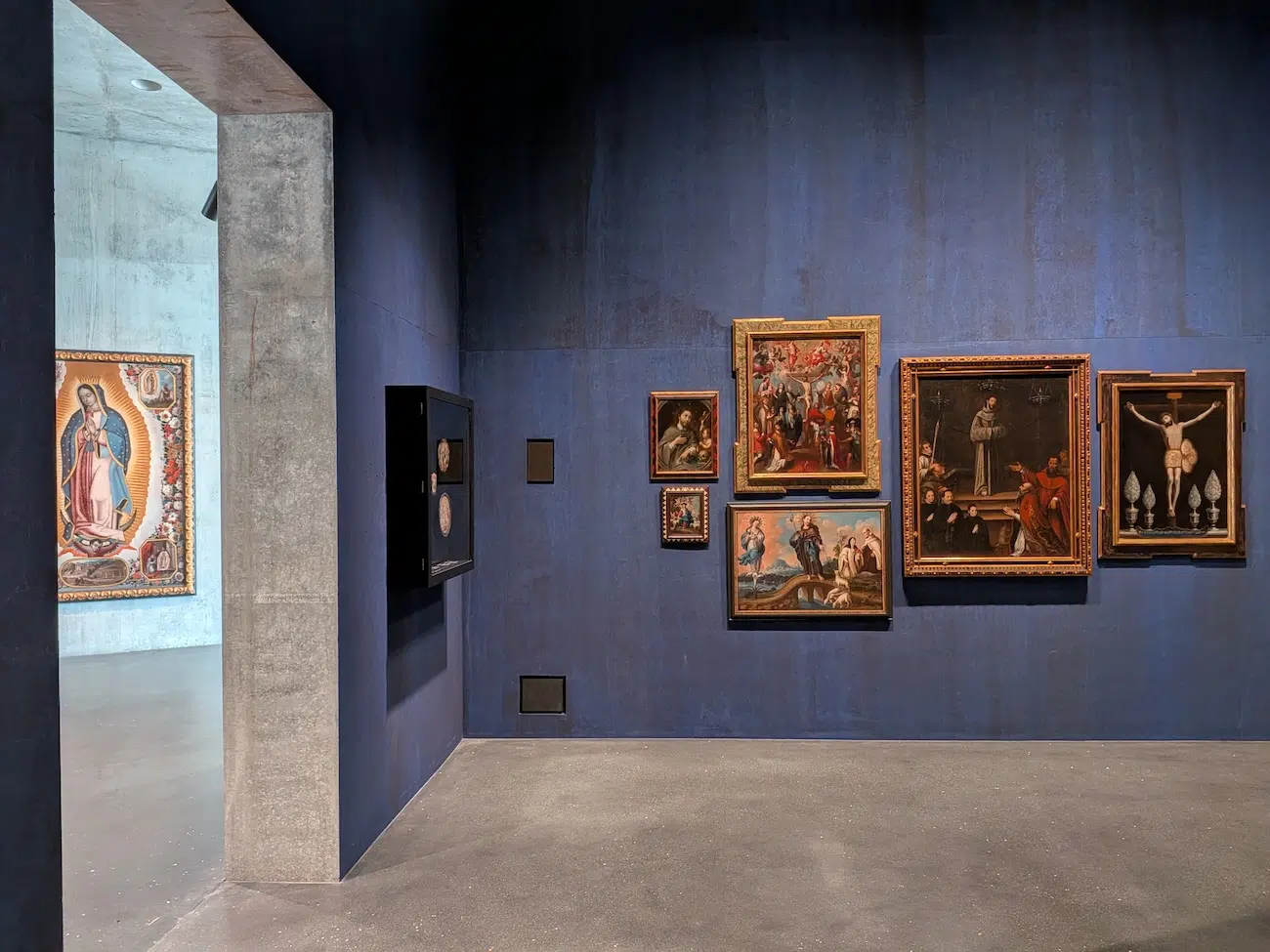
Installation view of the inaugural presentation in the David Geffen Galleries, April 2026, photo © Museum Associates/LACMA
Visitors are encouraged to find their own path, based on their whims and curiosity, and discover endless new ways to view LACMA’s collection of 155,000 objects spanning 6,000 years.
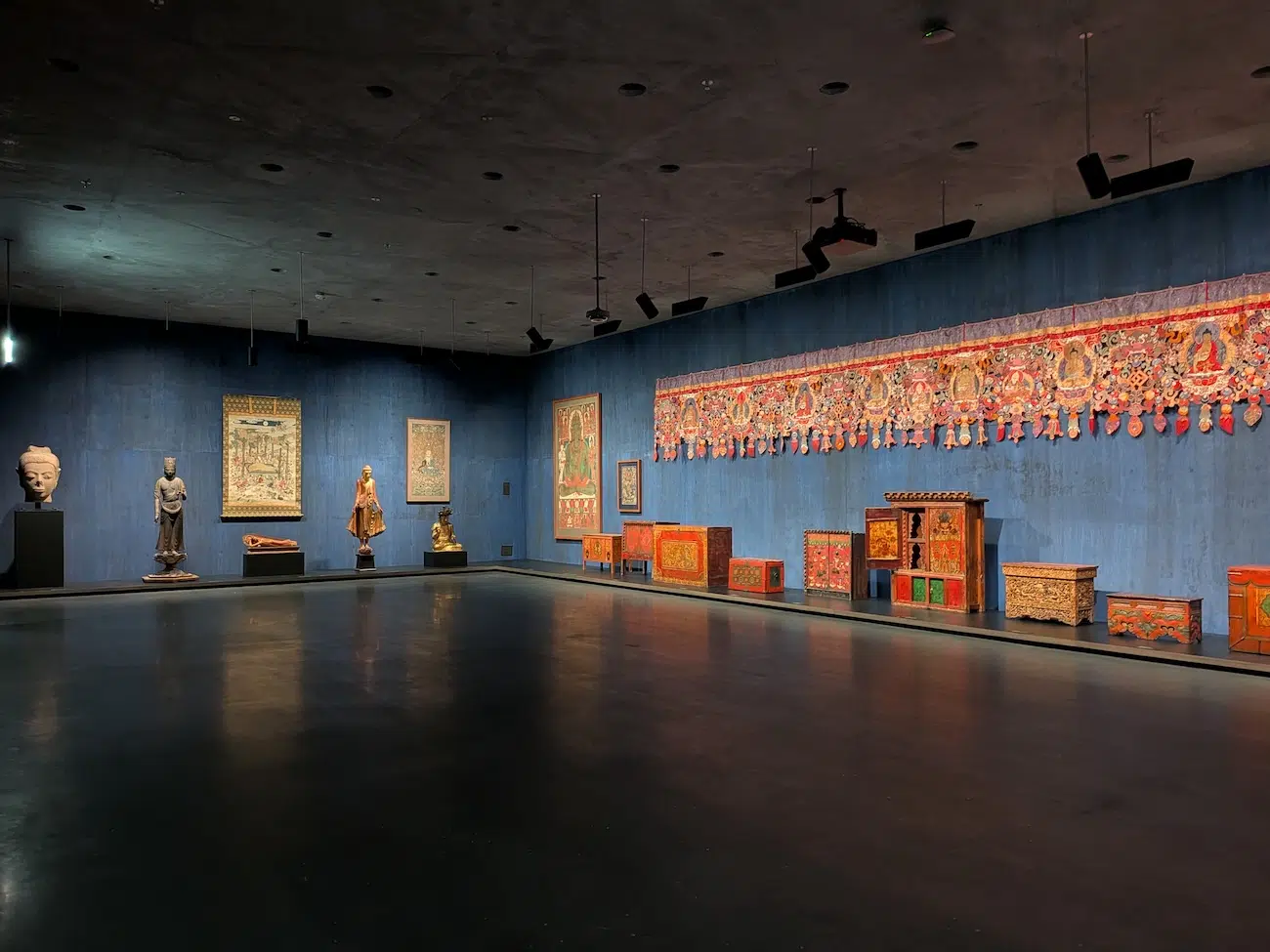
Installation view of the inaugural presentation in the David Geffen Galleries, April 2026, photo © Museum Associates/LACMA
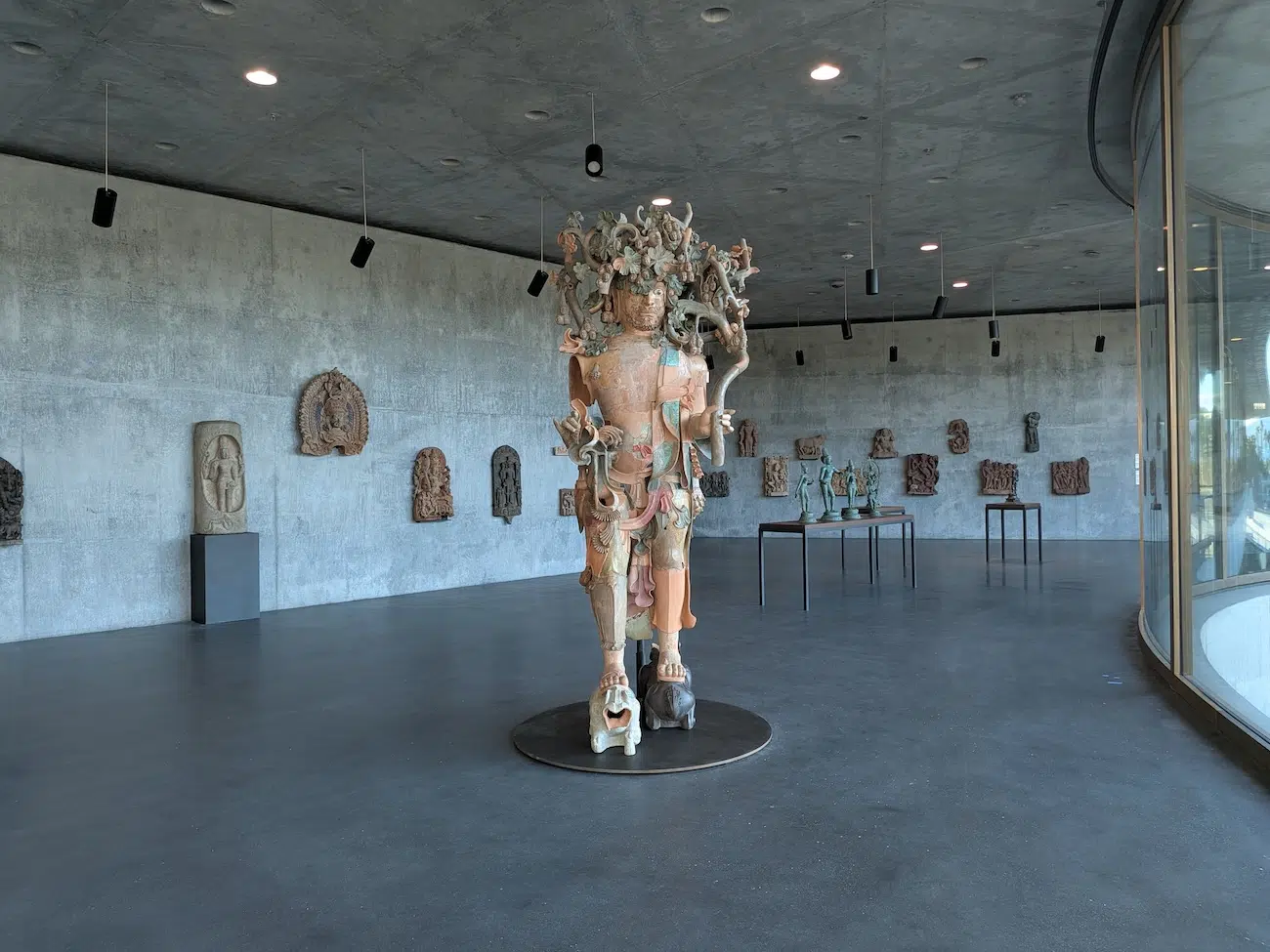
Installation view of the inaugural presentation in the David Geffen Galleries, April 2026, photo © Museum Associates/LACMA
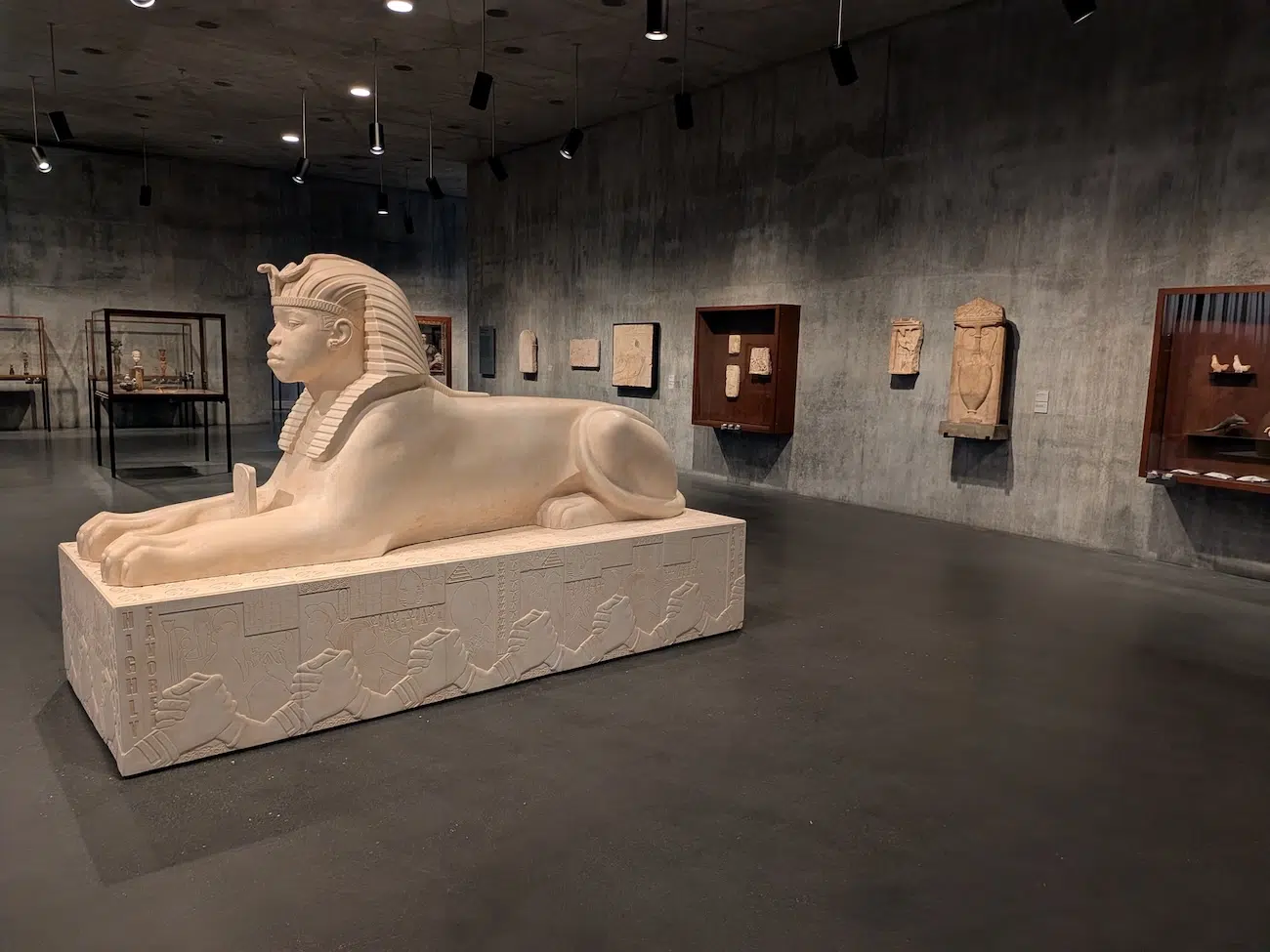
Installation view of the inaugural presentation in the David Geffen Galleries, April 2026, photo © Museum Associates/LACMA
The David Geffen Galleries has an inaugural exhibition on view and reflects the collaborative work of 45 curators to fill the 110,000-square-foot space.
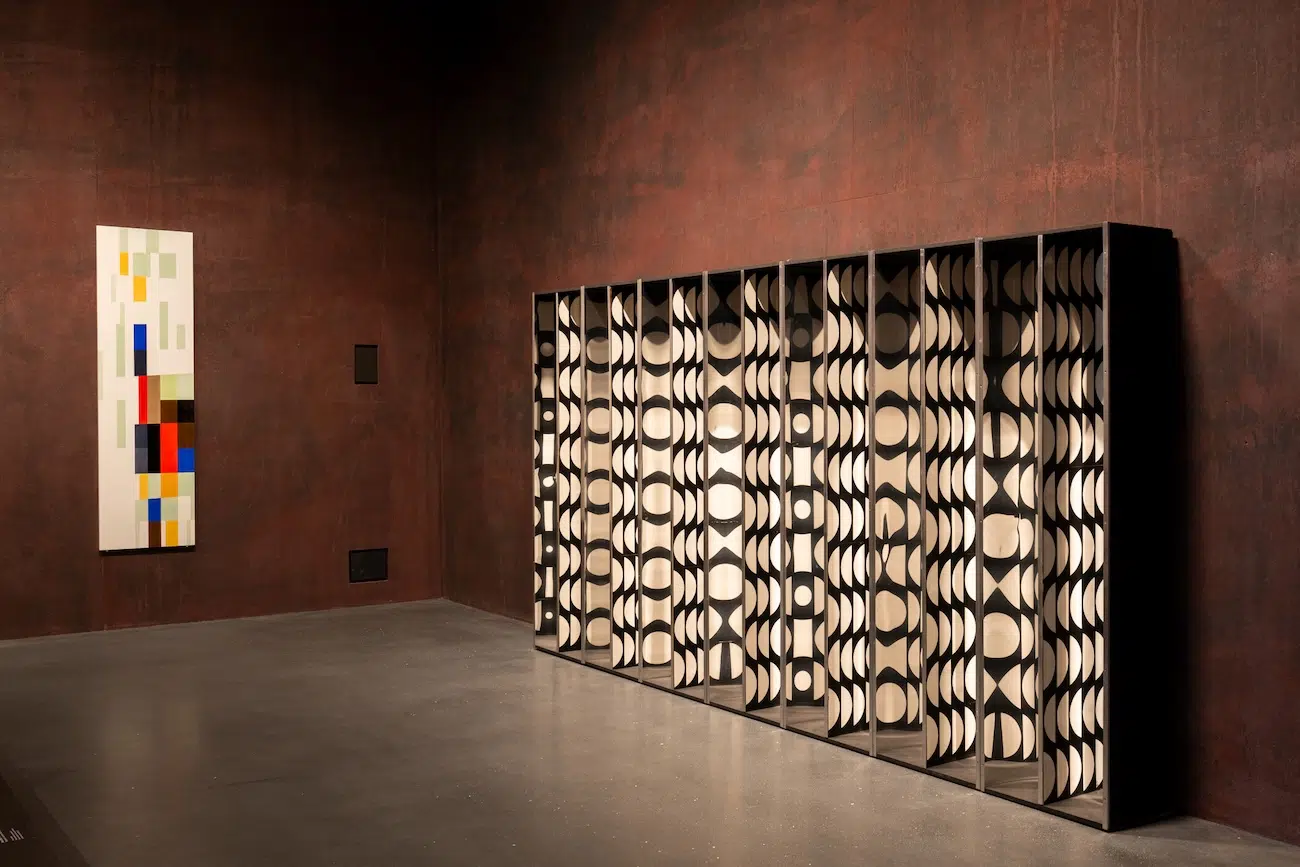
Installation view of the inaugural presentation in the David Geffen Galleries, April 2026, photo © Museum Associates/LACMA
They chose to organize the artwork by way of water, using the Pacific, Indian, Atlantic Oceans, and the Mediterranean Sea to connect cultures and tell the stories that span these great bodies.
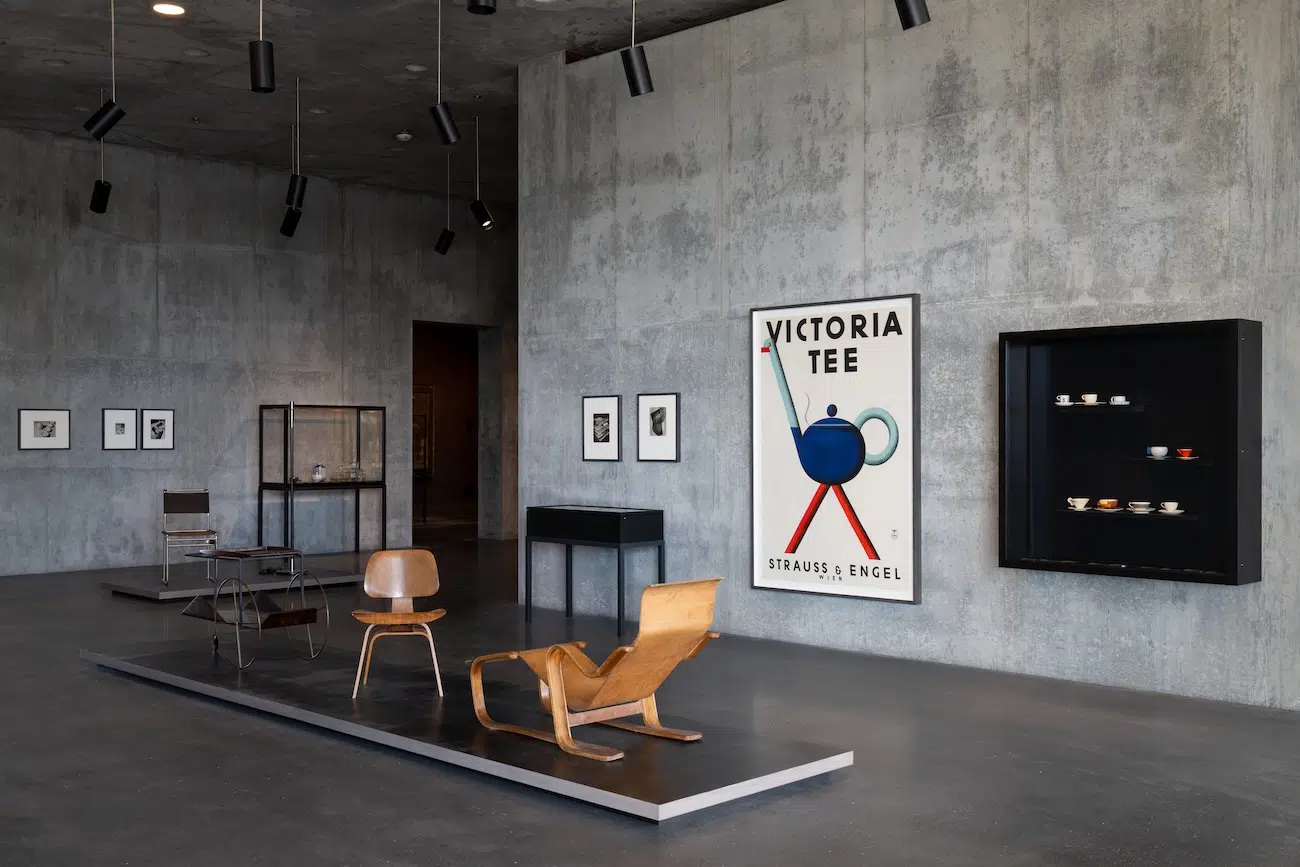
Installation view of the inaugural presentation in the David Geffen Galleries, April 2026, photo © Museum Associates/LACMA
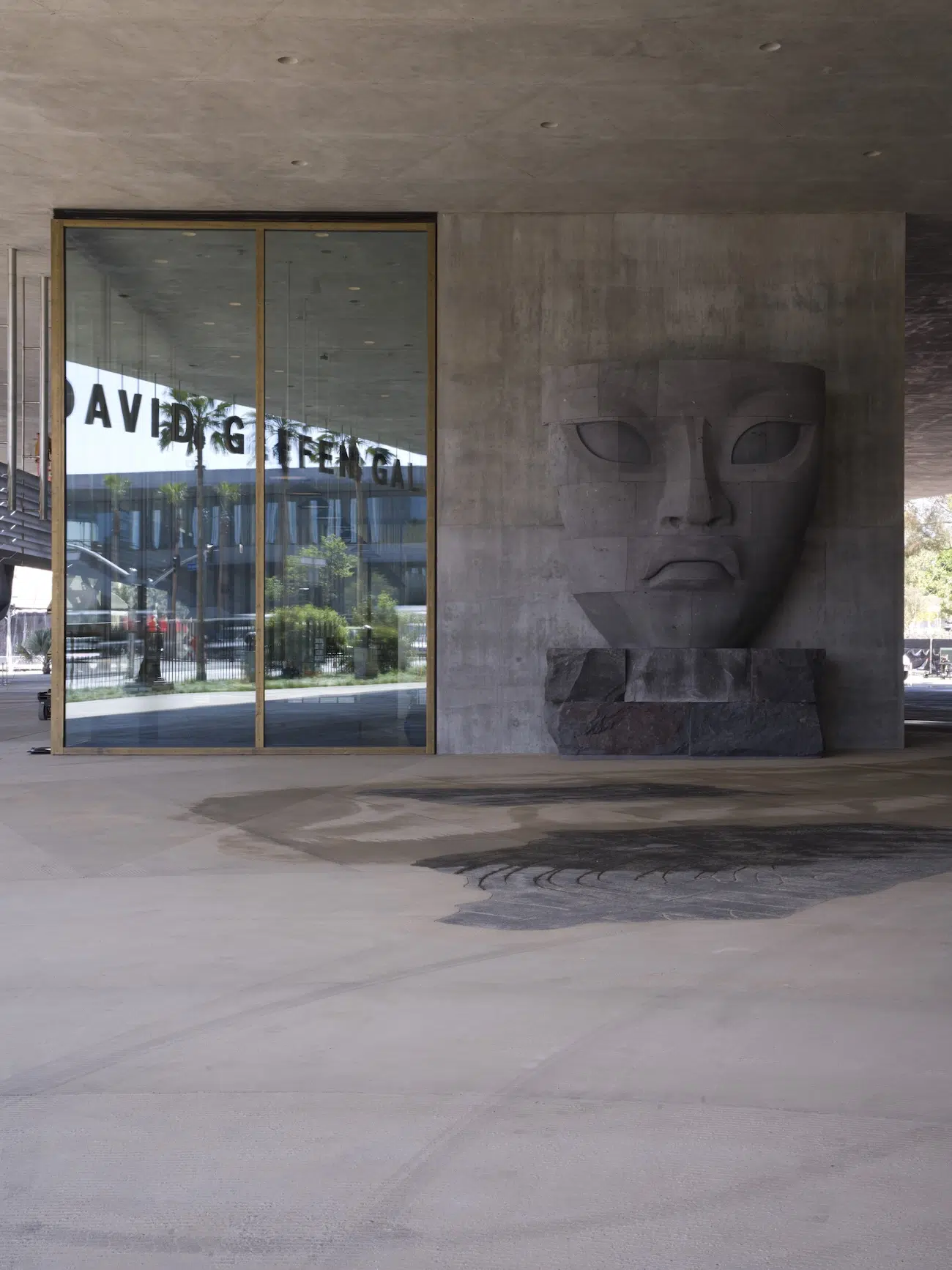
Installation view of the inaugural presentation in the David Geffen Galleries, April 2026, photo © Museum Associates/LACMA
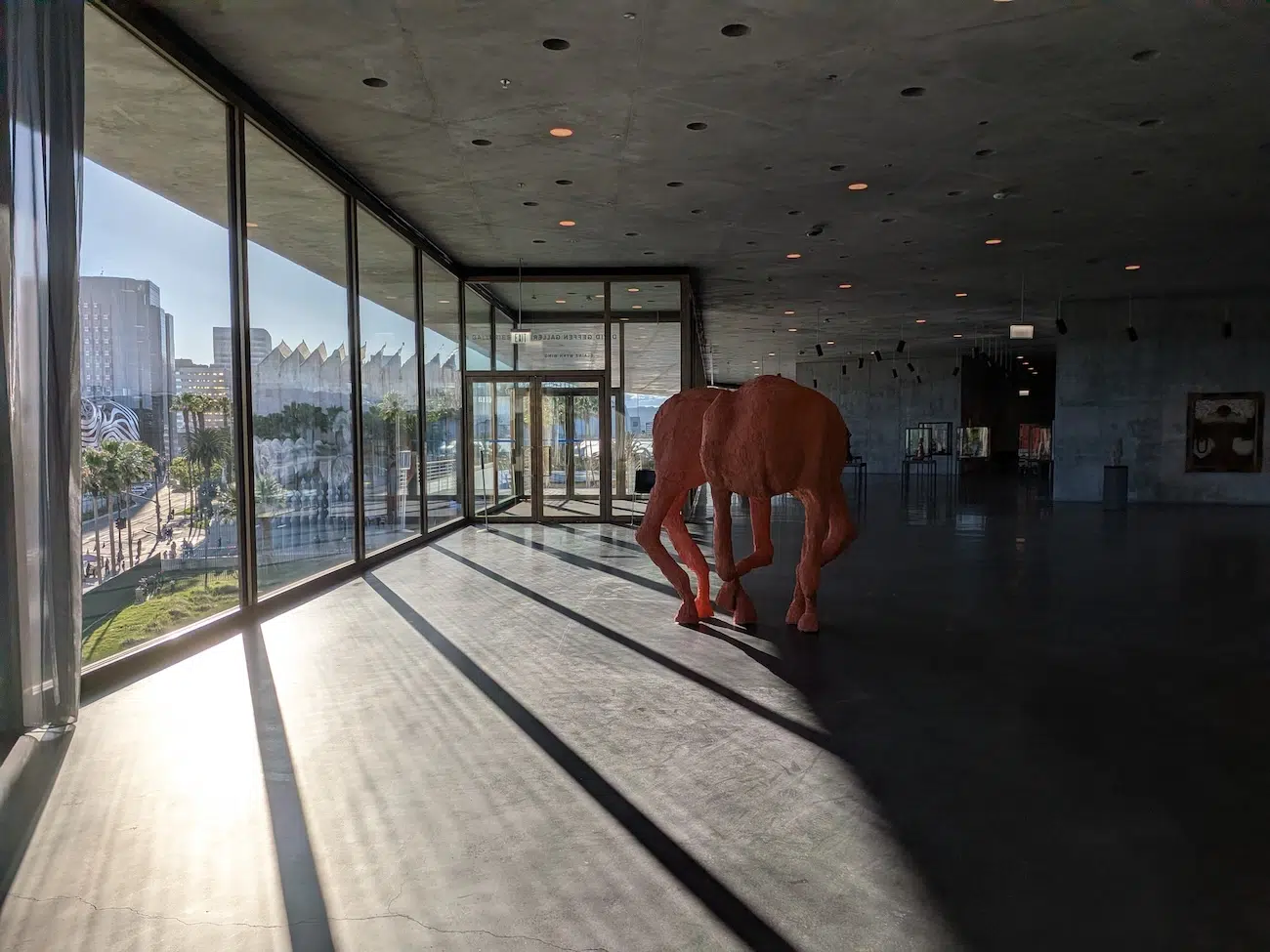
Installation view of the inaugural presentation in the David Geffen Galleries, April 2026, photo © Museum Associates/LACMA
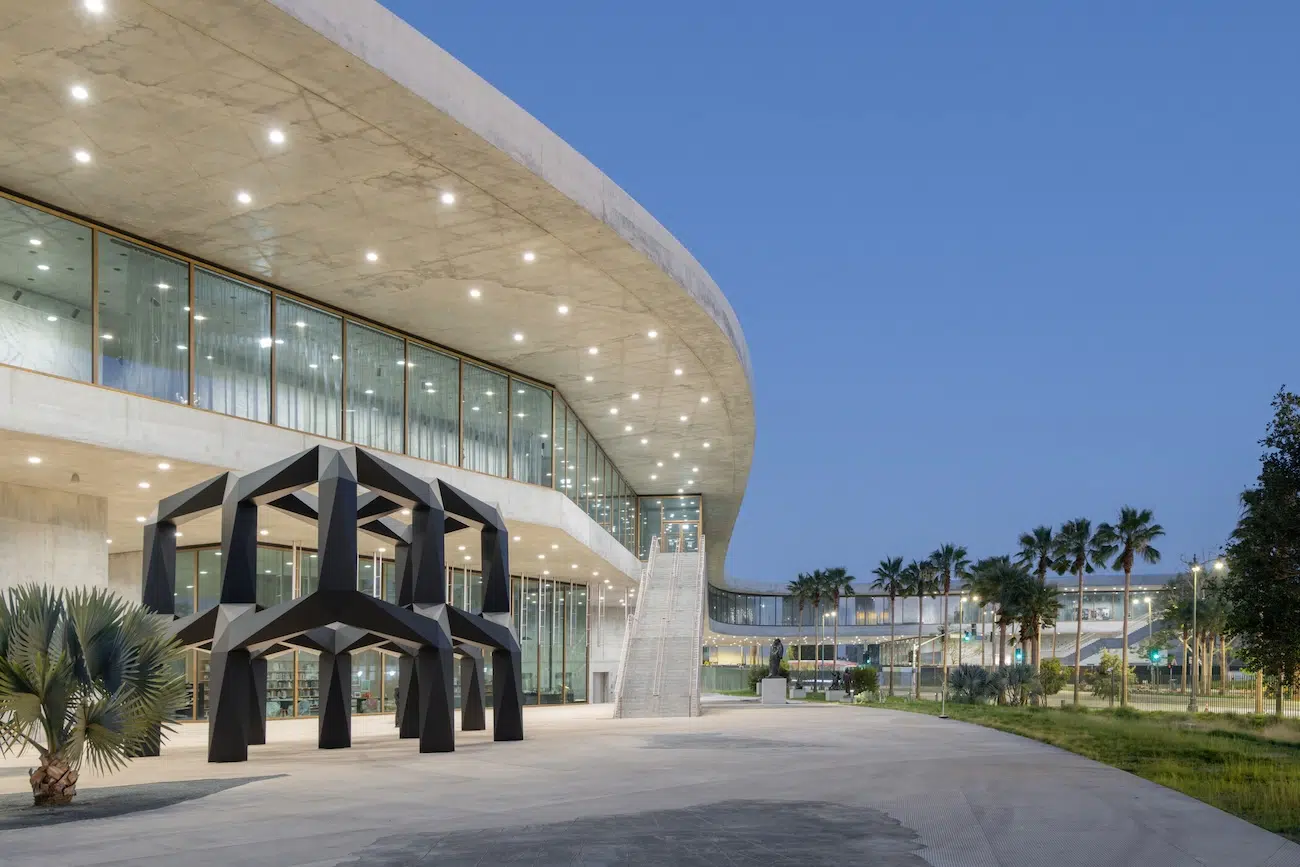
Exterior view southeast toward Wilshire Boulevard with Tony Smith’s Smoke (1967) in foreground, David Geffen Galleries at LACMA, art © Tony Smith Estate/Artists Rights Society (ARS), New York, photo © Iwan Baan