San Diego Museum of Art Plans for Upcoming Expansion Amid a World-Class Collection

San Diego Museum of ArtSan Diego Museum of Art

Photo: Courtesy of the San Diego Museum of Art

One of the best things about visiting a new city, or rediscovering your own, is the local art museum. These important institutions allow us to experience art in an intimate setting—beyond our computer screens—and appreciate a variety of creativity and perspectives. If you’re in Southern California, the San Diego Museum of Art (SDMA) is a must-visit for this type of cultural experience.

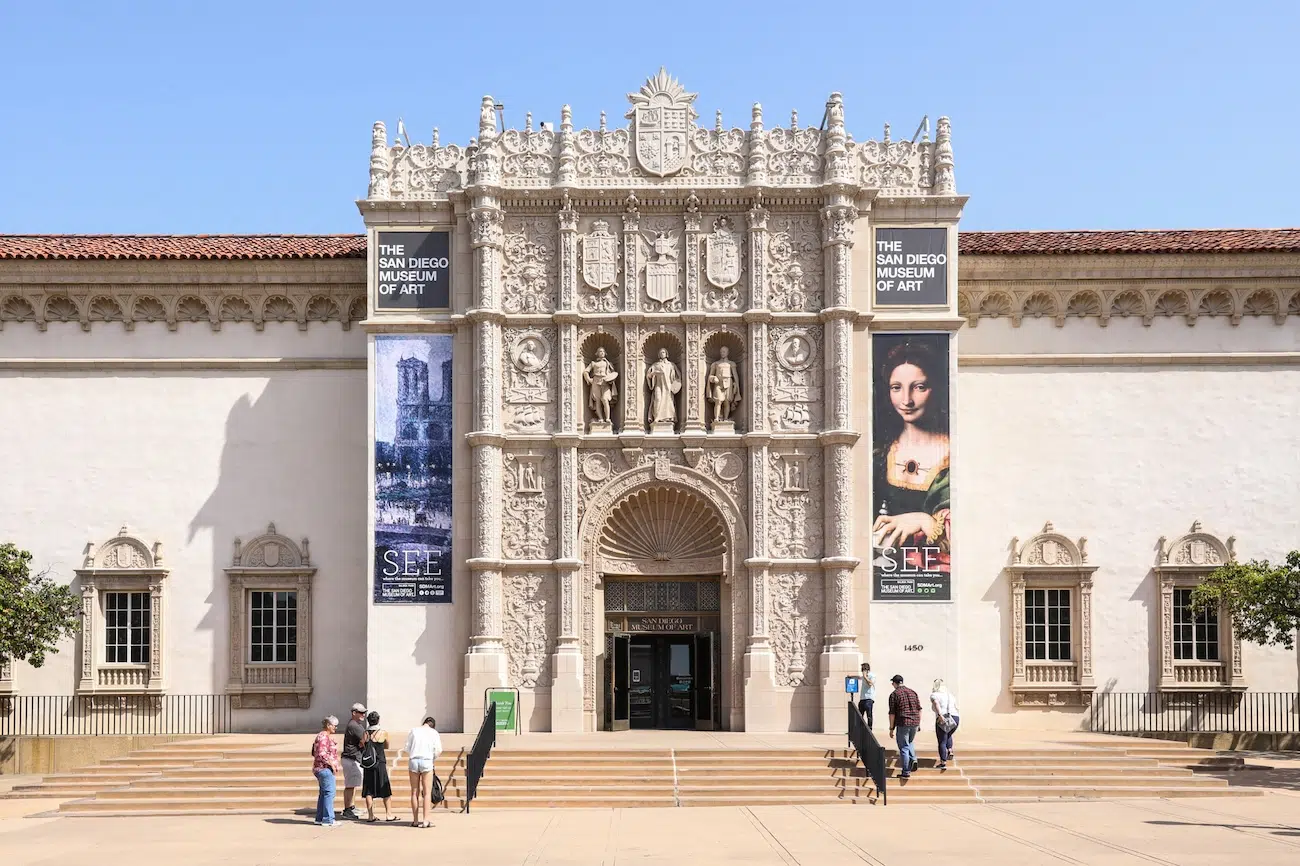
With a mission to “inspire, educate, and cultivate curiosity through great works of art,” the century-old museum’s origins can be traced back to the Panama-California International Exposition, held in the city’s Balboa Park from 1915 to 1916. Eventually, a museum—then known as the Fine Arts Gallery of San Diego—was constructed in the style of a 16th-century Spanish Renaissance building with a nod to the ornate plateresque aesthetic. It officially became the SDMA in 1978, and it’s only grown larger since that time. This includes its collections; in the early to mid-aughts, for instance, the SDMA acquired a “significant collection” of African Oceanic and Native American artworks, as well as more than a thousand books and other ephemera.

The museum continues to grow and is about to undergo an expansion to its West Wing. First completed in 1966, the wing doubled the SDMA’s space and made way for an auditorium, a library, archives, and its popular Panama 66 restaurant. Now the renowned firm Fosters + Partners, spearheaded by Pritzker Prize for Architecture winner Norman Foster, will increase its exhibition space, improve accessibility, and integrate the West Wing with the main structure. The exciting project is expected to break ground in 2026.

Visit the SDMA through February 8, 2026, to experience its latest major exhibition titled Eduardo Chillida: Convergence. It’s a 100-year celebration of Eduardo Chillida’s legacy and has the most expansive survey of his works shown in the U.S. in nearly 50 years. Spanning a range of materials—including iron, oak, alabaster, and clay—the more than 85 works run the gamut of large-scale sculptures, works on paper, and virtual reality experiences to illustrate Chillida’s exploration of our natural world.

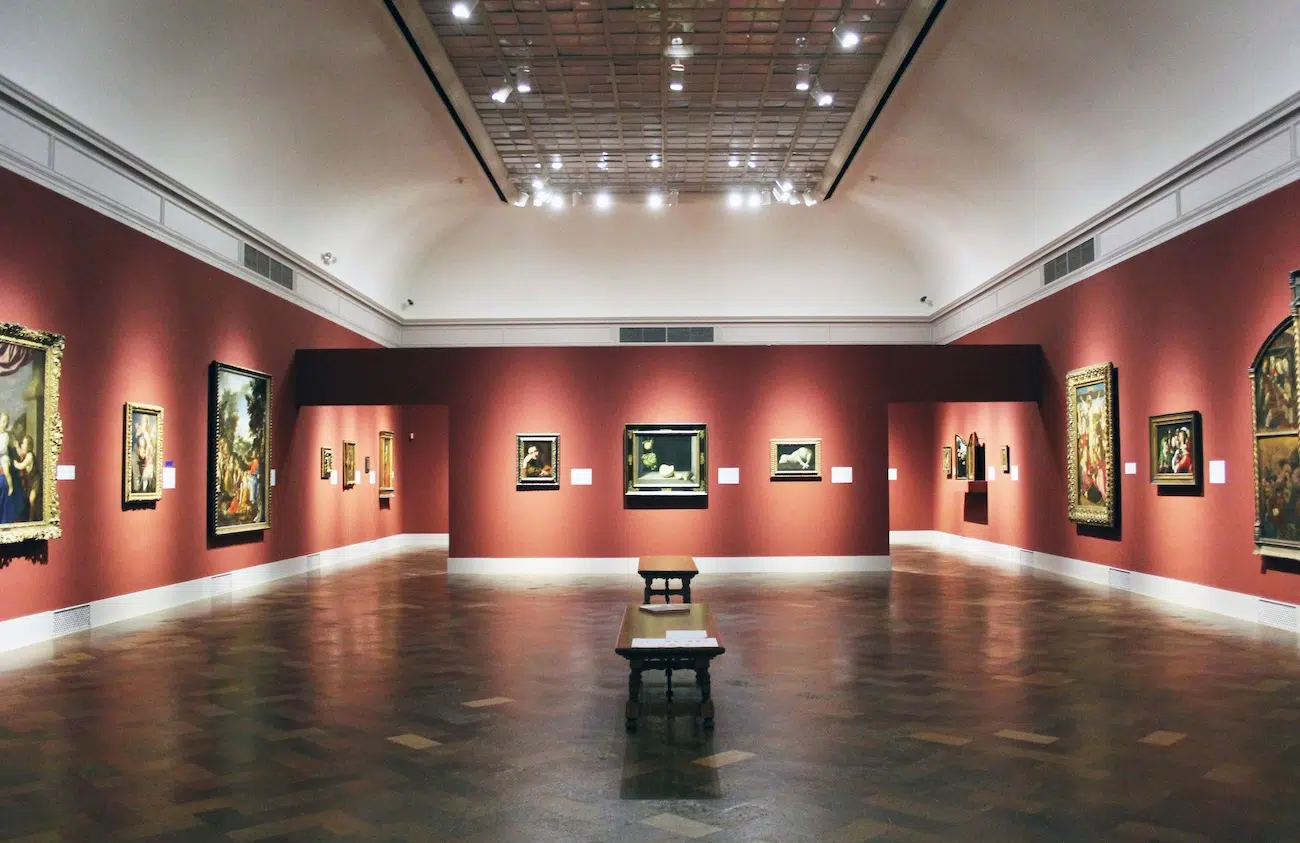
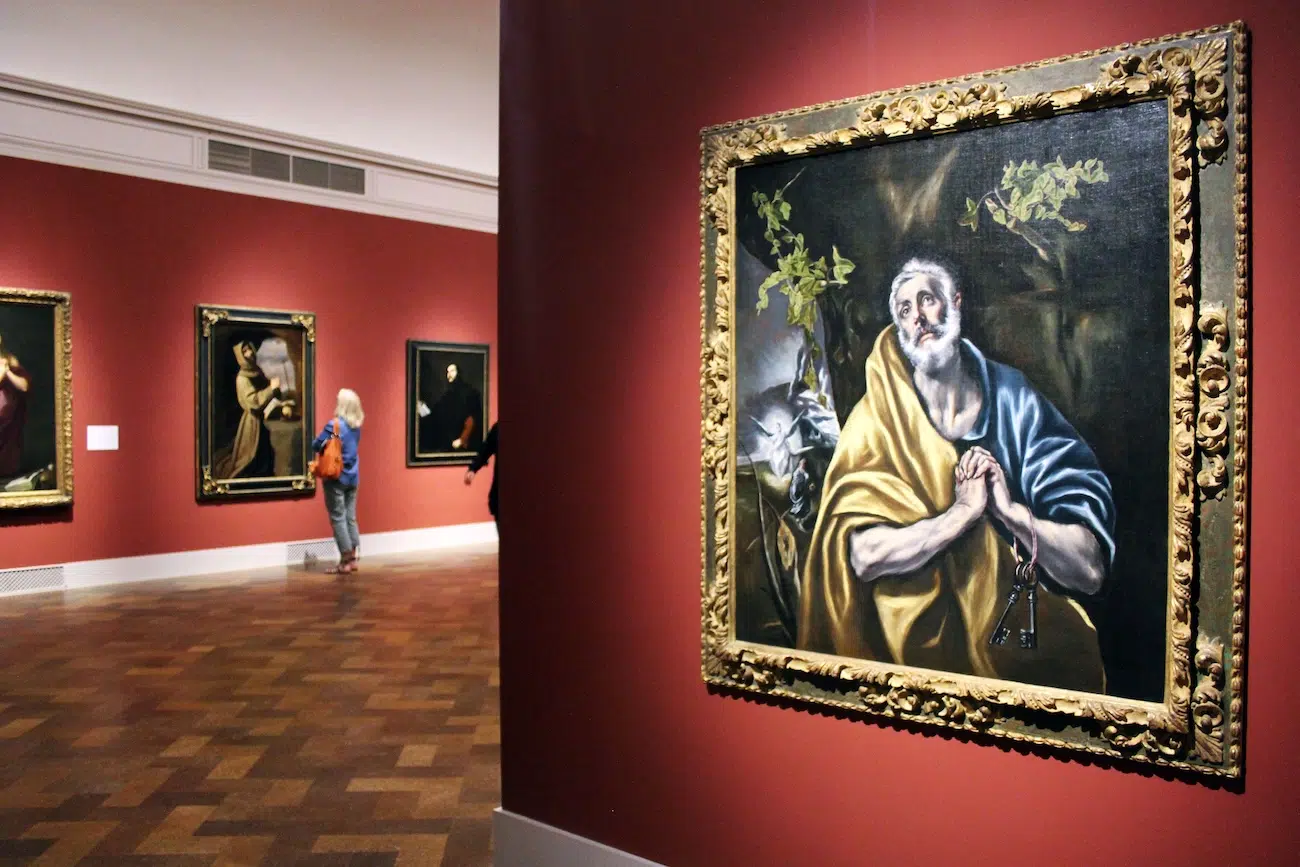
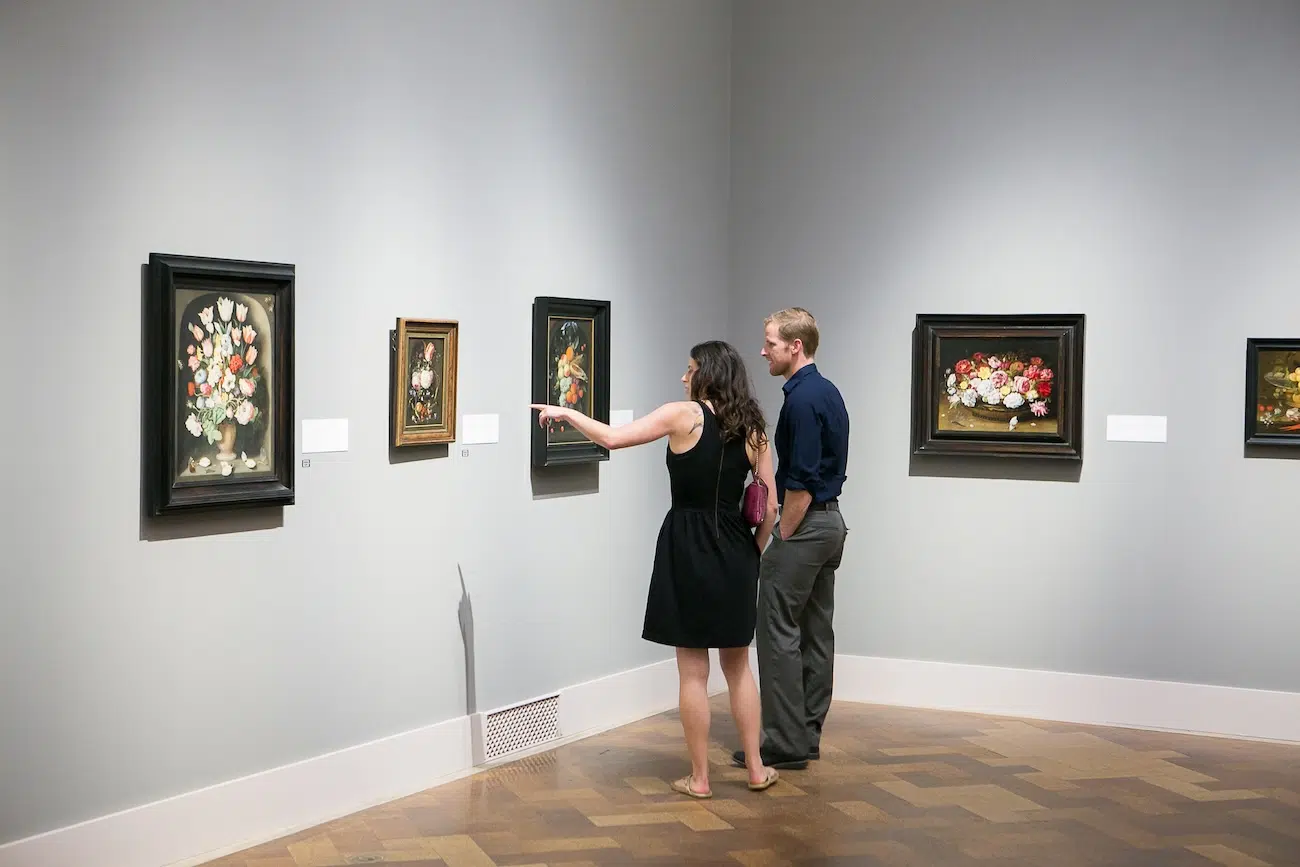
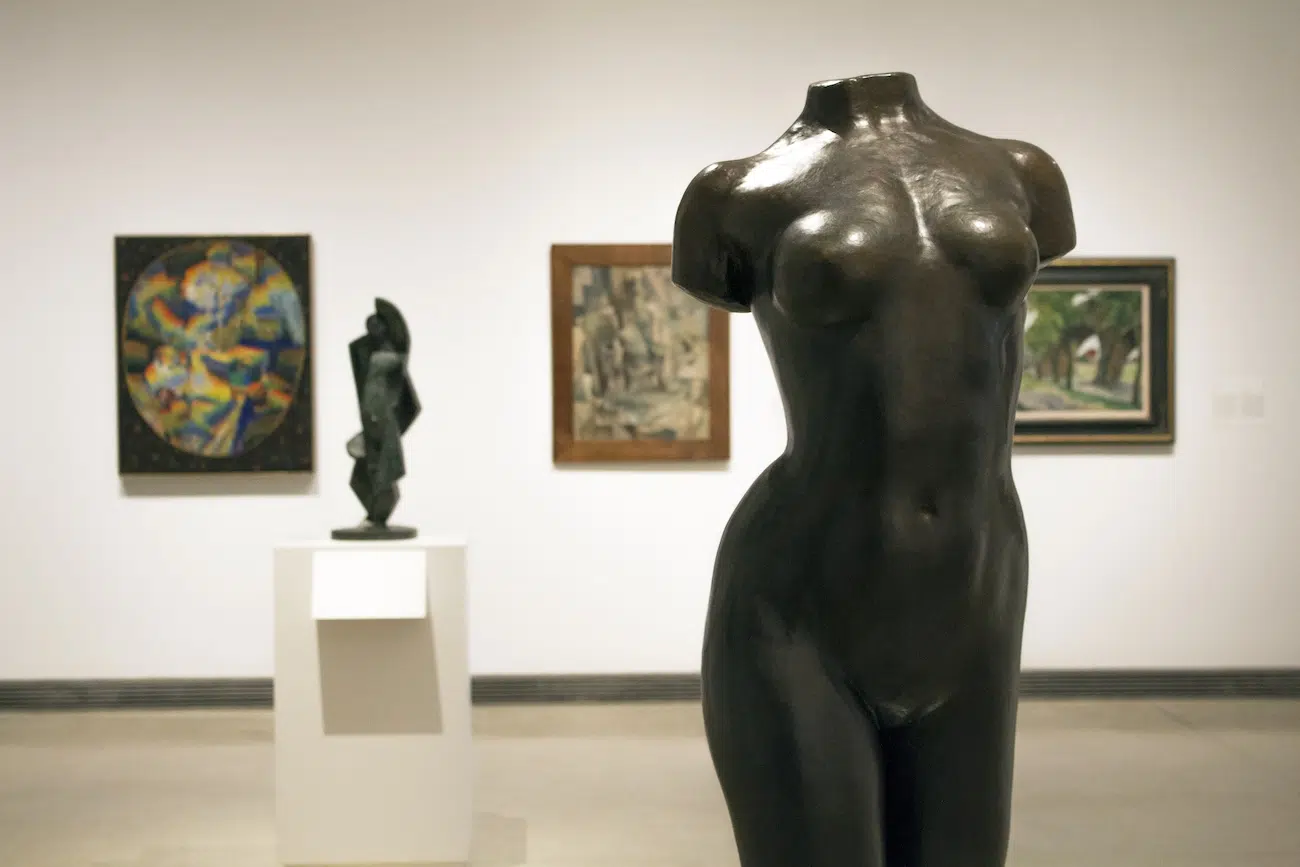
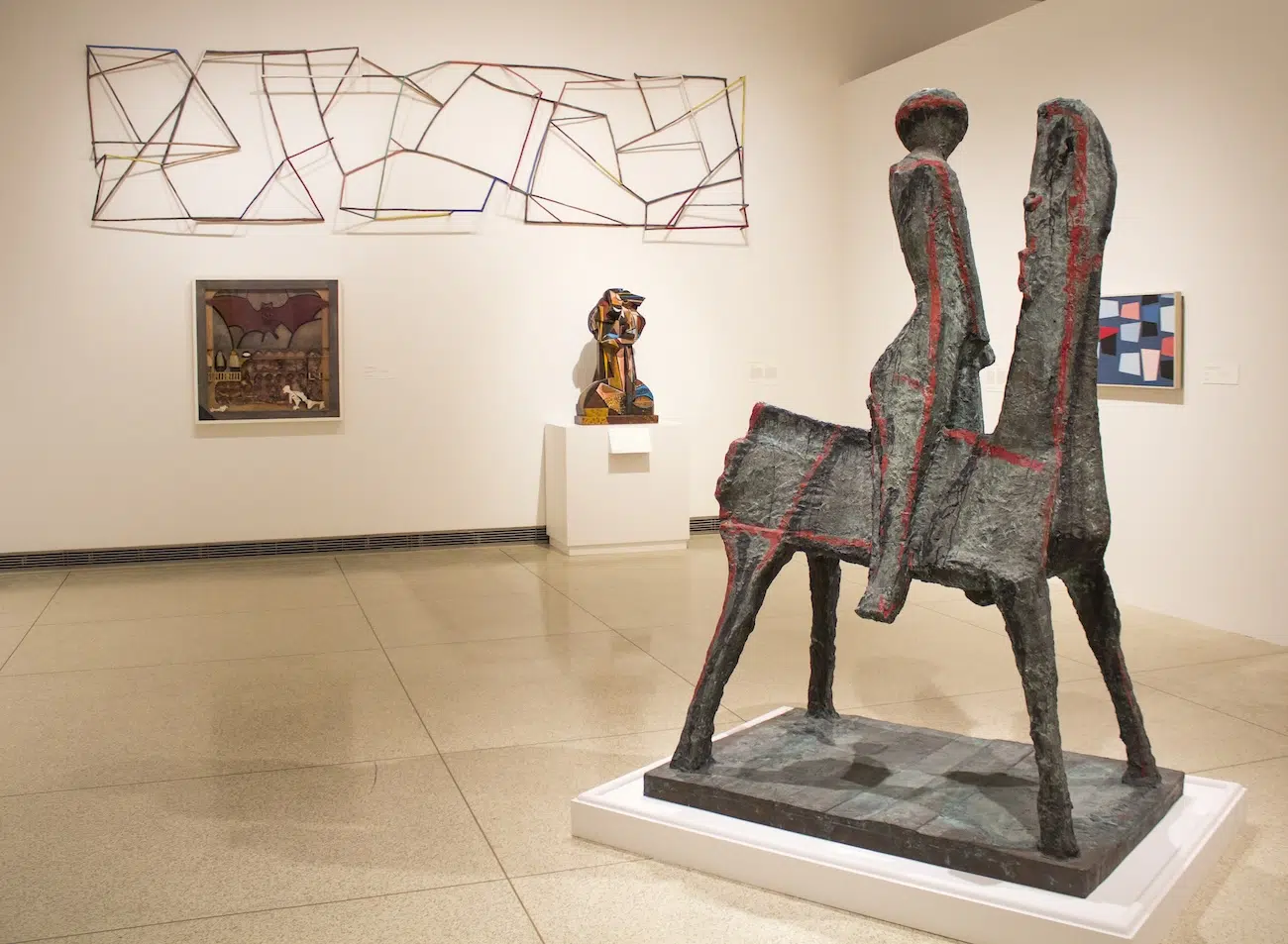
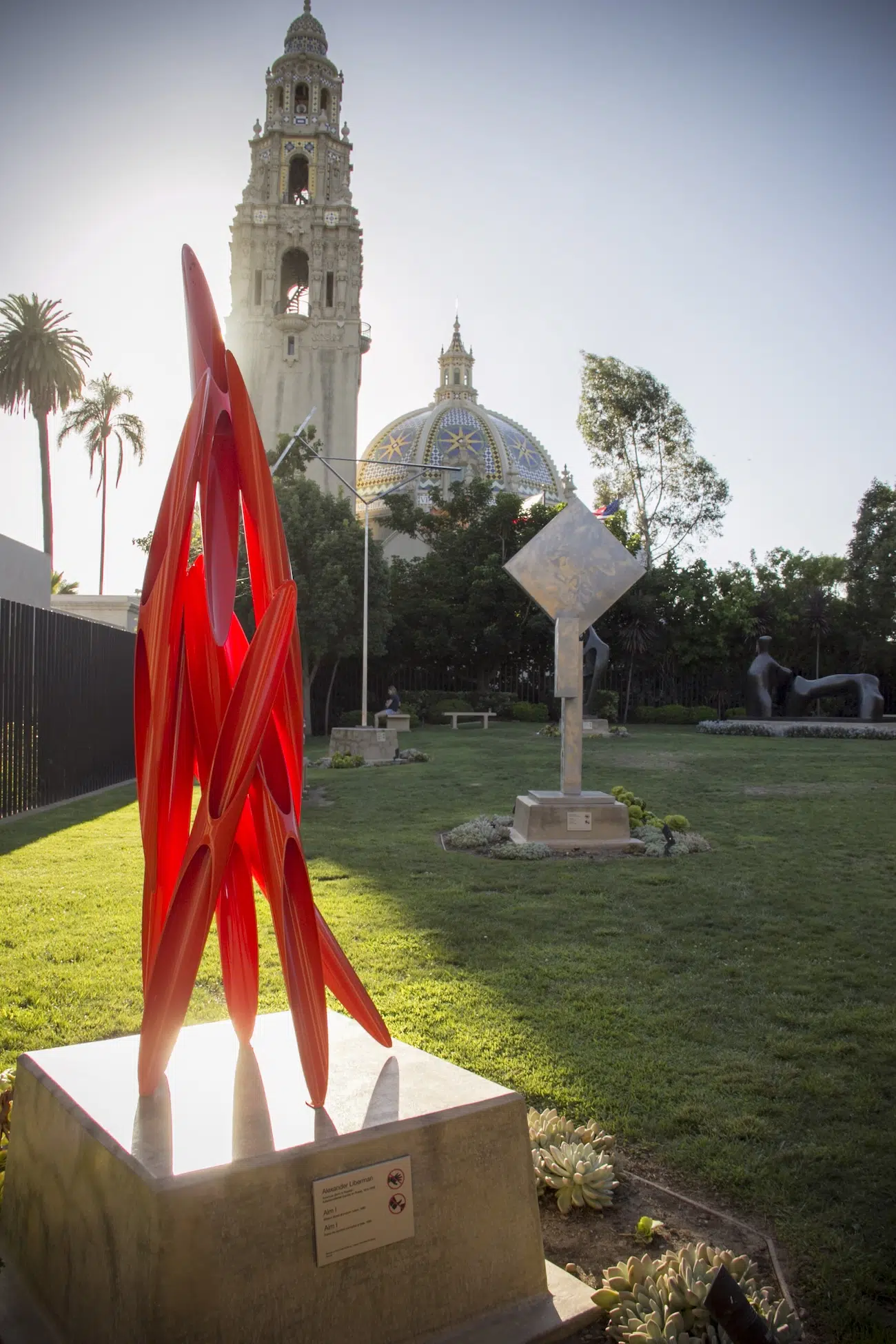
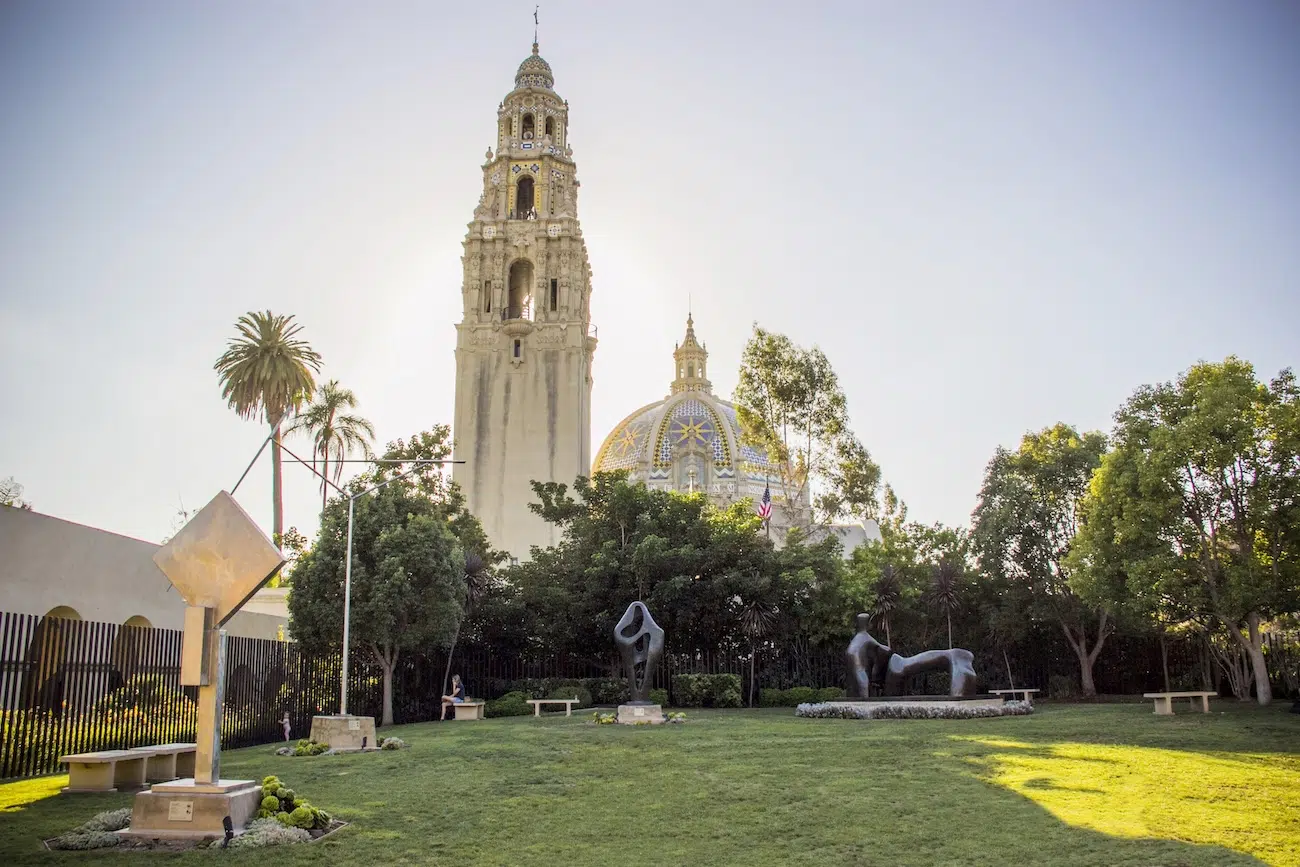
While you’re at the SDMA viewing Eduardo Chillida: Convergence, be sure to peruse the other galleries with works from the institution’s permanent collection. It includes more than 32,000 objects from around the world, spanning from 3,000 BCE to the present day.

The San Diego Museum of Art (SDMA) is an art museum in Southern California that has existed in some form for a century.
San Diego Museum of ArtSan Diego Museum of Art

Photo: Courtesy of the San Diego Museum of Art
San Diego Museum of ArtSan Diego Museum of Art

Photo: Courtesy of the San Diego Museum of Art

SDMA features 32,000 objects from around the world, spanning from 3,000 BCE to the present day.

San Diego Museum of ArtSan Diego Museum of Art

Photo: Courtesy of the San Diego Museum of Art

San Diego Museum of ArtSan Diego Museum of Art

Photo: Courtesy of the San Diego Museum of Art
San Diego Museum of ArtSan Diego Museum of Art

Photo: Courtesy of the San Diego Museum of Art
San Diego Museum of ArtSan Diego Museum of Art

Photo: Courtesy of the San Diego Museum of Art

San Diego Museum of ArtSan Diego Museum of Art

Photo: Courtesy of the San Diego Museum of Art
San Diego Museum of ArtSan Diego Museum of Art

Photo: Courtesy of the San Diego Museum of Art
San Diego Museum of ArtSan Diego Museum of Art

Photo: Courtesy of the San Diego Museum of Art
SDMA’s current major exhibition is titled Eduardo Chillida: Convergence.

Eduardo Chillida: Convergence at SDMAEduardo Chillida: Convergence at SDMA

Eduardo Chillida, Rough Chant III—Homage to Luis Martín-Santos (Abesti gogorra III—Homenaje a Luis Martín-Santos), 1964. Oak. The Art Institute of Chicago, Grant J. Pick Fund, 1967.386. Photo credit: The Art Institute of Chicago / Art Resource, NY. © Zabalaga Leku, ARS, San Diego, 2025. Courtesy of the Estate of Eduardo Chillida and Hauser & Wirth.

It’s a 100-year celebration of Eduardo Chillida’s legacy and features the most expansive survey of his works shown in the U.S. in nearly 50 years.
Eduardo Chillida: Convergence at SDMAEduardo Chillida: Convergence at SDMA

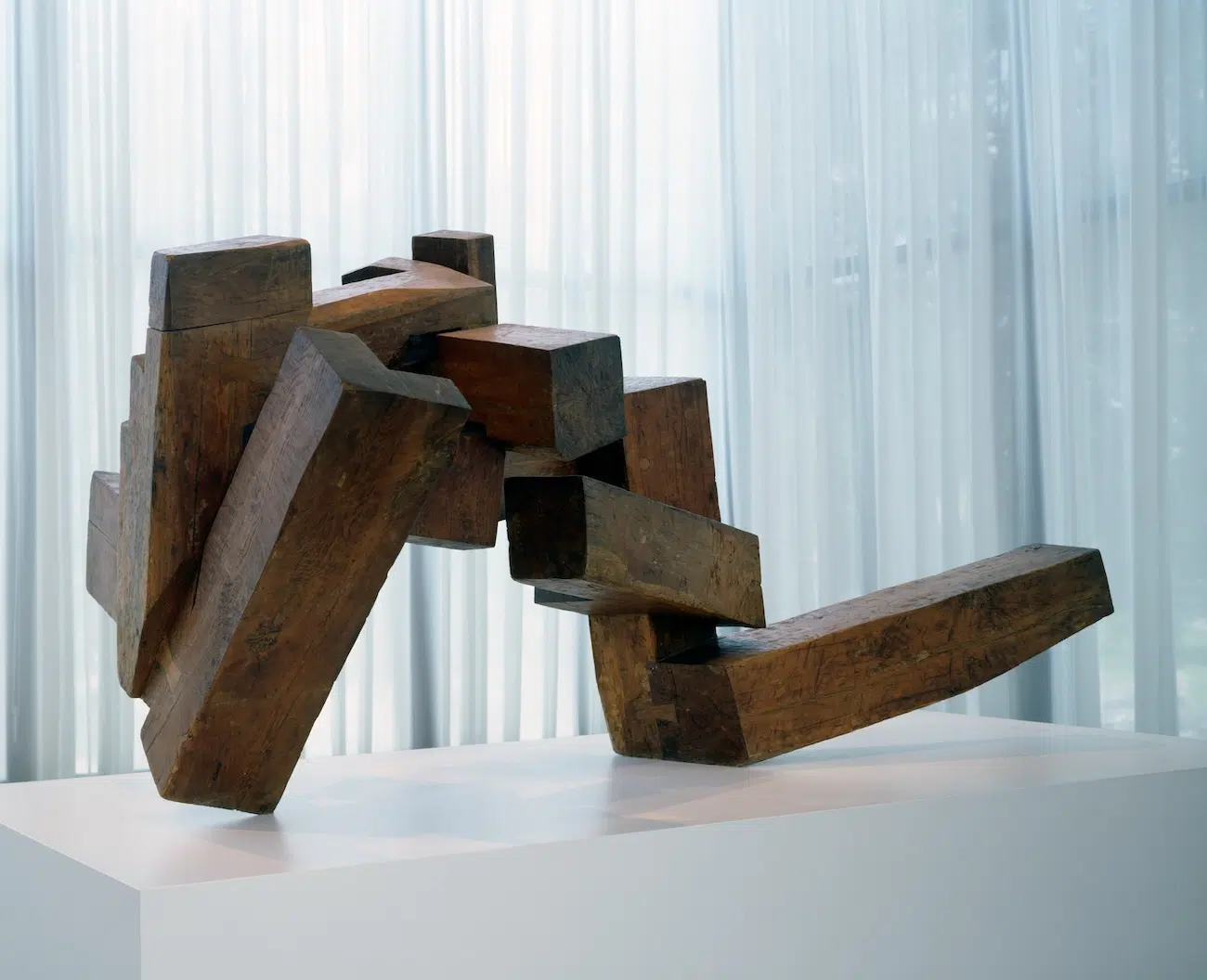
Eduardo Chillida, Rough Chant I (Abesti gogorra I), 1961. Oak. The Museum of Fine Arts, Houston, Museum purchase, 62.5. © Zabalaga Leku, ARS, San Diego, 2025. Courtesy of the Estate of Eduardo Chillida and Hauser & Wirth.

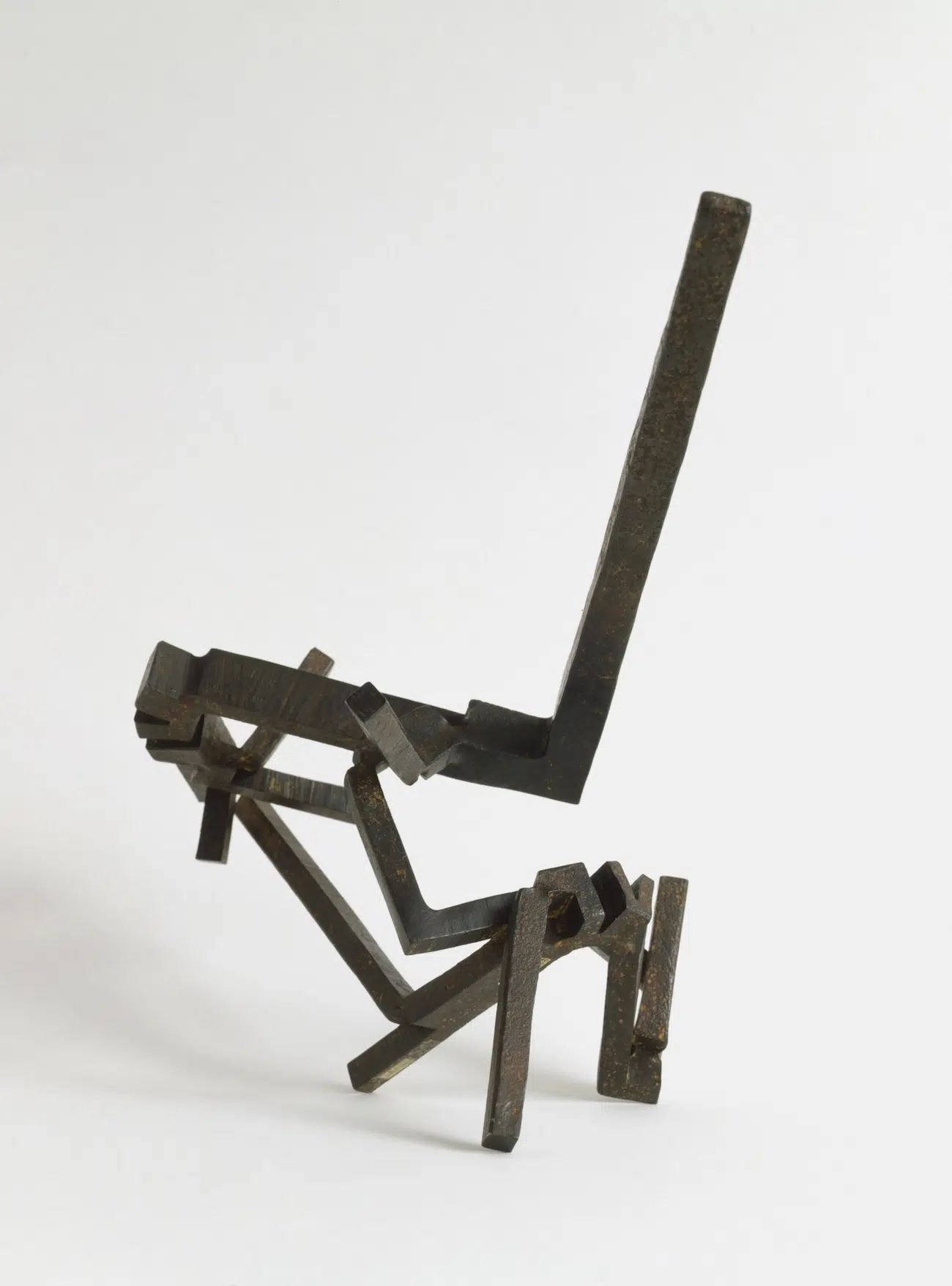
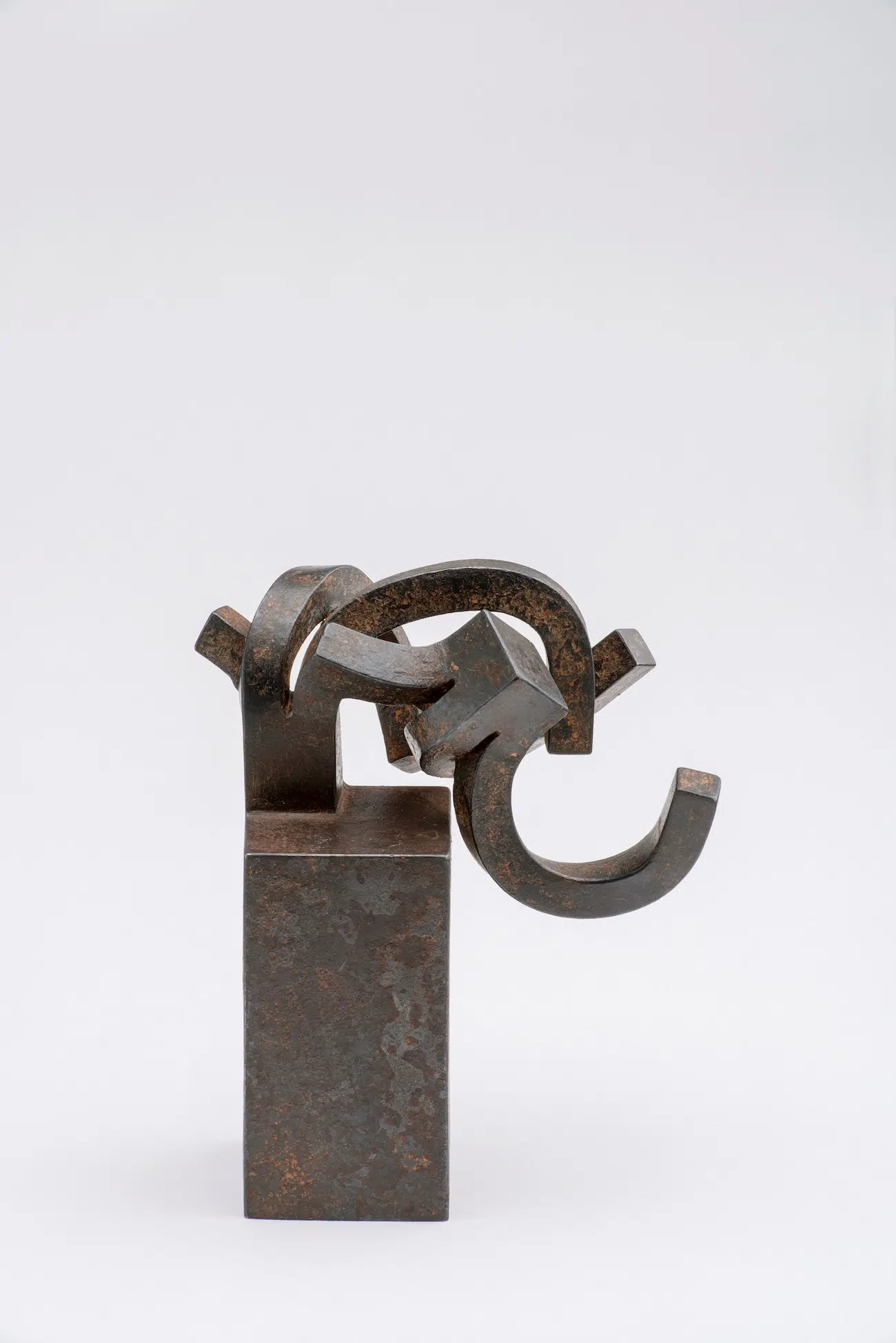
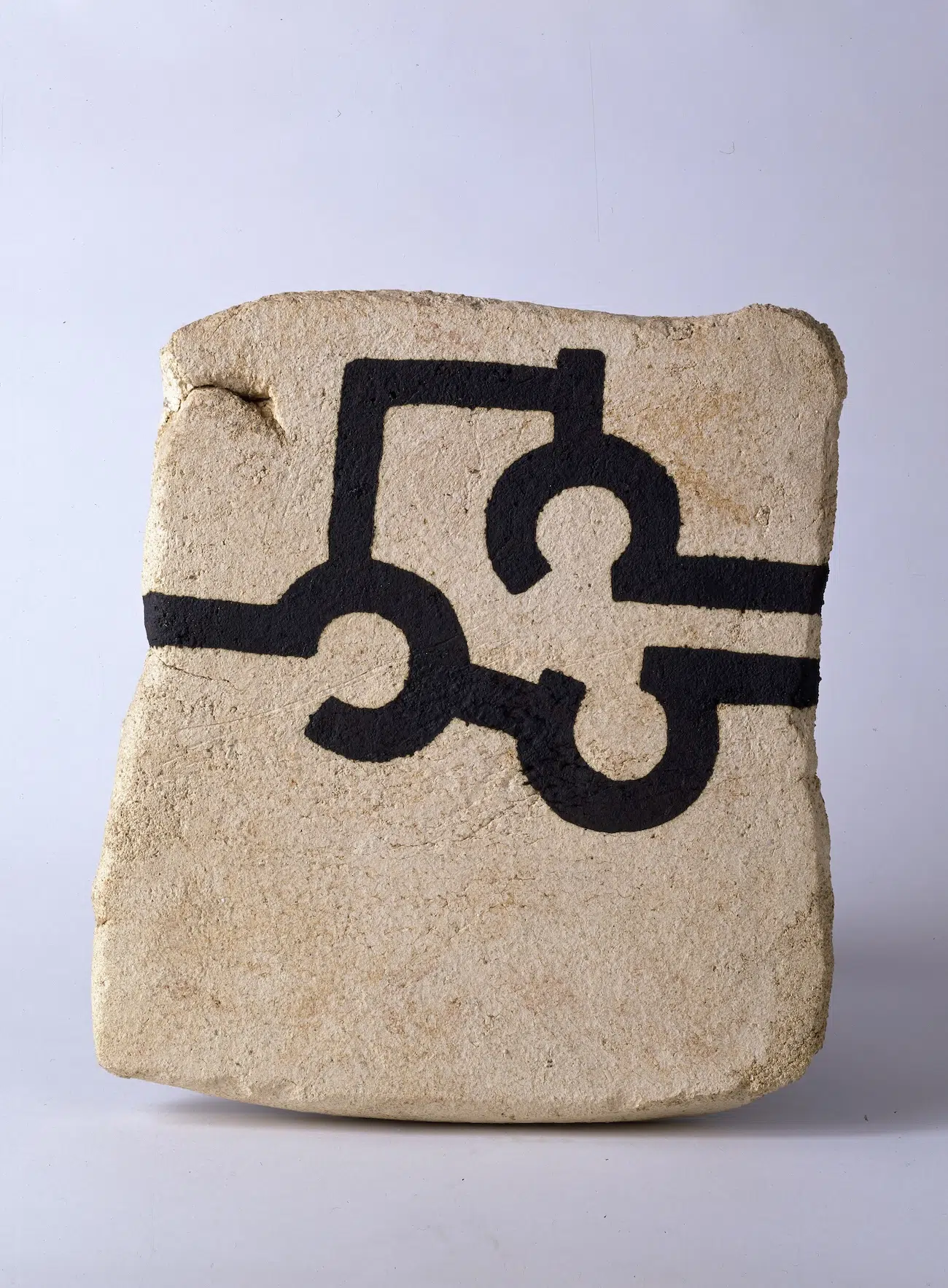
Spanning a range of materials—including iron, oak, alabaster, and clay—the more than 85 works run the gamut of large-scale sculptures, works on paper, and more.
Eduardo Chillida: Convergence at SDMAEduardo Chillida: Convergence at SDMA

Eduardo Chillida, Place of Silences (Lugar de silencios), 1958. Wrought iron. The Menil Collection, Houston, CA 5929. Photographer: Hickey-Robertson, Houston. © Zabalaga Leku, ARS, San Diego, 2025. Courtesy of the Estate of Eduardo Chillida and Hauser & Wirth.
Eduardo Chillida: Convergence at SDMAEduardo Chillida: Convergence at SDMA

Eduardo Chillida, Study for Comb of the Wind XVI (Estudio Peine del viento XVI), 1984. Iron. Courtesy of the Estate of Eduardo Chilida and Hauser & Wirth, Photographer: Iñigo Santiago. © Zabalaga Leku, ARS, San Diego, 2025. Courtesy of the Estate of Eduardo Chillida and Hauser & Wirth.
Eduardo Chillida: Convergence at SDMAEduardo Chillida: Convergence at SDMA

Eduardo Chillida, Oxide 26 (Óxido 26), 1978. Fired clay and copper oxide. Courtesy of the Estate of Eduardo Chilida and Hauser & Wirth. © Zabalaga Leku, ARS, San Diego, 2025. Courtesy of the Estate of Eduardo Chillida and Hauser & Wirth.
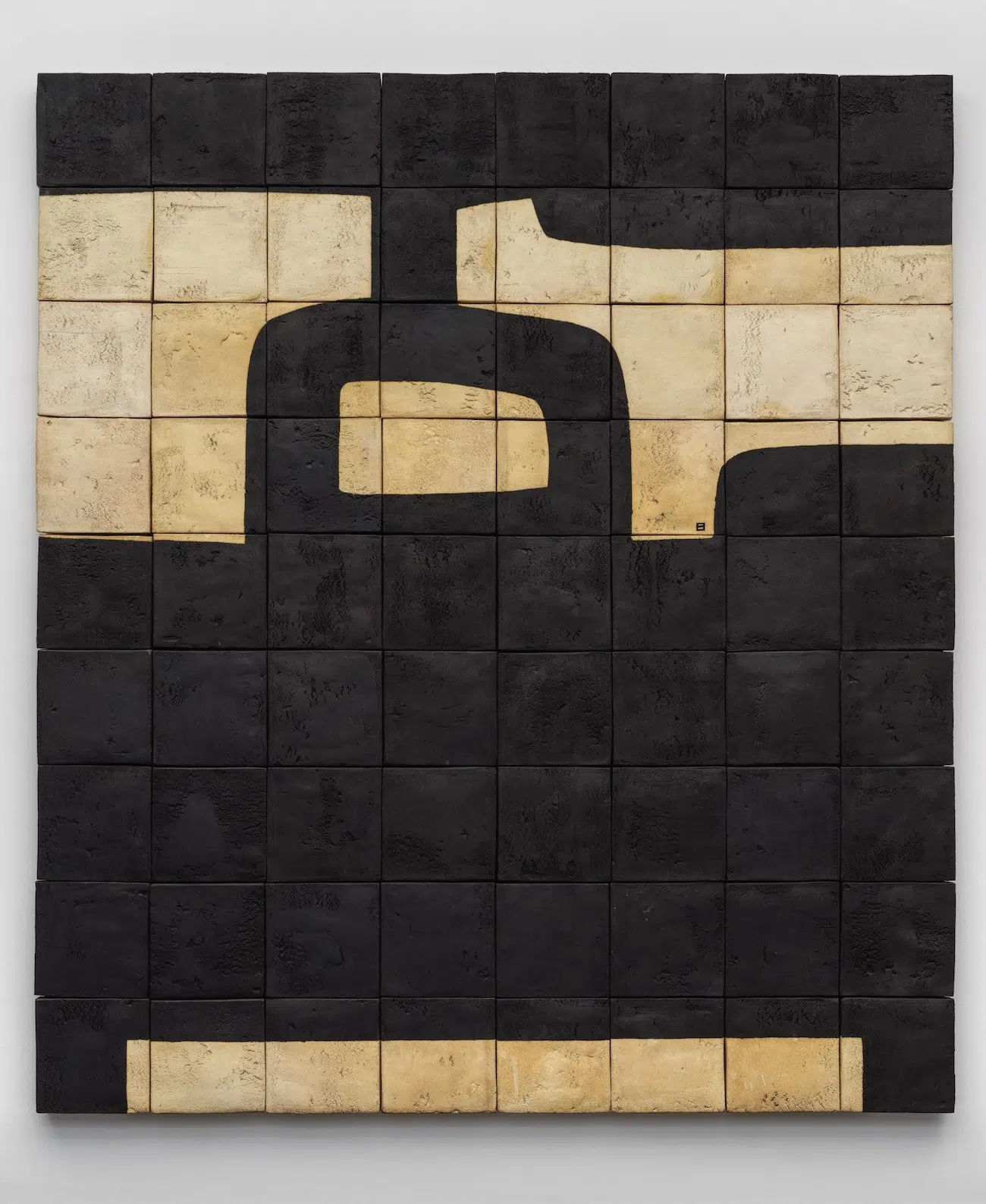
Eduardo Chillida: Convergence at SDMAEduardo Chillida: Convergence at SDMA

Eduardo Chillida, Mural G-56, 1985. Fired clay and copper oxide. Courtesy of the Estate of Eduardo Chilida and Hauser & Wirth, Photographer: Stefan Altenburger. © Zabalaga Leku, ARS, San Diego, 2025. Courtesy of the Estate of Eduardo Chillida and Hauser & Wirth.

Eduardo Chillida: Convergence at SDMAEduardo Chillida: Convergence at SDMA

Eduardo Chillida, Untitled, 1953. Paper collage with ink on paper. Courtesy of the Estate of Eduardo Chilida and Hauser & Wirth. Photographer: Alex Abril. © Zabalaga Leku, ARS, San Diego, 2025. Courtesy of the Estate of Eduardo Chillida and Hauser & Wirth.
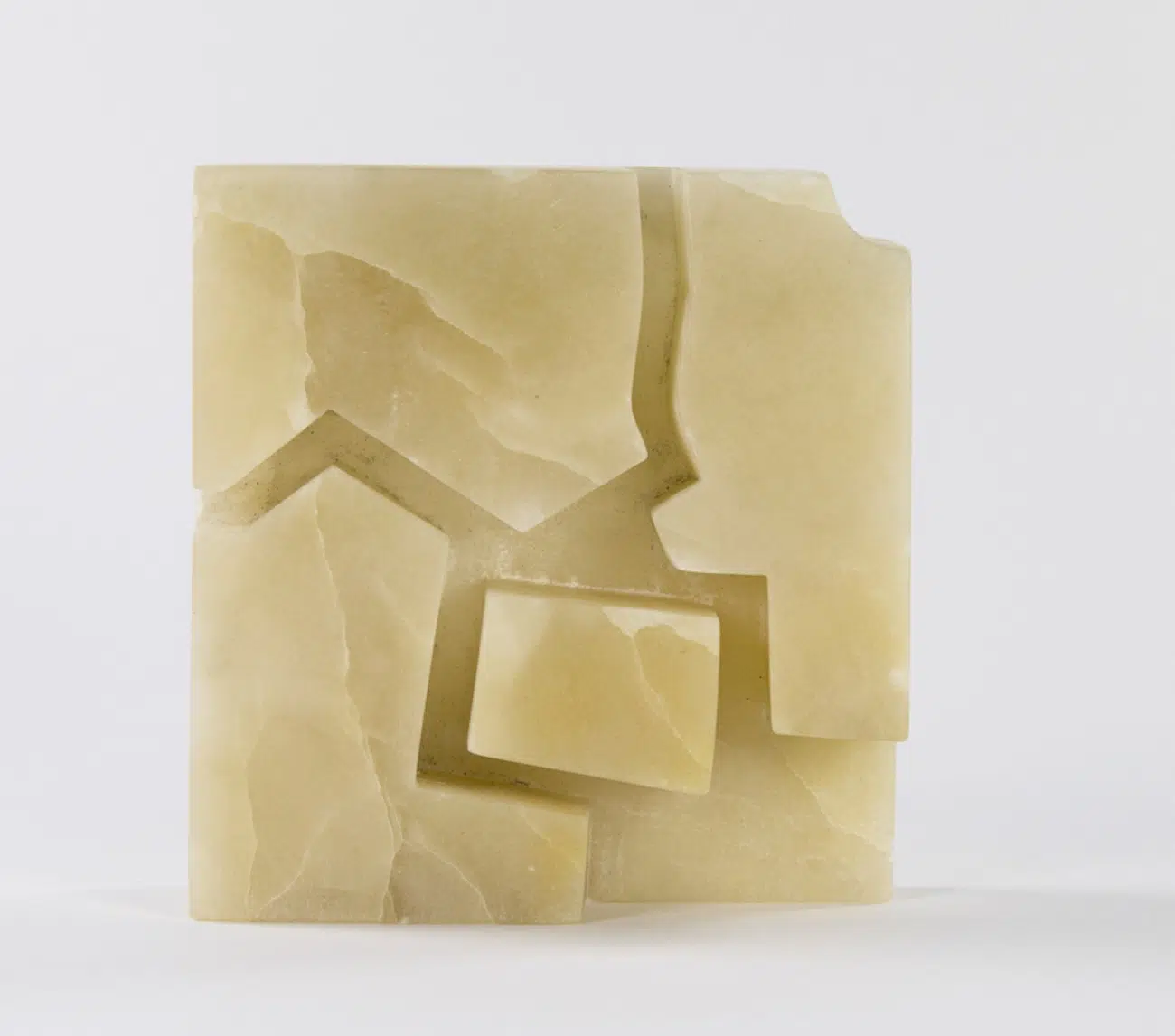
Eduardo Chillida: Convergence at SDMAEduardo Chillida: Convergence at SDMA

Eduardo Chillida, Untitled, 1968. Alabaster. Courtesy of the Estate of Eduardo Chilida and Hauser & Wirth. © Zabalaga Leku, ARS, San Diego, 2025. Courtesy of the Estate of Eduardo Chillida and Hauser & Wirth.

Eduardo Chillida: Convergence at SDMAEduardo Chillida: Convergence at SDMA

Eduardo Chillida, Comb of the Wind XV (Peine del viento XV), 1976. Steel. Paseo Eduardo Chillida, San Sebastián, Courtesy of the Estate of Eduardo Chilida and Hauser & Wirth, Photographer: Iñigo Santiago. © Zabalaga Leku, ARS, San Diego, 2025. Courtesy of the Estate of Eduardo Chillida and Hauser & Wirth.
My Modern Met spoke with Roxana Velásquez, Maruja Baldwin Executive Director and CEO at the San Diego Museum of Art, about the institution. Learn more about it below:

Exhibition Information:
Eduardo Chillida
Eduardo Chillida: Convergence
August 2, 2025–February 8, 2026
San Diego Museum of Art
1450 El Prado, San Diego, CA 92102, U.S.

San Diego Museum of Art: Website | Instagram | Facebook

My Modern Met granted permission to feature photos by the San Diego Museum of Art.

Related Articles:

Foster + Partners Design a Museum in Abu Dhabi That’s a Thorough Look at Emirati History and Culture

Musical Instrument Museum Highlights the Shared Experience of Making Music Across the World

Palm Springs Air Museum Celebrates History of Old War Planes and Lets You Take One for a Ride Today

Similar Posts

  • Lady

    Architecture and interior design studio idea:list designed a classy, sophisticated and feminine apartment in Slovenia’s capital Ljubljana. Delicate design together with feminine lines of selected functional pieces, contrasts with pragmatically designed furniture suggests an aesthetic choice that clearly defines the identity of its user – a timeless Lady. The client wanted to keep her 62 sqm apartment bright, seemingly warm and simply shaped, with some addition of blue which she adores so much. That is why the architects sought conceptual inspiration from the period of Bauhaus and many times overlooked Elieen Gray’s interiors. With its clean lines and functionality her pieces were nevertheless designed with comfort in mind in addition to a great deal of feminine elegance and glamour. The interior was designed by carefully playing with volumes and voids according to their function while dematerializing them and maximizing their use. As such the design is consistent through the whole apartment – each full element is useful and intended for a specific purpose and each void is formed with the knowledge that it can soon be filled. The latter basically functions on its own, but if the owner fills it with objects such as paintings, statues or some useful pieces such as fashion accessories and dresses, the objects are placed in a functional frame or compositional context and do not act foreign. At the beginning the architects from idea:list studio rearranged the kitchen in the living space from an L shape design into two parallel lines that gave them additional storage space. The kitchen island formed as a volume that rests on a long storage bench that connects the kitchen part and the dining space and with its reduced lateness opens up the room and lets light seep through. This new orientation of the kitchen and consequently also the dining part enables circular visual communication between the latter two and the living room, perfectly fitting into its user’s living habits. Perfect counterbalance to an elegant kitchen in two shades of blue lies in furniture covered with oak veneer. Consequently this volumes combined with different colours and materials form a starting point upon which other spaces are designed. The latter is manifested in different functions of assembled volumes and colours. The work area and guestbed are represented in the cabinet as voids and are highlighted by wooden lines that visually continue in theform of a bench throughthe hallway and into the living space where they manifest as a cabinet under the television. The empty frame in the bedroom lets light pass through to the wardrobe while still dividing the sleeping part from the dressing room and in addition serving as a hanger and a place for a rotating mirror. Clean minimalistic lines are complimented by rounded shapes as details that make the space more elegant and sophisticated. This shows best with the shapes of mirrors in this apartment which have a dual function – for examplethe mirror in the bedroomthat simultaneously serves as storage space for jewellery likewise the mirror in the hallway (together with the blue lining) also serves as a cover for the installation cabinets, as a shelf for hanging keys and finally it acts as an introduction to the aesthetics of the apartment (and its owner) to every visitor. The luxurious deep blue velvet on the rounded upholstered backs of benches and beds adds a desired elegance to the space, while carefully selected fabrics in curtains and cushions further enrich it with different textures and delicate contrasts. PROJECT INFO
    Interior Design: idea:list studio
    Design Team: Urša Kres, Tina Begović, Urban Pahor
    Location: Ljubljana, Slovenia
    Photography: Blaž Gutman

  • Minimal Contemporary Polish Home in White Keeps Things Understated

    It is not very often that we come across minimal homes these days. A more common sight a decade or so ago, the minimal trend has given way to more comfy and nature-centric homes full of material and textural contrasts. Popular ideas like the wood kitchen island or the rustic bathroom encapsulate this trend where […]

    You’re reading Minimal Contemporary Polish Home in White Keeps Things Understated, originally posted on Decoist. If you enjoyed this post, be sure to follow Decoist on Twitter, Facebook and Pinterest.