|

24 Designers Reimagine How Walls Can Shape Public Space at the 2025 Seoul Biennale

Render for Walls of Public Life by Heatherwick StudioRender for Walls of Public Life by Heatherwick Studio

Credit: Heatherwick Studio

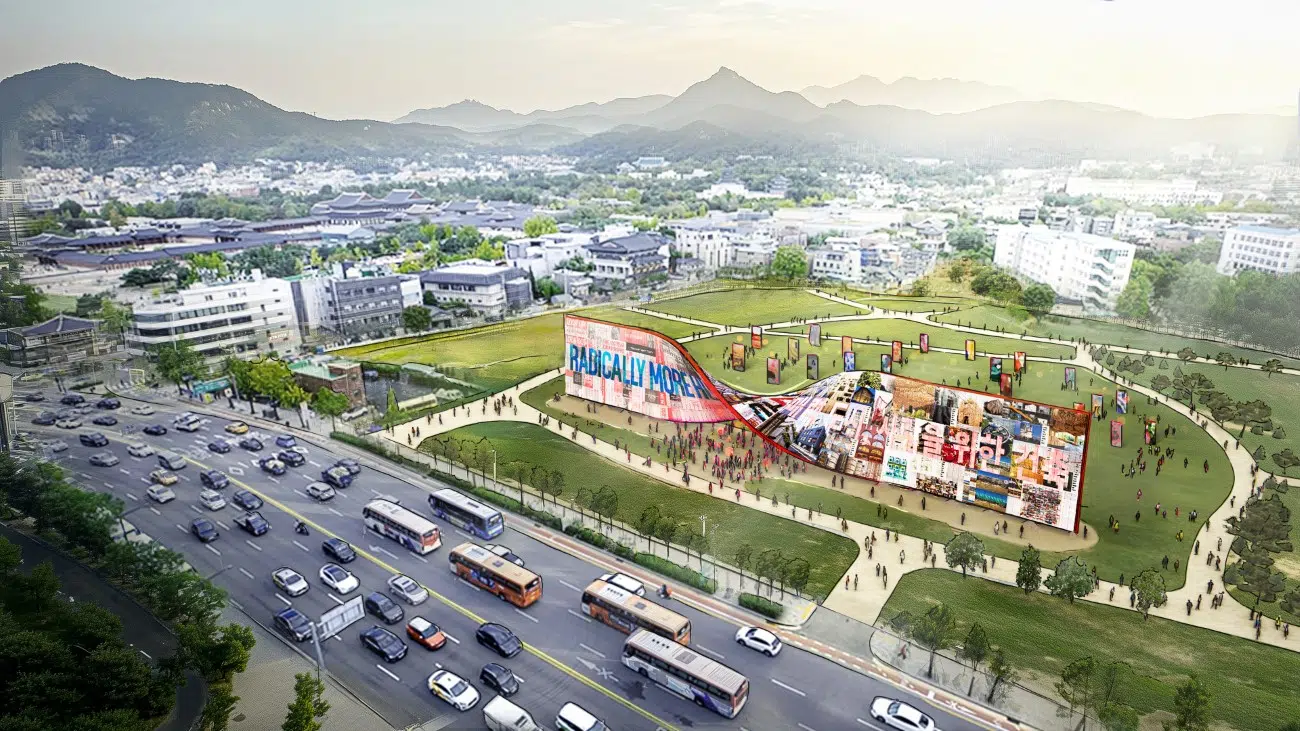
In an effort to shake up how architects use the exteriors of their buildings, 24 designers from around the globe will create an enormous Walls of Public Life at the 2025 Seoul Biennale of Architecture and Urbanism. Envisioned to demonstrate “how good the outsides of buildings can be,” Walls of Public Life is the brainchild of celebrated architect Thomas Heatherwick in his role as general director of the Seoul Biennale.

“These amazing Walls of Public Life are a giant, joyful clue that the outsides of everyday buildings could be so much better,” shares the award-winning British designer. “I want the public to take them as a real challenge to the bland, soulless surfaces of buildings that normally get imposed on us all.”

Each designer will be given a 2.4-meter by 4.8-meter (about 7.9 feet x 15.7 feet) section of the building to work with. Using a variety of materials, including wood, jewels, broken brick, and resin, the designs will let themselves be inspired by the textures, colors, and patterns they can create. Key to the project is Heatherwick’s decision to invite designers who have never created a building. This includes Korean American chef Edward Lee; British fashion designer Stella McCartney; two artisans from Burkina Faso, who will create their wall live at the event; and a car manufacturing team at Hyundai.

They will join traditional engineers and architects from India, Korea, China, Japan, and the UK in creating this dynamic and inspiring installation. In fact, Heatherwick is hoping the Walls of Public Life will push the boundaries of how building facades are presented.

“I want developers to see the huge variety of Walls and think, why couldn’t some of that apply to a building I am working on?” Heather says. “Why stick with what we’ve got, when something like this could transform our experience of living in cities?”

Kengo Kuma & Associates, MAD Architects, and NAMELESS Architecture are just some of the big-name architects who will be expressing their creative vision. All 24 walls will be on view at Songhyeon Green Plaza, the Seoul Biennale’s main focal point, allowing thousands of visitors to feel the impact of the designs.

Running from September 26, 2025, until November 18, 2025, the 2025 Seoul Biennale of Architecture and Urbanism will feature a two-day global conference gathering 400 scientists, developers, designers, and communities to discuss ground-breaking research, citizen-led projects, and creative interventions by Seoul-based artists. Exhibitions, public programs, and academic events will then run throughout the two-month event.

Walls of Public Life is a concept by designer Thomas Heatherwick for the 2025 Seoul Biennale of Architecture and Urbanism.
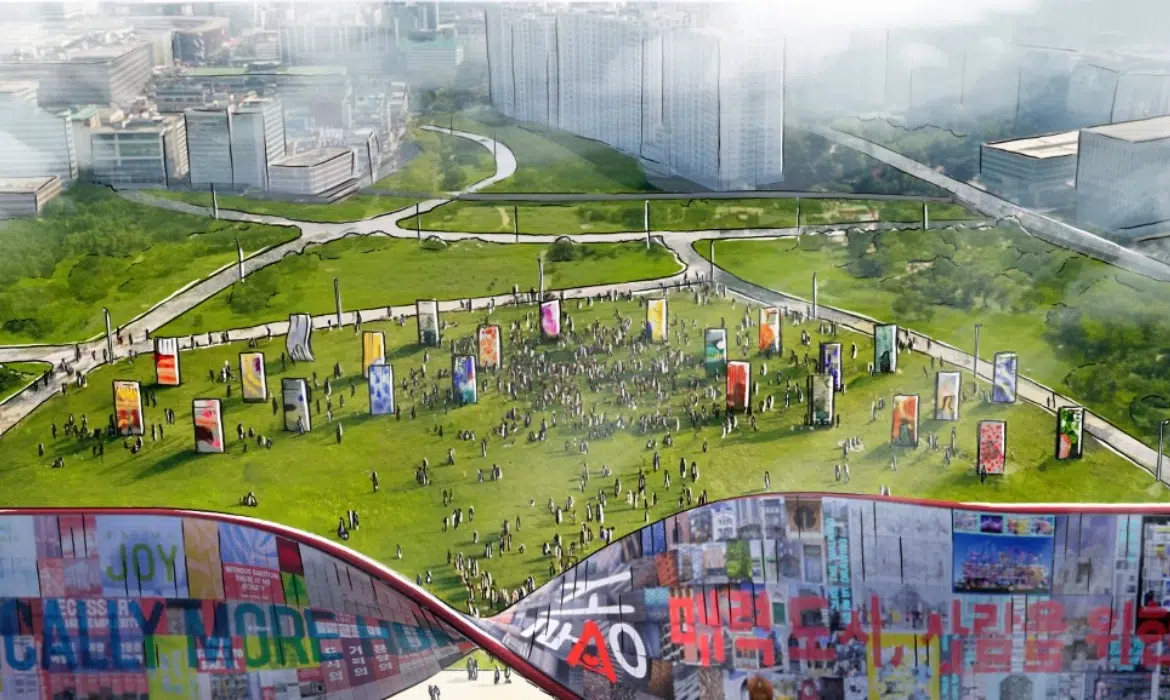
Walls of Public Life at the 2025 Seoul Biennale of Architecture and UrbanismWalls of Public Life at the 2025 Seoul Biennale of Architecture and Urbanism

24 creatives have been invited to “reimagine how good the outsides of buildings can be.”
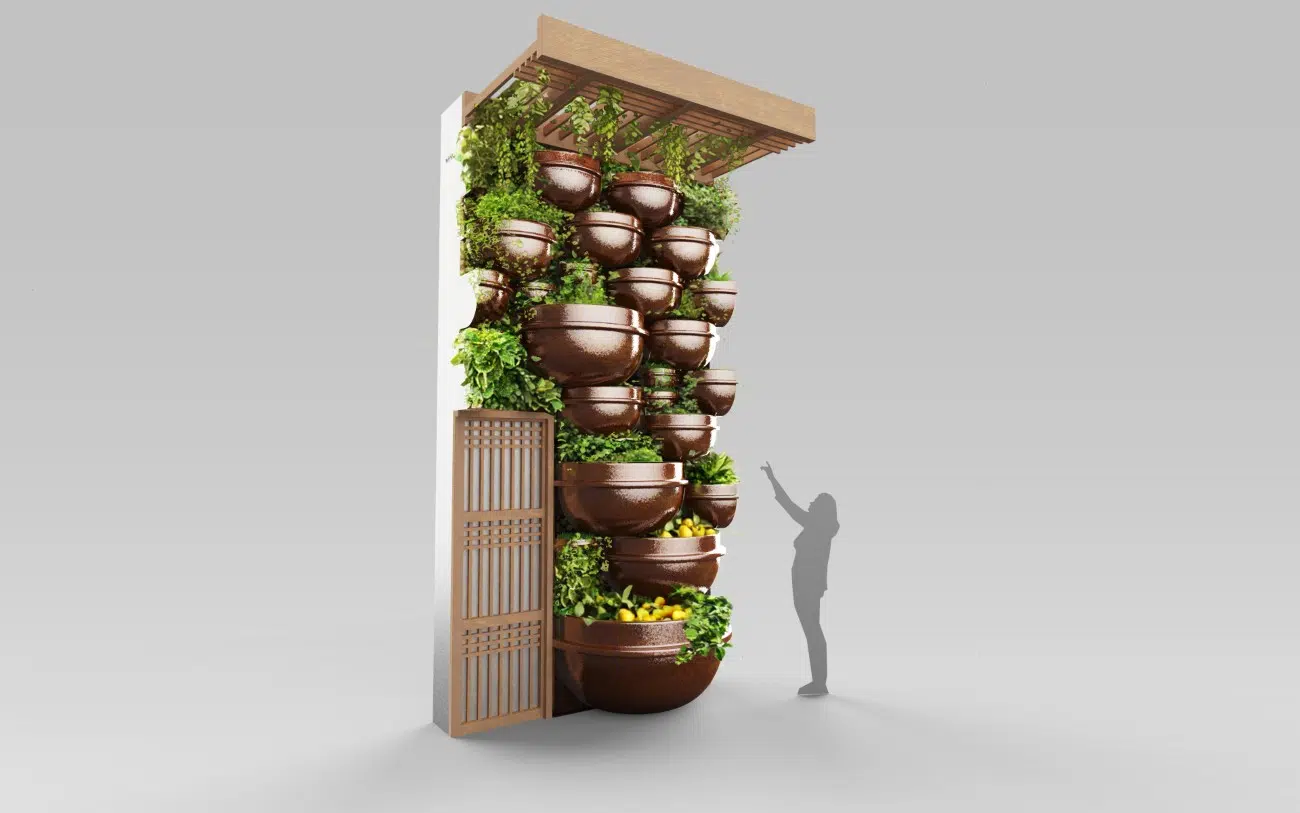
Render of Edward Lee's Wall of Public LifeRender of Edward Lee's Wall of Public Life

Render of chef Edward Lee’s Wall of Public Life. “For me, a restaurant should be a joy to people just walking by, and the outside should tell the story of the menu, the community, and the ingredients inside.” (Credit: Heatherwick Studio)
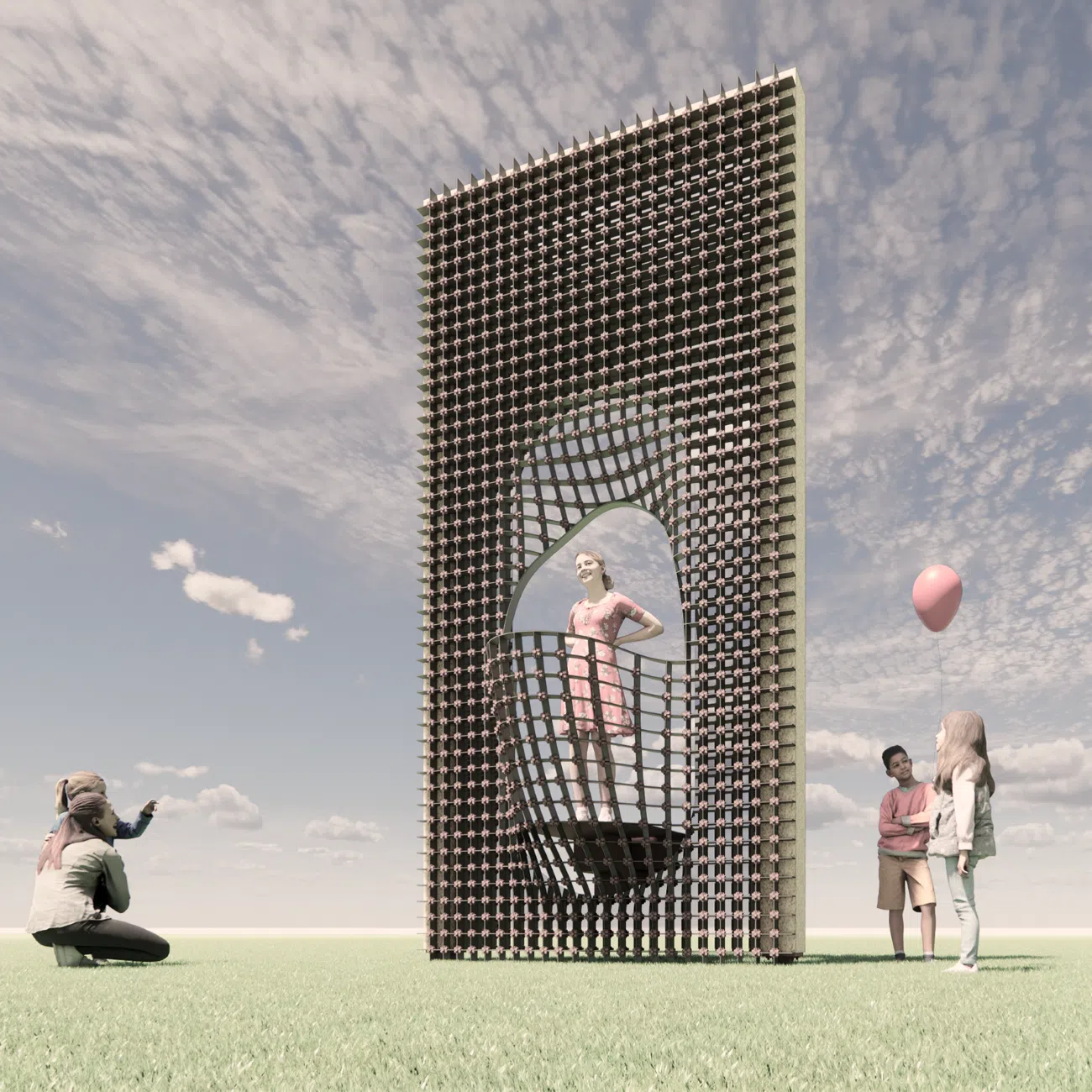
Render of Moreless Architects' Wall of Public Life at the Seoul BiennaleRender of Moreless Architects' Wall of Public Life at the Seoul Biennale

Render of Moreless Architects’ Wall of Public Life. “In high-density cities like Seoul, balconies have become privatized and enclosed. We want to rediscover their essence as an active space mediating between the inside and outside, the private and public, the old and the new. We hope our work helps people reimagine architecture as an essential human part of the urban landscape.” (Credit: Moreless Architects)
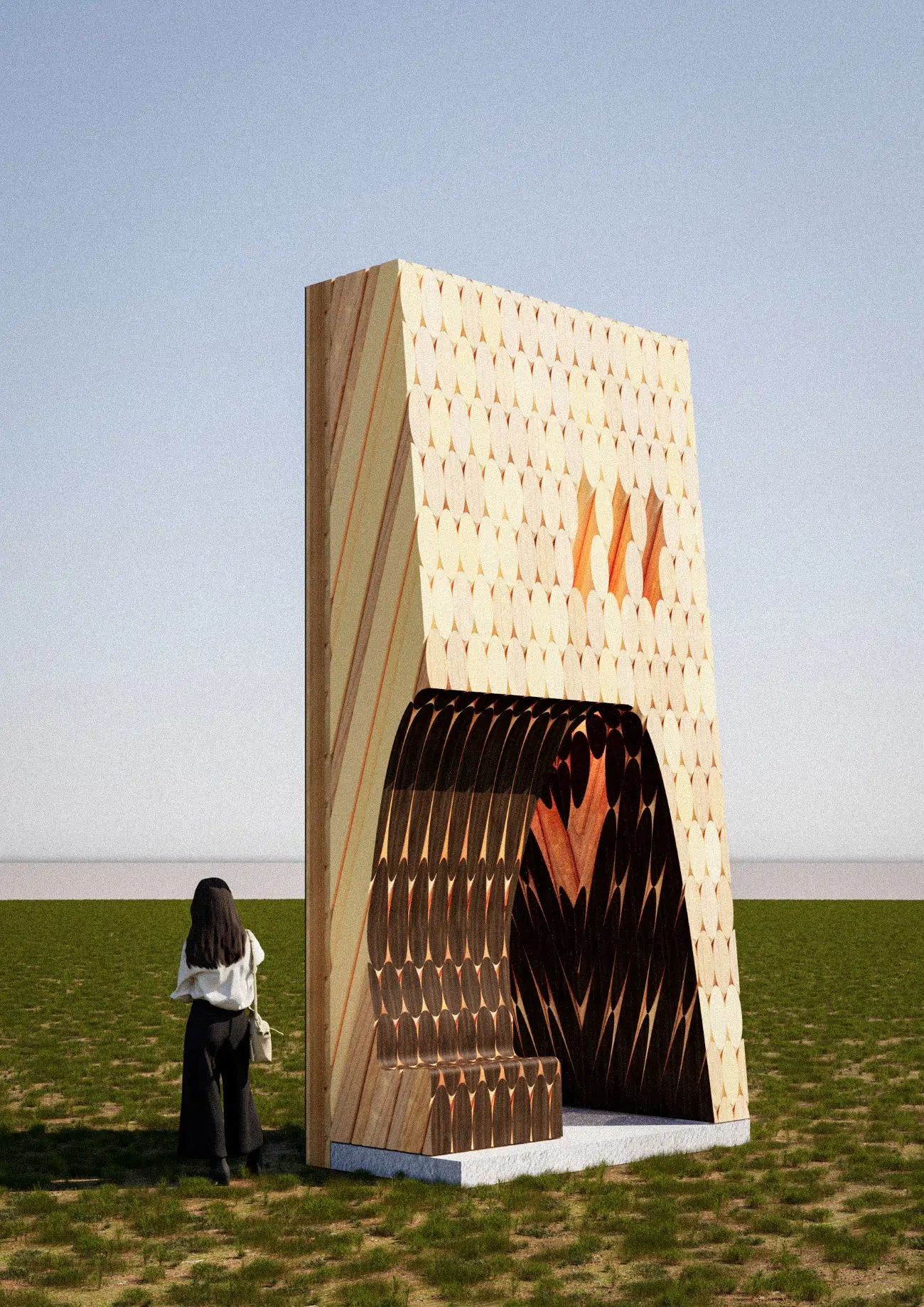
Render of Kéré Architecture's Wall of Public Life for the Seoul BiennaleRender of Kéré Architecture's Wall of Public Life for the Seoul Biennale

Render of Kéré Architecture’s Wall of Public Life. “I imagined walls not as barriers but as bridges. One wall will be crafted from Korean pine, a material rich in local history and symbolism. The other will draw from the building traditions of Tiébélé, interpreted through Korean clay. Together, these two walls speak to a shared human story, reminding us that architecture is rooted in connection and community.” (Credit: Kéré Architecture)

Heatherwick Studio: Website | Instagram
Seoul Biennale of Architecture and Urbanism: Website | Instagram

My Modern Met granted permission to feature photos by Heatherwick Studio.

Related Articles:

Seoul Shopping Center Redesigned With Contemporary Hourglass Makeover

First Bamboo Biennale Creates Cutting-Edge Structures in Small Chinese Village

Heatherwick’s Debut Thai Design Is Inspired by the Country’s Traditional Lanterns

MAD Unveils Giant Graceful ‘Chinese Paper Umbrella’ at the 2025 Venice Architecture Biennale

Similar Posts

  • Gallery Residence

    This project was a full renovation of a 1970’s ranch house. The original house was chopped into multiple small, disconnected spaces. In the nineties a large and awkwardly placed addition was built to capitalize on the lake view. FORWARD was tasked with trying to navigate the constraints of the existing condition along with negotiating the desires of the artist clients, one of whom wanted a contemporary minimal interior while the other, a collector, was more interested in the distinct rooms of the turn-of-the-century houses. The finished house is a series of discreet rooms that are continuously linked. The entry space acts as a gallery and has been widened to create a clear relationship to the addition. What had been the original house has now been divided into kitchen, a combined living/dining room, and an office/guest bedroom. In the bedroom wing, a new master was created out of two smaller existing bedrooms. The house acts as a container for the owner’s collections. It is contemporary, minimal and spatially open, but at the same time affords the distinction of traditional rooms.

  • The Farm

    Jonathan Feldman and his wife Lisa Lougee were determined to create a contemporary, sustainable, and functional home for their family within the building constraints of urban San Francisco. The original structure, built in 1905, was a New England brick and shingle style residence sitting next to an overgrown lot. It was given the tongue-in-cheek name The Farm, due to the rarity of backyards and outdoor living spaces in the city. “We fell in love with the farmhouse charm of the home” says Jonathan, “Lisa and I enjoyed imagining how the house must have looked out in the countryside of San Francisco in the 1900’s; we started joking around and calling it The Farm and it stuck!” To further the play on the home’s name, the Feldman family often lovingly refers to their band of rescue animals as their “flock.” In order to transform the older house into an outstandingly sustainable, modern home, the structure was essentially rebuilt from the inside out. The clients both loved the character and grace of the older home and wanted to preserve its visual continuity; their excitement towards the historic home combined with their conflicting design styles ultimately directed the course of the home’s restoration. Before the ambitious remodel, the house was a closed-off box. The new design opened the floor plan, flooding the interiors with natural light through a new central stair topped with expansive skylights. The basement was also transformed to include what is now a usable rear yard & deck. The house achieved LEED Platinum with an abundance of sustainable features, many of which are subtly hidden. Two types of water re-use systems were implemented on the property; rain water and grey water harvesting, with the tanks concealed below the rear deck. An HRV (Heat Recovery Ventilation) system provides the home with clean air without energy loss. All materials are sustainably sourced and non-toxic and the house also features water and electricity monitoring, easily accessible by panels throughout the home and smartphone technology. By striving for excellence in sustainable architecture while incorporating the design aesthetics of all members involved, the team for The Farm has been able to create an elegant structure perfectly fitting for unique and forward-thinking San Francisco.