Photo: Courtesy of the San Diego Museum of Art
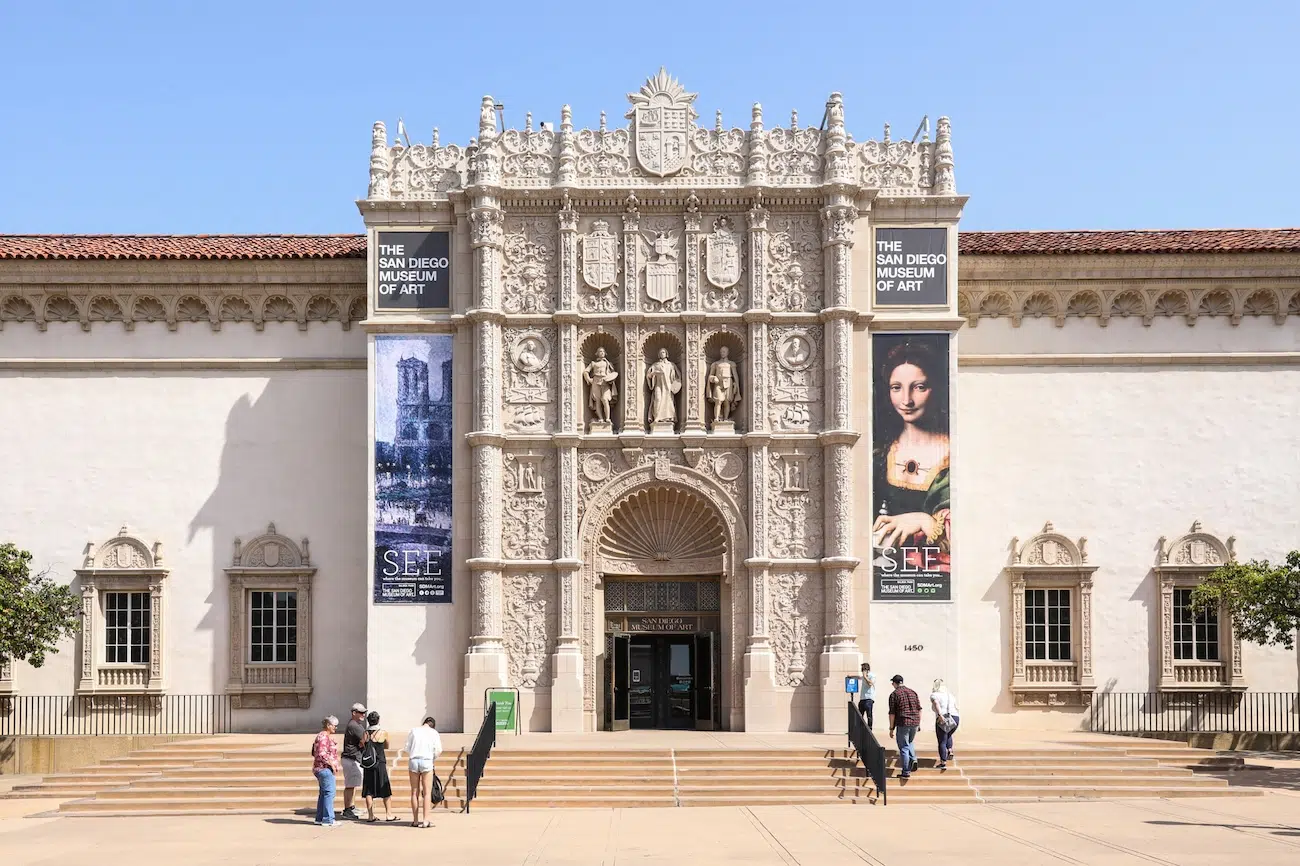
One of the best things about visiting a new city, or rediscovering your own, is the local art museum. These important institutions allow us to experience art in an intimate setting—beyond our computer screens—and appreciate a variety of creativity and perspectives. If you’re in Southern California, the San Diego Museum of Art (SDMA) is a must-visit for this type of cultural experience.
With a mission to “inspire, educate, and cultivate curiosity through great works of art,” the century-old museum’s origins can be traced back to the Panama-California International Exposition, held in the city’s Balboa Park from 1915 to 1916. Eventually, a museum—then known as the Fine Arts Gallery of San Diego—was constructed in the style of a 16th-century Spanish Renaissance building with a nod to the ornate plateresque aesthetic. It officially became the SDMA in 1978, and it’s only grown larger since that time. This includes its collections; in the early to mid-aughts, for instance, the SDMA acquired a “significant collection” of African Oceanic and Native American artworks, as well as more than a thousand books and other ephemera.
The museum continues to grow and is about to undergo an expansion to its West Wing. First completed in 1966, the wing doubled the SDMA’s space and made way for an auditorium, a library, archives, and its popular Panama 66 restaurant. Now the renowned firm Fosters + Partners, spearheaded by Pritzker Prize for Architecture winner Norman Foster, will increase its exhibition space, improve accessibility, and integrate the West Wing with the main structure. The exciting project is expected to break ground in 2026.
Visit the SDMA through February 8, 2026, to experience its latest major exhibition titled Eduardo Chillida: Convergence. It’s a 100-year celebration of Eduardo Chillida’s legacy and has the most expansive survey of his works shown in the U.S. in nearly 50 years. Spanning a range of materials—including iron, oak, alabaster, and clay—the more than 85 works run the gamut of large-scale sculptures, works on paper, and virtual reality experiences to illustrate Chillida’s exploration of our natural world.
While you’re at the SDMA viewing Eduardo Chillida: Convergence, be sure to peruse the other galleries with works from the institution’s permanent collection. It includes more than 32,000 objects from around the world, spanning from 3,000 BCE to the present day.
The San Diego Museum of Art (SDMA) is an art museum in Southern California that has existed in some form for a century.
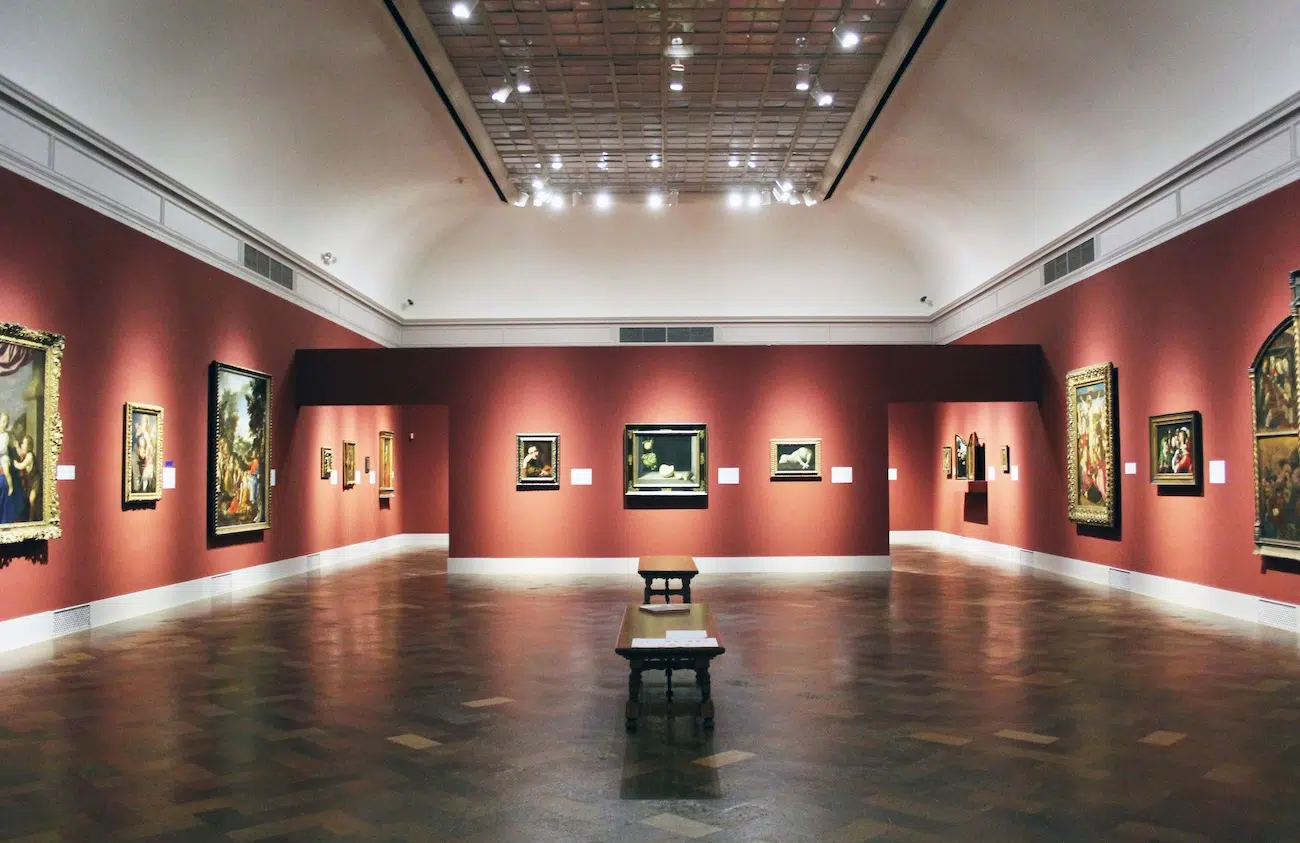
Photo: Courtesy of the San Diego Museum of Art
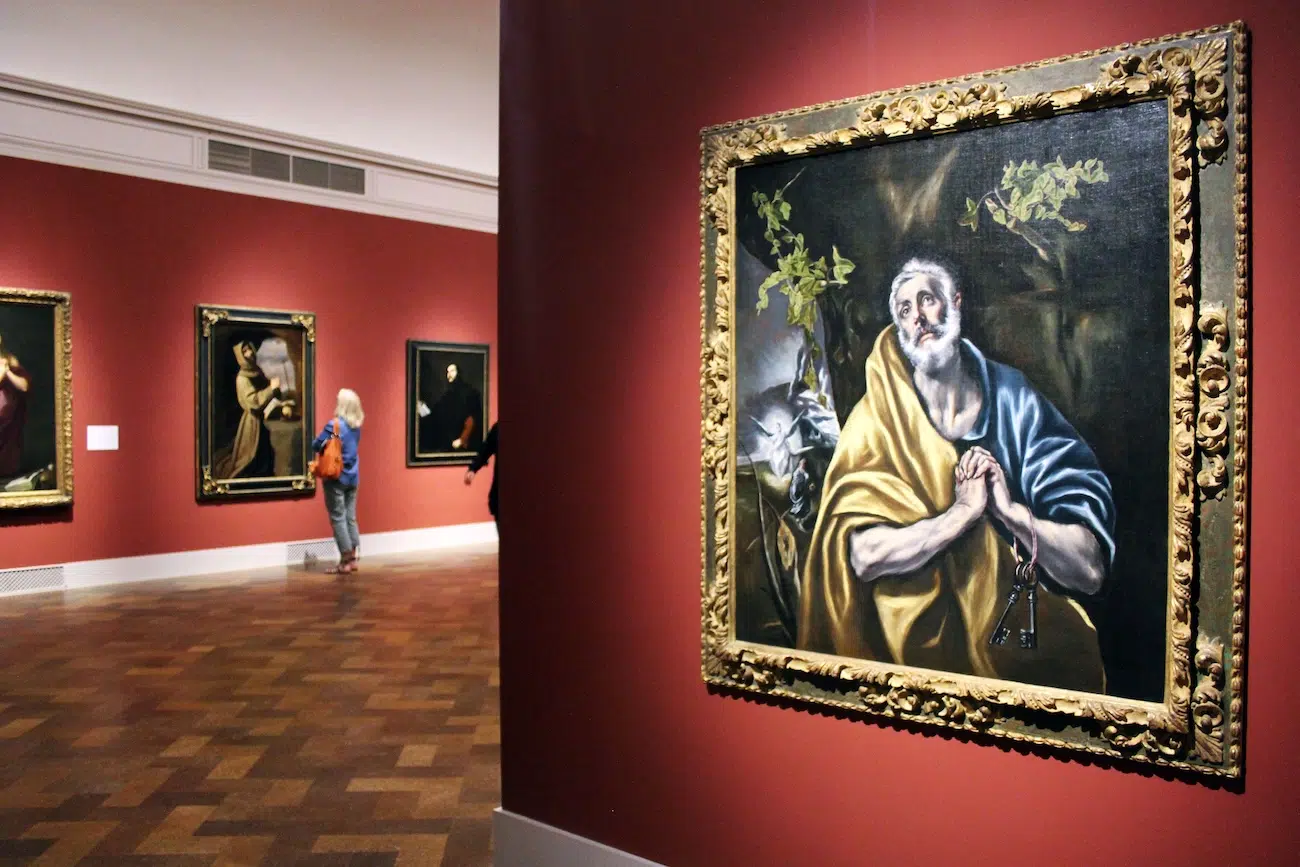
Photo: Courtesy of the San Diego Museum of Art

Photo: Courtesy of the San Diego Museum of Art
SDMA features 32,000 objects from around the world, spanning from 3,000 BCE to the present day.

Photo: Courtesy of the San Diego Museum of Art

Photo: Courtesy of the San Diego Museum of Art
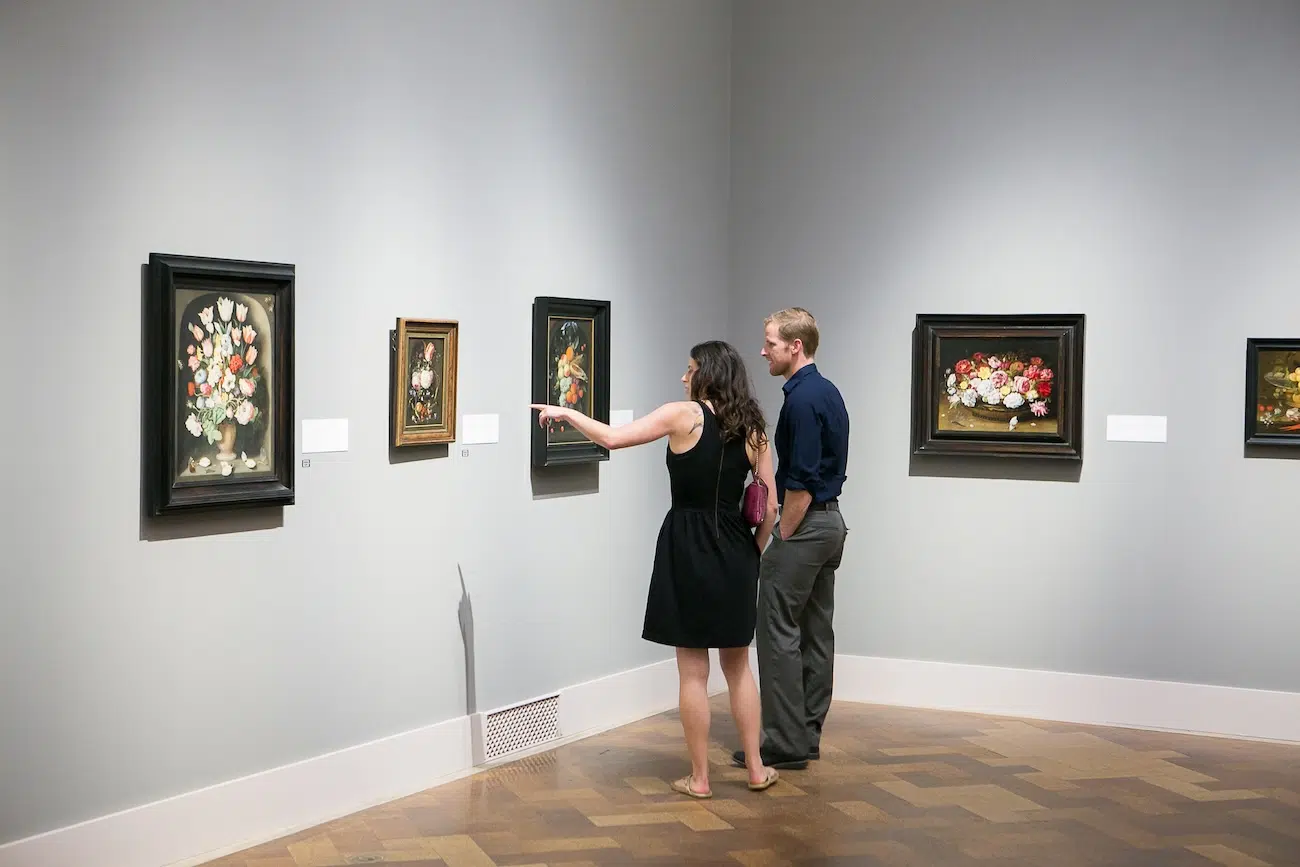
Photo: Courtesy of the San Diego Museum of Art
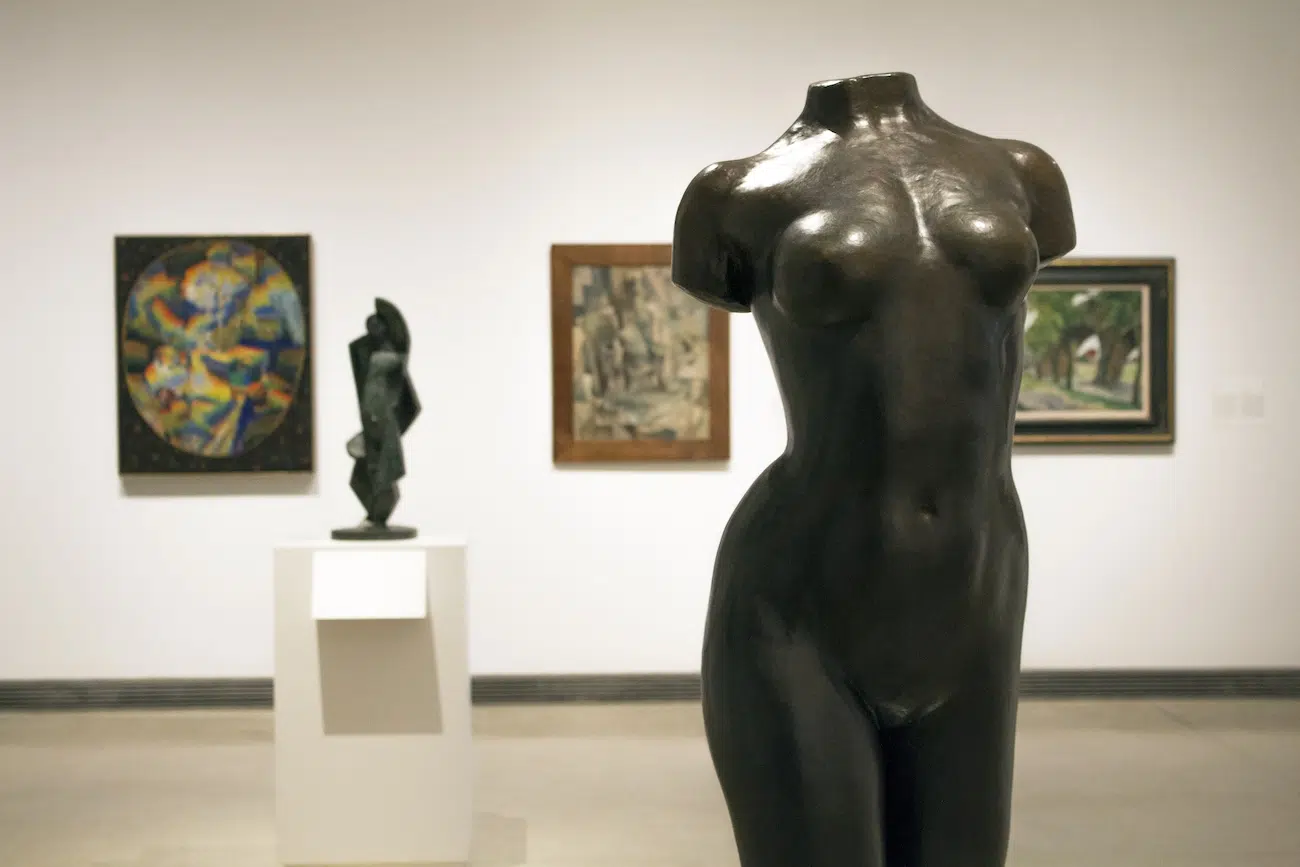
Photo: Courtesy of the San Diego Museum of Art

Photo: Courtesy of the San Diego Museum of Art
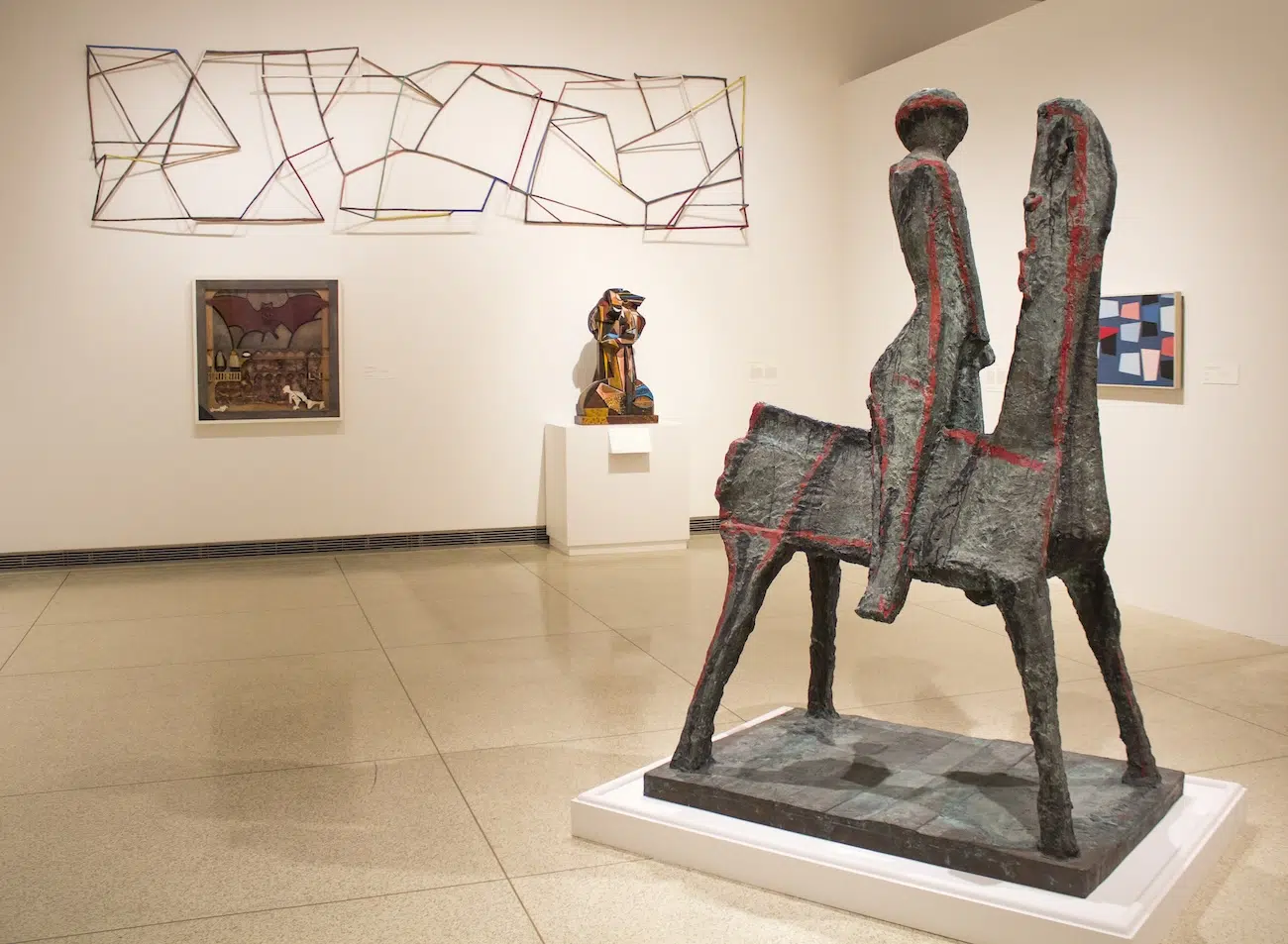
Photo: Courtesy of the San Diego Museum of Art
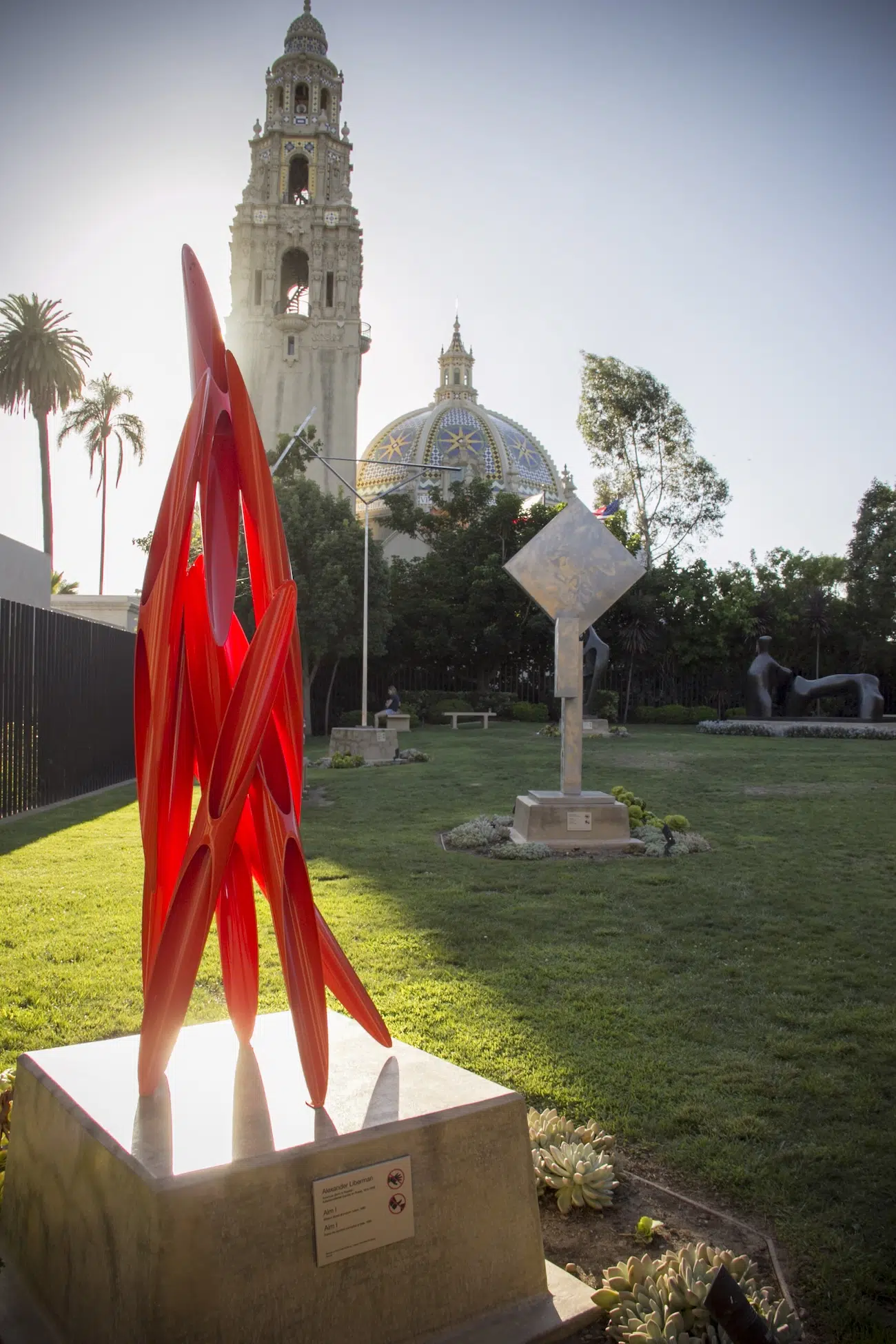
Photo: Courtesy of the San Diego Museum of Art
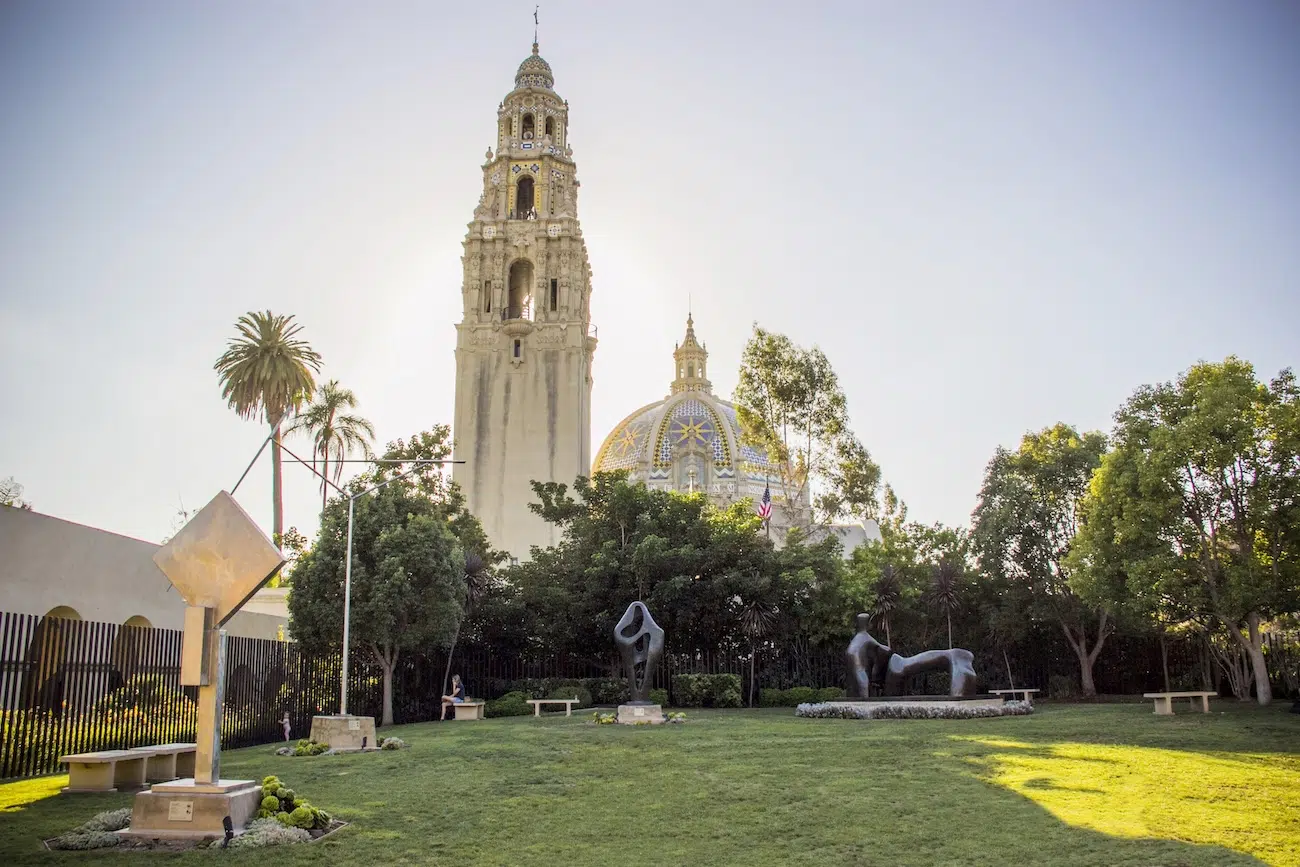
Photo: Courtesy of the San Diego Museum of Art
SDMA’s current major exhibition is titled Eduardo Chillida: Convergence.

Eduardo Chillida, Rough Chant III—Homage to Luis Martín-Santos (Abesti gogorra III—Homenaje a Luis Martín-Santos), 1964. Oak. The Art Institute of Chicago, Grant J. Pick Fund, 1967.386. Photo credit: The Art Institute of Chicago / Art Resource, NY. © Zabalaga Leku, ARS, San Diego, 2025. Courtesy of the Estate of Eduardo Chillida and Hauser & Wirth.
It’s a 100-year celebration of Eduardo Chillida’s legacy and features the most expansive survey of his works shown in the U.S. in nearly 50 years.
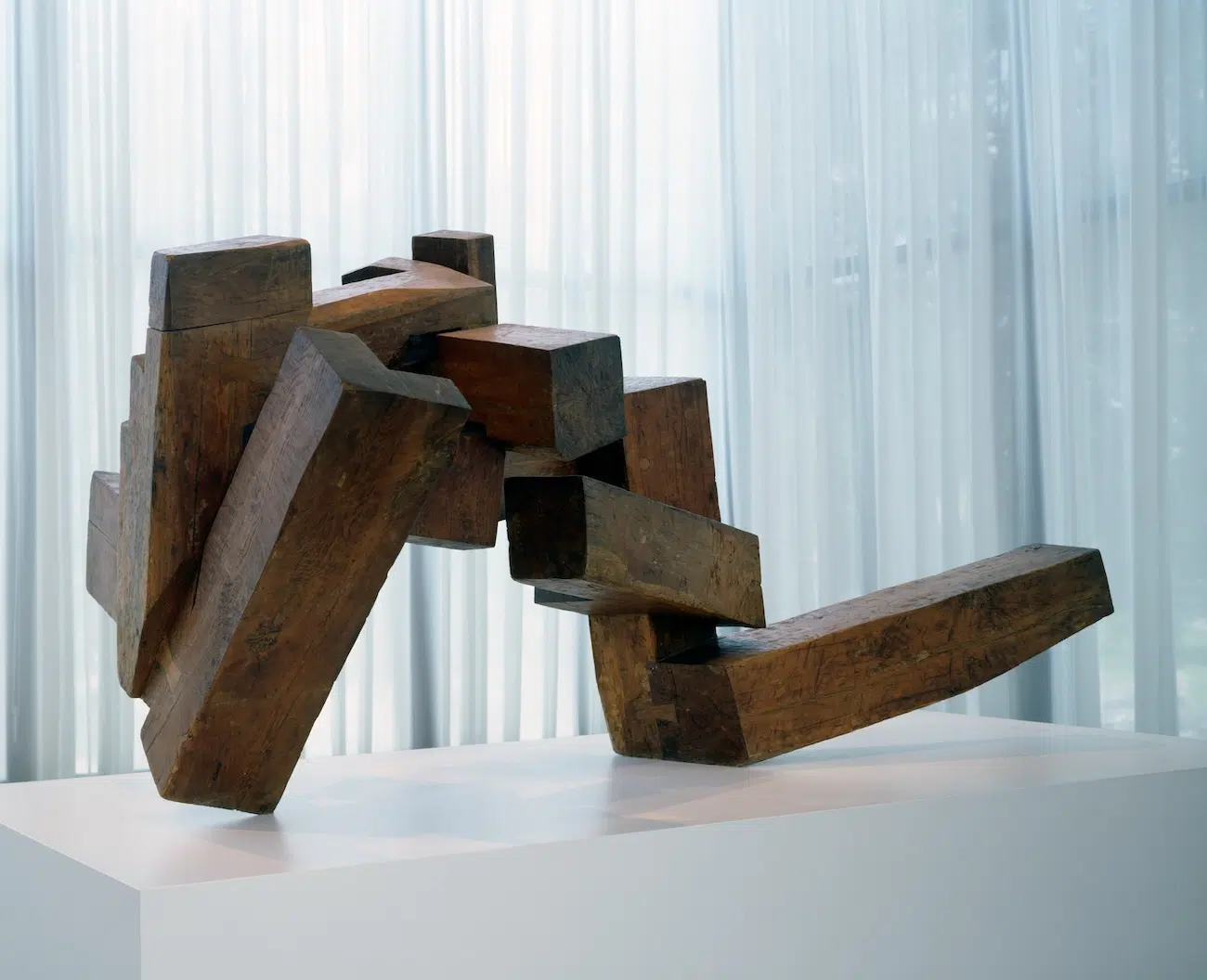
Eduardo Chillida, Rough Chant I (Abesti gogorra I), 1961. Oak. The Museum of Fine Arts, Houston, Museum purchase, 62.5. © Zabalaga Leku, ARS, San Diego, 2025. Courtesy of the Estate of Eduardo Chillida and Hauser & Wirth.
Spanning a range of materials—including iron, oak, alabaster, and clay—the more than 85 works run the gamut of large-scale sculptures, works on paper, and more.
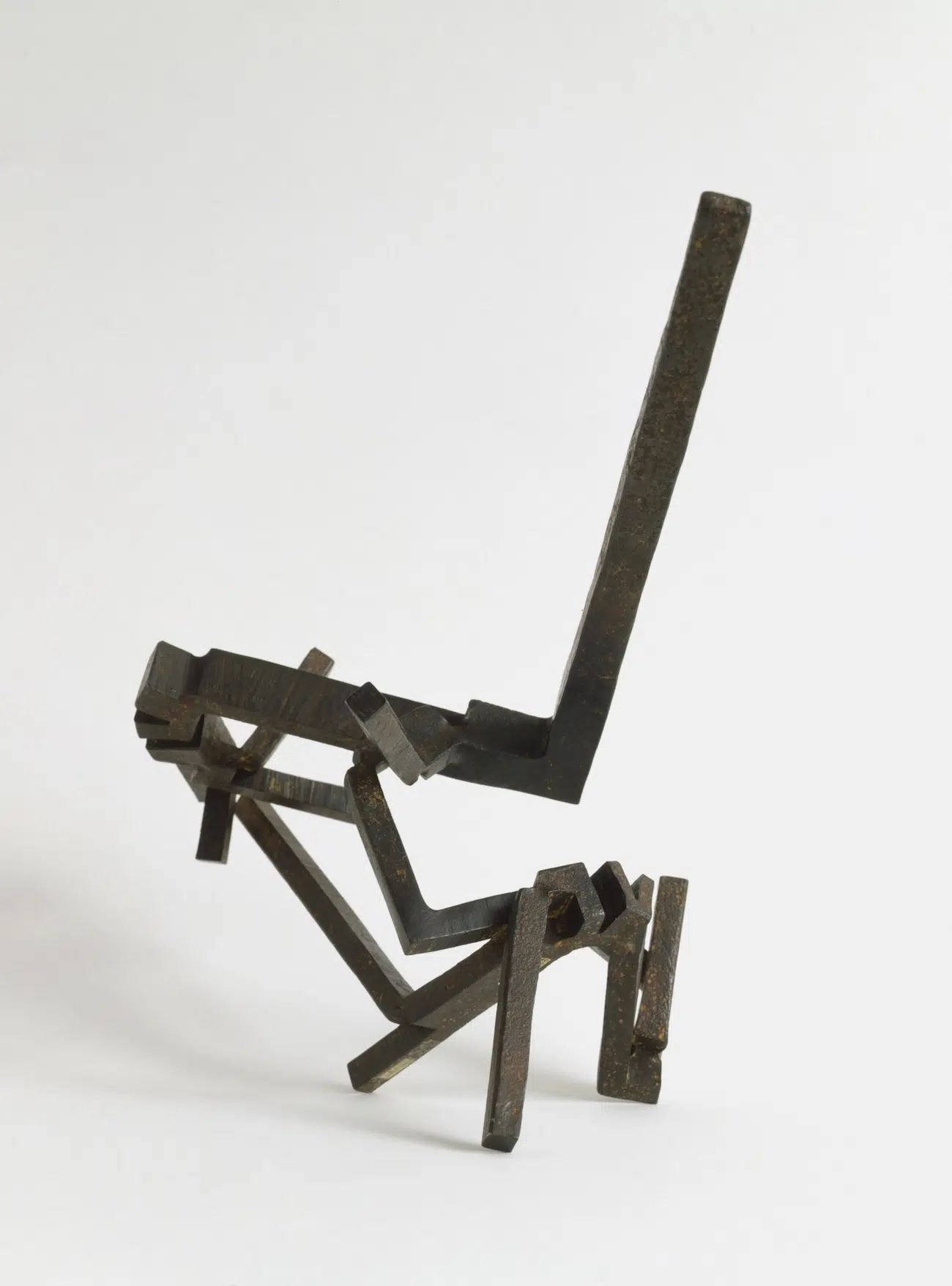
Eduardo Chillida, Place of Silences (Lugar de silencios), 1958. Wrought iron. The Menil Collection, Houston, CA 5929. Photographer: Hickey-Robertson, Houston. © Zabalaga Leku, ARS, San Diego, 2025. Courtesy of the Estate of Eduardo Chillida and Hauser & Wirth.
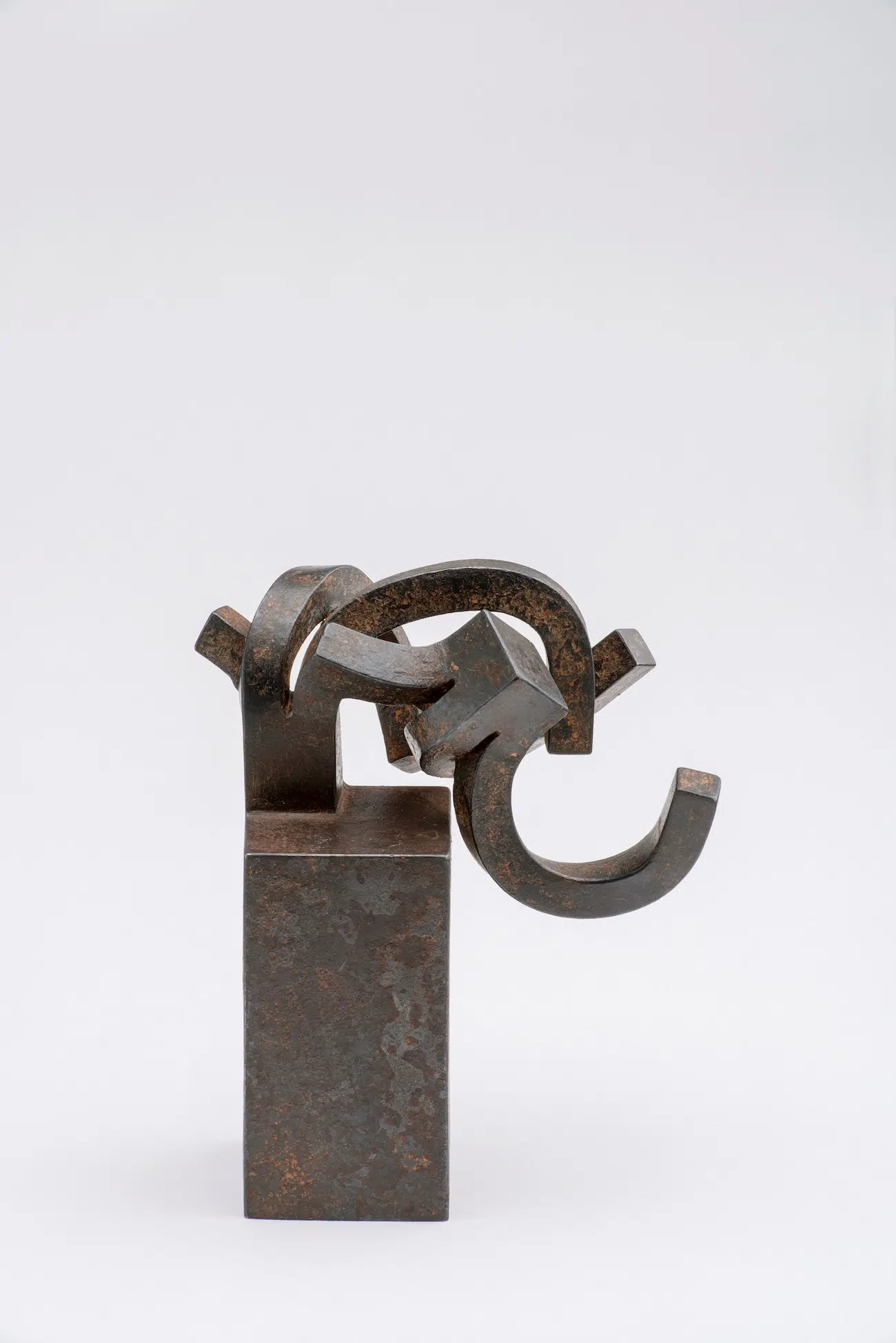
Eduardo Chillida, Study for Comb of the Wind XVI (Estudio Peine del viento XVI), 1984. Iron. Courtesy of the Estate of Eduardo Chilida and Hauser & Wirth, Photographer: Iñigo Santiago. © Zabalaga Leku, ARS, San Diego, 2025. Courtesy of the Estate of Eduardo Chillida and Hauser & Wirth.
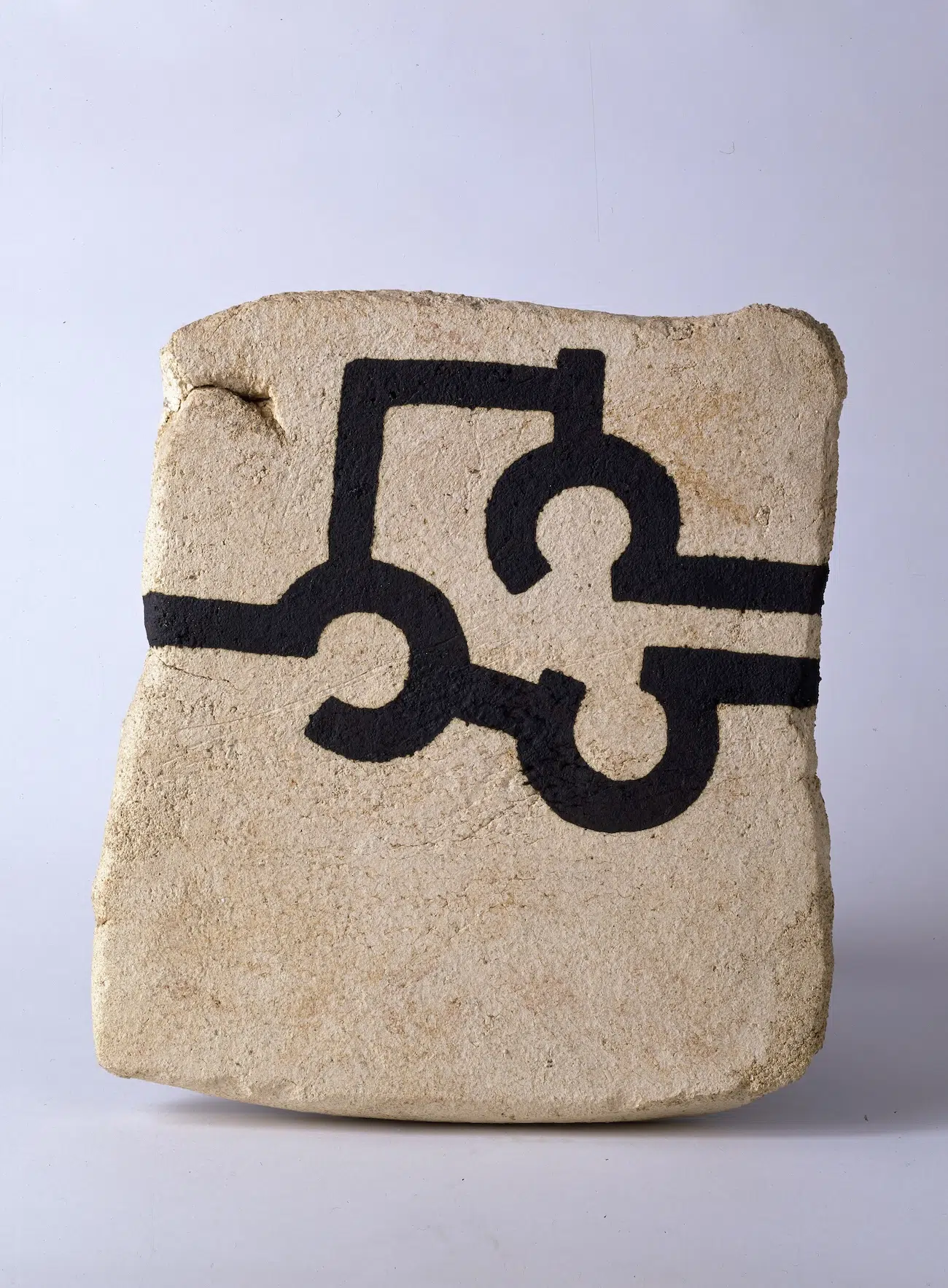
Eduardo Chillida, Oxide 26 (Óxido 26), 1978. Fired clay and copper oxide. Courtesy of the Estate of Eduardo Chilida and Hauser & Wirth. © Zabalaga Leku, ARS, San Diego, 2025. Courtesy of the Estate of Eduardo Chillida and Hauser & Wirth.
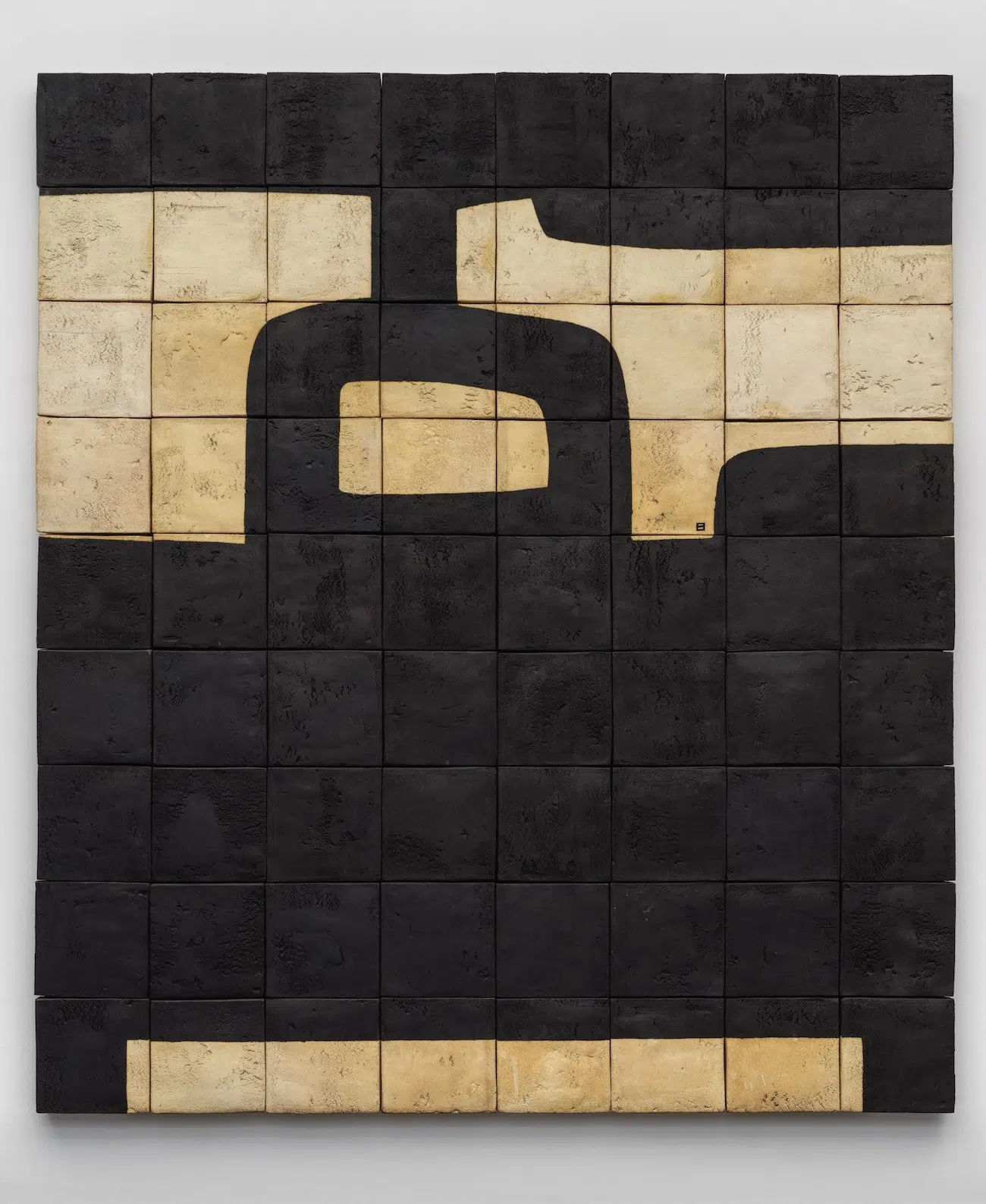
Eduardo Chillida, Mural G-56, 1985. Fired clay and copper oxide. Courtesy of the Estate of Eduardo Chilida and Hauser & Wirth, Photographer: Stefan Altenburger. © Zabalaga Leku, ARS, San Diego, 2025. Courtesy of the Estate of Eduardo Chillida and Hauser & Wirth.

Eduardo Chillida, Untitled, 1953. Paper collage with ink on paper. Courtesy of the Estate of Eduardo Chilida and Hauser & Wirth. Photographer: Alex Abril. © Zabalaga Leku, ARS, San Diego, 2025. Courtesy of the Estate of Eduardo Chillida and Hauser & Wirth.
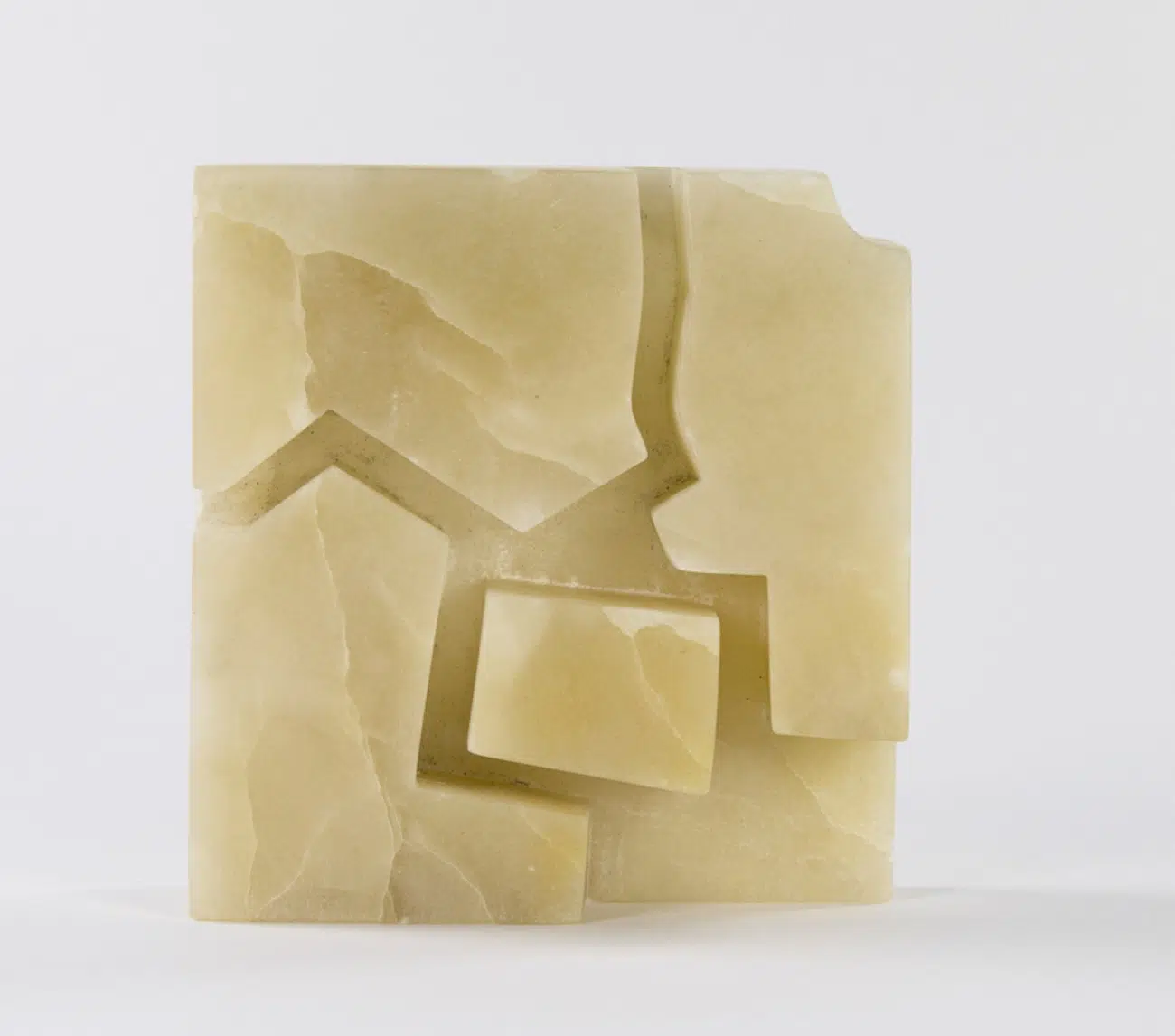
Eduardo Chillida, Untitled, 1968. Alabaster. Courtesy of the Estate of Eduardo Chilida and Hauser & Wirth. © Zabalaga Leku, ARS, San Diego, 2025. Courtesy of the Estate of Eduardo Chillida and Hauser & Wirth.
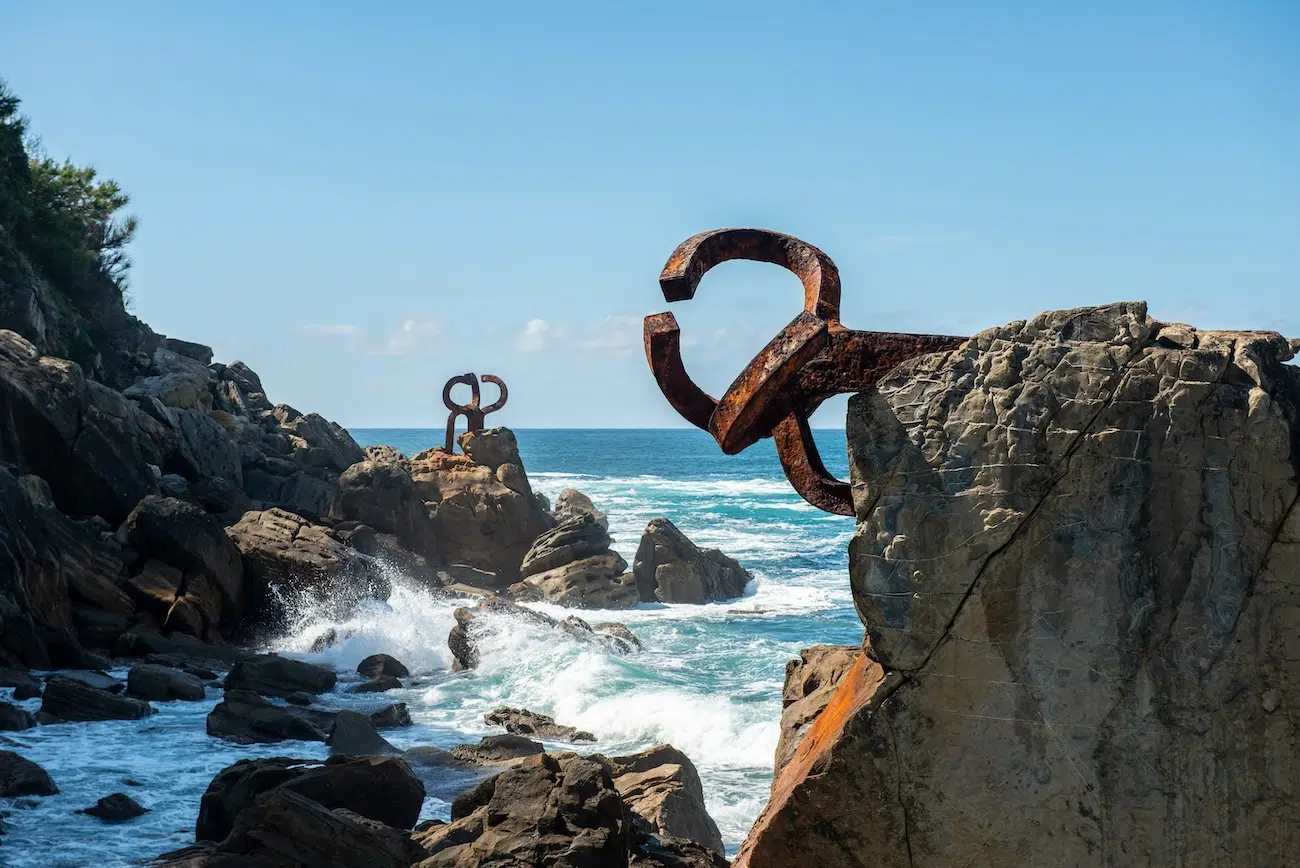
Eduardo Chillida, Comb of the Wind XV (Peine del viento XV), 1976. Steel. Paseo Eduardo Chillida, San Sebastián, Courtesy of the Estate of Eduardo Chilida and Hauser & Wirth, Photographer: Iñigo Santiago. © Zabalaga Leku, ARS, San Diego, 2025. Courtesy of the Estate of Eduardo Chillida and Hauser & Wirth.