Green Roof and Rainwater Harvesting Systems Shape this Charming Urban Retreat

A green home need not always be one that is nestled in some remote location on the edge of a cliff or surrounded by a lush green forest and is far away from modern civilization. It can be a gorgeous modern home in a bustling urban neighborhood that becomes ‘green’ by virtue of the way it utilizes energy and resources. Overlooking the iconic landscape of Downtown San Francisco, the Urban Retreat is one such elegant escape that lets you move away from the constant hustle and bustle of big city life even while being surrounded by it. A Feldman Architecture Design, the home has a lovely, flowing indoor-outdoor connectivity that adds to its eco-friendly, inviting vibe.
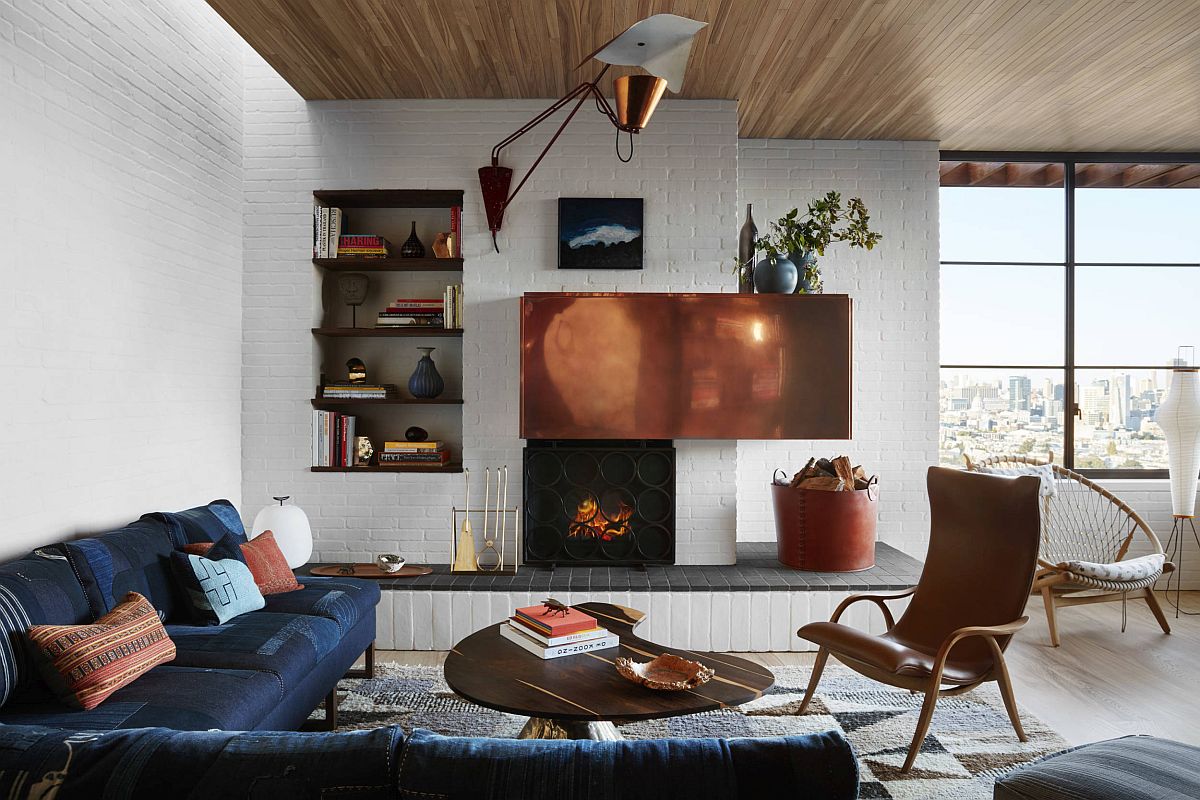
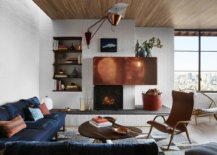
Whitewashed brick walls coupled with lovely wooden ceiling and large glass windows inside the modern living room


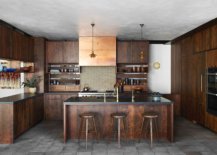
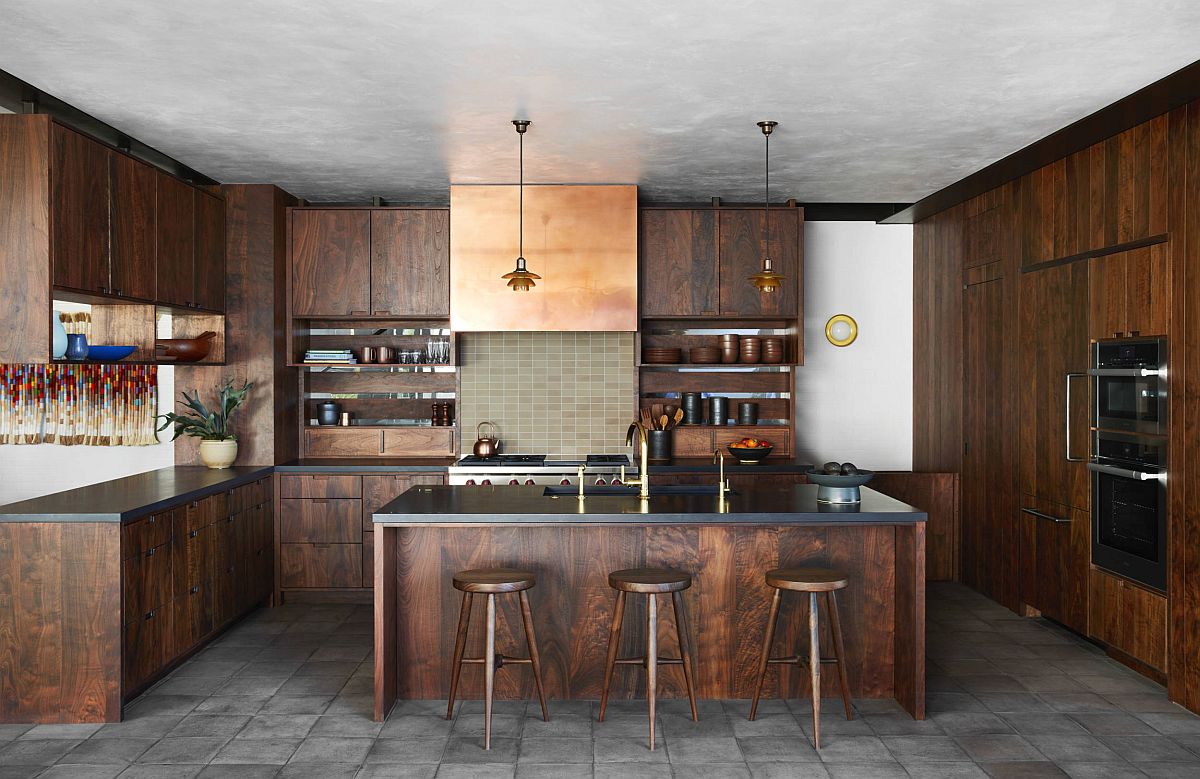
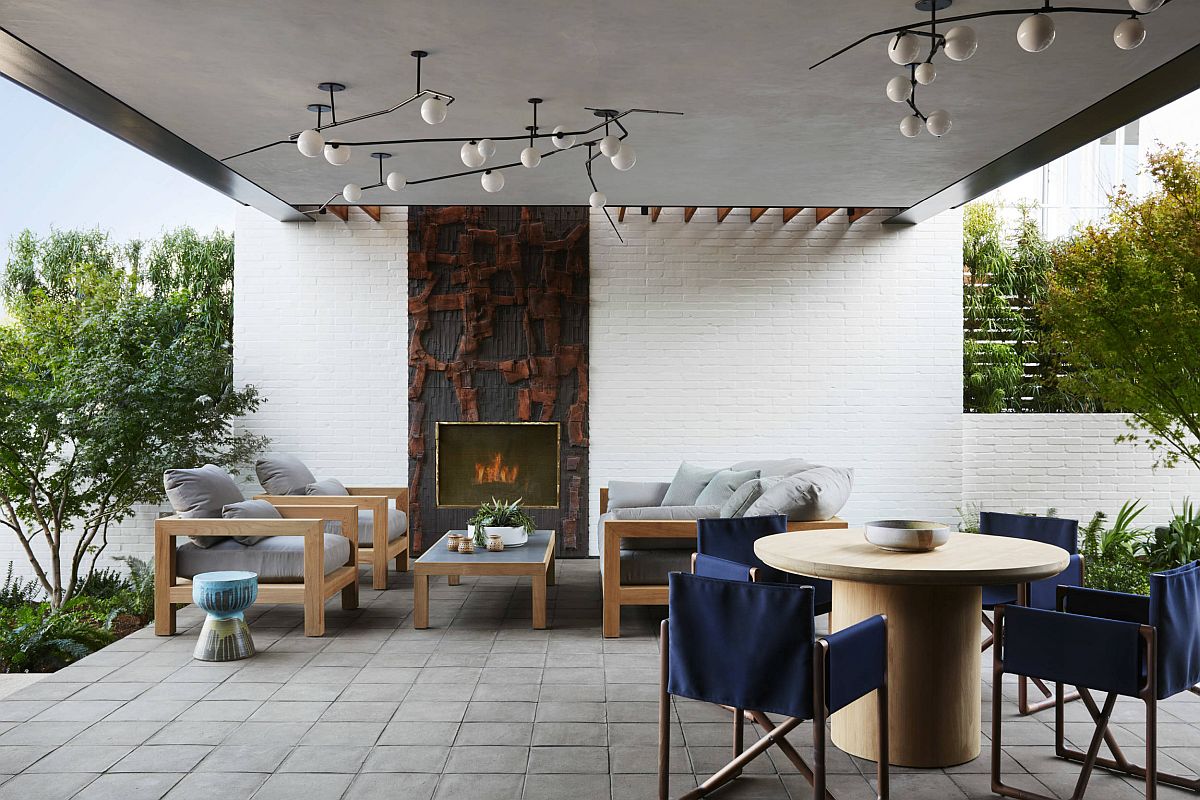
The main living area of the house stretches across its length on the lower level and contains the living space, dining area and kitchen. All of these areas are connected with the courtyard outside using glass doors. With spacious balconies and covered outdoor decks, the curated exterior space in here feel as captivating as the interiors themselves. Inside, it is a backdrop of white brick that shapes much of the backdrop with walnut wood shelves and cabinets that create visual warmth. The wood used for the home is largely reclaimed and has been sourced from the excess materials of other local projects while solar energy and rainwater harvesting systems give the home its planet-friendly credentials. [Photography: Stephen Kent Johnson]
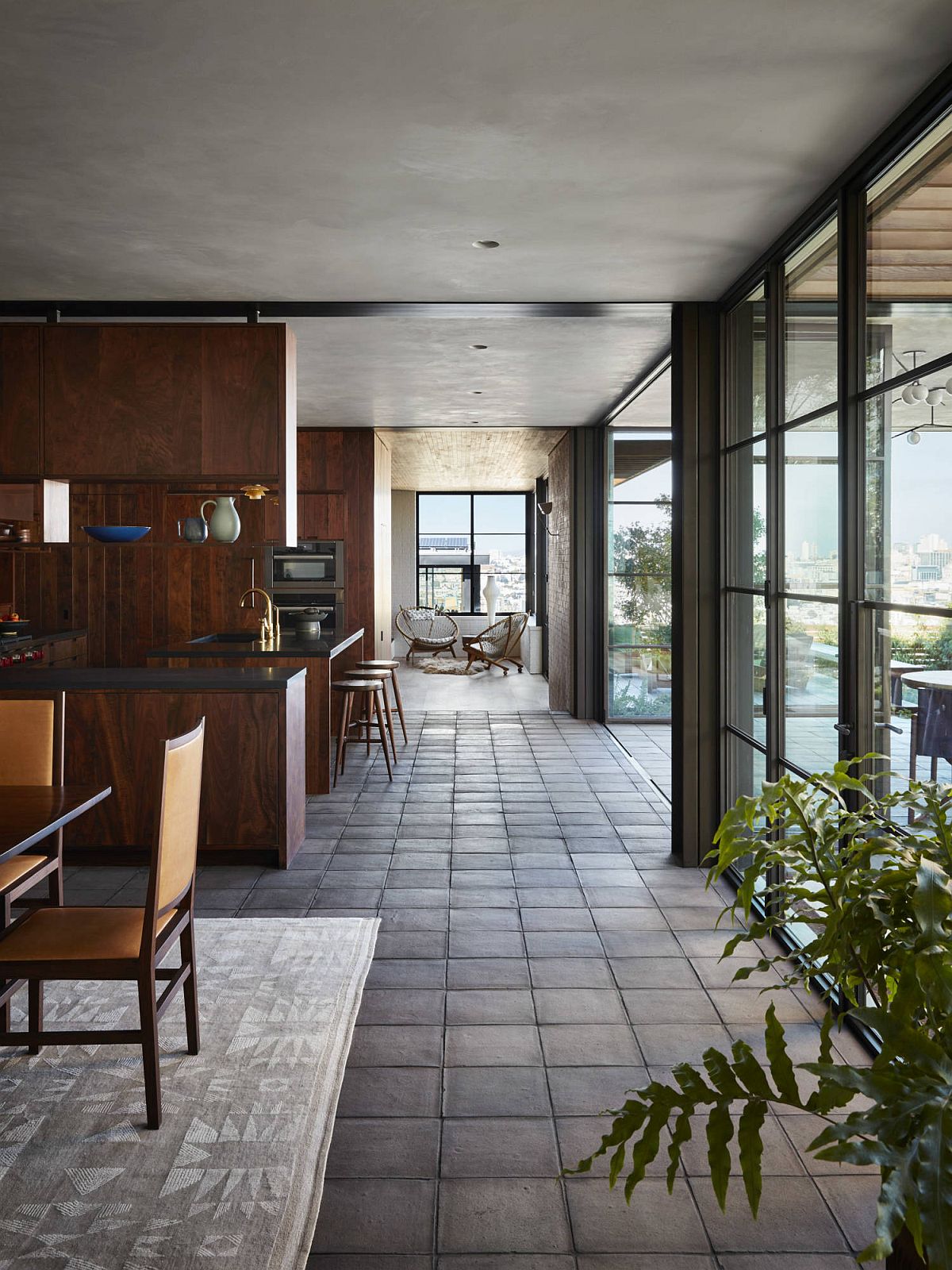
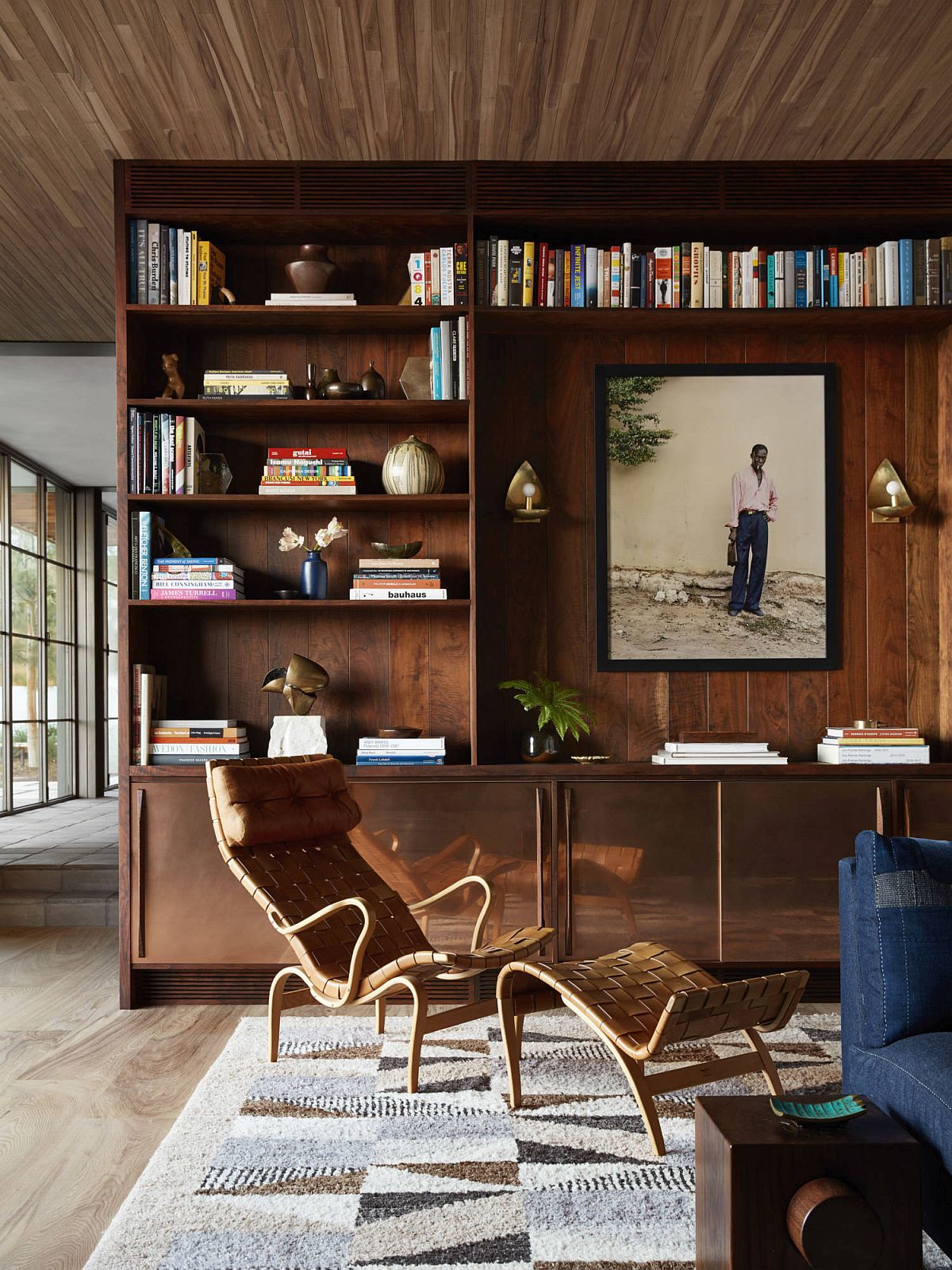
Custom walnut shelves and interiors used throughout the house were reclaimed from previous projects
Fabulous walnut shelves and cabinets used throughout the house give it a cozy, modern look
Kitchen with concrete ceiling and floor along with warm wooden shelves in Walnut
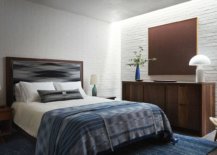
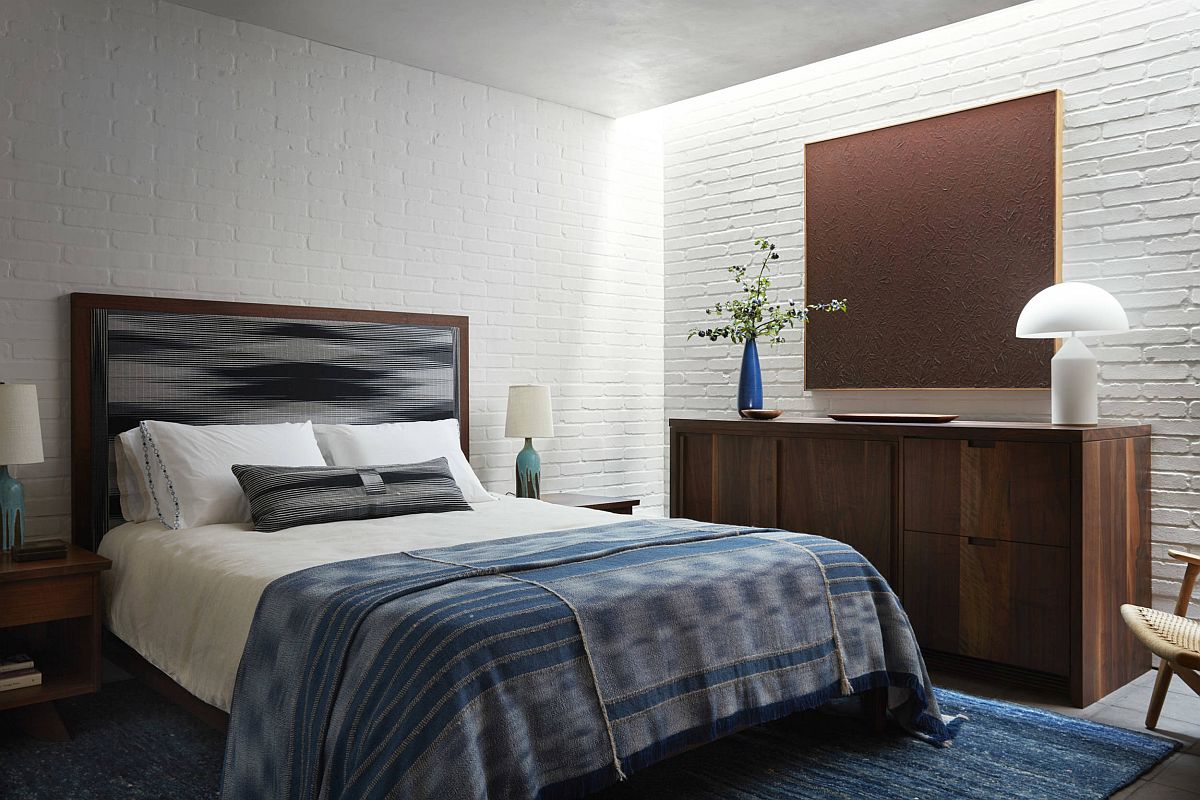
Blue accents, wooden decor and whitewashed brick walls create a cozy, relaxing bedroom

The story of rainwater interacting with this LEED Platinum home stands out – green roofs filter and capture rainwater, which, after additional filtration, feeds into the home’s laundry and bathroom water systems. Greywater collected from the home is then used to irrigate landscaping, and the cycle is refreshed. Additionally, all of the wood used is in its second life, rich Redwood exterior cladding and Walnut interiors were reclaimed or recycled from excess materials from local projects.
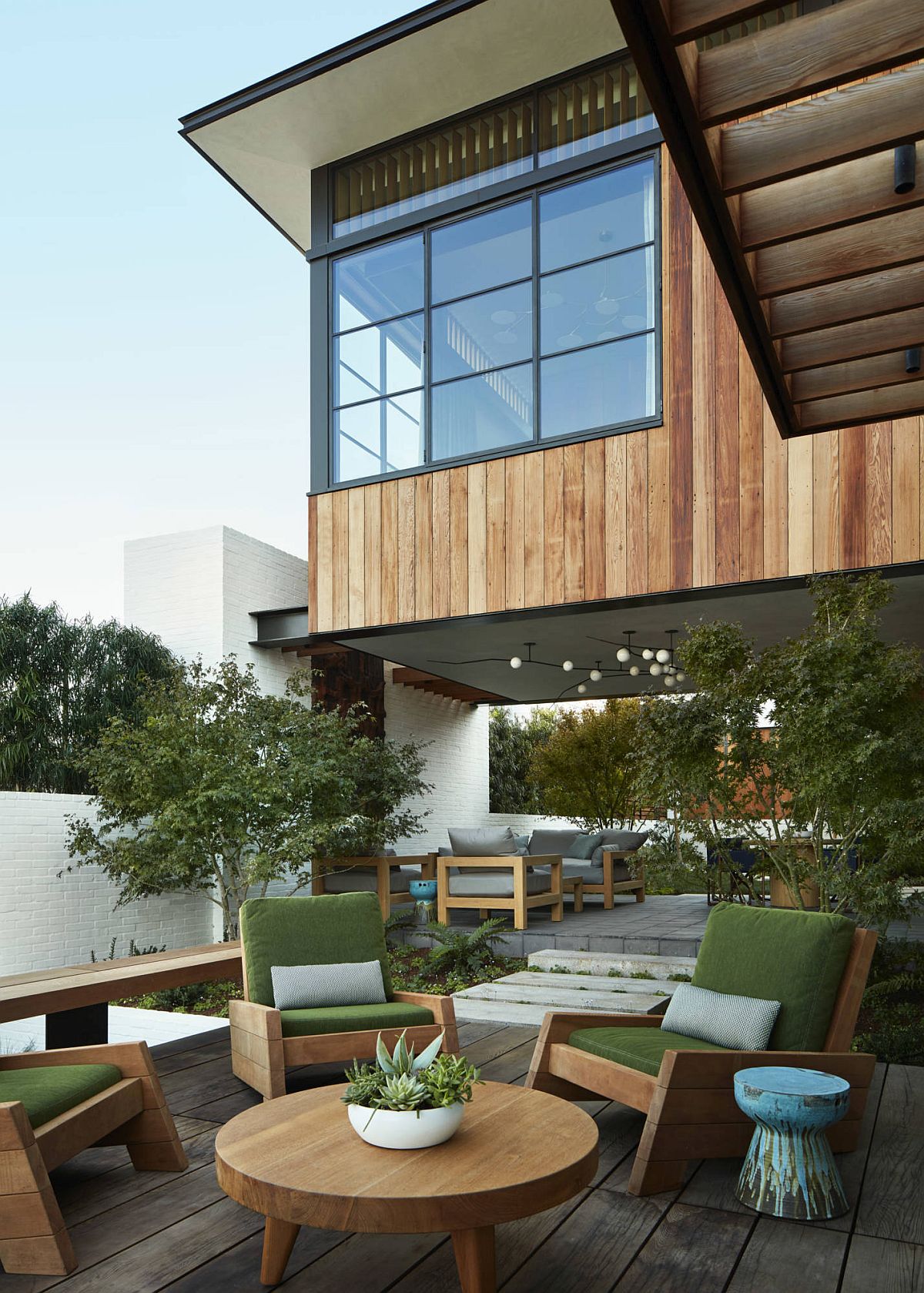
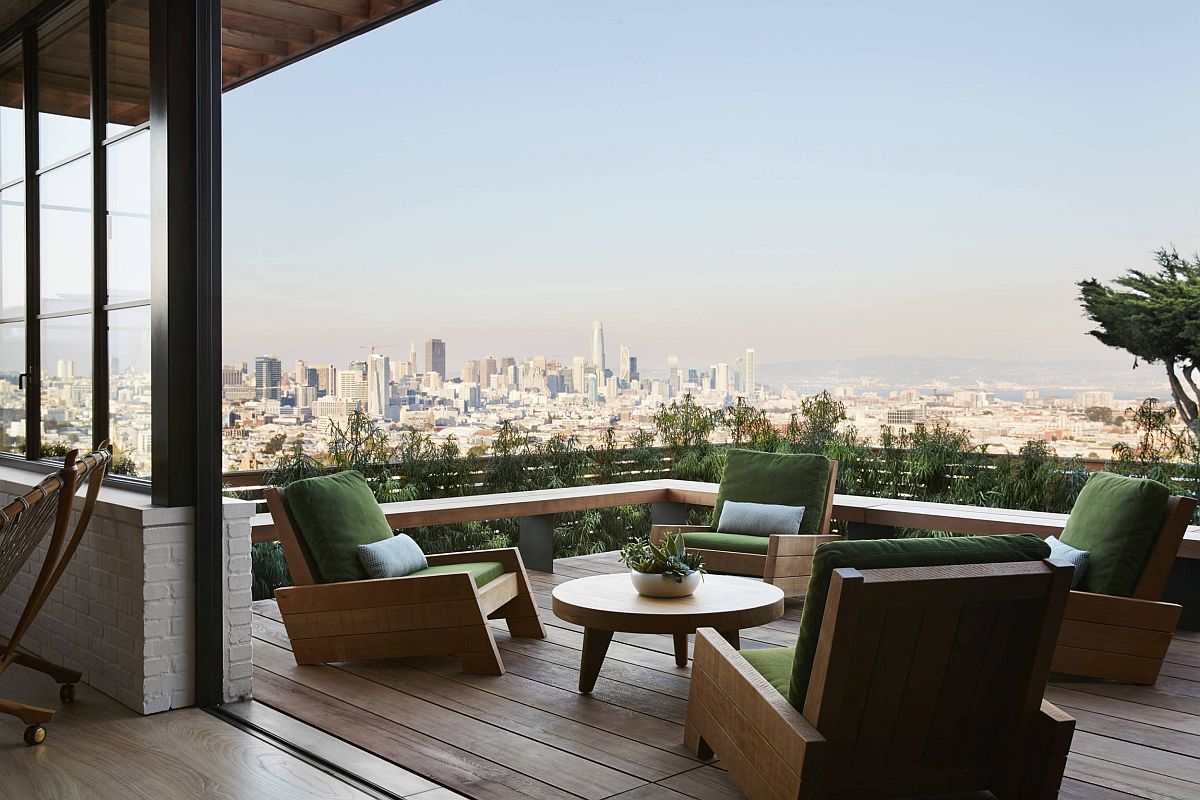
Modern Urban Retreat in San Francisco with an eco-friendly design
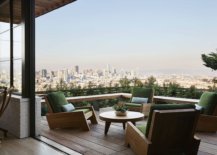
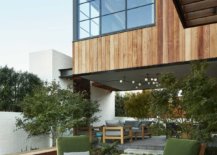
Lovely green balcony of the Urban Retreat in San Francisco with comfortable seats and lovely views
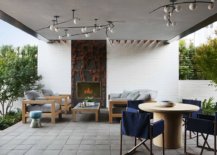
Covered outdoor area of the house with modern decor and connectivity on both sides

You’re reading Green Roof and Rainwater Harvesting Systems Shape this Charming Urban Retreat, originally posted on Decoist. If you enjoyed this post, be sure to follow Decoist on Twitter, Facebook and Pinterest.

Similar Posts

  • PDC House

    The design strategy of this house is based on a commitment to artisanal constructive honesty, the respect towards natural context in an urban area, and the constant search for a way of inhabiting where material austerity provides spatial quality. The main body of the house is located in the southern boundary of the land, respecting the 3 preexisting fruit trees on the north side and taking advantage of the best ventilation and natural light possible. The program, which includes 2 bedrooms, social area, a family room and services, is condensed in a monolithic block to reduce its footprint. As a main strategy, the upper roof tilts 21 degrees, prioritizing the northern bedroom spaces and reducing the southern service spaces. The subtraction and rotation of a middle segment generates a shift in between the upper floor bedrooms, allowing cross ventilation, as well as the accommodation of rooftop equipment and the plumbing and electrical ducting. In section, the composition allows the circulation of north-south winds, cooling the kitchen by the hot air escape achieved through height differences. The constructive solution contemplates material honesty in all the elements. The concrete walls on ground floor, pured with recycled formwork, give an imperfect finish consistent with the roof’s austerity, but contrasted with the cleanliness and volumetric continuity of the upper floor finish. To reduce economic impact, ceiling and floor finishings and tilings were completely eliminated using bare concrete floors and, in order to express the constructive and structural performance, the roofs use a system of bare concrete joists in combination with vaulted pieces, designed and manufactured using a mold made with local artisan blacksmithing.