Designed by Light | Casa Emma

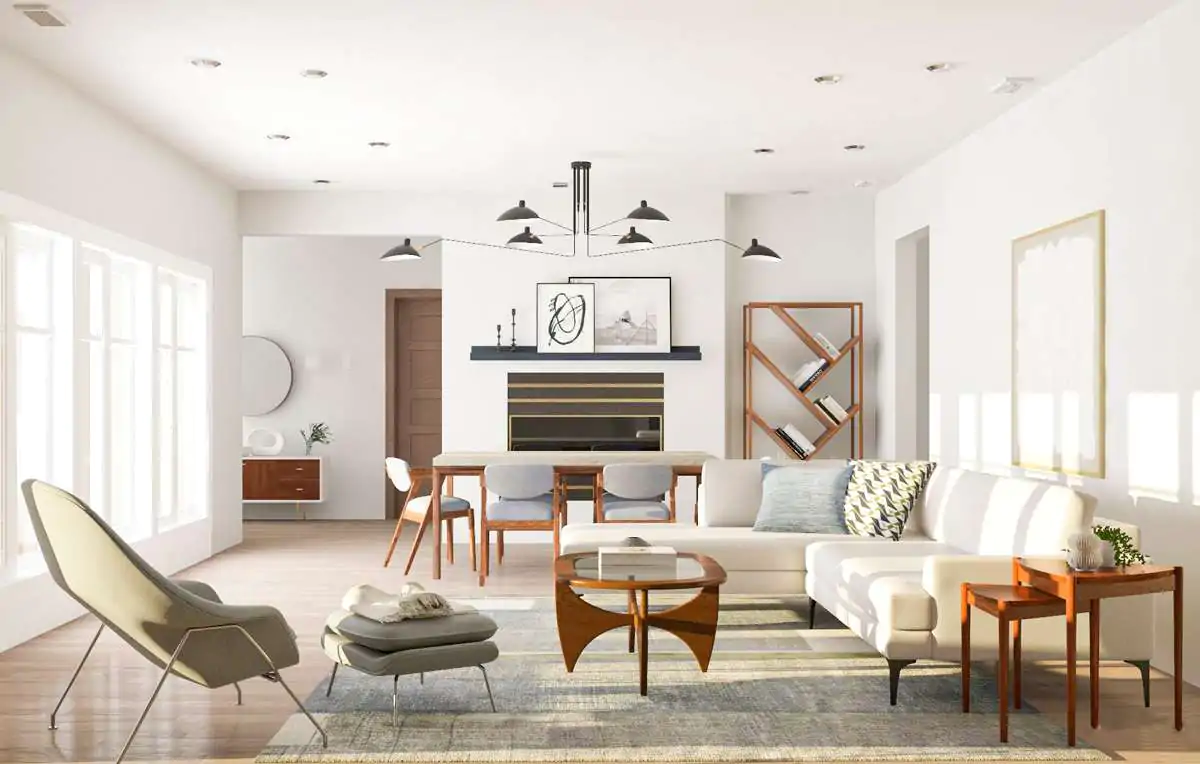
Casa Emma is a work that emphasizes light and space, inspired by the Paula Rego Museum. Located on a 13 x 32 foot lot, the house uses wood as its central material, reflecting Purépecha tradition. With an open layout that integrates the living room, dining room, and kitchen, it offers a warm and fluid environment.

One of the highlights is the lighting that descends from the ceiling, creating a serene and dynamic atmosphere. The interior features a mezzanine that maximizes the use of space. Casa Emma not only pays homage to the beauty of light but also to the local culture, inviting occupants to form a deep connection with their surroundings.

Credits:

Architects: HW Studio
Photo credits: César Béjar
Location: Morelia, Michoacán, México
Completion: July 2024
Building Area: 54 m2
Site Area: 40 m2
Budget: 120,000.00 USD

Similar Posts

  • Reclaimed Wood in the Entryway: An Elegant and Eco-Friendly Finish

    Reclaimed wood does much more than your usual array of wooden finishes that are becoming all too common once again in modern homes. It adds a unique rustic flavor to the room that just feels so very authentic. The worn surface of reclaimed wood coupled with those little imperfections and tiny nicks all add up […]

    You’re reading Reclaimed Wood in the Entryway: An Elegant and Eco-Friendly Finish, originally posted on Decoist. If you enjoyed this post, be sure to follow Decoist on Twitter, Facebook and Pinterest.

  • Great Ways To Incorporate Shiplap Into A Cozy Home

    Shiplap is an increasingly popular form of wall decor in many different kinds of homes. It is a sealed, interlocking board style that can add character and charm to any residence. The really unique part about this material is that it does not matter what kind of decor, style, or materials the home is built […]

    You’re reading Great Ways To Incorporate Shiplap Into A Cozy Home, originally posted on Decoist. If you enjoyed this post, be sure to follow Decoist on Twitter, Facebook and Pinterest.

  • VITR

    This renovation project originates from the intervention of a pre-existent building located in the western area of Mexico City; reshaping it into a studio-house project, with clear conditions and an eye set into the pre-existing circumstances. Our design solution takes on a residential structure from the 20th century and recycles it into a project that integrates itself with its immediate natural environment, shattering the hegemony of the high walls behind which the neighboring houses hide, in order to establish a dialogue that transcends the physical limitations of the project. The variations in the depths of different planes, offer the environment a living façade, where the interior activities are guessed from the visual filters that concede intimacy to the interior spaces. The interior-exterior duality brakes its context’s routine, offering a canvas of textures where the concrete and granite give away to the mildness of the metal and the lightness of plastic fabrics. To the exterior, the housing peeks out without invading; whilst opening in the interior, subtlety exposing itself, balancing the volumes that are inserted in the site. An interplay of planes occurs inside allowing the versatility of spaces by the movement of long-distance sliding screens and wainscots formed by timber that contrast in warmth and complexity with the sobriety of the stone coatings and apparent concrete of the enclosures. A new stairway, based on steel strips, reactivates the space where the old one stood, which gave an opportunity to re-signify the ambiance of the circulations as an experience of sculptural character. The front yard of the house marks the limits of the construction and together with the water mirrors and vegetation orient the route beneath a suspended long cover. The architectural program revolves around the home in the ground floor, leaving the studio in a privileged condition towards the garden. The living spaces in the first level have terraces and views to the exterior between and through a green façade woven of plastic cables (recovering the Acapulco chair technique) that sieve and melt together the thick vegetation of the existing trees. The terraces and windows allows an optimal ventilation, illumination and contextualization between the outside and inside. In the top level, the project offers a view above itself and the wooden horizon from a roof garden that elevates to a higher plane the user’s introspection, belonging and pertinence of itself.