Build a Breezy A-Frame Shelter With These DIY Kits by Artist Jay Nelson

Each kit comes with a miniature model, two prints, and plans for building a shady backyard shelter in about a weekend’s time.
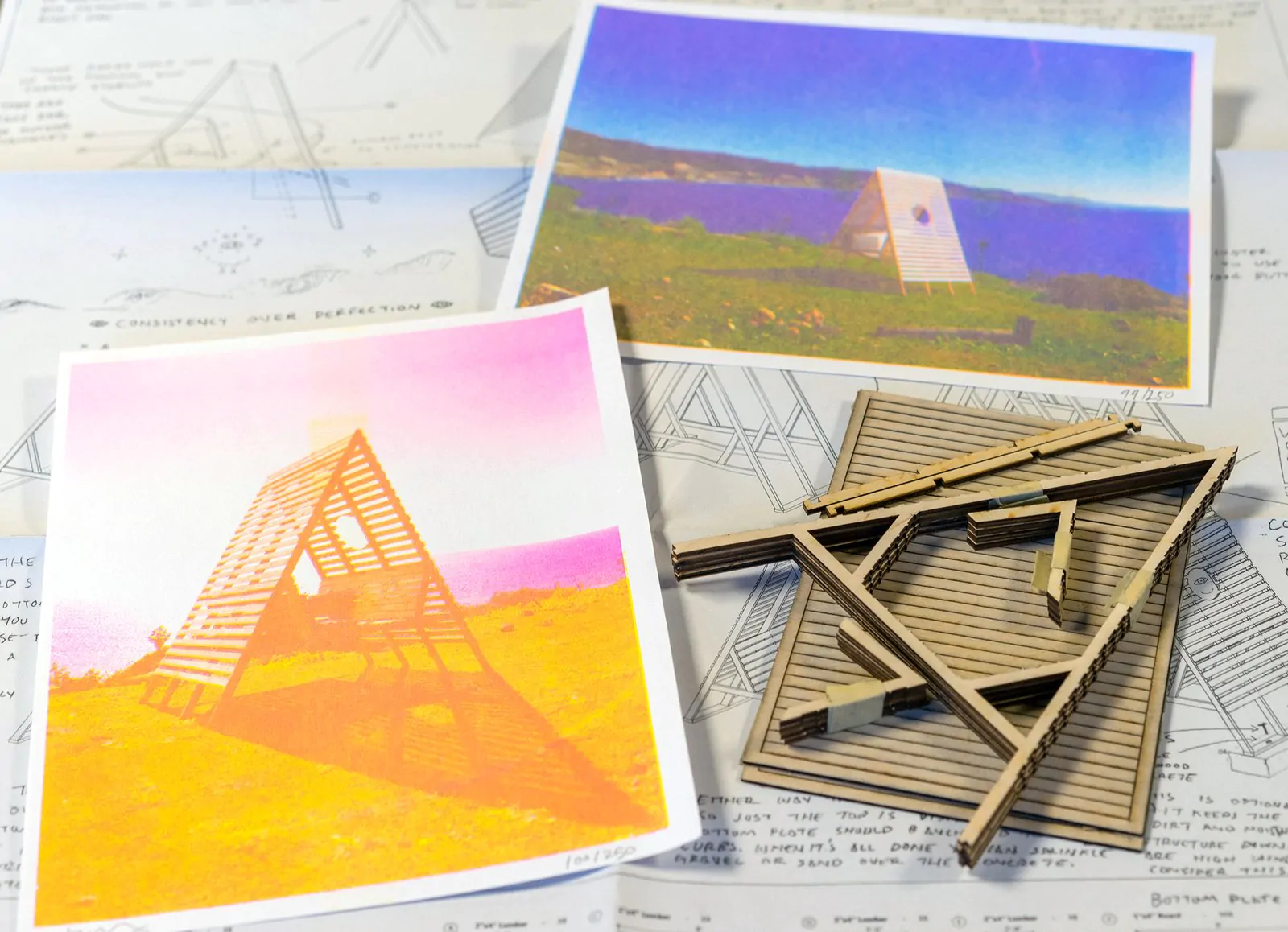
San Francisco–based artist Jay Nelson makes curvaceous campers, fantastical tree houses, and handcrafted homes that will blow your mind. If you’ve ever wanted to own one of Nelson’s designs (and who hasn’t), you’re in luck—he recently launched a DIY kit that shows how to construct a far-out triangular shelter with a built-in sitting area.
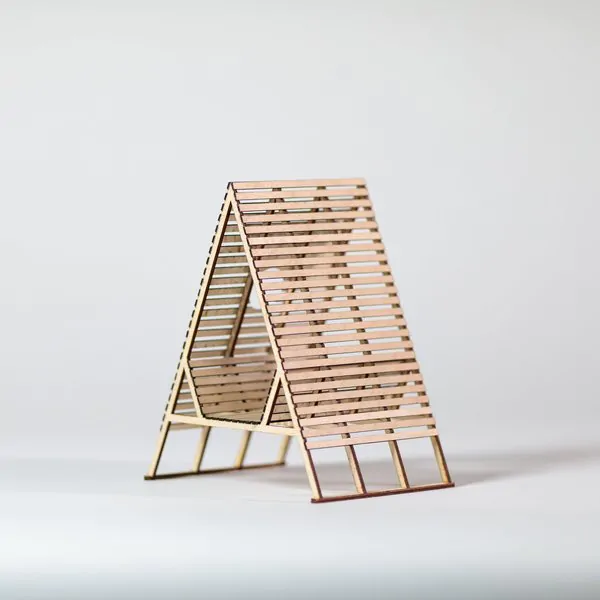
Sitting Structure #8 model

Sitting Structure #8 model

Photo courtesy of Jay Nelson
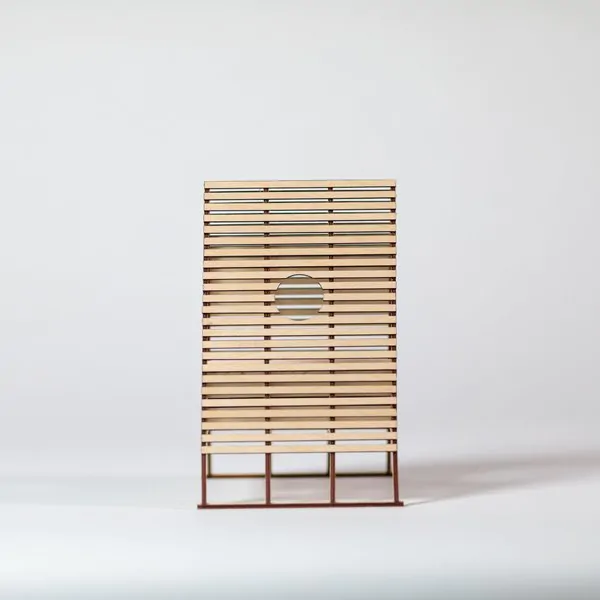
Sitting Structure #8 model side elevation

Sitting Structure #8 model side elevation

Photo courtesy of Jay Nelson

Nelson’s Sitting Structure #8 kit expands upon a series of shade structures he built in Mexico and for Uluwatu Surf Villas in Bali, Indonesia. It comes with a miniature model, two signed and numbered risograph prints, a full material list, and a detailed set of architectural drawings with assembly notes.

The A-frame structure consists of four triangular supports clad with thin wood slats. A built-in bench provides a cozy place to roost, and a circular portal frames the sky and the surrounding landscape. “This is a Temporary Autonomous Zone,” writes Nelson, referencing the work of Hakim Bey. “It’s about encouraging new thought and altering the way we experience each other or our surroundings.”
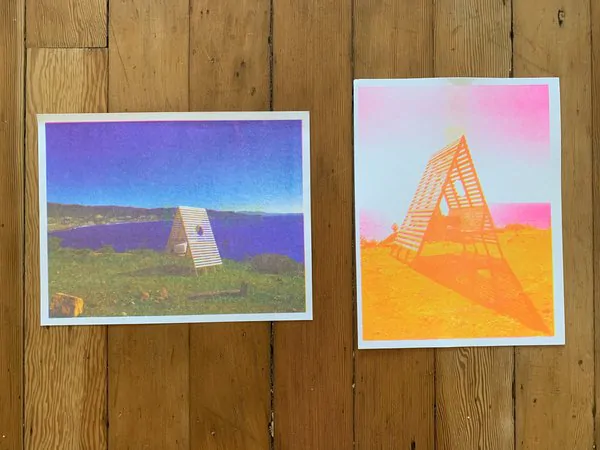
Sitting Structure #8 risograph prints

Sitting Structure #8 risograph prints

Photo courtesy of Jay Nelson

See the full story on Dwell.com: Build a Breezy A-Frame Shelter With These DIY Kits by Artist Jay Nelson

Similar Posts

  • PDC House

    The design strategy of this house is based on a commitment to artisanal constructive honesty, the respect towards natural context in an urban area, and the constant search for a way of inhabiting where material austerity provides spatial quality. The main body of the house is located in the southern boundary of the land, respecting the 3 preexisting fruit trees on the north side and taking advantage of the best ventilation and natural light possible. The program, which includes 2 bedrooms, social area, a family room and services, is condensed in a monolithic block to reduce its footprint. As a main strategy, the upper roof tilts 21 degrees, prioritizing the northern bedroom spaces and reducing the southern service spaces. The subtraction and rotation of a middle segment generates a shift in between the upper floor bedrooms, allowing cross ventilation, as well as the accommodation of rooftop equipment and the plumbing and electrical ducting. In section, the composition allows the circulation of north-south winds, cooling the kitchen by the hot air escape achieved through height differences. The constructive solution contemplates material honesty in all the elements. The concrete walls on ground floor, pured with recycled formwork, give an imperfect finish consistent with the roof’s austerity, but contrasted with the cleanliness and volumetric continuity of the upper floor finish. To reduce economic impact, ceiling and floor finishings and tilings were completely eliminated using bare concrete floors and, in order to express the constructive and structural performance, the roofs use a system of bare concrete joists in combination with vaulted pieces, designed and manufactured using a mold made with local artisan blacksmithing.