Designed by Light | Casa Emma

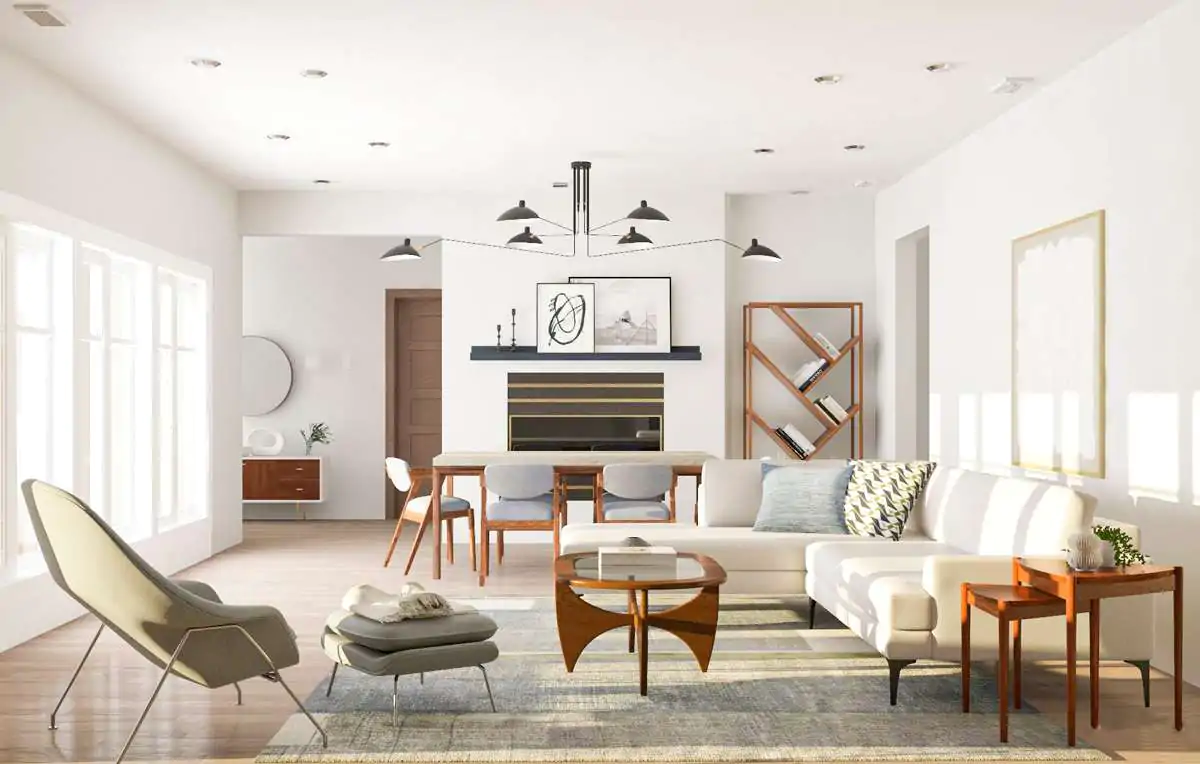
Casa Emma is a work that emphasizes light and space, inspired by the Paula Rego Museum. Located on a 13 x 32 foot lot, the house uses wood as its central material, reflecting Purépecha tradition. With an open layout that integrates the living room, dining room, and kitchen, it offers a warm and fluid environment.

One of the highlights is the lighting that descends from the ceiling, creating a serene and dynamic atmosphere. The interior features a mezzanine that maximizes the use of space. Casa Emma not only pays homage to the beauty of light but also to the local culture, inviting occupants to form a deep connection with their surroundings.

Credits:

Architects: HW Studio
Photo credits: César Béjar
Location: Morelia, Michoacán, México
Completion: July 2024
Building Area: 54 m2
Site Area: 40 m2
Budget: 120,000.00 USD

Similar Posts

  • Reused Shipping Container, Wood and Concrete Shape This Cozy Refuge in Brazil

    A getaway that surrounds you with greenery beautiful views of Serra do Mar in the distance, the Bosque Refuge designed by Bruno Zaitter arquiteto is for those who wish to escape bright lights of big cities. This cool Brazilian cabin was crafted using a shipping container that has been recycled to create a comfy and […]

    You’re reading Reused Shipping Container, Wood and Concrete Shape This Cozy Refuge in Brazil, originally posted on Decoist. If you enjoyed this post, be sure to follow Decoist on Twitter, Facebook and Pinterest.

  • Good Haus

    The Good Haus celebrates the intersection between design and performance – and seeks to be an example of a “good house”. The house is the family home of principals Mela Breen and David Good (designer and builder) – and playfully gets it’s moniker from Dave’s last name. So what is our idea of a good house? In this case it is one that is pushing the possibilities of a site specific design while holding itself accountable to reaching the highest level of energy efficiency. Our good house is one that embodies our beliefs about resiliency, efficiency, health and comfort, beauty and playfulness. The DNA for the Good Haus is established by the site, a steep and rocky hillside that spills down onto a small neighboring foothill meadow. A limited buildable footprint, season drainage concerns, and an inviting flat outcrop of granite drove the initial design. Two intersecting geometric volumes were conceived, each reaching out to connect the building to the landscape, each intersecting the other and providing counter balance. The main first floor volume is a long south facing rectangle that stretches and anchors in the granite. A deep west facing porch protects the house from overheating, bridges a rocky drainage and links the open floor plan to the landscape with a large outdoor living space. The second floor volume runs perpendicular to the main living space and cantilevers to create a covered north entry, while a balcony on the south side cantilevers towards the oak canopy – creating a sense that the master bedroom is in a tree house. The exterior material pallet is in keeping with our love for the handmade modern. Cedar siding from trees grown on Mela’s childhood property and milled by her father is mixed with standing seam metal roofing that turns downing to clad the walls as a way to articulate the building form. Because the topography falls roughly 12’ over the relatively narrow width of the house, and the granite spine to the west hinted at what might lay below the soils (giant boulders and bedrock), we opted to build the first floor primarily on a steel pier and beam structure with a metal pan deck. This allows the building to float above the rocky drainage. The complexity of the design, with its cantilevers and steel deck foundation, require a heightened attention to the air sealing and insulation details. The super insulated, air-tight building envelope is wrapped in exterior Rockwool insulation, all the connections between interior and exterior structural members are meticulously detailed to avoid thermal bridges, and triple pane European windows and doors are used to maximize light, comfort, and performance. A CO2 heat pump water heater provides the most efficient domestic hot water delivery. Balanced heat recovery ventilation offers high indoor air quality and uniform temperature distribution. Indoor climate control is provided by super efficient ductless mini splits. A 6.5 kw roof mounted photovoltaic system is installed to offset the home’s energy usage (including the charging of an electric car) – creating a zero net energy building.

  • W72nd Penthouse

    Located in the historic Oliver Cromwell Building, The W72nd penthouse inhabits the top three floors of the historic building in the Upper West Side of Manhattan. With commanding views of Central Park, it’s an awe-inspiring refuge from the frenetic pace of NYC. The clients, a financier and a tech entrepreneur, one from Pakistan and the other a Detroit native, longed for a cozy retreat to counterbalance their busy lifestyle. The fusion of two cultural backgrounds are apparent in the mixtures of textiles and material selections throughout the home. With two growing daughters and a steady stream of houseguests, the project aimed to accommodate their family as well as act as a secluded shelter away from city life. The space is first met with a glimpse of a stunning oak herringbone floors and steel circular staircase that connects all three floors and serves as the central backbone of the space. Facing the staircase is the main floor living and dining area perfectly framed as the home’s first introduction to the space. The area showcases an eclectic art collection and a library for the voracious literary appetite of the homeowners along with objects of curiosity from the client’s travels. Instantly eye-catching is the dining area which features a stunning dining table and leather chairs and flanked by a banquette covered with a custom Suki Cheema textile. Adjacent is a small media room punctuated by a bright red Ligne Roset couch. The tiered floor plates provided a challenge for maximizing space as each level gets increasingly smaller as you go up. The design team began to think like a shipwright to design unexpected built-ins that evoke the feeling of being in a sailboat in the sky. On the second floor, up the oak and steel staircase, is small office, a bedroom with two beds in a unique head-to-toe configuration surrounded by figured maple built-in storage looking to the prominent views of the penthouse’s towering over Manhattan. Also, on the second floor is a bathroom, a small kitchenette, and a gracious balcony that continues to overlook to the busy cityscape below. The open spaces of the circular stairwell continue up to the third-floor feature integrated fire shutters that slide down to create privacy for the whole second floor. Continuing up the stairs is a generous master bedroom and master bath. The master bathroom is class wall to wall in hand- made colored Moroccan tile juxtaposed with modern fixtures and fittings.