Exploring the Frick Collection’s $220 Million Renovation Before Its Reopening

The Frick will reopen after a significant renovation on April 17.The Frick will reopen after a significant renovation on April 17.

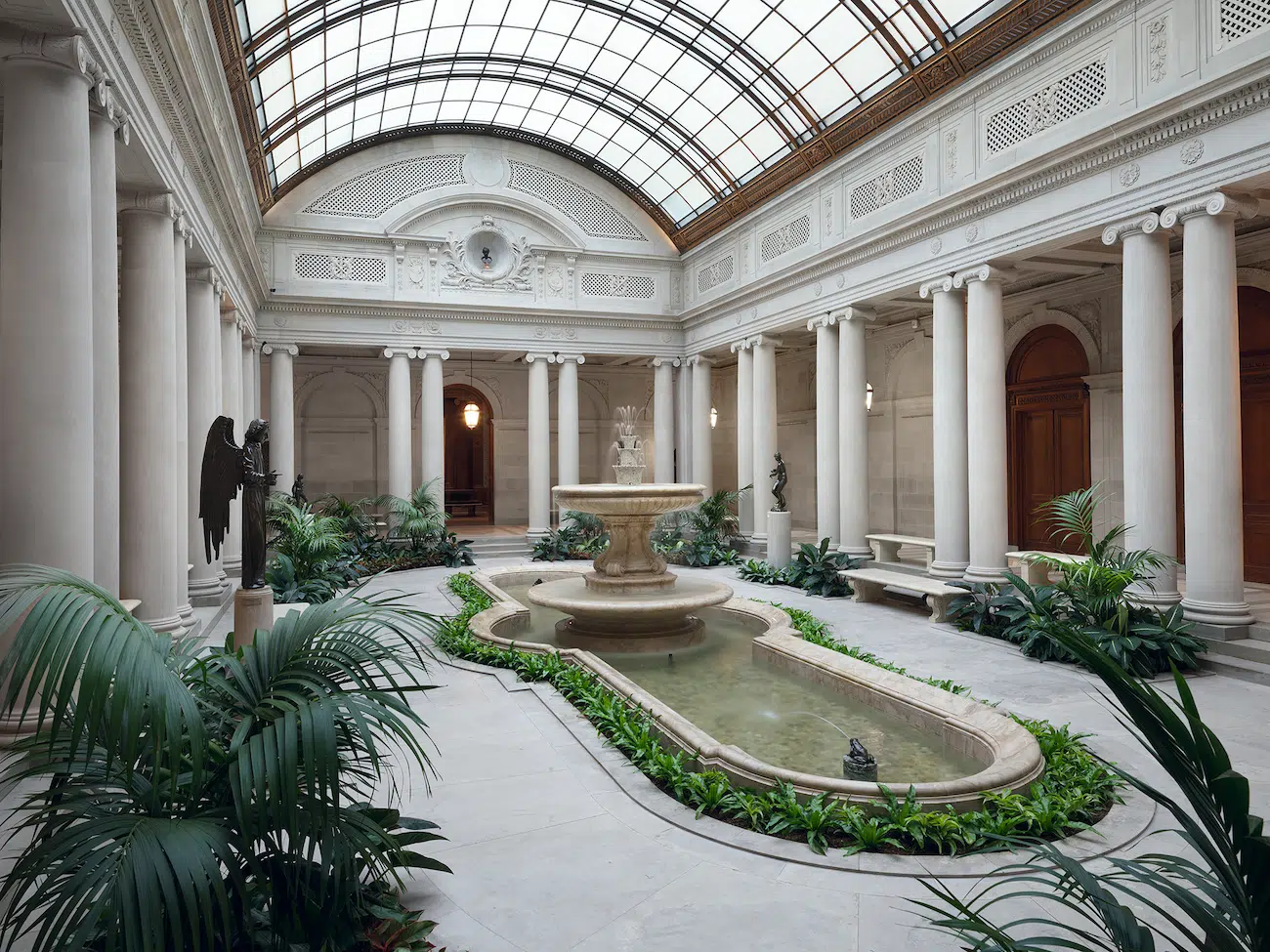
The Garden Court. (Photo: Joseph Coscia Jr.)

For the past five years, the Gilded Age mansion that houses the Frick Collection in New York has been closed to the public. The corner of Madison Avenue and 70th street has been unusually quiet because of this, but, behind its regal walls, the museum has been undergoing a remarkable transformation. In only a couple of weeks, on April 17, the Frick will finally reopen its doors, unveiling its $220 million renovation led by Selldorf Architects in collaboration with Beyer Blinder Belle.

This renovation serves as the Frick’s most comprehensive one since its opening in 1935, repurposing 60,000 square feet of existing space and adding 27,000 square feet of new construction. On the first floor, the new Cabinet Gallery showcases 12 works on paper that, prior to this, were rarely on display due to their light sensitivity. These artworks span sketches to detailed drawings by renowned artists such as Degas, Goya, Rubens, Whistler, and Ingres, among others, providing visitors with an unparalleled and novel glimpse into the Frick’s permanent collection.

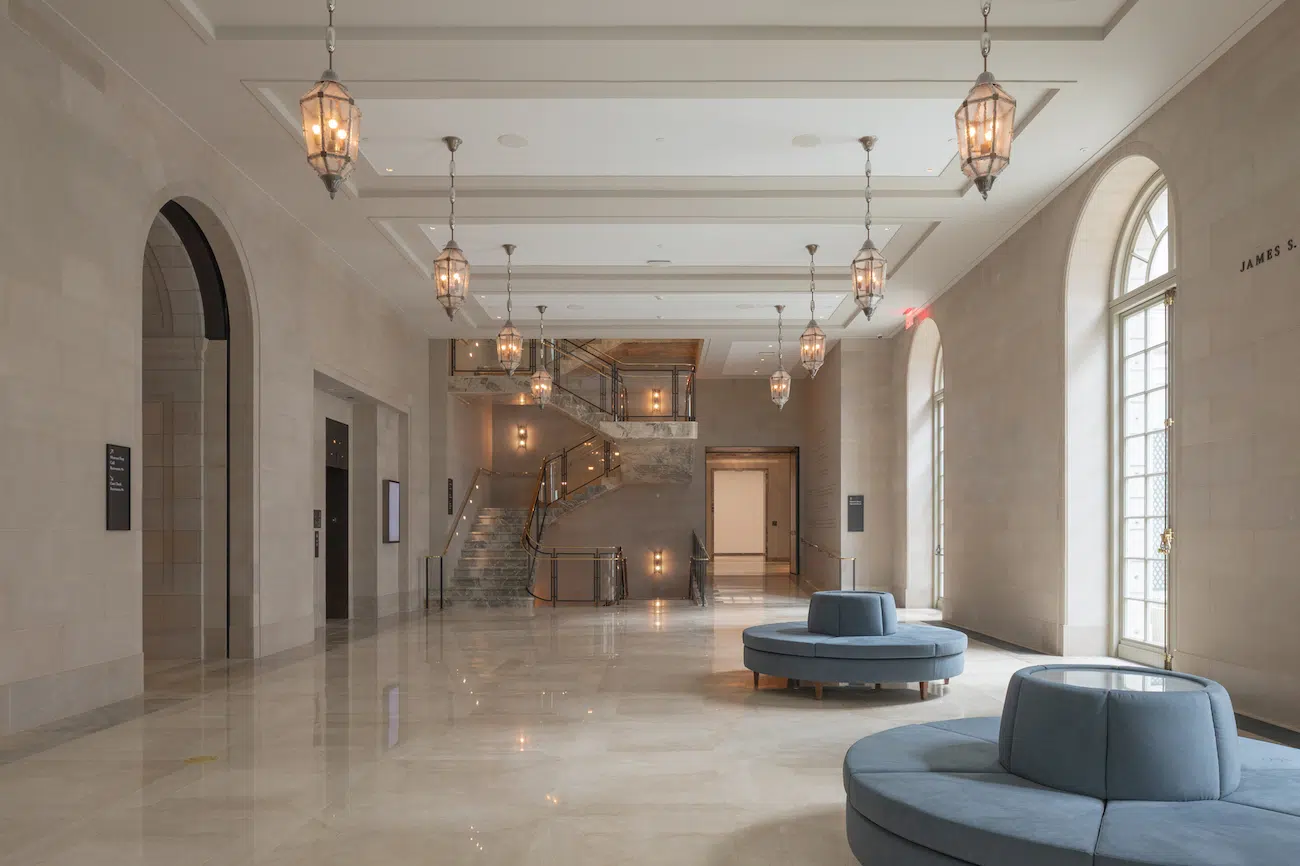
Equally ambitious is the first floor’s expanded reception hall, now complete with an entirely new second level. A decadent staircase outfitted in Italian marble connects the hall’s two floors, while natural light floods in through a stone wall lined with monumental windows. Taken in its entirety, this updated hall offers a serene yet grand atmosphere, one that also extends into the Frick’s beloved garden court next door.

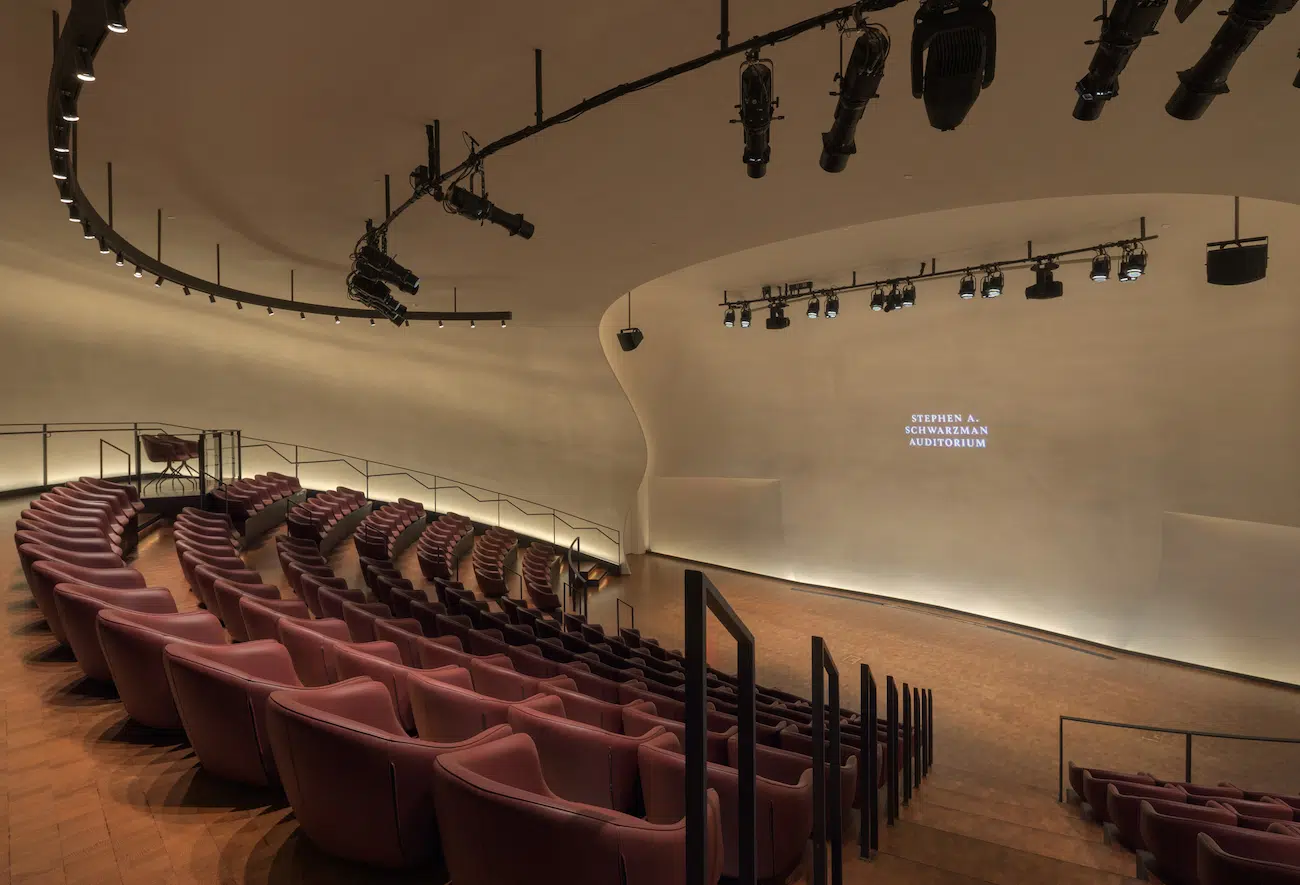
Expanding the Frick’s footprint so significantly did require a few sacrifices, though, including the demolition of a music room originally added by John Russell Pope in the 1930s. To accommodate these alterations, the Frick is now outfitted with an underground auditorium that can seat up to 218 people. The entire auditorium is enveloped in meandering, curvilinear forms, creating, as Selldorf Architects writes in a statement, a “sense of intimacy between the audience and the presenters.” Throughout April and May, the auditorium will also host a music festival, featuring both classical and contemporary works.

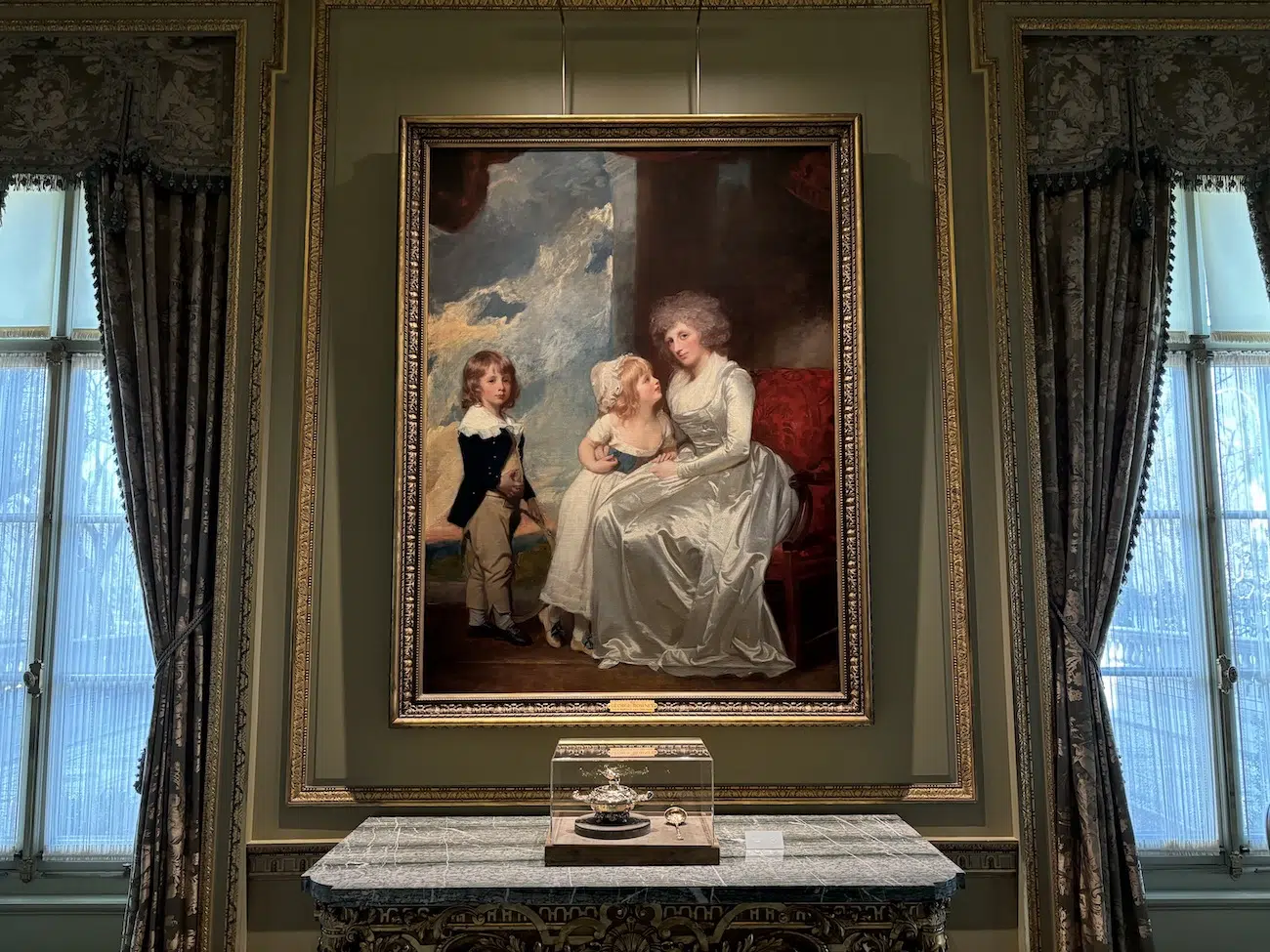
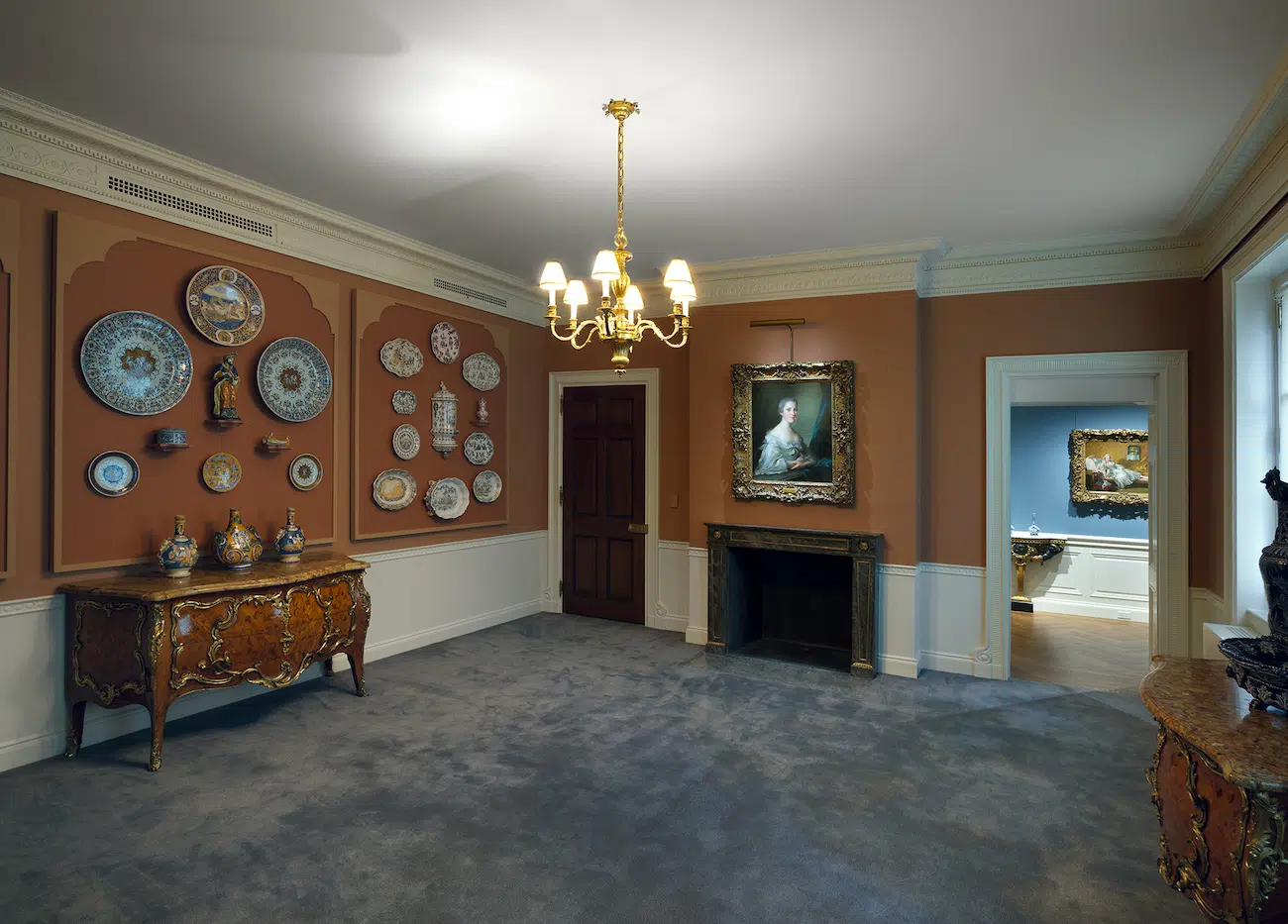
Perhaps most special of all, however, is the Frick’s new suite of galleries on its second floor, which originally functioned as the Frick family’s private living quarters. It’s the first time ever that museum visitors may experience these spaces, given that, before the renovation, the second floor was solely reserved for staff meeting rooms and administrative offices. Unlike the museum’s first floor, these newly incorporated galleries encompass smaller-scale paintings, sculptures, and decorative objects, alongside ceiling murals, marble fireplaces, and elaborately carved woodwork.

Such features can be found throughout the rest of the Frick as well. The first and second floor alike are adorned with textiles and wall hangings manufactured by the same firms that the Frick family commissioned over a century ago. The renovation also saw immense attention directed toward preservation, whether it be in the form of the museum’s wood paneling and carving, decorative marble and plaster, or bronze fixtures.

“The reopening of the Frick marks an exciting moment in the trajectory of this storied cultural institution,” says Axel Rüger, the Frick’s Anna-Maria and Stephen Kellen director. “With the return of the Frick’s masterworks to their revitalized home, we welcome visitors to rediscover the beauty, intimacy, and scholarship that have defined the Frick for nearly a century.”

Annabelle Selldorf, the principal of Selldorf Architects, adds: “We worked carefully to develop an architectural vocabulary for the project that is continuous with the existing historic fabric yet employs distinct but appropriate contemporary detailing.”

And it’s true: the past, present, and future of the Frick are all essential to its updated architecture. In a preview for the reopening, which our team had the opportunity to attend, the immense level of precision, artistry, and care involved in the renovation only became clearer. It’s a homecoming that shouldn’t be missed.

More information about the Frick Collection’s grand reopening can be found on its website.

For five years, the Frick Collection in New York has been closed to the public due to a significant $220 million renovation. On April 17, the renowned museum will finally reopen.
The Frick will reopen after a significant renovation on April 17.The Frick will reopen after a significant renovation on April 17.

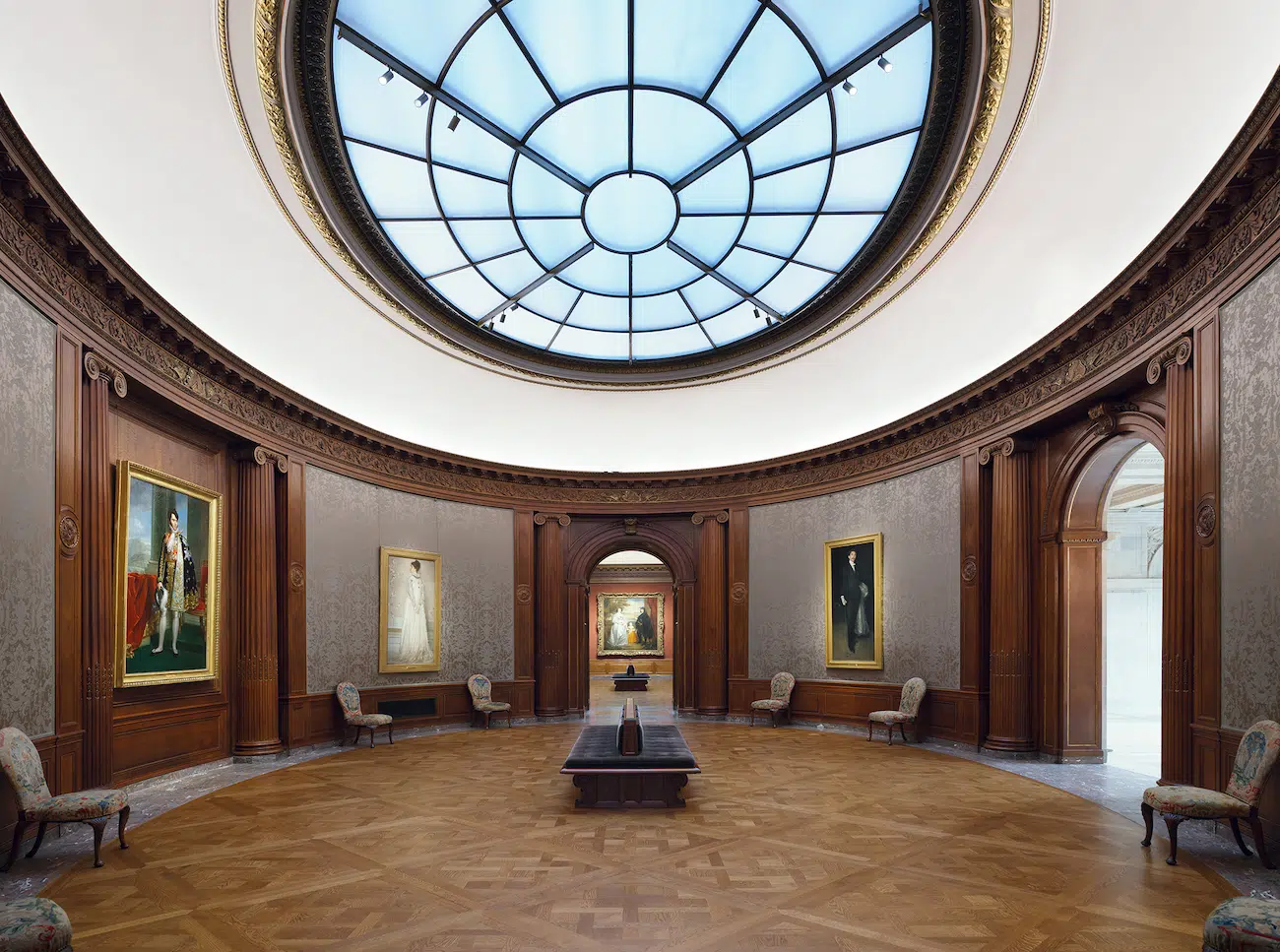
The Oval Room. (Photo: Joseph Coscia Jr.)
The Frick will reopen after a significant renovation on April 17.The Frick will reopen after a significant renovation on April 17.

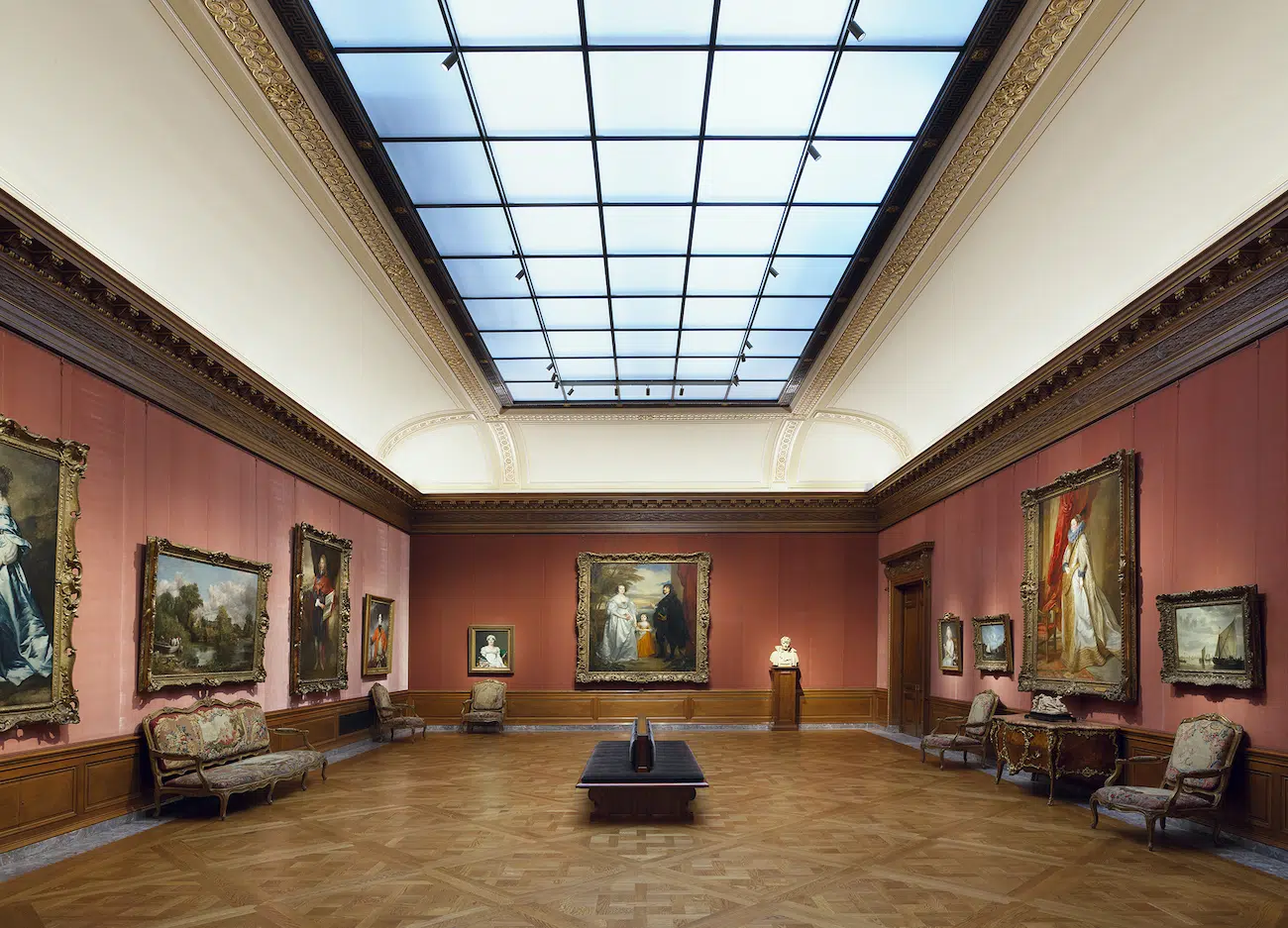
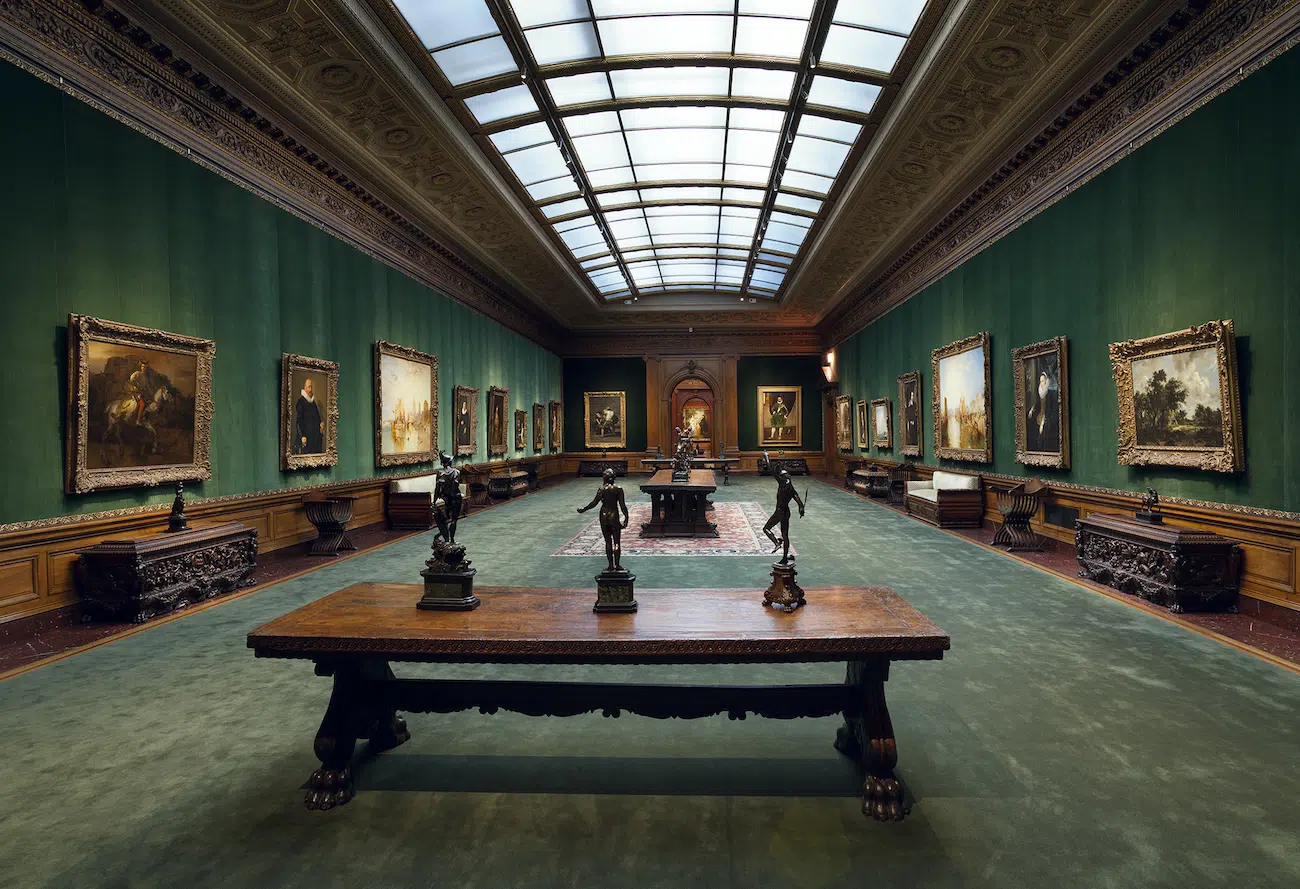
The West Gallery. (Photo: Joseph Coscia Jr.)
The Frick will reopen after a significant renovation on April 17.The Frick will reopen after a significant renovation on April 17.

The Stephen A. Schwarzman Auditorium. (Photo: Nicholas Venezia)
The Frick will reopen after a significant renovation on April 17.The Frick will reopen after a significant renovation on April 17.

The James S. and Barbara N. Reibel Reception Hall. (Photo: Nicholas Venezia)

The renovation serves as the Frick’s most comprehensive one since its opening in 1935, repurposing 60,000 square feet of existing space and adding 27,000 square feet of new construction.
The Frick will reopen after a significant renovation on April 17.The Frick will reopen after a significant renovation on April 17.

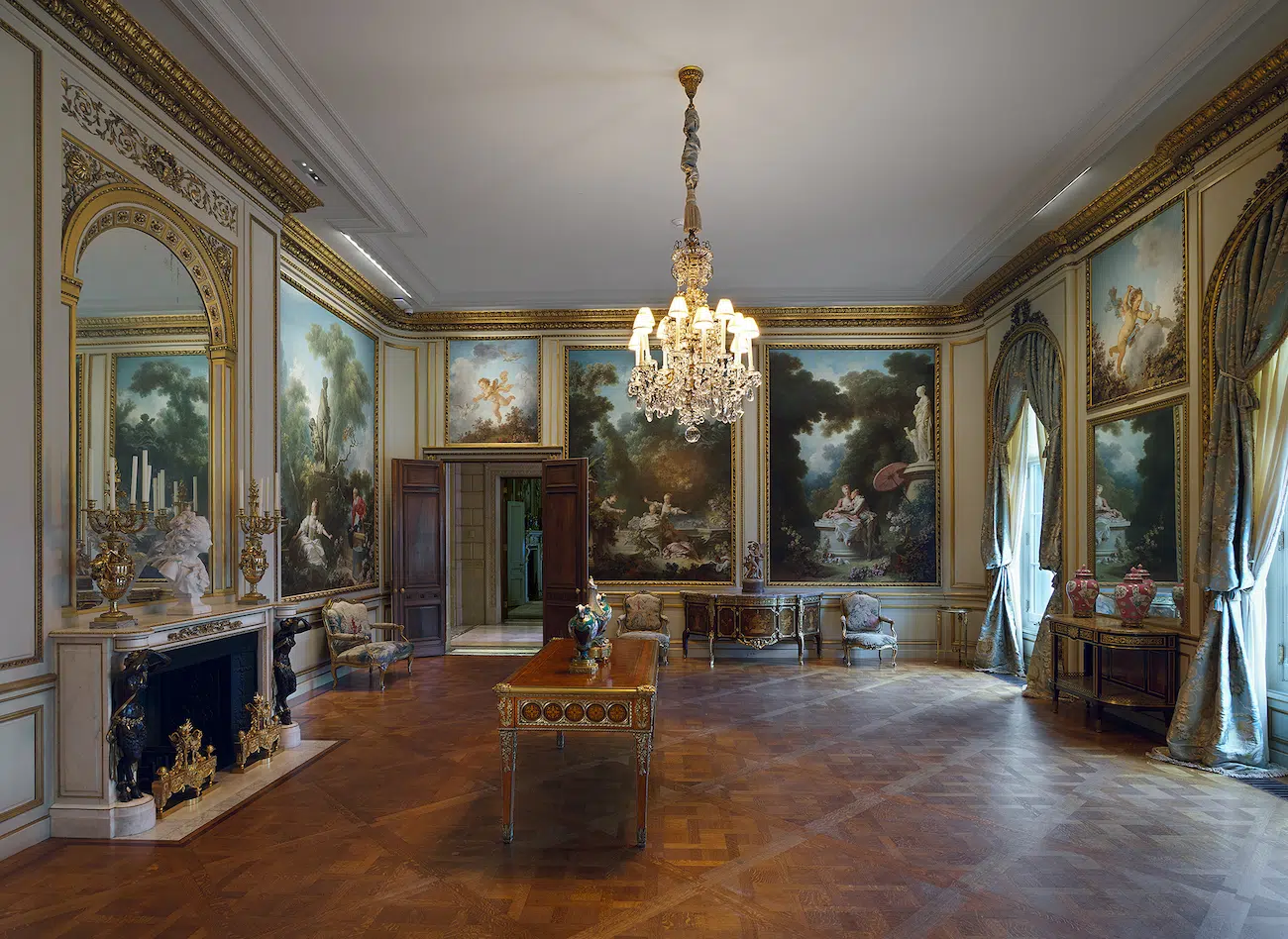
The Fragonard Room. (Photo: Joseph Coscia Jr.)
The Frick will reopen after a significant renovation on April 17.The Frick will reopen after a significant renovation on April 17.

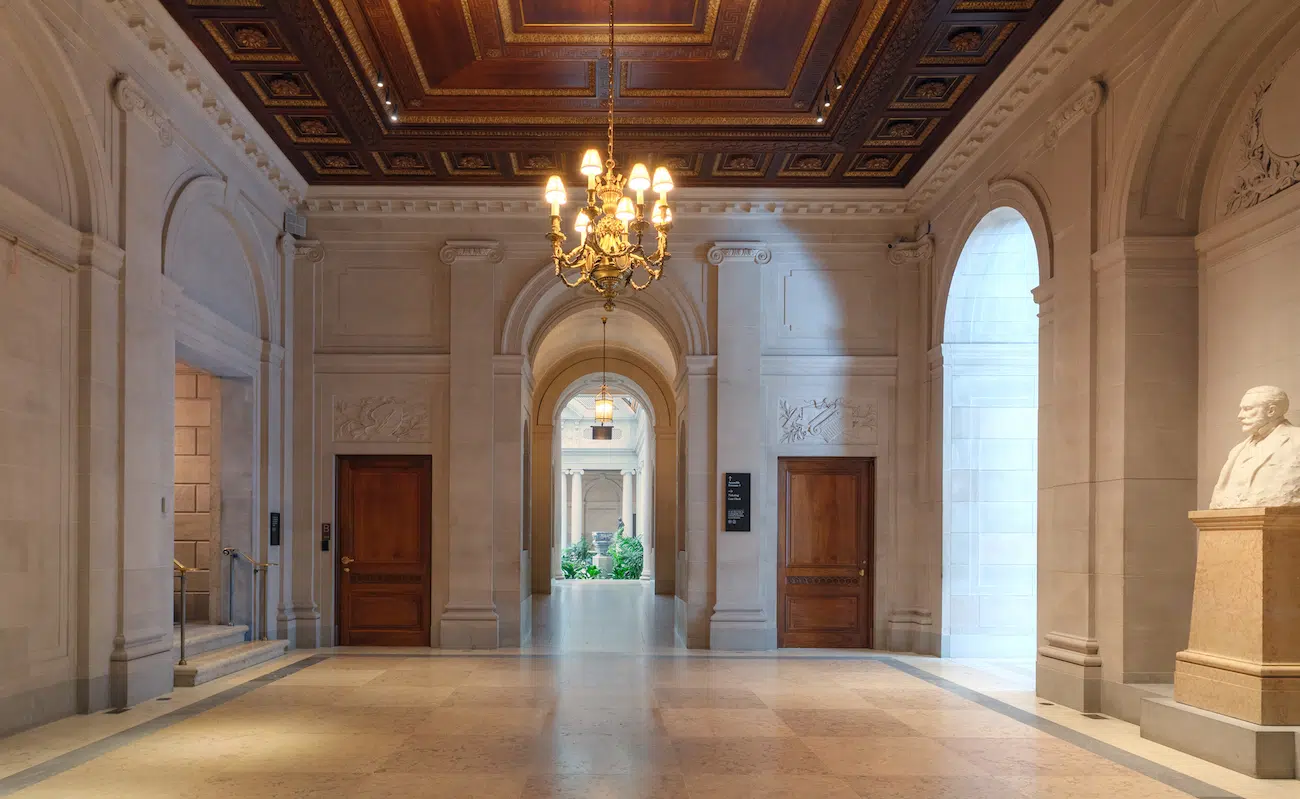
The Frick Collection’s entrance hall. (Photo: Nicholas Venezia)
The Frick will reopen after a significant renovation on April 17.The Frick will reopen after a significant renovation on April 17.

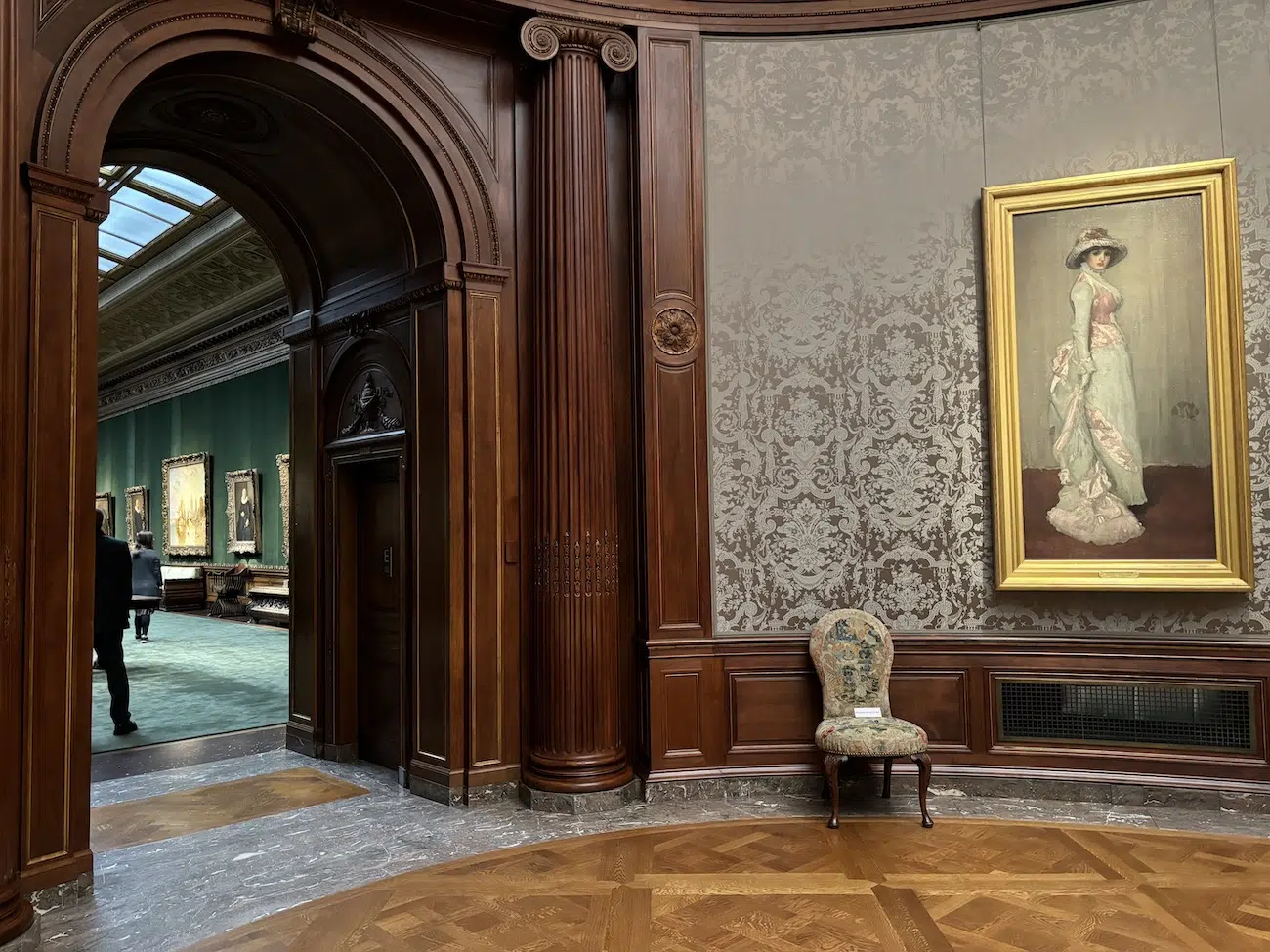
Photo: Eva Baron/My Modern Met

New features include an expanded reception hall, a 218-seat auditorium, a refurbished library, and special exhibition spaces on the first floor.

The Frick will reopen after a significant renovation on April 17.The Frick will reopen after a significant renovation on April 17.

Photo: Eva Baron/My Modern Met

The Frick will reopen after a significant renovation on April 17.The Frick will reopen after a significant renovation on April 17.

Photo: Eva Baron/My Modern Met

The Frick will reopen after a significant renovation on April 17.The Frick will reopen after a significant renovation on April 17.

The East Gallery. (Photo: Joseph Coscia Jr.)
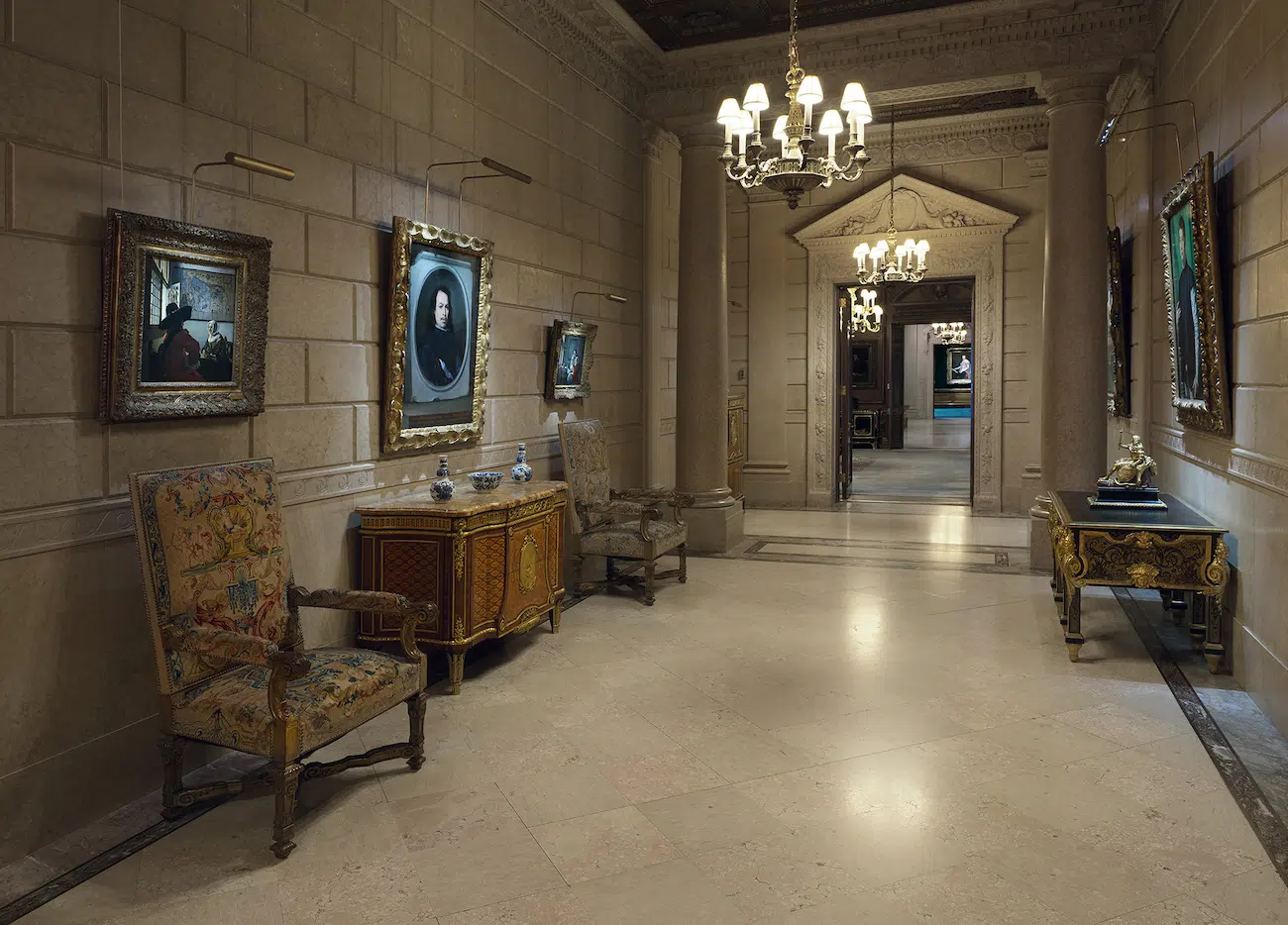
The Frick will reopen after a significant renovation on April 17.The Frick will reopen after a significant renovation on April 17.

The South Hall. (Photo: Joseph Coscia Jr.)
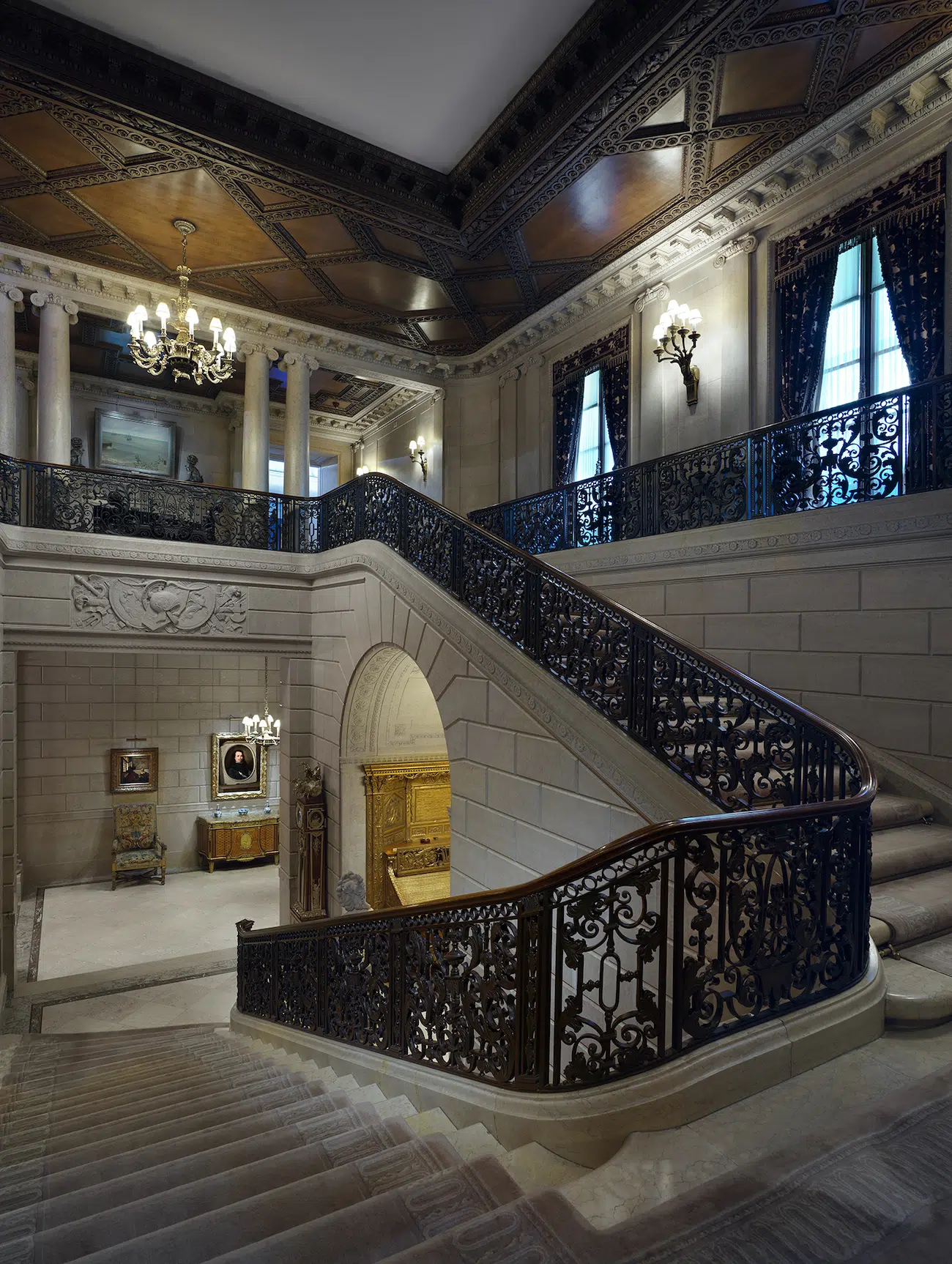
The Frick will reopen after a significant renovation on April 17.The Frick will reopen after a significant renovation on April 17.

The Grand Staircase. (Photo: Joseph Coscia Jr.)

The Frick will reopen after a significant renovation on April 17.The Frick will reopen after a significant renovation on April 17.

Photo: Eva Baron/My Modern Met

Perhaps most special of all is the Frick’s new suite of galleries on its second floor, which originally functioned as the Frick family’s private living quarters. It’s the first time ever that museum visitors may experience these spaces.
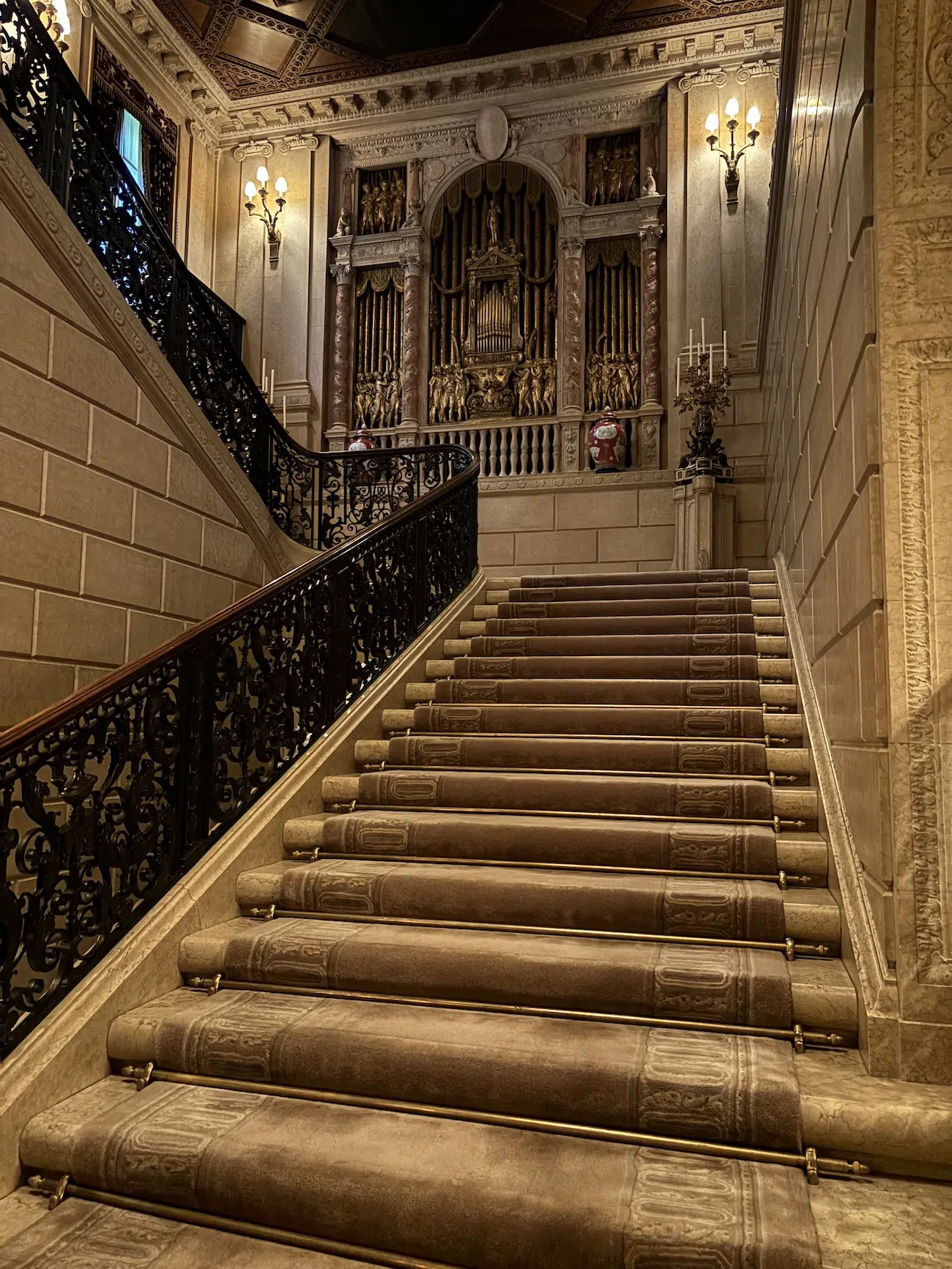
The Frick will reopen after a significant renovation on April 17.The Frick will reopen after a significant renovation on April 17.

Photo: Eva Baron/My Modern Met

The Frick will reopen after a significant renovation on April 17.The Frick will reopen after a significant renovation on April 17.

The Ceramics Room, part of the new second-floor gallery. (Photo: Joseph Coscia Jr.)
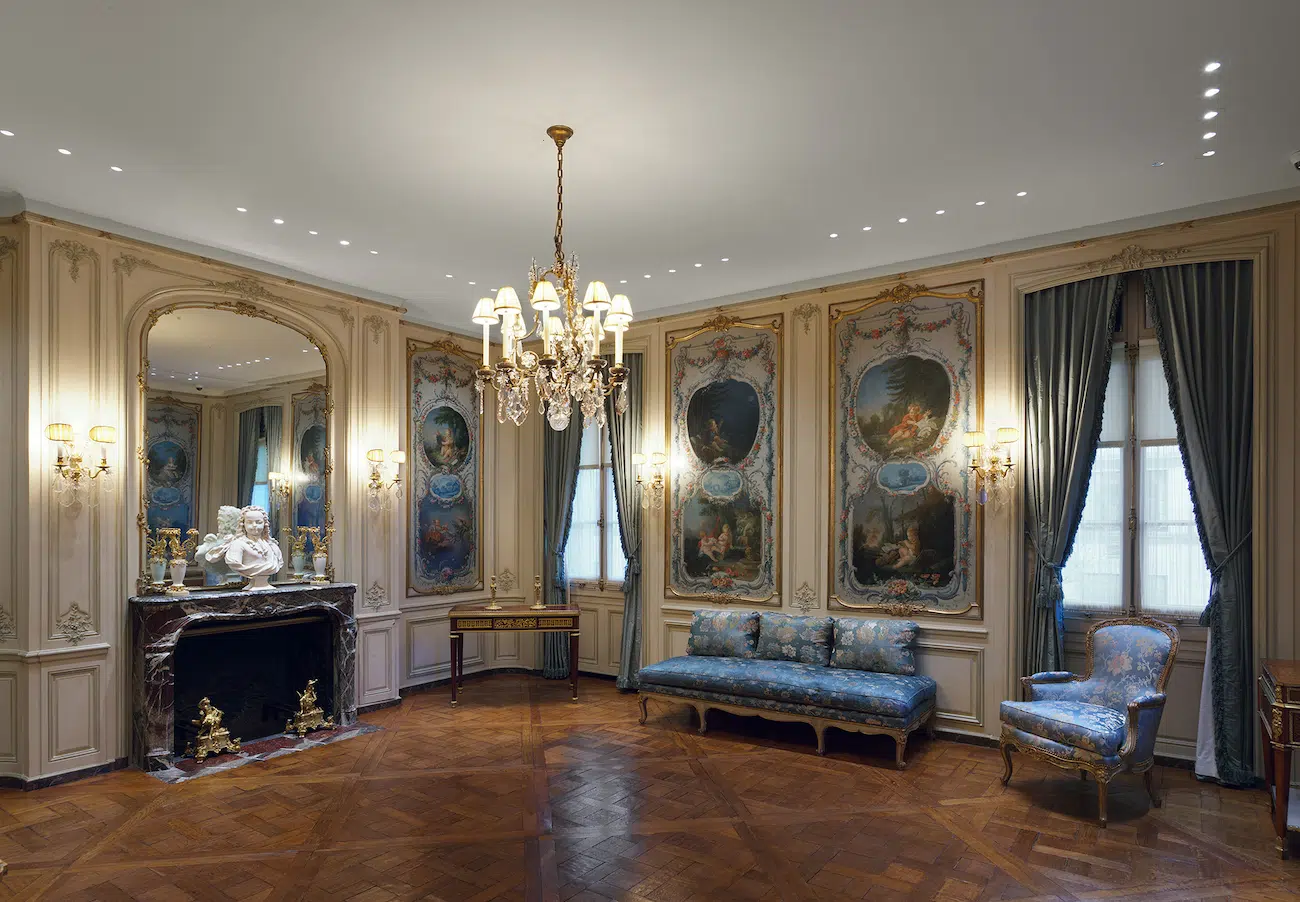
The Frick will reopen after a significant renovation on April 17.The Frick will reopen after a significant renovation on April 17.

The Boucher Anteroom, part of the new second-floor gallery. (Photo: Joseph Coscia Jr.)
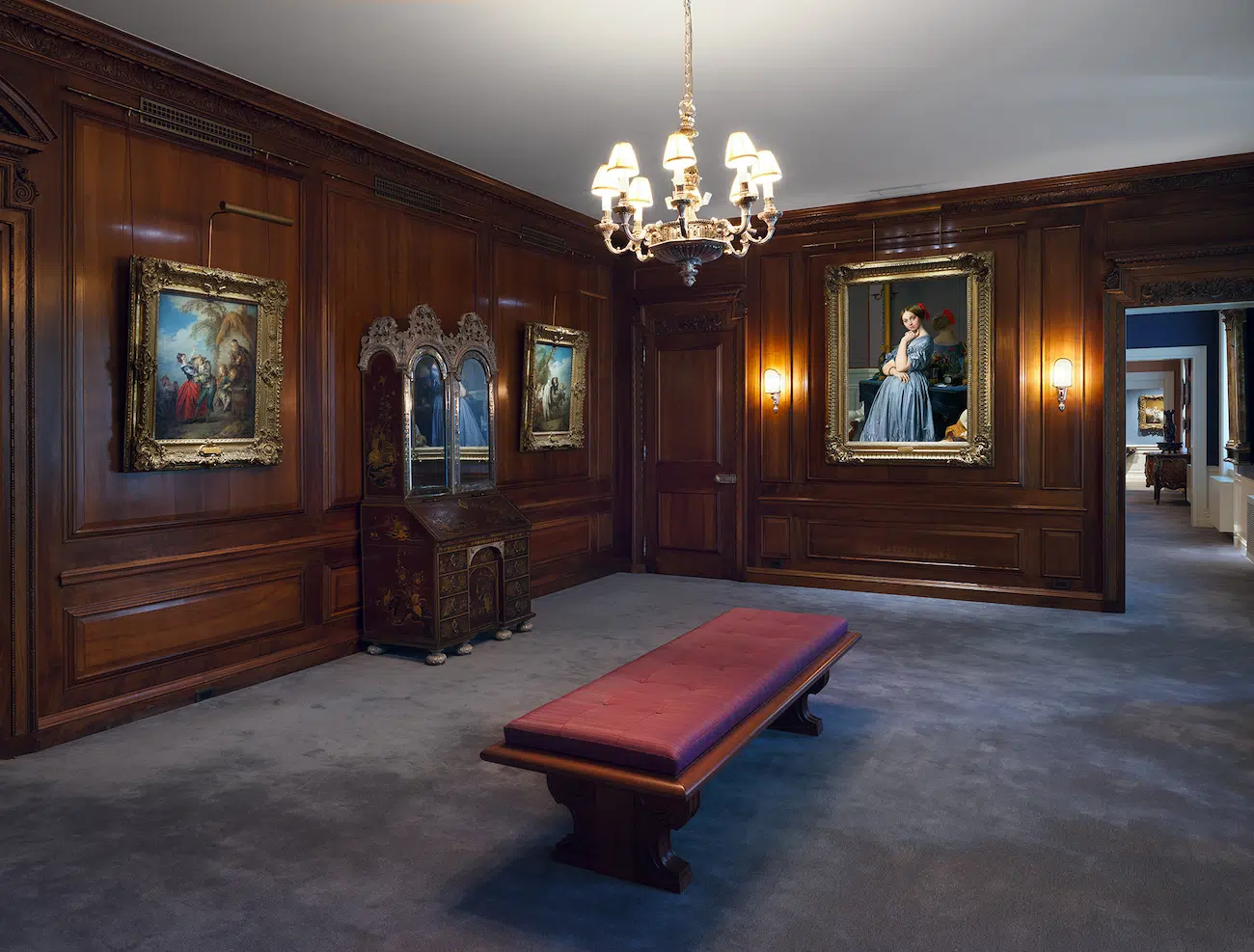
The Frick will reopen after a significant renovation on April 17.The Frick will reopen after a significant renovation on April 17.

The Walnut Room, part of the new second-floor gallery. (Photo: Joseph Coscia Jr.)
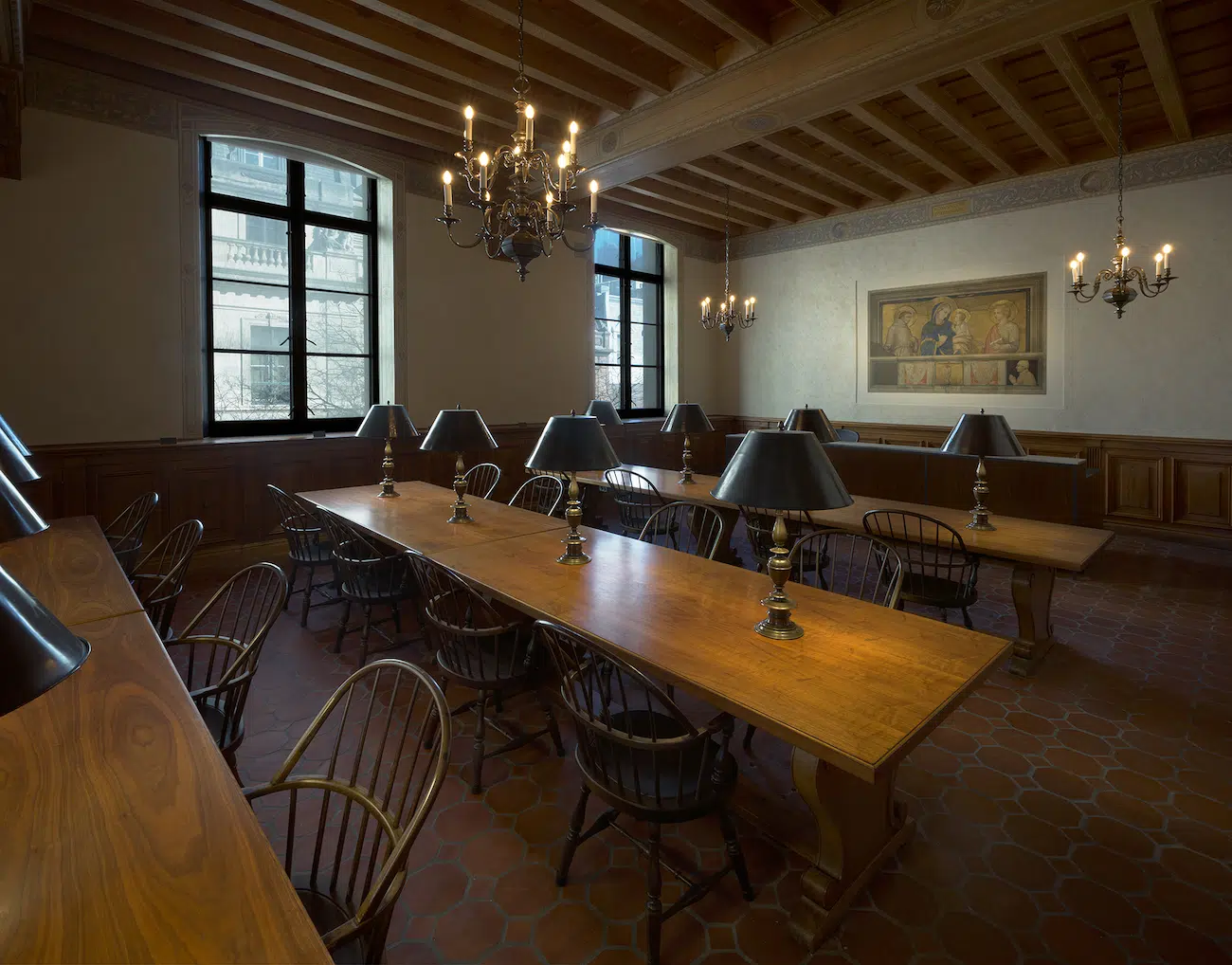
The Frick will reopen after a significant renovation on April 17.The Frick will reopen after a significant renovation on April 17.

The Frick Art Research Library Reading Room. (Photo: Joseph Coscia Jr.)

The Frick will reopen after a significant renovation on April 17.The Frick will reopen after a significant renovation on April 17.

Photo: Eva Baron/My Modern Met

The Frick Collection: Website | Instagram

My Modern Met granted permission to feature photos by the Frick Collection.

Related Articles:

National Library of France Completely Transformed After a 15 Year Renovation

MoMA’s $450 Million Renovation Creates Room for More Than Double the Amount of Art

Louvre Museum Plans New Grand Entrance Through Global Architecture Competition

Similar Posts

  • Beautifully Renovated Victorian Terraced House Blends Art Deco with Steampunk

    If you love a mix of eclectic brilliance, art deco influences and a restrained Steampunk appeal thrown into the mix, then the beautifully renovated Steampunk House in London is the one for you. Revamped and carefully renovated by Bradley Van der Straeten Architects, the new interior of this three-bedroom Victorian terraced house combines several different […]

    You’re reading Beautifully Renovated Victorian Terraced House Blends Art Deco with Steampunk, originally posted on Decoist. If you enjoyed this post, be sure to follow Decoist on Twitter, Facebook and Pinterest.

  • DIY Wine Racks For Every Style

    Wine connoisseurs are undoubtedly as bothered about the wine storage area as they are picky about the taste and flavor of their wine. It is undoubtedly an acquired taste and having the skills to create your own wine rack definitely helps in showcasing your cherished collection far more beautifully. Unlike wine storage spaces that are […]

    You’re reading DIY Wine Racks For Every Style, originally posted on Decoist. If you enjoyed this post, be sure to follow Decoist on Twitter, Facebook and Pinterest.

  • Great Ways To Incorporate Shiplap Into A Cozy Home

    Shiplap is an increasingly popular form of wall decor in many different kinds of homes. It is a sealed, interlocking board style that can add character and charm to any residence. The really unique part about this material is that it does not matter what kind of decor, style, or materials the home is built […]

    You’re reading Great Ways To Incorporate Shiplap Into A Cozy Home, originally posted on Decoist. If you enjoyed this post, be sure to follow Decoist on Twitter, Facebook and Pinterest.

  • Casa Haras

    1. How did you land the project and what was the brief? Initially the customers were looking for a house with volumetry that would hide the roofs, but the regulation of the condominium did not allow the use of flat slabs, nor a built-in roof. It would be our first house with apparent roofs. The required needs program and the size of the plot had the exact proportion for what we believed to be ideal for a single-storey house with plenty of open space for outside living, and so we did.
    Haras house came up as a pavilion installation consisting of 3 volumes: two parallels, with NE-SW orientation and a third perpendicular connecting with NW-SE orientation, as an “H”. The idea was based on the desire to have the central leisure area in the other spaces of the house, and with the proposed implantation, we were able to create two outdoor living areas: a main one with a deck and a swimming pool and a secondary area with a spa, a water mirror and a bonfire separated by the perpendicular volume and visually connected by the transparency of the sliding glass doors. 2. What was significant about the site? The land chosen within a stall in the interior of São Paulo, concentrated a number of positive aspects for the design of the project: views, large plot, solar orientation, generous setbacks, high soil permeability, no outside walls. 3. What was the overall design goal? The simple volume and purity of the gable roof in all 3 blocks of the house ended up contributing significantly to the harmony of the whole and to the desired country house aspect, which was further strengthened by the use of natural materials such as the stone coating on the gables of the walls and the use of the wood in the panels of doors and slatted of the facade. 4. What was the color pallet? The project explores in exterior areas the colors of natural materials such as the wood used in the slats of the whole facade of the house, the roof, also wood but with a shade of gray and stone walls. The contrast is quite striking with some internal areas, where the walls and white lining create a neutral and minimalist space. 5. What was particularly challenging? The main challenge of the project was to create a contemporary home using sloped roofs, in a minimalist architecture using natural materials. This challenge sought to coherently insert the project in the place that was built, a condominium in a stable – called “Haras” in Portuguese which gives the name of the house, with an air of farm in the interior of São Paulo- Brazil, a refuge for the tranquility at the weekends. 6. How does this project compare to other projects you have completed? This project differs from others for being a single-story house in a large terrain and with natural landscape around it. The fact that the house is single-story provided a widespread deployment in the land that generated direct relations of all the environments with the outdoor areas landscaped, which increased the sensation of the built space and strengthened the use of the external areas as a continuity of the built environment. 7. Could you please go into detail about a few pieces of furniture,including why these were selected? The pieces of furniture were selected especially for each room, proposing an integrating of the spaces. The sofa in the living room, for example, integrate both spaces, the fireplace and the outside gardens. The mix of materials is certainly a charm in this project. In the dinning room, the wood dinning table signed by the Brazilian designer Theo Egami contrasts with the metal chairs feet by Fernando Jaeger. 8. Could you please go into detail about a few fixtures, including whythese were selected? The lighting is mostly made by points of indirect light, creating a more intimate look in the house. In the social central pavilion, spots were used facing the wood lining, creating a light effect on the wood. Some interesting pieces have been used in specific spaces, such as in the kitchen, hanging with the exposed wiring that run through the wall and ceiling until they reach the bench and lavatory point, where the architects used hydraulic copper pieces to create a luminaire exclusively to the project. 9. What did you intend to impart with the rooms and how are theydifferent from each other? The flat distribution of the house program gives all rooms and environments a sense of continuity beyond the limit built, since all have direct visual relation through glazed sliding doors with more than 1150 m² of free ground and high permeability index of the ground, have secured a generous area for landscaping that embraces the house by the front, side and back indents, and advance through the central core. The differences between the rooms are related to the user, 1 double suite fully integrated with the bathroom, which has a glazed shower facing the bedroom. There are two other similar suites, also with double beds, but to receive guests in the house and finally the children’s room, a suite that has two large beds that can be shared.