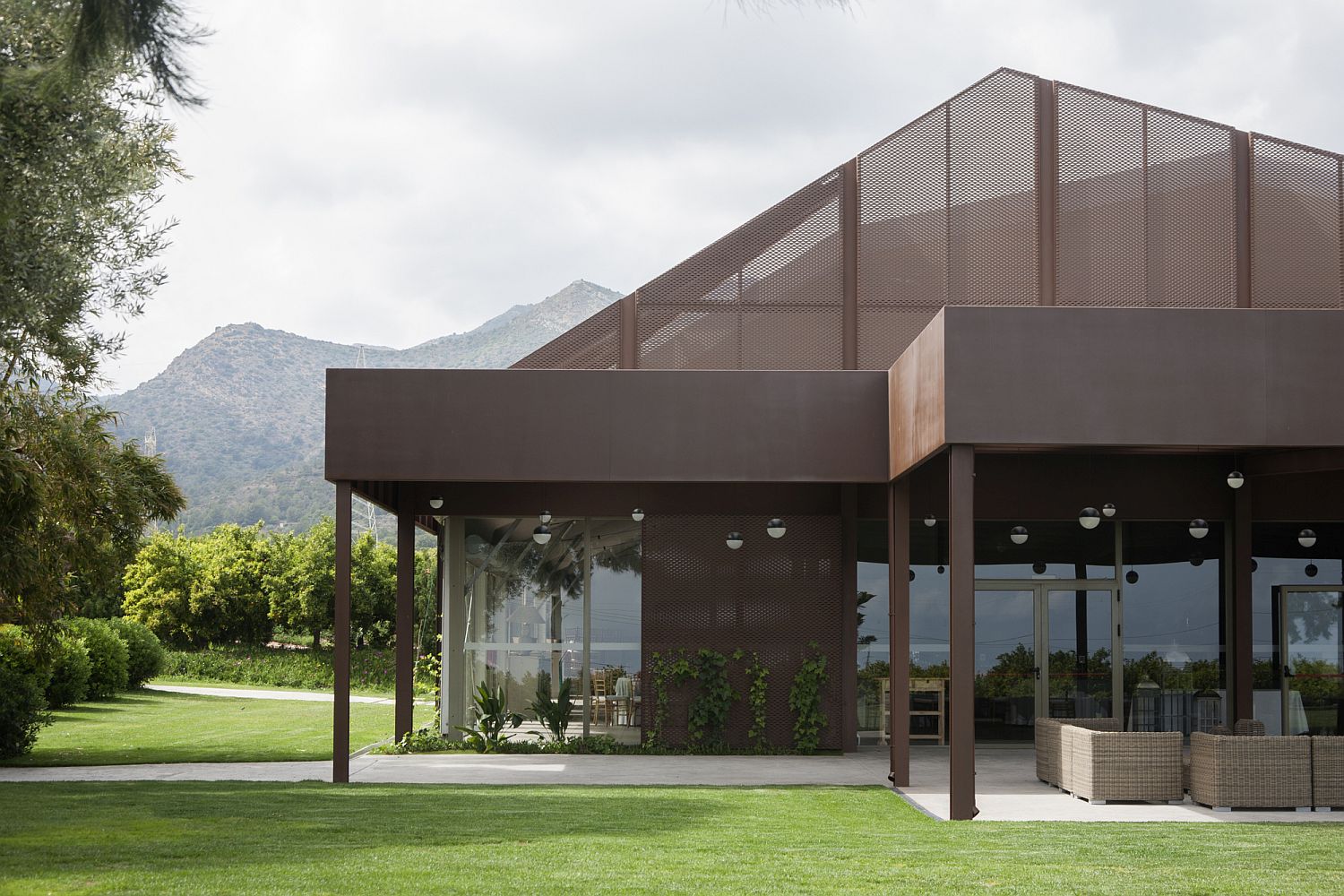
Extensive Corten Steel Structure Brings Outdoor Spaces to Old Spanish Country House

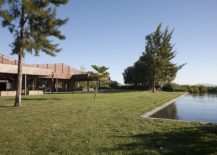
Transforming the space around an old and expansive Spanish country house into a perfect venue for functions, gatherings and diverse social events, the Mas de Lucia Extension by Cristina Moya Arquitecta combines modernity with classic design. Part of an extensive makeover and addition project around the lavish house in Nules, Spain, the project aims to providing sheltered, pleasant and spacious outdoor hubs that also feel appropriate for the area. Xavier Salvador also played a major role in the creation of the metallic pavilions that we crafted using corten steel.
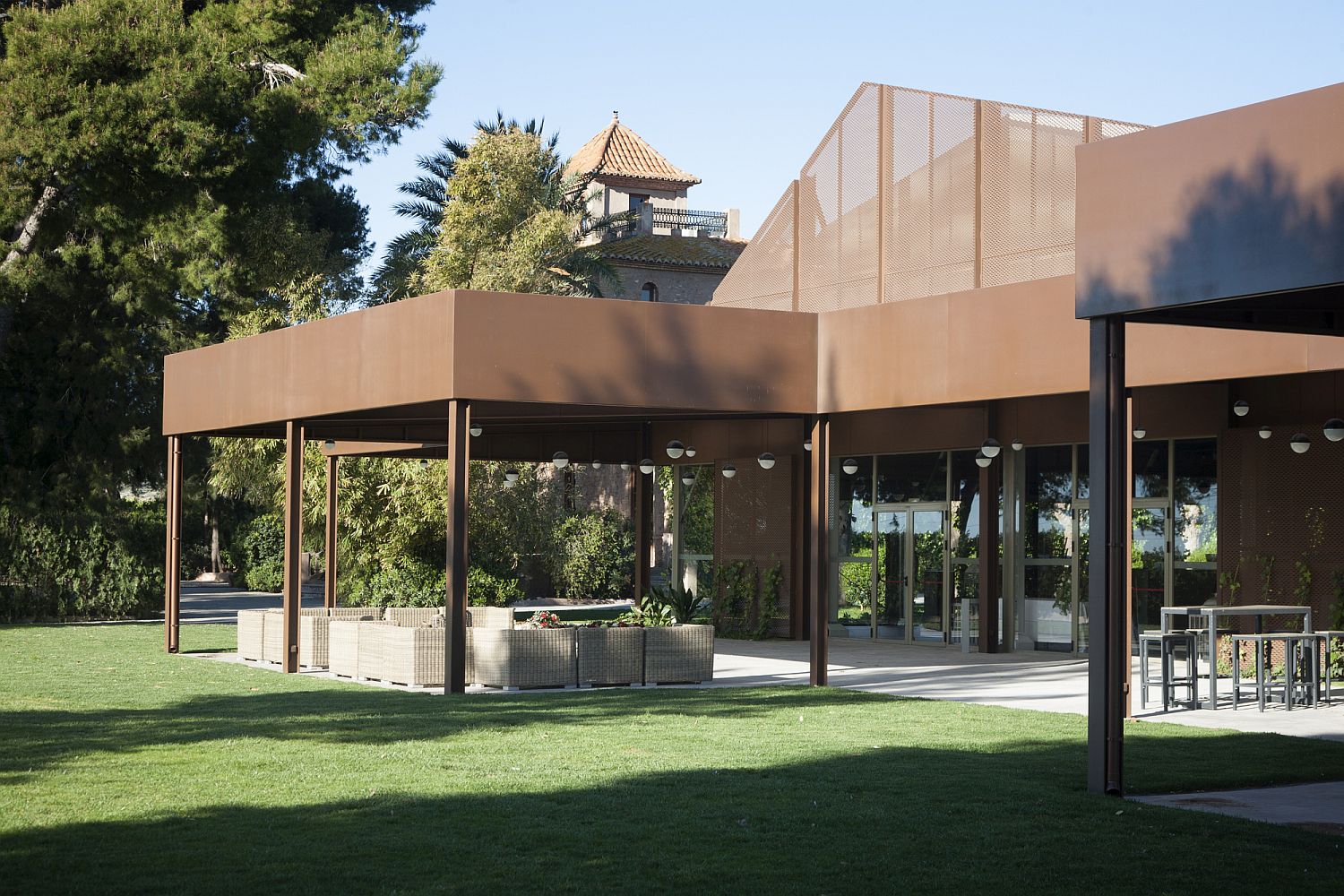
Creating multiple outdoor spaces that are connected with one another


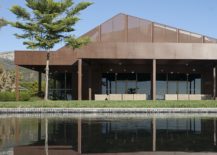
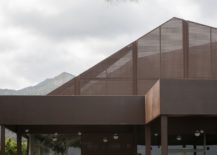
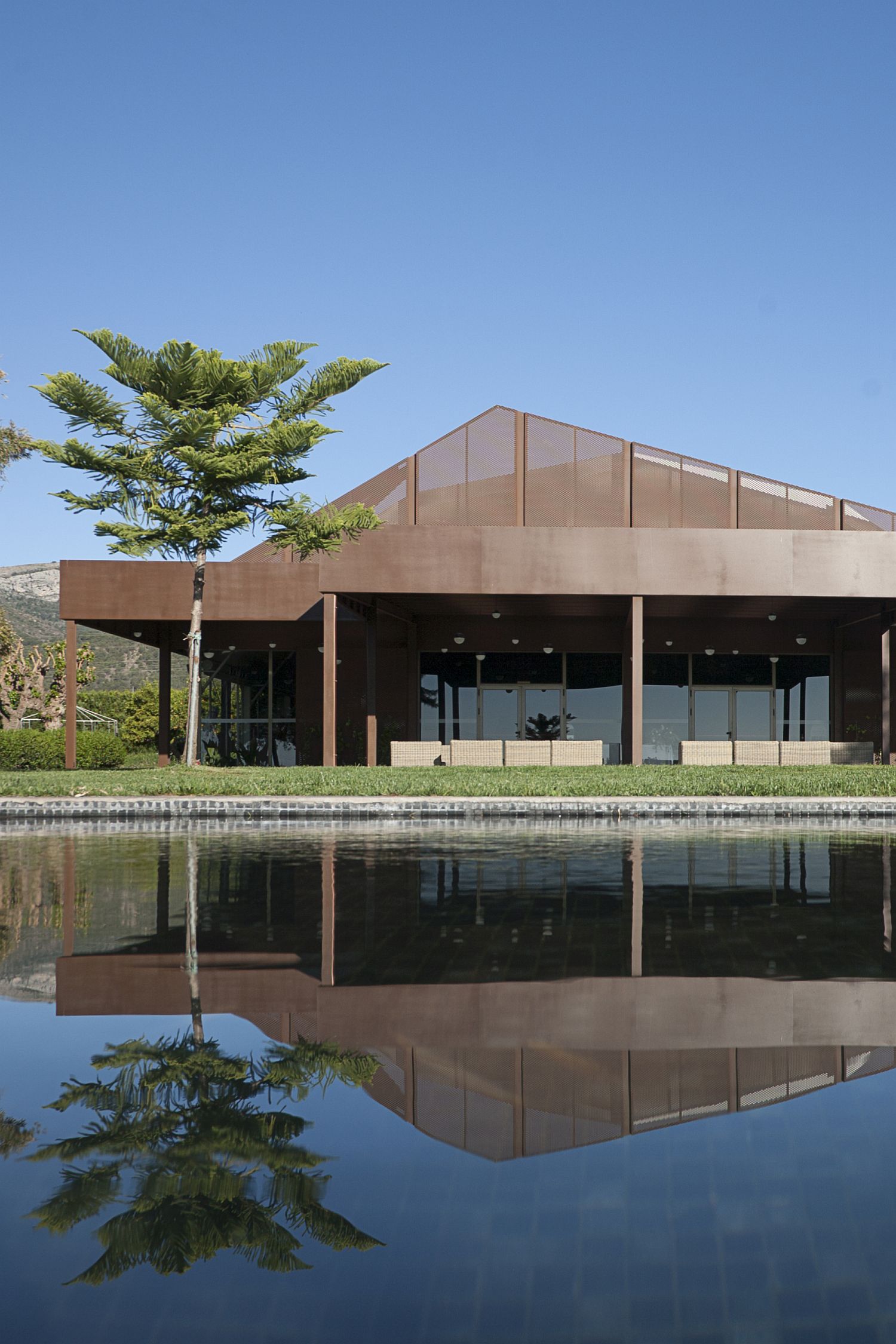
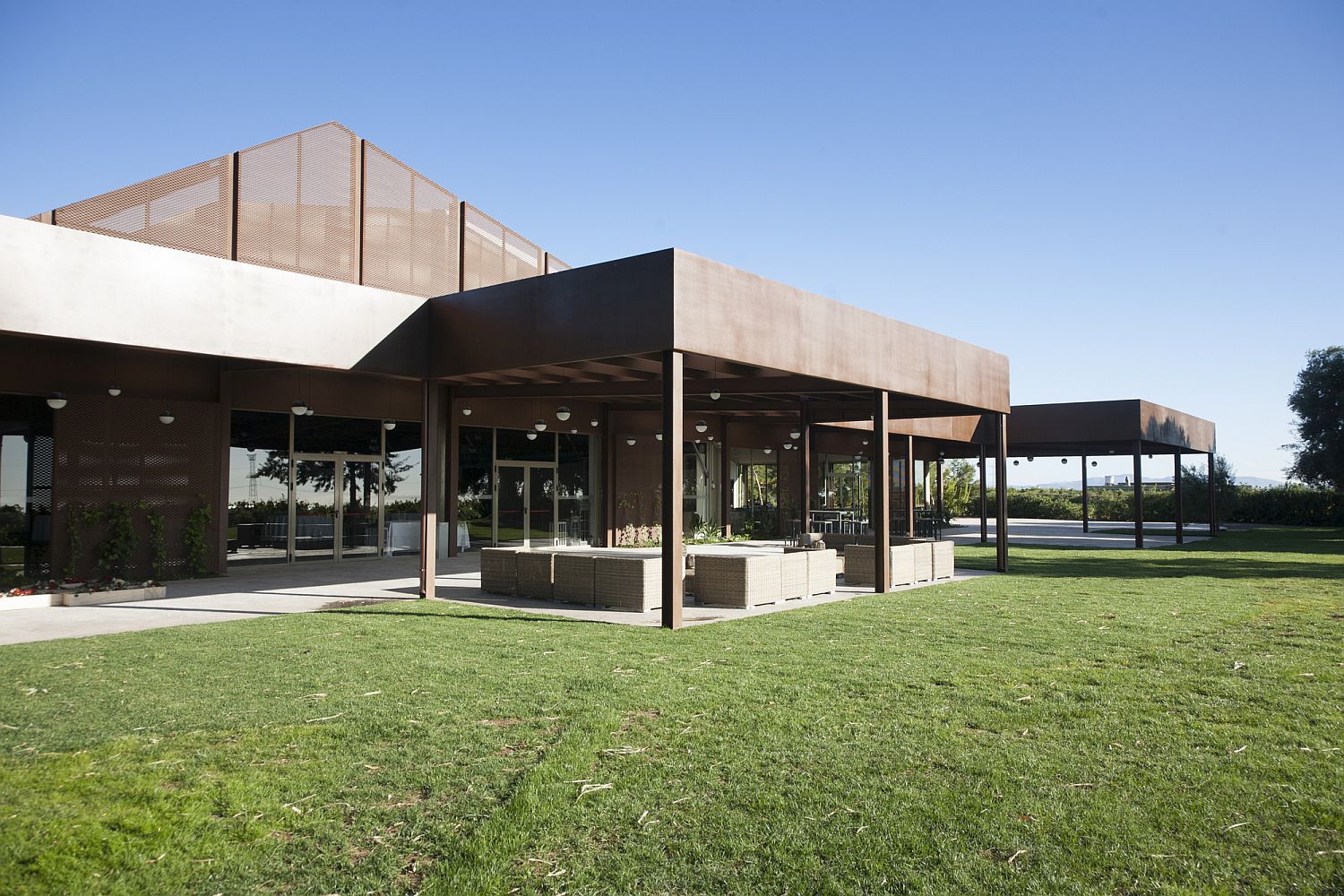
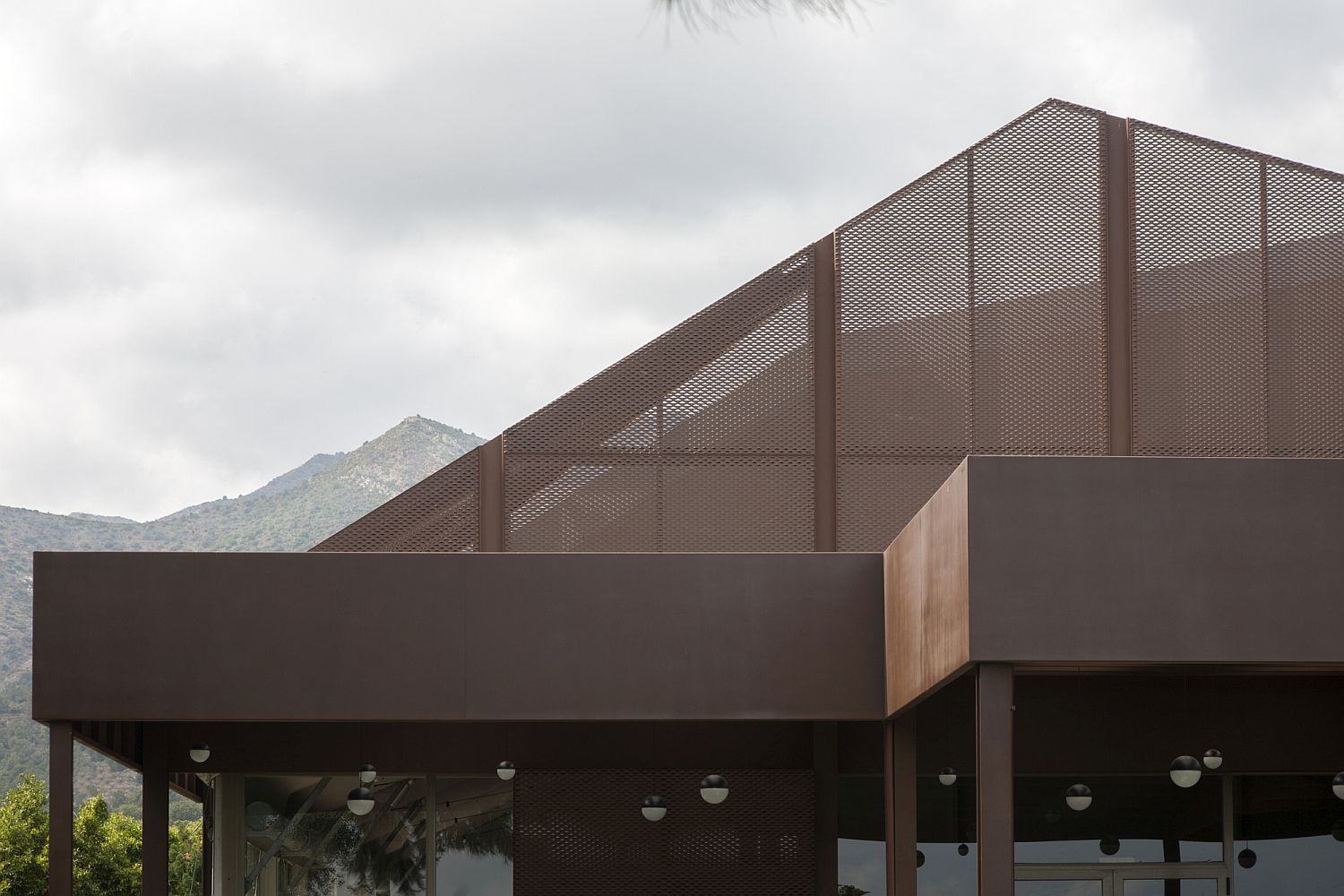
The reddish tint of the corten steel structures not only gives the expansive pavilions a unique look but also lets them blend in with the industrial buildings on the site. These smart areas also mirror the reddish hue of the soil in the region even as the lush green gardens and lovely pool areas offer visual contrast. Corten steel not only adds aesthetic charm to the mansion, but with sea breeze a constant presence in the region, these metal structures are bound to weather ever so beautifully over time. This keeps maintenance down to a minimum and improves the durability of the project.
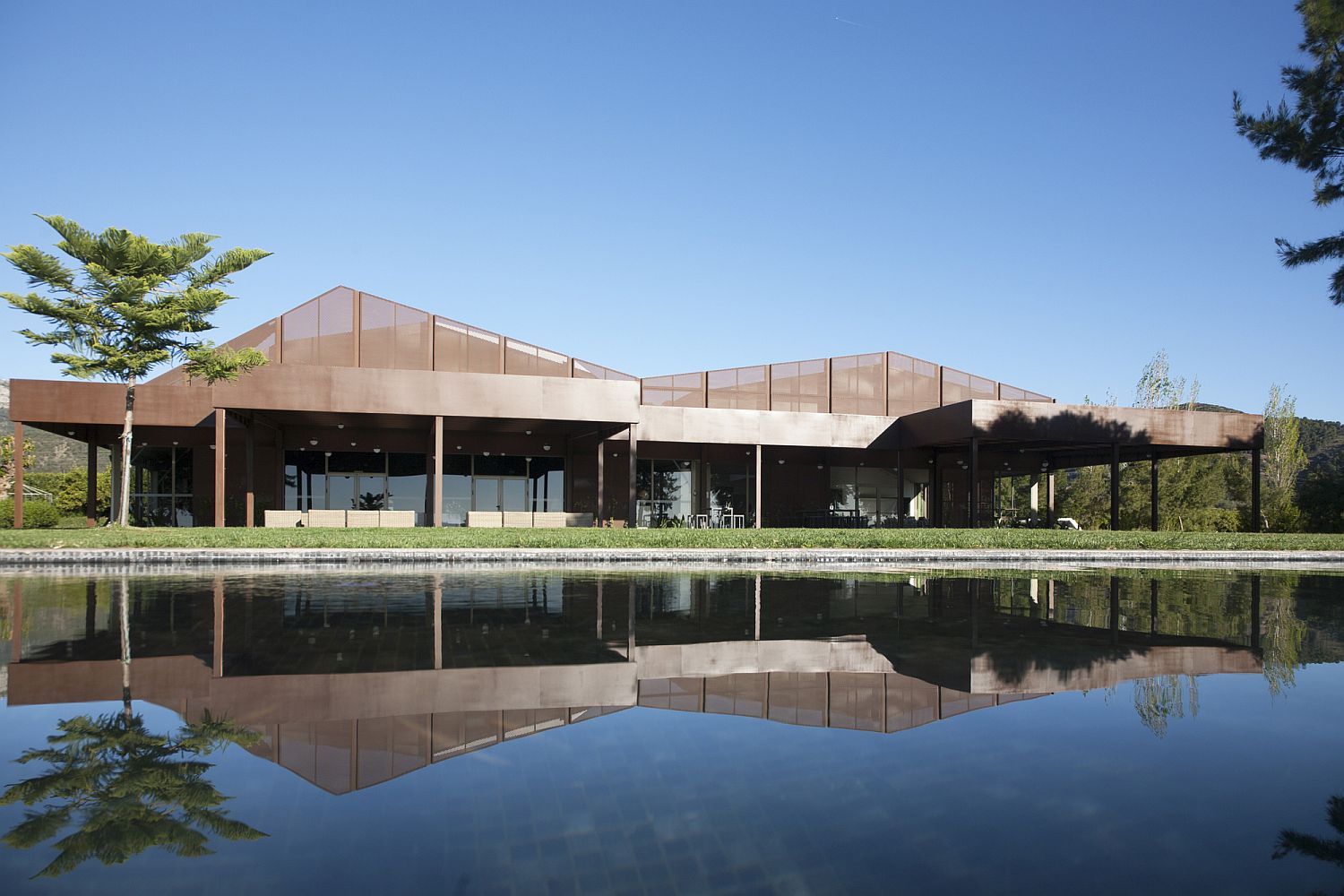
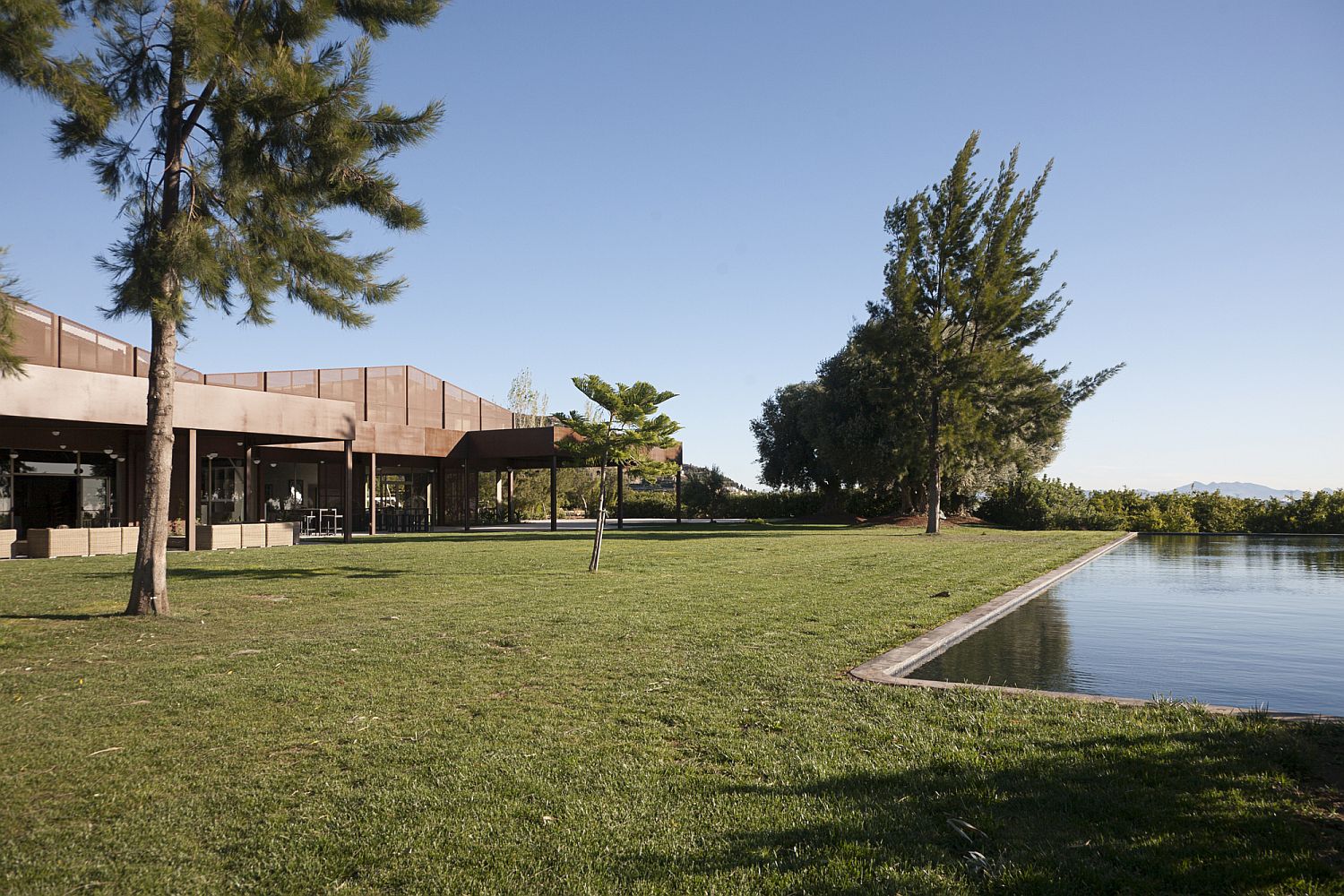
Extension to classic Spanish cottage offers covered space for outdoor events
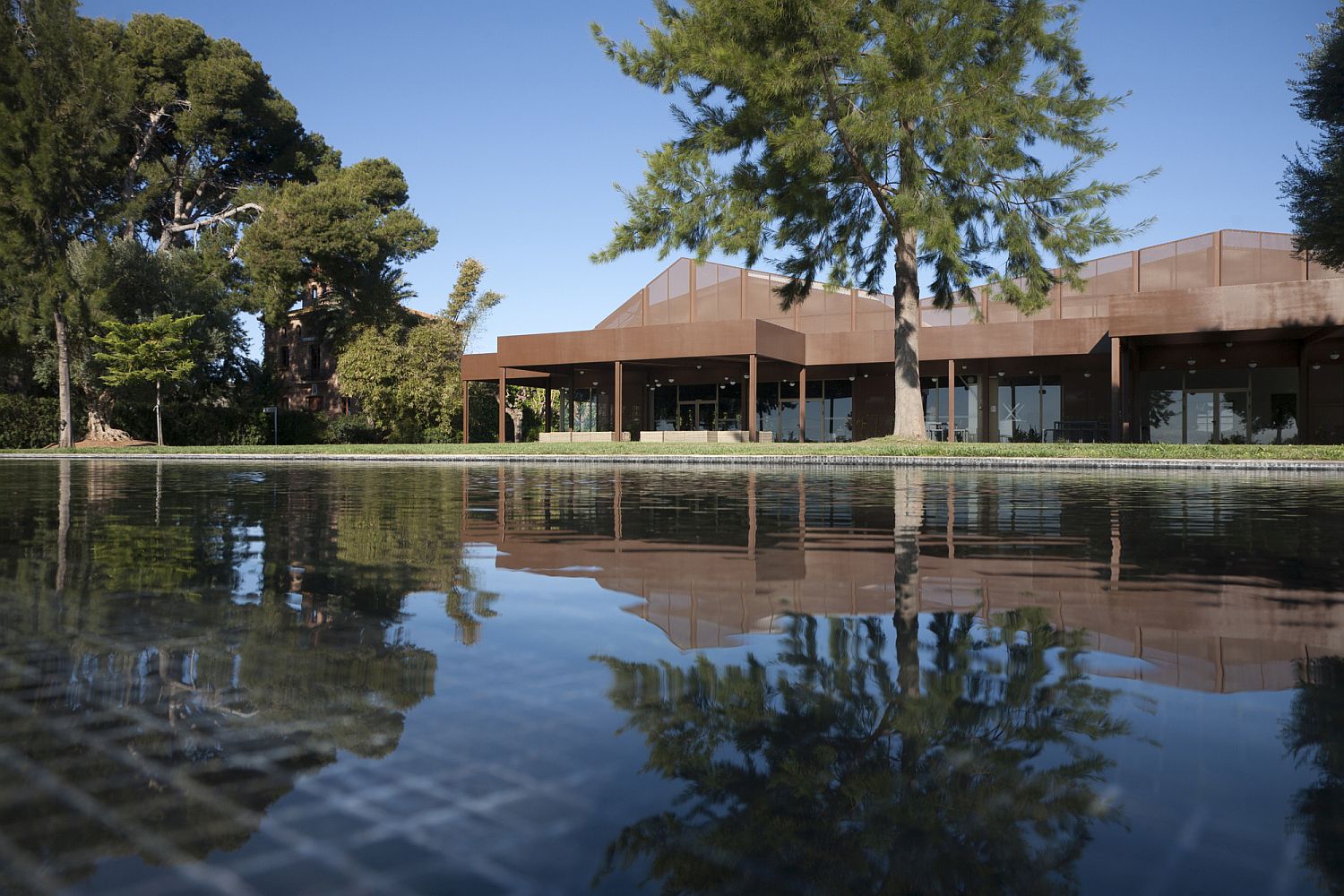
Landscape around the SaveMas de Lucia Extension with pool
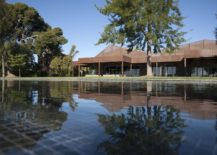
Landscape, trees and pool create a wonderful ambiance around the outdoor venues
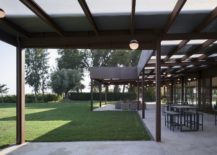
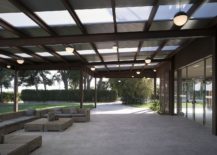
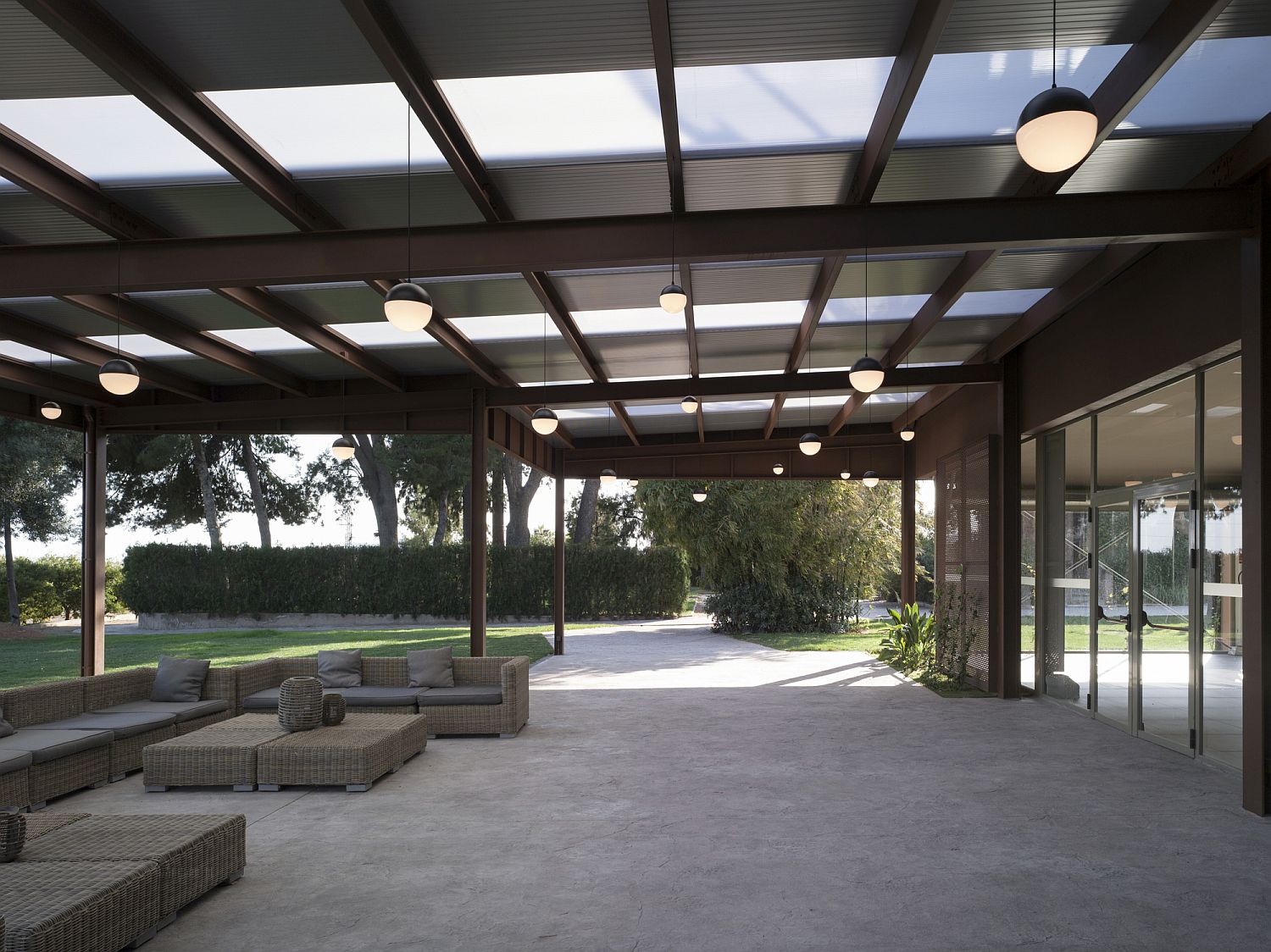
Lighting for the outdoor covered deck
Lovely orange trees and pool at the SaveMas de Lucia Extension
Old industrial structures around the cottage connected using corten steel frames

Beautiful lighting, comfy minimal décor and smart social zones complete the new venues where there is no lack of space, fresh air or lovely views. Providing ample shade, covered walkways and corridors connect each of the pavilions and act as a bridge between the old and the new at the Mas. [Photography: Mayte Piera]
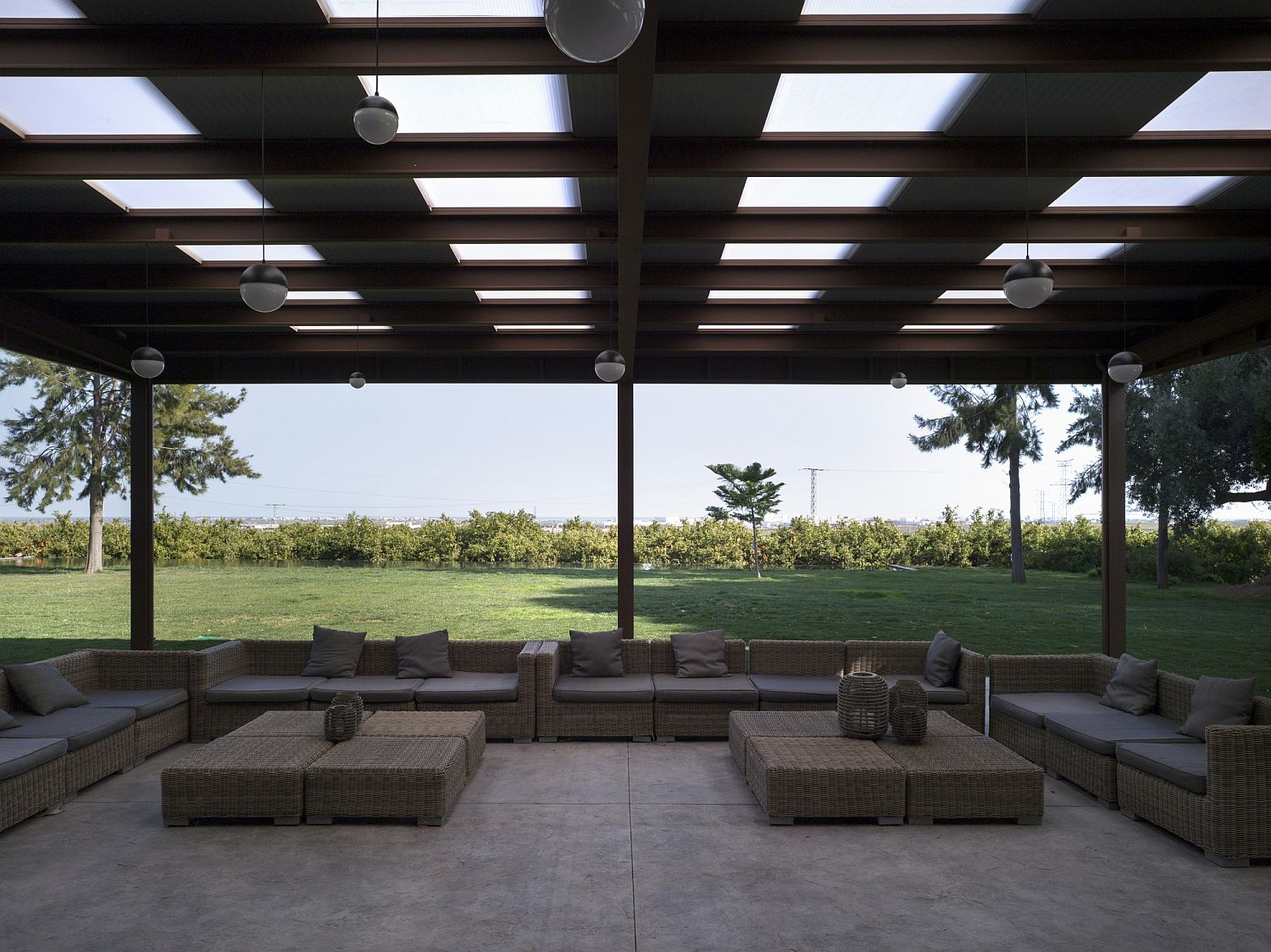
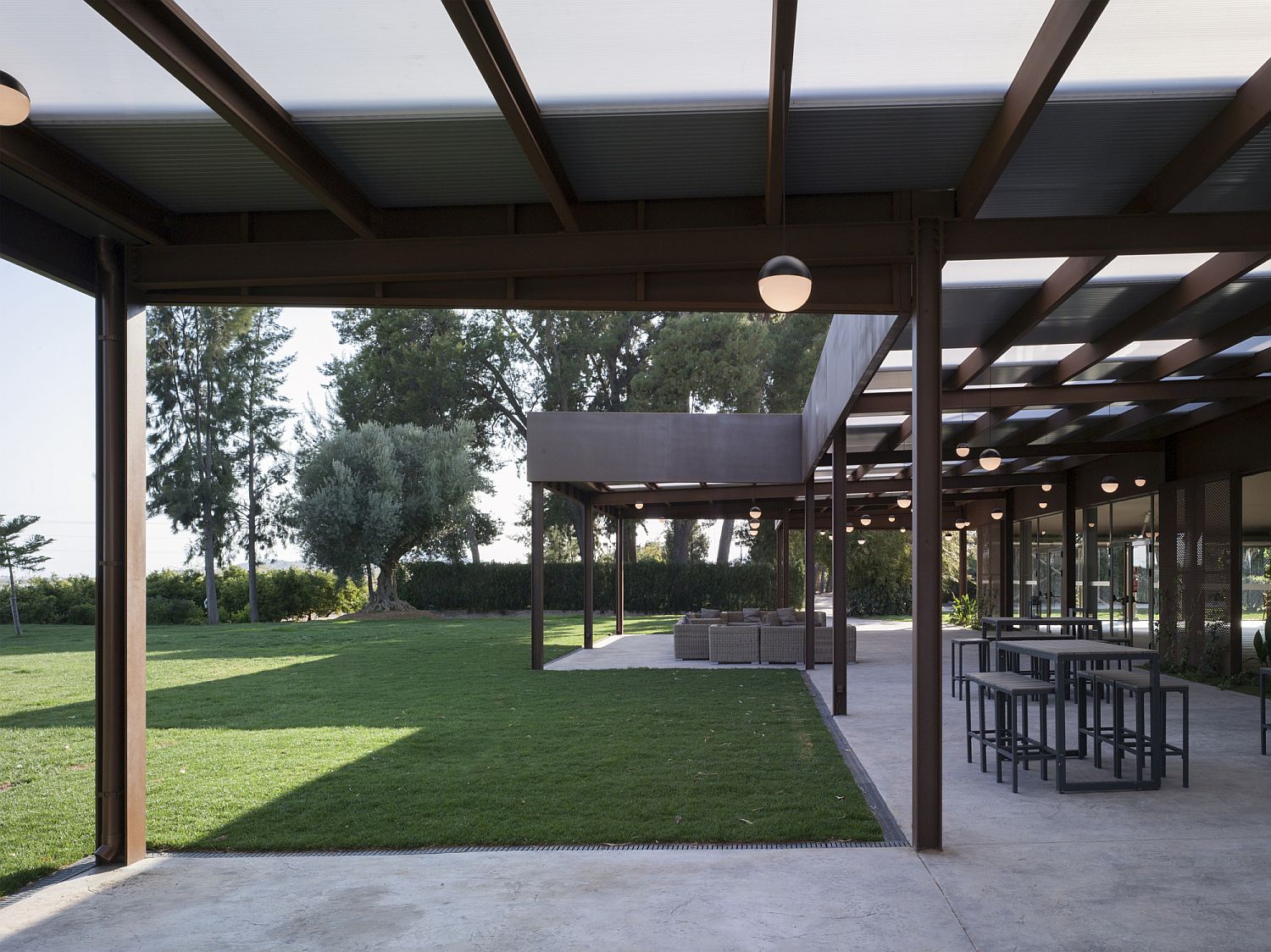
SaveMas de Lucia Extension designed by Cristina Moya Arquitecta
Space for outdoor events that keeps guests protected from the elements
Corten steel reflects the color of the soil while blending different industrial elements
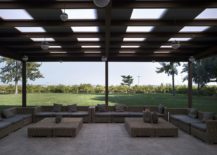
Corten steel structure creates fabulous outdoor spaces protected from the sun

You’re reading Extensive Corten Steel Structure Brings Outdoor Spaces to Old Spanish Country House, originally posted on Decoist. If you enjoyed this post, be sure to follow Decoist on Twitter, Facebook and Pinterest.

Similar Posts

  • Exploring the Terrazzo Trend

    The last time we at Decoist explored the terrazzo trend, it was definitely gaining popularity. Yet terrazzo decor was mostly offered by artists and design houses. Now that more time has passed, the look has gone mainstream, which has its pros and cons. One definite pro: affordable terrazzo finds at retailers such as Target and […]

    You’re reading Exploring the Terrazzo Trend, originally posted on Decoist. If you enjoyed this post, be sure to follow Decoist on Twitter, Facebook and Pinterest.

  • The Fieldhouse

    Built for family and friends as a space for sport and gathering, the Fieldhouse is a simple, functional structure. Like the immersion of nature and recreation in the development of state and national parks of the early 20th century, this family wanted a structure where friends, family, and neighbors could gather, play sport, celebrate and relax in the country. The Fieldhouse feels distant and secluded, located on a mostly undeveloped seven-acre site, surrounded by a meadow of natural grasses, a fruit orchard, wetland ponds and a maintained field for sporting. As long time natives of the Pacific Northwest, the family was keen to convey a specific sense of place and longevity. The architecture responds to those ideas in its simplicity and versatility, and in its construction from durable, local materials. Inspiration was taken from vernacular stone and timber structures built across the country in the 1930s by the Civilian Conservation Corps. The architects and clients channeled their own recollections of summers spent in Seattle’s waterfront parks and their simple elegant structures, often by early 20th century Seattle architect Ellsworth Storey. The 1,664-square-foot structure consists of a covered outdoor patio flanked by two, offset and enclosed spaces housing a sun room and inglenook to the west, and a kitchen, grill and two bathrooms to the east. Designed to accommodate almost any situation, the Fieldhouse can shelter four as comfortably as it can 60, hosting sleepovers, family sports tournaments, reunions and outdoor dining with ease. The structure employs a gradient of enclosure and structural qualities from the immersive intimate inglenook to the ever thinning shed roof structure, gently lifting off above the central patio. The building can be shutdown to weather storms, or opened wide to allow light, air and activity to pass through freely. The structure provides a straight-forward and visibly-constructed language of materials. It progressively lightens from a solid stone base, to thick timber columns, to pairs of rafters and thinner yet pairs of purlins, supporting the single-plane shed roof. The timber is all Douglas fir and cedar harvested and salvaged from the Pacific Northwest. The stone is taken from a quarry on nearby Vancouver Island and the early, factory-style steel casement doors and windows are West Coast built. This timeless assembly of materials and method of construction suggest that this is a building about its surroundings and a stalwart of the region it resides in, functioning as well today as it will in 100 years. Hoedemaker Pfeiffer design team
    Steve Hoedemaker, co-founder and partner
    Justin Oldenhuis Project team
    Hoedemaker Pfeiffer (Architecture)
    Hoedemaker Pfeiffer (Interior Design)
    Joseph McKinstry Construction Company (Contractor)
    Swenson Say Faget (Structural Engineer)
    Kenneth Philp Landscape Architects (Landscape Architect) Photography
    Andrew Giammarco