How to Keep Your Kitchen Pest-Free: Tips and Ideas

We spend so much of our time flipping through and sharing design and decorating inspiration with our readers that at times we might gloss over ways in which we can take better care of our existing home interiors. Not every day is about finding new furniture pieces, colors for the accent wall or styles that make a difference. There are days when we need to get down to the nitty-gritty of things and that means cleaning, making repairs and generally doing things that keep our homes running smoothly. Today, we turn out attention towards the kitchen and more specifically focus on how to keep it pest-free.
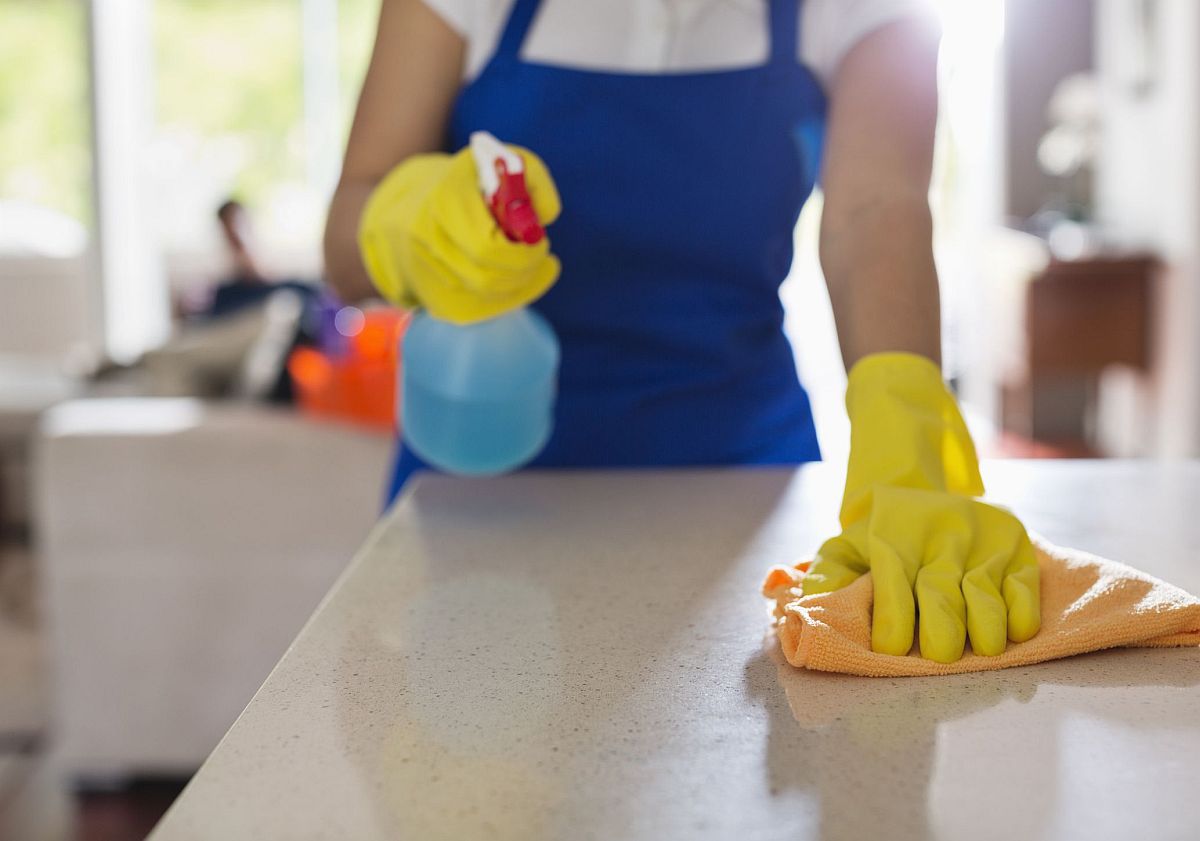
Keeping your kitchen clean is the first step to creating a pest-free environment


We all dread the sight of a cockroach or even a small rodent in our kitchen in more way than one. For starters, you know that you have to get rid of the existing pest in the kitchen. But more importantly, you start to realize that there is a deeper problem that needs to be quickly addressed. A better kitchen and one that is more organized can keep these problems at bay and you will not have to bring in pest control every once in a while. Here are a few tips for a pest-free kitchen –

Keeping your Kitchen Clutter-Free

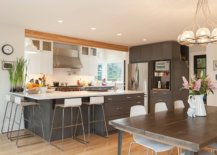
It is easy to keep the kitchen free of pests by simply ensuring that it is as clutter-free as possible. This is not a tough job at all if you are someone who enjoys the idea of minimalism and do not want to fill the kitchen with too much stuff. Even with styles like eclectic, shabby chic and industrial, you can still create an organized kitchen and the style you use is never a constraint in here. Make a habit of buying only what you need for the kitchen and no more!
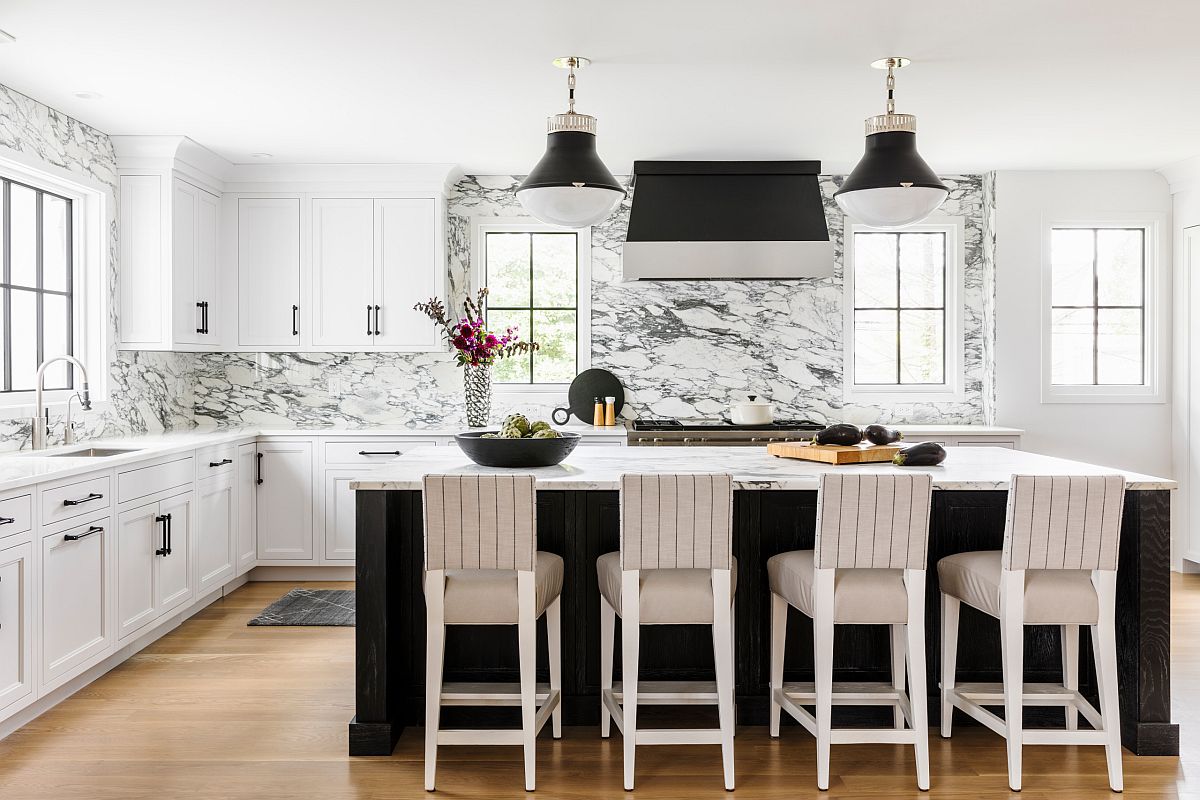
Take a minimal approach to kitchen design and decorating [From: Nicole Forina Home]

Closed Cabinets with Proper Care

Yes, having closed cabinets in the kitchen is great for taking away pretty much everything and anything. But do make sure that you clean them regularly and take proper care of these cabinet shelves. Since they are completely closed, it is easy to let things slide and soon you will end up with a major infestation that will eat away at the cabinets and more.
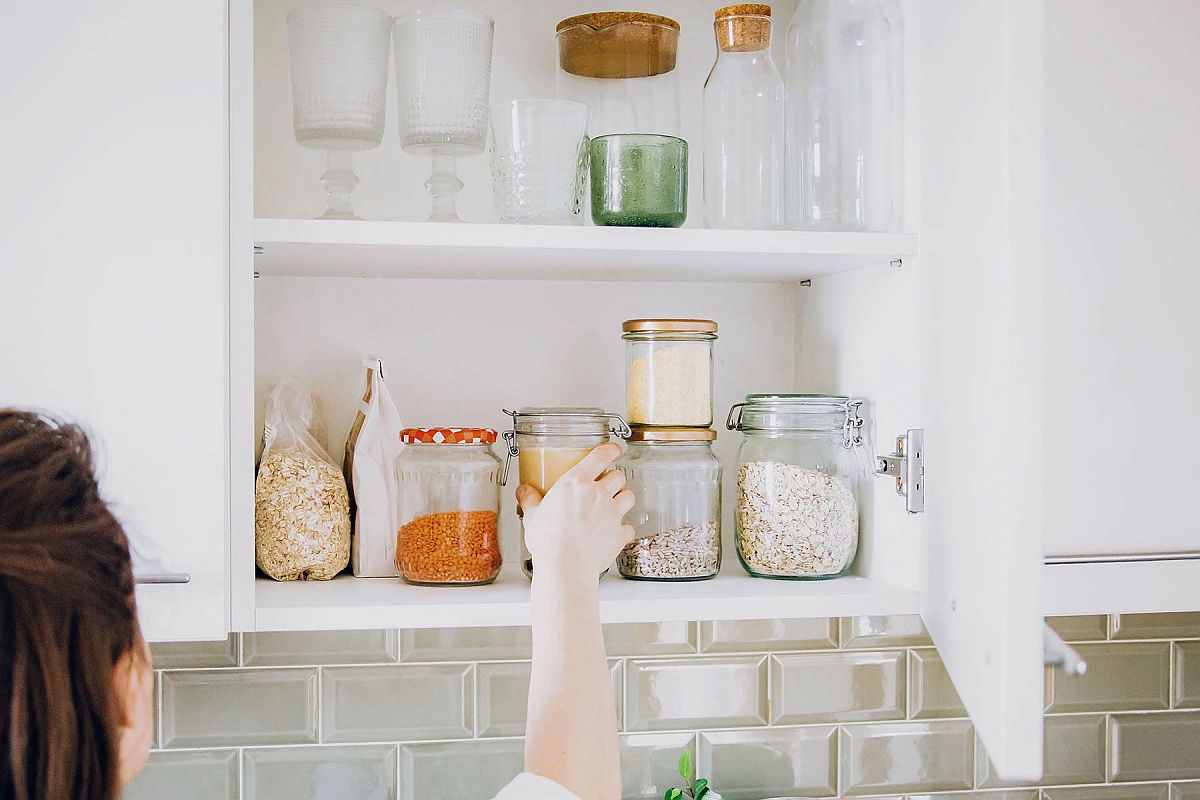
Organized and clean kitchen cabinets make for a healthier kitchen

Clean as Soon as Possible

This is simple enough to practice and yet is probably the tip that will help you the most. Do not put off cleaning the dirty kitchen surfaces and those that have been recently used. Take out garbage on a regular basis and make sure that the countertops are always in a spotless condition for a kitchen that is pest-free.
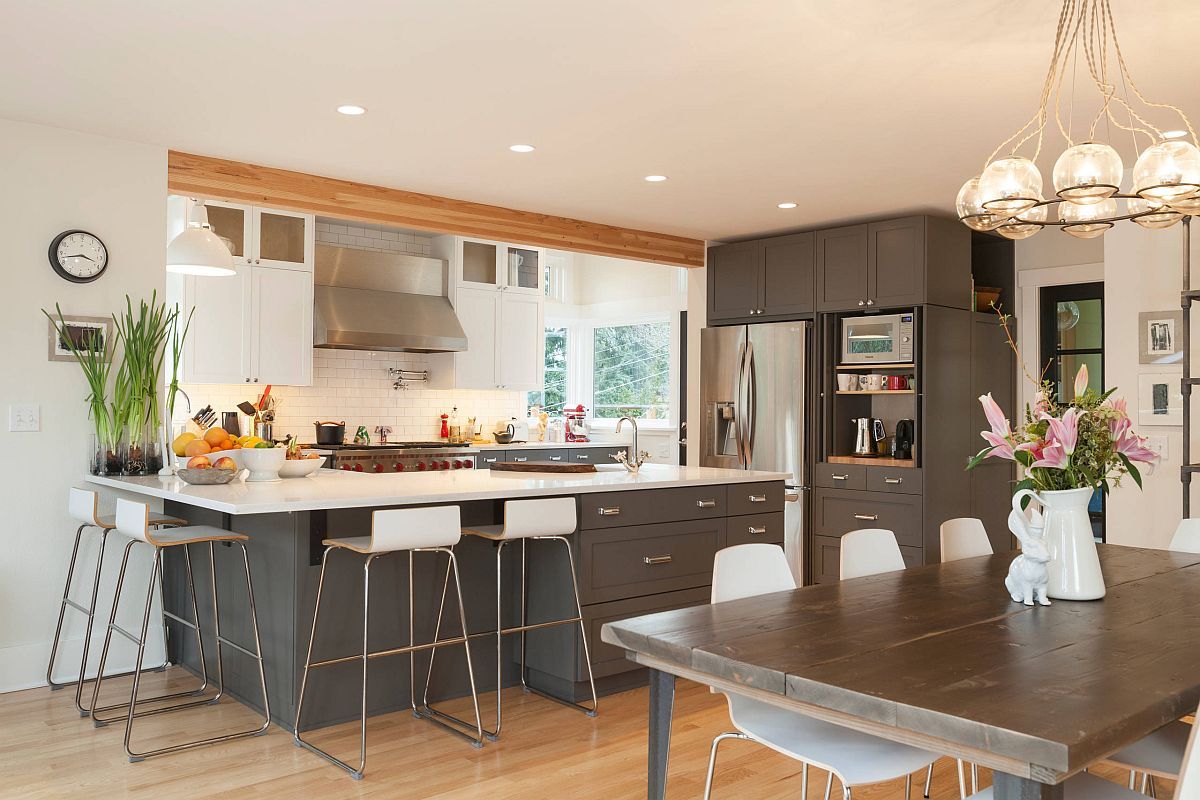
Cleaning kitchen prep stations and countertops regularly keeps out pests

Let Sunlight into Your Kitchen

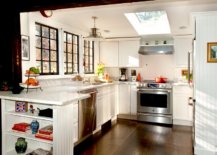
There are many benefits of sunlight that ancient cultures have tapped into for centuries to create cleaner and healthier homes and you can easily incorporate them into modern design as well. Kitchens with sunlight are easily more pest-free than those with poor natural ventilation. Large windows, sliding glass doors and skylights offer many options in which you can create a healthier kitchen.
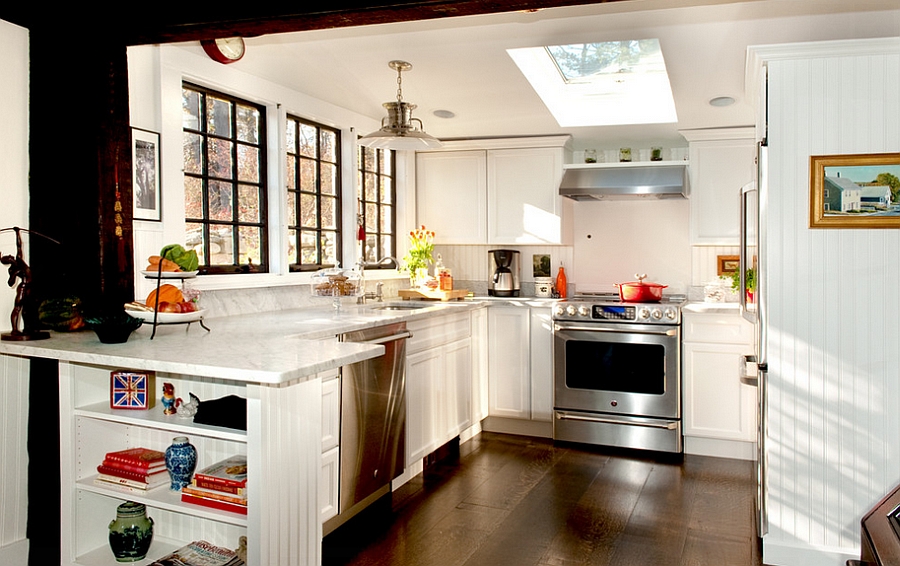
Skylight makes the kitchen healthier and more cheerful

Check Nooks and Pipes Regularly

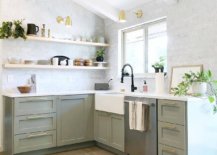
The space underneath the sink and pipe inlets and outlets are the biggest reason for pets in most kitchens. All you need is a very small gap between the floor or the wall next to the pipe and the pipe itself for rodents to squeeze through. Also, dirty pipes and those with leaks quickly give rise to major infestation problems. Do not ignore them at all.
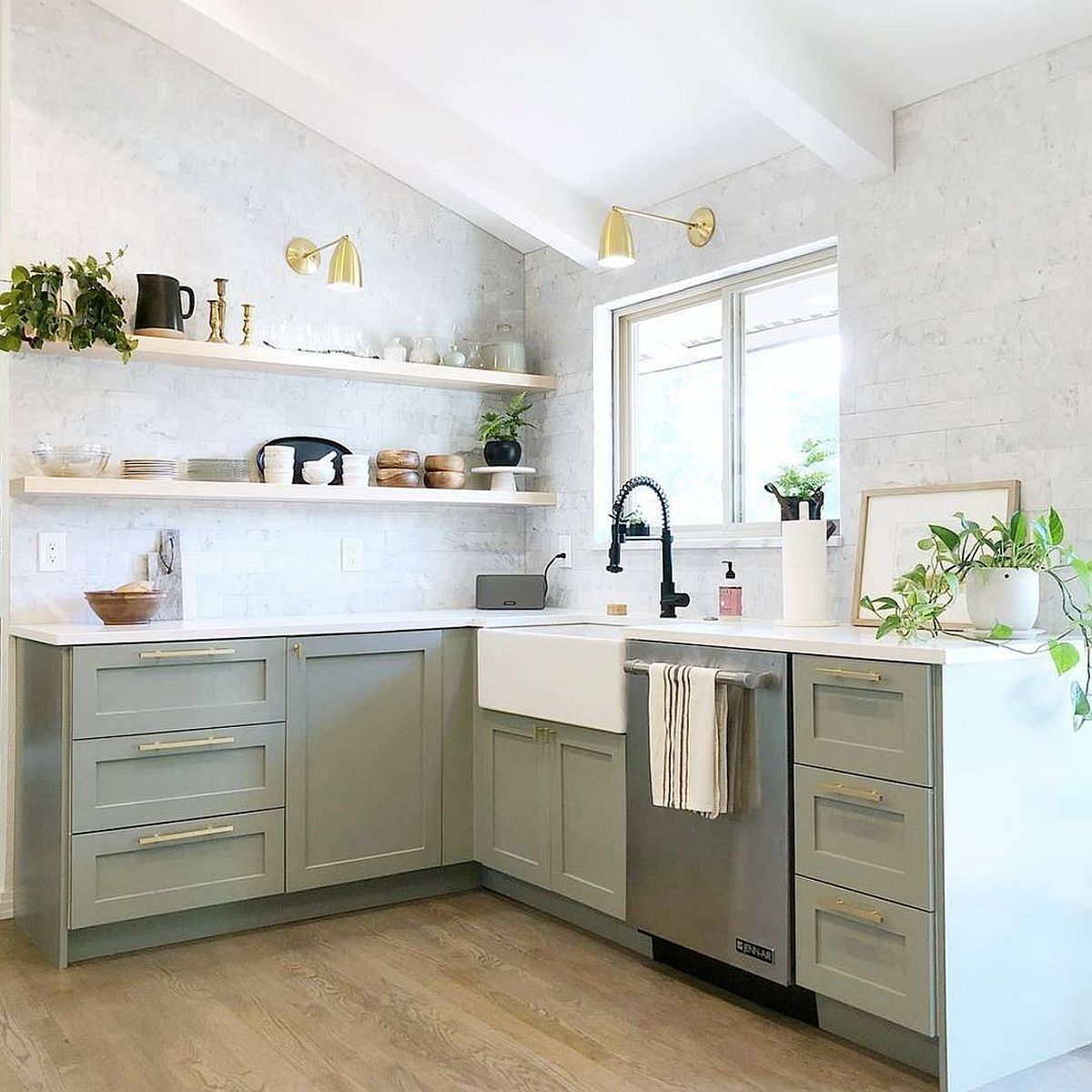
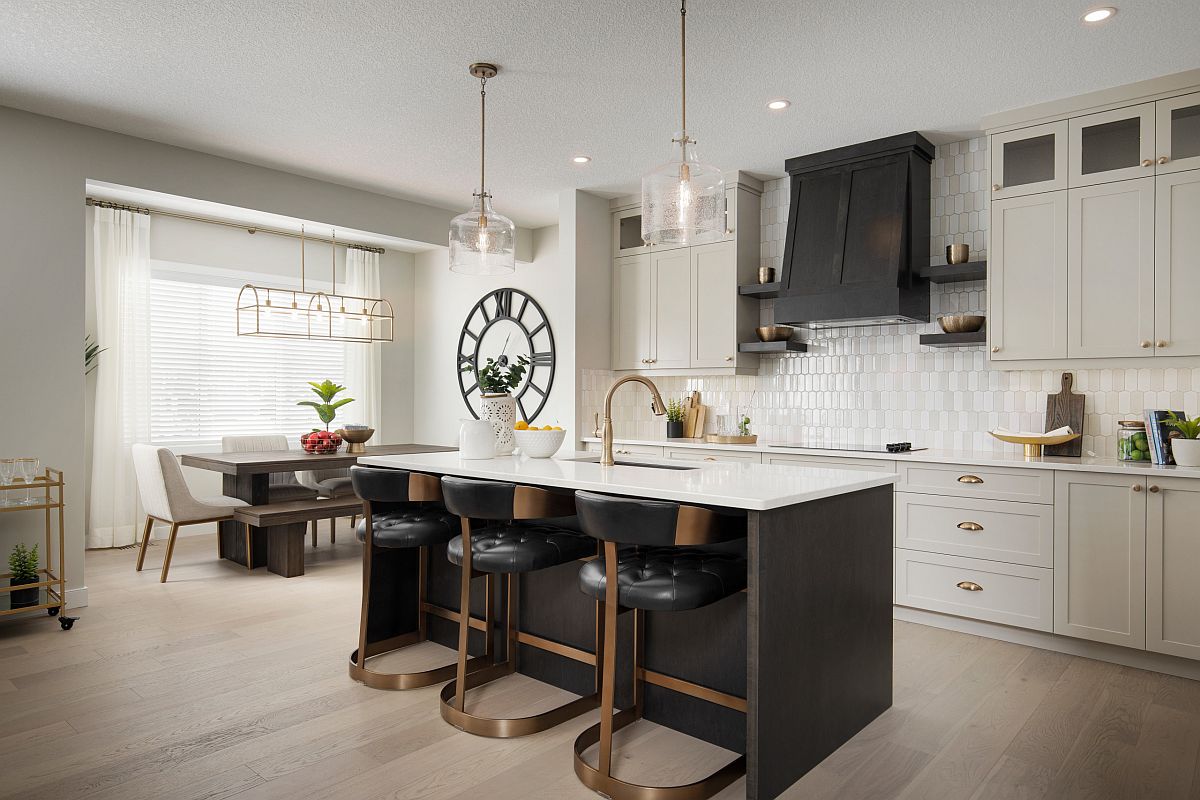
Shaker-style cabinets look cool even in the modern kitchen [From: BERNHARDT Restoration]
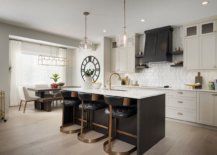
You can work with the less is more kitchen decorating philosophy with kitchen of any style [From: Shane Homes Ltd]

No Room for Nicks and Cracks

The many, many times that we have seen small bugs and cockroaches in the kitchen, it has been thanks to nicks, cracks and broken tile sections that accumulate dirt over time. If you see any faults in the kitchen countertop or the backsplash, then try to fix them as soon as possible. Sure, you cannot do this every week, but once every couple of months is a good time to check for small imperfections in kitchen surfaces.
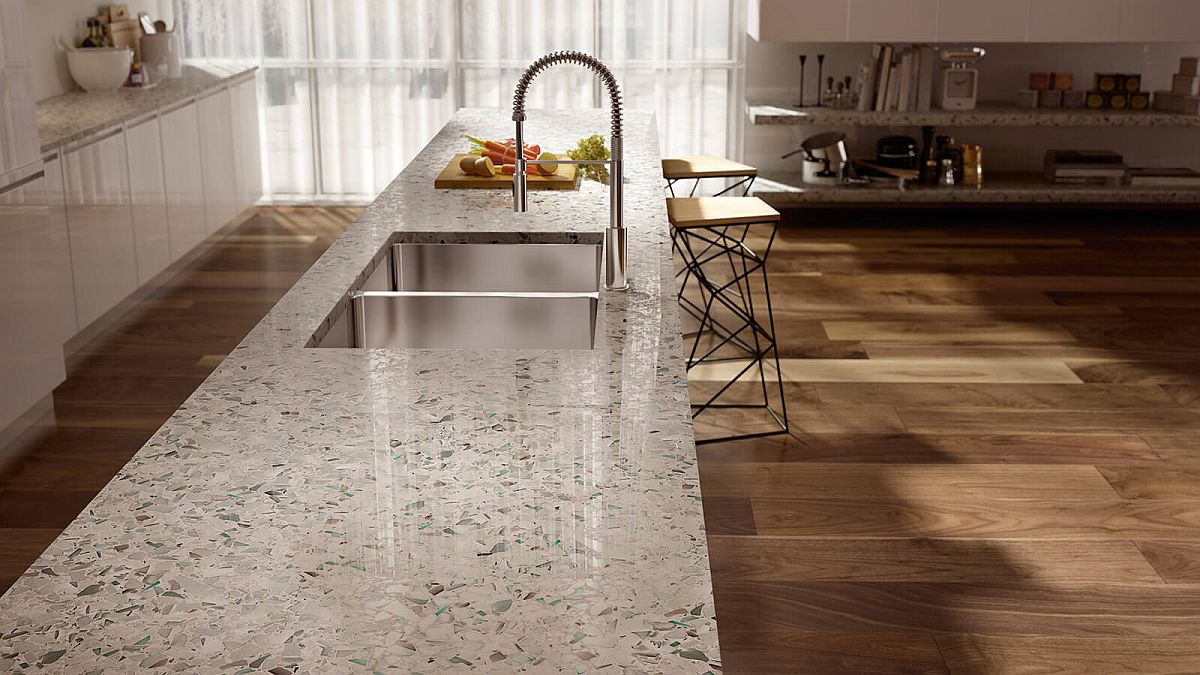
Avoid cracks and nicks and repair them as soon as possible in the kitchen

Replace Cardboard Boxes with Jars

Do not store food items and groceries in plastic bags and cardboard boxes as they generally are perfect places for pests to hide and breed. Instead, quickly throw out all plastic and cardboard boxes the groceries came in and store everything you need in jars. This approach also works well in the pantry and where needed make sure that the original packaging is neatly tucked away in cabinets, but not for too long.
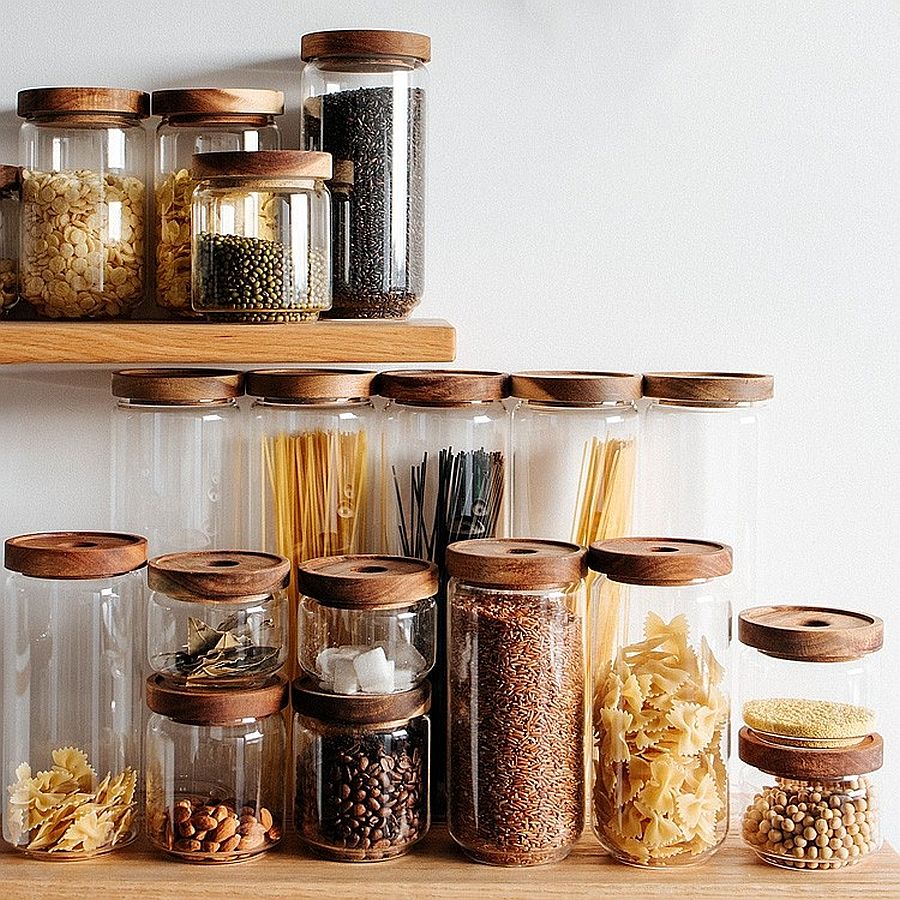
Replace cardboard and plastic boxes with glass and plastic jars

You’re reading How to Keep Your Kitchen Pest-Free: Tips and Ideas, originally posted on Decoist. If you enjoyed this post, be sure to follow Decoist on Twitter, Facebook and Pinterest.

Similar Posts

  • Cascading House

    The site has the typical challenges of many urban lots in Ho Chi Minh city: abutted by tall neighboring houses, small developable area relative to the clients’ program, and compromised access to daylighting and natural ventilation. Due to the height restriction, the house was pushed 1 level below the ground to accommodate the large program. In an effort to solve as many issues as possible, we proposed a concrete column system hidden inside the north and south concrete wall that face the neighbors, acting as the primary structure for the house and freeing up the space in-between. These concrete walls provide privacy to the clients and their family, and open up the east and west facade for views and outdoor-indoor connection. Because the column system extends continuously from the basement to the roof, the concrete beams spanning in-between can be moved vertically without any structural concerns. This flexibility also meant total discretion to determine the elevations of the upper floors–which we intended to take advantage of. By convention, the program is stacked floor-by-floor to maximize the usable area of a small lot which could result in monotonous and isolated spaces. We wanted to do just the opposite: visually and spatially connecting the different parts of the house together by splitting the floor plates, and then cascading them to create a multi-story atrium. In this space, life unfolds naturally; once a family member steps out of the bedroom, he/she will be in an all-connected “room”, and in the company of another member, whether that person is on the other side of the atrium or 2 levels above. In addition to spatial articulation, this atrium brings daylighting down to the basement, and–working with the 2 sunken gardens which are naturally filled with cool air–aids the stack effect by letting the hot air rises to the top. The temperature of the lower floors, as a result, becomes more comfortable. From the outside, Cascading House looks solid as a rock that provides sturdy shelter. The interior, however, feels as porous as a sponge soaking up natural light and air, and brings family members closer together–the qualities that make this house a home.

  • Pia Residence

    Pia residence is located in an irregular land, in el Uro, N,L. The project consists in two main volumes, each by a series of alternated courtyards. The frontal volume is single leveled with a double height element that highlights the main entrance, and it is accessed through a series of a triangular concrete prints that provides a sense of continuity through the street and the sidewalk. The volume in the back has two levels and is separated from de frontal volume by a patio that functions as an extension of the social area, kitchen and studio situated in the lower level, also provides ventilation, views and sunlight to the area. The courtyard is divided a staircase enclosed in a glass volume that links the vertical and horizontal connections of the building. The posterior patio has two garden areas that unites the laundry and service areas providing a sense of visual continuity to the area. Concrete was used as the main material of the project; as an apparent formwork on the façade as polished floors and some colored cement on details. Also important is the use of the custom steel work on windows gates, doors and stairs. The landscaping consisted on low maintenance, regional plants. Pia residence is the result of the transformation of a country house to a suburban house without losing the relation between the building and the exterior, preserving, nevertheless the privacy of the interior areas. It is a reinterpretation of the Mexican architecture of the second half of the twentieth century with a new formal character. Name of the Project: Pia Residence Location: Gated community El Refugio, El Uro, Nuevo León, México Area: 200 M2 Autor: Ar. José García Toledo Collaborators: PE. Eduardo Vásquez Velásquez Ar. Fernanda Roiz Silva ID. Andrea García Aragón ID. Luis Carlos Rodríguez González ID. Sinuhé Machuca Esquivel Ar. Krizia Nasser Ar. Christian López Photography: Ar. Francisco Martín Alvarez de la Vega / The Raws Human scales: Patricio Betteo