How to Make Your Home a Haven

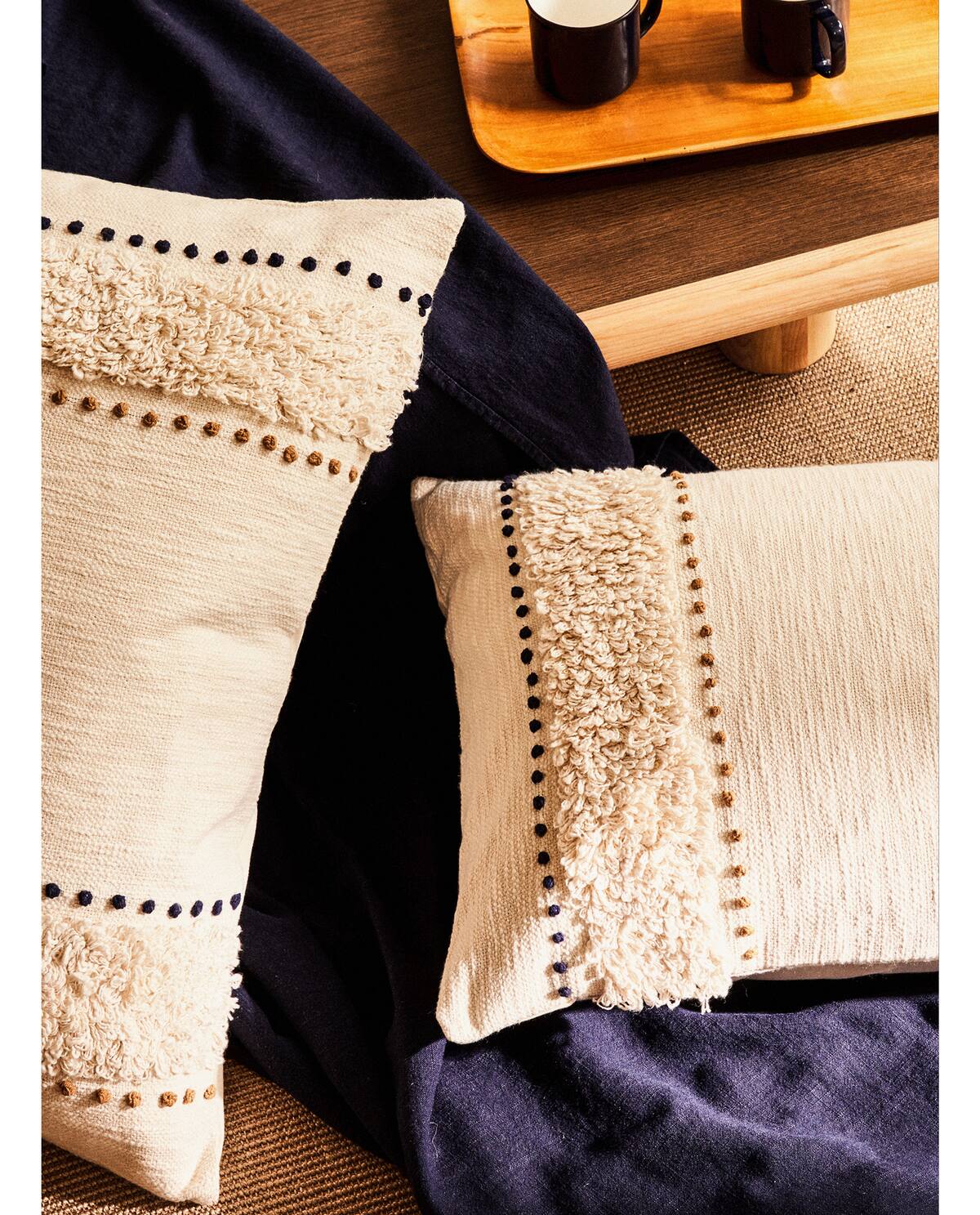
With an abundance of time at home becoming a reality for many all over the world, now is the perfect time to make your abode a place that brings you joy. Today’s post is dedicated to simple ways that will transform your home into a peaceful haven. If you’d rather not have an influx of merchandise arriving at your doorstep, we get it. Shopping for new items isn’t the only way to bring peace to your home. Either way, we’ve included sources below, in case you’re curious about the featured products. Read on for simple tips that will freshen up your space and ensure it’s a place that fills your heart with comfort and peace. [photo from Zara Home]





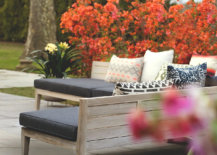
A Laid-Back Living Room

For many, the living room is one of the first rooms you enter when you open the front door. It’s also a place to lounge, spend time with family, take naps, watch TV, and more. When it comes to transforming your living room into a relaxing haven, think about the things that bring you joy and peace. It can be something specific, such as houseplants and dried tropical foliage. Or perhaps it’s an overall vibe, such as a crisp, fresh feel. All of the photos in this section of the post feature Urban Outfitters’ Olivia and Isobel Collections. In fact, the brand is referring to these collections as “serene space decor”. What could be more perfect at a time like this?!
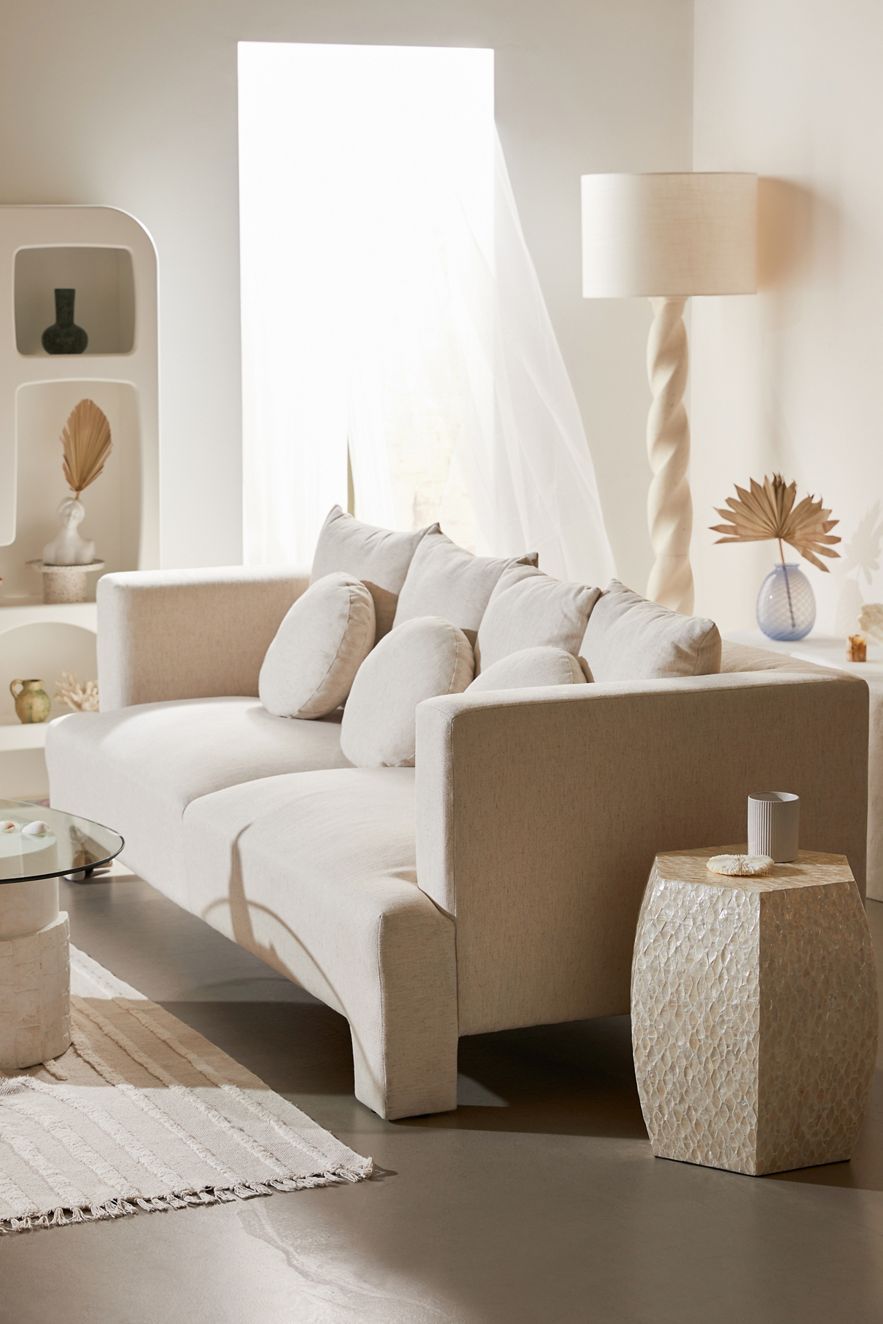
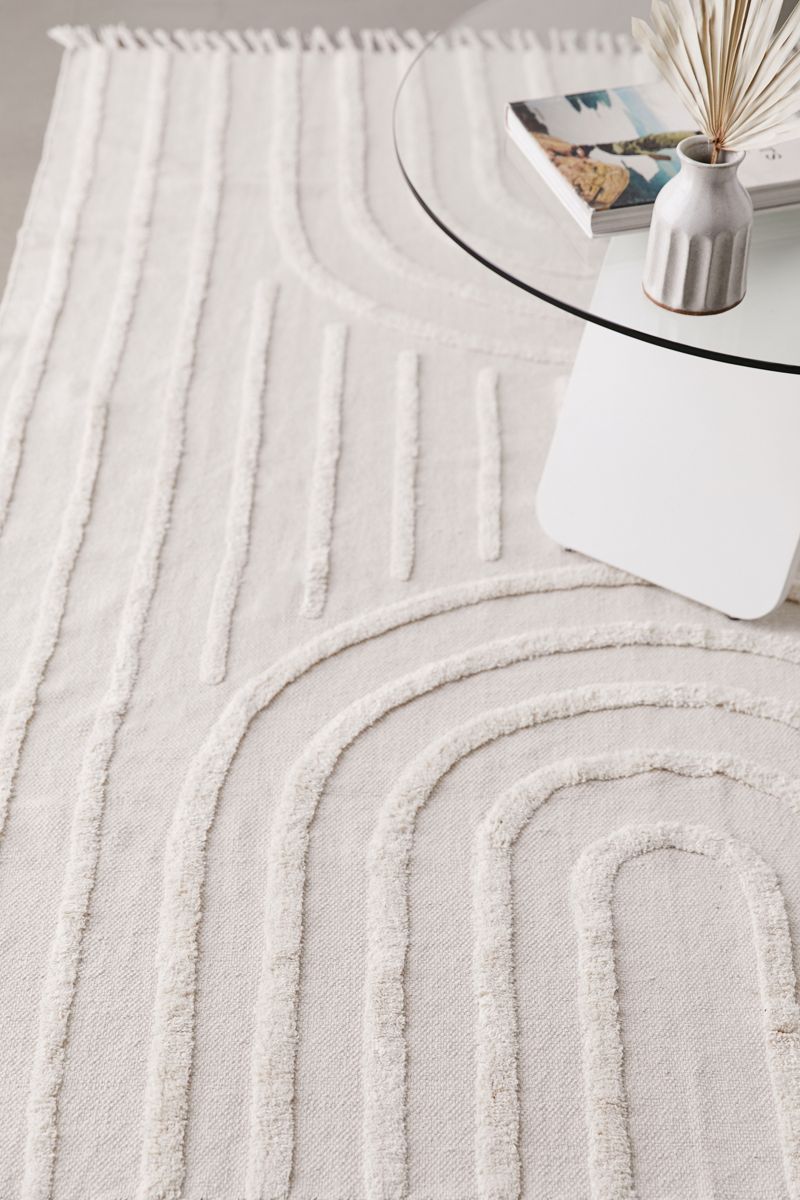
Texture can be calming and comforting. Whether it’s a geometric rug with raised surfaces or a collection of comfy pillows, consider surrounding yourself with softness. If you really want to get creative, use yarn to make a simple wall hanging that brings a dash of texture to the walls.
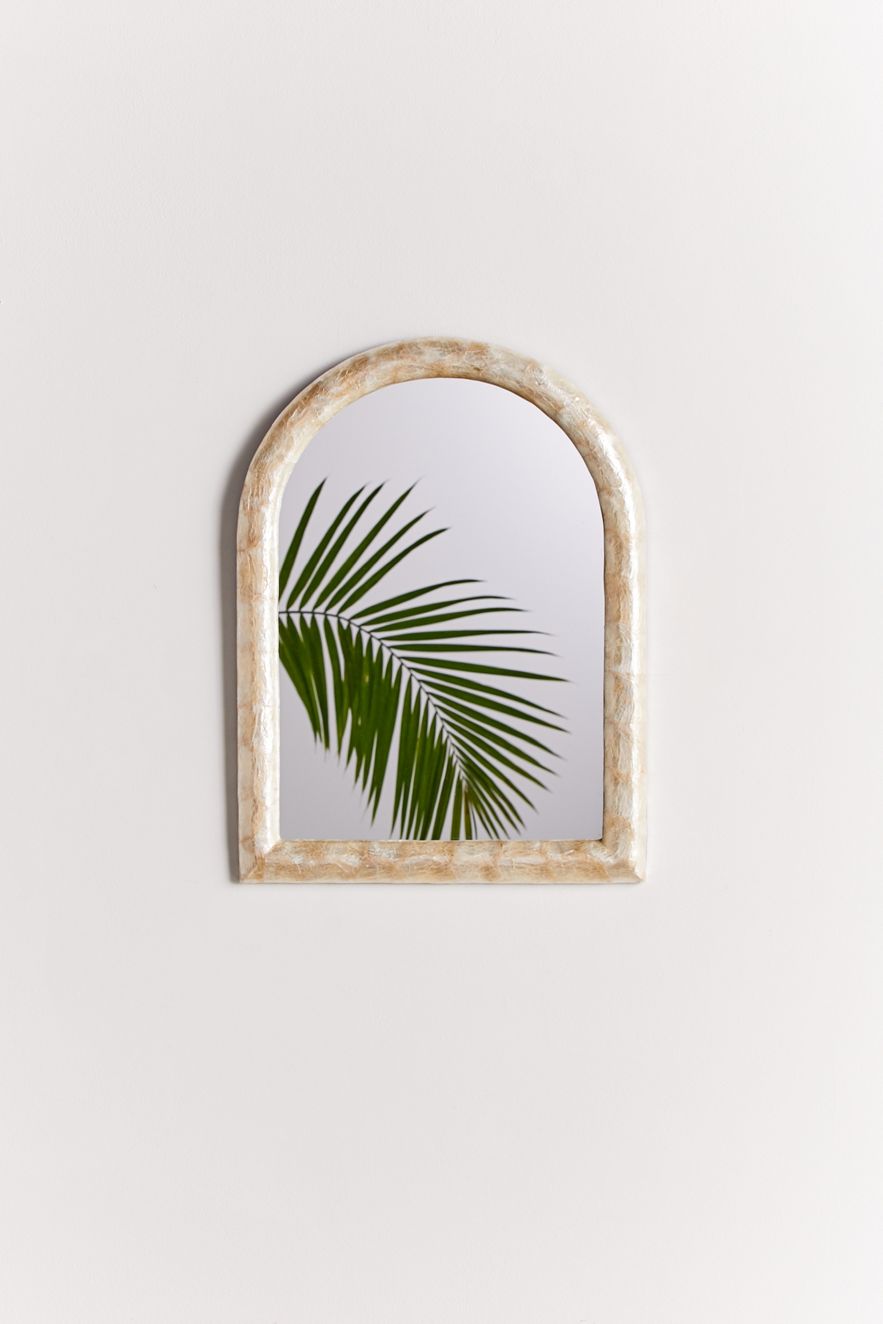
Also think about brightening your space with reflective surfaces. A strategically placed mirror can create the illusion of a window, or you can use it to highlight a special feature or favorite touch, such as a palm frond. Below we see the Capiz Arch Wall Mirror. Side note: arches are one of today’s top design trends!
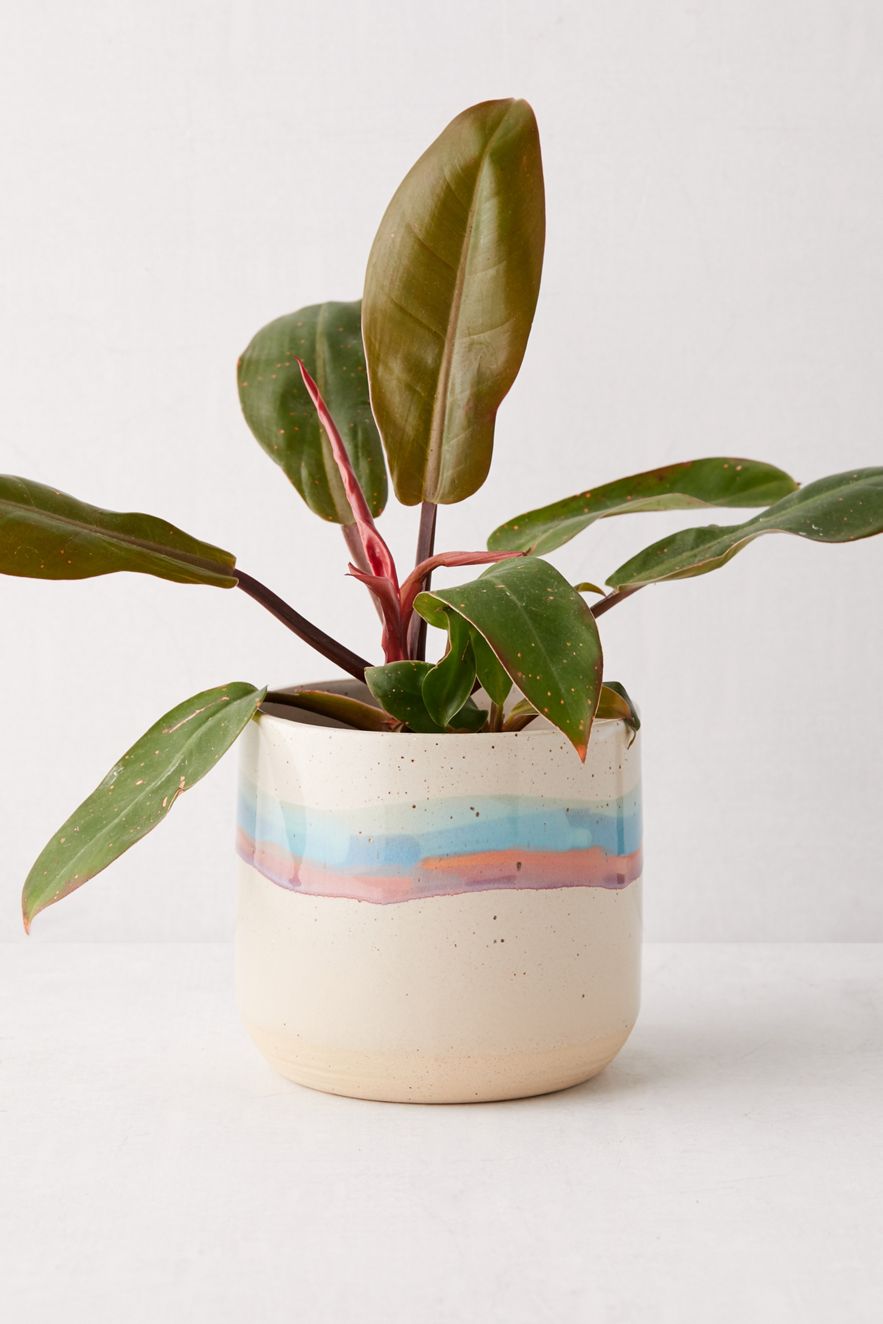
Greenery breathes new life into a space. Even the simplest of houseplants can be given a lift with an interesting pot or planter. The ceramic planter below adds a touch of color with a brushstroke design. You can also shop your own home for containers that will double as planters. You may be surprised by how an unexpected decor item can bring a smile to your space when filled with a plant.
A Reading Nook

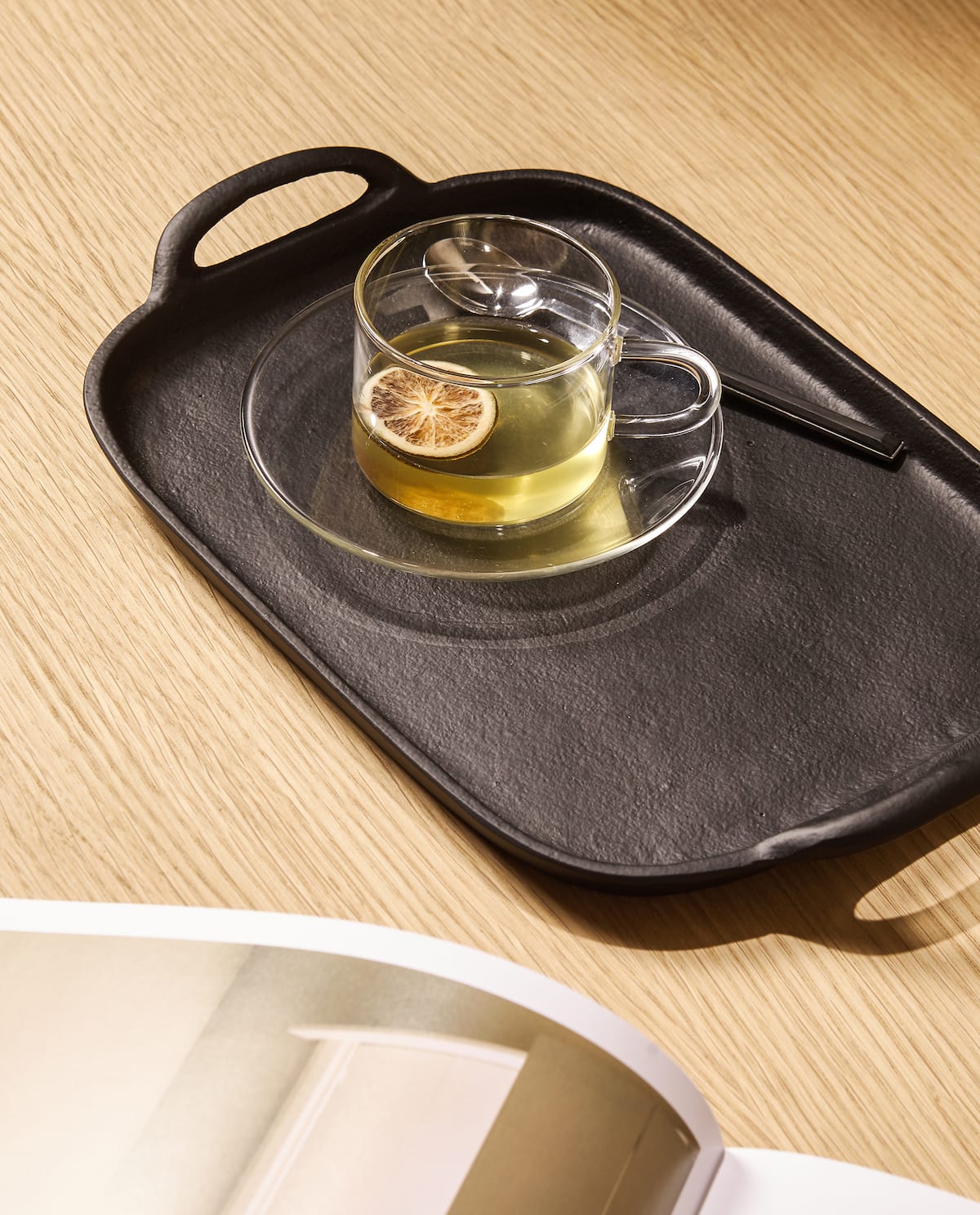
A cozy spot to curl up with a book is a welcome addition when faced with a lot of time at home. And no judgement here if you want to curl up with your tablet and browse Pinterest. The idea is to make your nook a relaxing spot rather than a place to answer the demands of your screens. Try to avoid returning work emails and other to-dos. Chilling out is the name of the game. The sunlit photos in this section of the post come from Zara Home’s new collection, which encourages all of us to create a special reading space. It starts with a lovely chair!
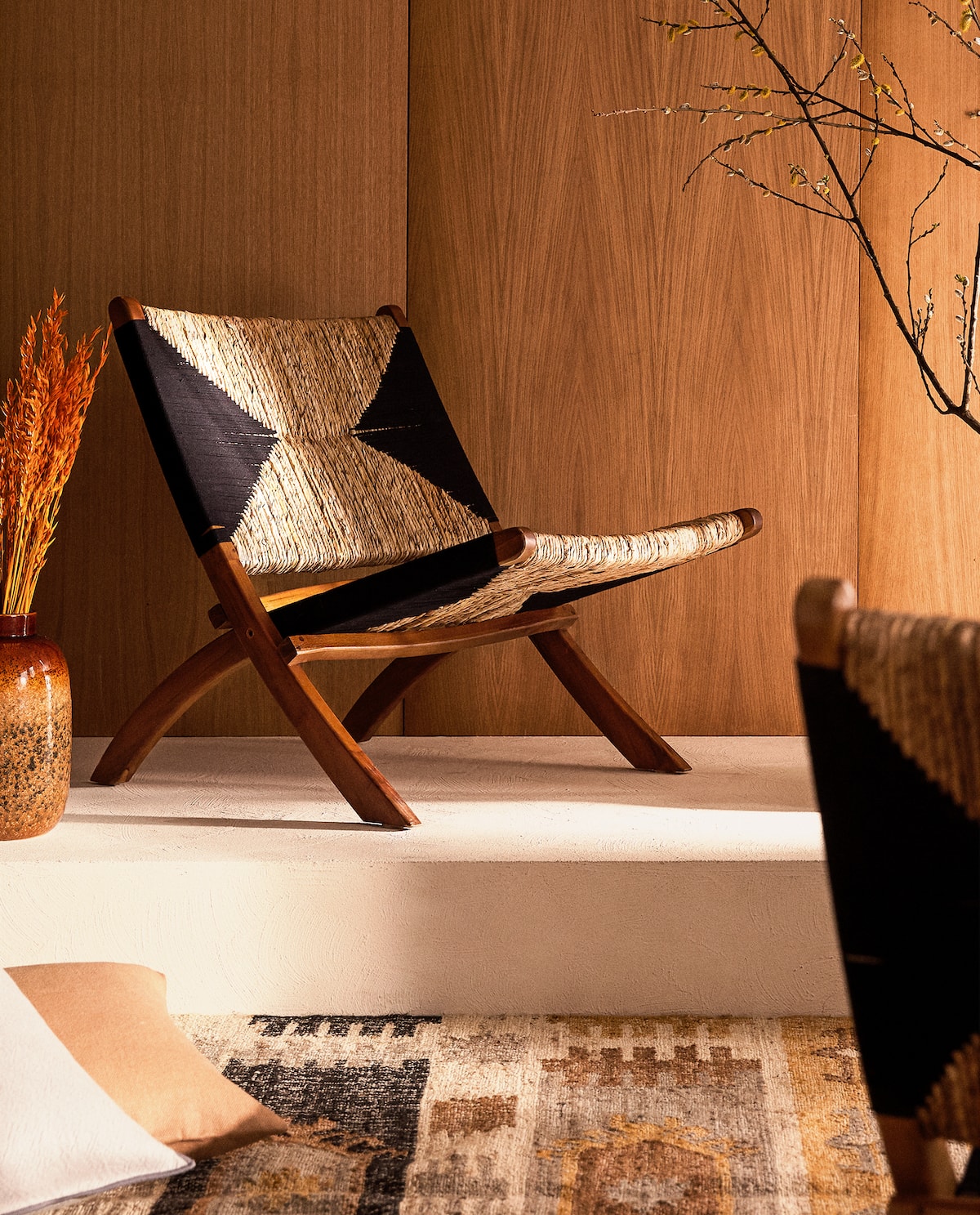
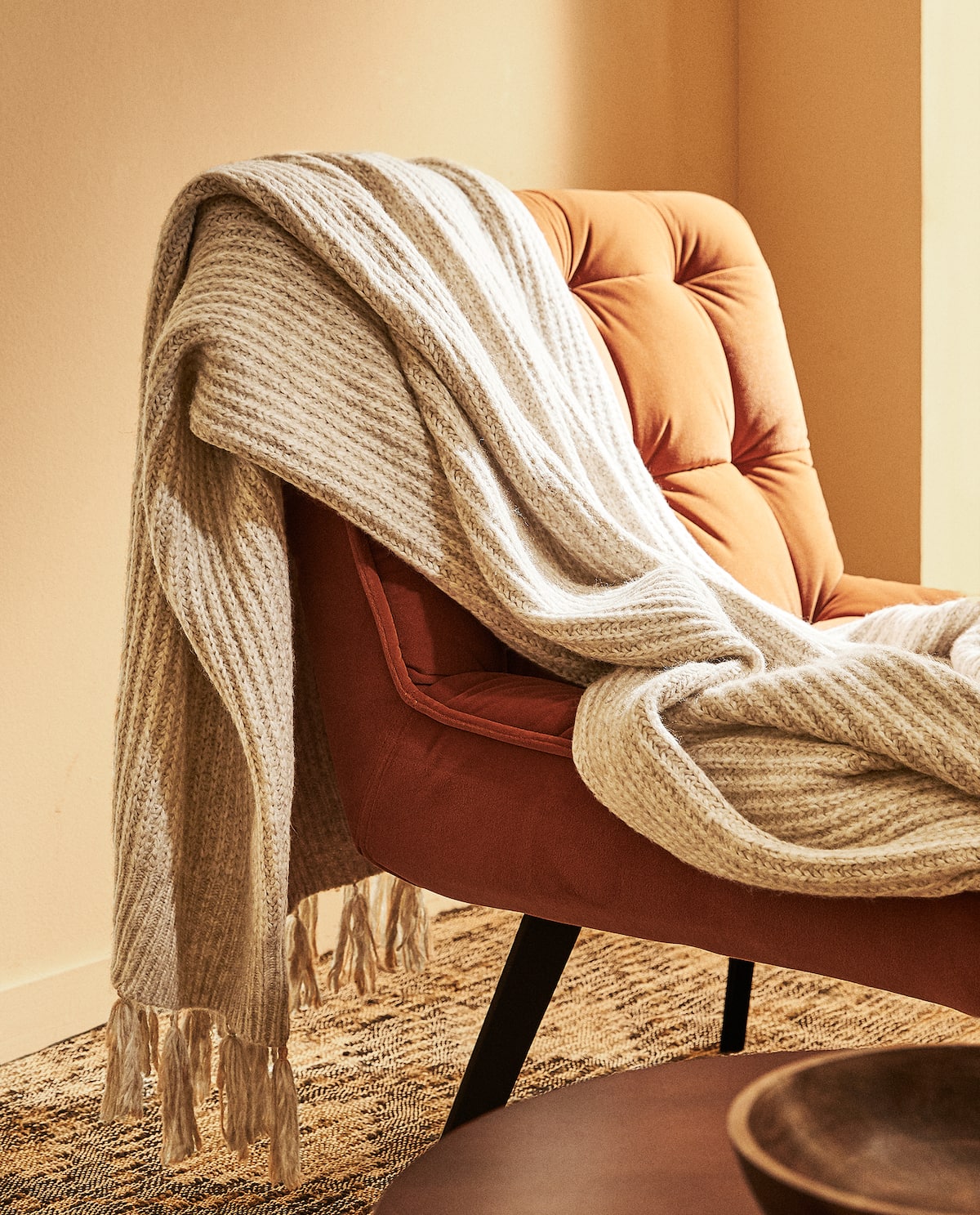
Just make sure your chair of choice is comfy. Perhaps you already have a favorite chair and you’re interested in sprucing it up with a comfy throw blanket. Whatever it takes to create an inviting spot that you can’t wait to sink into. Bonus points if the mere sight of it makes you feel more relaxed!
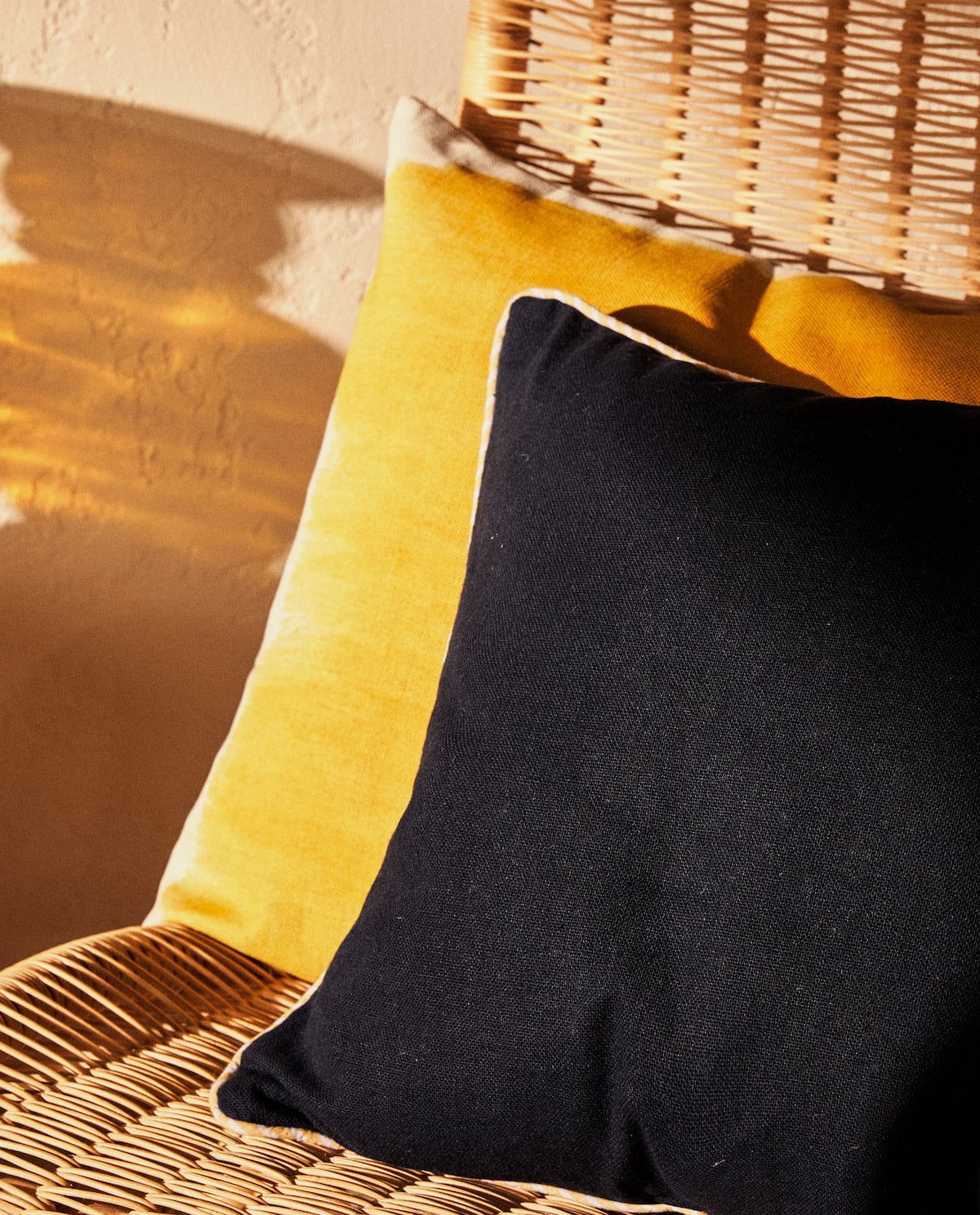
A new throw pillow or two can make a big impact, or you can shop your own home for pillows that you’ve stuck in the closet or placed in a different room. Sometimes a change of location makes all the difference. Pillows are also a great way to cushion a chair that has tough spots. Custom design the perfect perch for your down time.
Make sure creature comforts are at the ready while you’re unwinding. For some of us, the down time is scarce, so you can make each moment count by having something nearby that you can savor. A handy tray for carrying tea from the kitchen can make a big difference. Place it on a side table, and you have your very own tea service. More lemon, please!
A Chill Bedroom

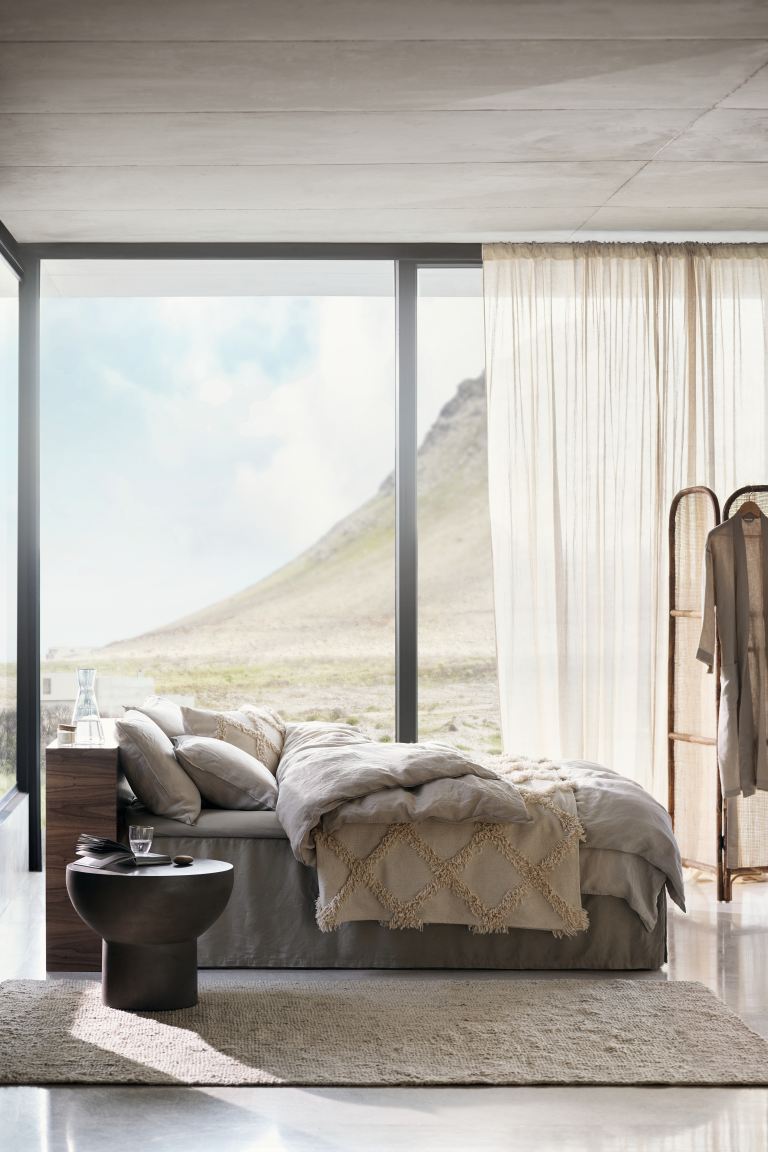
When life gets stressful, a good night’s sleep is of the utmost importance. Your room should be a place that instantly calms you. As you search for ways to add comforting details to your sleeping space, take note of your first view of the room as you stand in the doorway. What’s the overall vibe? You may not have a view like the room below, but the mood should be serene, and possibly even inspiring. Does your bedroom make you happy, or are there obstacles to channeling calmness? If what you see doesn’t match what you were going for, perhaps it’s time to make changes such as clearing out clutter. The photos that follow feature new arrivals from H&M Home.
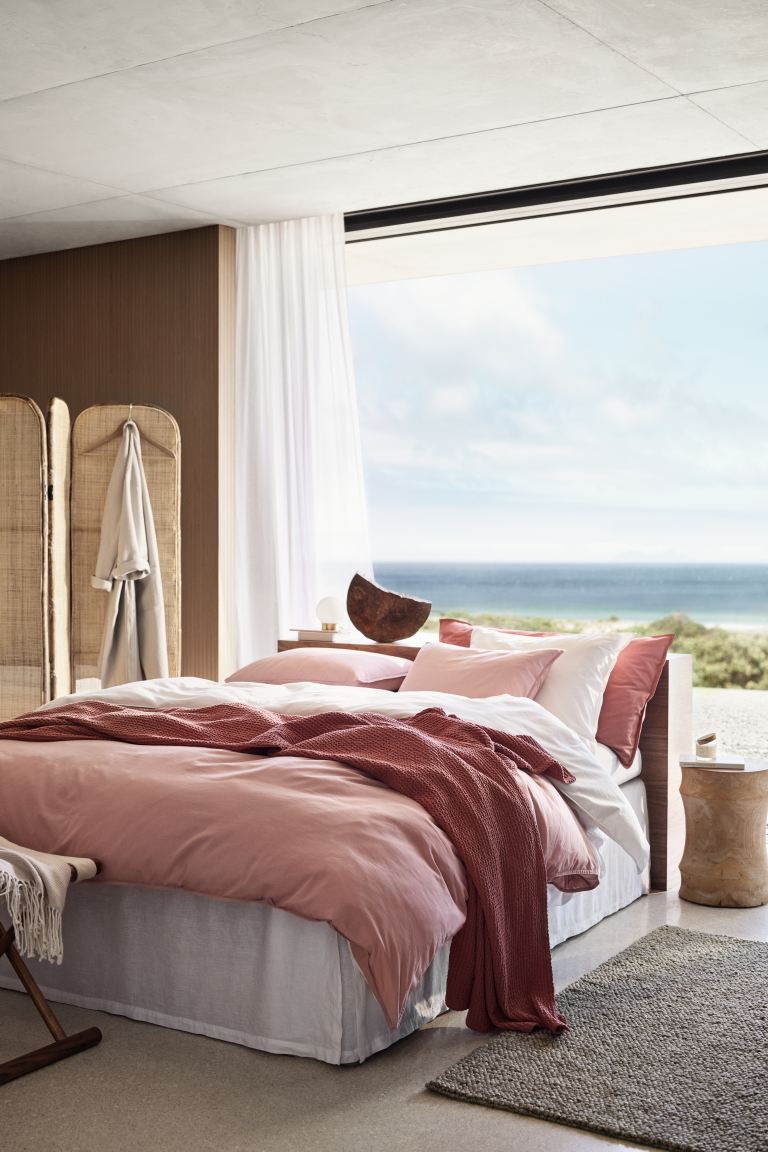
If new bedding is an option, there’s nothing like the fresh canvas that soothing textiles can create. Duvet cover sets are an easy way to do a quick update, and some design lovers switch them out seasonally to change up the bedroom’s overall look. Once again, comfort is key. Rest assured something new isn’t required to create a cozy bed. In fact, sometimes less is more. For example, removing a plethora of throw pillows can actually result in more tranquility.
If you have children, think about how you can make their rooms cozier and more inviting. Can you create the feel of a fort? Are there ways to surround them with their favorite things? Details such as comfy blankets, cheery artwork and special touches can transform a child’s room into a welcoming wonderland.
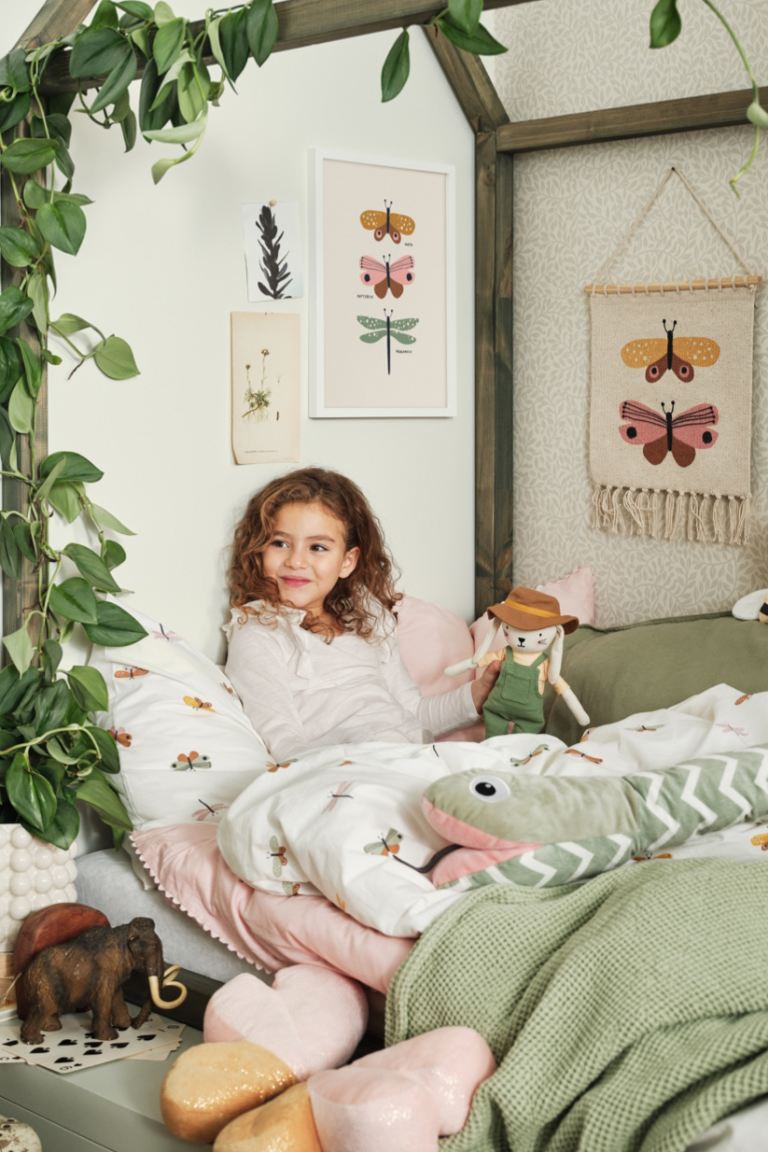
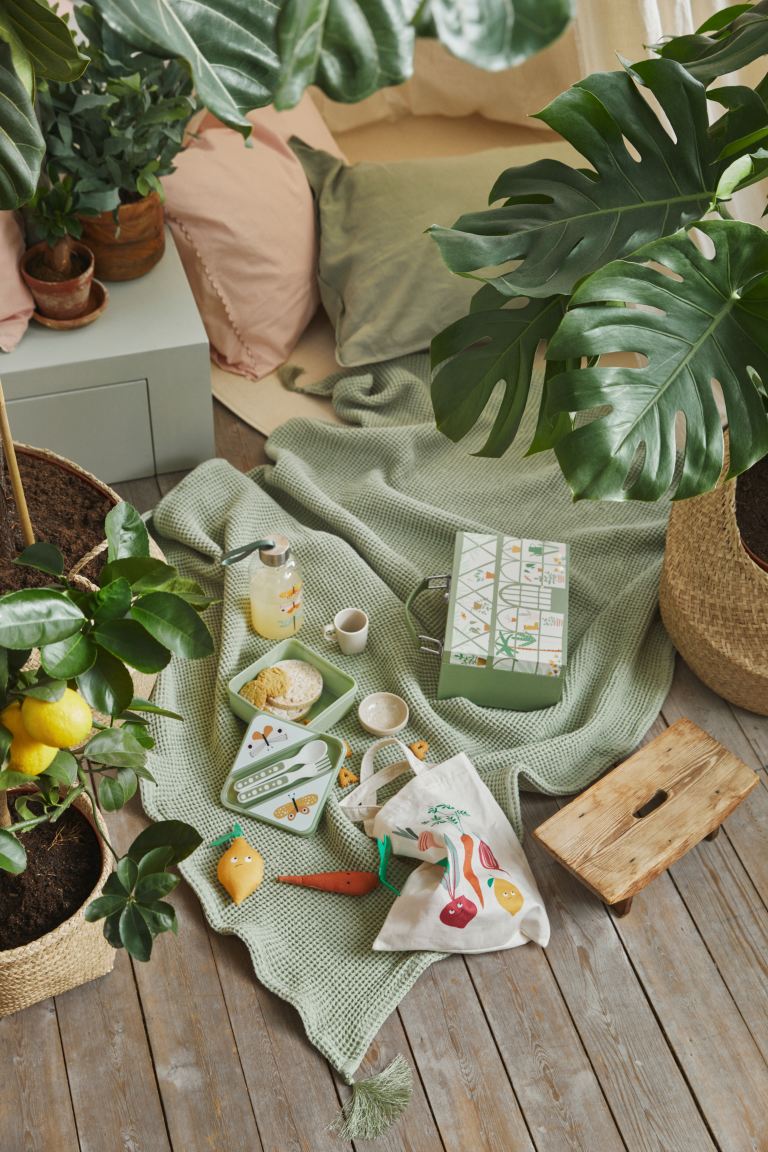
Below we see another vignette from H&M Home, this time featuring the Waffled Tasseled Throw. Making the most of your floor space can be crucial in kids’ spaces, especially since many creative play activities happen while children are seated on the floor. Indoor picnic, anyone?!
An Outdoor Haven

We end today’s post with a quartet of inspirational photos from Terrain’s spring collection. If you’re lucky enough to have a yard or balcony, now is the time to make this space an outdoor haven. Even something as simple as planting new blooms or ordering new throw pillows for your outdoor sofa can make a huge difference. Pick one or two small projects or additions, and use them to put a special stamp on your outdoor space for spring.
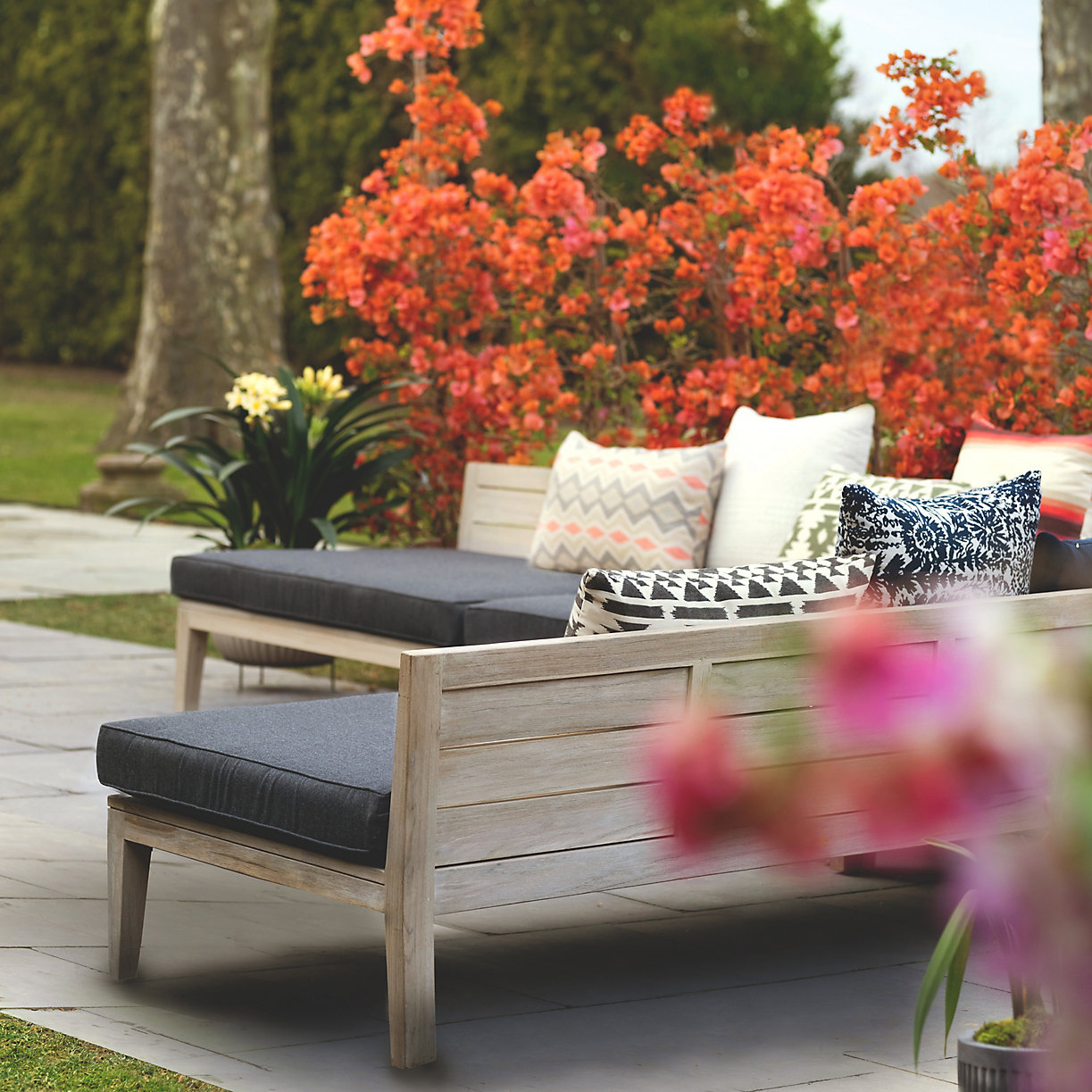
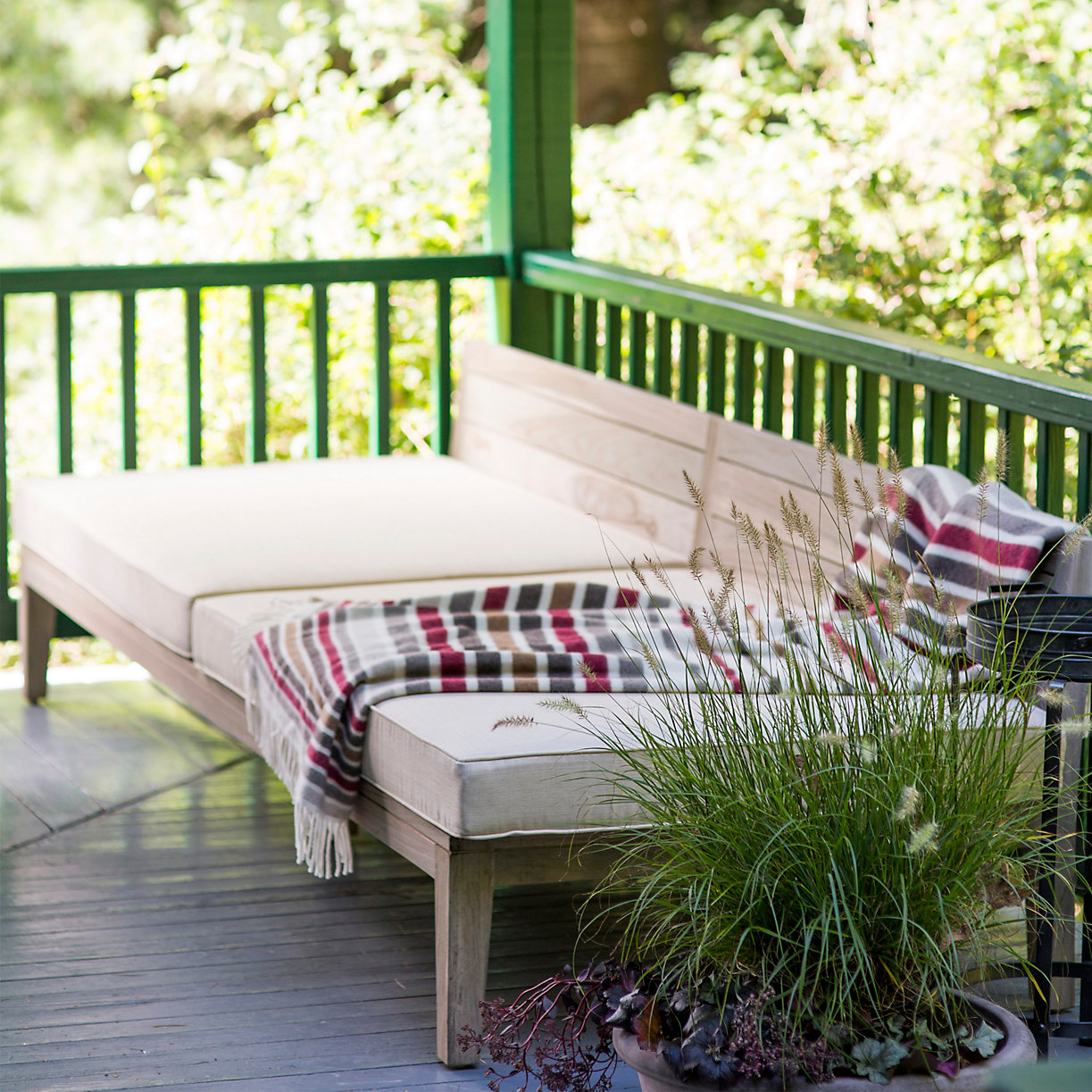
It can be something as small as moving one of your favorite throw blankets to your outdoor seating or arranging several different plants in a large pot to create layers of interest:
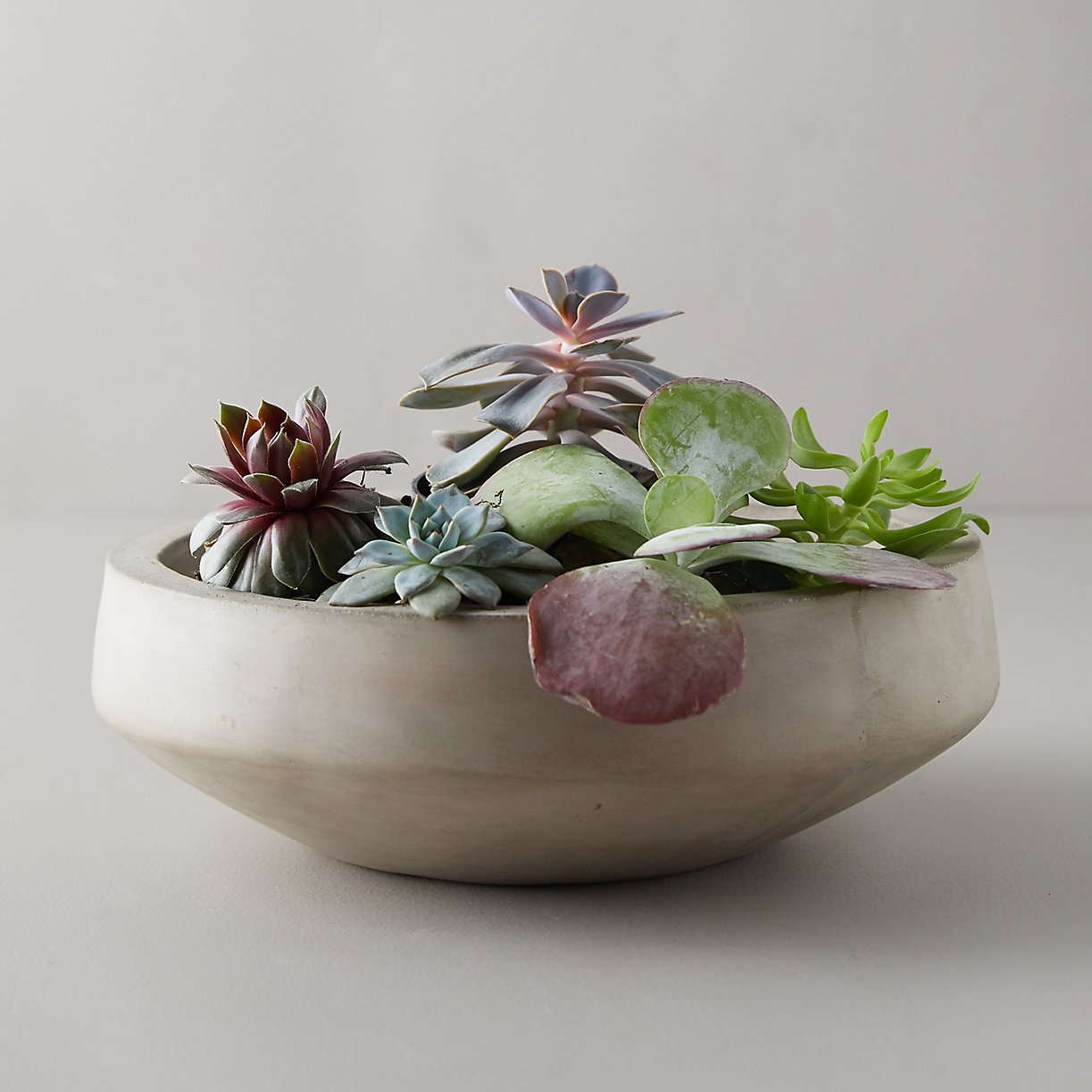
One low-maintenance idea: create a centerpiece by placing succulents in a low bowl. Display it on an outdoor surface such as a patio table. Even something this simple can refresh your patio or balcony, serving as an instant reminder of spring. When combining different plants in one container, go for variety. Opt for selections that feature different colors, textures or leaf shapes.
If you don’t have an outdoor space of your own, you can always bring nature indoors. Choose a room with a lot of light and create a greenhouse vibe by filling it with an abundance of houseplants. Comfy armchairs and a sleek dining table are surrounded by lovely foliage in the next featured photo. The look is lush, verdant and abundant. Even the houseplants on the table alone would be enough to bring the outdoors in!
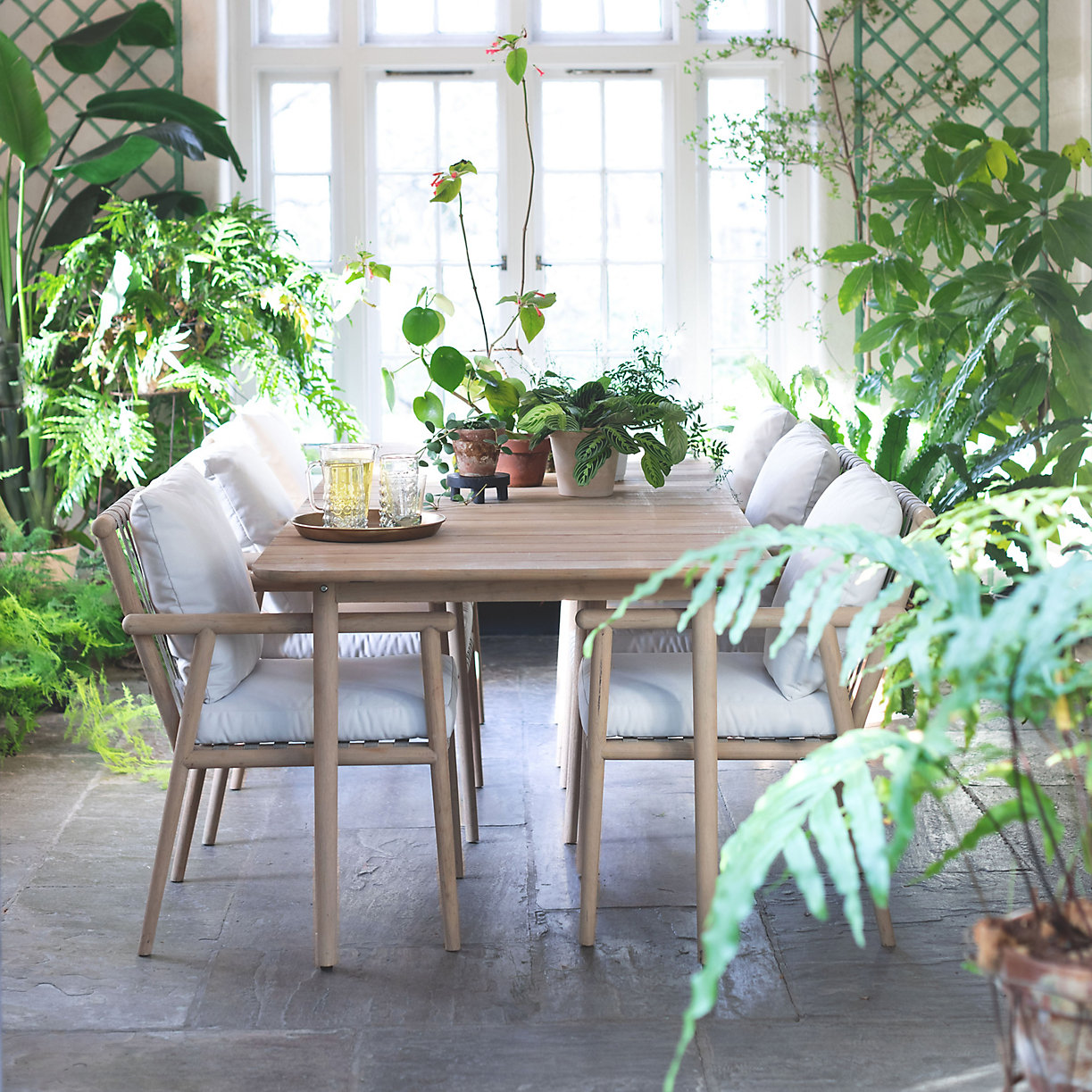
We hope today’s post has shown you that you don’t need a huge budget or a large interior to turn your home into a haven. Surround yourself with items that make you happy and soothe you. Enjoy the process and take a deep breath. Life will eventually calm down. Until then, you can always create a calm interior! Thanks for reading.

You’re reading How to Make Your Home a Haven, originally posted on Decoist. If you enjoyed this post, be sure to follow Decoist on Twitter, Facebook and Pinterest.

Similar Posts

  • Messner: A childhood dream comes true

    At the foot of the Sciliar, in the picturesque area of Alpe di Siusi (Bolzano), the spirit
    of a barn is reborn as a home. The project, realised by noa* (network of architecture), has
    at its core, the South Tyrolean tradition combined with surprising features internally,
    resulting from design of visionary and unexpected spaces. An almost magical ambience is
    created, inspired by childhood memories. Keep tradition in mind, but at the same time move away so as to create an original
    identity, a new way of living, a different structuring of the domestic space, and to search
    inspiration from a childhood passed in the mountains. This, in summary, was the challenge
    faced by noa* in the project to construct a new home at Siusi in Sciliar, a construction to
    take the place of a deserted house in the centre of the village, with the original
    structure dating back to 1850. The job, completed in 2017, needs to be understood in its complex and delicate context. We
    are talking about South Tyrol, and a project executed at a height of 1100 a.s.l. at the
    foot of Alpe di Siusi, a part of the Dolomites recognised as a Unesco World Heritage due to
    its outstanding natural beauty. It was therefore extremely important to respect the
    parameters of the original structure and the urban planning requirements and regulations of
    the village. For Stefan Rier, founder, together with Lukas Rungger of the noa* studio, and
    in this instance ‘his own client’, the project was an opportunity to give a personal
    footprint to his own property. In this sense there was a move away from the traditional
    principles of spatial distribution, this being achieved in part by recalling memories of a
    childhood spent in the mountains. “We wanted the project to respect the aesthetics and the urban aspects of the village, a
    village where wooden barns alternate with plaster-fronted houses destined for farmers and
    the keeping of cattle.”, explains architect Rier. “With this in mind, we finished the
    exterior structure with a ‘coating’ in keeping with tradition: a wooden grid on all 4
    sides, just as is used for alpine barns. However, as far as the interior is concerned, I
    decided to leave tradition behind me, and thereby free the design from any preconceived
    limitations. In this way I was able to look forward…but also a little back in time to the
    beautiful years of my childhood”. The outcome of the project is a dwelling, having two aspects which confront each other in
    their style. The exterior represents the traditional alpine location, splendidly immersed
    in the local topography, whilst the interior boasts the visionary impulse, the surprise of
    a space freed from the general scheme of things, almost permeable, osmotic, and certainly
    innovative. On the ground floor there is a common area which spreads out almost in a ‘piazza’ fashion
    for (habitational)and interactional use: there is a dining table to enjoy with friends, an
    ample sized kitchen to accommodate more than one cook! The rest of the house develops in a
    vertical way and instead of the classical room division there are what can be described as
    ‘hanging boxes’, which are positioned at different heights and interconnected by stairs and
    walkways – they giving the sensation of walking up a mountain path towards the peak. The
    hallways are carefully designed so that, apart from their connecting function, they
    accommodate other essential areas such as the library and open ‘bathroom’ areas with tubs
    and showers (only the WC are closed in). The entire structure is conceived in a way that
    the further one goes up the level of privacy and intimacy is heightened. The highest ‘box’
    which features a sauna opens out to the splendid view of the Santner mountain. The revolutionary distribution of the interior spaces can be noted also from the exterior,
    and a sort of counterpoint is created with the traditional presentation of the exterior
    itself. To the north the two boxes of the bedrooms, finished in bronze, can be seen behind
    the wooden trellis shell, and as a result the material contrast is evident, while to the
    south it is sauna box which protrudes the glass facade. It is an architectural concept, both extremely innovative and courageous in nature, but
    which also has the value of being able to evoke an atmosphere of time past. Viewing the
    structure from a distance, the larch framework which supports the hanging boxes with its
    roof supported by 12 metre high wooden columns, seems to be the outline of an old barn. “Thinking about it, I spent a lot of my childhood playing in barns”, underlines Stefan
    Rier, “and one of my lasting and favourite memories is of when I used to climb high up in
    the barns and then throw myself down into the hay. Maybe if I had not had that experience,
    I would never have come to design this house …”. THE STRUCTURE: A DIALOGUE BETWEEN TIME PAST AND TIME PRESENT
    The house mirrors the construction type of the location’s rural buildings. On the stone
    foundation (10x8m), is a wooden structure in larch on three levels, and which supports the
    gable roof, typical of the village’s dwellings. A wooden trellis covers the whole house in
    a shell-like manner, screening the light and heat of the sun in the hotter periods, and as
    a whole it is suggestive of the typical structures of alpine barns. Two boxes, one in
    bronze and one a glass structure ‘peak out’ from the trellis, to the north and south
    respectively, and so revealing to the exterior that there is something complex to the
    interior layout. To the south there is a glass facade and a terrace which opens out to the
    magnificent view over the landscape of the Dolomites, a view which is dominated by the
    splendid sight of the Sciliar massif. THE INTERIOR SPACES: A STATIC CHALLENGE
    Inside the house, the distribution of spaces and functions is really unusual. The ‘boxes’
    which house the three bedrooms are supported by the wooden beam structure, visible in its
    totality (12 metres high). The bedrooms are designed as micro-homes, each one having its
    own particular design, these boxes seem to almost ‘hang’ in the ample volume of the
    interior (1,100 cubic metres). One gains access via a staircase and a walkway system, which
    as well as having a connecting function, accommodate the ‘bathroom’ areas with tubs and
    showers (only the WC are closed in). On the last floor, a box plays host to the sauna with
    a panoramic view, extending out of the southern front. Preceding the sauna, there is a
    book-lounge with an antique majolica stove, which has been taken from the pre-existing
    building. The library together with a cloakroom area complete the private spaces on the
    higher levels.
    The ground floor is a large open space with three diverse ‘island’ functions: the
    relaxation area, the dining area, and the kitchen, resolved with a large working surface
    feature in natural brass, and decorated on the sides with artisan earthenware tiles. MATERIALS
    As well as incorporating materials having a local tradition – wood and stone – the project
    introduces others of a more contemporary nature, in some cases recalling a Mediterranean
    style. The floor resin, giving uniformity to the ground floor appearance, alternates
    between baked clay and sea-blue tiles, the same as used for the side covering of the
    kitchen’s work surface. The brass gives brilliant warm tones to the furniture details and
    to the work surface which also incorporates the cooking essentials and sink. The staircase,
    in finely worked steel recalls the grates of Arabian tradition, creating a chiaroscuro
    effect which is extremely unusual for the Alpine environment. Furniture and Cloth
    The furniture has all been produced to design specification, adhering to a zero-kilometre
    regime. Attention to detail has been scrupulous, as has the search for original solutions
    from both a formal and functional stance. Cloth chosen plays an intricate game with wood in creating an atmosphere almost theatrical
    in kind. Flowing blue drapes act almost as stage curtains in enclosing various spaces and
    giving different and new perspectives. There has also been a coming together of texture and
    décor for the box-like bedrooms, this evident even in the wallpaper in blue tones, and so
    creating a functional soundproofing barrier. Light
    The project strives to make the most of natural light: to the south the facade is a
    complete glass construction, the light being filtered by the external wooden grid
    positioned at 2.5 metres from the principal structure, whilst the jutting out roof shades
    protect the interior from the extreme heat of the summer months. On the roof, a skylight
    opens to the east providing another source of light. To the north there are windows.
    As for internal lighting, in the very high living area, there are suspension lights to
    guarantee sufficient light and in particular for the specific functional areas (dining and
    kitchen areas). Many of the lamps in the house have been design created.

  • A Bit of Brick for the Entryway: From Beautiful Walls to Lasting Floors!

    Modern interiors have moved slowly and steadily away from the polished and neutral world of beige, white and cream and into a realm that is lot more exciting, varied and filled with textural contrast. A big reason for this is the way in which old buildings are being reused and renovated to suit a more […]

    You’re reading A Bit of Brick for the Entryway: From Beautiful Walls to Lasting Floors!, originally posted on Decoist. If you enjoyed this post, be sure to follow Decoist on Twitter, Facebook and Pinterest.