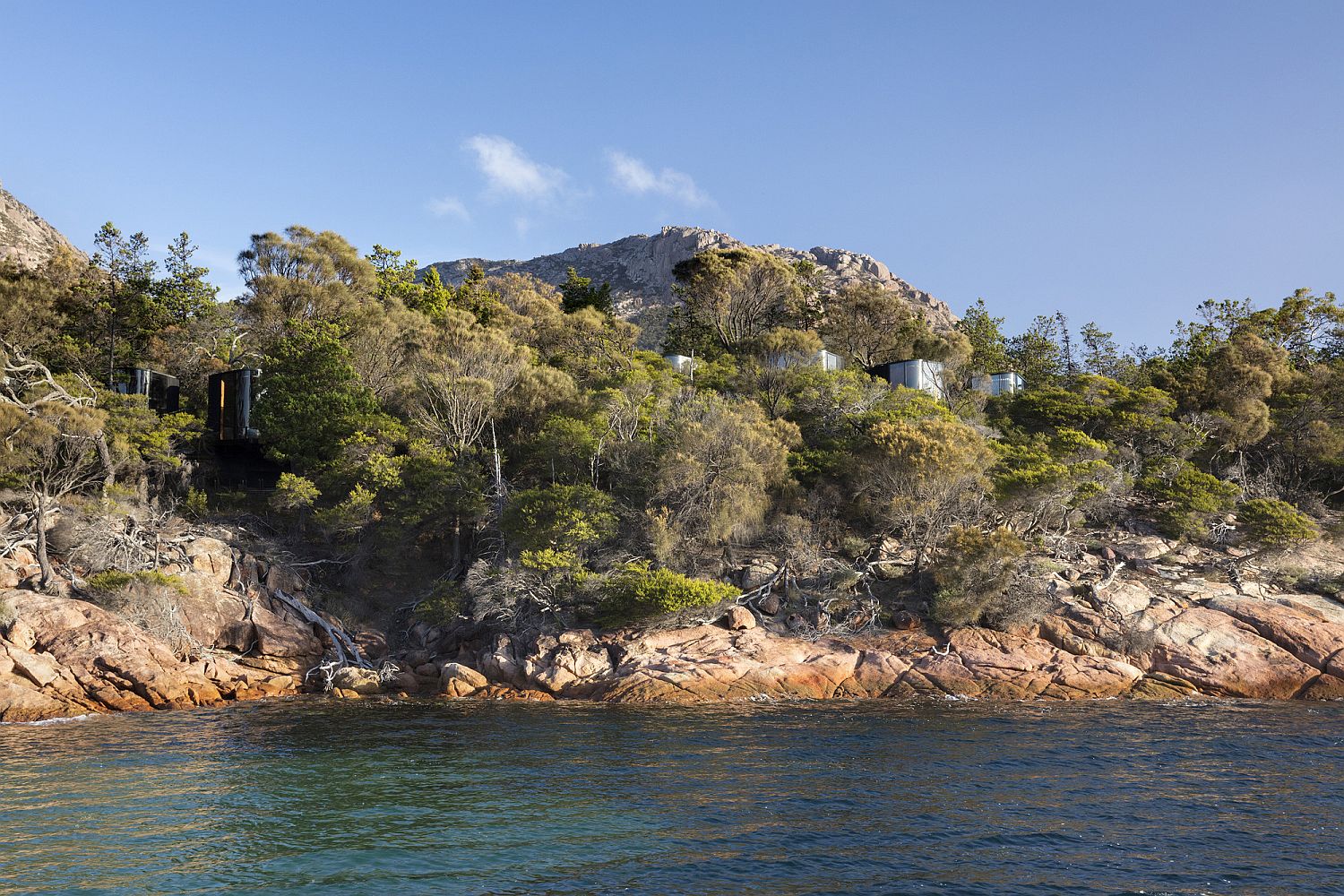
Imaginative Coastal Lodge in Tasmania Brings sustainability to Serene Lifestyle

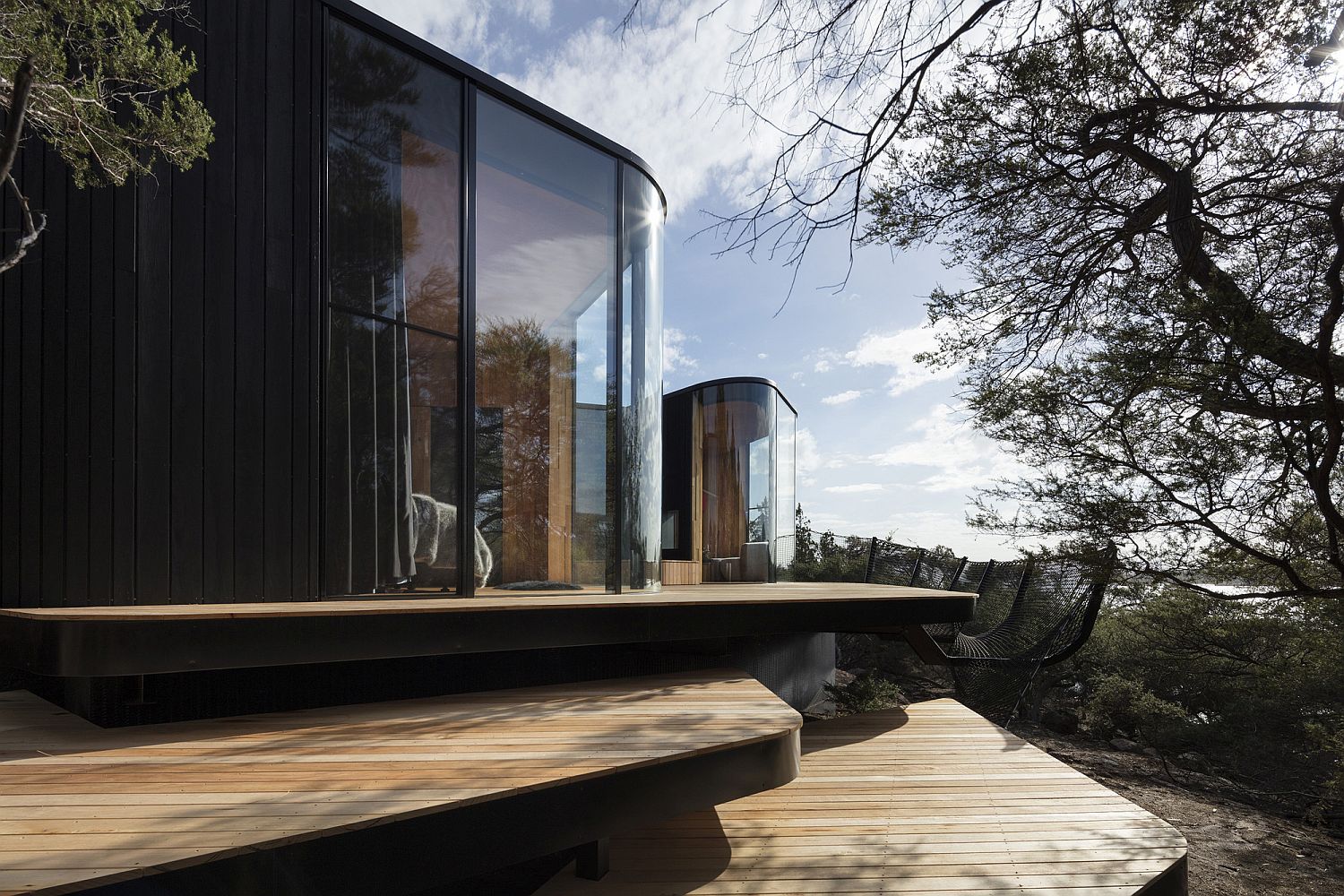
The East Coast of Tasmania is home to many natural wonders with its amazing coastline attracting tourists from all across the planet. It is here that you will find the innovative and eco-friendly Freycinet Lodge. A fabulous retreat that already had 60 cabins to greet guests, the latest set of additions designed by Liminal Architecture help bring guests closer to the shoreline and the natural magic of this unique destination. The Coastal Pavilions at Freycinet Lodge combine the charm of vernacular design with woodsy charm and a sense of openness that is unlike anything else. Each of the pavilions offers an inimitable holiday experience filled with relaxation and solitude.
Coastal Pavilions at Freycinet Lodge off the coast of Tasmania

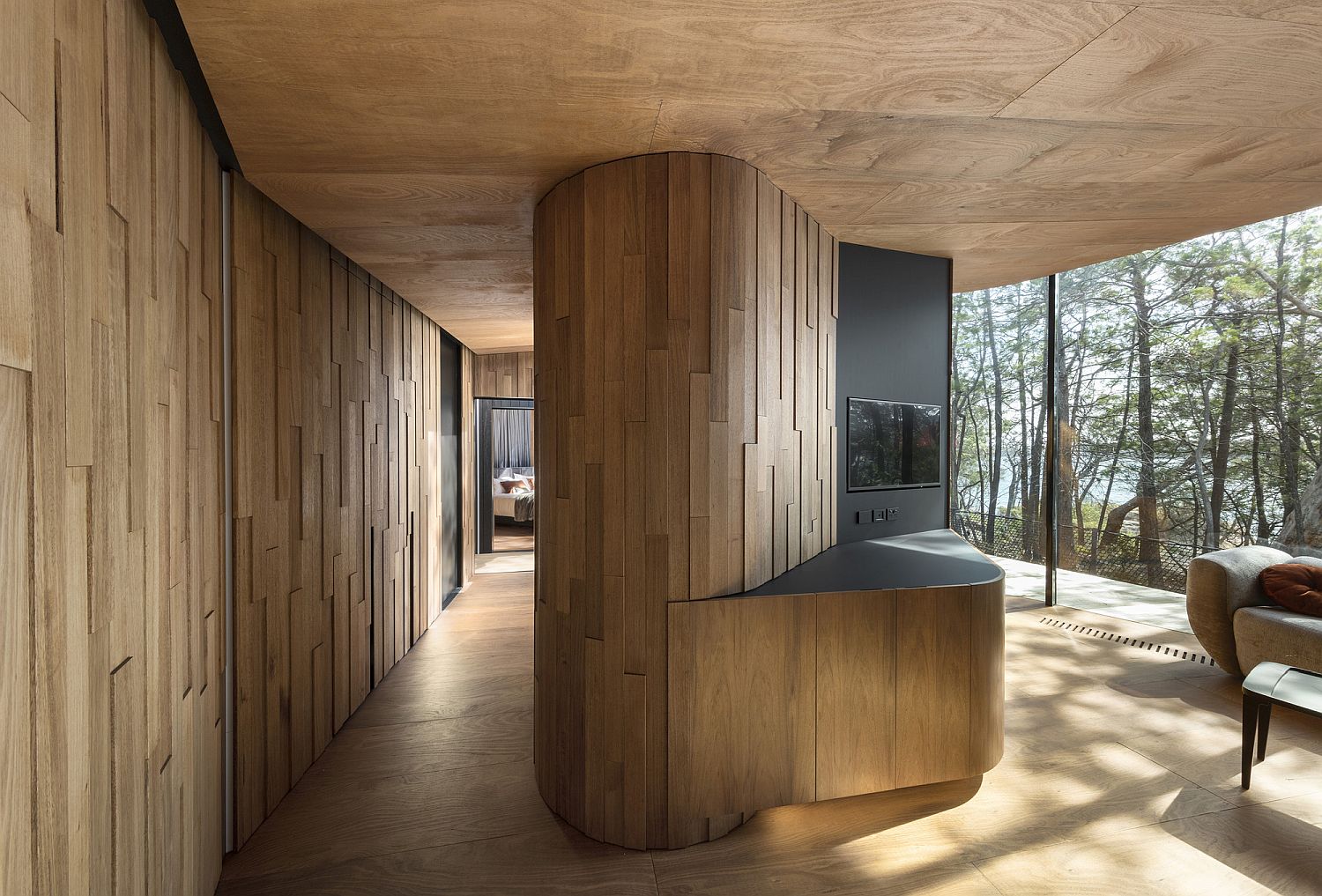
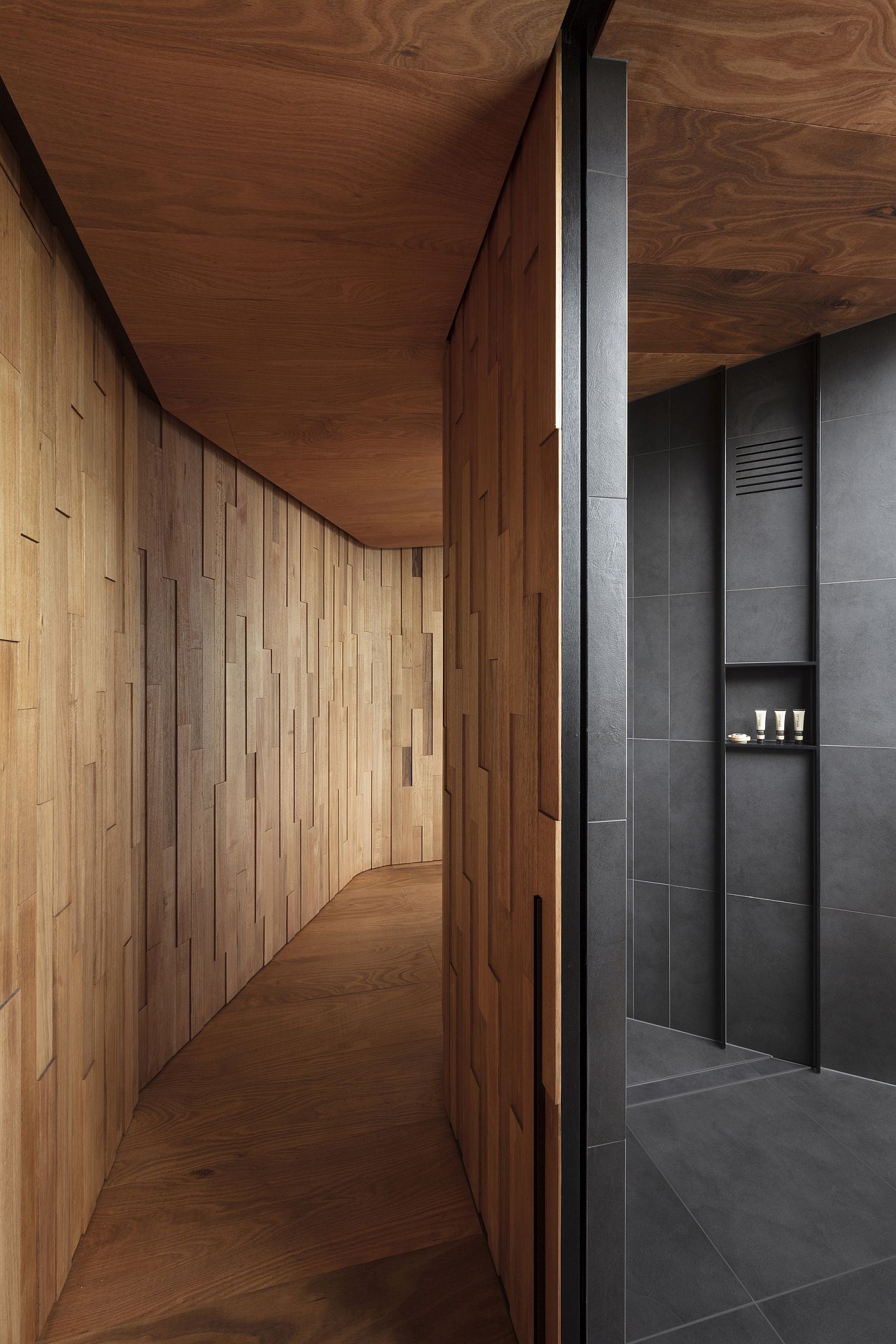
It is the Freycinet National Park and its natural beauty that make the biggest statement here as Tasmanian oak and other natural timbers that have been locally sourced shape the pavilions. One sees an overload of wood both on the inside and outside with hammocks and similar serene outdoor spaces completing the holiday experience here. Structural plywood and other cost-effective additions ensure that the project has been complete of a tight budget while making sure that environmental damage is minimized. [Photography: Dianna Snape, Alastair Bett]
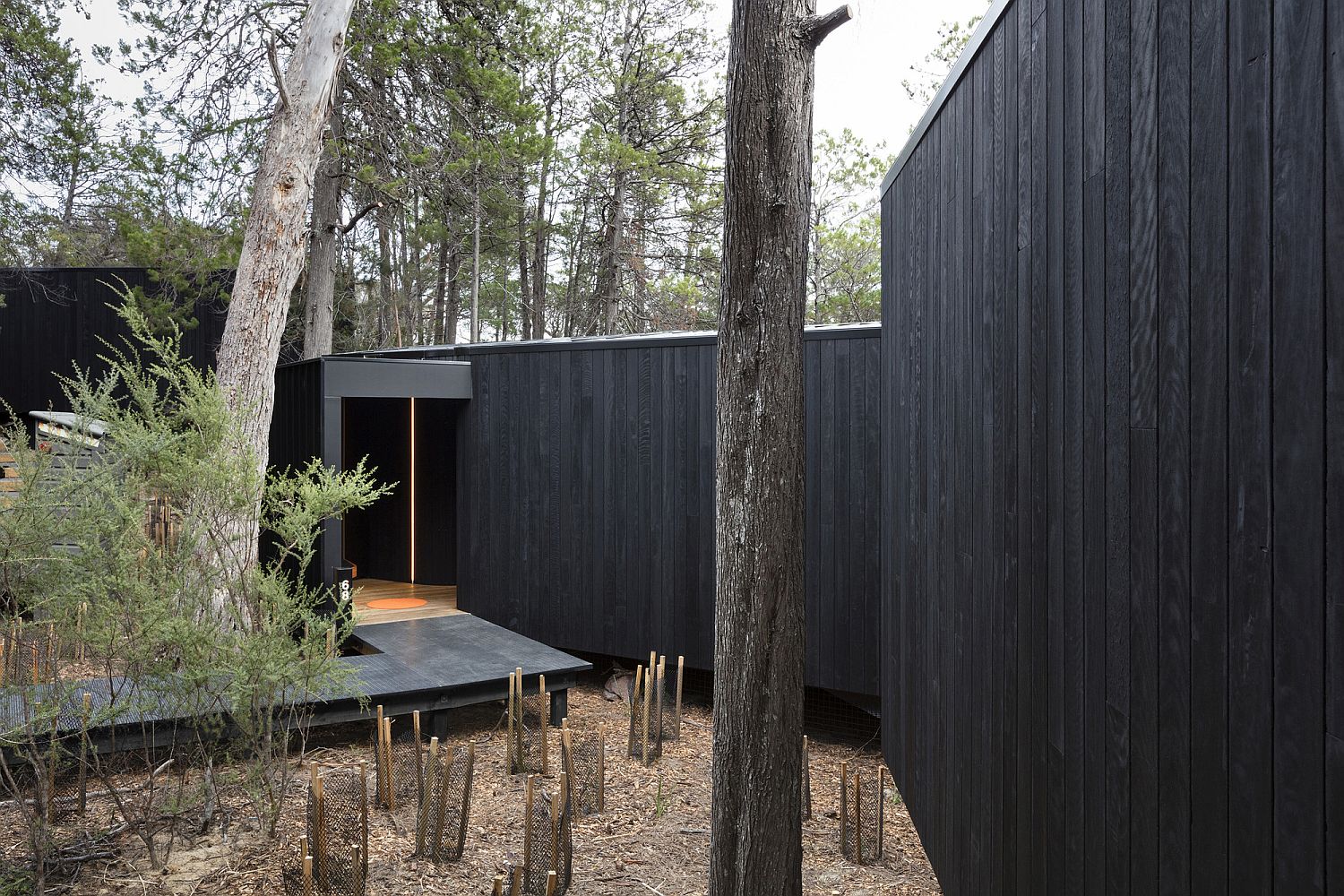
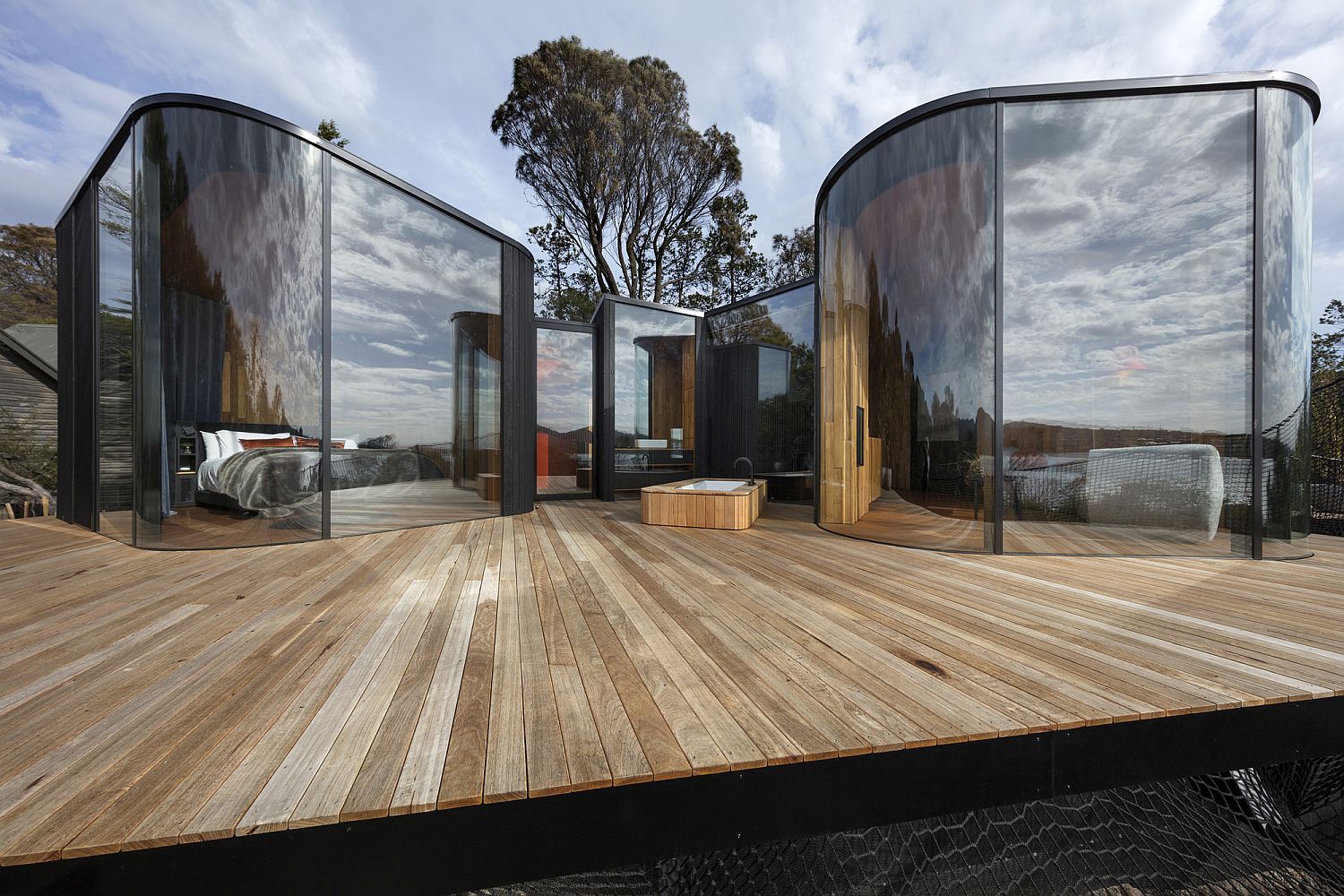
Tasmanian oak, blackwood and other locally sourced woods shape the lovely pavilions
Ultra-modern retreat design is coupled with warmth of wood
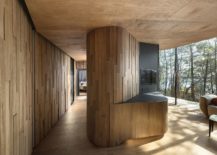
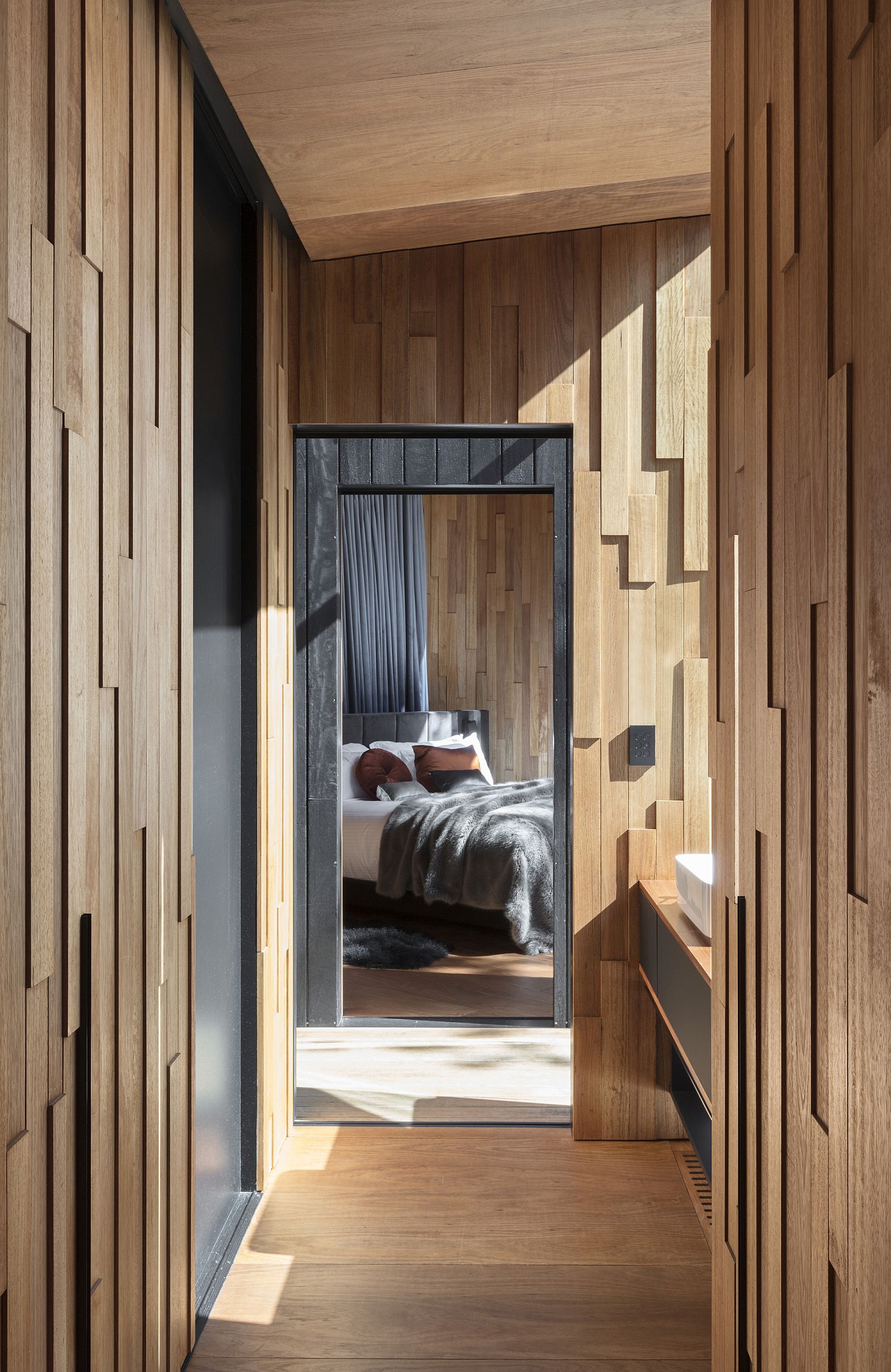
Fabulous use of locally sourced wood inside the stylish pavilions
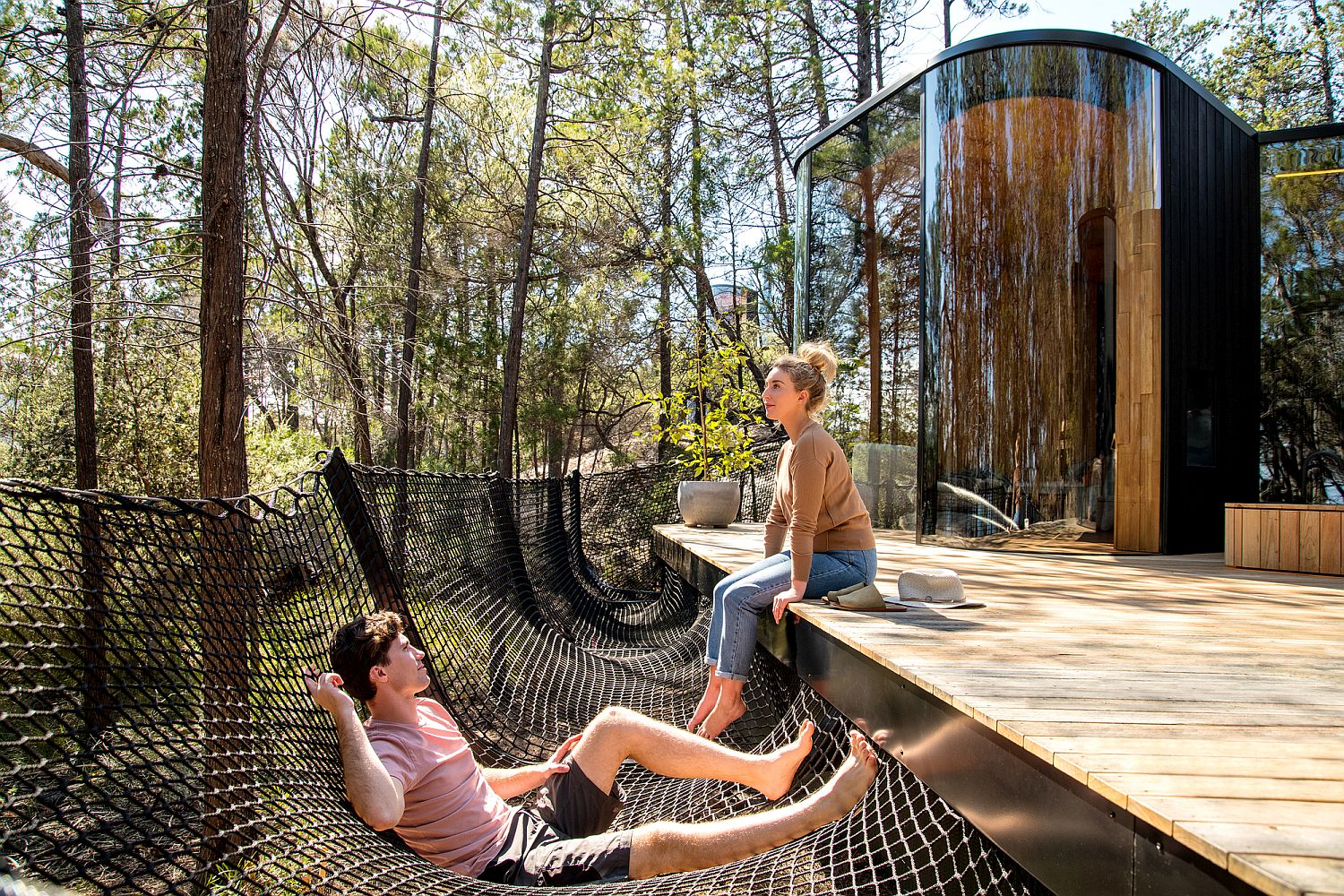
Relaxing hammock style features become a part of the escape
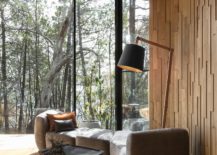
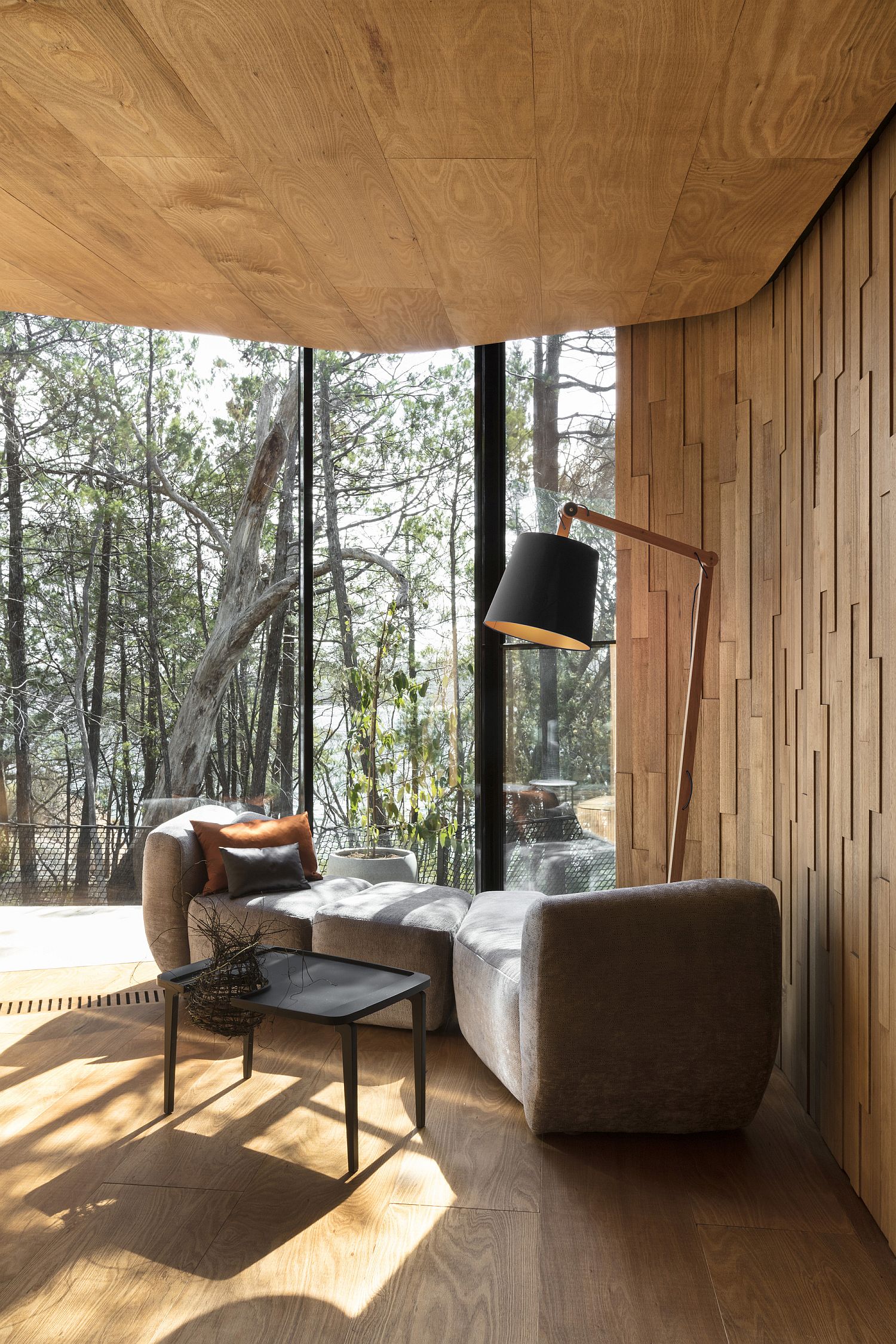
Fabulous relaxation and reading nook at the lodge

An experiential highlight is the netted, hammock-like balustrades. Recognizing the desire to retain views that a standard balustrade would interrupt, the unique solution was devised providing a novel opportunity for relaxing and enjoying the incredible setting. Liminal’s investment in community and place generating design ensures the Coastal Pavilions are an immersive, sustainable, site-specific experience for guests
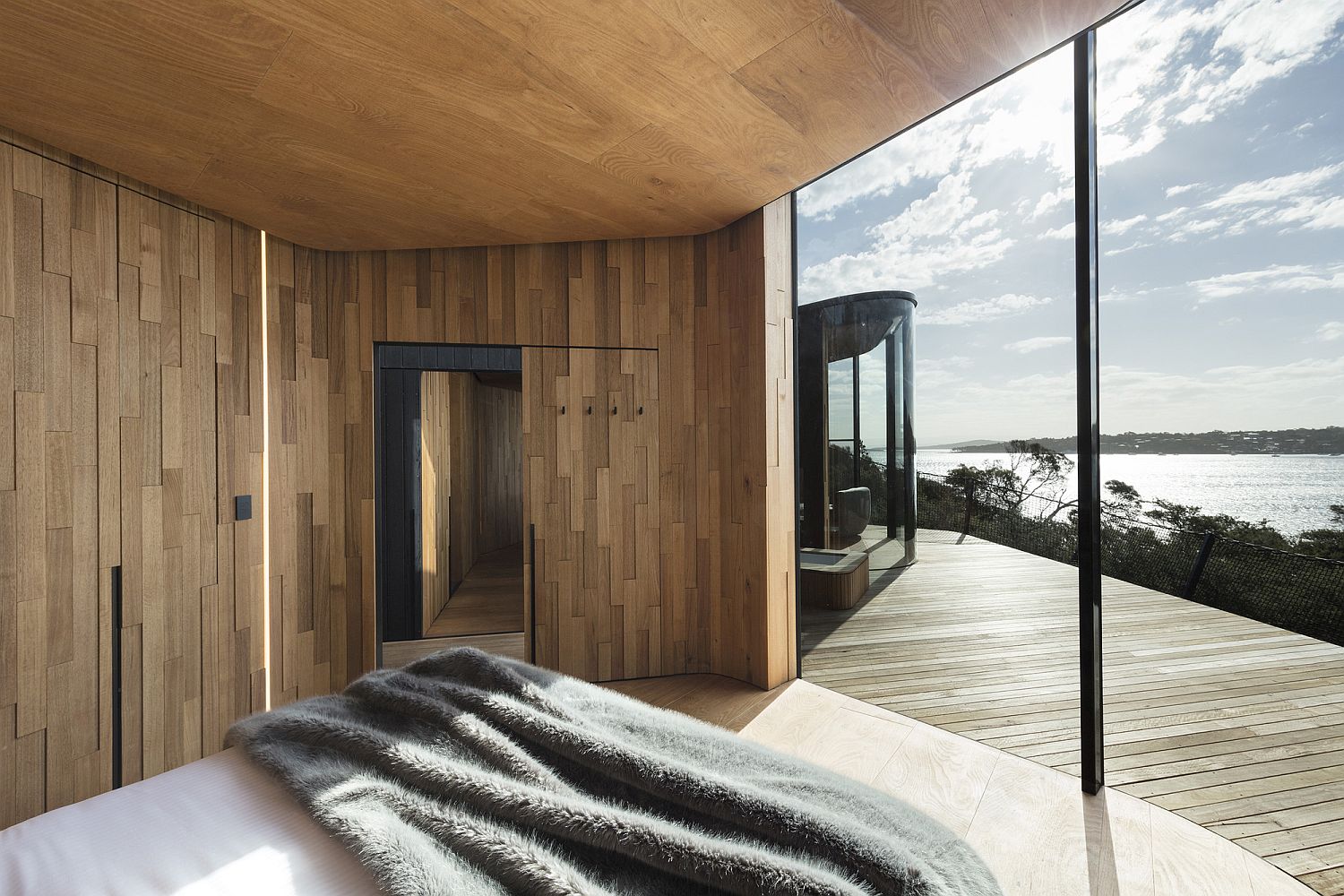
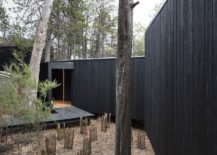
Smart design of the pavilions combines privacy with amazing ocean views
Stunning view of the coastline from the lovely retreat
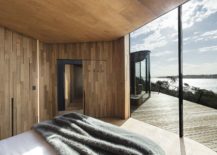
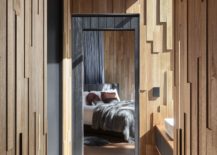
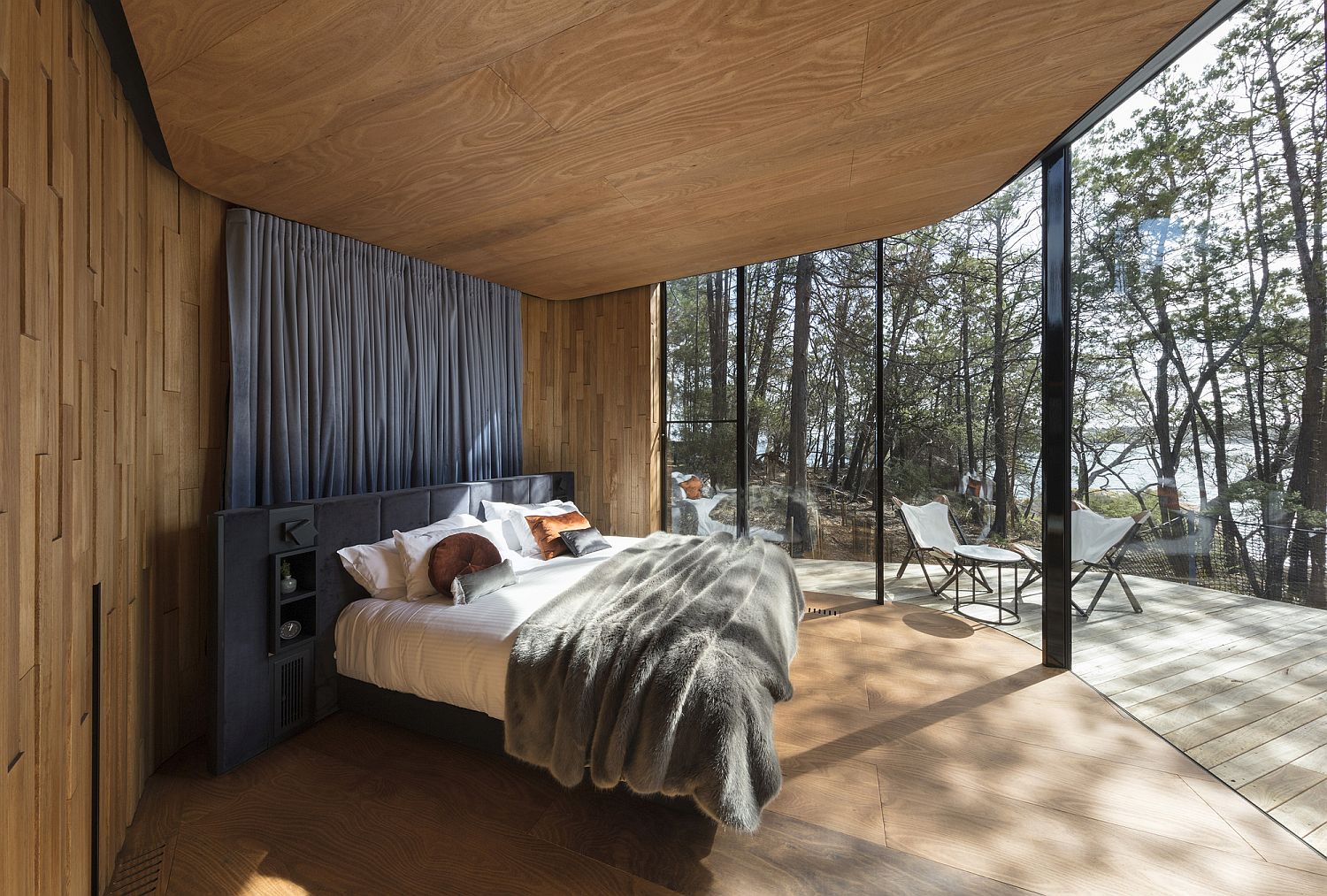
Bedrooms at the retreat connected with the outdoors
Look inside the imaginative and eco-friendly coastal pavilions
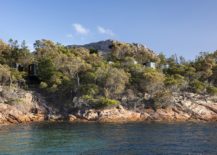
Rugged coastline beautifully hides the lodges

You’re reading Imaginative Coastal Lodge in Tasmania Brings sustainability to Serene Lifestyle, originally posted on Decoist. If you enjoyed this post, be sure to follow Decoist on Twitter, Facebook and Pinterest.

Similar Posts

  • Space-Savvy Tiny Apartment in Poland with Mezzanine Level in Black and White

    52 square meters of space might not seem like much when you are planning for your perfect home. But this gorgeous apartment in Lodz, Poland makes most of the limited room on offer as it adds to the existing room with a smart mezzanine floor. As you enter the apartment designed by 3XEL Architekci, you […]

    You’re reading Space-Savvy Tiny Apartment in Poland with Mezzanine Level in Black and White, originally posted on Decoist. If you enjoyed this post, be sure to follow Decoist on Twitter, Facebook and Pinterest.

  • Big Barn

    North of San Francisco, in Glen Ellen, a less populated part of the Napa wine country, the culture has been based on agriculture and was named for an original winery.  Jack London made this his permanent home here in the early 1900s. Drawn by the land, London believed in the redemptive qualities of rural life. Less than an hour from the City, rolling hills covered with groves of oak trees surround the downtown. The strong agricultural history has affected the built environment here with many examples of barn like houses that are confusingly morphed between the two vocabularies. On the existing footprint of a 1950’s ranch house, this family getaway evolved in response to a request for a retreat from their urban lifestyle. The atmosphere of a tack barn renovated into a bunk house on site inspired thoughts of a larger barn like typology for this main house of 3,900 square feet. The request from the client was to build in a consistent way within the rolling hills dappled with agricultural buildings. A simple, rectangular, two-story form emerged with an asymmetrical gabled roof. The shorter side of the roof faces the southwest sun and reduces heat gain to the structure. Fenestration is limited to this exposure as well and is organized like thin full height ventilation shutters that reference traditional barn building. The entry, a larger version of the vertical slit elements is recessed for shading. The fireplace and chimney, foreign to the barn typology, is displaced from the structure with glazed joints. The east side is more open to the view and morning sun. A continuous, building-sized assembly of steel sash glazing includes large sliding doors that pocket into the adjacent wall and open the kitchen to the rear terrace.  The upper zone of the main space is void of windows and reminds one of the empty shell-like spaces of barns. A large vertical wood shutter located on the southeast gable end is aligned axially with an internal access through the plan on both levels. When open at both ends, prevailing breezes flow through the mass cooling it naturally. In order to leave the hillside intact and avoid grading, the form is excavated into the site uphill and cantilevered over it downhill. A steel grated bridge connects the upper sleeping level with the hillside and tack barn above. A minimal material pallet of reclaimed redwood, corrugated Corten steel and black steel sash windows combined with integral gutters, and lack of overhangs further the minimal feeling of the construction. Inside the singular materiality is continued via California Oak for floors wall and ceilings. Radiantly heated floors and minimal cooling provided only at sleeping areas, coupled with enhanced glazing, insulation and mechanical system efficiencies mitigate energy use. PROJECT TEAM Architecture : Faulkner Architects Contractor: Redhorse Constructors Civil Engineer: Adobe Associates Structural Engineer: CFBR Structural Group Mechanical Engineer: Sugarpine Engineering Electrical Engineer: Sugarpine Engineering Geotechnical Engineer: NV5 Landscape: Michael Boucher Landscape Architecture Lighting: Ken Fulk Interior designer: Ken Fulk Theatrical/AV: SoundVision Pool Engineer: Terracon Pool Consultant: Blue Revolution Construction Project Manager: Walker Construction Management Special Inspections: PJC & Associates CALGreen: Gilleran Energy Management Irrigation Design: Dickson & Associates Arborist: Bartlett Trees PHOTOGRAPHY Joe Fletcher Photography