Inspired by Nature and Vernacular Design: Gorgeous Contemporary Canadian Chalet

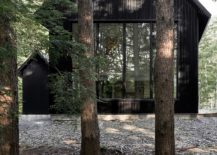
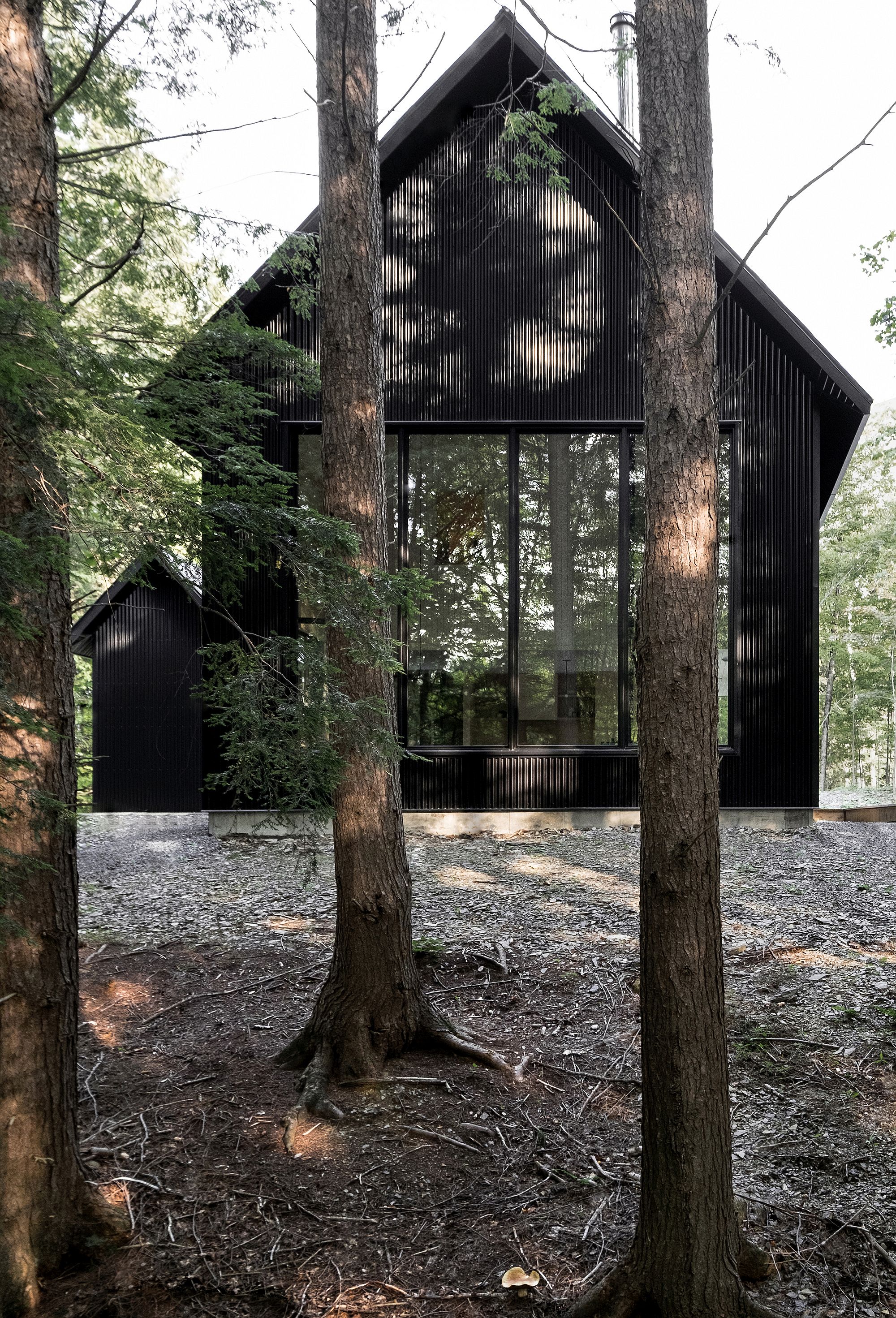
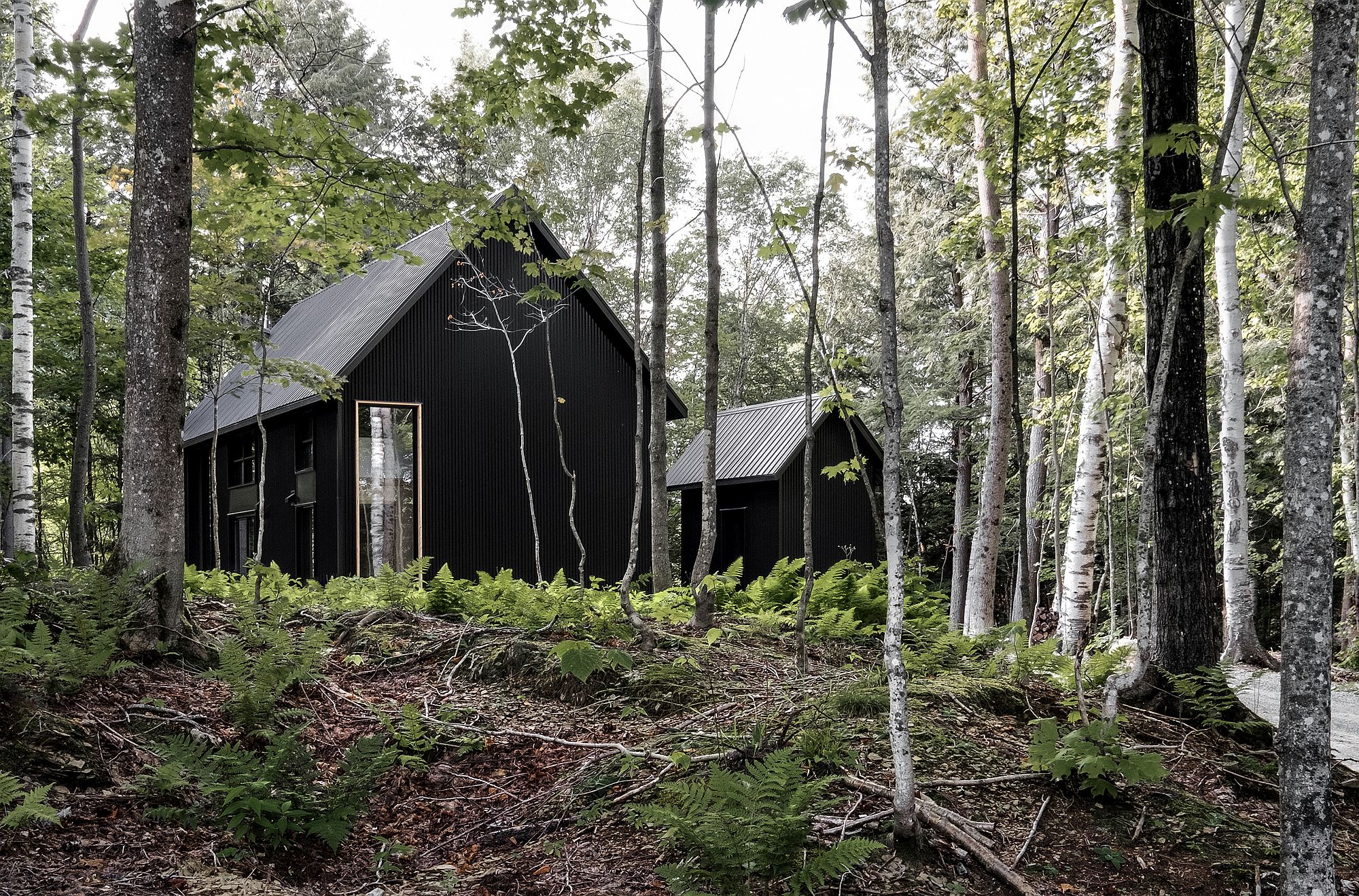
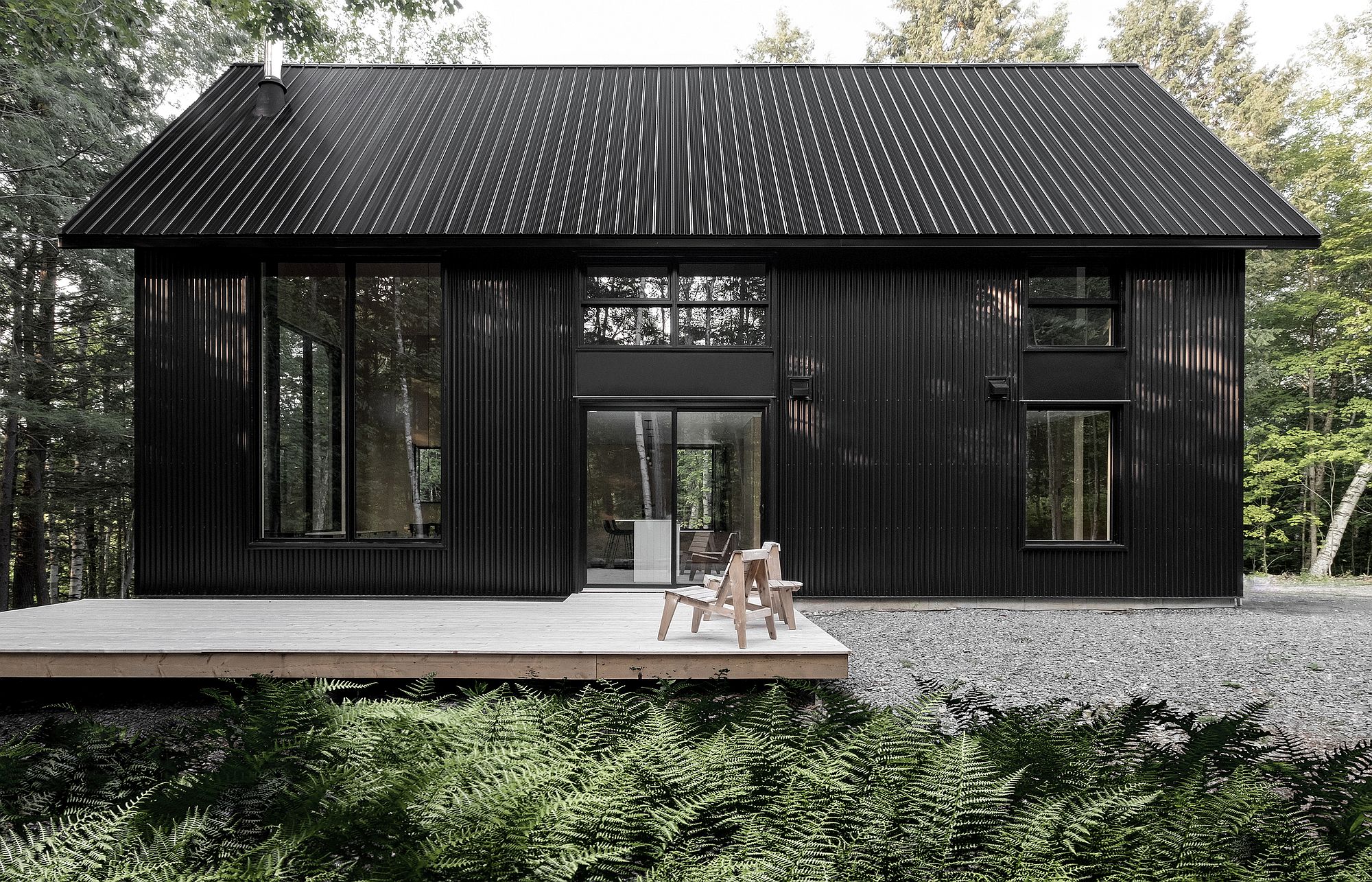
It is always good to create a dwelling that is shaped the landscape than to try the approach the other way around. This not only makes for more beautiful homes, but it also ensures that you leave a footprint that is as minimal as possible while shaping an eco-friendly setting. Nestled in a lovely wooded region of Austin, Canada, the dashing Grand-Pic Chalet designed by APPAREIL architecture is one such getaway where the scenery around the structure along with vernacular design principles helped create its overall form. With a dark exterior that seems ever so classical in its approach and a contrasting interior in white Russian plywood, this little cabin is a world of lovely contrasts indeed!
Exquisite modern chalet in the forest

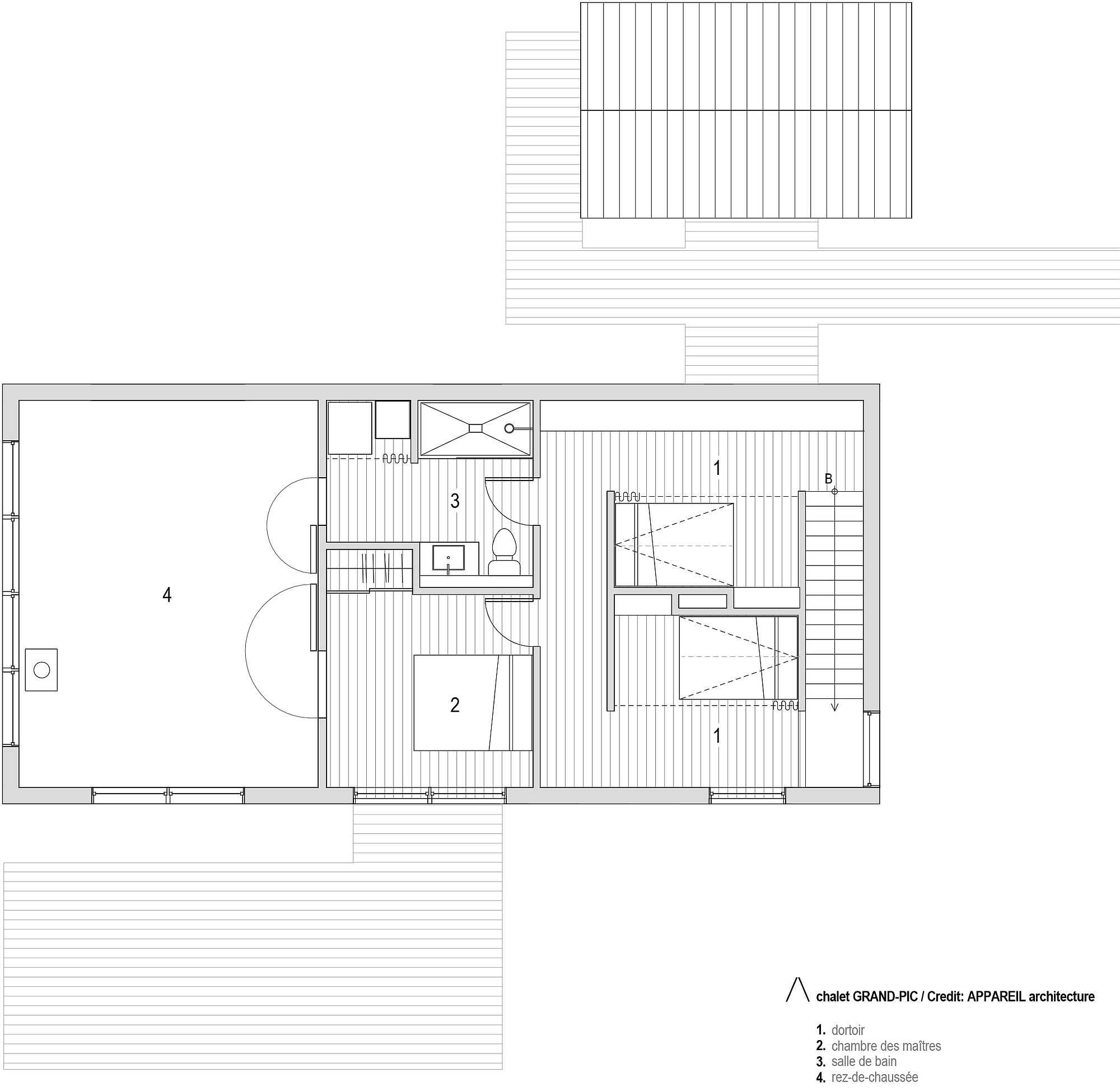
A meandering and curvy path leads to the entrance of the cabin where the platform leading to its entrance then morphs into a series of decks and walkways around it. On the inside, it is the kitchen and living area on the lower level with the bedrooms and guest sleeping spaces occupying the top level that offers wonderful views of the landscape. Despite its warm and inviting visual appeal on the outside, the cabin on the inside feels elegant, modern and even minimal at times; making it perfect for a family that loves to combine the best of rustic and urban lifestyles. [Photography: Felix Michaud]
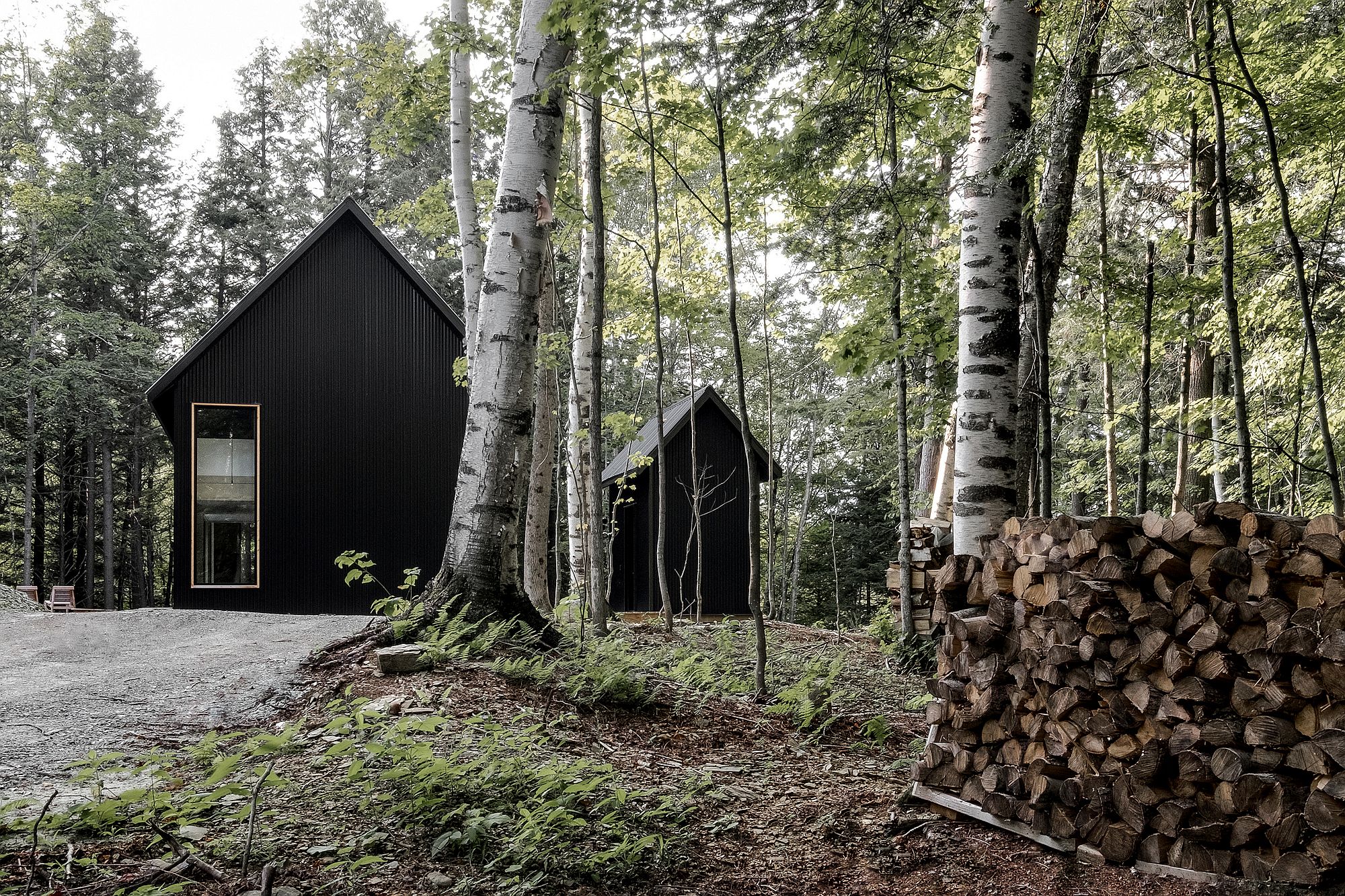
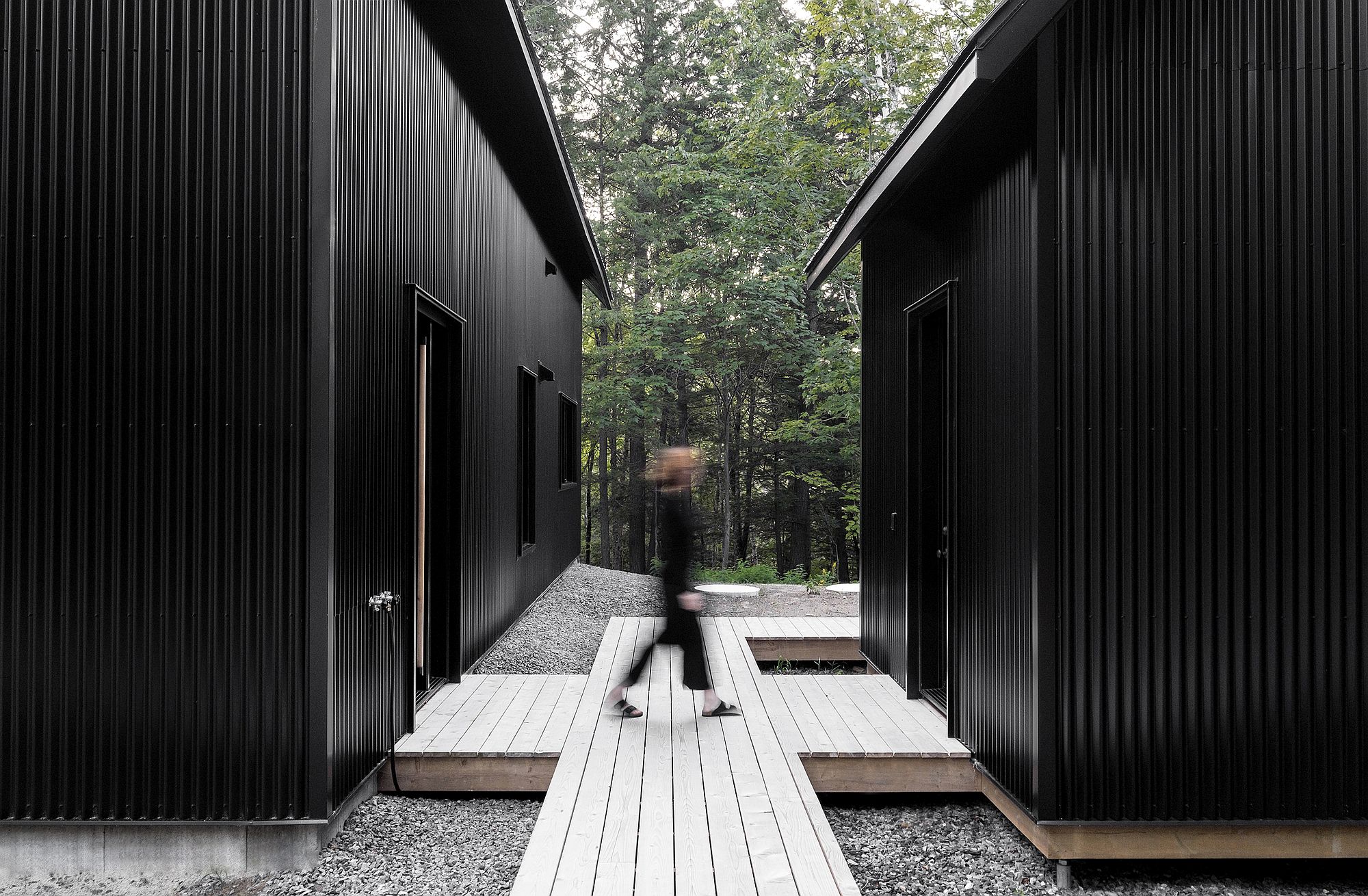
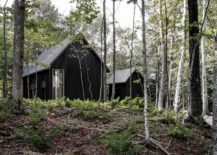
Pathway leading to the cabin meanders through lovely forest landscape
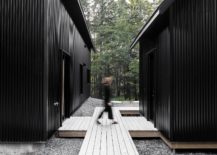
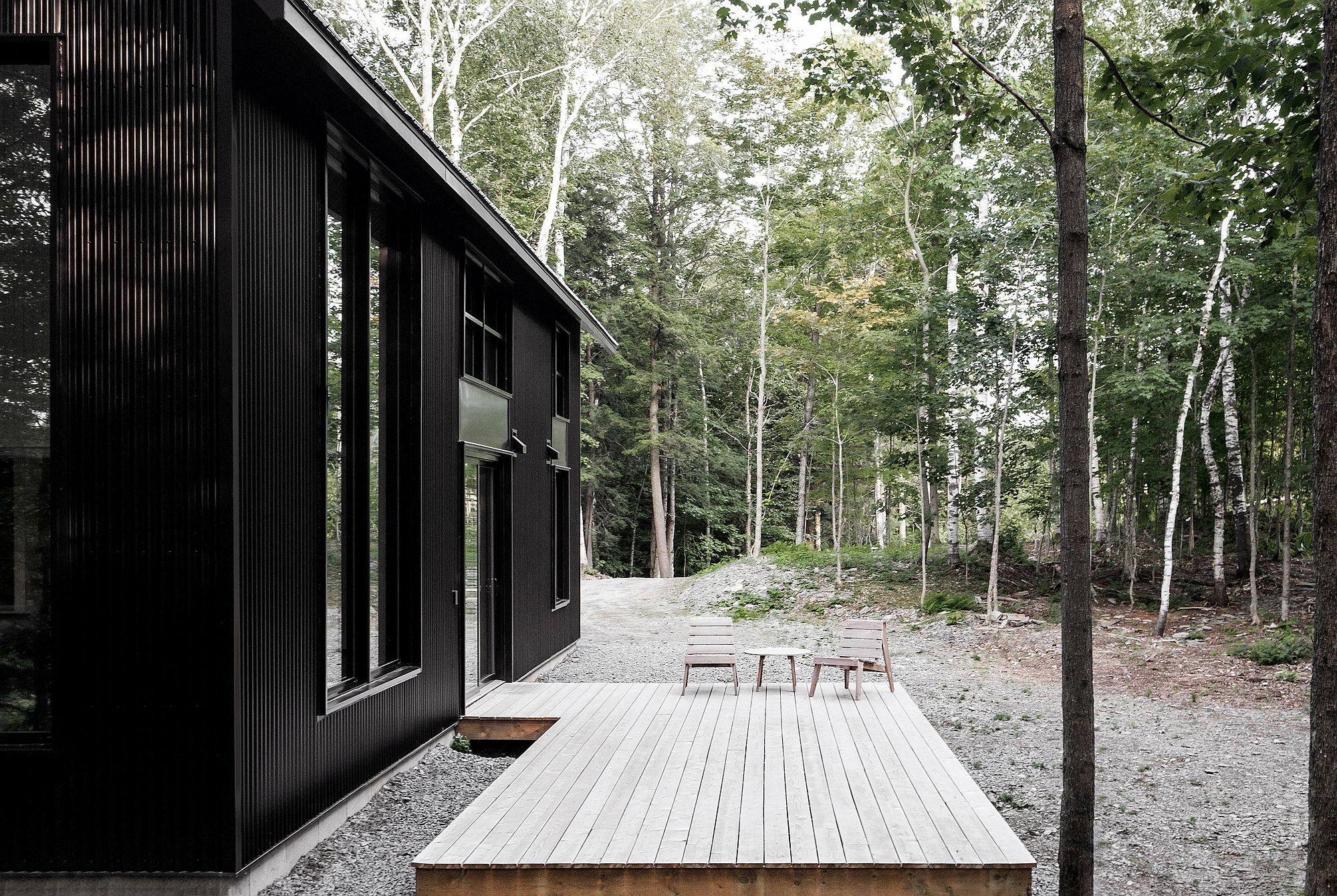
Wooden deck and walkway connect the different units of of the cabin
Dark exterior of the cabin allows it to blend in with the backdrop after sunset
Gorgeous dark exterior of the Canadian cabin in forest
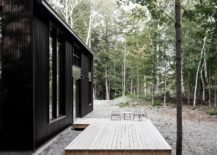
Small wooden deck outside for those who want to take in the freshness of the forest

Inspired by traditional shapes and the surrounding nature, the chalet design is a unique architecture tailor-made for its residents. The owners wanted a warm space, fit to host family and friends, in harmony with the environment, a space that breathes fresh air and replenishment. The GRAND PIC cottage offers, through simplicity and sober physicality, a unique experience of symbiosis between nature and architecture.
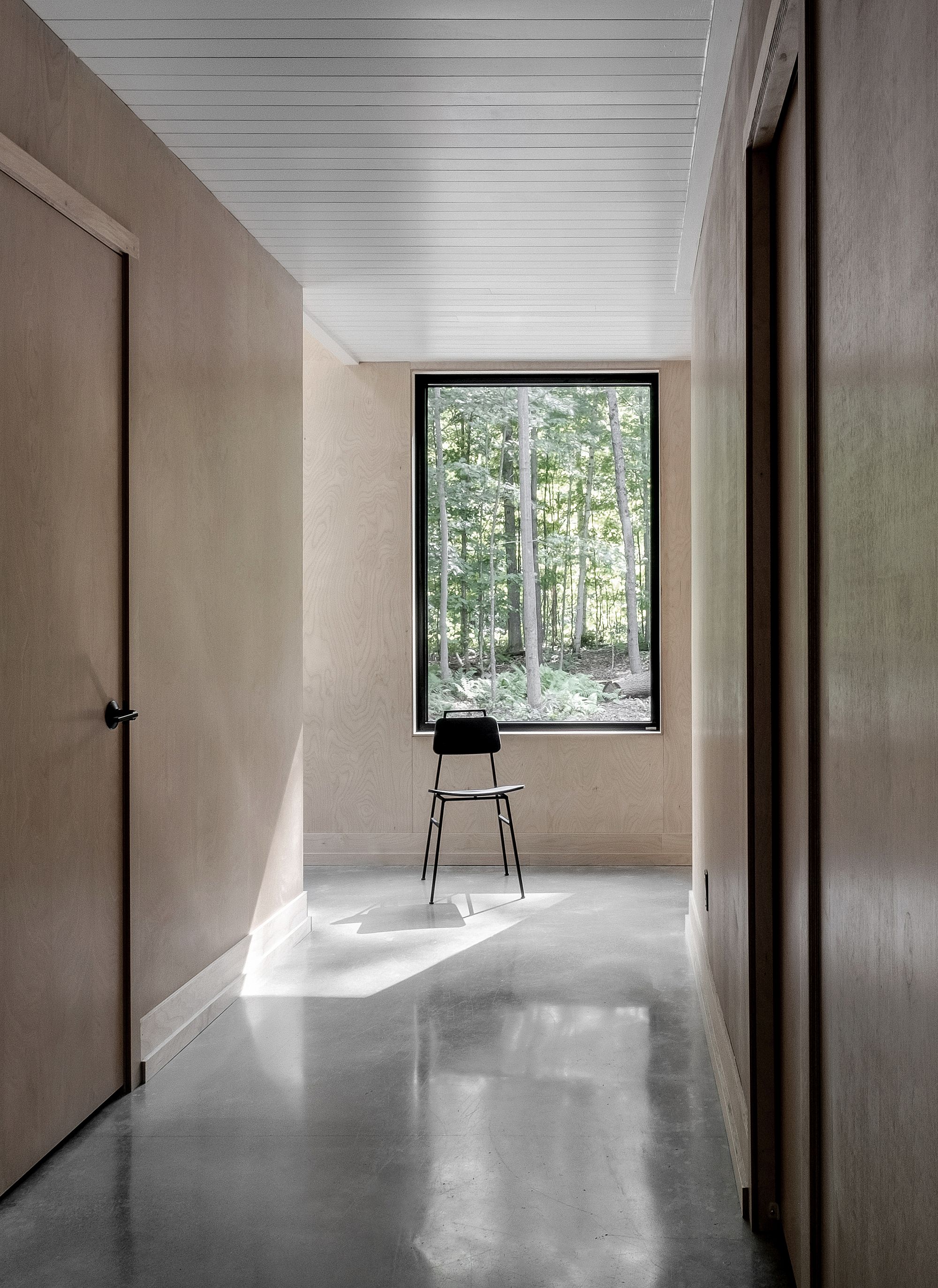
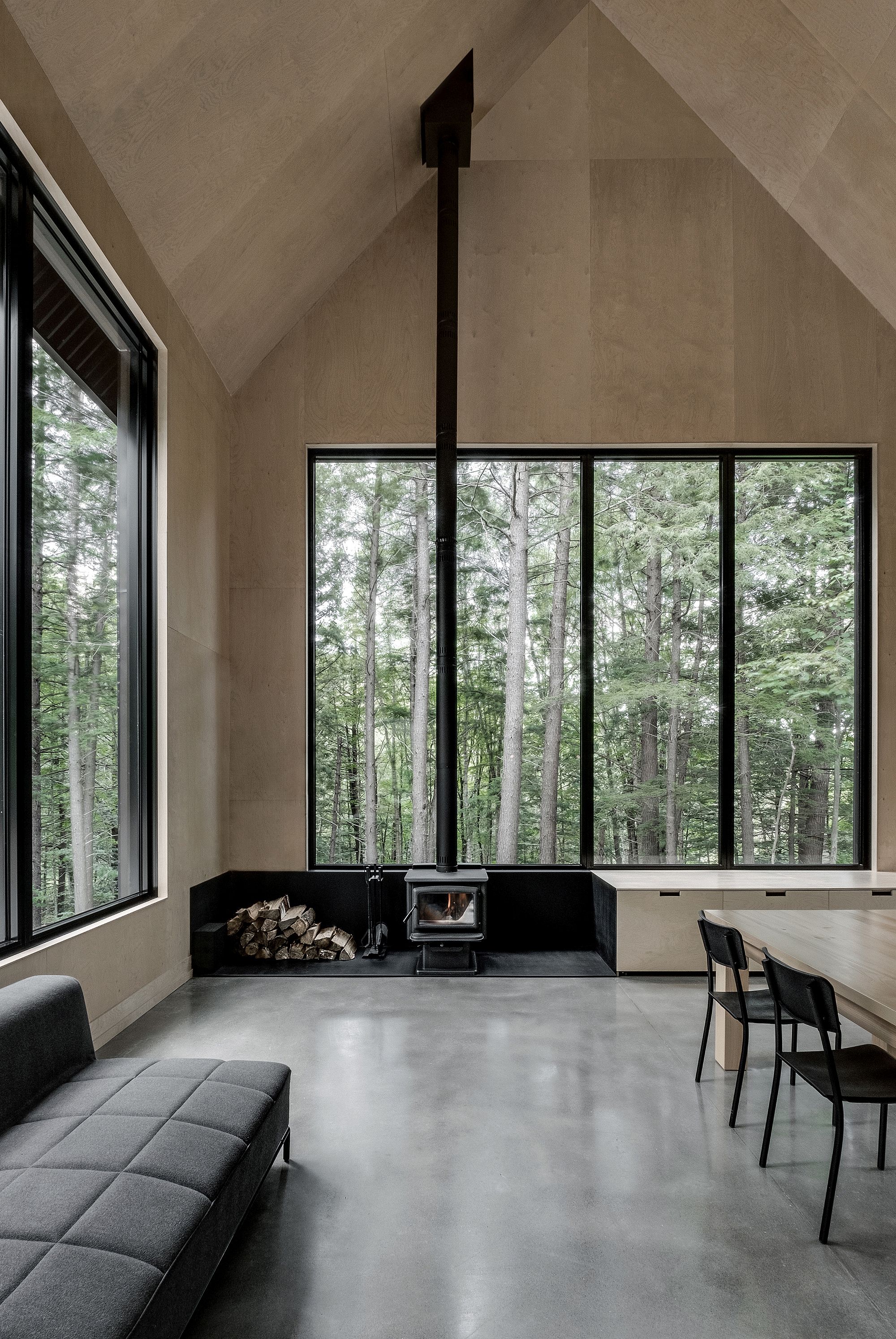
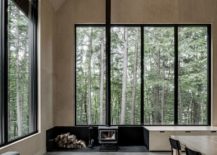
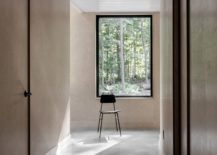
Sleek surfaces and Russian plywood shape the interior
Modern minimal interior of cabin with stunning forest views
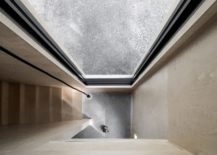
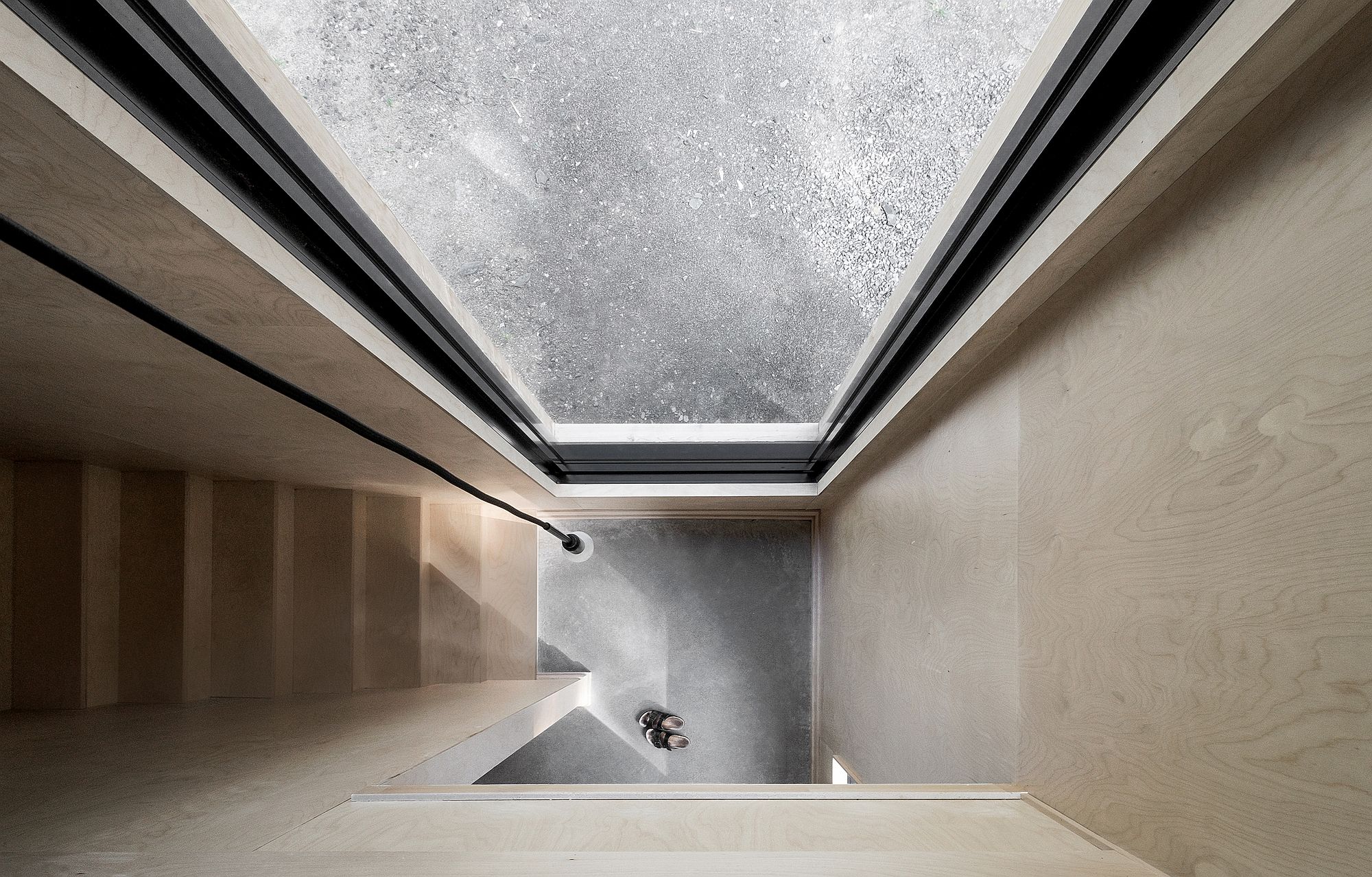
View of the narrow stairway from above
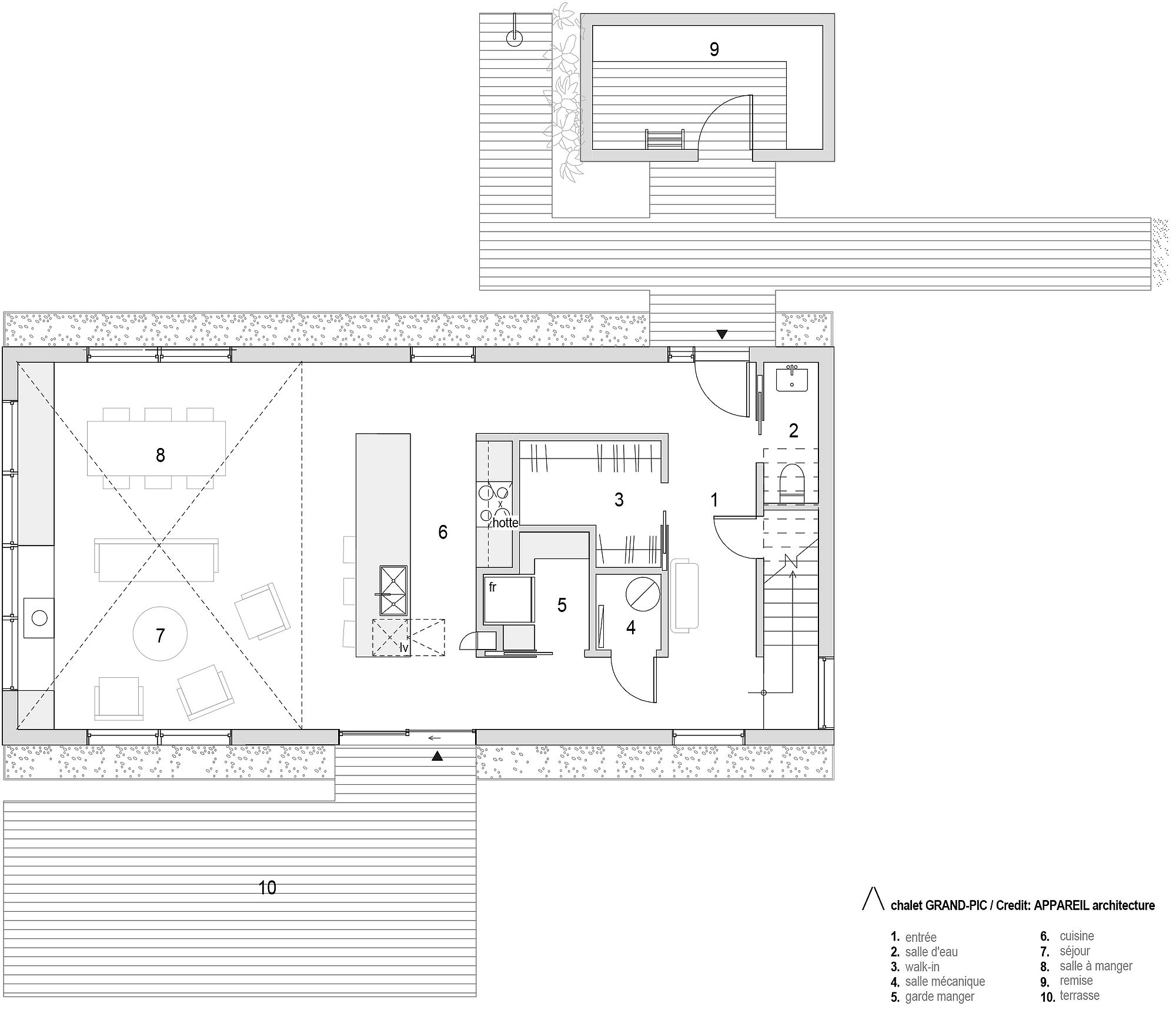
First level floor plan of Grand-Pic Chalet
Second level floor plan of Grand-Pic Chalet

You’re reading Inspired by Nature and Vernacular Design: Gorgeous Contemporary Canadian Chalet, originally posted on Decoist. If you enjoyed this post, be sure to follow Decoist on Twitter, Facebook and Pinterest.

Similar Posts

  • Tree House: Gorgeous Home Engulfed in Green and Zinc!

    Beautiful and open to the world outside using large sliding glass doors and a series of glass windows, the Tree House in Palo Alto is a contemporary home that create a relaxing and rejuvenating living environment. Designed by Aidlin Darling Design, the house was created to ensure that the focus remains firmly on the lovely […]

    You’re reading Tree House: Gorgeous Home Engulfed in Green and Zinc!, originally posted on Decoist. If you enjoyed this post, be sure to follow Decoist on Twitter, Facebook and Pinterest.

  • L7 Home

    Architects: Augusto Fernández Mas (K+A Diseño),
    Mauricio Miranda (MM Desarrollos),
    Mariel Esquivel and Cesar Cardoso. Construction: K+A Diseño Main Purveyors: MicMac, Solesdi y Venster. Interior decoration: TAI Arquitectura de Interiores Photography: Onnis Luque The linear black cabin was designed by the collaboration between Augusto Fernández Mas and Mauricio Miranda as a country house for a client with three specific demands: simple layout, low maintenance, and living quarters and public areas in one floor. RA.L7 is located within Rancho Avandaro Country Club in the outskirts of Valle de Bravo, an hour and a halve drive from Mexico City. It is a project that portrays a strong character form the outside but at the same time invites passersby to enter. In the inside, it offers a warm cabin like feeling that through its simplicity and windows facing the golf course, guides the view to the outside. The lower concrete volume ads a sense of solidity and stability to the house, and its layout divided by a garage open on both sides provides an invitation to enter. [
    The project uses the topography of the terrain to its advantage, thus generating two volumes: the upper one which encloses the living and general public areas and the bottom one encompassing the garage, technical and service areas. The outside materials are Japanese style burnt wood (Shou-sugi-ban), Canadian darkened wood, concrete, and ceramic tiles (roof) that in turn evidence the simple lines of the design. The choice of materials demands close to null maintenance.
    The west façade, which faces the street, has dark wood symmetric divisions over the main interior hallway, creating privacy at an angle and almost unrestricted view when perpendicular to them. The purpose is to allow light into the house and permit the views to the equestrian club on the other side of the street while maintaining limited exposure to passersby’s. The east façade faces the golf course, thus there is an honest openness through all glass façade with sliding window doors and complemented with a glass-roofed terrace. In attention to the requested simplicity in the layout, the linear internal distribution has four rooms laid in a sequential manner culminating with living—room, dining-room and kitchen. One dramatic hallways communicates all areas in a straight line, adding to the simplicity of the design layout. With over 650 square meters of inside space, only one internal staircase was employed to communicate with the service areas and garage. There are two accesses to the house without stairs for the owner to comfortably access. In total, the terrain is 2,200 square meters of which ___ square meters were used for the house.
    There is a comforting feeling of warmth inside, but the same time opens up to go and enjoy the outside. It is to be lived inside wanting to be outside and, once outside, feeling invited to be protected inside. The linear and simple geometry of the house is soothed by the layout of the wood beams on the ceiling and the elegant and at the same time rough aspect of the wood floor and wood paneling on the walls. RA.L7 house is one of two recent projects done by the collaboration of Augusto Fernandez and Mauricio Miranda in Rancho Avandaro. Augusto Fernandez, through its K+A Diseño firm, is an active architect and constructor in Valle de Bravo with several country homes competed in the last years. Photography is by Onnis Luque.