|

National Geographic’s ‘Museum of Exploration’ Will Open Its Doors This Summer

Rendering of the exterior front courtyard of the renovated National Geographic Society headquarters and Museum of Exploration.Rendering of the exterior front courtyard of the renovated National Geographic Society headquarters and Museum of Exploration.

Rendering of the exterior front courtyard of the renovated National Geographic Society headquarters and Museum of Exploration.

After nearly four years of anticipation, the National Geographic Society will finally unveil its Museum of Exploration and remodeled global headquarters on June 26, 2026. Based in Washington, D.C., the site will comprise more than 100,000 square feet of new public space, all while taking guests on a sprawling adventure through the natural world—and, of course, all the wonders it holds.

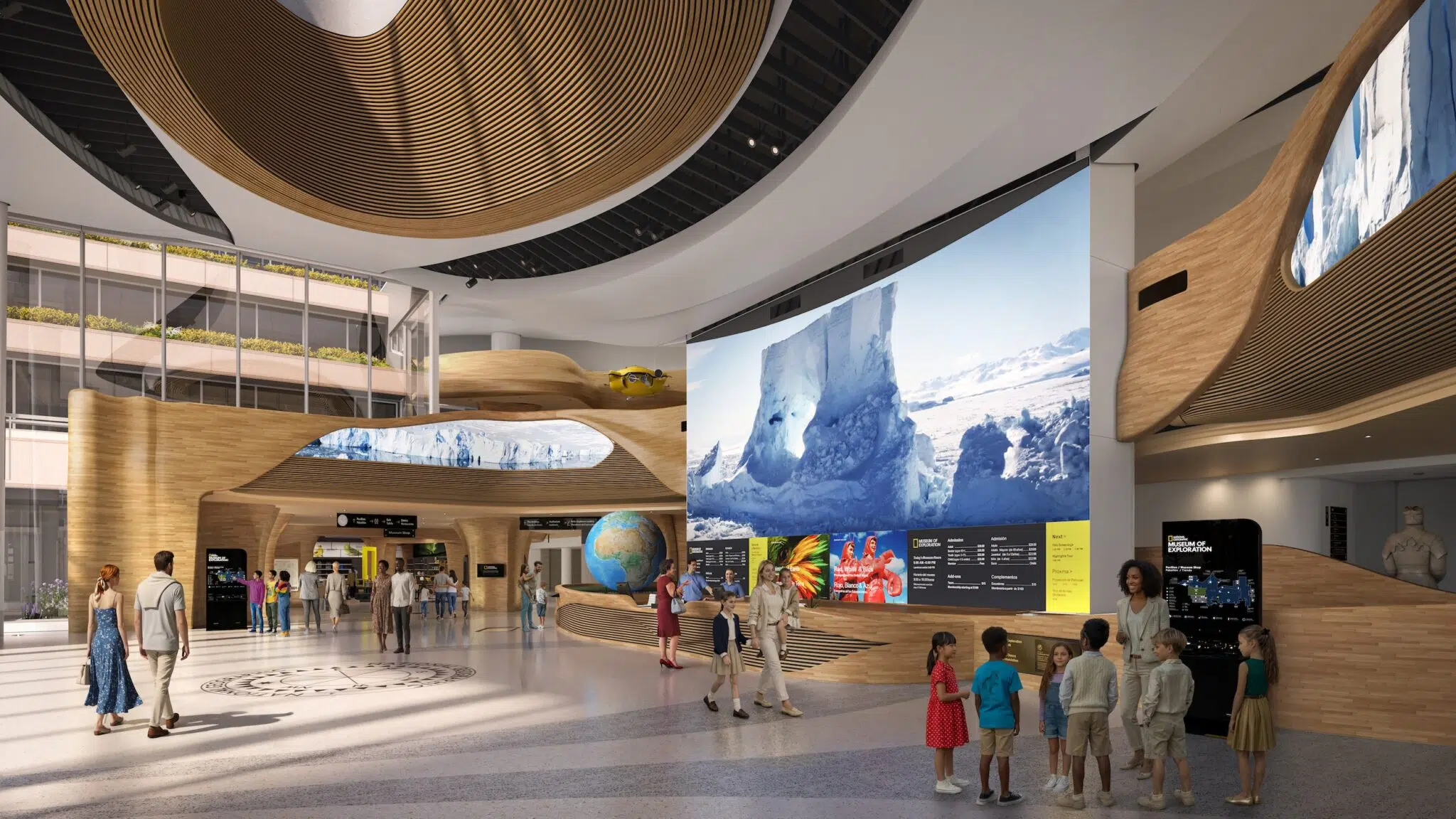
The Museum of Exploration (MOE) will be nestled on the 130-year-old National Geographic campus, which is also undergoing revitalization thanks to dedicated fundraising, donor contributions, and a massive gift from Rolex originally made in 2023. On its exterior, MOE boasts a swooping architectural silhouette, greeting visitors with a grand entrance and outdoor pavilion with ample seating and greenery. Completing the entryway is the organization’s iconic rectangle logo, cleverly framing the museum and encouraging visitors to snap pictures within its yellow borders. Stepping inside reveals equally fluid forms, paired with wooden details and other organic elements that complement National Geographic’s environmentalist mission.

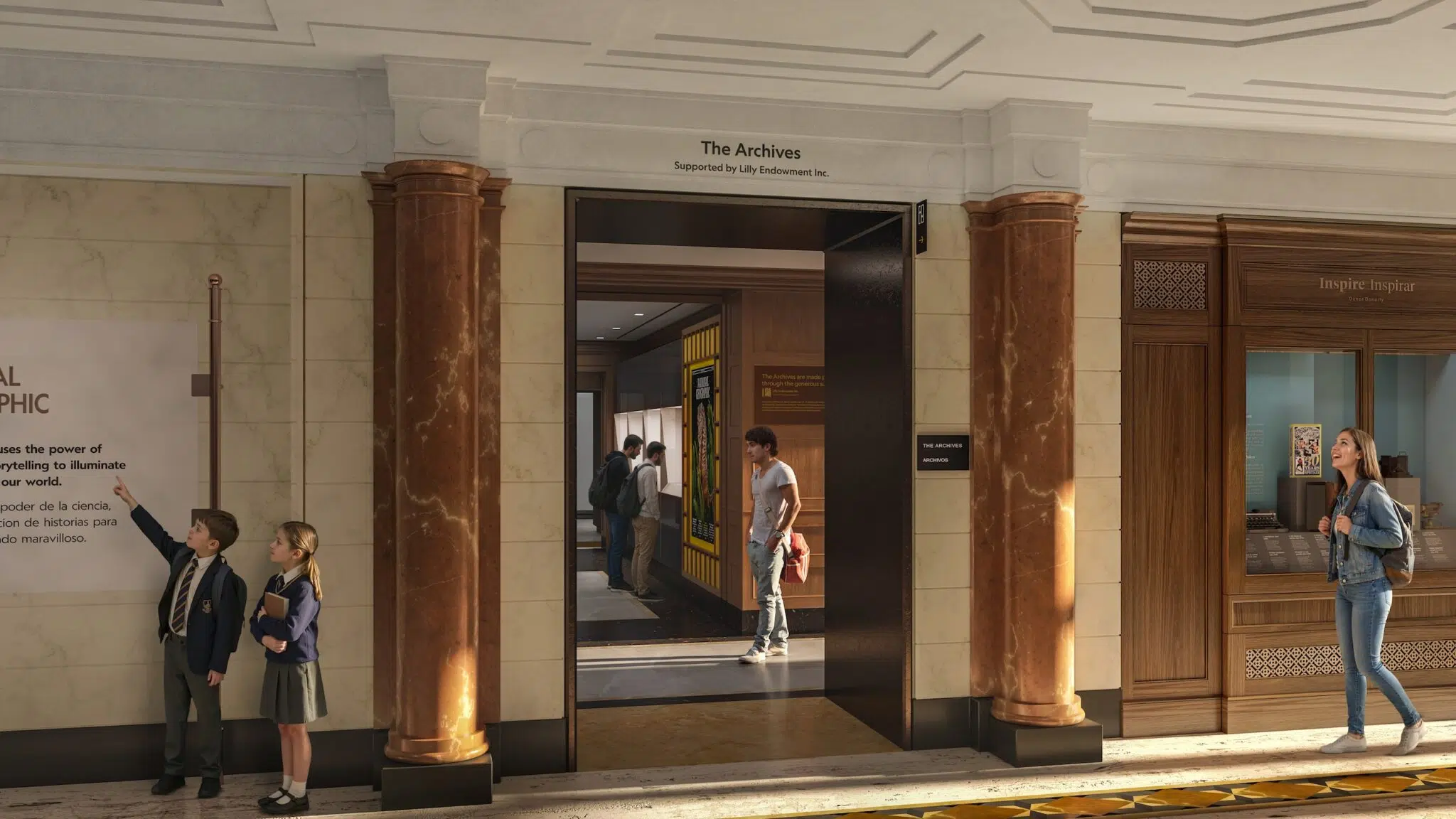
But what really distinguishes MOE is its treasure trove of galleries and exhibitions. For the first time, National Geographic will showcase more than a century’s worth of archival materials, offering an unprecedented glimpse into the organization’s history, its various global expeditions, and how its visual storytelling has evolved through its photography and magazines. One room, for instance, gathers several maps designed by National Geographic’s artists and cartographers, while another investigates the organization’s filmmaking process with behind-the-scenes perspectives. Interactive elements expand the exhibition’s scope, allowing guests to engage with a digital research station that harbors over 300 photos, film clips, artifacts, and sound recordings.

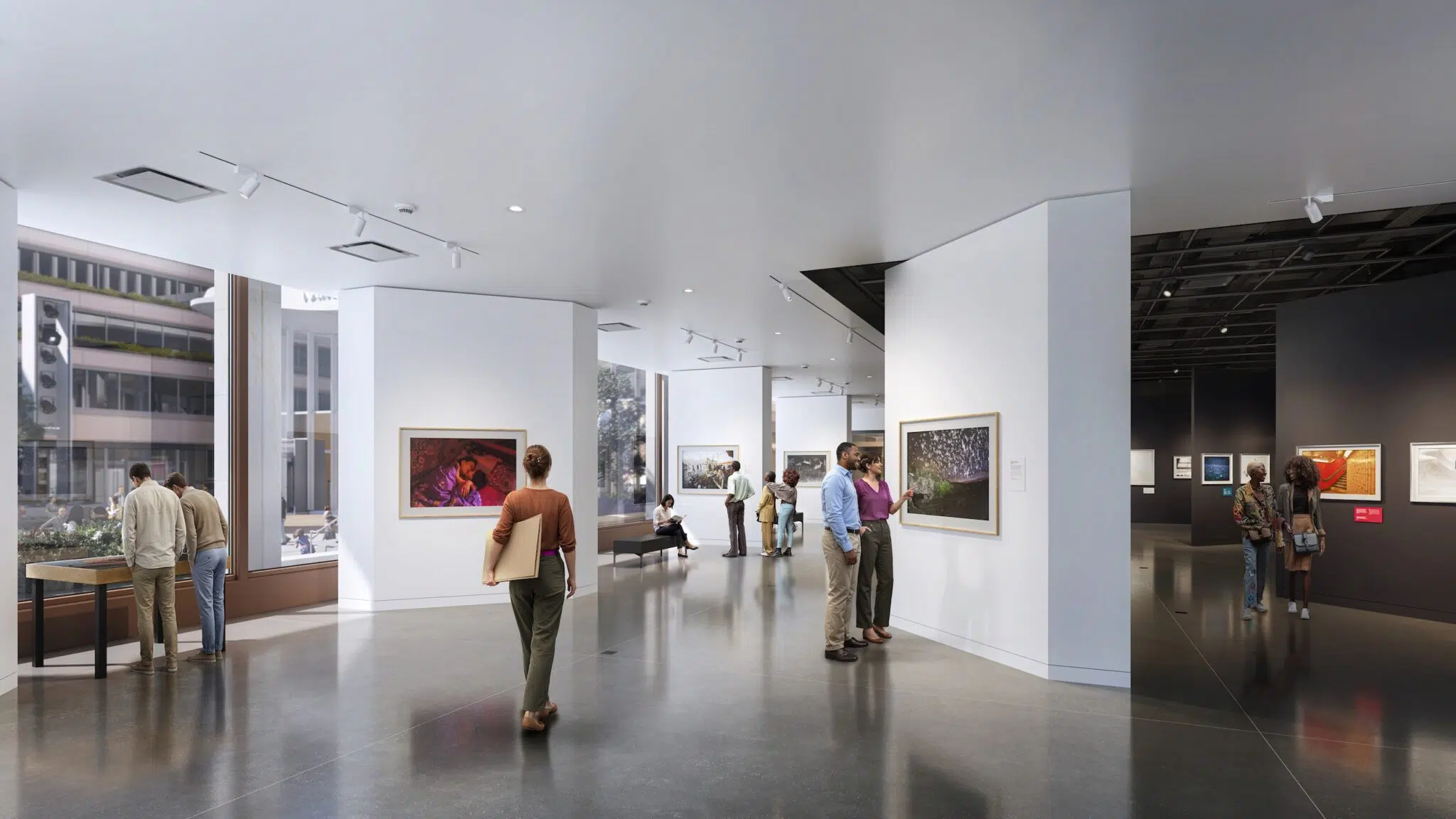
Also featured is the Rolex Explorers Landing, where visitors can meet a diverse range of National Geographic Explorers. The gallery is organized into four thematic sections, including “Spark,” “Trek,” “Purpose,” and “Impact,” and highlights the people, stories, and artifacts at the heart of the organization’s renowned Explorers program. Elsewhere, In Focus: Photographs of National Geographic provides a meticulously curated collection of National Geographic’s most influential images, ranging from George Shiras’ first photo of wildlife taken at night to Ami Vitale’s emotive photo of the last male northern white rhinoceros. Similarly, MOE will also debut with the temporary exhibition Photo Ark: Animals of Earth, encompassing wildlife portraits taken by Joel Sartore.

“The Museum of Exploration is where our legacy of storytelling meets the experiential technology of today, inviting everyone to step into the worlds of National Geographic Explorers,” Jill Tiefenthaler, CEO of the National Geographic Society, said of MOE. “Every inch is designed to immerse visitors in Explorers’ journeys, the tools that move exploration forward, and the curiosity that drives our mission to illuminate and protect the wonder of our world.​​​​‌‍​‍​‍‌‍‌​‍‌‍‍‌‌‍‌‌‍‍‌‌‍‍​‍​‍​‍‍​‍​‍‌​‌‍​‌‌‍‍‌‍‍‌‌‌​‌‍‌​‍‍‌‍‍‌‌‍​‍​‍​‍​​‍​‍‌‍‍​‌​‍‌‍‌‌‌‍‌‍​‍​‍​‍‍​‍​‍‌‍‍​‌‌​‌‌​‌​​‌​​‍‍​‍​‍‌‍‍‌‍‌‌‌‌‌​​‍‌‌‍​‌‍‌‌​​‍‍‌‍‍‌‍​‌‌‌​‌‍‍‌‌‍‌‍‍‌‍​‌‌‍​‌‍‌‌‍‌‌‌‍‌‍‌‌​‍‌‍​‌‌​​‌‍‍​‌‍‍‌‌‍​​‍‍‌‍‌​‍‌‍‌​‍‌‍‍‌‌‍‍‌‌​‌‍‌‌‌‍‍‌‌​​‍‌‍‌‌‌‍‌​‌‍‍‌‌‌​​‍‌‍‌‌‍‌‍‌​‌‍‌‌​‌‌​​‌​‍‌‍‌‌‌​‌‍‌‌‌‍‍‌‌​‌‍​‌‌‌​‌‍‍‌‌‍‌‍‍​‍‌‍‍‌‌‍‌​​‌​​​‌‍​‌​‌​​​​​​‍​‌‌‍​‌‌‍‌‍​‍‌​​‌​​‌‌‍​‌‍‌‍​‍‌​‌​‌‍​‌​‌​​​‍​‍‌​‍‌​​‌‌‍‌‌‌‍​‌​‍‌​‌‌​‌‍‌‍‌‌​‌​​​‌‌‍‌‌‌‍‌‌‌‍‌‍​‌‌‍​‍​​‍‌‍‌​​‍‌‌​‌‍‌‌​​‌‍‌‌​‌‌‍‍‌‍‌‌‌‌‌​‌‌‌‍​‌‌​‍‌‌​‌‍‍‌‌‍​‌‍​‌‍‌‌​‍‌​​‌‍​‌‌‌​‌‍‍​​‌‌‍‌‌‍‌‌‌​‌​‌‍​‌‌‍‌‌‍‌‌‌​​‍‌‍‌‍‌​‌‍‌​‍‌‌​‌‌‌​​‍‌‌‌‍‍‌‍‌‌‌‍‌​‍‌‌​​‌​‌​​‍‌‌​​‌​‌​​‍‌‌​​‍​​‍​​​​​‌‍‌‍​‌​​‌​​​‌‍‌‍​‌‌‍​​​‌​​​​​‍‌‌​​‍​​‍​‍‌‌​‌‌‌​‌​​‍‍‌​‌‌‌‌‌‍‌‌​‌‍‌‌​‌‍​‍‌‍​‌‌​‌‍‌‌‌‌‌‌‌​‍‌‍​​‌‌‍‍​‌‌​‌‌​‌​​‌​​‍‌‌​​‌​​‌​‍‌‌​​‍‌​‌‍​‍‌‌​​‍‌​‌‍‌‍‍‌‍‌‌‌‌‌​​‍‌‌‍​‌‍‌‌​​‍‍‌‍‍‌‍​‌‌‌​‌‍‍‌‌‍‌‍‍‌‍​‌‌‍​‌‍‌‌‍‌‌‌‍‌‍‌‌​‍‌‍​‌‌​​‌‍‍​‌‍‍‌‌‍​​‍‍‌‍‌​‍‌‍‌​‍‌‍‌‍‍‌‌‍‌​​‌​​​‌‍​‌​‌​​​​​​‍​‌‌‍​‌‌‍‌‍​‍‌​​‌​​‌‌‍​‌‍‌‍​‍‌​‌​‌‍​‌​‌​​​‍​‍‌​‍‌​​‌‌‍‌‌‌‍​‌​‍‌​‌‌​‌‍‌‍‌‌​‌​​​‌‌‍‌‌‌‍‌‌‌‍‌‍​‌‌‍​‍​​‍‌‍‌​​‍‌‍‌‌​‌‍‌‌​​‌‍‌‌​‌‌‍‍‌‍‌‌‌‌‌​‌‌‌‍​‌‌​‍‌‌​‌‍‍‌‌‍​‌‍​‌‍‌‌​‍‌‍‌​​‌‍​‌‌‌​‌‍‍​​‌‌‍‌‌‍‌‌‌​‌​‌‍​‌‌‍‌‌‍‌‌‌​​‍‌‍‌‍‌​‌‍‌​‍‌‌​‌‌‌​​‍‌‌‌‍‍‌‍‌‌‌‍‌​‍‌‌​​‌​‌​​‍‌‌​​‌​‌​​‍‌‌​​‍​​‍​​​​​‌‍‌‍​‌​​‌​​​‌‍‌‍​‌‌‍​​​‌​​​​​‍‌‌​​‍​​‍​‍‌‌​‌‌‌​‌​​‍‍‌​‌‌‌‌‌‍‌‌​‌‍‌‌​‍‌‍‌​​‌‍‌‌‌​‍‌​‌​​‌‍‌‌‌‍​‌‌​‌‍‍‌‌‌‍‌‍‌‌​‌‌​​‌‌‌‌‍​‍‌‍​‌‍‍‌‌​‌‍‍​‌‍‌‌‌‍‌​​‍​‍‌‌”

To ensure maximum accessibility, exhibition signage throughout the museum will be available in English and Spanish, with Braille messaging in both languages available at key wayfinding points. Captioning, visual descriptions, and ASL are also featured in media. General admission for MOE starts at $29.99 for adults, though National Geographic is partnering with Museums for All to offer discounted admission to visitors who qualify.

To learn more and plan your own visit, check out the Museum of Exploration website and stay updated via the MOE Instagram.

On June 26, 2026, the National Geographic Society will open the Museum of Exploration in Washington, D.C.
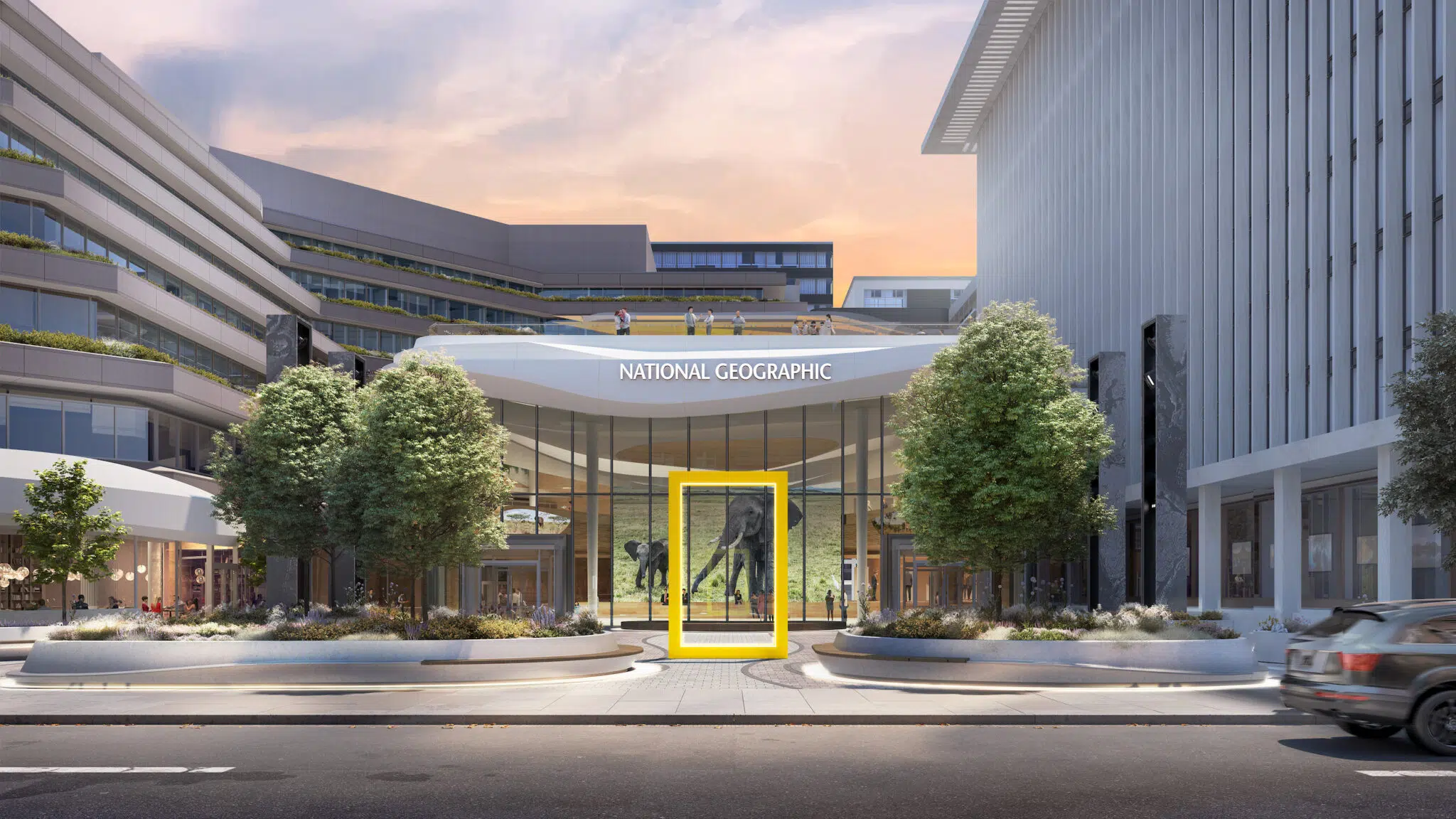
Rendering of the exterior front courtyard of the renovated National Geographic Society headquarters and Museum of Exploration.Rendering of the exterior front courtyard of the renovated National Geographic Society headquarters and Museum of Exploration.
Rendering of the exterior front courtyard of the renovated National Geographic Society headquarters and Museum of Exploration.

Rendering of the museum’s pavilion.Rendering of the museum’s pavilion.

Rendering of the museum’s outdoor pavilion.
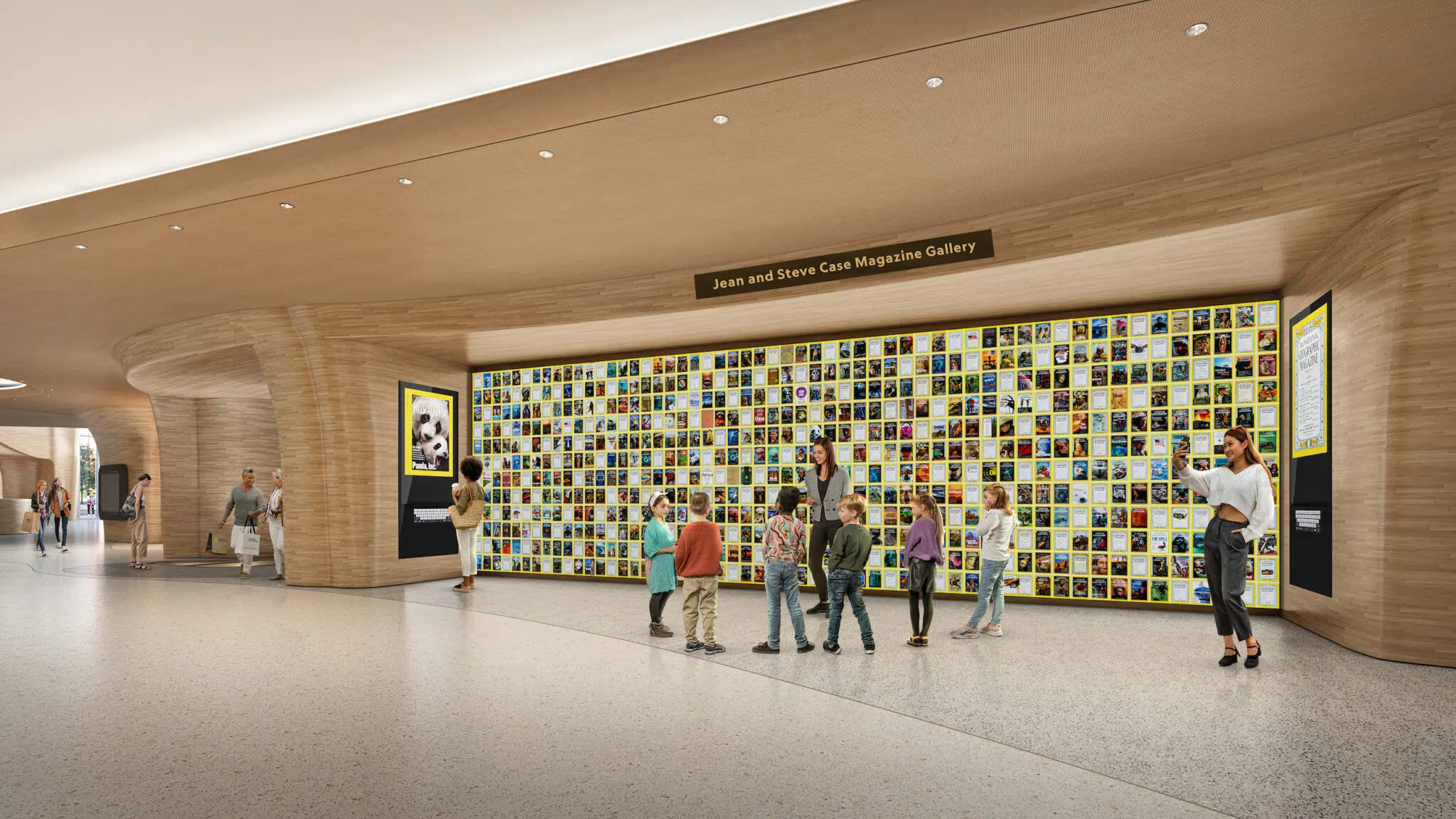
Rendering of the museum’s Magazine Gallery.Rendering of the museum’s Magazine Gallery.
Rendering of the museum’s Magazine Gallery.

Rendering of the museum’s archives section.Rendering of the museum’s archives section.

Rendering of the museum’s archives section.

The museum, which will be nestled on the organization’s 130-year-old campus, will offer visitors an unprecedented glimpse into National Geographic’s history, its photographic archives, its Explorers program, and more.

Rendering of the exterior front courtyard of the renovated National Geographic Society headquarters and Museum of Exploration.Rendering of the exterior front courtyard of the renovated National Geographic Society headquarters and Museum of Exploration.
Rendering of the exterior front courtyard of the renovated National Geographic Society headquarters and Museum of Exploration.

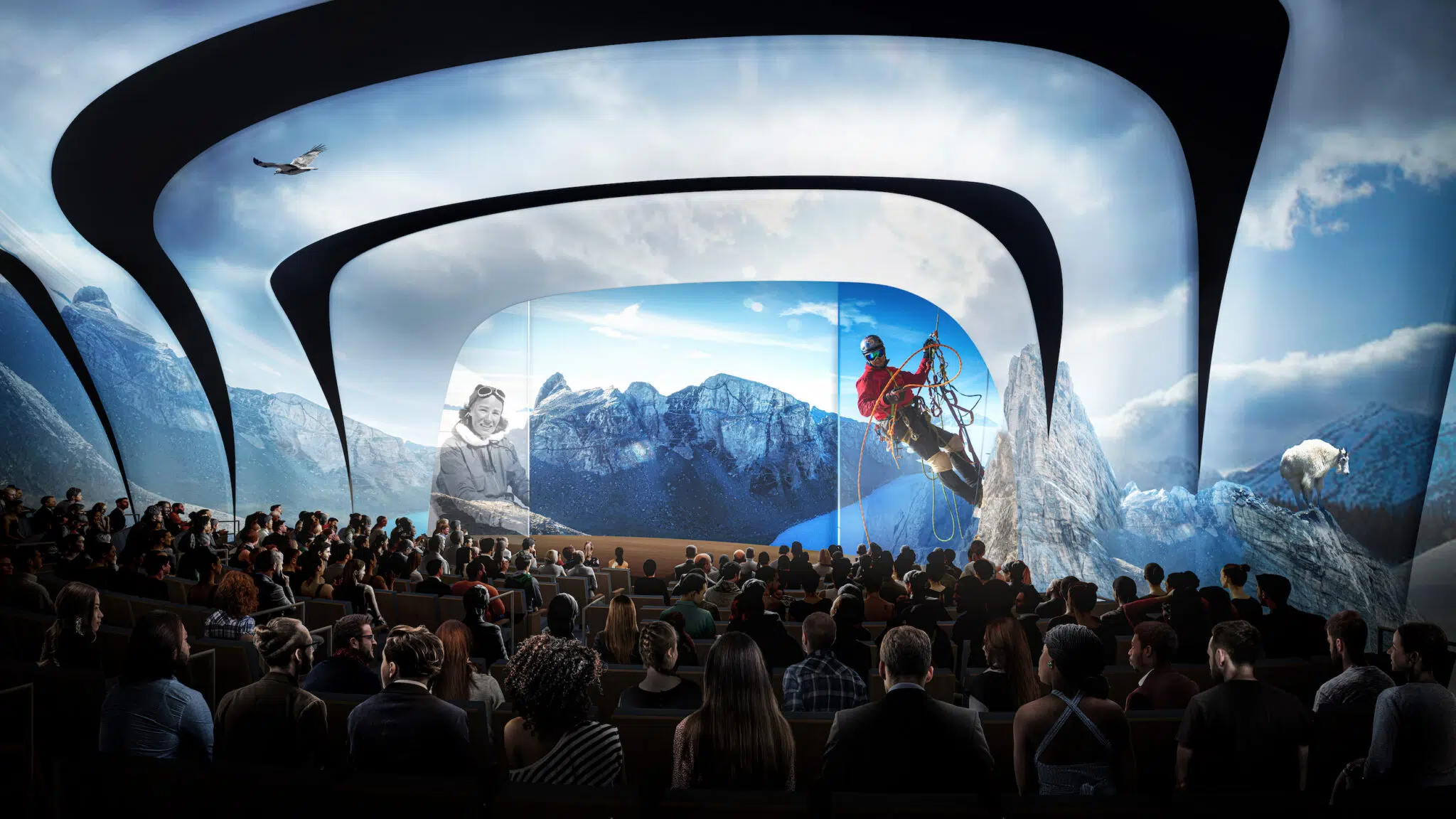
Rendering of the interior of the museum’s pavilion.Rendering of the interior of the museum’s pavilion.
Rendering of the interior of the museum’s pavilion.

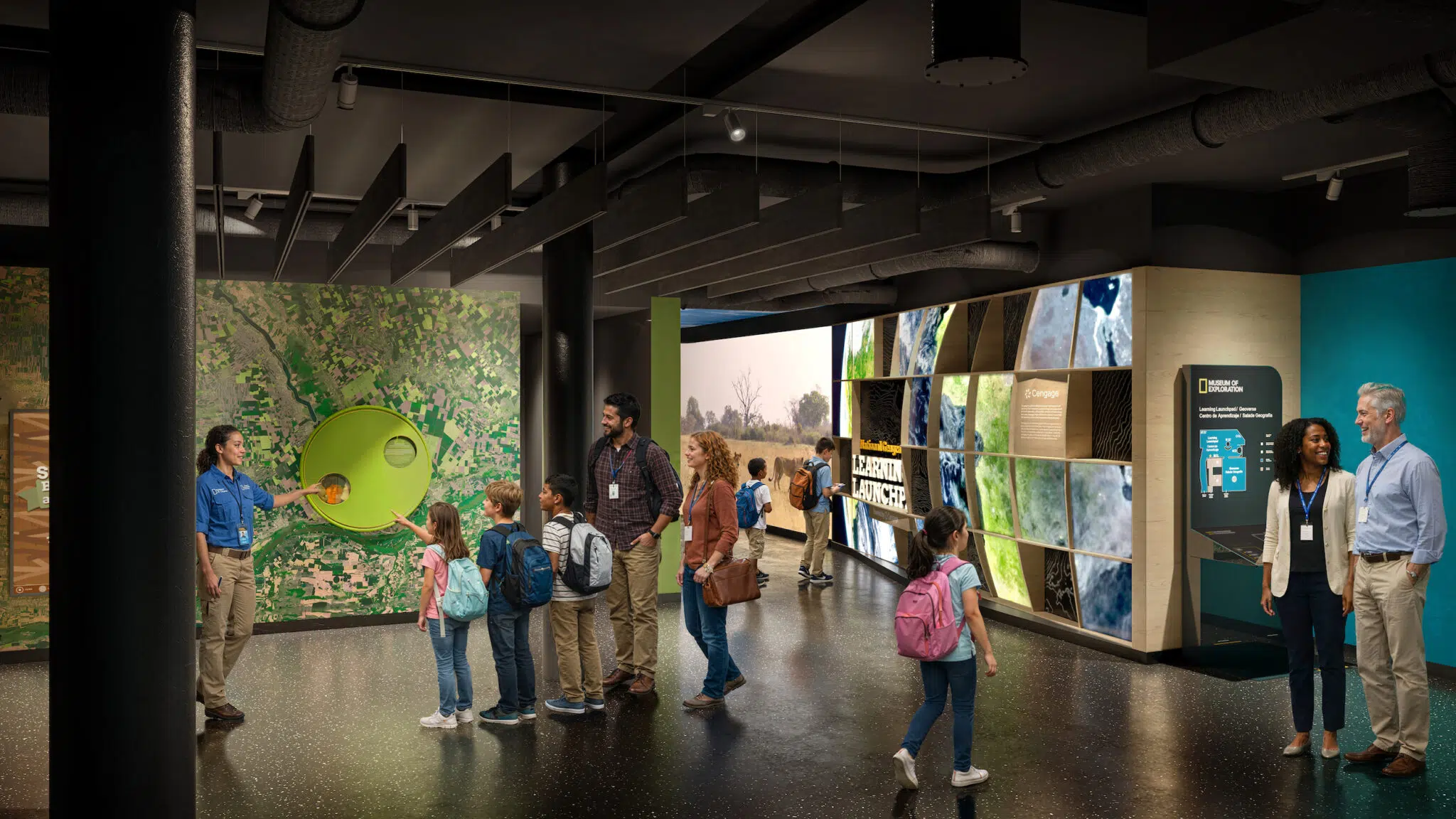
Rendering of the museum’s Learning Launchpad section.Rendering of the museum’s Learning Launchpad section.
Rendering of the museum’s Learning Launchpad section.

Rendering of the museum’s Photo Gallery.Rendering of the museum’s Photo Gallery.
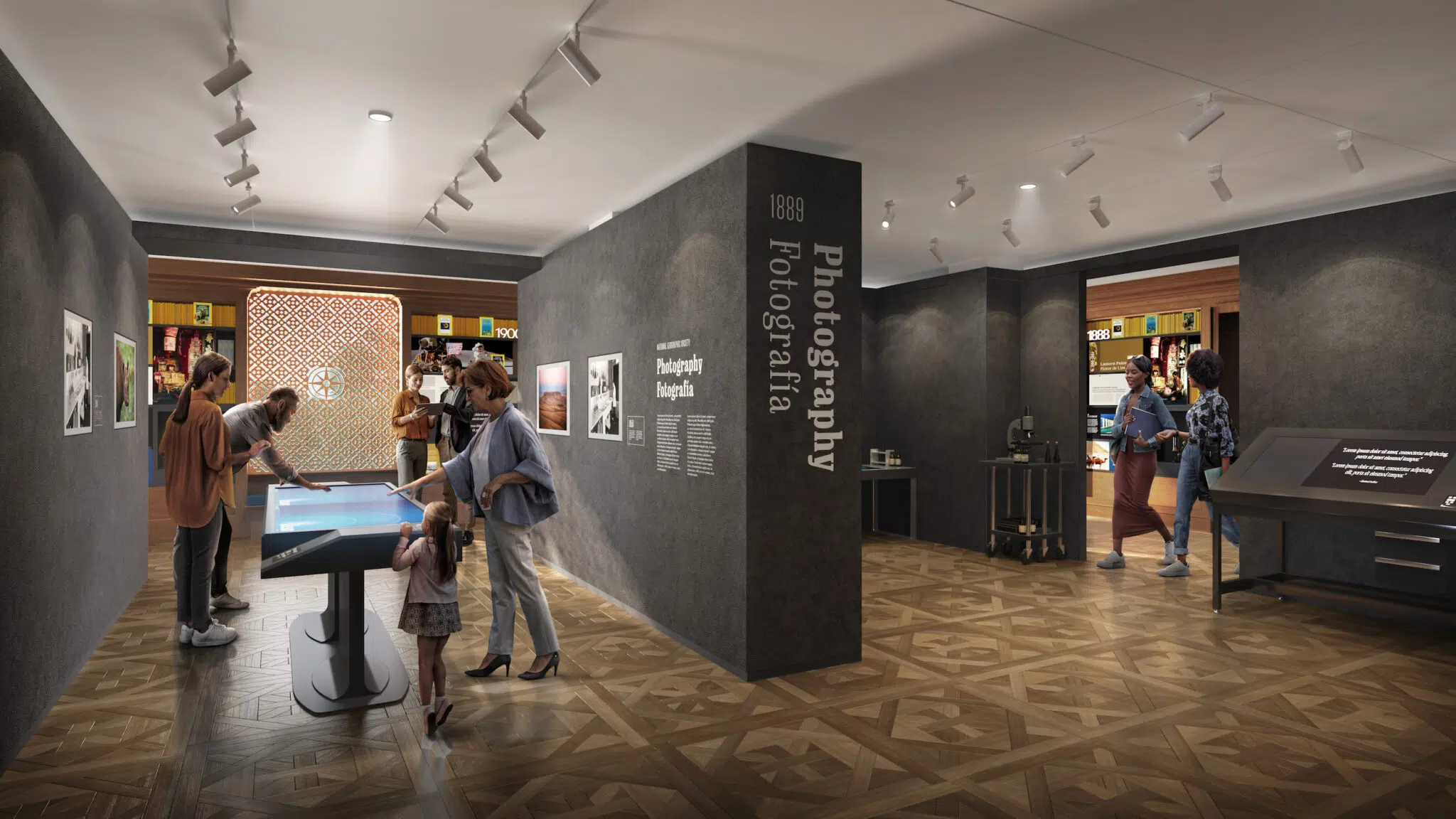
Rendering of the museum’s Photo Gallery.

Rendering of the museum’s archives section.Rendering of the museum’s archives section.

Rendering of the museum’s archives section.

Rendering of the museum’s terrace.Rendering of the museum’s terrace.

Rendering of the museum’s terrace.

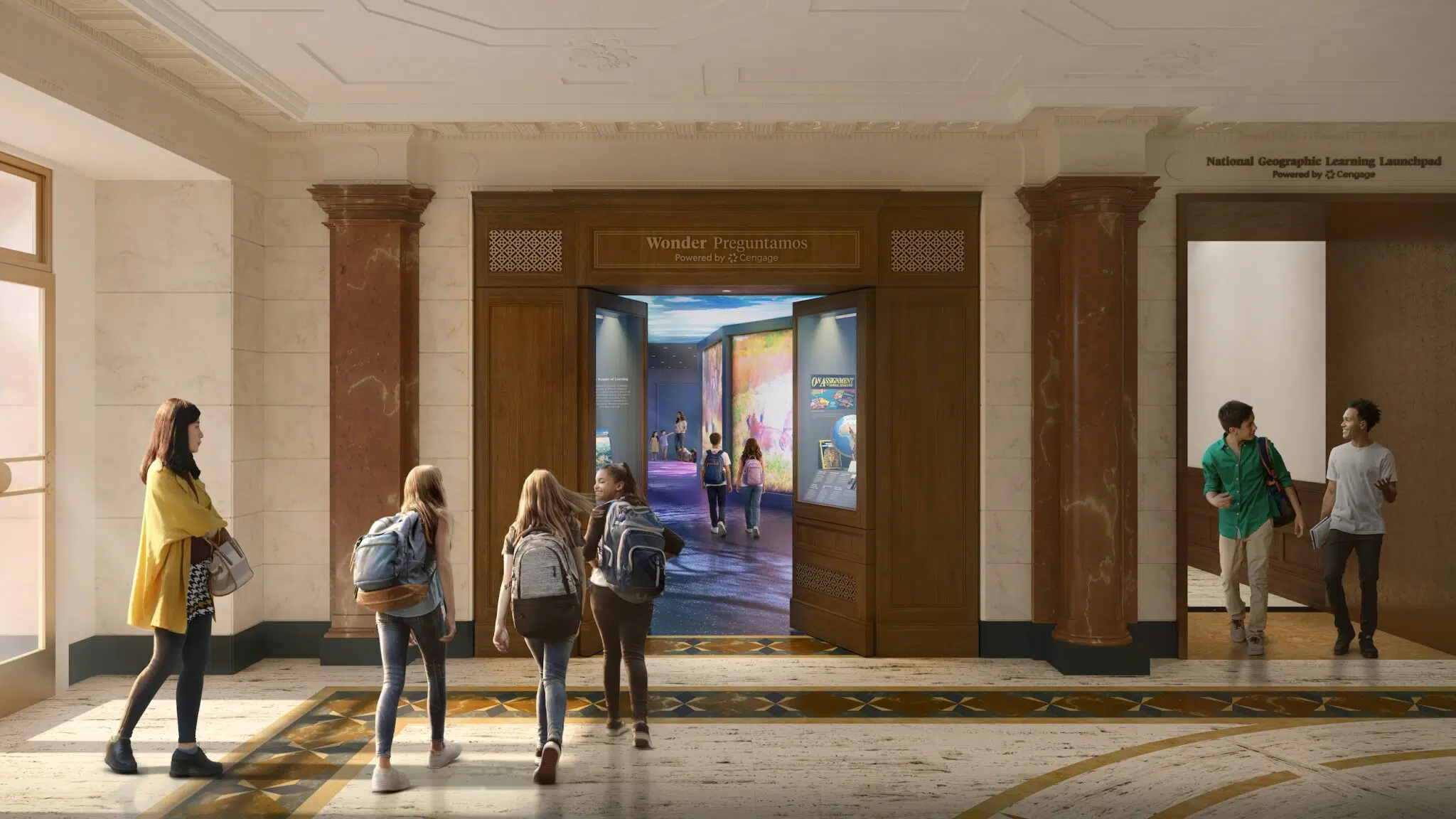
Rendering of the entrance to the museum’s Learning Launchpad section, powered by Cengage.Rendering of the entrance to the museum’s Learning Launchpad section, powered by Cengage.
Rendering of the entrance to the museum’s Learning Launchpad section, powered by Cengage.

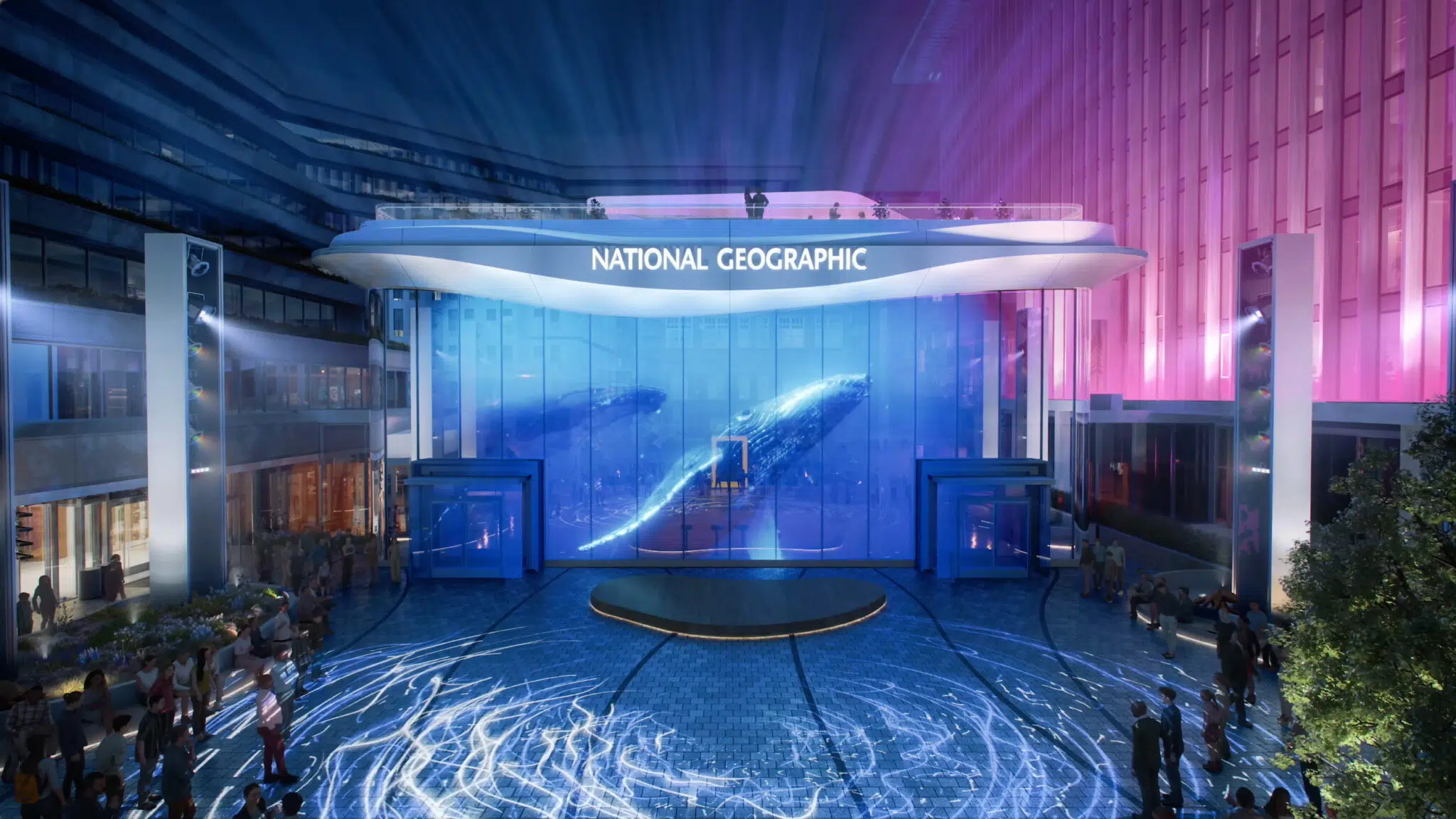
Rendering of the museum’s nighttime courtyard experience.Rendering of the museum’s nighttime courtyard experience.

Rendering of the museum’s nighttime courtyard experience.

National Geographic Museum of Exploration: Website | Instagram

My Modern Met granted permission to feature photos by National Geographic.

Related Articles:

The Brooklyn Museum’s African Art Collection Is About To Get a Major Upgrade

Immersive teamLab Museum and Wetlands Expansion Coming To Gardens by the Bay in Singapore

Get a Peek Into the Newly Opened David Geffen Galleries at the Los Angeles County Museum of Art

Similar Posts

  • The Palisades Residence

    An entrepreneur and family with a passion for healthy living requested a large home on their dramatically sloping 2-acre site. They specifically wanted an informal layout that could be woven into the topography of the property. Wanting to enjoy as much of the site as possible, the client requested the inclusion of steps and landscape pathways to allow for access to more distant parts of the steep site. Situated on a promontory jutting into the canyon below, the hillside retreat boasts multiple vistas of the surrounding canyon and the Pacific Ocean beyond. Since covenants, conditions, and restrictions associated with the property allowed for only a single story above street level, many of the home’s rooms are located on a lower level which daylights onto the downslope side of the house. This modest massing arrangement allows for neighboring properties to see over the roof of the home. In three distinct locations, landscaped topography “fingers” heighten one’s awareness of the natural hillside. Bridges span over these fingers, enhancing and extending the natural graded areas deep into the heart of the home. The design solution offers new perspectives for experiencing the owner’s prized views while providing a glimpse of the topography as it stood before the house was set upon it. Meticulous craftsmanship and authentic building materials are recurring themes best exemplified by the widespread use of board-formed concrete walls, white oak shiplap wall cladding, and painted galvanized steel doors and windows. A datum of wall elevations was carefully laid out to align the joints of the seemingly random board-formed concrete with the adjacent wood boards that come in 3″, 4″, 5″, and 6″ widths. Floors, ceilings, steps, lighting, speakers, keypad controls, and outlets were all carefully placed so that no element ever interrupts a joint in the boards.