Populus Denver: A Climate-Positive Hotel Combining Comfort With Stunning Contemporary Design

Populus Denver ExteriorPopulus Denver Exterior

Photo: Jason O’Rear

Stunning design and sustainable living aren’t mutually exclusive. The two can support and inform one another, creating something that is climate-neutral or even climate-positive. The luxury hotel Populus Denver strikes a balance between stellar architectural design and environmental consciousness.
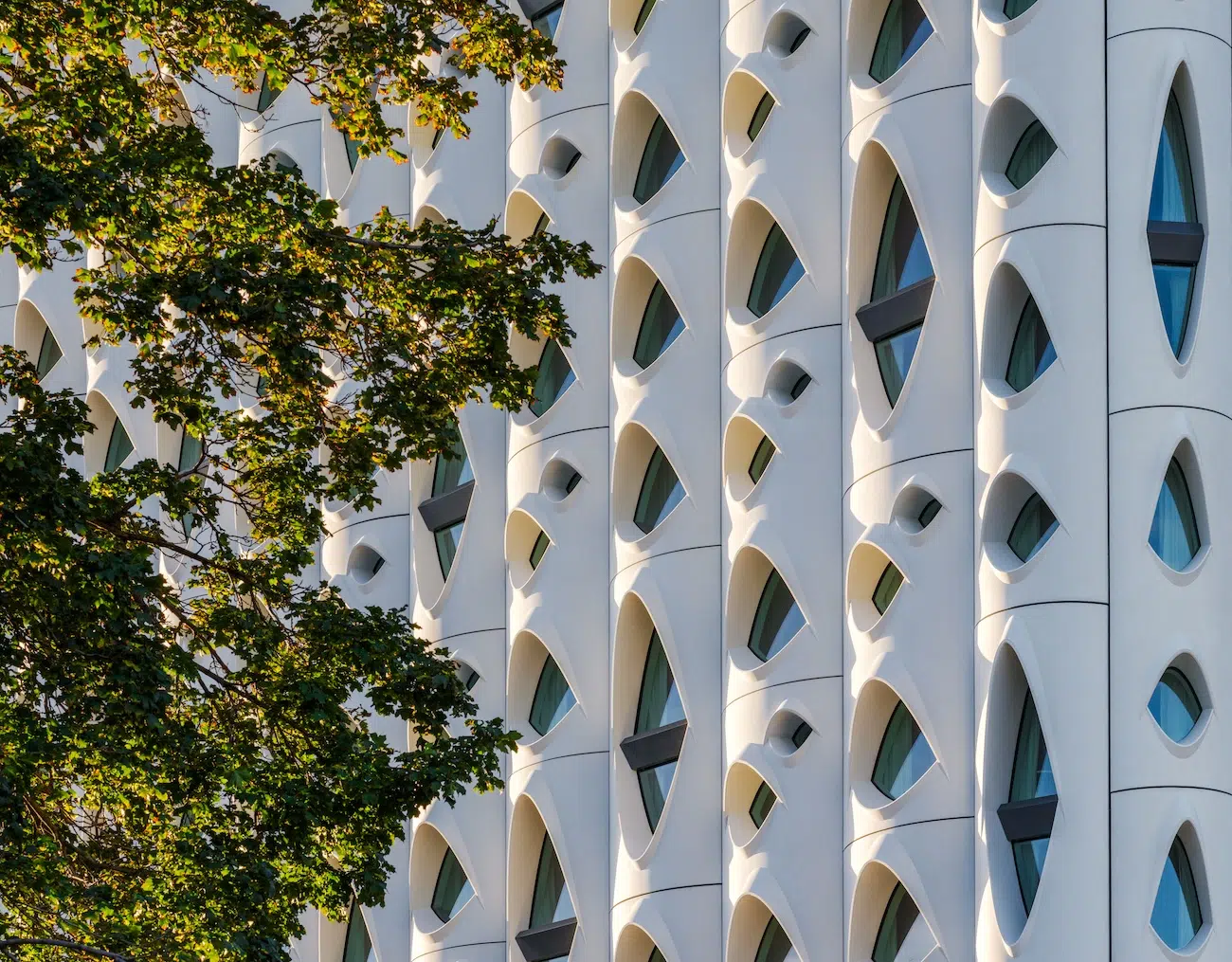
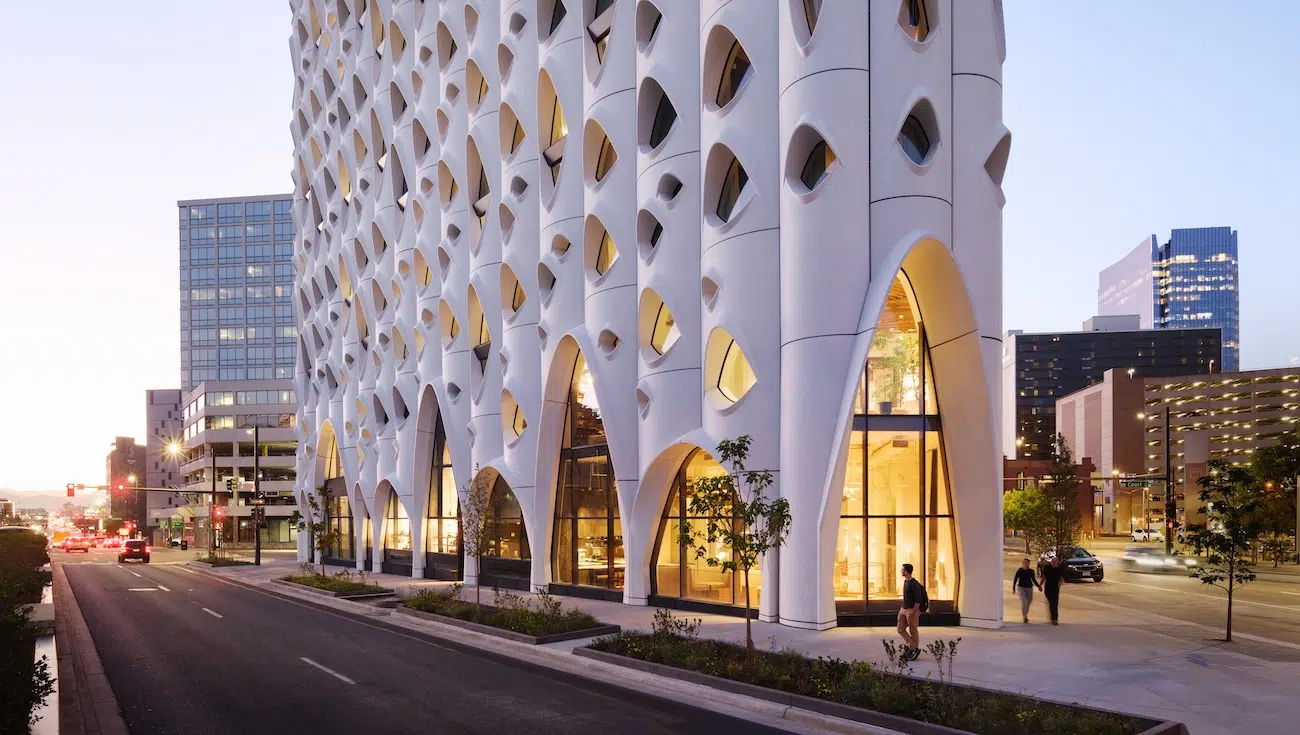
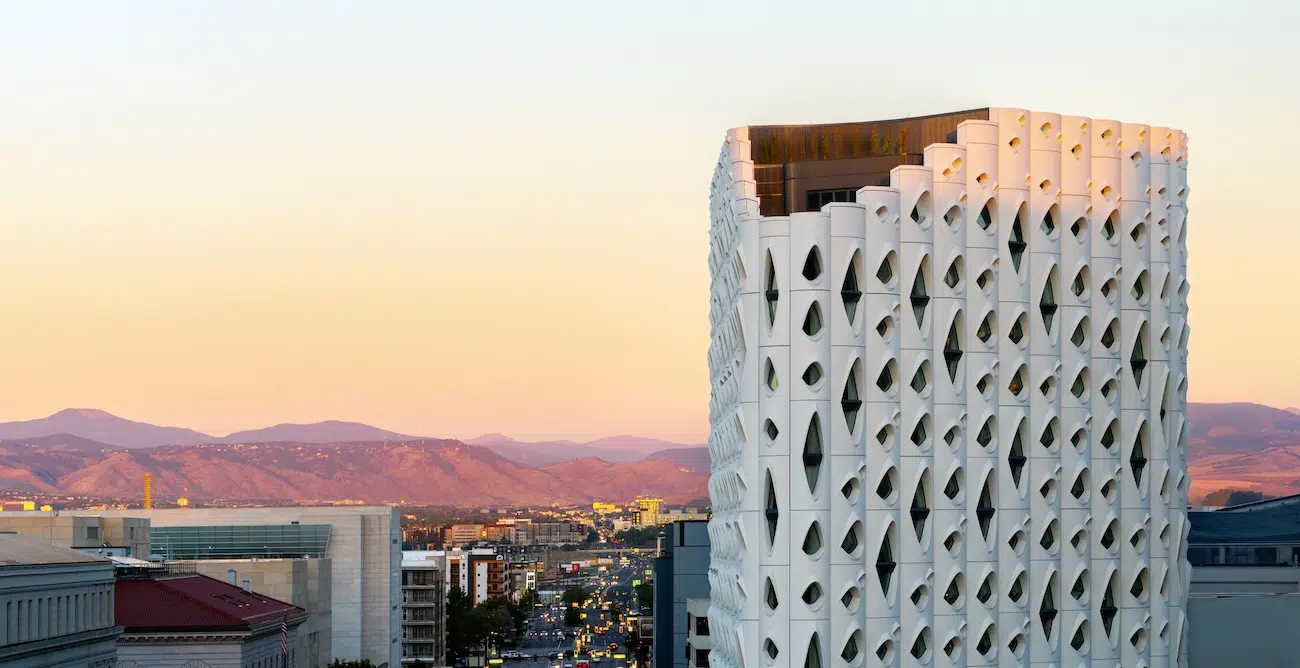
As an impressive addition to the Denver skyline, the exterior celebrates nature with white, round forms and eye-shaped window cutouts. The aesthetic is meant to evoke the bark of an aspen tree, with “eyes” that punctuate its whitish hue. The feeling is futuristic yet familiar.

Eugene Kim, My Modern Met co-founder and editor-in-chief, stayed at the hotel during his time in the city. “It was love at first sight when I saw Populus Denver, designed by the world-renowned architecture firm Studio Gang,” he shares. “I later learned that its form was inspired by the Colorado aspen tree—a revelation that made me fall even harder for the project. Discovering that it is the first carbon-positive hotel in the United States sealed the deal: this is a building with both beauty and purpose.”

Populus Denver was developed by Urban Villages, the group also behind Populus Seattle. “They’re setting a new benchmark for how modern hotels can unify design and sustainability,” Kim continues.”Every detail has been carefully considered, from the type of concrete used to the integration of wind energy—even when it comes at a higher cost. Yet those choices pay off in natural light, energy efficiency, and a sense of responsibility that permeates the space.”

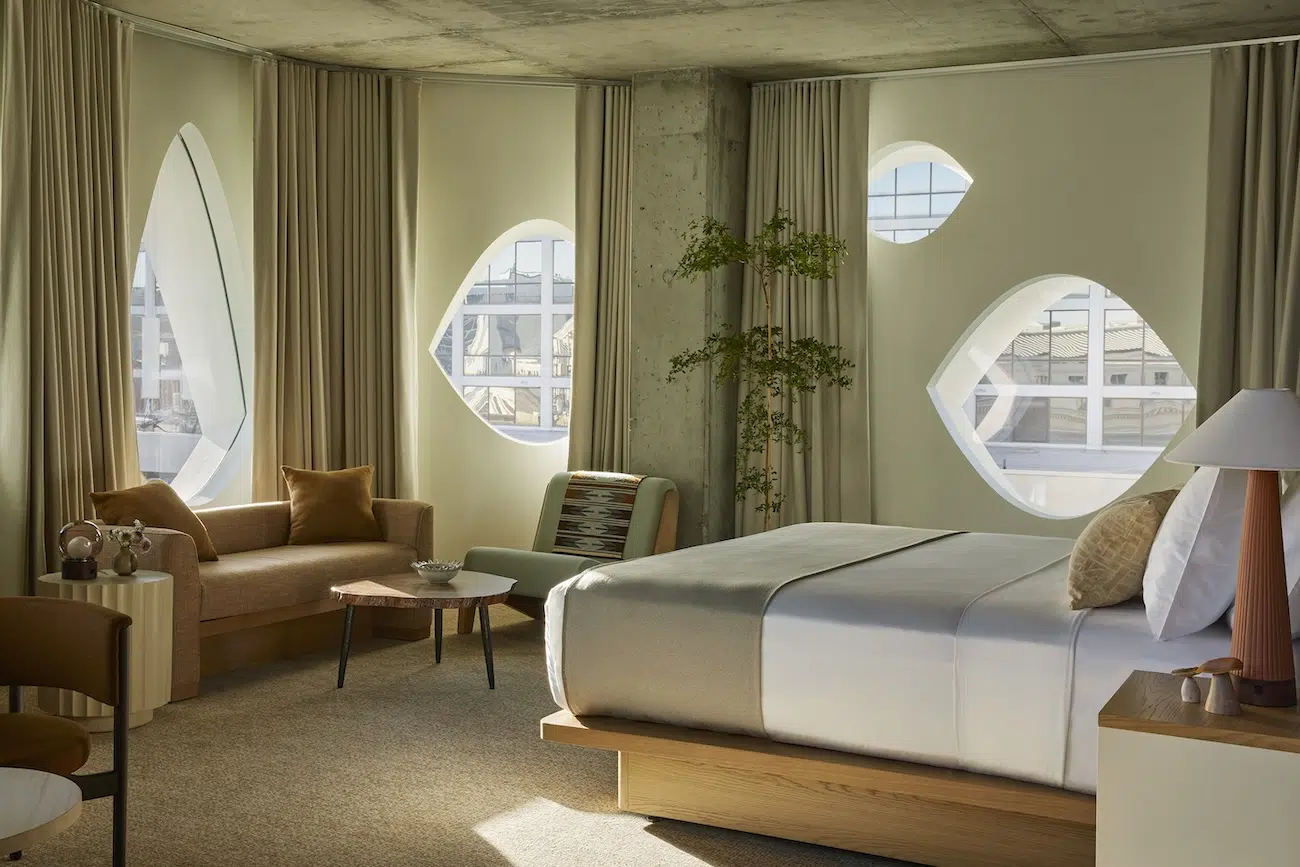
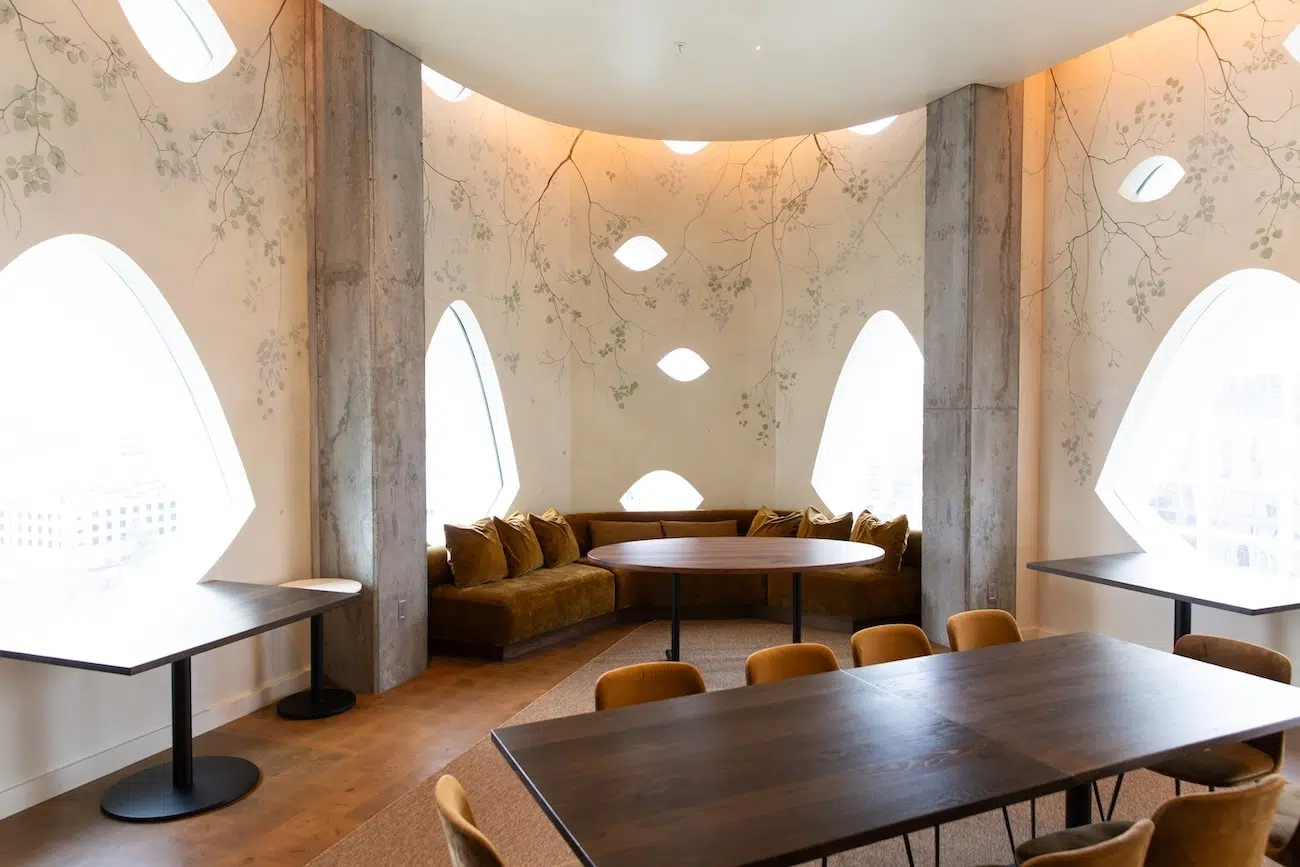
The hotel interior, designed by Wildman Chalmers Design with FOWLER Architecture and Design, features 265 guest rooms that continue to celebrate nature and pay homage to the surrounding Mountain West region. “The design was equally stunning inside,” Kim shares. “Teardrop-shaped windows frame both the bedrooms and even the bathtub, while wood floors and walls create a warm harmony of textures and tones.” And while artwork is an afterthought in many hotels, Populus Denver uses it as a vehicle to further celebrate the inspiration for its design.

The materials used in the interior were chosen to minimize the building’s overall carbon footprint. This required consciously sourcing and using reclaimed materials where possible. The wood slats in the lobby ceiling, for instance, were once wood snow fencing in Wyoming, and many of the guest room headboards were fashioned from fallen beetle-kill pine.

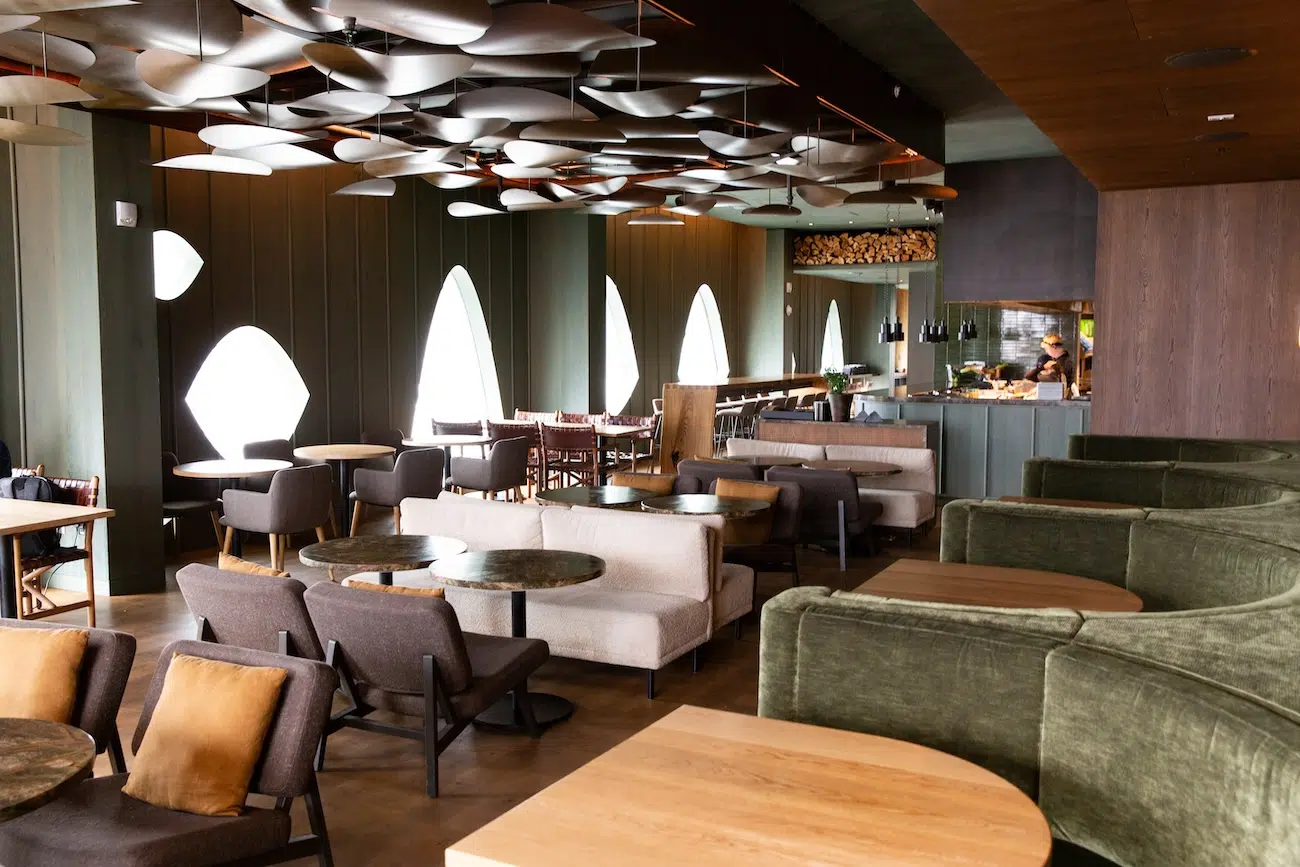
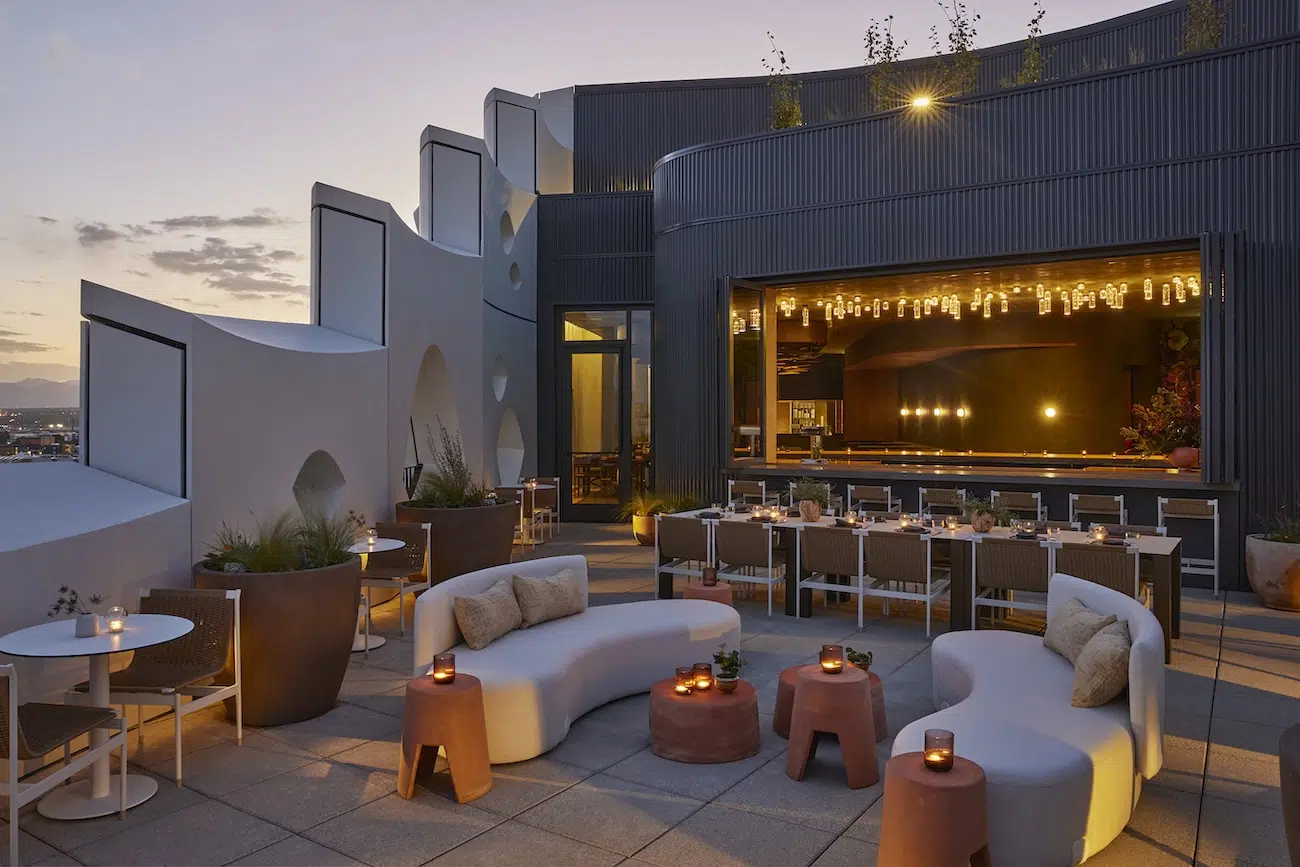
Populus Denver has two restaurants, Stellar Jay and Pasque, as well as a coffee shop called Little Owl. Stellar Jay is a rooftop bar with an outdoor terrace that has a live fire menu, and Pasque offers all-day dining with seasonally driven cuisine. Little Owl Coffee, located in the lobby, has a walk-up window, making it easy to grab a coffee or a snack throughout the day. “I loved the gourmet coffee, and dinner at Stellar Jay was a highlight, combining delicious food with spectacular views,” Kim notes.

For the traveler who loves great design and food, and cares about the health of the planet, you can’t beat Populus Denver. And better yet, when you stay at the hotel, you’re directly contributing to a better ecosystem. “Urban Villages has a ‘One Night, One Tree’ initiative,” Kim explains, “where a tree is planted for every night you stay—and Populus Denver becomes more than just a hotel. It’s a model for how thoughtful design can shape a sustainable future.”

Stunning design and sustainable living aren’t mutually exclusive. The luxury hotel Populus Denver strikes a balance between stellar architectural design and environmental consciousness.

The exterior celebrates nature with white, round forms and eye-shaped window cutouts. The aesthetic is meant to evoke the bark of an aspen tree, with “eyes” that punctuate its whitish hue.
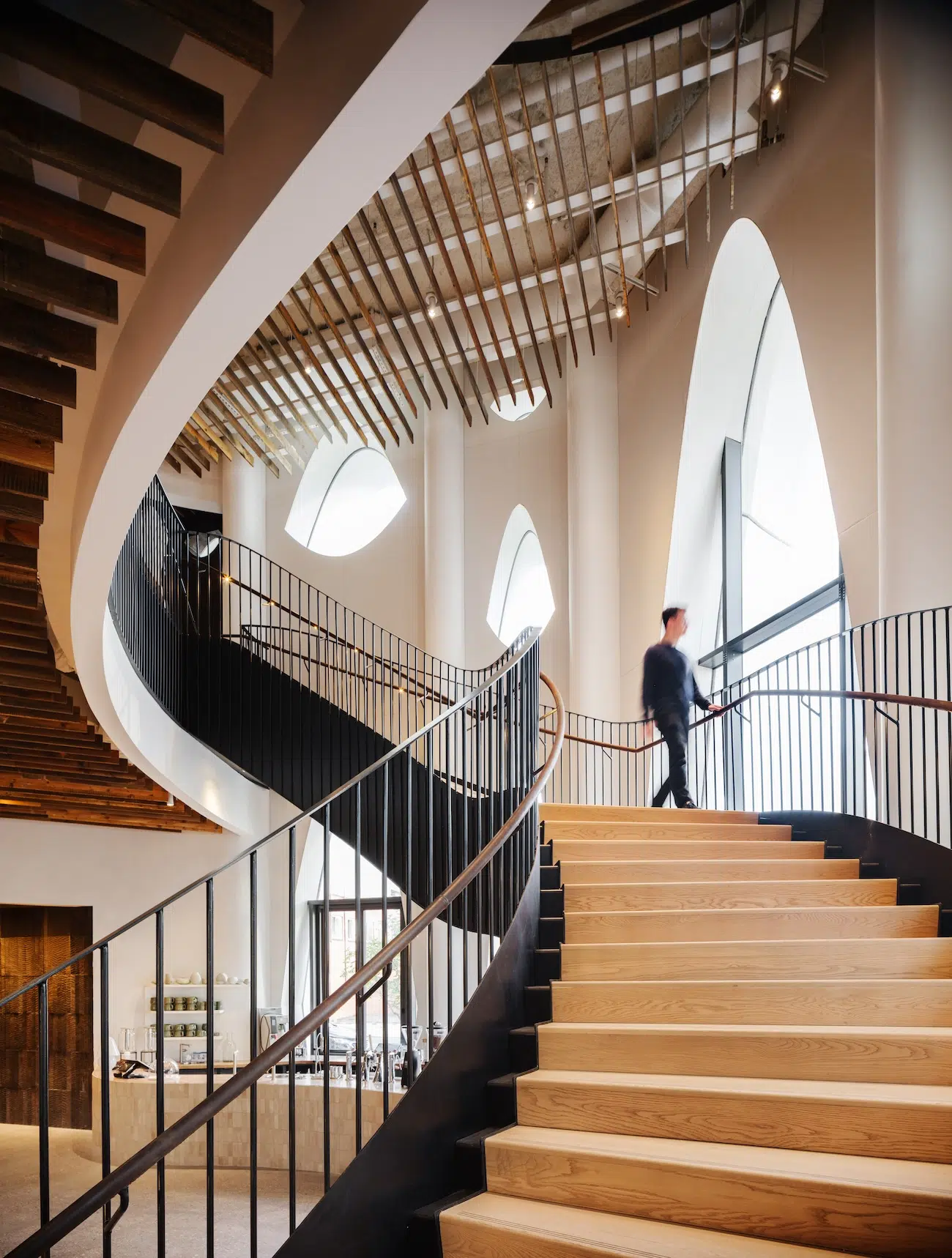
Populus Denver InteriorPopulus Denver Interior

Photo: Jason O’Rear

Eugene Kim, My Modern Met Co-Founder and Editor-in-Chief, stayed at the hotel during his time in the city. “It was love at first sight when I saw Populus Denver, designed by the world-renowned architecture firm Studio Gang,” he shares.
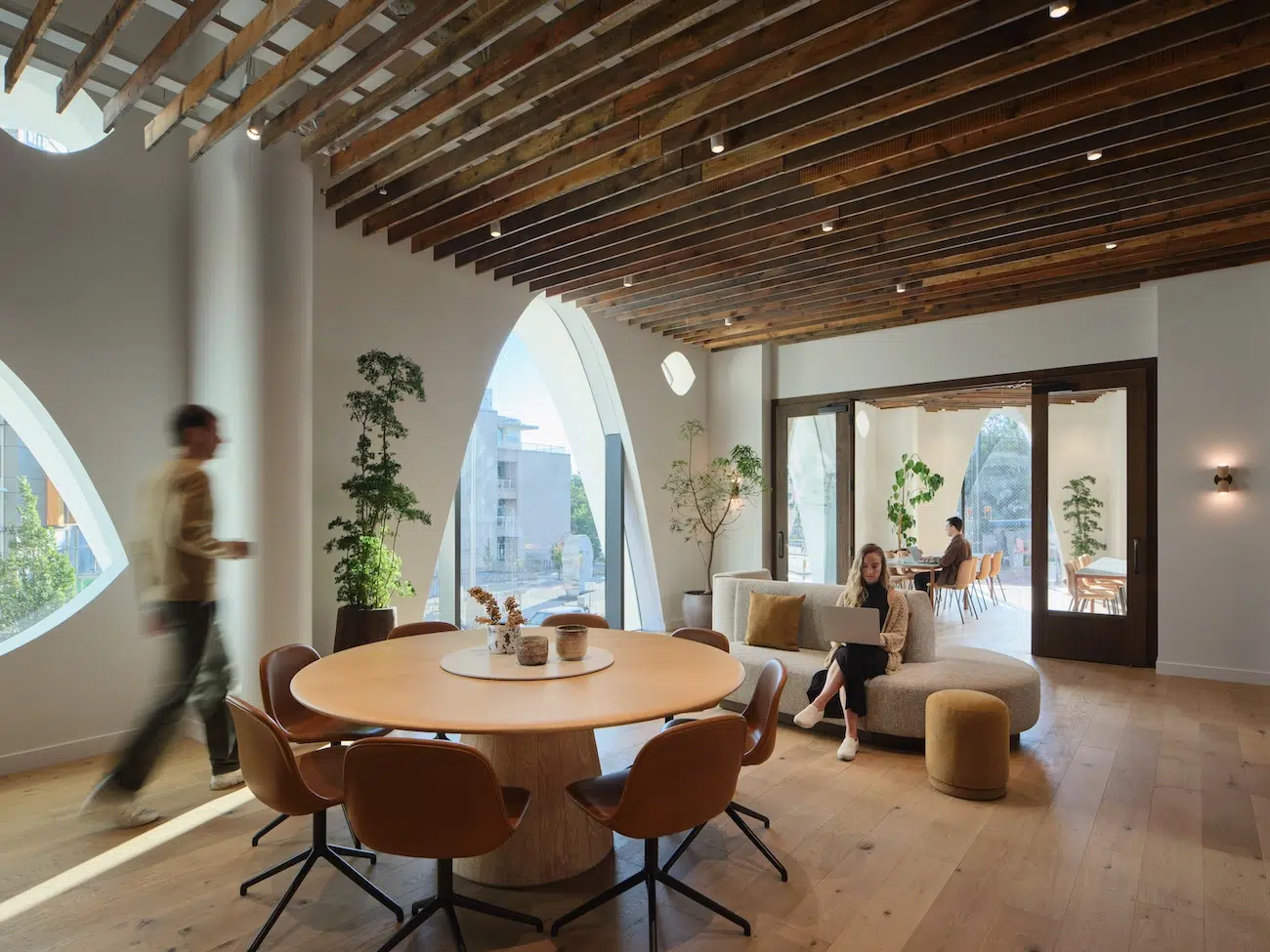
Populus Denver InteriorPopulus Denver Interior

Photo: Steve Hall

Populus Denver RoomPopulus Denver Room

Photo: Yoshihiro Makino

“I later learned that its form was inspired by the Colorado aspen tree—a revelation that made me fall even harder for the project. Discovering that it is the first carbon-positive hotel in the United States sealed the deal: this is a building with both beauty and purpose.”
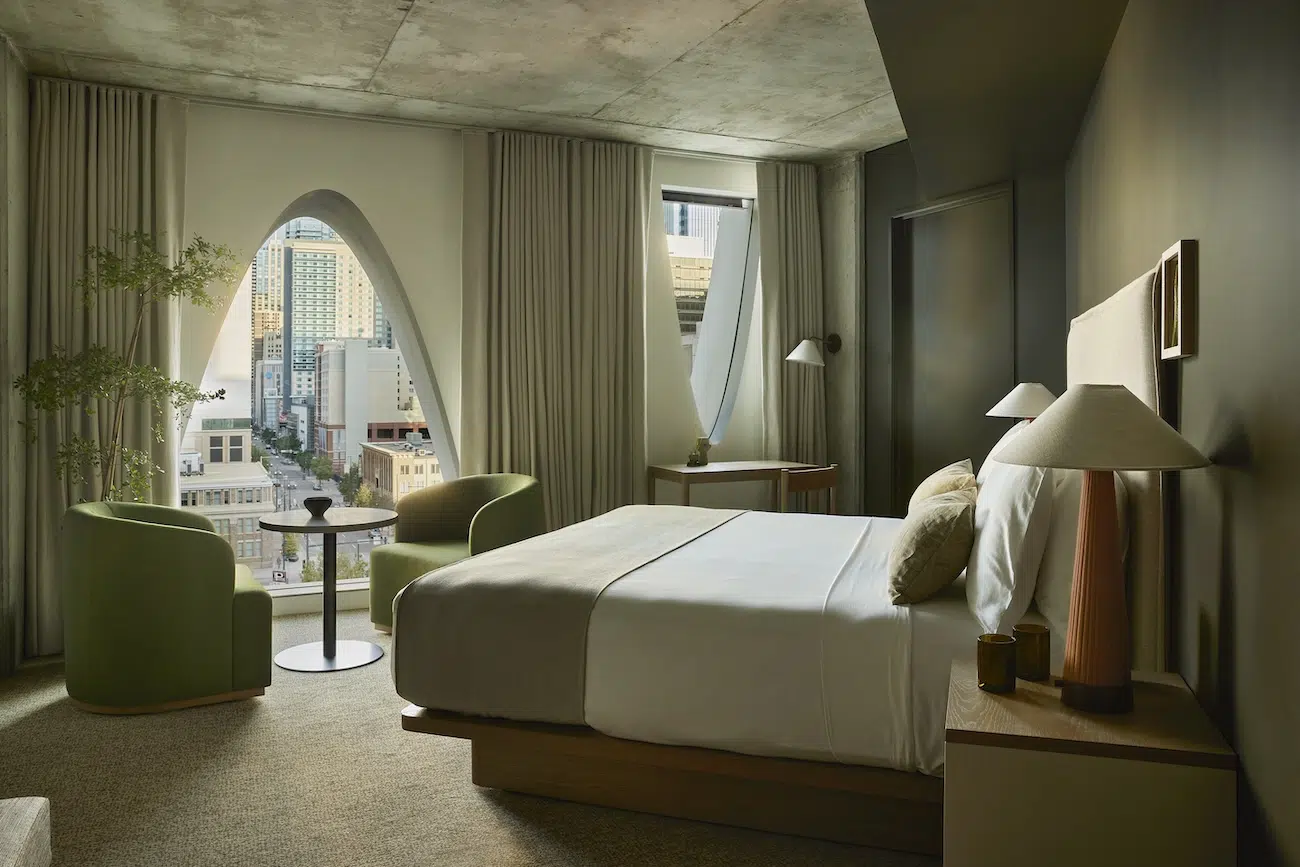
Populus Denver RoomPopulus Denver Room

Photo: Yoshihiro Makino

The materials used in the interior were chosen to minimize the building’s overall carbon footprint. This required consciously sourcing and using reclaimed materials where possible.
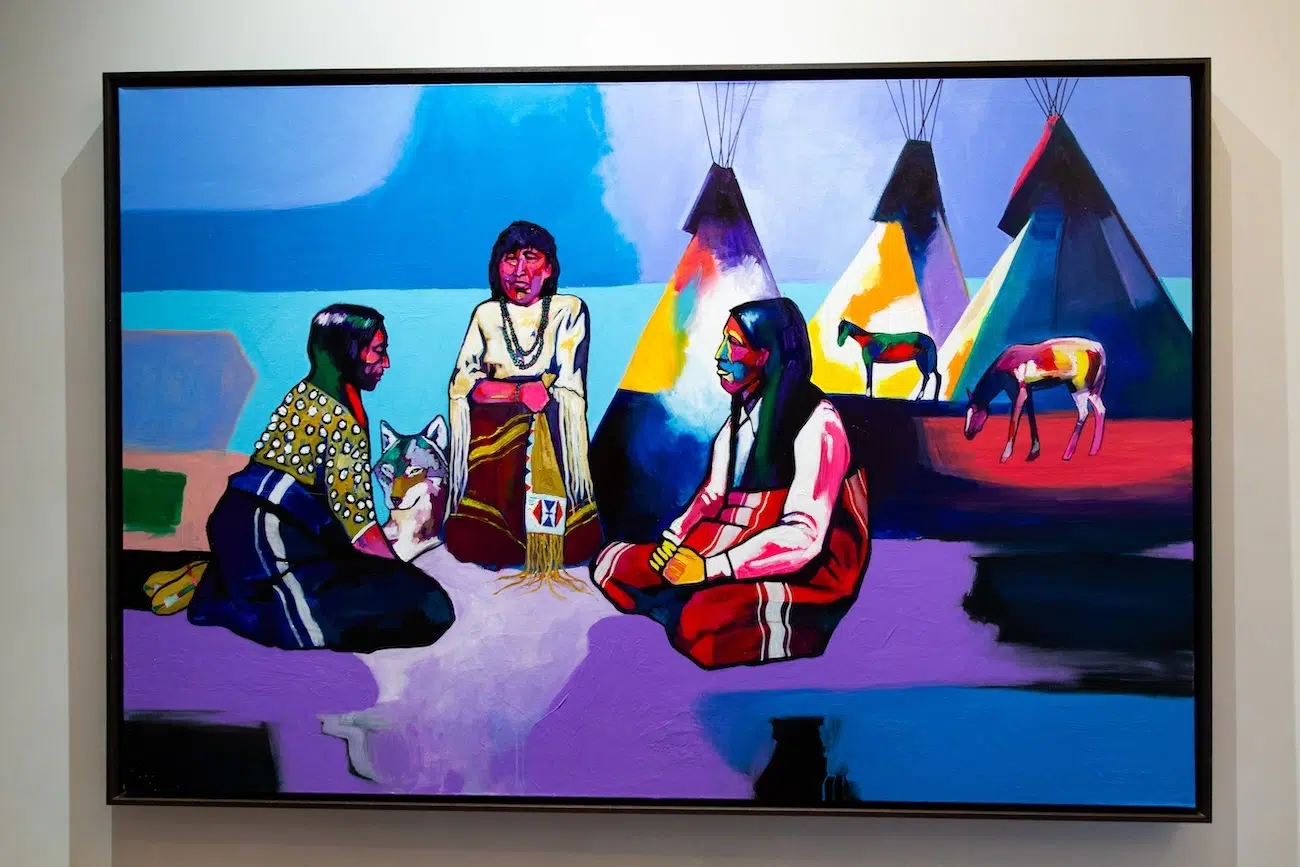
Artwork at Populus DenverArtwork at Populus Denver

Photo: Eugene Kim / My Modern Met

Populus Denver has two restaurants. One of them is Pasque, which offers all-day dining with seasonally driven cuisine.

Pasque BarPasque Bar

Photo: Yoshihiro Makino

Populus Denver InteriorPopulus Denver Interior

Photo: Eugene Kim / My Modern Met

Stellar Jay is a rooftop bar with an outdoor terrace that has a live fire menu…

Stellar Jay Restaurant FoodStellar Jay Restaurant Food

Photo: Alanna Hale

Populus Denver InteriorPopulus Denver Interior

Photo: Eugene Kim / My Modern Met

… and an amazing view of the city.

Populus Denver InteriorPopulus Denver Interior

Photo: Steve Hall

Stellar Jay Rooftop Terrace Stellar Jay Rooftop Terrace

Photo: Yoshihiro Makino

Populus Denver ExteriorPopulus Denver Exterior

Photo: Jason O’Rear

Populus Denver ExteriorPopulus Denver Exterior

Photo: Jason O’Rear

Populus Denver ExteriorPopulus Denver Exterior

Photo: Jason O’Rear

Get a video peek into Populus Denver in this video interview with Urban Villages’ CEO Jon Bierce.

Populus Denver: Website | Instagram | Facebook

My Modern Met granted permission to feature photos by Populus Denver.

Related Articles:

Non-Profit Uses Public Art To Activate the Once-Forgotten Spaces in Seattle’s Pioneer Square

Net-Zero Modular Homes Combine Sustainability, Technology, and Elegant Design

Lighting Fixture Uses 100% Recycled Materials To Combine Sleek With Sustainability

Similar Posts

  • VITR

    This renovation project originates from the intervention of a pre-existent building located in the western area of Mexico City; reshaping it into a studio-house project, with clear conditions and an eye set into the pre-existing circumstances. Our design solution takes on a residential structure from the 20th century and recycles it into a project that integrates itself with its immediate natural environment, shattering the hegemony of the high walls behind which the neighboring houses hide, in order to establish a dialogue that transcends the physical limitations of the project. The variations in the depths of different planes, offer the environment a living façade, where the interior activities are guessed from the visual filters that concede intimacy to the interior spaces. The interior-exterior duality brakes its context’s routine, offering a canvas of textures where the concrete and granite give away to the mildness of the metal and the lightness of plastic fabrics. To the exterior, the housing peeks out without invading; whilst opening in the interior, subtlety exposing itself, balancing the volumes that are inserted in the site. An interplay of planes occurs inside allowing the versatility of spaces by the movement of long-distance sliding screens and wainscots formed by timber that contrast in warmth and complexity with the sobriety of the stone coatings and apparent concrete of the enclosures. A new stairway, based on steel strips, reactivates the space where the old one stood, which gave an opportunity to re-signify the ambiance of the circulations as an experience of sculptural character. The front yard of the house marks the limits of the construction and together with the water mirrors and vegetation orient the route beneath a suspended long cover. The architectural program revolves around the home in the ground floor, leaving the studio in a privileged condition towards the garden. The living spaces in the first level have terraces and views to the exterior between and through a green façade woven of plastic cables (recovering the Acapulco chair technique) that sieve and melt together the thick vegetation of the existing trees. The terraces and windows allows an optimal ventilation, illumination and contextualization between the outside and inside. In the top level, the project offers a view above itself and the wooden horizon from a roof garden that elevates to a higher plane the user’s introspection, belonging and pertinence of itself.

  • Bold Color Trending in the Powder Room: 20 Fab Ideas, Inspirations

    For some reason we have been fixated with powder rooms in recent times. Maybe it is the brilliant array of pattern and color that they pack in a tiny space. Maybe it is because they offer something different from every other room in your home in terms of style and themes. Maybe it is the […]

    You’re reading Bold Color Trending in the Powder Room: 20 Fab Ideas, Inspirations, originally posted on Decoist. If you enjoyed this post, be sure to follow Decoist on Twitter, Facebook and Pinterest.

  • The Farm

    Jonathan Feldman and his wife Lisa Lougee were determined to create a contemporary, sustainable, and functional home for their family within the building constraints of urban San Francisco. The original structure, built in 1905, was a New England brick and shingle style residence sitting next to an overgrown lot. It was given the tongue-in-cheek name The Farm, due to the rarity of backyards and outdoor living spaces in the city. “We fell in love with the farmhouse charm of the home” says Jonathan, “Lisa and I enjoyed imagining how the house must have looked out in the countryside of San Francisco in the 1900’s; we started joking around and calling it The Farm and it stuck!” To further the play on the home’s name, the Feldman family often lovingly refers to their band of rescue animals as their “flock.” In order to transform the older house into an outstandingly sustainable, modern home, the structure was essentially rebuilt from the inside out. The clients both loved the character and grace of the older home and wanted to preserve its visual continuity; their excitement towards the historic home combined with their conflicting design styles ultimately directed the course of the home’s restoration. Before the ambitious remodel, the house was a closed-off box. The new design opened the floor plan, flooding the interiors with natural light through a new central stair topped with expansive skylights. The basement was also transformed to include what is now a usable rear yard & deck. The house achieved LEED Platinum with an abundance of sustainable features, many of which are subtly hidden. Two types of water re-use systems were implemented on the property; rain water and grey water harvesting, with the tanks concealed below the rear deck. An HRV (Heat Recovery Ventilation) system provides the home with clean air without energy loss. All materials are sustainably sourced and non-toxic and the house also features water and electricity monitoring, easily accessible by panels throughout the home and smartphone technology. By striving for excellence in sustainable architecture while incorporating the design aesthetics of all members involved, the team for The Farm has been able to create an elegant structure perfectly fitting for unique and forward-thinking San Francisco.