Sustainable Japanese Home with Grass Roof and a Breezy Modern Design

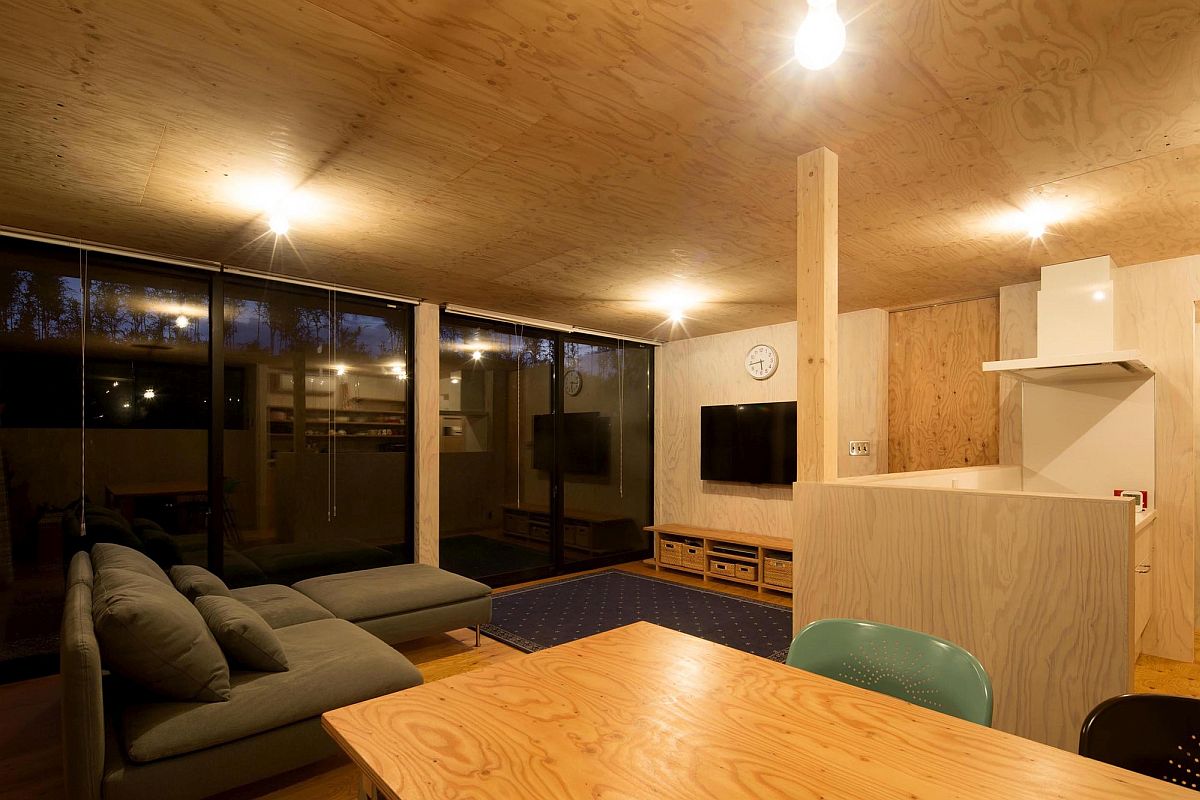
If you love sustainable homes that rely on smart deign, an intuitive floor plan and solutions that rely more on simplicity rather than on modern technology, the House-K in Tateyama, Japan is the one for you. Designed by N.A.O, this innovative and modern Japanese home has an interior that is draped in wood with sliding glass walls and a gray exterior bringing modernity to the smart setting. Nestled on a large lot that is over 1200 square meters in size, the home itself is just 70 square meters in size and has been created with an eye on the future. With an adaptable lower level and a first floor that contains a bedroom and green roof all around, minimalism is combined with eco-friendly architecture seamlessly.
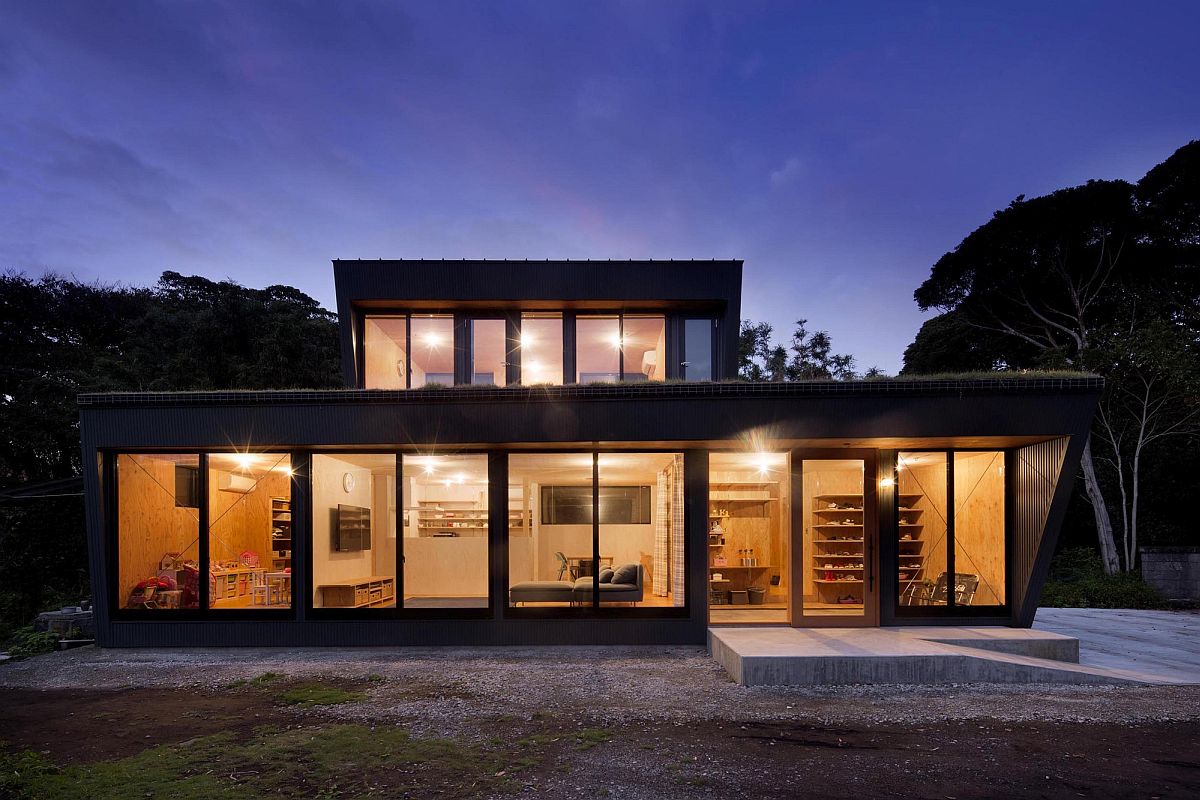
Gorgeous use of sliding glass doors connect the entire home with the landscape outside it


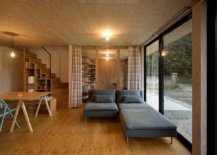
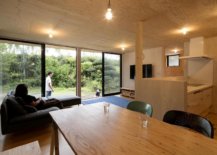
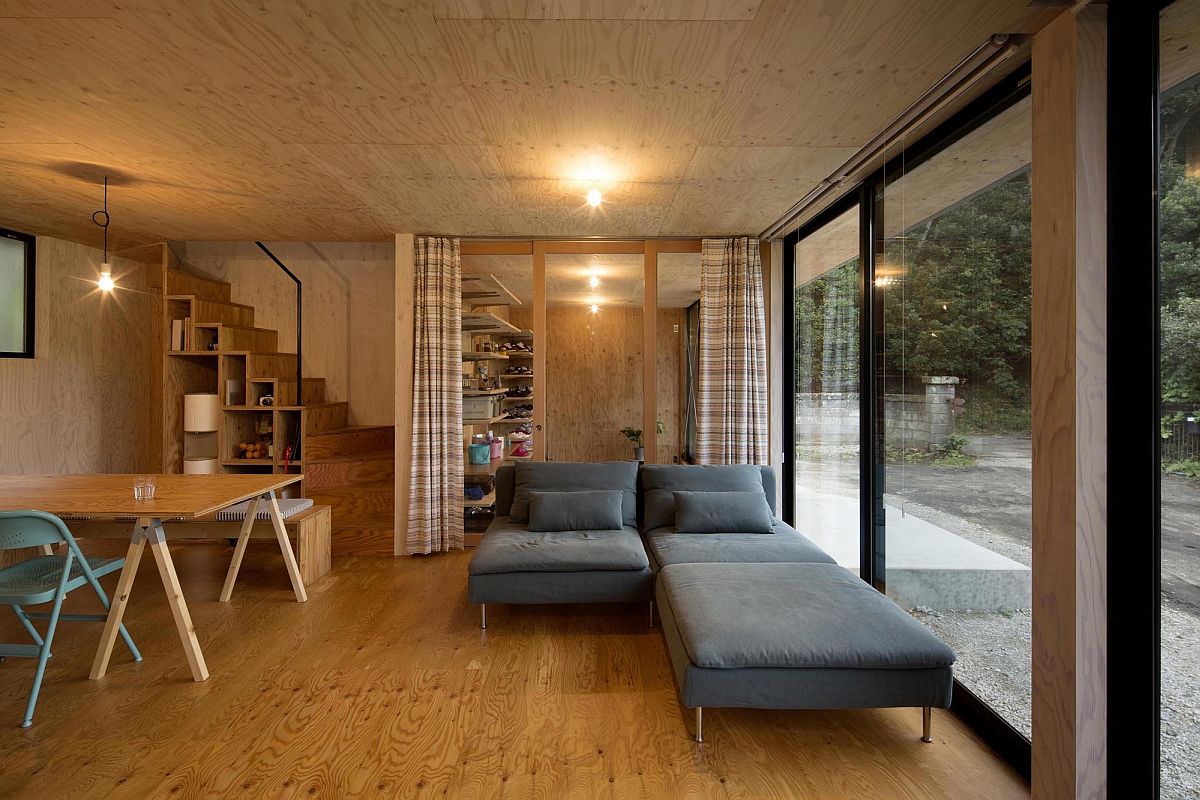
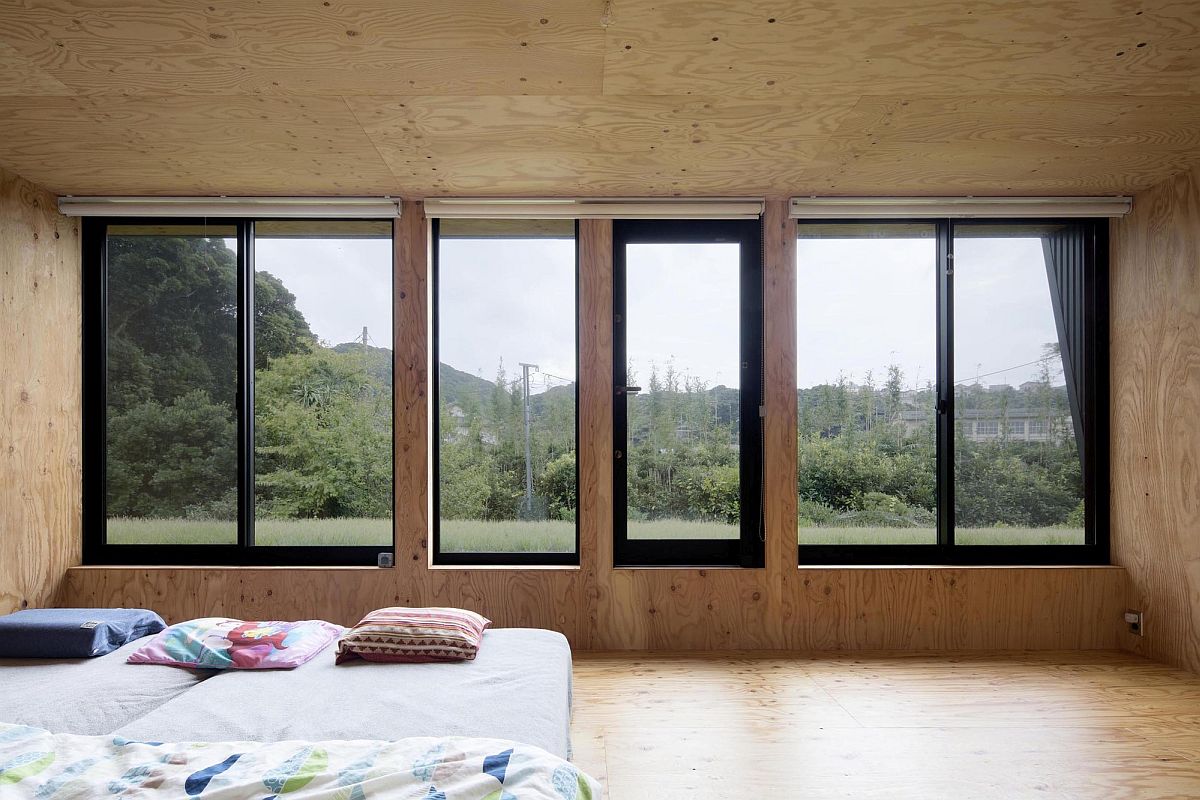
Step outside the upper level bedroom with its large sliding glass doors and you will can enjoy a lovely walk on the carpeted roof along with the sights and sounds of the landscape in the distance. The first floor bedroom seems to stick out like a periscope and feels both private and open at the same time. On the ground floor you have the open plan living space with a comfy sectional in gray, a modern kitchen draped entirely in wood and a dining room next to it. With extensive glass walls and windows on one side, the outdoors are always a part of the living space in here.
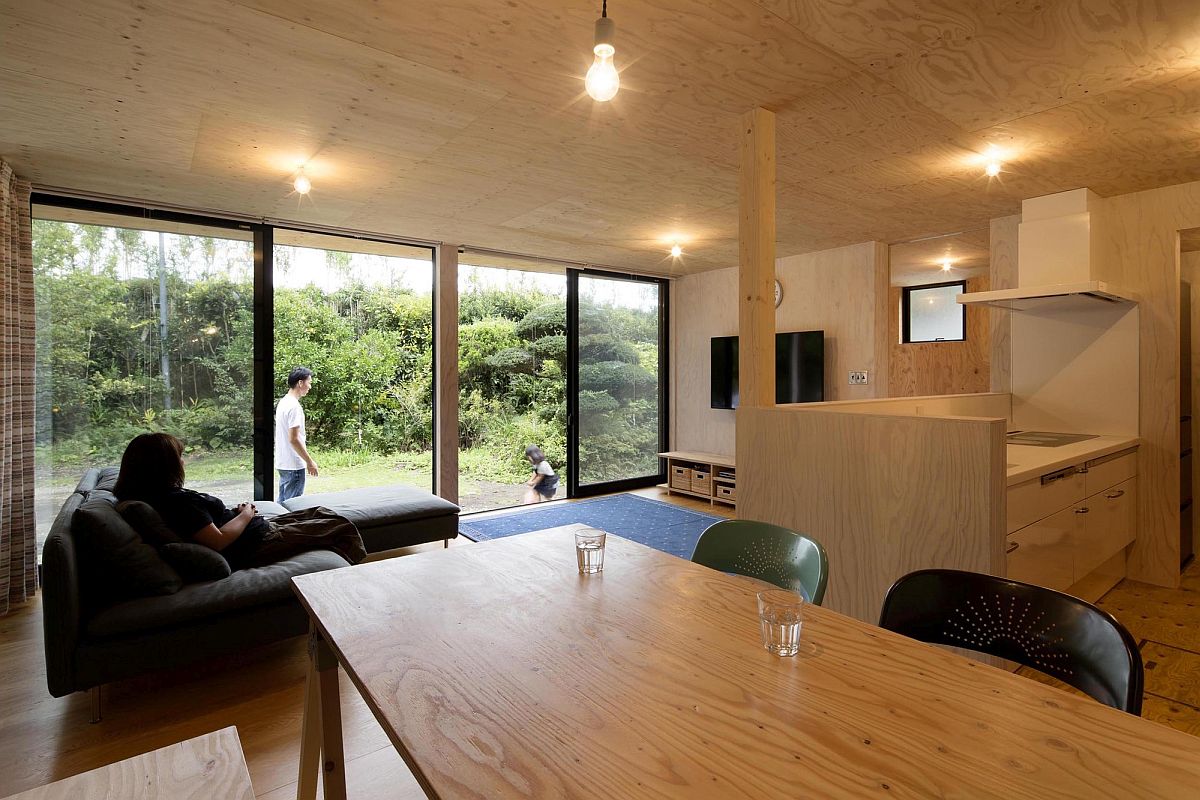
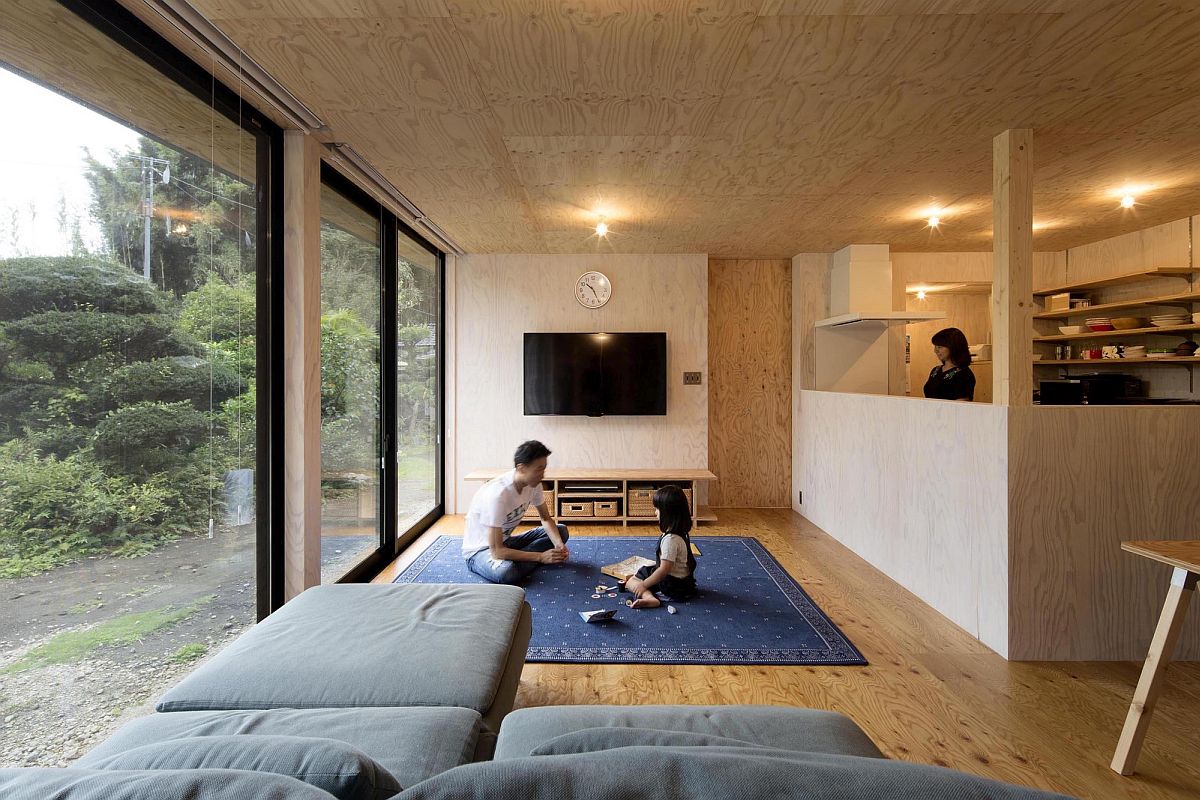
Finding that seamless connectivity between the interior and the world outside
Lovely woodsy living area and kitchen of the house with sliding glass doors that connect it to the outdoors
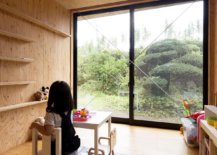
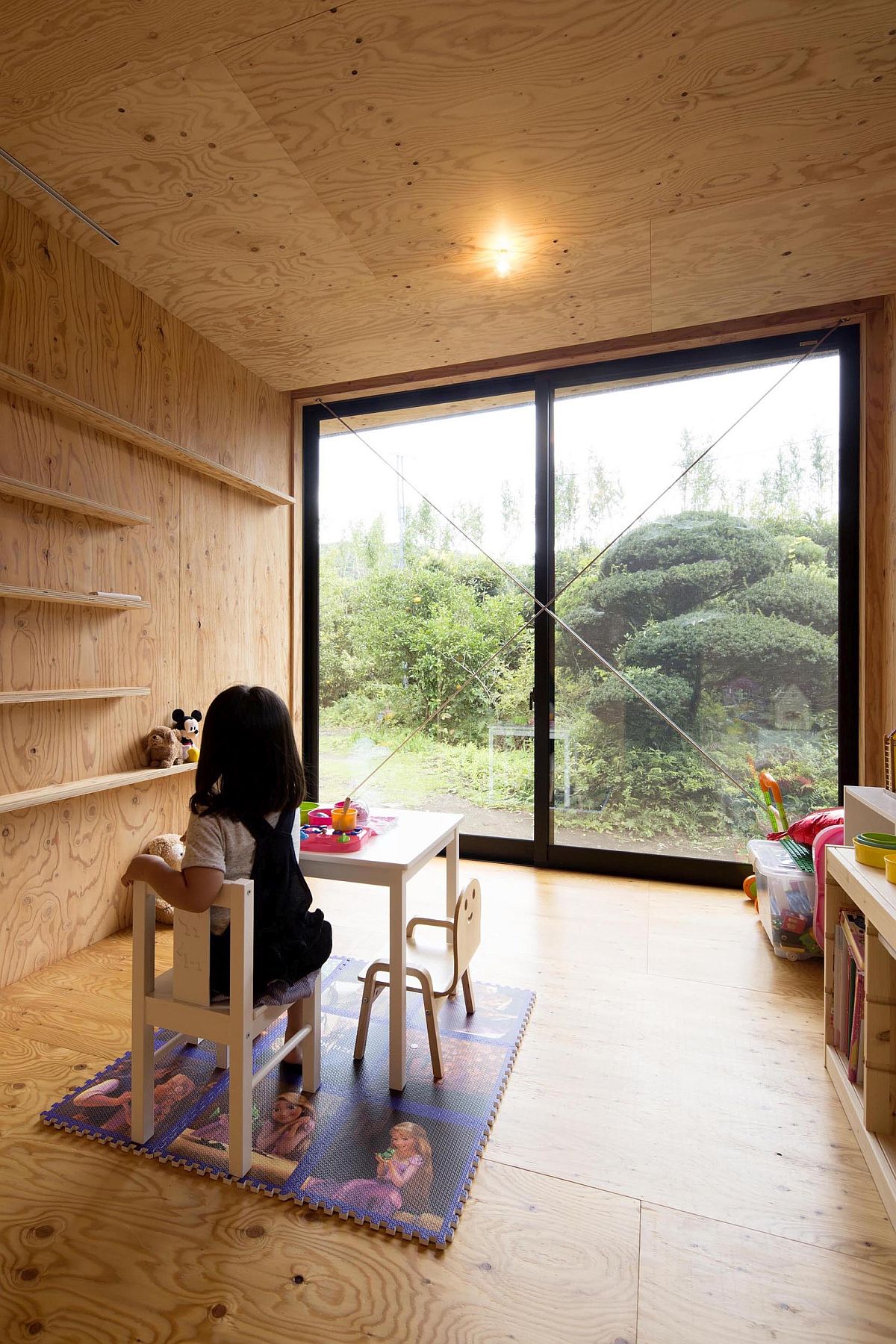
Minimal playroom of the modern Japanese home with sliding glass doors
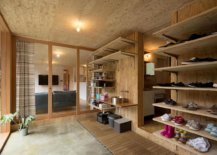
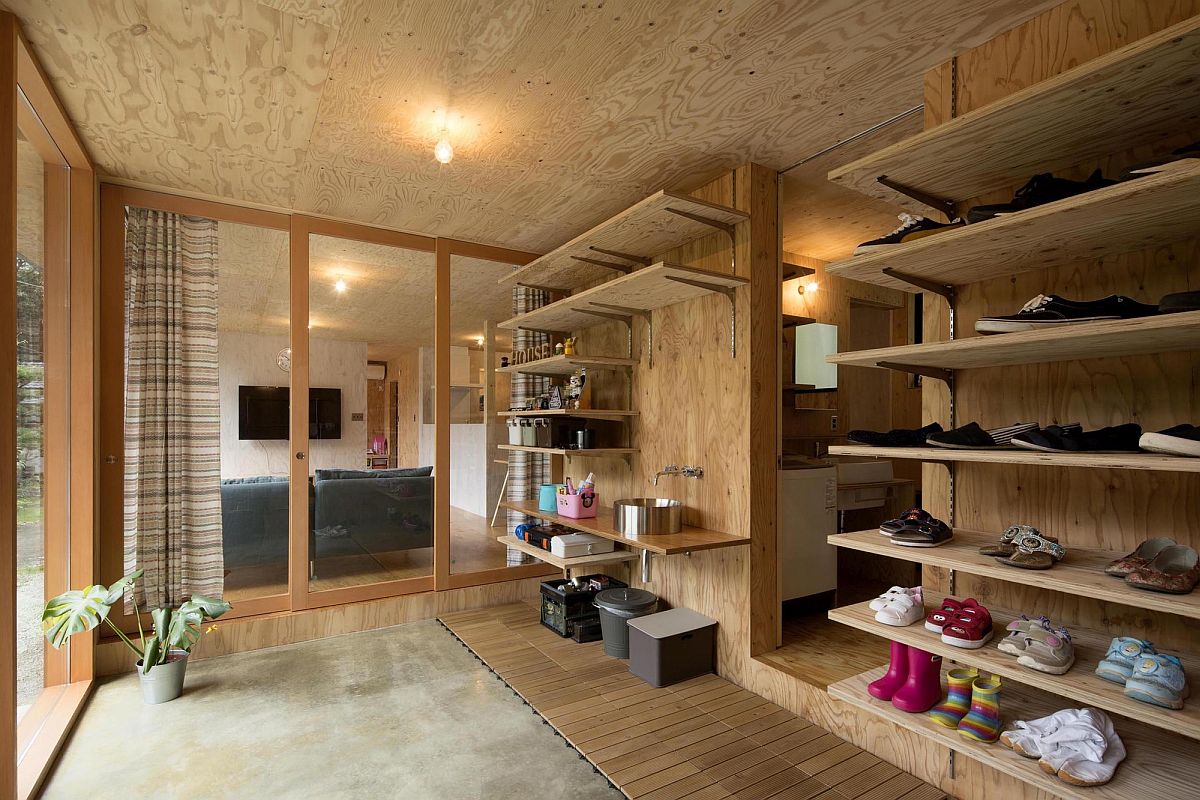
Open wooden shelves of the entry hold everything from the footwear to smart decorative pieces
Small sectional gray sofa for the modern living room with wood walls and sliding glass doors

Minimal modern décor, a hint of innate simplicity that is native to Japanese design and warm lighting complete this exceptional and green home with a difference! [Photography: Shinichi Hanaoka]
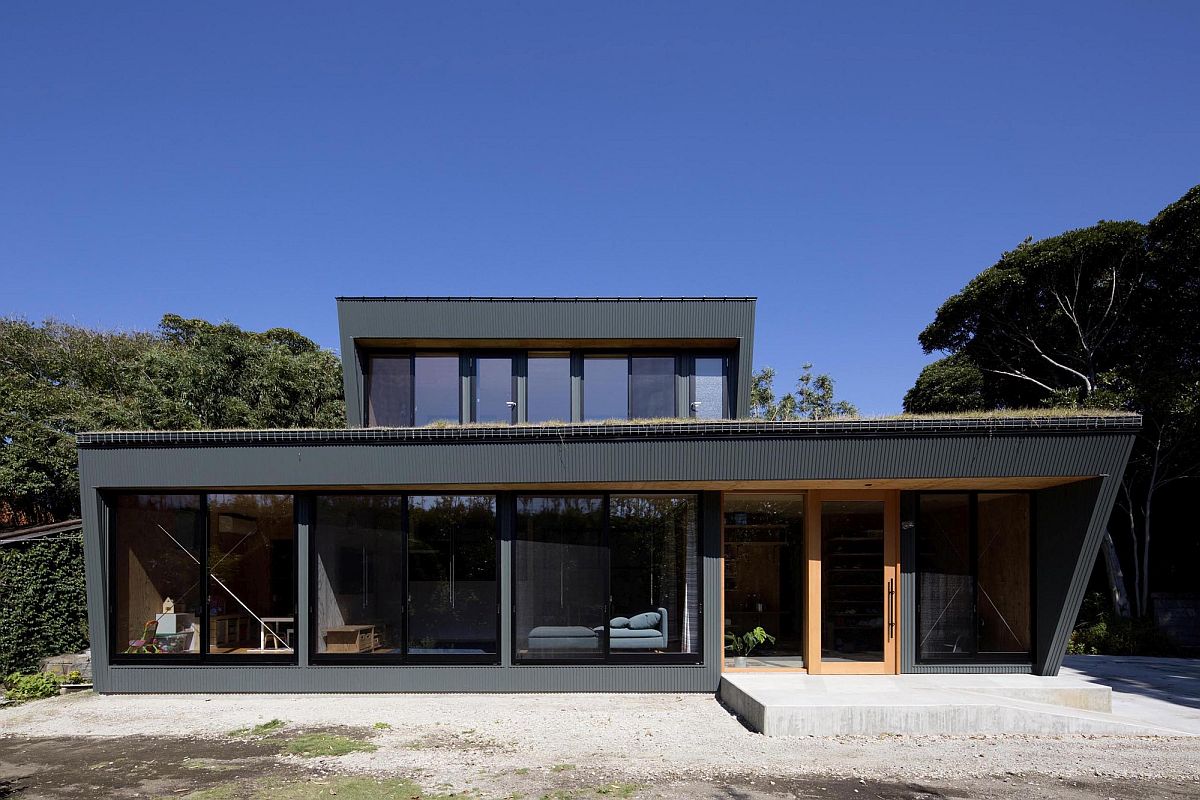
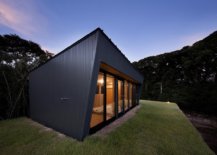
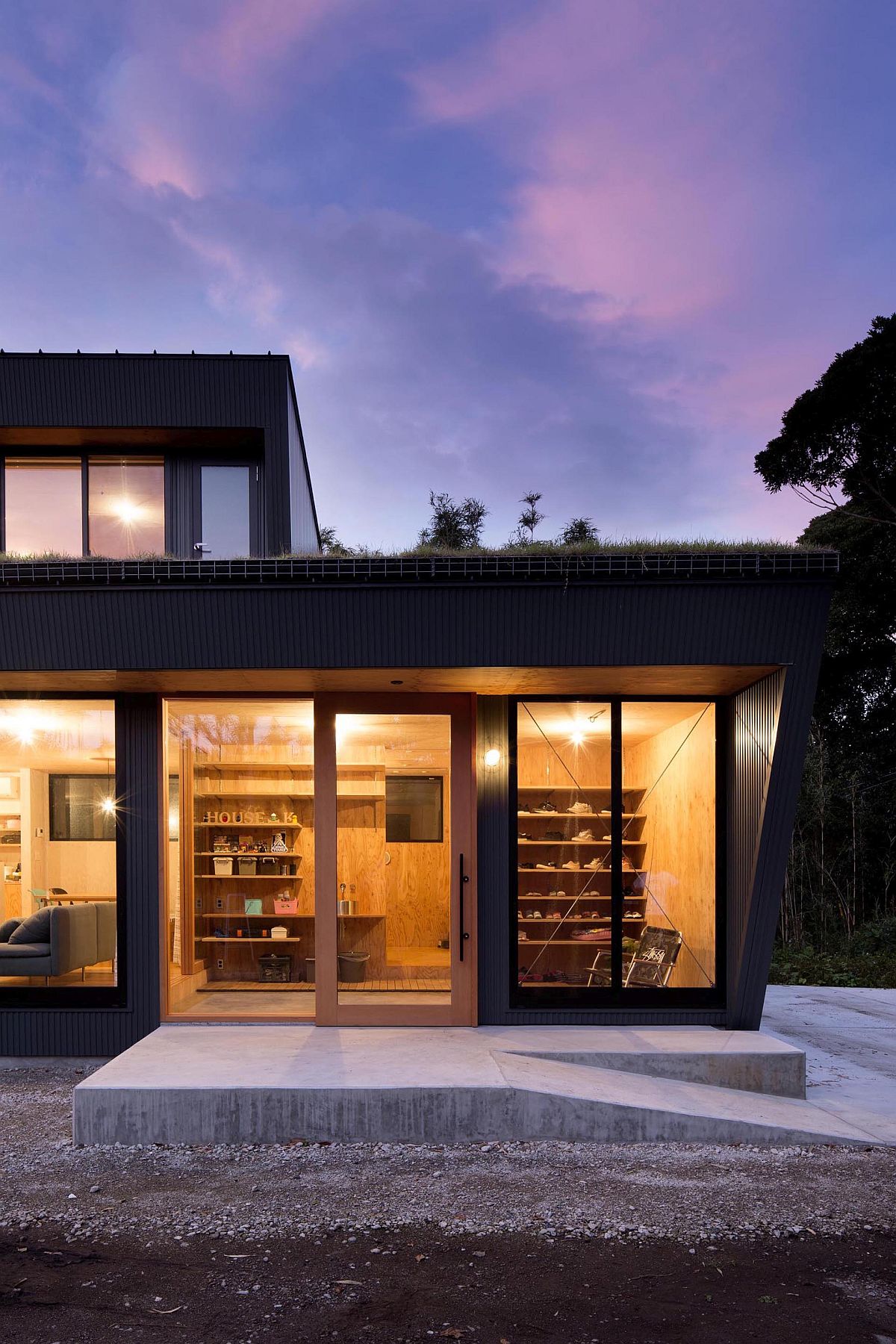
Contemporary home in glass and gray in Tateyama, Japan
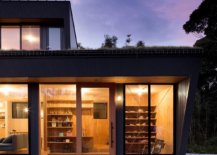
Unique upper level of the house with smart design that extends into the green rooftop outside
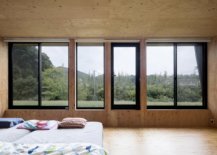
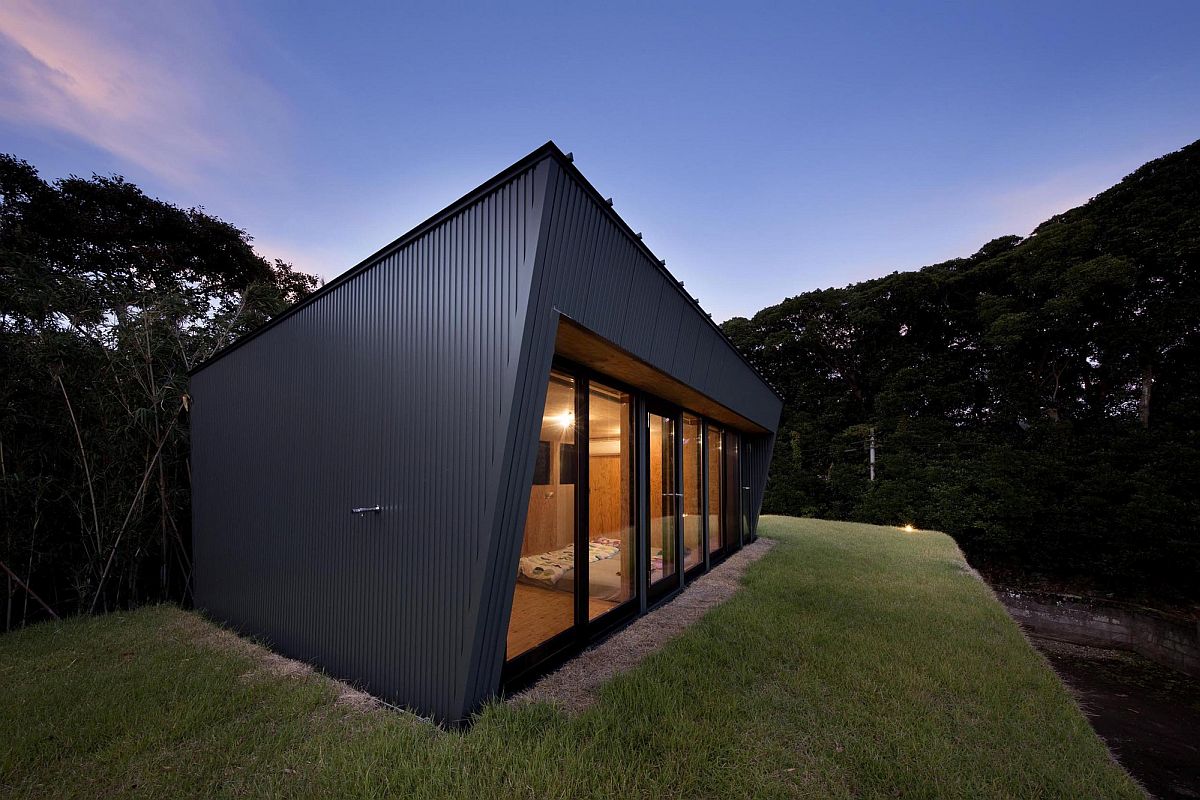
Upper level bedroom of the innovative and adaptable Japanese home
Angular walls at the end of the house give it a unique geometric appeal
Cleverly placed recessed lights take over after sunset in the living room

You’re reading Sustainable Japanese Home with Grass Roof and a Breezy Modern Design, originally posted on Decoist. If you enjoyed this post, be sure to follow Decoist on Twitter, Facebook and Pinterest.

Similar Posts

  • Lirio 7

    Located in a quiet street in one of the most emblematic neighborhoods in Mexico City, this project is an intervention that has its roots on the understanding of the urban and social dynamics in Mexico City. Lirio 7 has an interesting history; as an Art Déco building, originally housed public baths during the 30s, then in the 50s became a sanatorium, and before its abandonment, it was the headquarters of a security company. Considering this conditions, we took advantage from an abandoned building without any recognized heritage value by local authorities, to restore it and offer a specific model of housing that recovers the historical value of Santa María La Ribera neighborhood. The design process is based on the concept of a central patio and its perimeter circulation, which was adapted into a new layout to create 12 new apartments where the main corridor becomes part of the home. In this type of buildings, this circulation is a public place and the challenge on making it private leads to define an enclosure that plays with the visuals. The dwellings are arranged around the patio, orienting their view to it, which is considered as a place of introspection, not so much as circulation. Concrete elements of different heights acts as planters, dampen the sound of the water from the recovered fountain and support the discourse of circulations, interposing themselves to the visuals, again to guide and give privacy to the user. Each of the houses therefore has ventilation and daylight entrance. The first and second floors have a greater free height, typical of the original construction moment, allowing a greater volume of use of spaces. The third level, from the 50s as well as the new structures implemented on deck, maintain a standard height more like that the required by current construction regulations. A perforated concrete prism, outstands from the patio’s façade, creating a visual contrast without stealing it protagonism. With a different materiality and density from the rest of the project, this volume patches the view from the outside, creating a light and shadows game towards the last apartment, and allows the user to enjoy the views.