The Room: Redefining the Office Space with Style, Creativity and Space-Savvy Design

Modern workspaces and offices are much different from the mundane and boring series of cubicles that took over the world in the 80’s and 90’s. Today’s innovative offices offer a much more vibrant and creative environment for employees and there is no shortage of features that steal the spotlight here. From the many amazing offices of tech giants like Google across the globe to smaller, startups that offer equally captivating work environment, the best offices are those that combine aesthetics and functionality in a seamless fashion. The Room in Barcelona is not all that different in this respect as this modern workspace designed by Nook architects feels comfortable, spacious and has a smart blend of private and social workzones.
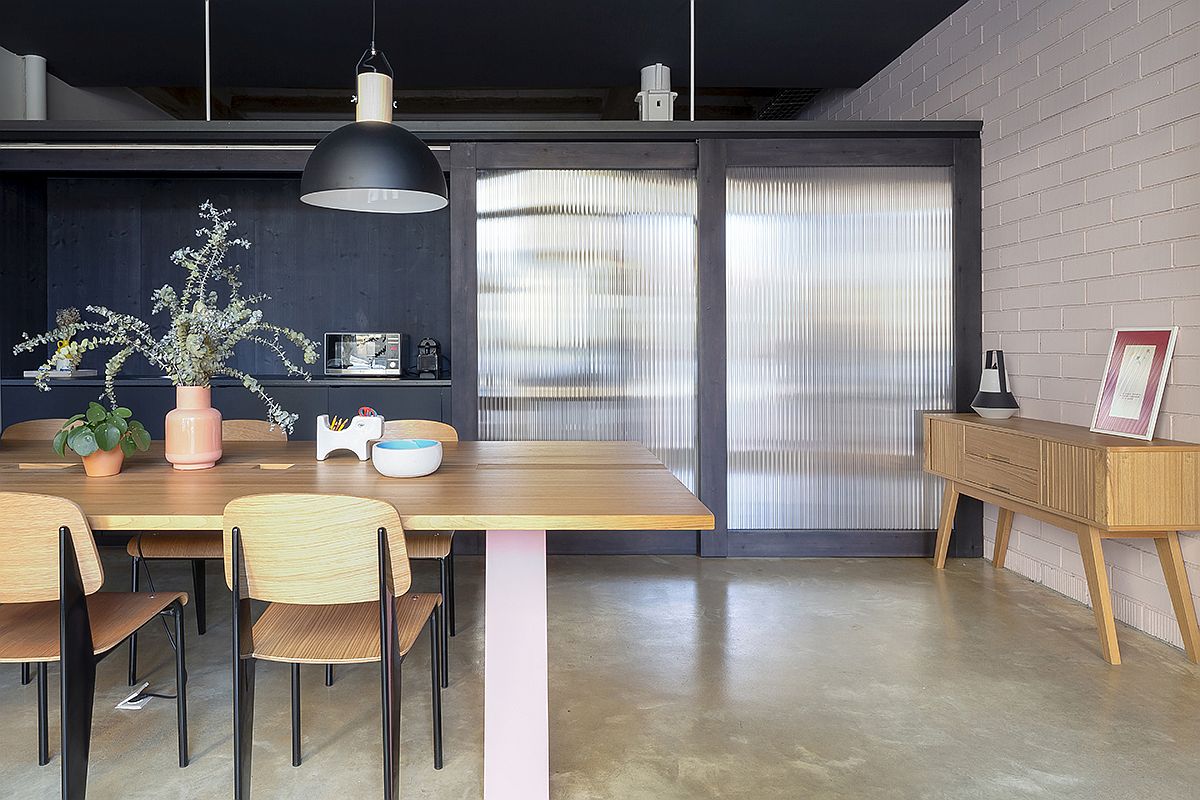
The Room workspace in Barcelona designed to adapt to the needs of the users

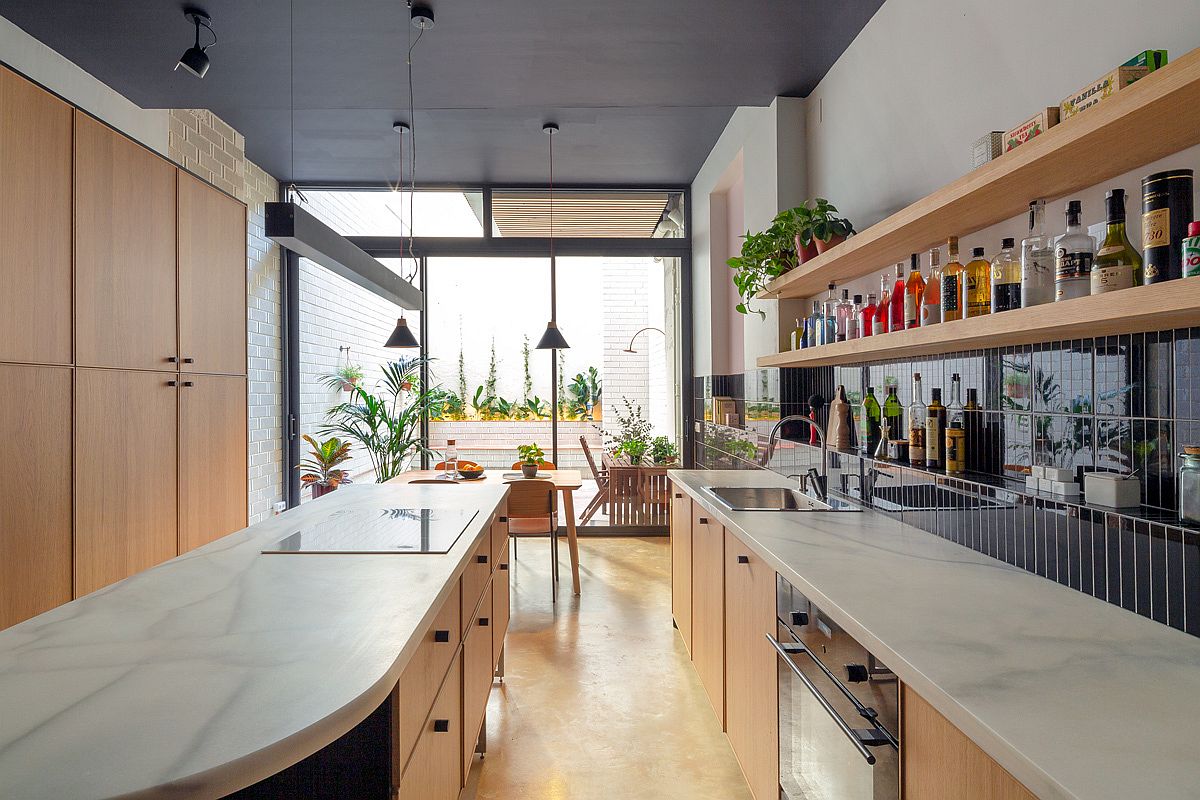
The entire office interior has been divided into two large zones with one containing a spacious hall for workshops, meetings and other creative activities that involve large teams and a second section that contains series of workstations along with dining area and a small kitchenette. Spruce wood, glass and dark metallic frames shape much of the office here with white taking over in other spots. With smart connectivity to the outdoors, this is an office where Monday morning blues feel that little bit less taxing. [Photography: Yago Partal]
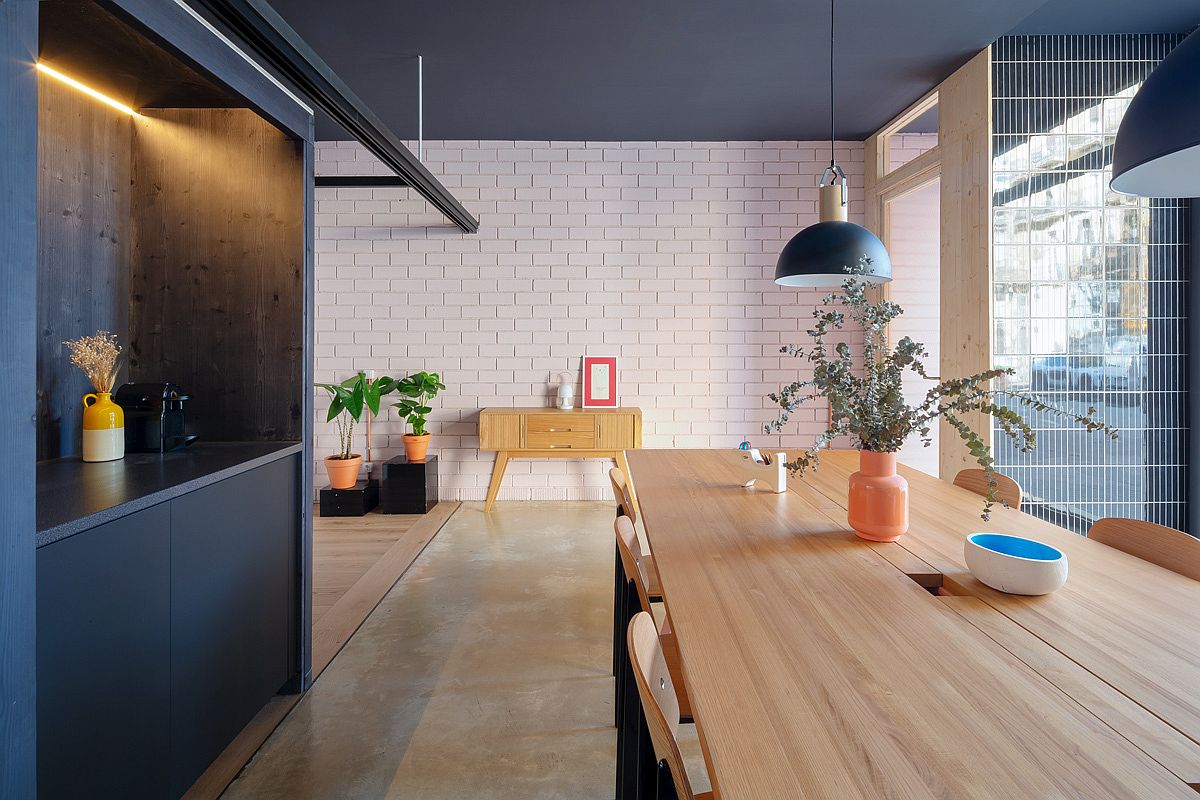
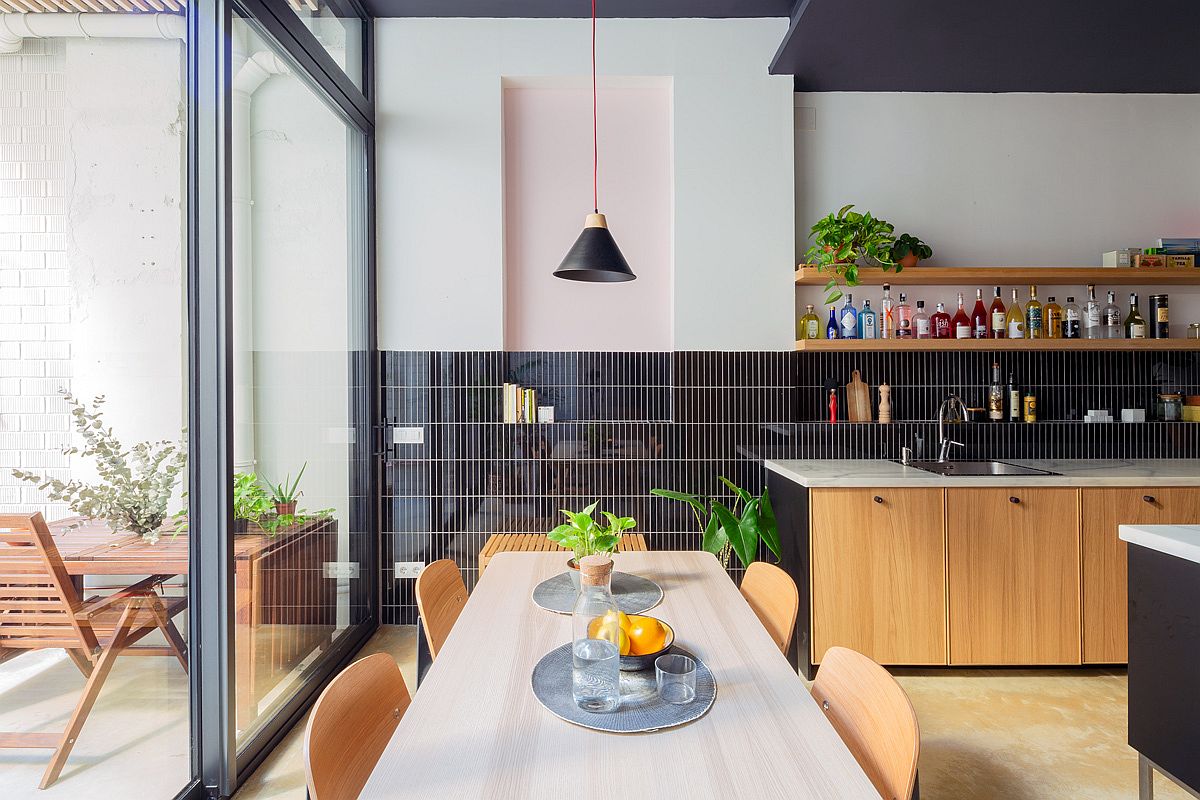
Large gray pendant, subway tiles and wooden surfaces inside the office
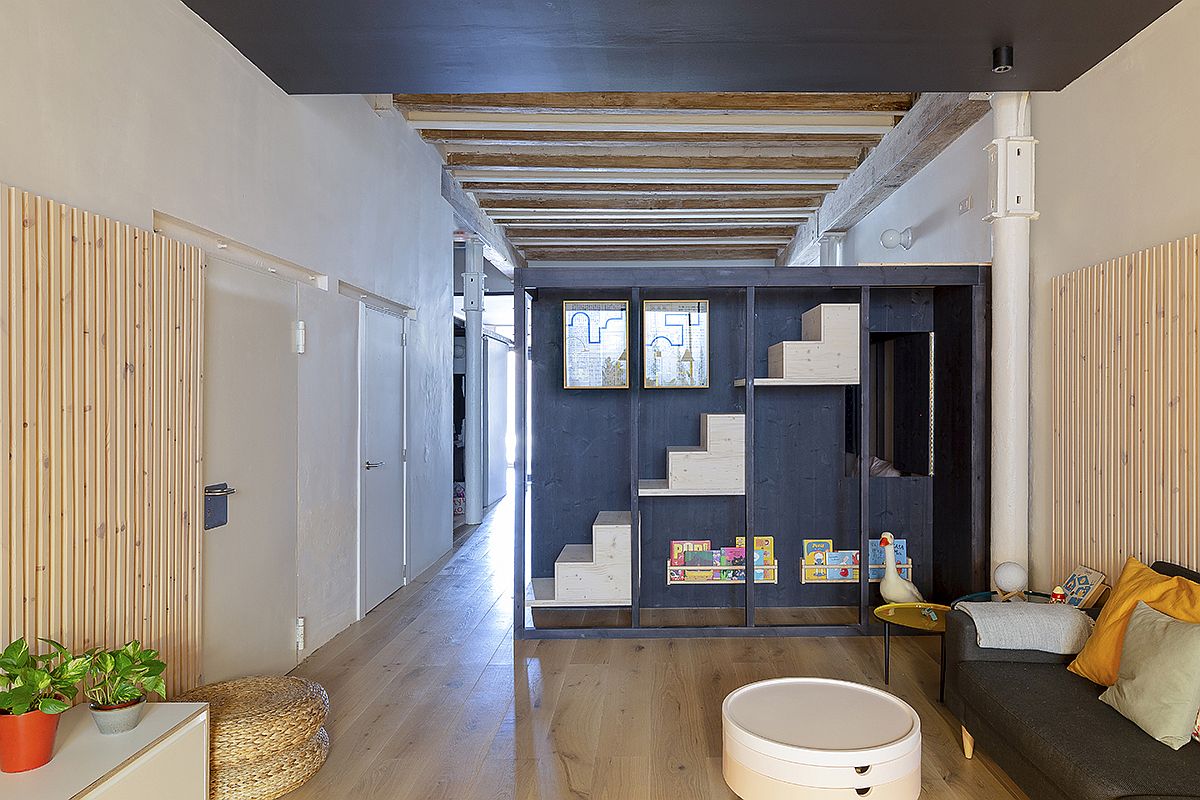
Personal storage units for the home office
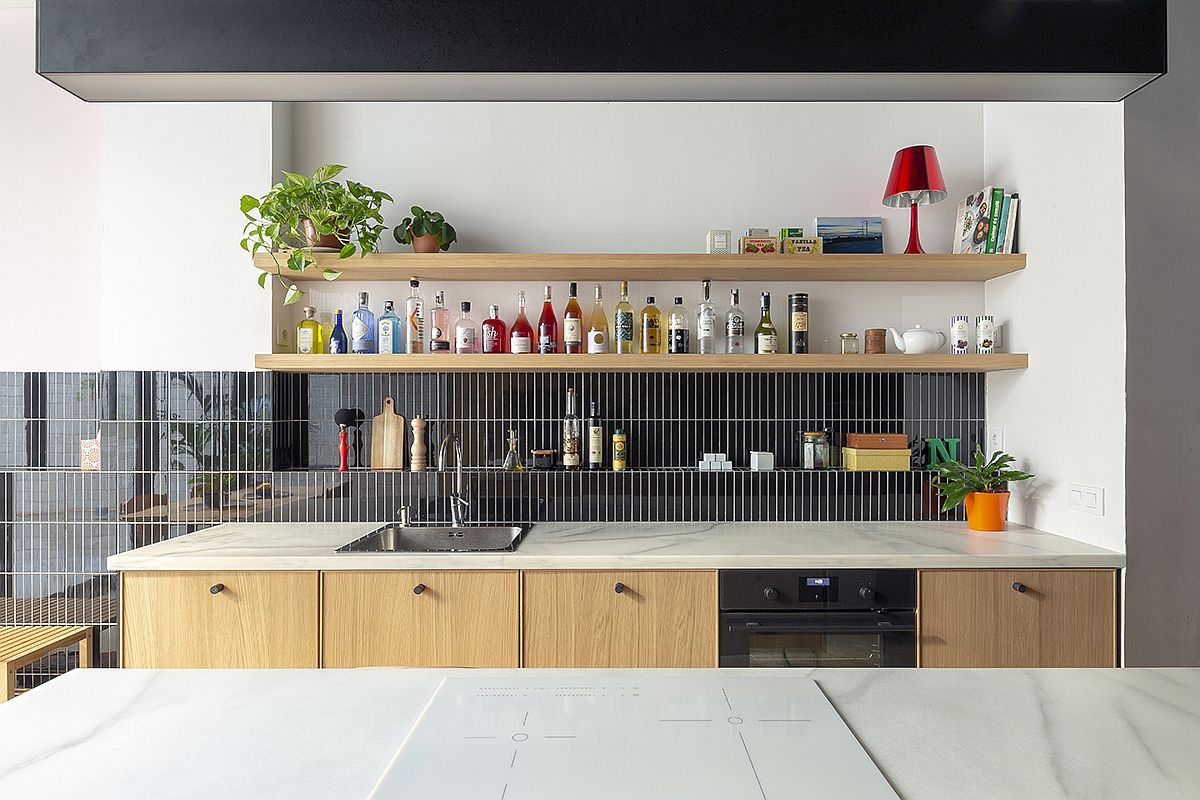
Sitting and dining area along with social kitchen for the office
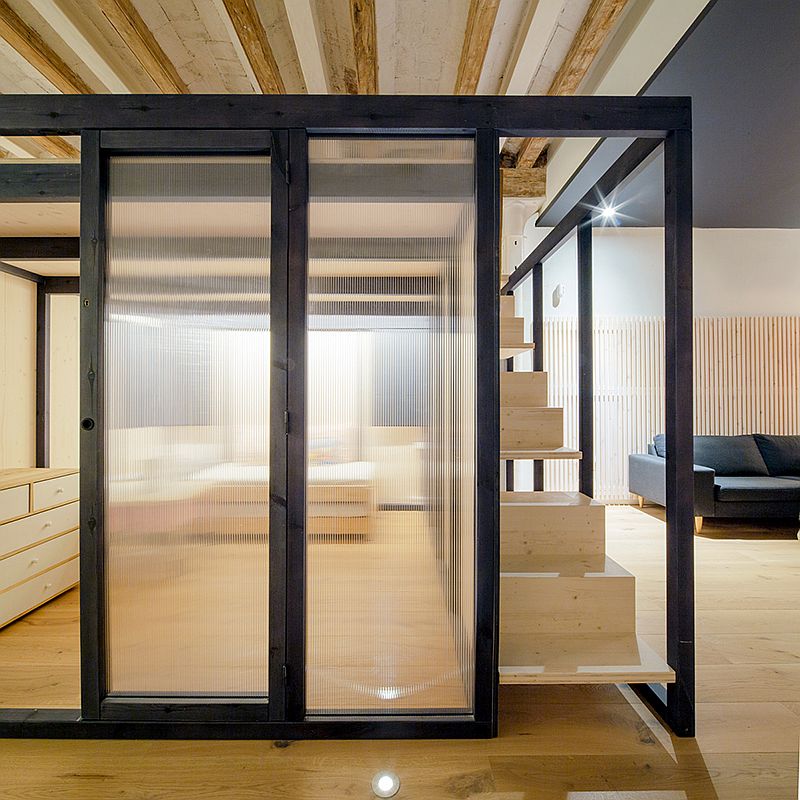
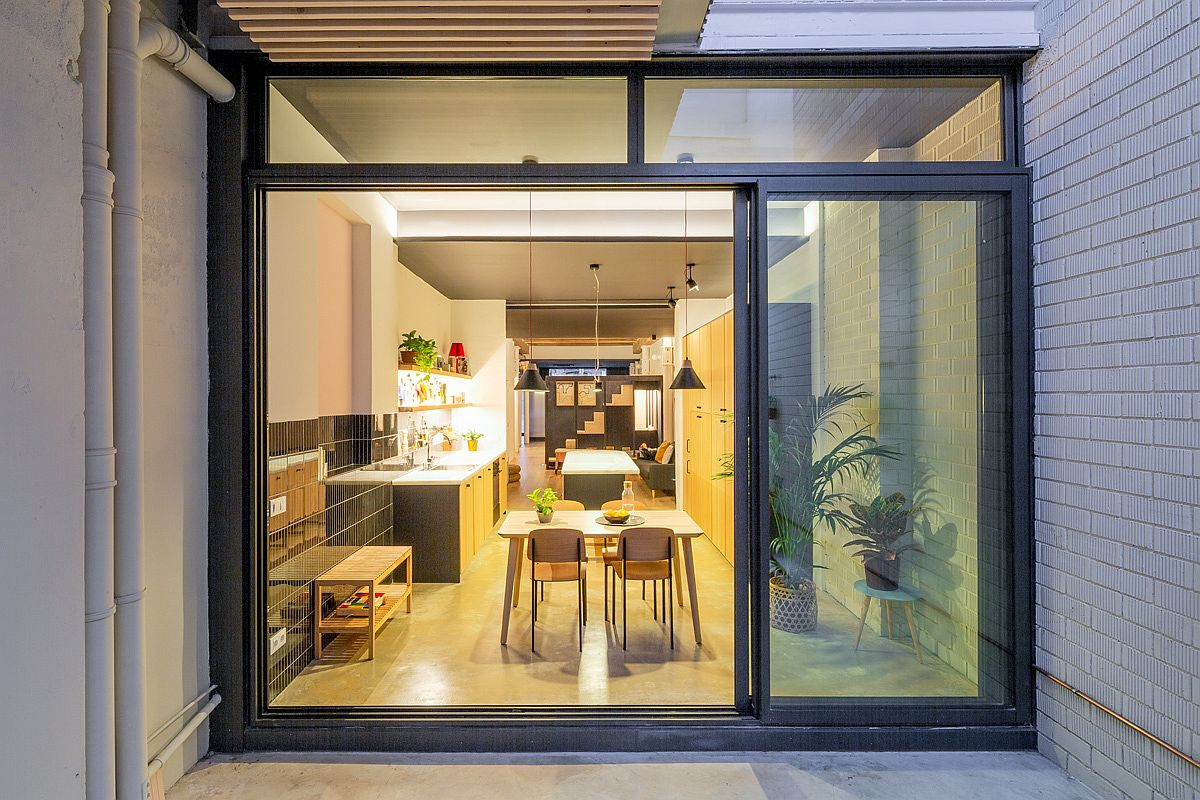
Sliding glass doors and wooden structures shape the interior of the office
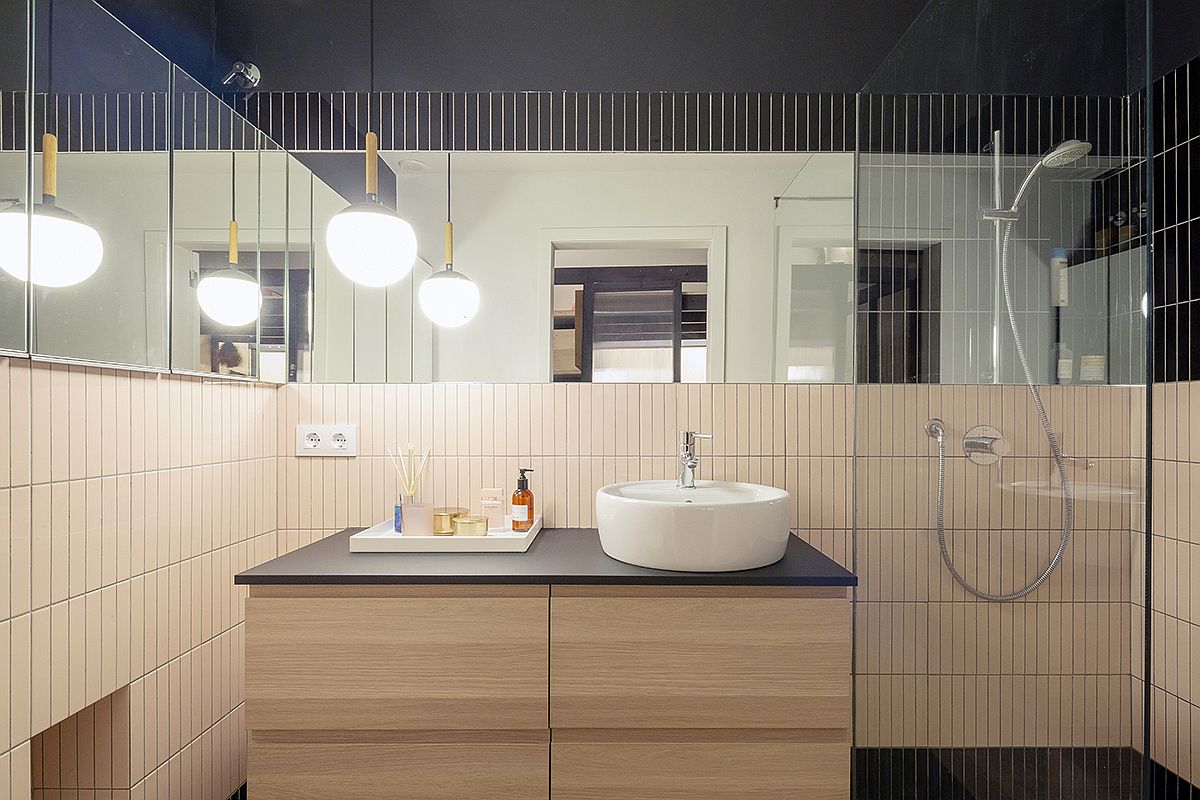
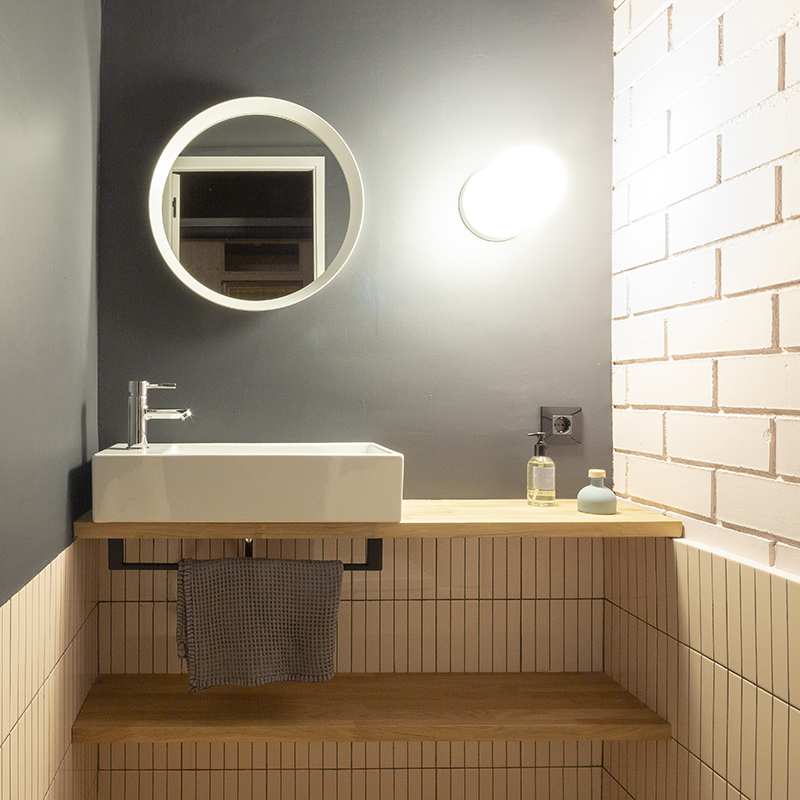
Spacious bathroom with lighting that accentuates its best features
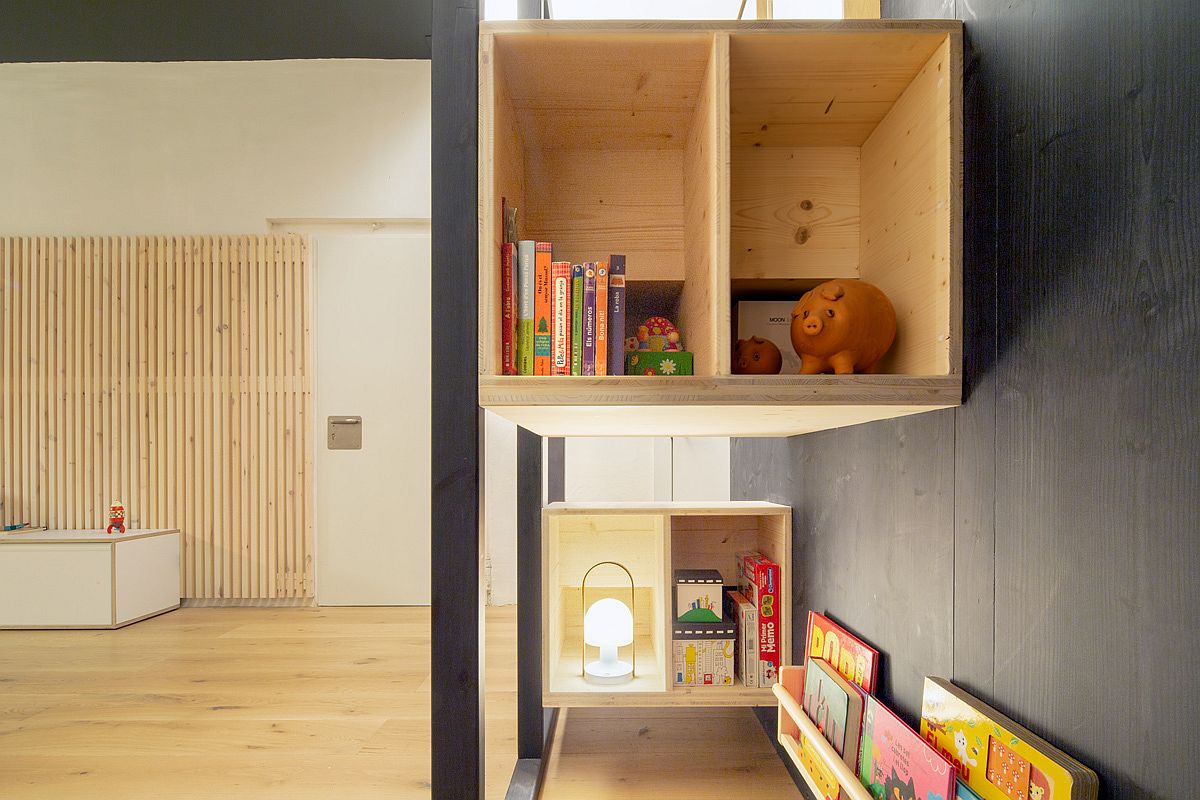
Storage nooks and smart shelves make a difference to the office
Wood, gray and white for the modern bathroom

New approaches to work demand flexible rooms that can be adapted to emergent needs. THE ROOM, therefore, proposes a versatile arrangement of spaces that respond to these new realities, transcending the assignment of a specific chamber to a specific use. With a height of 3.50 m, we were able to meet all functional requirements without building up to the ceiling. This not only ensures that the structural framing remains visible from all angles…
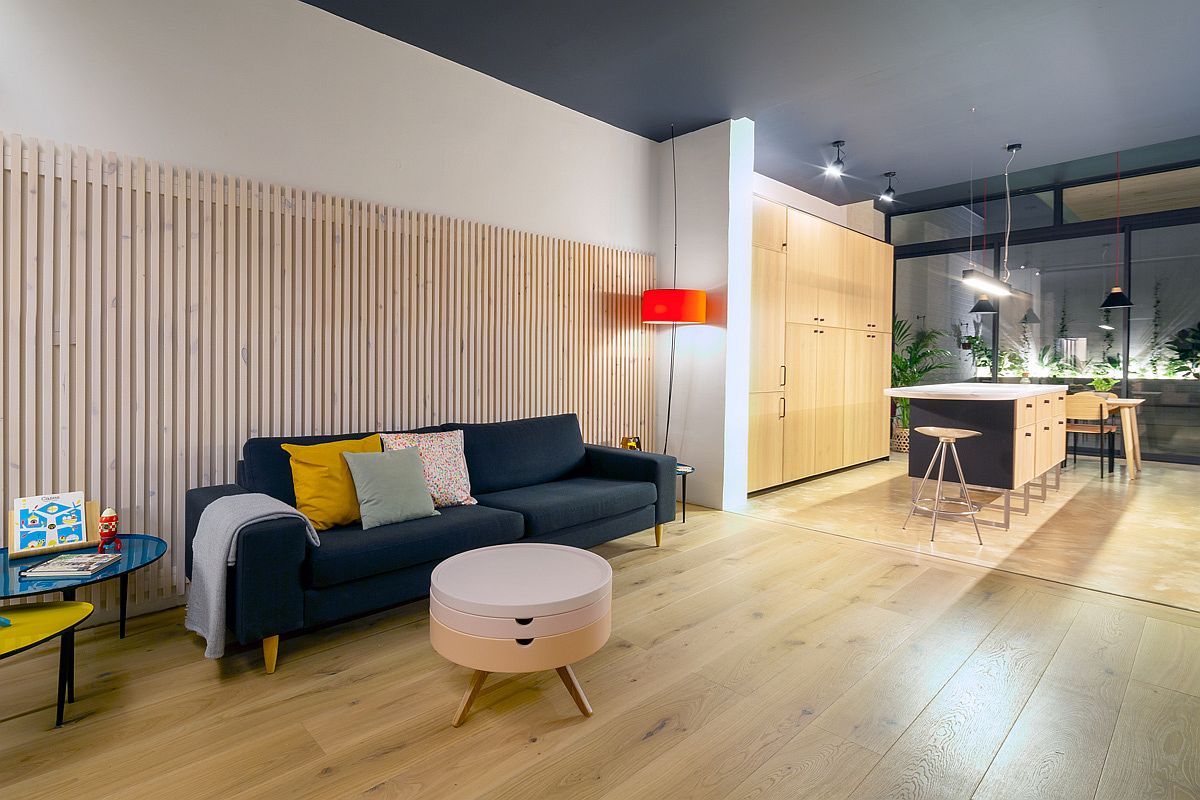
Bluish-grays and white shape the interior of the spacious office
Creating a multi-purpose hangout and kitchen for a modern office setting
Finding the right balance between casual elegance and productive design in the office
Framed sliding glass doors connect the interior with the outdoors

Liked the story? Share it with friends.

Similar Posts

  • Brilliant Bathroom in Green Brings Vivacious Color into this Modern Office

    Modern offices are no longer spaces where endless stretches of cubicles greet you and the entire design feels just so sterile. Many of them now incorporate recreation areas, play zones and other activity spaces that offer employees a chance to refresh and have a better quality of life. Taking inspiration from this, the AB&D Office […]

    You’re reading Brilliant Bathroom in Green Brings Vivacious Color into this Modern Office, originally posted on Decoist. If you enjoyed this post, be sure to follow Decoist on Twitter, Facebook and Pinterest.

  • Add/Subtract House

    The Add/Subtract House is derived from the stereotomic operation of subtracting from and adding to a solid volume to enable specific programmatic relationships and daylight conditions. Sited on a typical 50’x150’ single-family residential lot in Austin, Texas, the design questions the standard house massing and arrangement by stretching along the length of the lot. Rather than single the dichotomy of front yard and backyard, the design establishes smaller courtyards, hardscapes and softscapes at various scales to relate to individual rooms. The external material palette (standing seam metal, tongue & groove wood paneling, and stucco) is applied to reinforce the distribution of individual program elements. Each material is composed into folding planes which capture space and define zones throughout the house. Every room in the house benefits from natural light from at least two sides as daylight is modulated throughout, offsetting the need for electric light during daylight hours and allowing occupants to more directly track seasonal and daily patterns.