The Room: Redefining the Office Space with Style, Creativity and Space-Savvy Design

Modern workspaces and offices are much different from the mundane and boring series of cubicles that took over the world in the 80’s and 90’s. Today’s innovative offices offer a much more vibrant and creative environment for employees and there is no shortage of features that steal the spotlight here. From the many amazing offices of tech giants like Google across the globe to smaller, startups that offer equally captivating work environment, the best offices are those that combine aesthetics and functionality in a seamless fashion. The Room in Barcelona is not all that different in this respect as this modern workspace designed by Nook architects feels comfortable, spacious and has a smart blend of private and social workzones.
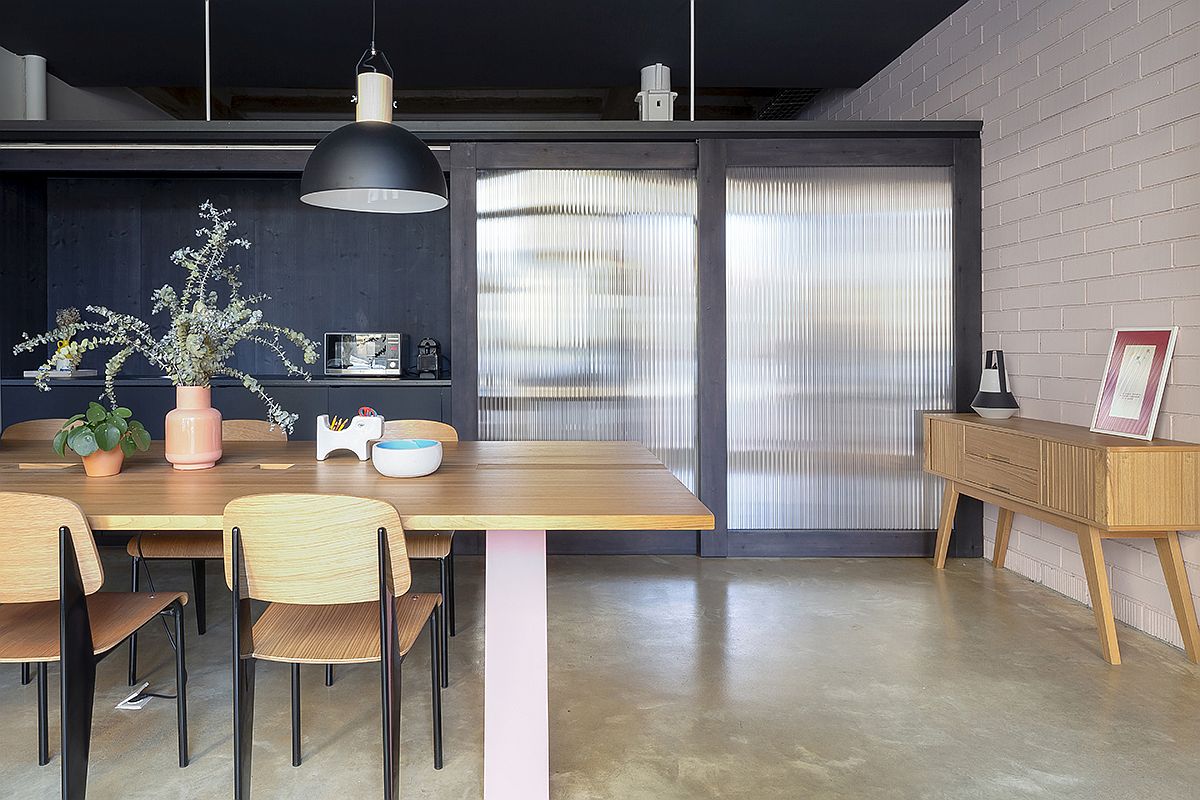
The Room workspace in Barcelona designed to adapt to the needs of the users

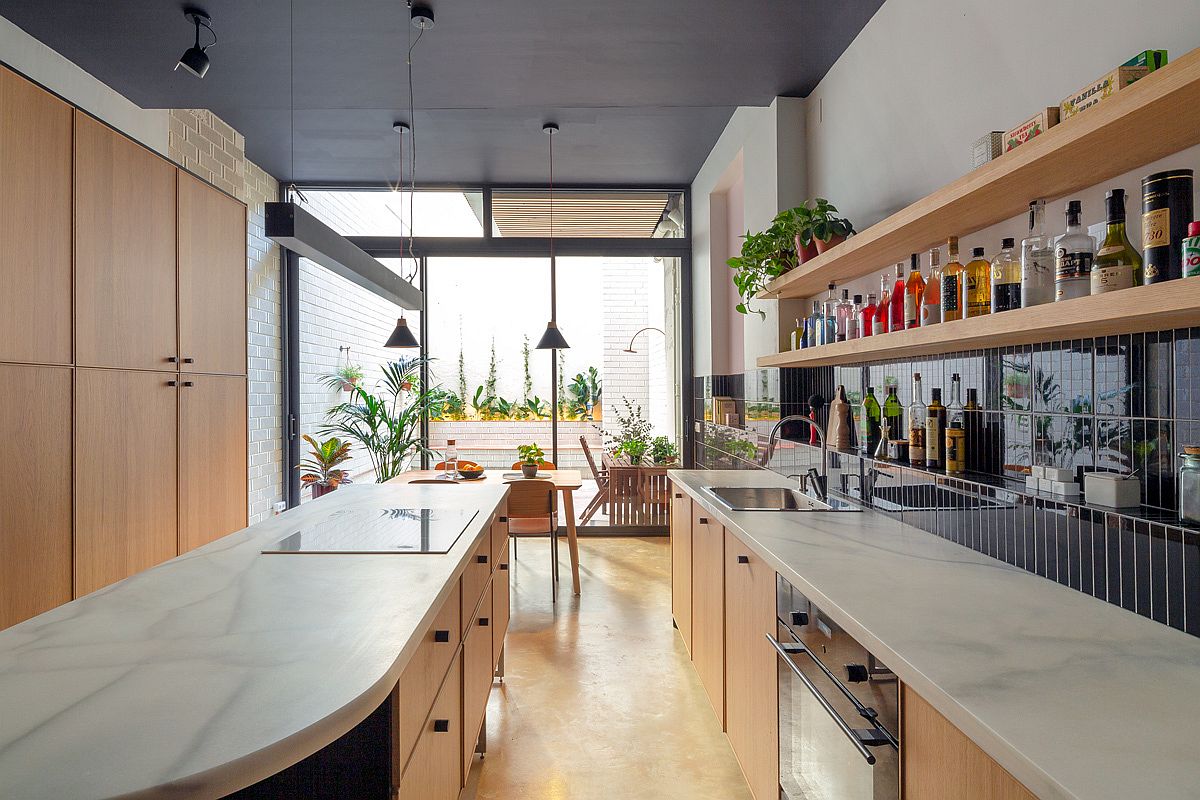
The entire office interior has been divided into two large zones with one containing a spacious hall for workshops, meetings and other creative activities that involve large teams and a second section that contains series of workstations along with dining area and a small kitchenette. Spruce wood, glass and dark metallic frames shape much of the office here with white taking over in other spots. With smart connectivity to the outdoors, this is an office where Monday morning blues feel that little bit less taxing. [Photography: Yago Partal]
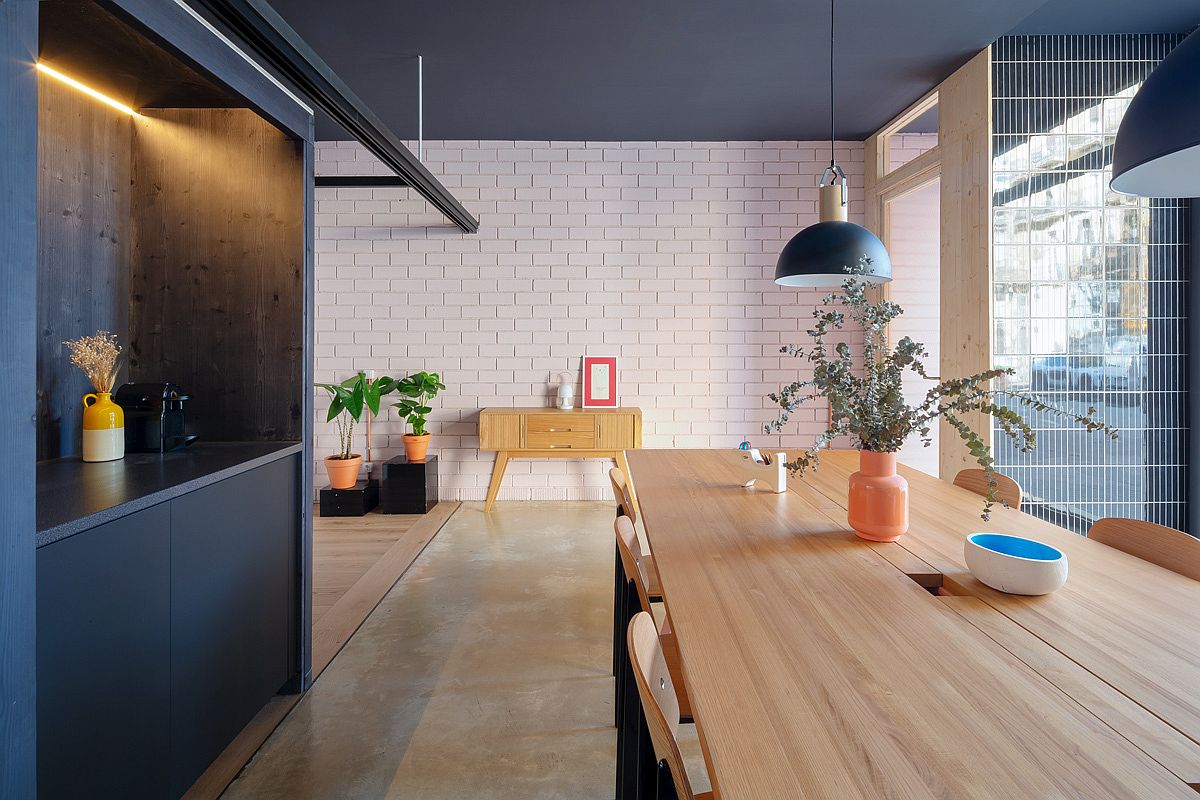
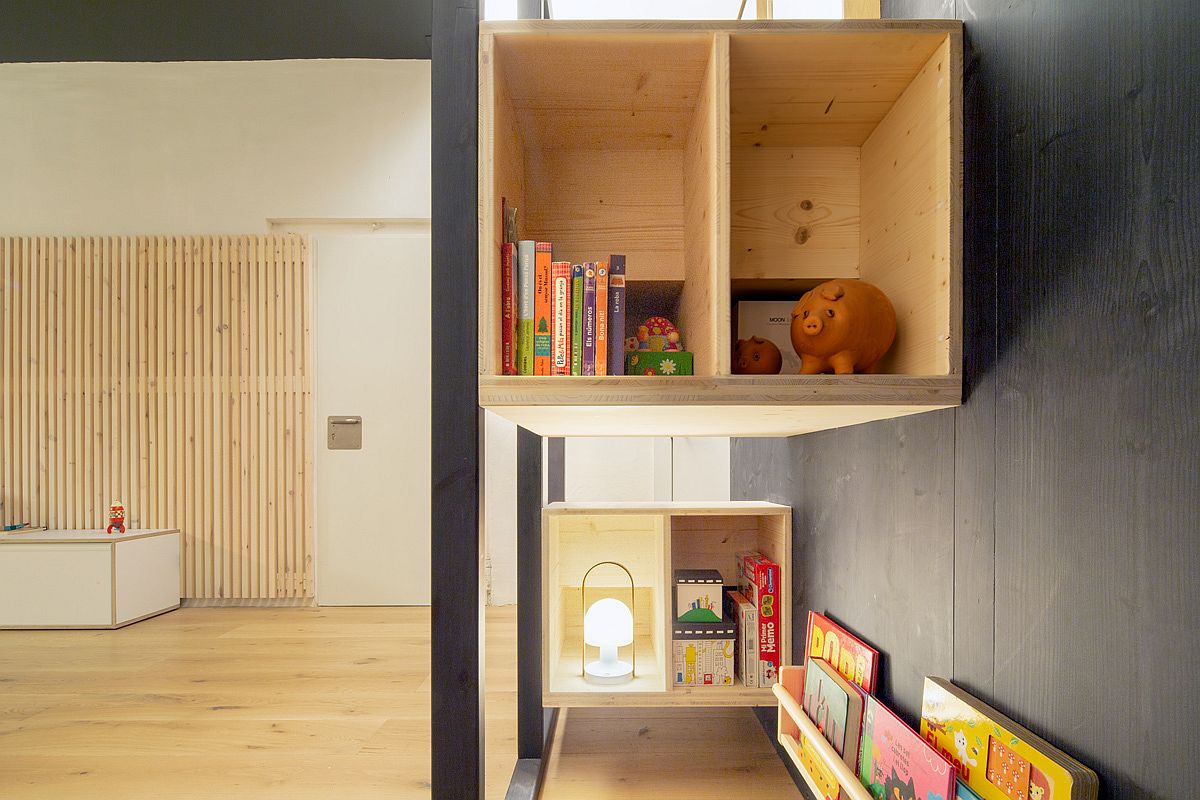
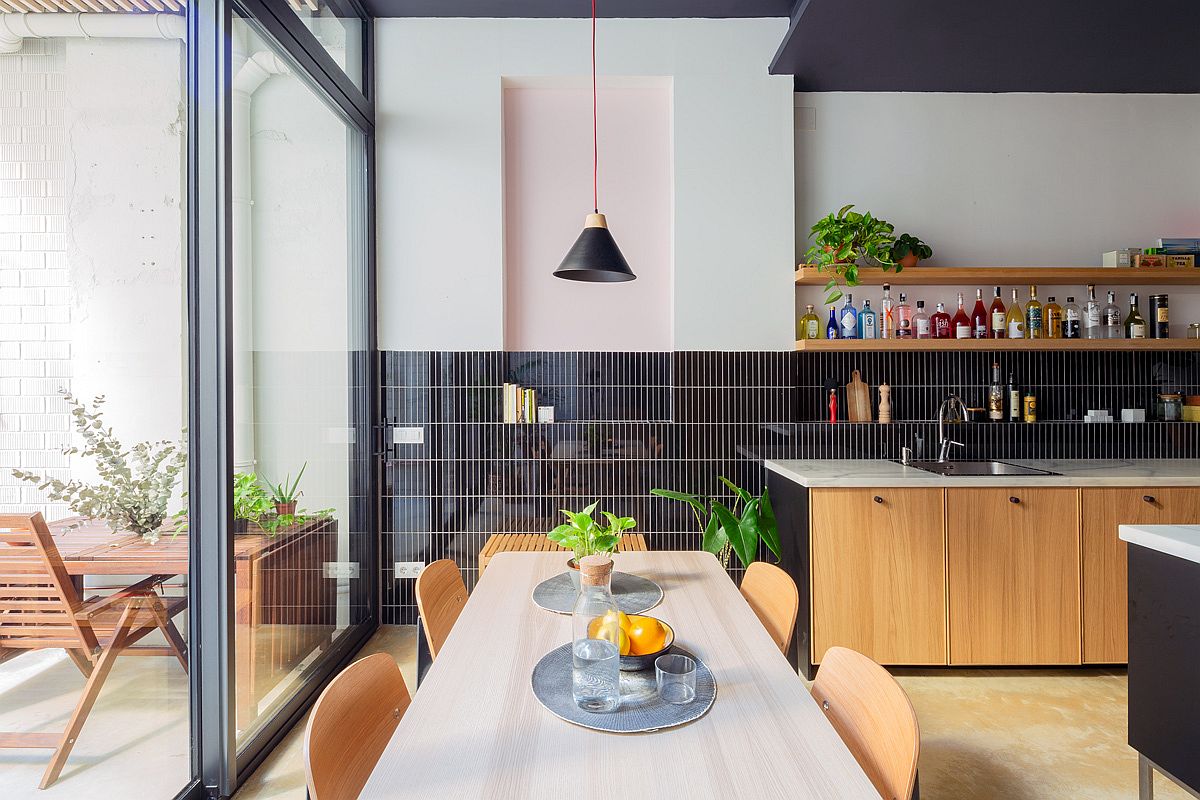
Large gray pendant, subway tiles and wooden surfaces inside the office
Personal storage units for the home office
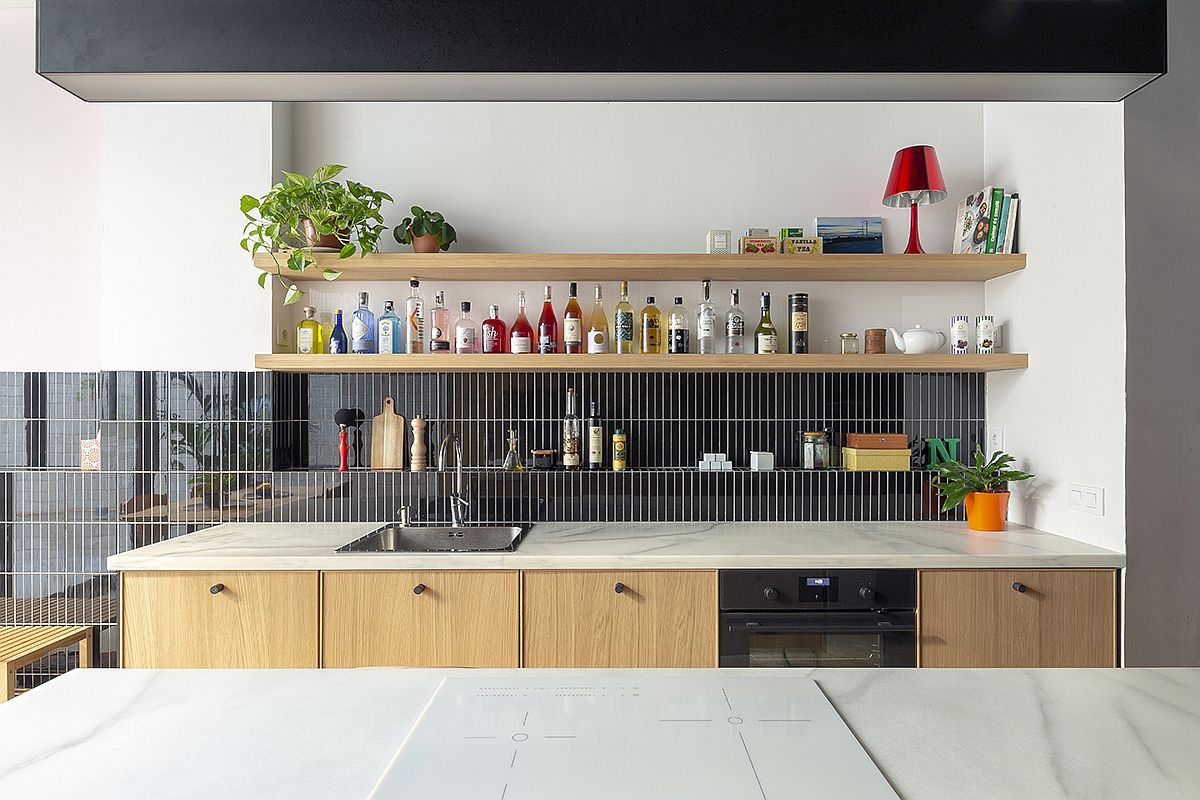
Sitting and dining area along with social kitchen for the office
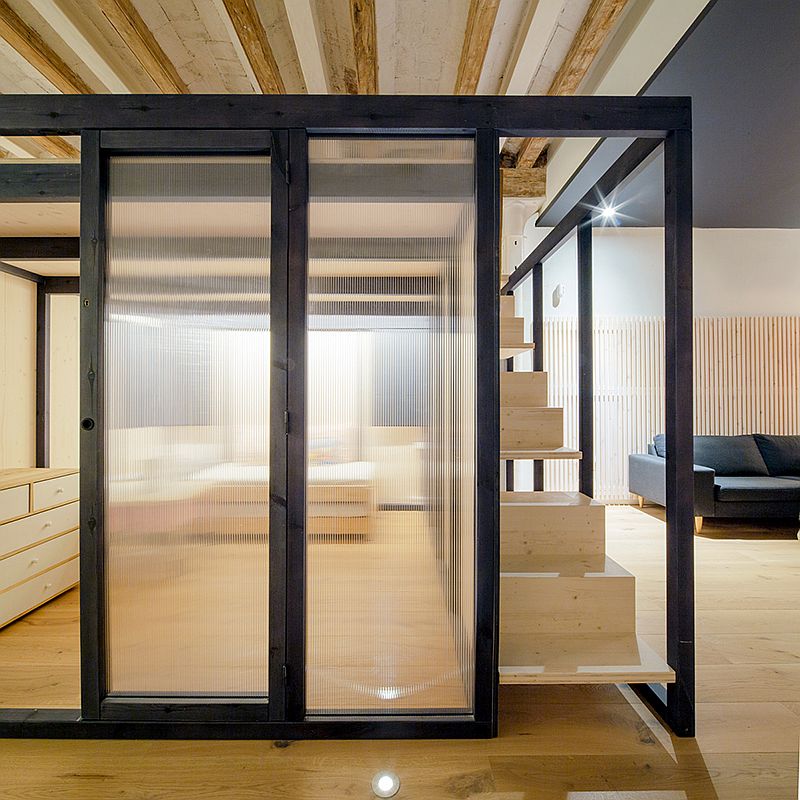
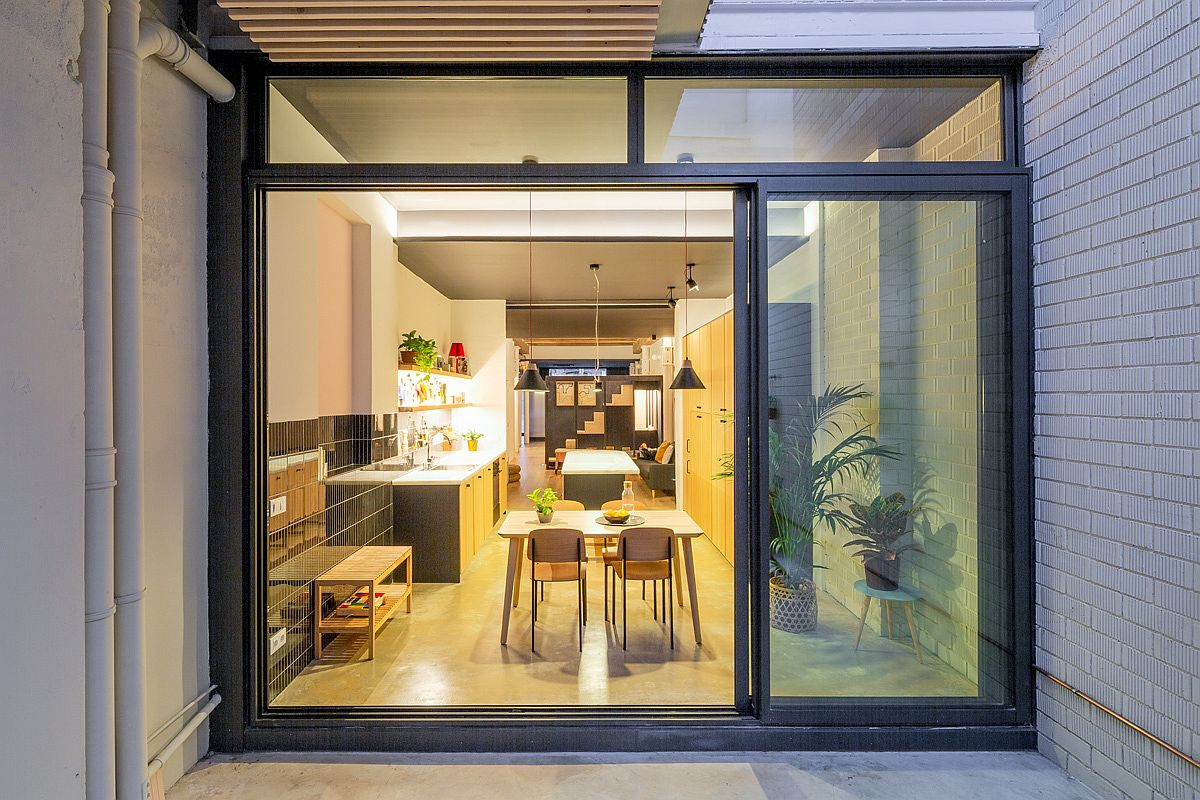
Sliding glass doors and wooden structures shape the interior of the office
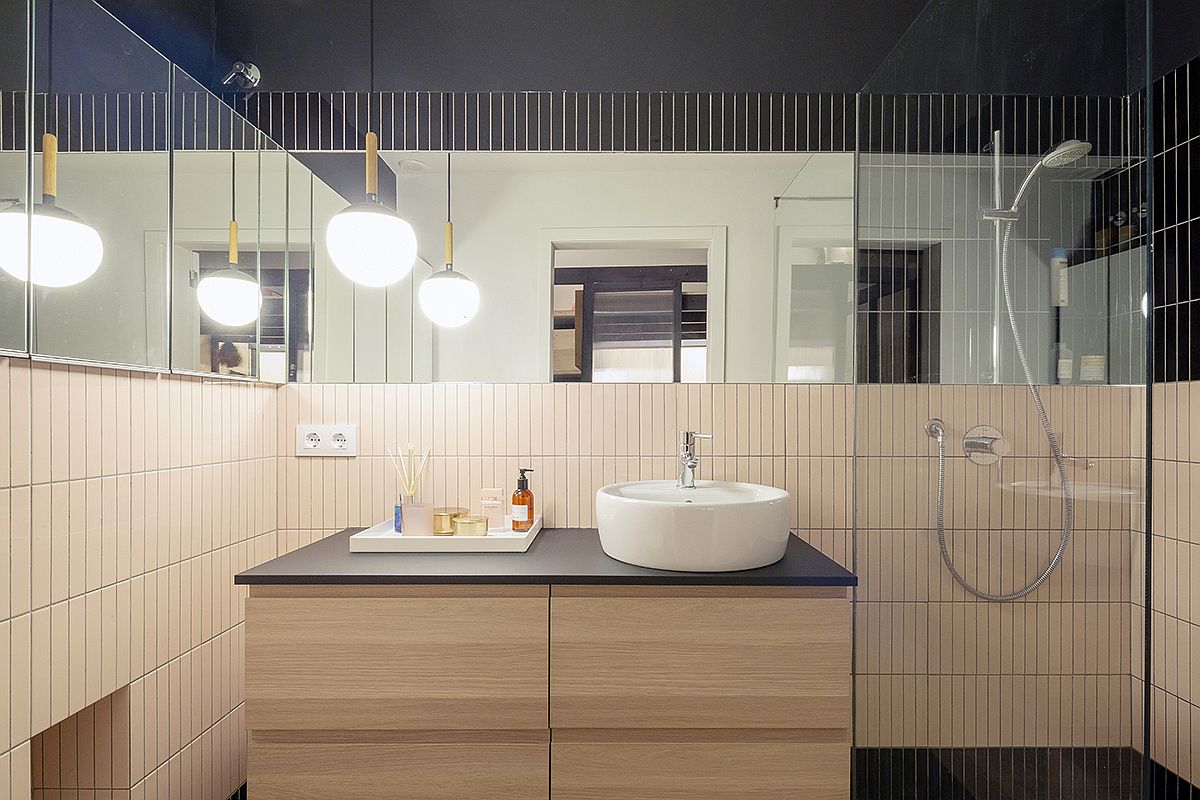
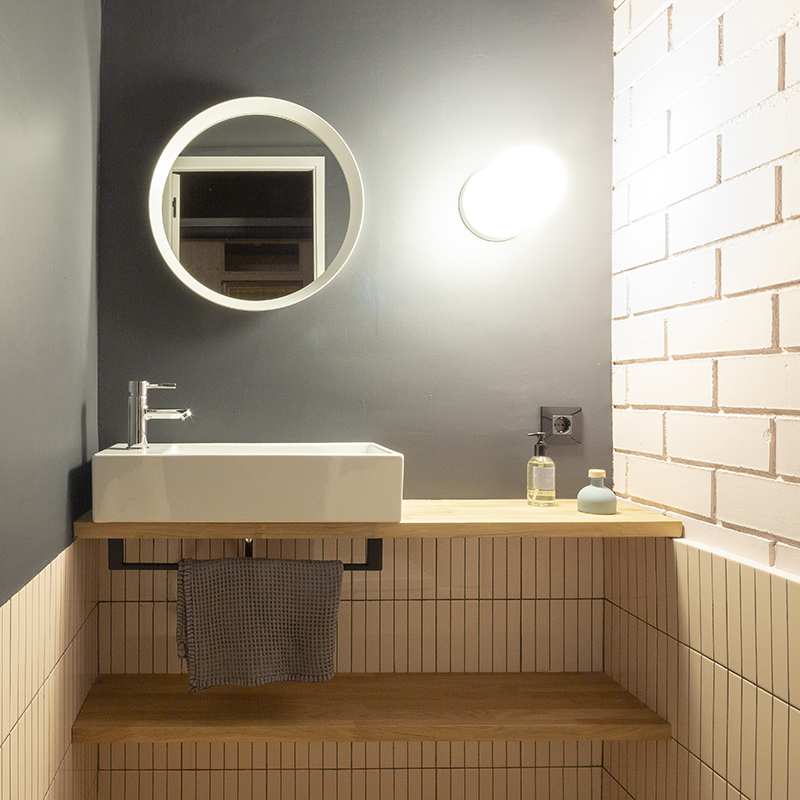
Spacious bathroom with lighting that accentuates its best features
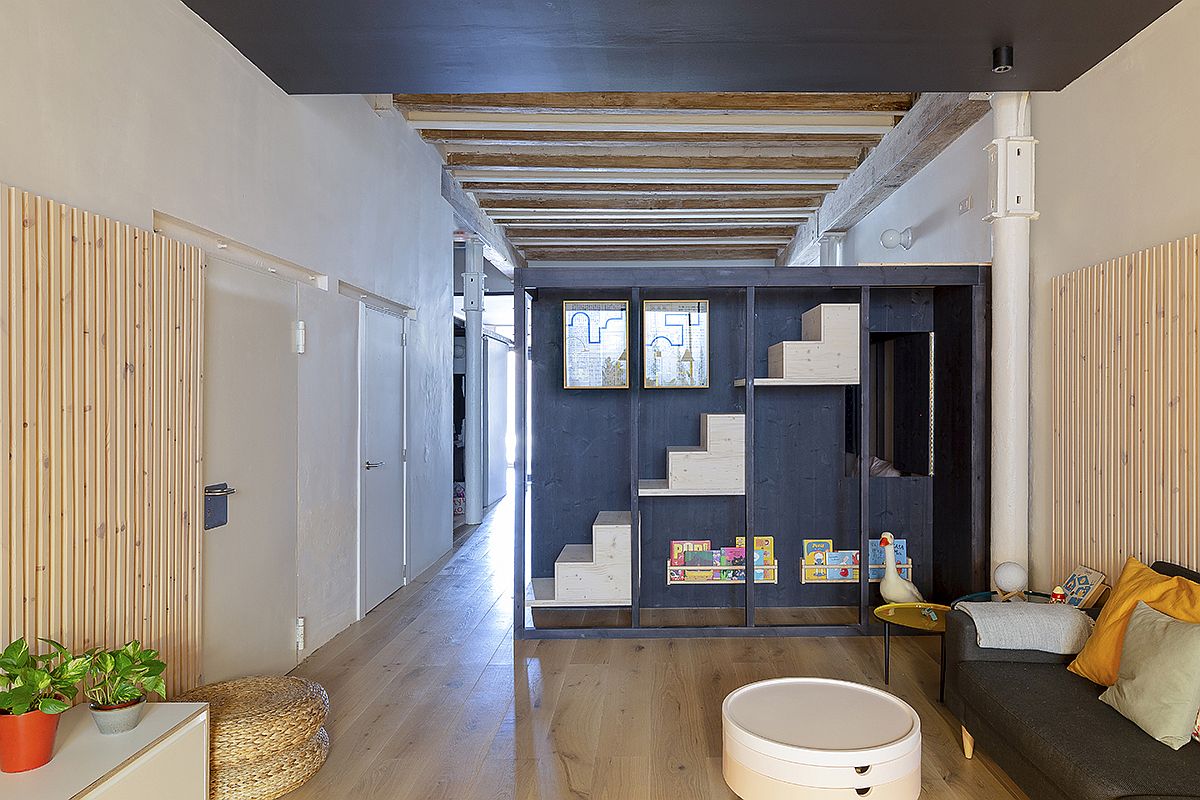
Storage nooks and smart shelves make a difference to the office
Wood, gray and white for the modern bathroom

New approaches to work demand flexible rooms that can be adapted to emergent needs. THE ROOM, therefore, proposes a versatile arrangement of spaces that respond to these new realities, transcending the assignment of a specific chamber to a specific use. With a height of 3.50 m, we were able to meet all functional requirements without building up to the ceiling. This not only ensures that the structural framing remains visible from all angles…
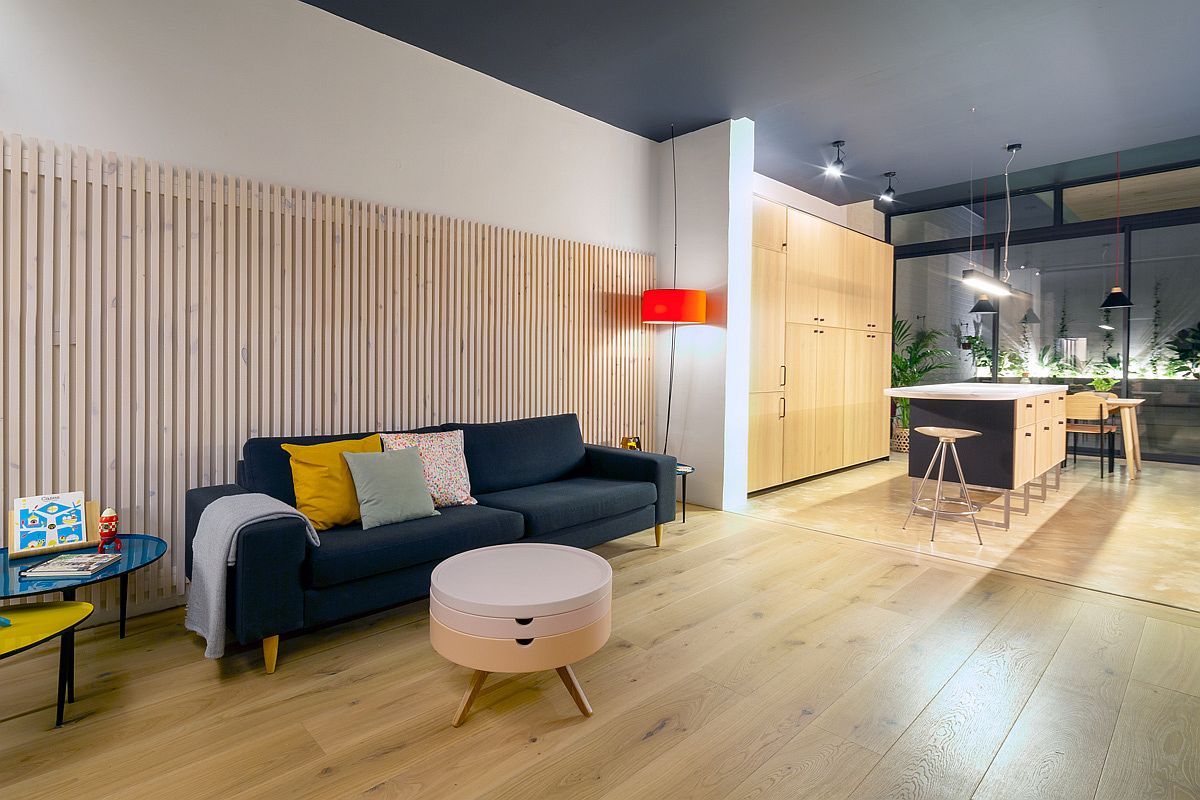
Bluish-grays and white shape the interior of the spacious office
Creating a multi-purpose hangout and kitchen for a modern office setting
Finding the right balance between casual elegance and productive design in the office
Framed sliding glass doors connect the interior with the outdoors

Liked the story? Share it with friends.

Similar Posts

  • Contemporary Home of Young Couple in Buenos Aires Clad in Concrete and Glass

    What a home demands in terms of design solutions is very different with regards to each homeowner. You want the house to respond to the specific needs of those living in it and this means there can be times when certain features are necessary and other occasion when you can be a bit more flamboyant. […]

    You’re reading Contemporary Home of Young Couple in Buenos Aires Clad in Concrete and Glass, originally posted on Decoist. If you enjoyed this post, be sure to follow Decoist on Twitter, Facebook and Pinterest.

  • SO House

    REVEALING THE EVIDENCE Confrontation with the reality of these ruins was always a confrontation seeped in memories. Memories
    of a place where the raw matter it is constituted of – the rock, the valley and the mountain – shows evident expression, provoking a game of fine balance between place, matter, light and shadow. We found light that dripped down the stone walls defining spaces separated only by rows of stacked rock. In each fissure, in each wrinkle, a soft balance between light and shadow. Standing before this scenery, the exercise consisted in finding the most natural way to connect ruins and spaces, simultaneously defining future possibilities for links between the interior and the exterior. Where decisions were concerned, we chose to rehabilitate pre-existing volumes and introduce a new connecting element. The answer is given by the almost immediate decision to join together the pre-existing elements. This
    gesture, deeply connected to the terrain along the pendente – connects the two sections facing west,
    forming an exterior courtyard adorned with a centenary olive tree. This project builds a space that runs through the ruins, uniting them and revealing the obvious functional relationship between the house’s programmatic areas, simultaneously differentiating the possibilities for inhabiting the exterior space. It expresses its temporality through the antagonism of matter in its relationship with pre-existing elements.