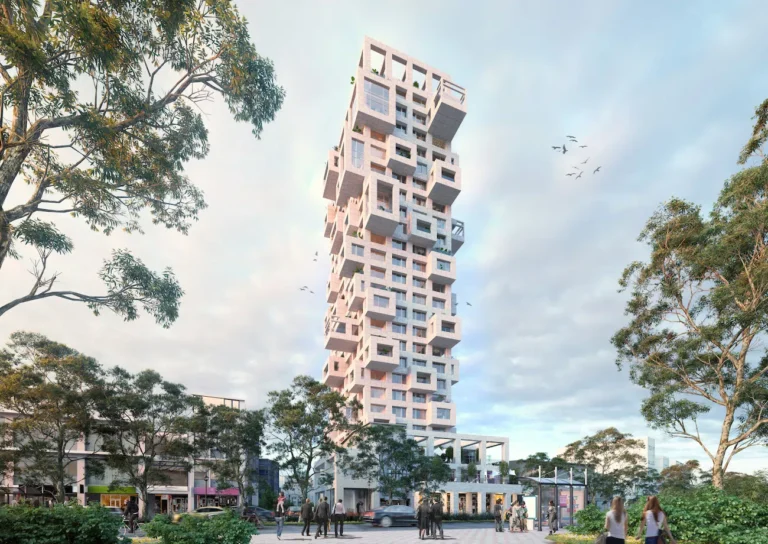
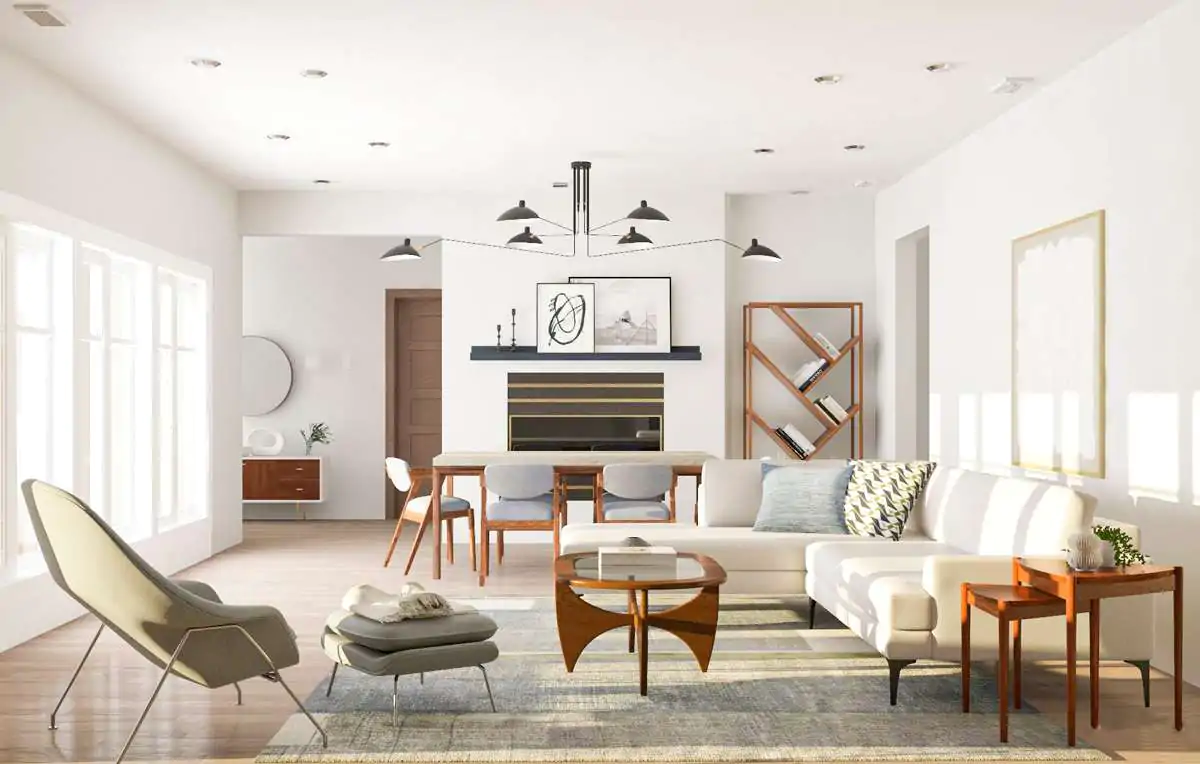
It was clear that Richard Parr was destined to be an architect, putting his visions to paper early on. In elementary school, the left side of his English lesson book was filled with his stories – and a low mark for his less than stellar spelling. On the right side, however, were meticulous drawings of structures, just one example of his love of the built environment. “I drew buildings everywhere, and made them out of LEGO and clay,” Parr says. “I always enjoyed playing with and making spaces.”
His self-education included visits to places in Italy and England steeped in history. When Parr stepped into Basil Spence’s Coventry Cathedral, it was a seminal moment, and he still has the guidebook from that day. Completed in 1962, the new cathedral was built to replace the 14th-century St. Michael’s Cathedral, destroyed in an air raid during World War II. Spence took elements of the past to reinvent the future. For Parr, it represents what he constantly strives to achieve.

Richard Parr Photo: Mark Cocksedge
The architect founded Richard Parr Associates three decades ago, with an emphasis on timeless spaces, created by merging craft traditions and technology. He also appreciates hospitality, and can often be found cooking and entertaining. In the London studio, dubbed the People’s Space, there’s even a bar and a main kitchen. The staff regularly share meals and conversation because they consider breaking bread the ultimate act of giving.
Parr divides his time between two locations where his life and studios are. While he’s energized when working in the city, he disconnects as soon as he arrives at his farm in the Cotswolds. He takes every opportunity to enjoy nature and tend to his kitchen garden.
Parr regrets that he missed out on both A-level art and a foundation year, and he would like to explore different mediums, particularly painting. He’s content though, and like all exceptional leaders, he knows which role each person will thrive in, himself included. “I like to think that I have tapped into most of my usable talents, and seasoned enough to recognize where I am not going to flourish,” Parr notes. “Even within the practice, I am happy to delegate where others can do better than me.”
Today, Richard Parr joins us for Friday Five!

República Dominicana, Facultad de Ingeniería y Arquitectura (FIA), 2022, oil, beeswax, and powdered gold pigment on canvas
Rogelio Báez Vega, whose work I encountered in NADA in Miami in 2022. The pieces are depictions of modernist buildings. The modernist movement is an area of fascination and interest to me. The impact of the ‘International Style’ and its application across the world is a theme that I engaged with when discovering Rogelio’s work. I enjoy seeing the artist exploring the relationship this architecture has in different geographies and politics and I have several works in my collection from diverse areas of the world, exploring the societal dialogue with a built environment that has become universal. As with anything the universality becomes local and it’s the conversation in specific context that interests me.

Many years ago, I encountered the designer Massimo Alba from Milan. His annual collections are a treat and his approach to fashion… the fabrics, colors, texture and cut marries with my own love of comfortable and understated ‘sprezzatura.’ His mandarin collared jackets, which are as European as anything else have become the core of my wardrobe. They are more than they seem, with (like everything he designs) an understated quirkiness that combines the relaxed style of Italian tailoring with interesting and clever fabrics. I wear his linens in summer and his tweeds in winter, velvets, and cord as well. Every year I visit his Brera showroom and make an annual addition.

Photo: Courtesy of The Modern House
Pep and Cuca’s gallery embodies and combines everything I love. Firstly, the very existence of this gallery in Tetbury is a joy and 10 minutes’ drive from home. The combination of contemporary art, 20th century furniture, some extraordinary antiques from both Spain and the British Arts and Crafts movement means I could happily own most of what they have in the gallery! I spent many years living in Spain and the fusion of contemporary architecture with history is something I learnt there and why their choices resonate and works so well for me. Among a number of pieces I have acquired from them are works by Chillida, the Mallorcan artist Guillem Nadal, and a number of pieces of furniture. I bought an Eames coffee table from the 1940s, which is one of the most enjoyable pieces I own and used daily.

My Porter-Yoshida bag goes with me everywhere. It’s the perfect design and could have been tailored for me. I never lose anything into it yet I throw my life into it! It holds everything from my laptop to crayons and is a smart but relaxed non statement piece.

I have chosen something garden related. Gardening or my garden is my escape and where hours of time are expended. My kitchen garden at home fills what was once a concrete yard between my house and my studio. I can find something to eat in it on every day of the year. Spring time seed buying is a ritual and I discovered Vital seeds a few years ago. They sell organic seed and I have a great success rate with everything that I have bought from them.
Works by Richard Parr:

Photo: Gilbert McCarragher