Affordable Zero-Energy Passive Home in New York Relies on Green Design

There is a popular misconception among homeowners that green technology is all about cutting-edge gadgets, devices that feel like they are from tomorrow and costs that leave a bit of a hole in your pocket. The same goes with the idea of fabulous green homes which often tend to rely on technology that is anything but dated. Putting all of this to a side and showcasing a stunning eco-friendly and sustainable home that has been built on a tight budget, the NY, Accord Passive House designed by North River Architecture & Planning is one-of-a-kind.
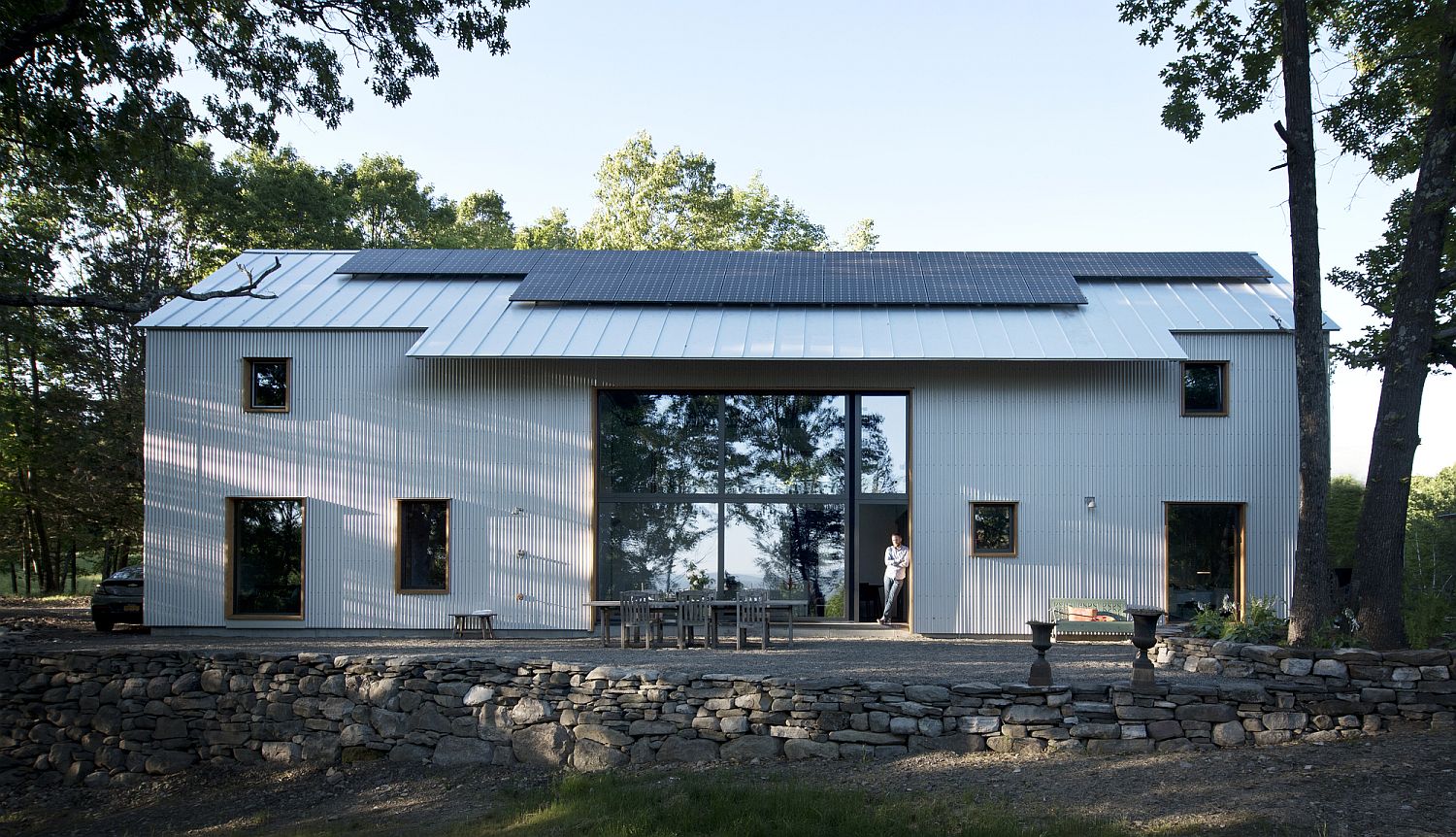
Passive House in new York borrows from vernacular design of Dutch settler homes in the region

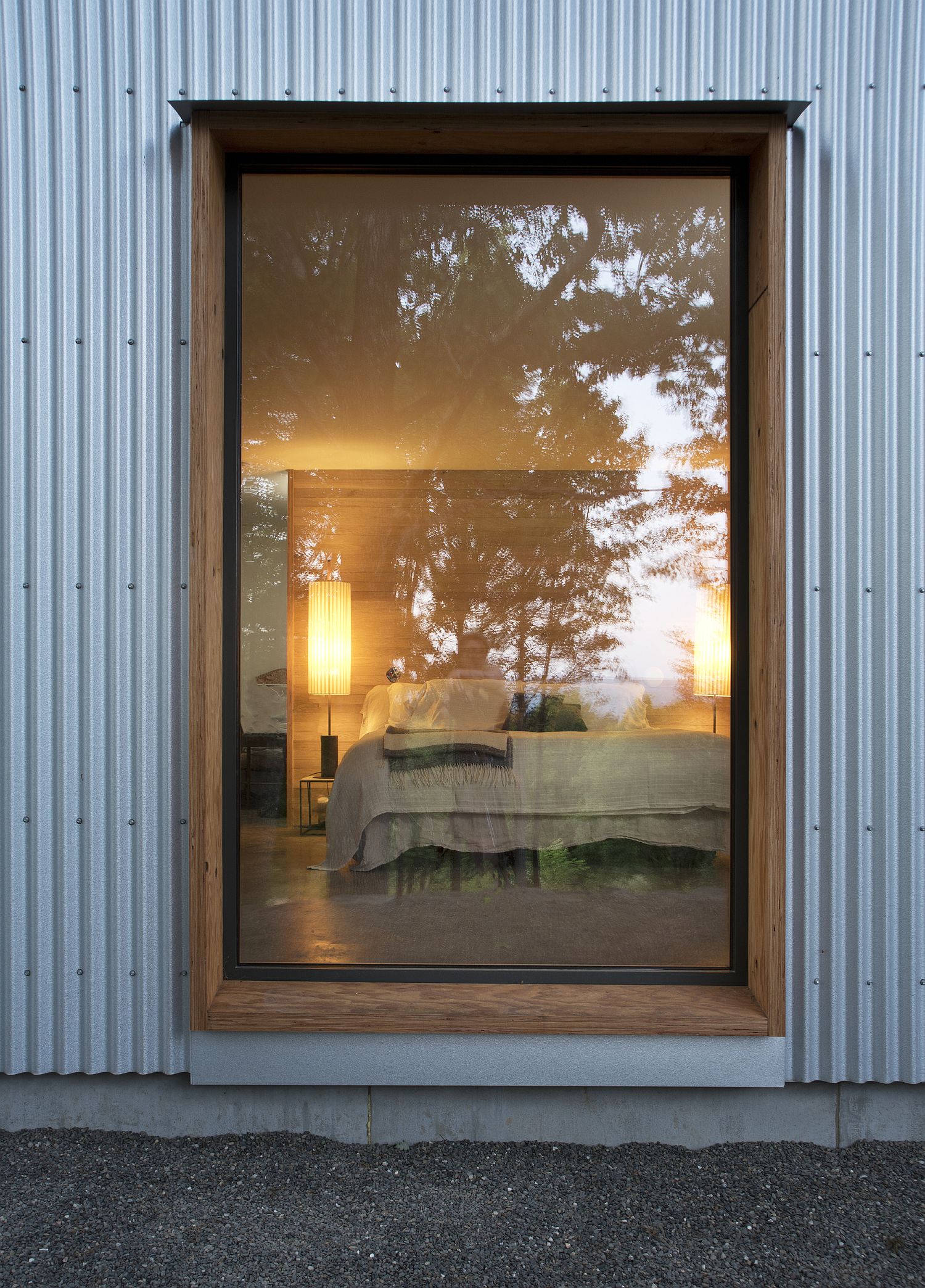
With a shell and overall design that is inspired by homes of the past in the region and a contemporary interior, this home brings together several contrasting facets. Locally sourced materials along with those available in bulk were used to cut down on the building costs drastically while passive heating and cooling techniques along with smart orientation do the rest. The net-zero-energy-house has a large photovoltaic panel to power it with green energy even as low-maintenance finishes and energy-saving fixtures further turn it into an effectively carbon neutral home across all seasons.

An exterior inspired by old homes of 17th century Dutch settlers in the region, a polished modern interior and energy-saving features complete this awesome New York home. [Photography: Deborah DeGraffenreid, North River]

RELATED: Waterfront New York Home Gets A Steely New Extension With Prefab Panels
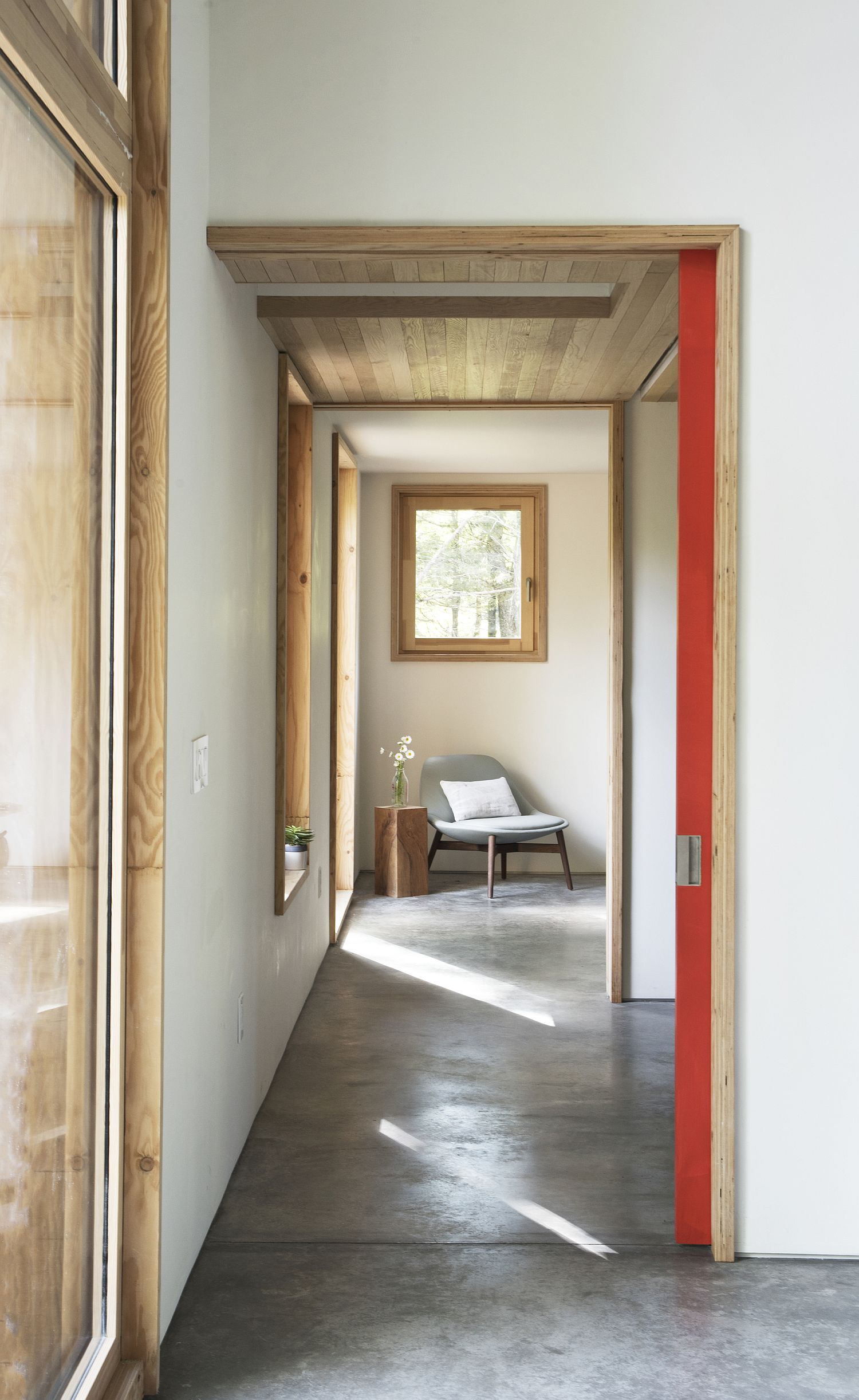
Smart design inside the home maximizes passive heating and cooling techniques
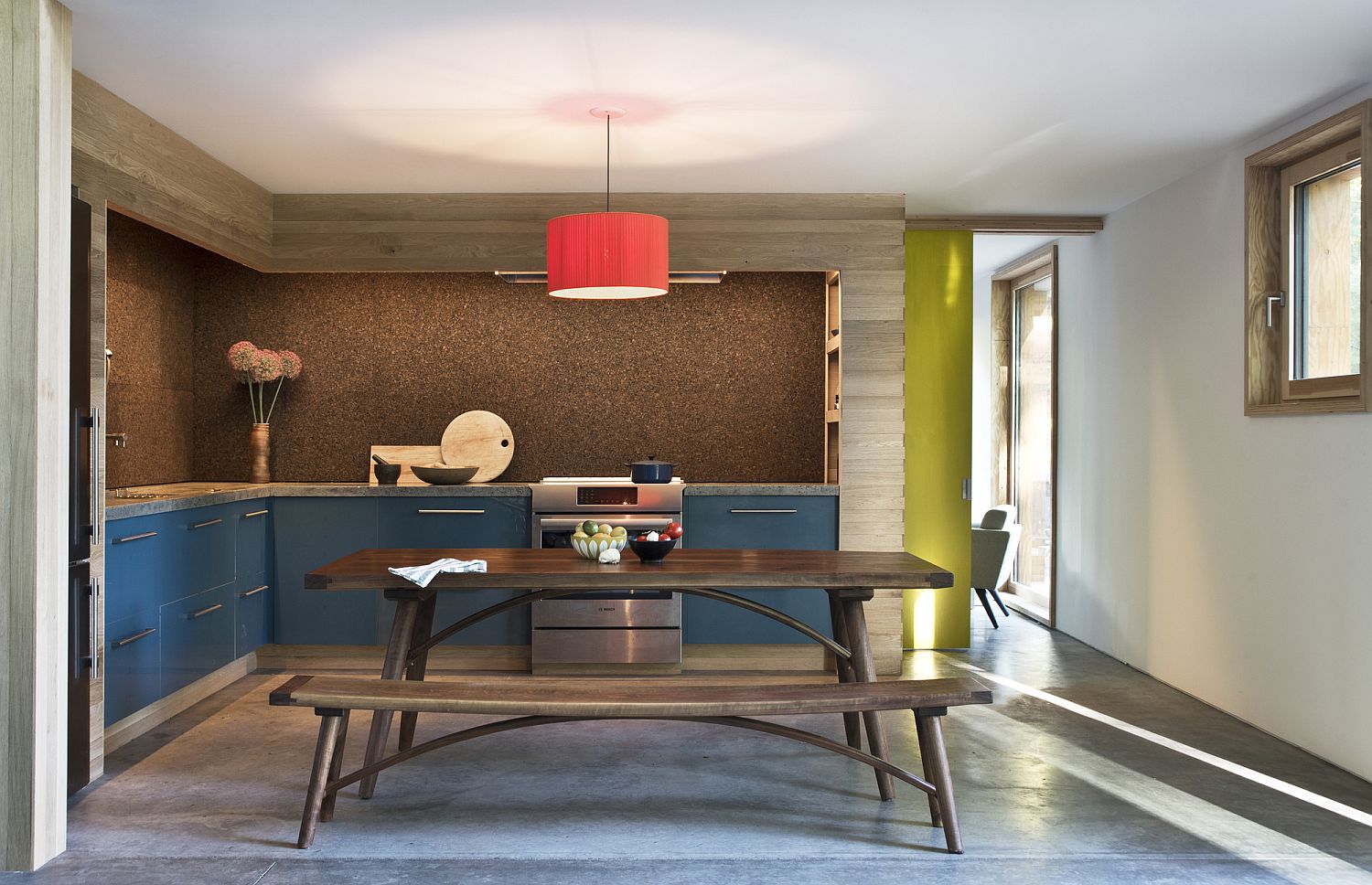
Blue, wood and white kitchen of the NY Passive House
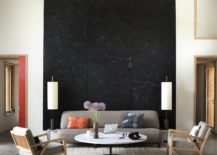
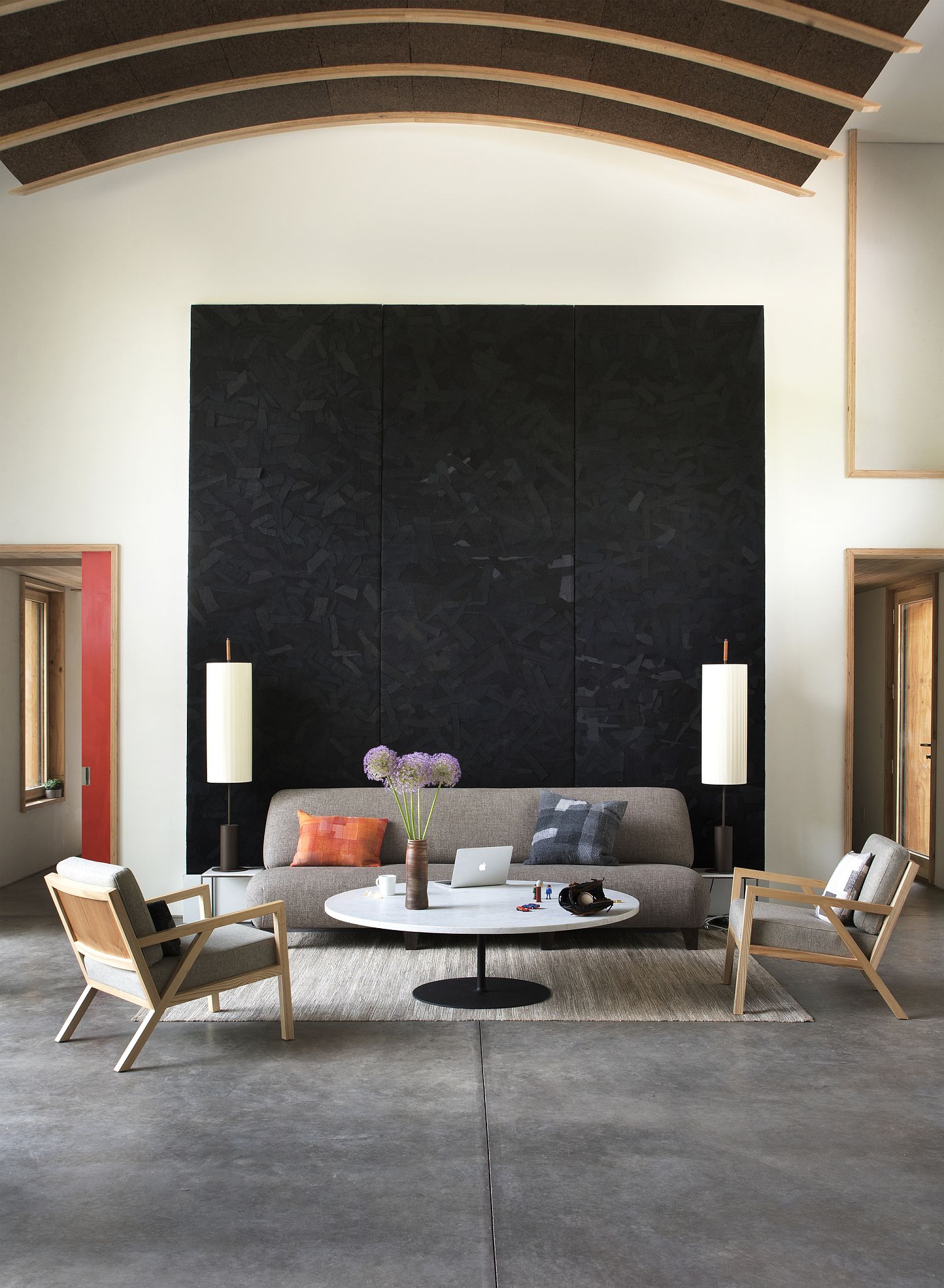
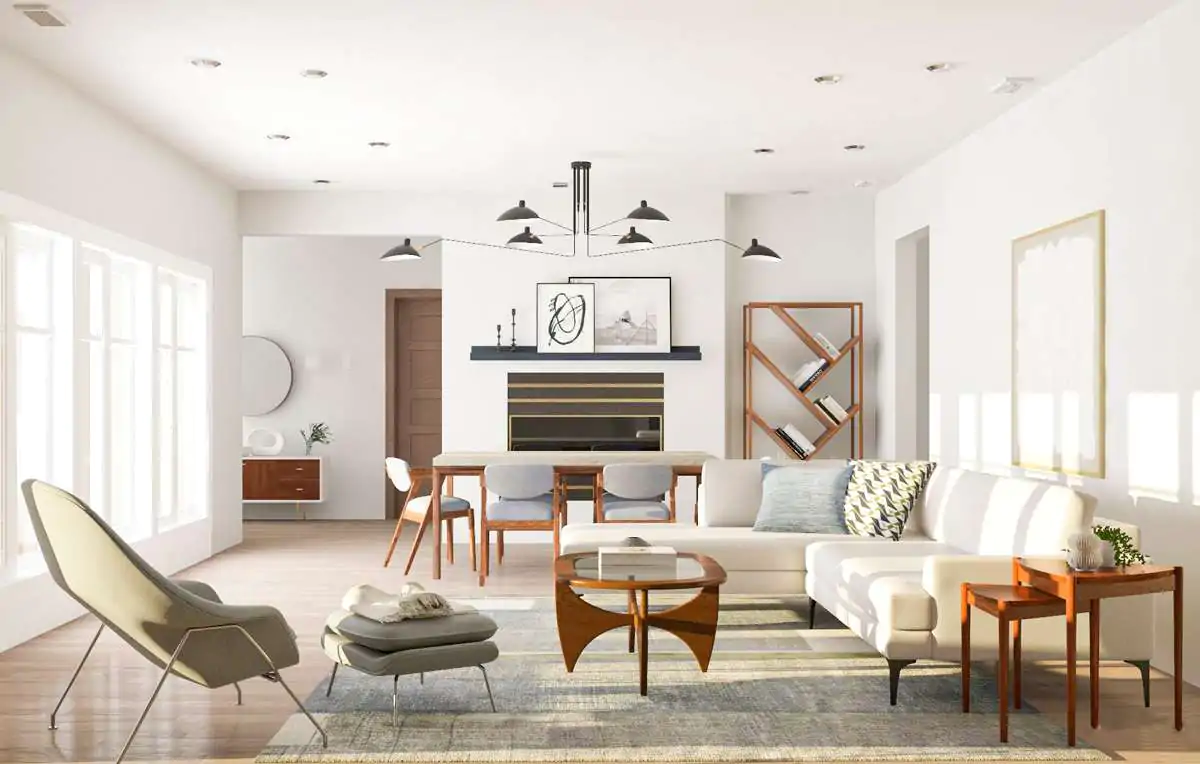
Double-height living area of the modern-classic home in white
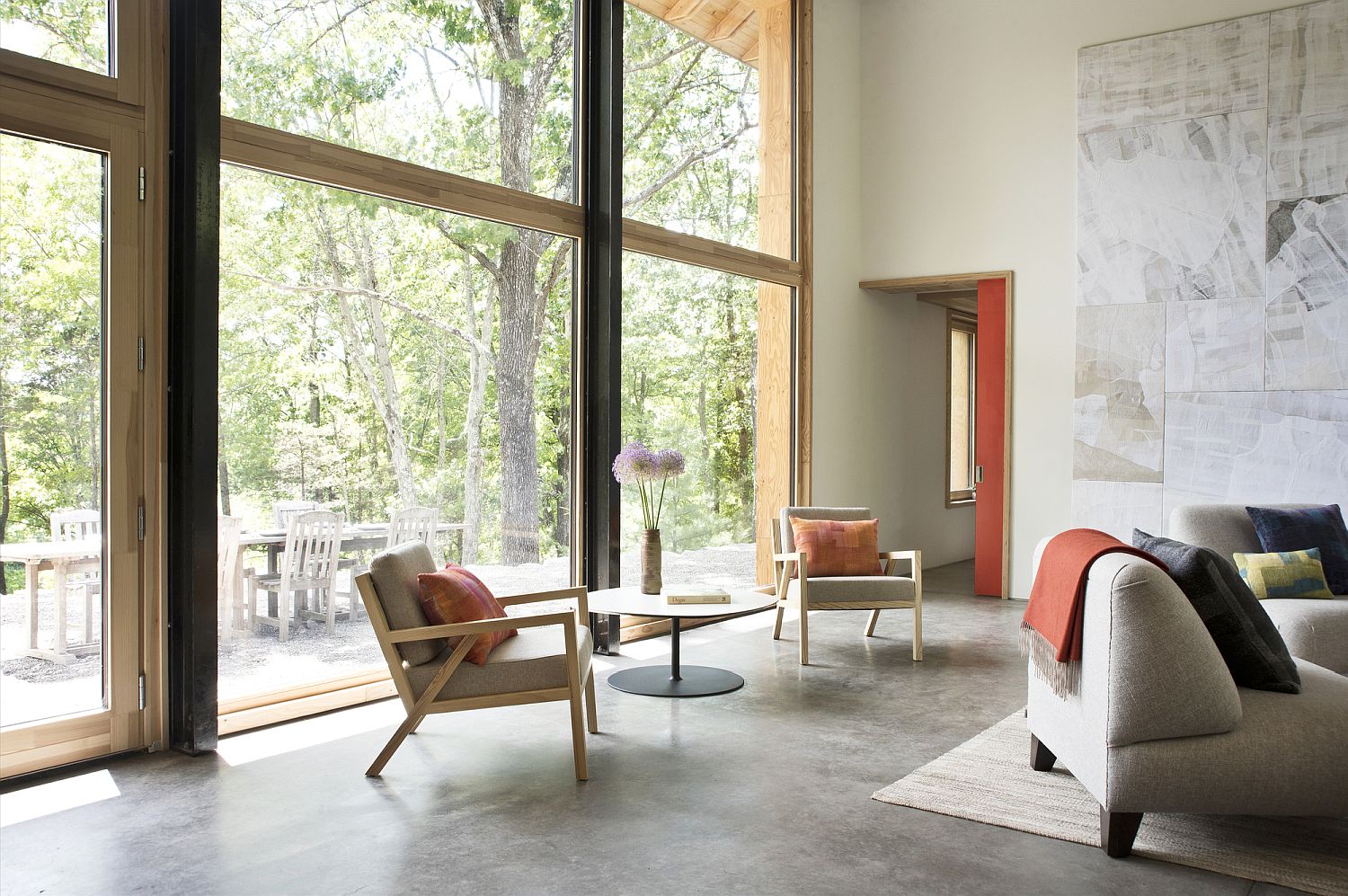
Glass wall sections and windows bring in plenty of natural light
Large wall of glass to the south brings in ample natural light
Locally sourced and easily available materials shape the cost-effective home in Accord
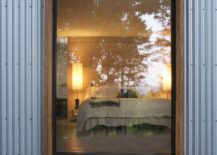
Metal, glass and wood combine to create a fabulous energy-efficient home

With PHIUS+ Certification, the project achieves an 80 percent reduction in energy use compared to code compliant structures. The Net Zero Energy strategy ties the house to the local power grid with a 9KW photovoltaic array through a net metering agreement with the local utility; as such, the homeowner will carry no net energy costs annually. Trim materials inside and out were chosen for their adaptive re-use and low resource extraction properties…

RELATED: Colorado’s First International Passive House Inspired by Japanese Design
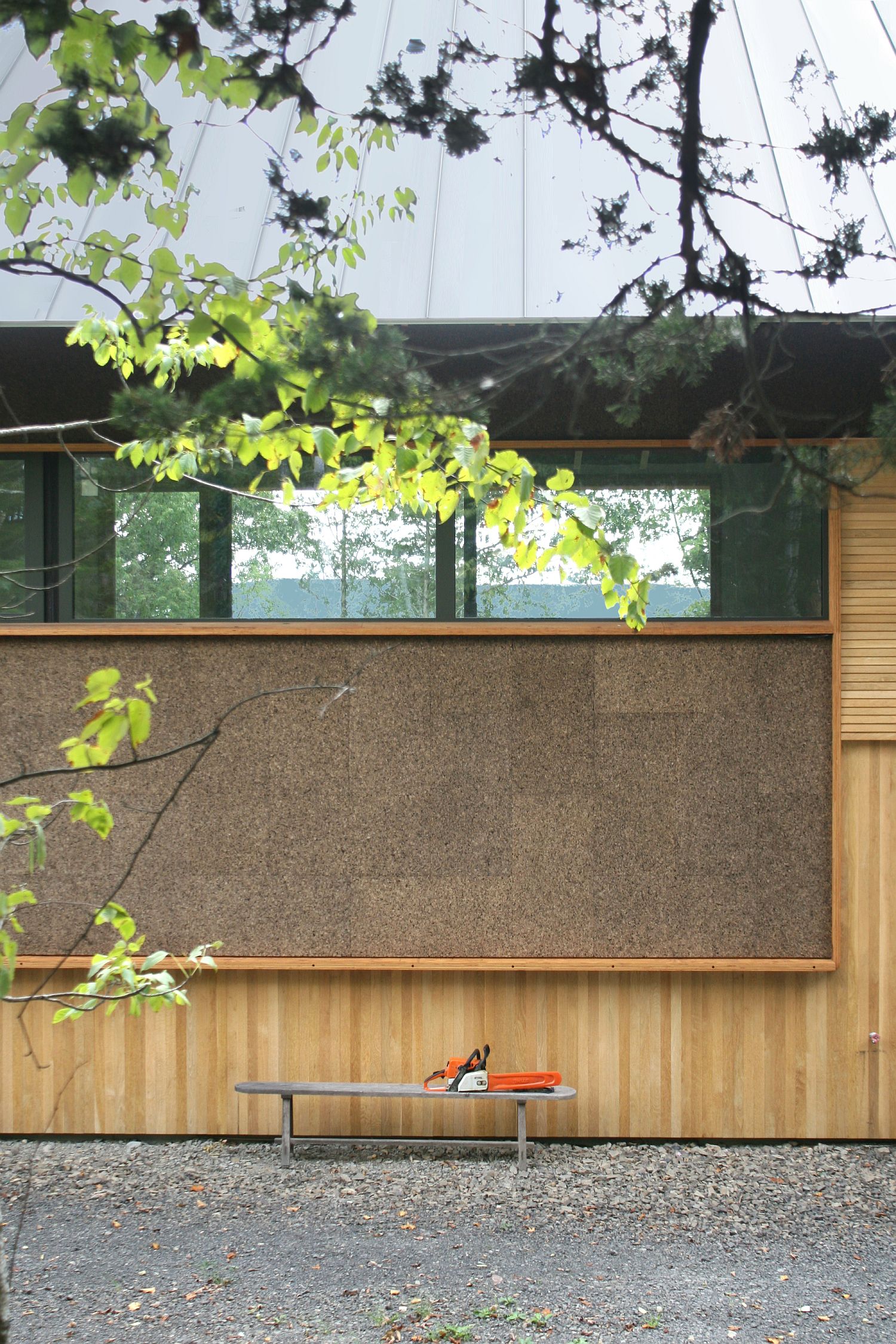
Natural greenery coupled with energy-efficient design of the house
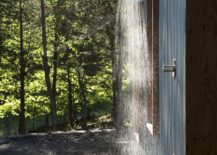
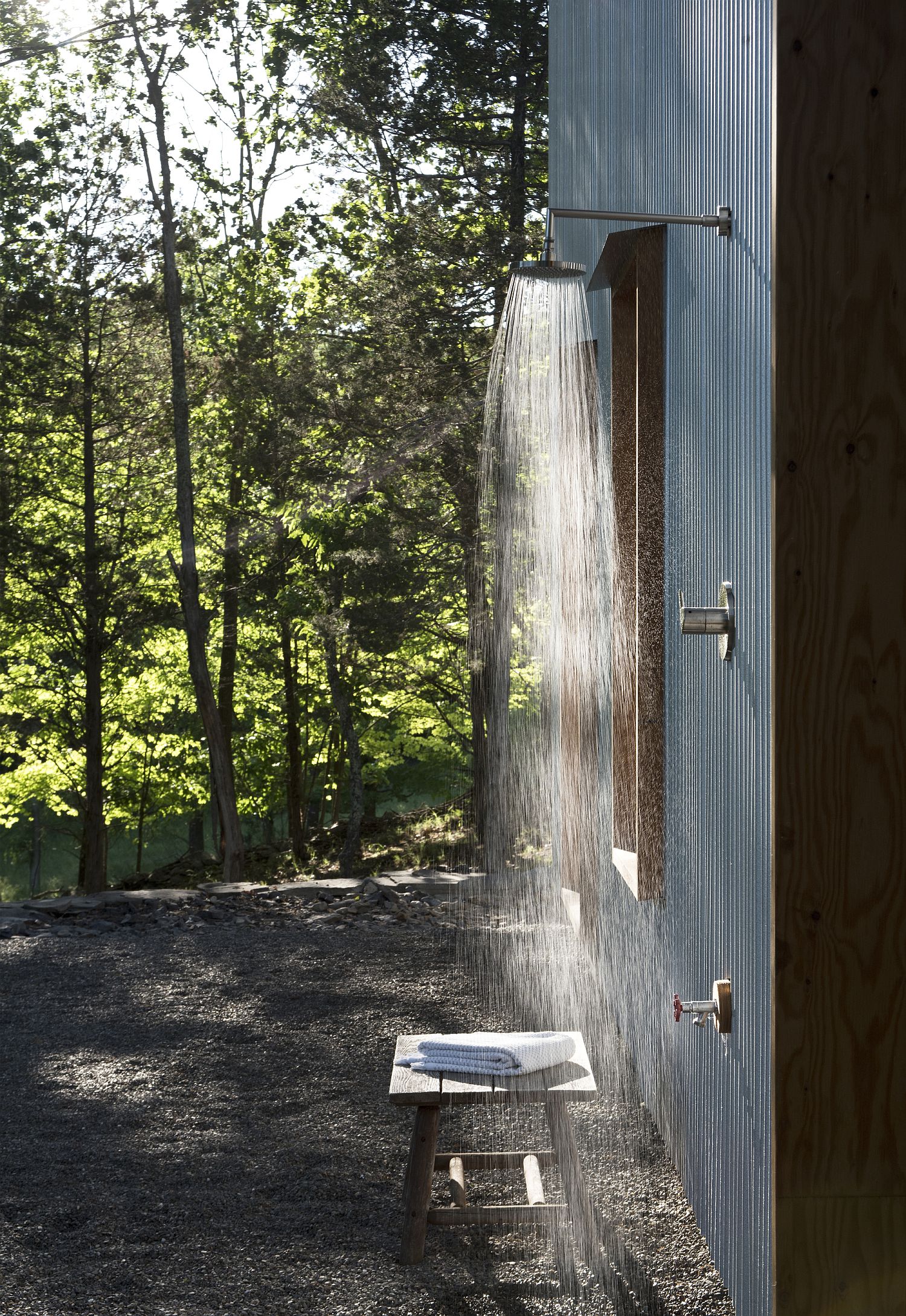
Outdoor shower zone surrounded by greenery
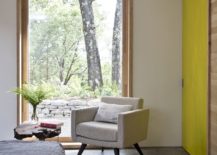
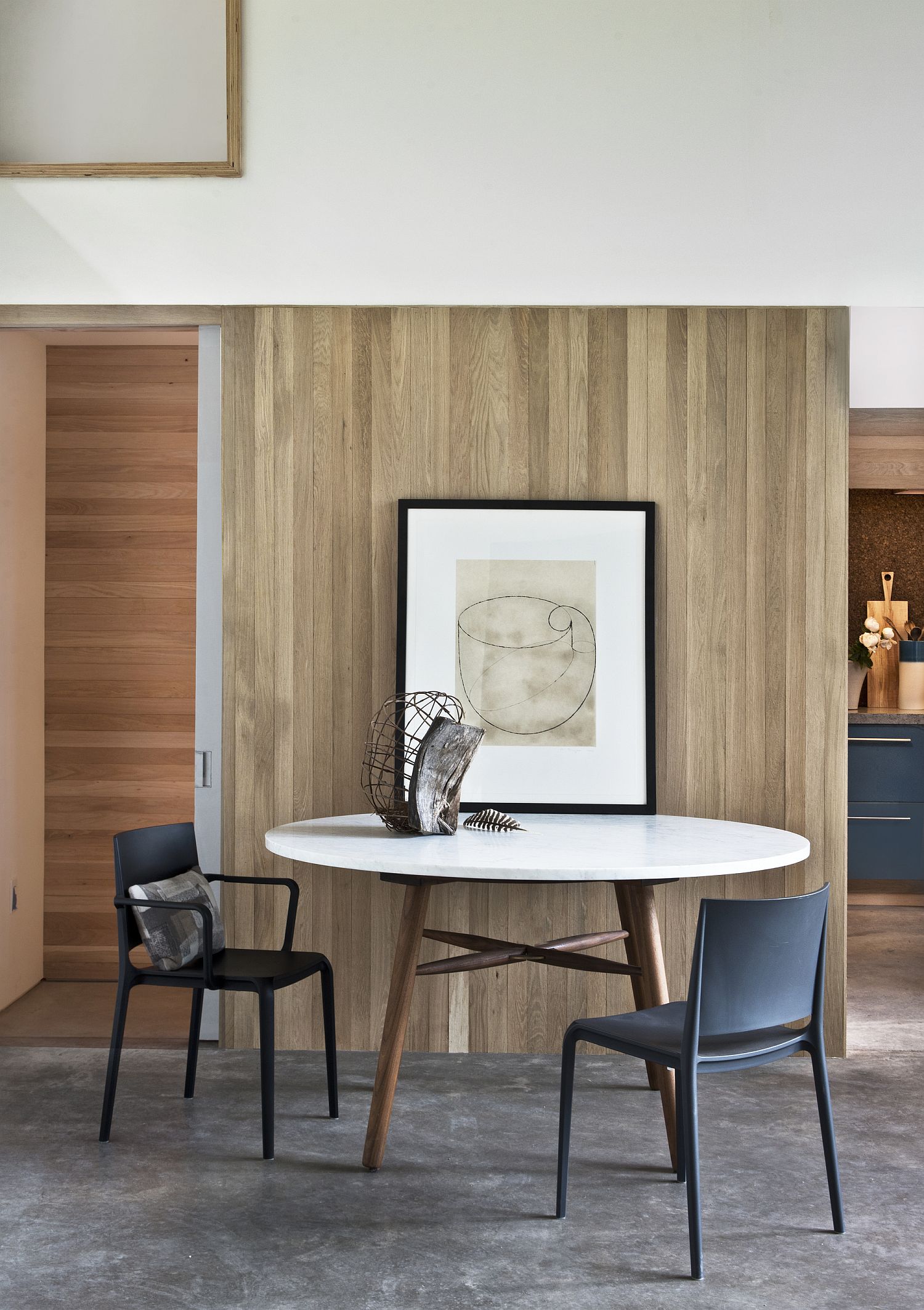
Small conversation area and breakfast zone inside the house
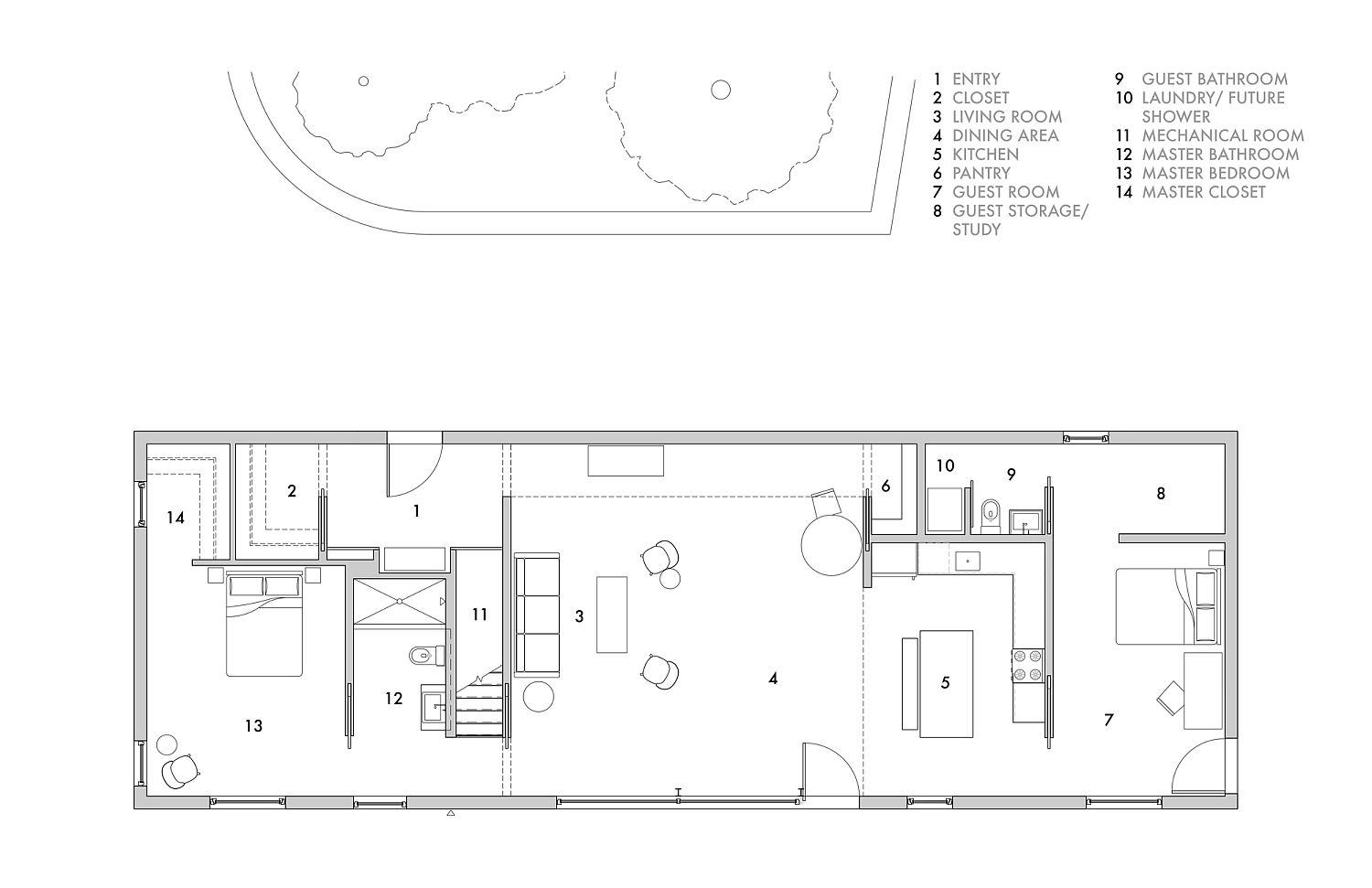
Ground level floor plan of the NY Passive House
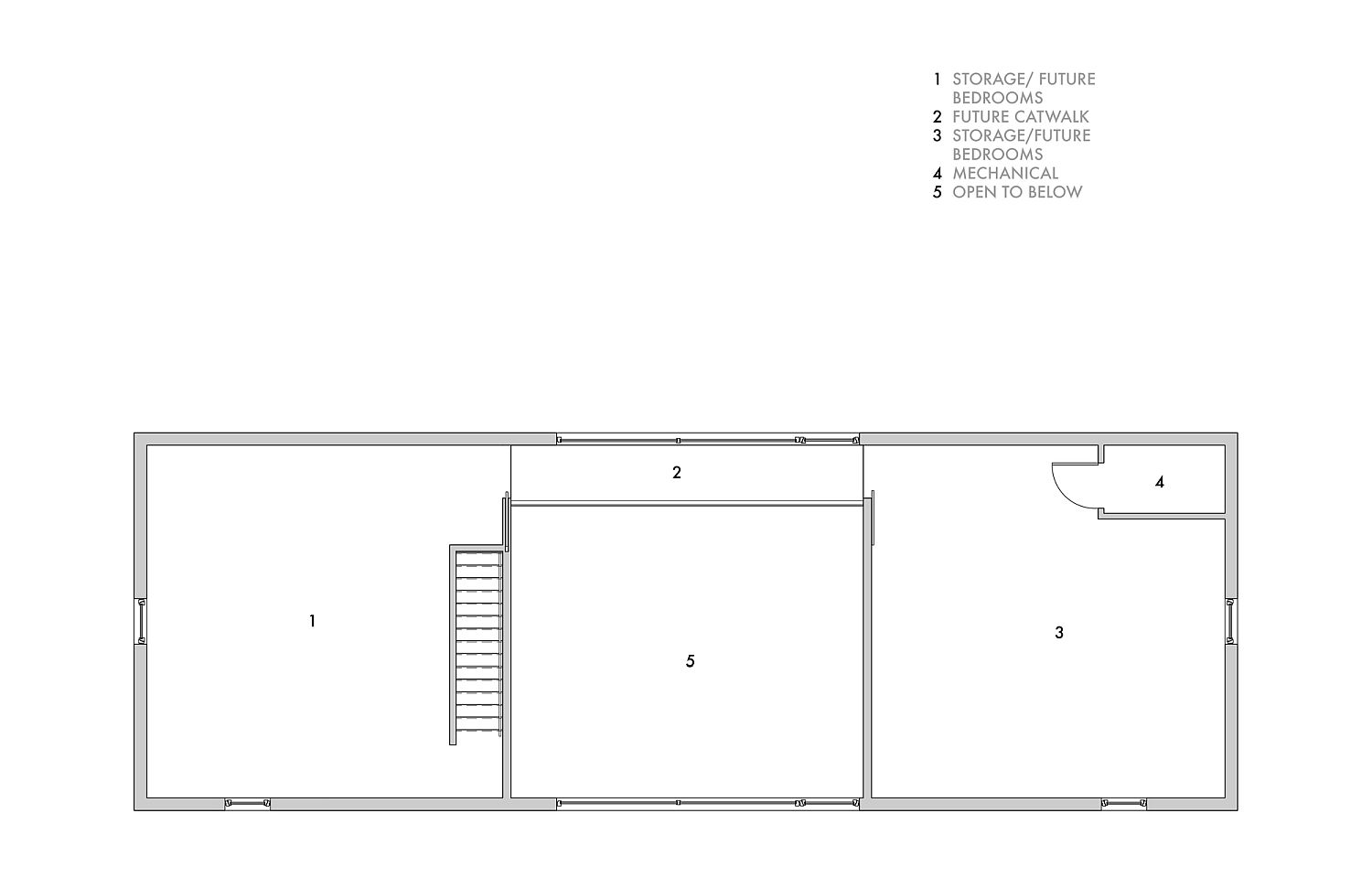
Upper level floor plan of the energy-efficient home in New York

You’re reading Affordable Zero-Energy Passive Home in New York Relies on Green Design, originally posted on Decoist. If you enjoyed this post, be sure to follow Decoist on Twitter, Facebook and Pinterest.

Similar Posts

  • Right First Impressions: 30 Trendy Front Doors to Enliven the Entry

    They say that first impressions last forever. That might not always be true and our perceptions do change with time. But making a good initial impression always helps and in case of your home it is the entryway and the door that do this job. Subtle details in the design of the entryway and the […]

    You’re reading Right First Impressions: 30 Trendy Front Doors to Enliven the Entry, originally posted on Decoist. If you enjoyed this post, be sure to follow Decoist on Twitter, Facebook and Pinterest.

  • A Village of One’s Own

    Welcome to A Village of One’s Own, a modern masterpiece by Hugh Newell Jacobsen. Described as one of the world’s top 50 architects by Architectural Digest, Jacobsen has been retained by celebrities including Meryl Streep, James Gardner and Jacqueline Kennedy Onassis. Here in Meadowbrook, Mr. Jacobsen was tasked with creating a modern home on a sloping hillside in 1988. Nearly invisible from the road, however the moment you turn down the drive, there is a sense of calm discovery. Three massive chimneys reach for the sky and the entire structure is covered in cedar shingles on the roof. There is a crispness and symmetry to the varying buildings from the 6-dormered Federal-style living room to the glass, pyramidal sky tower that was inspired by an 18th Century lantern house over the entry foyer. Ornamentation is eliminated, with box gutters hiding the downspouts and it is completely void of any fenestration. The forms themselves are the decoration, and it is simply brilliant! From the entry courtyard, the home appears small and simple. The site afforded the architect with the ability to design a reverse plan where the public living spaces occupy the main level. This first floor is high like a treehouse with views out to the canopy of trees that fill the rear yard. The private living quarters occupy the full lower-level with complete connection to the grounds through a series of symmetrical sliding glass doors from every room to the flagstone walkway across the entire rear of the house. With Southern exposure, the way the sunlight plays across the rear of the home is wonderful. No matter what Mother Nature delivers on any given day, from sun, to snow to rain, the experience and connection to the outdoors is magical. The home is grand without being grandiose. There is a quiet elegance that offers multiple experiences. One enters into the 2nd of the pavilions. The bluestone floored foyer is bathed in light from the glass sky tower above and two large windows facing the rear patio and grounds. Centered in the foyer is the powder room with a 16′ ceiling that has a mural painted by Hugh Newell Jacobsen himself! It’s a whimsical interpretation of Michelangelo’s Creation of Adam. The 20′ vaulted living room to the left of the foyer is the first of many surprises. A series of six dormers cut through the soaring ceiling while eight symmetrical 8′ tall floor-to-ceiling windows ground the living room to the outdoors. Centered on the gable wall is the first of five wood burning fireplaces with a hidden wood box tucked to the right and a square window off-centered to the left. Another ingenious design of Jacobsen’s is the placement of interior window shutters to control the flow of light. The third pavilion provides another signature Jacobsen element, the 25′ tall library walls and circular staircase to the private quarters below. This section also houses a massive roof light on the Southern slope of the pavilion. The fourth pavilion houses the dining room and kitchen. Similar to the living room, yet juxtaposed with the gable walls facing the rear and front yards, soaring ceilings in the dining room and large windows provide the perfect backdrop to enjoy the changing seasons with family and friends over great meals. The second wood burning fireplace is centered on one side wall with hidden storage closets. The kitchen is the definition of efficiency, with cabinetry on all four walls and a large central island. Double ovens, a SubZero side-by-side fridge and a series of square windows overlooking the entry court provide the perfect vista to see guests as they arrive. The 5th and smallest of the pavilions houses the mudroom and breakfast room with the third wood burning fireplace. The master suite occupies the entire space under pavilions 4 and 5 and is a refuge of simple, classic forms. It has a dedicated home office, large en-suite bath, a walk through closet and the remaining two fireplaces. For more information, please visit www.avillageofonesown.com or contact listing agent Scott Laughlin at 215-275-1685.