|

terraced stone and glass platforms shape shuai zhang’s sculptural amphitheater in canada

Shuai Zhang proposes sculptural amphitheater in canada


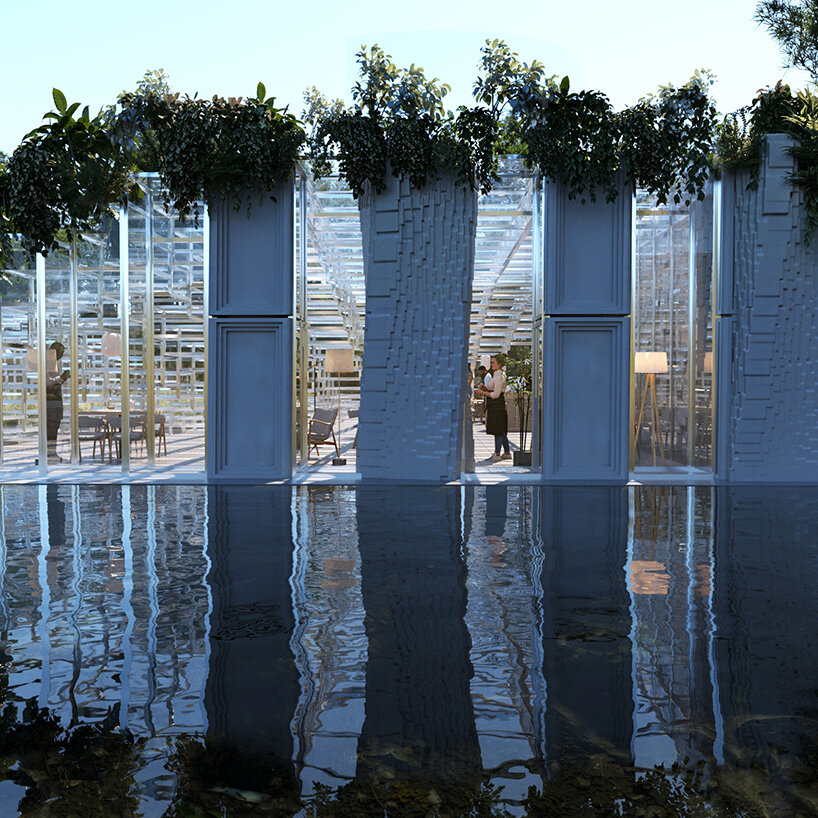
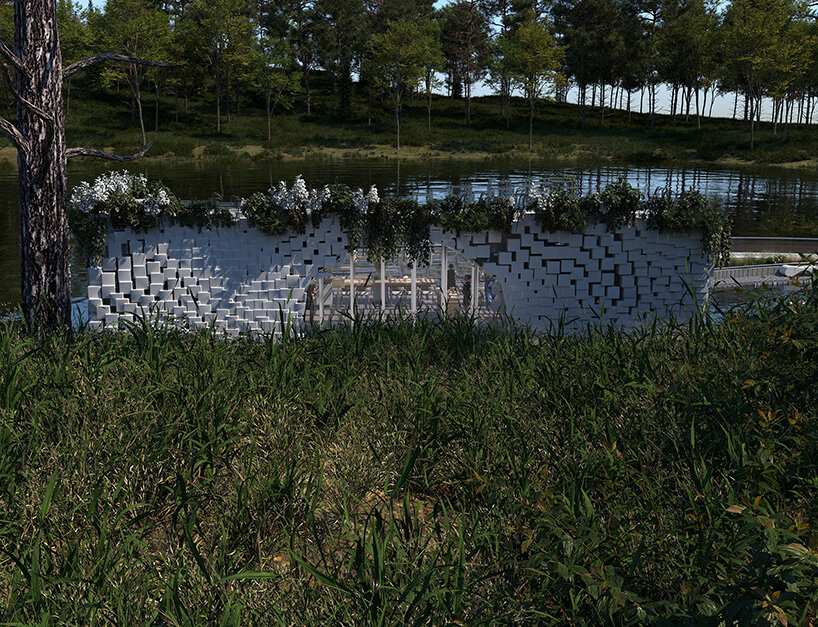
Steps of Tranquility by Shuai Zhang is a sculptural amphitheater that brings life to the gently sloping shoreline of Lakeside Park in Canada. This eco-driven public landmark proposal combines locally sourced stone and high-performance glass into terraced platforms that invite everything from casual strolls to cultural gatherings. 


The project honors the natural topography of the site, leveraging early analyses of sun paths, lake breezes, and pedestrian flows to create a terraced sequence that integrates with the landscape. Its form flows organically and,  rather than imposing a rigid structure, echoes the contours of the lakeshore. By creating diverse zones for public use, this sustainable intervention encourages people to reconnect with the water’s edge and each other, activating the waterfront.

terraced stone and glass platforms shape shuai zhang's sculptural amphitheater in canada
images courtesy of Shuai Zhang


natural materials and smart design shape Steps of Tranquility


The project is a result of precise prefabrication, where locally sourced limestone is cut using CNC technology into stone pieces that fit together like puzzle parts, giving the structure solid strength and helping regulate temperature. These stone bases were lifted into place quickly with cranes, creating a strong foundation for the glass structure to be added on top without delay. The glass panels themselves were made in a factory to exact standards – they have clear low-iron cores and special coatings that let in plenty of daylight while blocking out excessive heat from the sun, so people inside can enjoy uninterrupted views of the lake without feeling overheated.


Hidden beneath the southern terraces, a discreet cistern collects rainwater runoff from both the stone and glass surfaces, which is then used to water the surrounding plants, reducing the need for drinking water by as much as 60%. Steps of Tranquility also includes cleverly placed gaps between the terrace slabs and the glass facade that create a natural airflow called the stack effect. Cool air from the lake is drawn in at lower points, while warm air rises and escapes through higher vents, cutting the demand for mechanical cooling by nearly a quarter. Adding to this, recessed LED lights are built into the steps themselves and controlled via a smart network, allowing the lighting to adjust automatically depending on the event or the natural light outside.

Shuai Zhang’s multi-purpose amphitheater aims to bring a new level of life and meaning to the waterfront by combining smart sustainable features, tactile natural materials, and spaces designed for cultural events.

terraced stone and glass platforms shape shuai zhang's sculptural amphitheater in canada
Steps of Tranquility by Shuai Zhang brings life to the gently sloping shoreline of Lakeside Park in Canada
terraced stone and glass platforms shape shuai zhang's sculptural amphitheater in canada
the sculptural amphitheater combines locally sourced stone and high-performance glass
terraced stone and glass platforms shape shuai zhang's sculptural amphitheater in canada
the design flows organically

Similar Posts

  • These Versatile IKEA Rugs Have True Design Power

    Not only are IKEA rugs affordable, their accessibility and appeal repeatedly put them in the spotlight, especially when it comes to room makeovers. The most popular IKEA rug with design bloggers is STOCKHOLM (shown below), as the staggered black-and-white stripe motif is compatible with a range of palettes and design styles. Some would go as […]

    You’re reading These Versatile IKEA Rugs Have True Design Power, originally posted on Decoist. If you enjoyed this post, be sure to follow Decoist on Twitter, Facebook and Pinterest.

  • VITR

    This renovation project originates from the intervention of a pre-existent building located in the western area of Mexico City; reshaping it into a studio-house project, with clear conditions and an eye set into the pre-existing circumstances. Our design solution takes on a residential structure from the 20th century and recycles it into a project that integrates itself with its immediate natural environment, shattering the hegemony of the high walls behind which the neighboring houses hide, in order to establish a dialogue that transcends the physical limitations of the project. The variations in the depths of different planes, offer the environment a living façade, where the interior activities are guessed from the visual filters that concede intimacy to the interior spaces. The interior-exterior duality brakes its context’s routine, offering a canvas of textures where the concrete and granite give away to the mildness of the metal and the lightness of plastic fabrics. To the exterior, the housing peeks out without invading; whilst opening in the interior, subtlety exposing itself, balancing the volumes that are inserted in the site. An interplay of planes occurs inside allowing the versatility of spaces by the movement of long-distance sliding screens and wainscots formed by timber that contrast in warmth and complexity with the sobriety of the stone coatings and apparent concrete of the enclosures. A new stairway, based on steel strips, reactivates the space where the old one stood, which gave an opportunity to re-signify the ambiance of the circulations as an experience of sculptural character. The front yard of the house marks the limits of the construction and together with the water mirrors and vegetation orient the route beneath a suspended long cover. The architectural program revolves around the home in the ground floor, leaving the studio in a privileged condition towards the garden. The living spaces in the first level have terraces and views to the exterior between and through a green façade woven of plastic cables (recovering the Acapulco chair technique) that sieve and melt together the thick vegetation of the existing trees. The terraces and windows allows an optimal ventilation, illumination and contextualization between the outside and inside. In the top level, the project offers a view above itself and the wooden horizon from a roof garden that elevates to a higher plane the user’s introspection, belonging and pertinence of itself.